

Haneda Airport to Tokyo City Transfer Guide 2026
Plan your 2026 Tokyo arrival with our expert Haneda transfer guide. Compare Monorail, Keikyu trains, Limousine buses, and flat-rate taxis for every budget and
On this page
Arriving at Haneda Airport places you much closer to central Tokyo than Narita — just 14 kilometres from the city centre versus Narita's 60 kilometres. That proximity means your transfer takes 13 to 25 minutes by train rather than over an hour. But getting the right option for your budget, luggage load, and final neighbourhood still requires a little planning. This guide covers every mode available in 2026, with current fares and the details that make the difference at the gate.
Two big changes shape the 2026 arrival experience. Physical Suica and Pasmo IC cards remain in short supply at machines — but digital versions loaded to Apple or Google Wallet now work at every gate, bus reader, and convenience store. And Terminal 3 now houses the Haneda Garden complex, which matters if you land after the last train. Both updates are covered in detail below.
Quick Comparison: Haneda vs. Tokyo Transport Modes
Enter your arrival time, hotel area, party size and bags in the Haneda transfer calculator to compare suitable train, bus and taxi options after allowing for airport formalities.
The table below compares all four main transfer options to Tokyo Station as a common reference point. Actual fares and times shift depending on your destination in the city — Shinagawa or Asakusa riders, for instance, will see lower costs and shorter journeys than those heading to Ueno or Ikebukuro.
| Mode | Approx. Fare | Time to Tokyo Stn | Frequency | Best for |
|---|---|---|---|---|
| Tokyo Monorail | ¥720 | ~25 min (+ transfer) | Every few minutes | JR Pass holders, scenic route |
| Keikyu Line | ¥540 | ~25 min (+ transfer) | Every few minutes | Budget travellers, Asakusa direct |
| Airport Limousine Bus | From ¥1,000 | 30–60 min | Every 10–20 minutes | Heavy luggage, hotel drop-off |
| Flat-rate taxi | ¥7,600–¥9,100+ | ~40 min | On demand, 24h | Groups, late-night arrivals |
Trains win on speed and cost for travellers with manageable luggage. Buses win on comfort and door-to-door convenience when you are hauling large suitcases across platforms. Taxis win after midnight when trains have stopped and bus schedules thin out dramatically. Read the sections below to match your situation to the right option before you land.
Tokyo Monorail: Best for JR Pass Holders and Scenic Views
The Tokyo Monorail departs from a platform directly outside the international arrivals hall at Terminal 3. The express service reaches Hamamatsucho in about 13 minutes; slower all-stations trains take around 25 minutes. The one-way fare is ¥720, or free if you hold a valid Japan Rail Pass — the Monorail is the only Haneda rail link that accepts the pass. Full schedules and timetables are on the Tokyo Monorail official site.
Hamamatsucho Station connects directly to the JR Yamanote Line, the loop that rings central Tokyo. From there, Tokyo Station is two stops south, Shibuya is five stops north-west, and Shinjuku adds two more. The whole airport-to-Shinjuku journey by Monorail plus Yamanote takes around 40 minutes in normal conditions. Large overhead racks inside the Monorail cars accommodate suitcases without blocking the aisle.
One important note if you are activating a Japan Rail Pass at Haneda: think carefully before using it solely for this short Monorail ride. Unless you are heading straight to a Shinkansen journey the same day, buying a single ¥720 ticket and activating the pass later usually saves you money. The JR East Travel Service Center near the Monorail entrance in Terminal 3 handles pass activation and seat reservations.
Keikyu Line: Fastest Access to Shinagawa and Asakusa
The Keikyu Line is the cheapest train from Haneda, at ¥540 to Tokyo Station via Shinagawa. The fastest trains reach Shinagawa in 11 minutes; most trains take around 20 minutes with intermediate stops. The ticket office and machines are directly outside the international arrivals hall — follow the signs down to the underground platforms. Check the fare details on the Keikyu Railway Haneda Access page.
Keikyu trains split at the bottom of the platform into two directions: most trains head north-east toward Shinagawa and then Asakusa, while some head south-west toward Yokohama. Always confirm the destination on the digital board before boarding. At Shinagawa, the Keikyu station is adjacent to but physically separate from the JR station — you must exit fully and re-enter the JR gates to continue your journey.
The standout advantage of the Keikyu Line is the direct Haneda Airport Express service to Asakusa. This train continues beyond Shinagawa along the Toei Asakusa subway line, delivering you to the historic district in around 40 minutes for roughly ¥650 — no transfer required. That makes it the best single-seat option for anyone staying near Senso-ji or the Ueno museum cluster. The express runs every 15 minutes during peak hours.
Airport Limousine Bus: Stress-Free Travel to Major Hotels
The "Friendly Airport Limousine Bus" is the top pick when you are travelling with large suitcases or want a single vehicle from the terminal to your hotel. Buses depart from the ground floor of Terminal 3 and the domestic terminals, stopping at dozens of major hotels, train stations, and transit hubs across the city. The 2026 fare starts at ¥1,000 to most central Tokyo destinations, with some routes up to ¥1,600 for outlying areas. Tickets are available at staffed counters and automated kiosks in the arrivals hall; you can also pre-book online to secure a seat on busy routes.
Keikyu also operates its own fleet of Limousine Buses from Terminal 3, serving destinations like Shibuya Station (50 min, ¥1,300) and Tokyo Station (55 min, ¥1,200). These tickets are sold on a first-come, first-served basis at the second-floor bus counter and cannot be reserved in advance. The main advantage is their extended route to places like Tokyo Disney Resort (40 min, ¥1,300), which the standard Limousine Bus does not cover.
Travel times vary significantly with traffic. Expect the journey to run 30 to 40 minutes during off-peak midday hours and up to 70 minutes in the morning rush. Reading the route map carefully ensures the bus actually stops near your hotel — if your accommodation is a smaller guesthouse or hostel, you may need to ride to the nearest major hotel stop and walk or take a short taxi for the last block. It is a perfect fit for travellers making their first visit and wanting to avoid navigating the Tokyo transit system immediately after a long flight.
Taxis and Private Transfers: Flat-Rate Fares and Group Hacks
Haneda Airport offers a flat-rate (teigaku, 定額) taxi system to destinations across central Tokyo. The fare is fixed by destination ward, not by the meter, so you know the price before you get in. As of 2026, standard flat rates are roughly ¥7,600 to Tokyo Station, ¥8,500 to Shibuya, and ¥9,100 to Asakusa. A late-night surcharge of around 20% applies between 22:00 and 05:00. Full current fare tables are listed on the Haneda Airport official taxi page.
The on-demand taxi rank is on Level 1, one floor below the international arrivals hall — follow the taxi signs from customs. Only taxis queued at the official rank offer guaranteed flat rates. If the driver does not mention the flat rate, say "teigaku" and confirm the destination and price before the journey starts; some drivers default to the meter, which will cost more in traffic. While taxis technically seat four passengers, two or three is more realistic with large airport luggage.
Pre-booked private transfers are a cleaner option for groups of five or more. Services available from platforms like Klook or Viator start from around ¥7,000 and include larger vehicles, child seat requests, and a meet-and-greet driver in the arrivals hall. These are particularly useful late at night when the taxi queue can be long. Splitting the cost across four or five people makes the per-person price comparable to the Limousine Bus while offering door-to-door service and zero luggage hassle.
| Transfer Option | Est. Cost (Tokyo Stn) | Est. Time | Best For |
|---|---|---|---|
| Keikyu Line | ¥540 | 25 min + transfers | Budget travellers, direct to Asakusa |
| Tokyo Monorail | ¥720 | 25 min + transfers | JR Pass holders, scenic route |
| Airport Limousine Bus | ¥1,000–1,600 | 30–70 min | Heavy luggage, hotel drop-off, comfort |
| Flat-Rate Taxi | ¥7,600–9,100 | 40 min (+ traffic) | Groups, late arrivals (after 22:00) |
| Pre-Booked Private Transfer | ¥7,000+ (split group) | 40–50 min | 5+ people, meet-and-greet, 24h |
Late Night Transportation: Navigating Red-Eye Arrivals
Tokyo Monorail and Keikyu Line services both end shortly after midnight — typically around 00:20 to 00:30 from Terminal 3, depending on the day. If your flight lands after that window and immigration takes longer than expected, trains may no longer be running by the time you exit customs. Head straight for the ticket counter after clearing immigration rather than waiting at baggage claim.
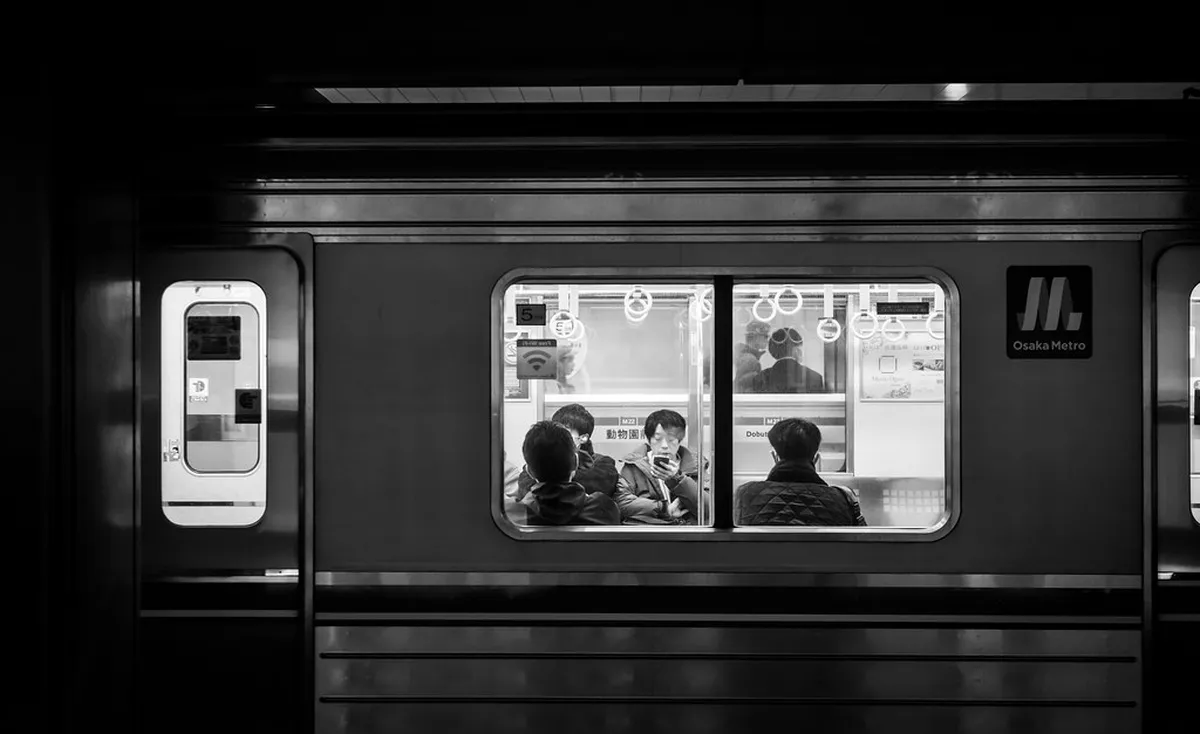
A limited number of night Limousine Buses continue until approximately 02:00, serving major hubs including Shinjuku Station and Ginza. Fares roughly double compared to daytime rates — expect to pay ¥2,000 to ¥3,200 for a late-night bus seat. Seats sell out fast, so go directly to the bus counter as you exit the arrivals hall. Taxis and pre-booked private transfers are available 24 hours, with the late-night surcharge adding around 20% to the flat rate.
The best late-arrival strategy if you are not in a rush to reach central Tokyo is the Haneda Garden complex at Terminal 3. This 24-hour facility includes a hot spring spa (Haneda Konwa Onsen, around ¥2,500 for a soak), lounges, and dining. It is a genuine option for recovering from jet lag, freshening up, and then taking the first morning Monorail at around 05:30 into the city. Several transit hotels directly connected to the terminal allow you to walk from arrivals to a bed in under five minutes. Planning for a late arrival — rather than scrambling at the gate — makes an enormous difference to how your Tokyo trip begins.
Using the JR Pass at Haneda Airport
The JR East Travel Service Center, located near the Monorail entrance in Terminal 3, handles Japan Rail Pass activation and seat reservations. Staff speak English and can assist with exchanging your voucher and booking your first reserved Shinkansen seats. Automated machines with passport scanners are also available for pass activation during busy periods. Keep your passport accessible — it is required for the exchange and validation process.
As noted above, the Japan Rail Pass is accepted on the Tokyo Monorail, making it the only Haneda-to-city rail option covered by the pass. The Keikyu Line is a private railway and does not accept the JR Pass. Once in the city on the Yamanote Line, the pass works on all JR lines but not on Tokyo Metro or Toei subway lines. If your Tokyo Itinerary: The Ultimate 5-Day Guide for 2026 includes an immediate Shinkansen departure, activating at the airport makes sense; otherwise, consider waiting until your first intercity journey.
Setting Up a Digital Suica Before You Leave the Terminal
Physical Suica and Pasmo IC cards remain difficult to obtain at Haneda in 2026 — vending machine stock is often zero by the time international flights arrive, and the JR East Travel Service Center queue can run 20 to 30 minutes. The practical solution is to load a digital Suica or Pasmo to your phone before you join any queue.
On iPhone, open the Wallet app, tap the plus sign, and search for "Suica." Select a card type, choose your load amount (¥1,000 to ¥10,000 in increments), and pay with Apple Pay. The card is ready to use immediately — hold your phone near any IC reader at train gates, bus validators, or convenience stores. On Android, open Google Wallet, tap "Add to Wallet," select transit cards, and follow the Suica or Pasmo setup flow. Both digital versions work identically to physical cards at every gate across the Tokyo network.
A "Welcome Suica" — a limited-validity physical card sold to tourists — is available at the JR East counter if you strongly prefer a tangible card. It has a 28-day validity and cannot be refunded, which makes it less flexible than a standard digital card that you can top up indefinitely. For most international visitors in 2026, digital Suica is the faster, lower-friction choice. Set it up on the plane or in the arrivals lounge before you reach the gates, and you will walk straight through without stopping at a machine.
Traveling Between Haneda and Narita Airports
Haneda and Narita are roughly 80 to 100 kilometres apart, and the transfer takes more time than most first-timers expect. The Airport Limousine Bus runs a direct service between both airports for around ¥3,100 and takes 65 to 85 minutes in normal traffic. This is the easiest option when you have luggage and no desire to navigate a multi-line train journey through the city centre. Check the Narita Airport to Tokyo City Transfer Guide 2026: 8 Best Ways guide for detail on the Narita end of this route.
A rail option exists via the Keikyu and Keisei "Access Express" connection — a direct train roughly once or twice per hour that costs around ¥1,850 and takes about two hours. It is slower than most people assume, because Haneda and Narita sit on opposite sides of the Tokyo metropolitan area. A taxi between the two airports runs approximately ¥35,000 via toll roads and offers no meaningful time advantage over the train. Allow at least four hours of buffer between an arrival at one airport and a departure from the other — immigration delays are unpredictable, and missing an international connection is an expensive outcome.
Haneda to Tokyo Station and Major Destination Hubs
Tokyo Station is the most common reference point for travellers, and the Monorail-to-Yamanote combination gets you there in around 30 minutes total. Alight the Monorail at Hamamatsucho, descend to the JR Yamanote platform, and ride two stops south. The station's Marunouchi side is the main exit for the business and hotel district; the Yaesu side faces east toward Nihonbashi. You will find more accommodation options and neighbourhood context in our Tokyo neighbourhoods guide.
For Shibuya and Shinjuku, the Keikyu Line to Shinagawa then Yamanote Line north-west is the most direct train route. Shibuya is three stops from Shinagawa on the Yamanote; Shinjuku is five. The Limousine Bus also serves both areas directly, stopping at major hotels in Shibuya, Shinjuku, and Ikebukuro — useful when heavy luggage makes the Shinagawa platform transfer feel daunting. For Asakusa or Ueno, the Keikyu Haneda Airport Express running through to the Asakusa subway line is the single-seat option and saves the Shinagawa transfer entirely.
Always confirm the direction of travel when boarding the Yamanote Line at Hamamatsucho or Shinagawa — the loop runs in both clockwise and counter-clockwise directions from these platforms. Digital station displays show the next destination and terminus. Most major stations are fully accessible, with elevators between platform and street level for travellers carrying large strollers or mobility aids. Following the colour-coded line maps inside the cars makes navigating the network straightforward even on your first visit.
Ship Your Luggage to the Hotel: Haneda Takkyubin
One option that significantly changes the quality of your arrival day is luggage forwarding (takkyubin). Counters run by Yamato Transport are located on the arrivals floor of Terminal 3. Staff accept your suitcases immediately after you clear customs and deliver them to any hotel or address in Tokyo, typically by the evening of the same day or the following morning depending on cut-off times.
The cost runs roughly ¥1,500 to ¥2,500 per bag depending on size and delivery zone — comparable to checking one bag on a domestic flight. The practical effect is that you walk out of the airport with only a daypack, board any train without wrestling oversized luggage down escalator stairs, and head straight to sightseeing. Hotels are accustomed to holding forwarded bags at reception. This service is especially well-suited to multi-night itineraries where you plan to check in later in the afternoon anyway. It is the single most underused practical hack for first-time visitors arriving at Terminal 3.
Continue planning with Tokyo Trip Planner 2026: Attractions, Neighborhoods and Itineraries.
Frequently Asked Questions
Can I use my JR Pass to get from Haneda Airport to central Tokyo?
Yes, the Japan Rail Pass is valid for the Tokyo Monorail which connects Haneda to Hamamatsucho Station. From there, you can transfer to the JR Yamanote Line to reach other central areas. For more details on the rail network, see our Tokyo Subway Guide 2026: 10 Steps to Use the Metro.
How do I get from Haneda Airport to Narita Airport?
The easiest method is the direct Airport Limousine Bus, which takes about 70-90 minutes. Alternatively, you can take the Keikyu/Keisei Access Express train for a direct rail connection. Ensure you have at least 4 hours between your flights for a stress-free transfer.
What is the cheapest way to get from Haneda to Tokyo in 2026?
The Keikyu Line is generally the most affordable option, with fares to Shinagawa starting around 540 yen and to Tokyo Station around 540 yen total. The Tokyo Monorail is also budget-friendly at 720 yen. Both options are significantly cheaper than taking a taxi or the Limousine Bus.
Are there trains from Haneda after midnight?
Standard train services usually end shortly after midnight, so you may miss them if your flight is delayed. Late-night buses operate until approximately 2:00 AM to major districts like Shinjuku. Taxis and private transfers remain available 24/7 but include a late-night surcharge of around 20%.
Where can I buy a Suica card at Haneda Airport right now?
Physical Suica cards are currently limited, but you can purchase a "Welcome Suica" at the JR East Travel Service Center. Most travelers now prefer adding a digital Suica or Pasmo to their Apple or Google Wallet. This digital version works instantly at all ticket gates and vending machines.
Haneda is one of the most visitor-friendly airports in the world, and the transfer into central Tokyo is genuinely straightforward once you know the options. Set up your digital Suica before landing, decide whether you want the speed and savings of the train or the convenience of the bus, and have a late-arrival plan if your flight schedule is tight. With those three decisions made, you will clear arrivals and be in the city in under 40 minutes on most days.
Tokyo rewards preparation. Using this haneda airport to tokyo city transfer guide 2026 ensures you spend your energy exploring Asakusa and Shinjuku rather than deciphering ticket machines at 01:00 in the morning. Safe travels as you begin your adventure in one of the world's most exciting cities.
Free: The Tokyo Essentials guide
Top things to do, where to stay, a perfect day plan, getting around, and the best time to go — a Tokyo mini-guide you can take offline.
You might also like



Continue reading
More guides you'll find useful


