

12 Hidden Gems in Tokyo Off the Beaten Path (2026)
Discover 12 hidden gems in Tokyo off the beaten path 2026. Plan your trip with insider tips on secret temples, quiet parks, and local food spots.
On this page
After five visits to this city, I have learned that the quietest corners offer the most rewarding memories. Planning a trip to Japan often leads travelers to the same crowded intersections and famous towers. This guide reveals the secret spots I discovered while wandering far from the typical tourist routes. Updated for 2026, these recommendations ensure you experience the authentic side of the metropolis.
The beauty of Tokyo lies in its layers, where a centuries-old shrine might sit behind a vending machine. Exploring these 25 Top Tokyo Attractions allows you to escape the heavy crowds of Shibuya. You will find that the local pace of life is much more welcoming in these residential wards. This list focuses on places that offer deep cultural value without the long ticket lines.
Must-See Hidden Attractions in Tokyo
The neighborhoods most worth your time are the ones that rarely appear on a standard four-day itinerary. Yanaka Ginza is the starting point: a narrow shotengai shopping street near Nippori Station that preserves Edo-era storefronts, stray cats, and handmade ceramics stalls. It is free to enter, runs every day from roughly 10:00 to 18:00, and the famous sunset stairs at the street's south end are a five-minute walk from the main strip. Grab a fried minced meat cutlet from a local butcher as you walk.
| Hidden Gem | Neighborhood / Area | Why Visit | Entry Cost |
|---|---|---|---|
| Yanaka Ginza | Taito (near Nippori) | Edo-era storefronts, local ceramics, fried food stalls | Free |
| Shibamata Taishakuten | Katsushika (eastern Tokyo) | Historic temple precinct, TV show heritage, carved panels | ¥400 |
| Gotokuji Temple | Setagaya | Maneki-neko collection, serene grounds, Setagaya Line tram ride | Free |
| Jimbocho | Chiyoda | 150+ bookstores, rare manga, first-edition prints | Free (shopping variable) |
| Todoroki Ravine Park | Setagaya | River valley forest, bamboo groves, free teahouse | Free |
| Hamarikyu Gardens | Chuo (south of Ginza) | Tidal seawater pond, island teahouse with matcha | ¥300 (¥510 with tea) |
Shibamata in eastern Tokyo deserves a full morning. The neighborhood is famous because of a long-running TV show about Tora-san, a traveling salesman, but even without that context the wooden storefronts along the approach to Shibamata Taishakuten temple feel genuinely historic. The temple's backyard garden and intricately carved wooden panels cost ¥400 (about €2.50) to enter. Most sweet shops along the approach close by 17:00, so plan accordingly. You can reach Shibamata in about 30 minutes from Tokyo Skytree on the Keisei Kanamachi Line.
Gotokuji Temple in Setagaya ward is one of the more photogenic secrets in the city. Hundreds of white maneki-neko beckoning cat figurines fill the quiet grounds of this Buddhist temple. Entry is free and the grounds are open daily 06:00–18:00. Take the Setagaya Line tram from Sangenjaya — the tram alone is a novelty worth the ¥150 fare. You can leave a small purchased cat figurine (from ¥300) to add to the collection and invite good fortune.
Jimbocho, the second-hand book district in Chiyoda, rounds out the must-visit tier. Over 150 bookstores, rare manga dealers, and literary cafes line the streets within a few blocks of Jimbocho Station. Most shops open 11:00–19:00 and many close on Sundays. Look for signs marking "English Books" in the back rooms of larger stores — vintage woodblock prints and first-edition paperbacks turn up here at prices far below what you would pay in specialist shops elsewhere.
Museums, Art, and Culture in Hidden Tokyo
Tokyo's cultural scene extends far beyond the major museums in Ueno Park or the Ghibli Museum. Small, specialized galleries are often tucked away in residential buildings in neighborhoods like Kiyosumi-Shirakawa. You can find a 10 Essential Chapters for Your Tokyo Food Guide 2026 to pair your art walk with local coffee shops. The Tokyo Metropolitan Government reports that these smaller venues often host rotating exhibits from emerging local artists that never appear in tourist publications.
The MORI Art Museum, perched on the 53rd floor of Mori Tower in Roppongi, is the standout for contemporary art with a view. A combined ticket covering both the museum and the Tokyo City View observation deck costs approximately ¥2,000–¥3,000 (around €12–€18) in 2026. The museum stays open until 22:00 most nights, which makes it one of the few cultural institutions in the city you can visit after dinner. Because Roppongi is out of the way relative to Shinjuku and Shibuya, the crowds here are noticeably thinner than at the Sky Deck or Tokyo Skytree. English translations accompany all exhibit descriptions. Check the museum website for occasional late-night artist talks before your visit.
Kiyosumi-Shirakawa, east of Tsukiji, has quietly become Tokyo's coffee roasting district over the past decade. Flagship roastery cafes from some of Japan's most respected specialty roasters — including Allpress Espresso and ARiSE Coffee Roasters — cluster within a 10-minute walk of Kiyosumi-Shirakawa Station. Most open 09:00–18:00. What competitors rarely mention: the neighborhood also contains Kiyosumi Gardens (¥150 entry), a traditional strolling garden with a central pond and stepping stones across the water. The combination of precision coffee culture and a classical garden in the same 30-minute loop makes this the most genuinely modern-meets-old experience in hidden Tokyo.
Nezu Shrine in the Yanesen area deserves more attention than it gets. Its row of red torii gates is a smaller, far quieter version of Kyoto's Fushimi Inari — reachable in minutes from Nishi-Nippori Station without the queues. In April, azalea season turns one side of the shrine into a wall of purple, red, and white flowers. Visit before 09:00 on weekdays and you will likely have the tunnel of gates largely to yourself.
Parks, Gardens, and Outdoor Spots in Hidden Tokyo
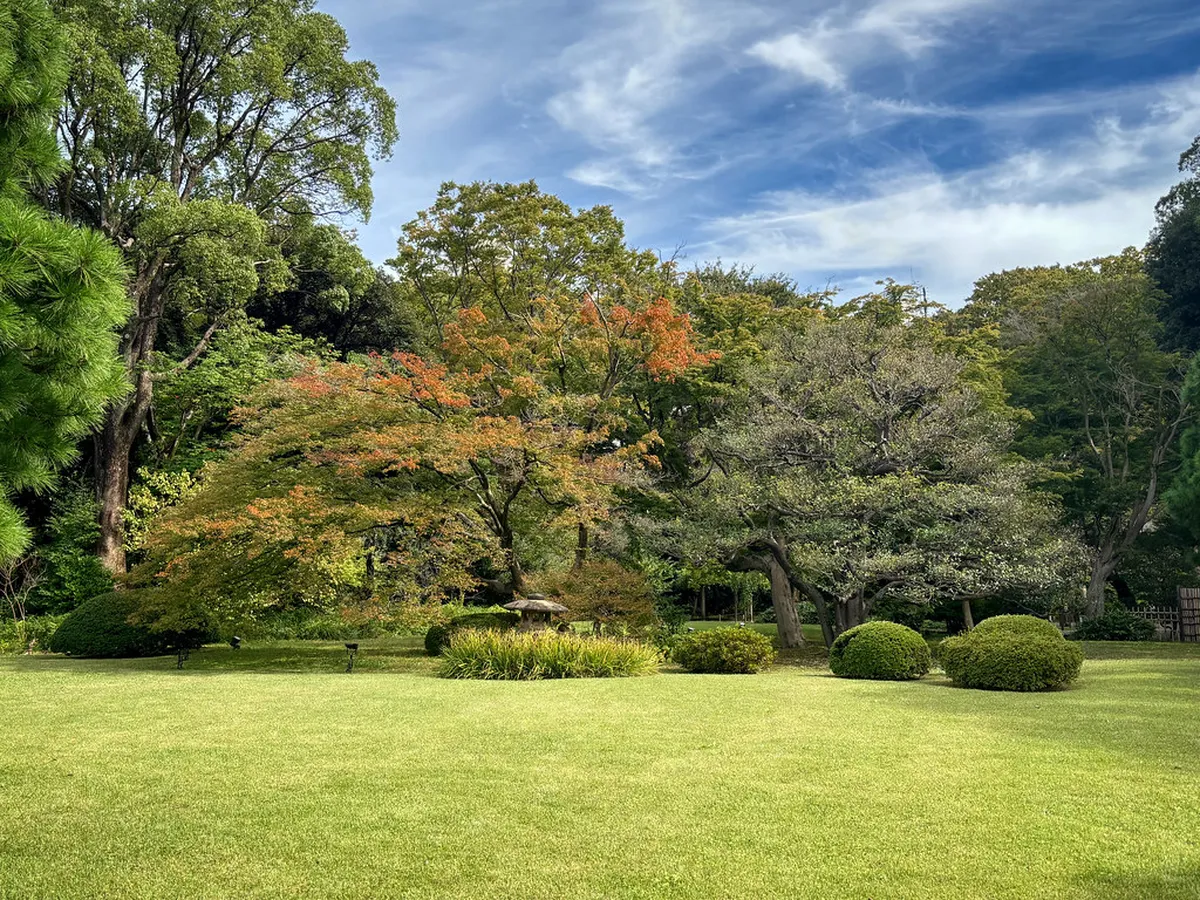
Todoroki Ravine Park in Setagaya is the most surprising green space in the city. A staircase descends from the street into a lush river valley carved by the Yazawa River, and within thirty seconds of walking down those steps the traffic noise disappears. The path runs about 1.3 km through bamboo groves, past a small shrine, and alongside a traditional teahouse where you can rest for free inside the main building. Entry is free, 24 hours. Wear shoes with grip — the stones beside the river get slippery after rain. Todoroki Station on the Tokyu Oimachi Line puts you right at the entrance.
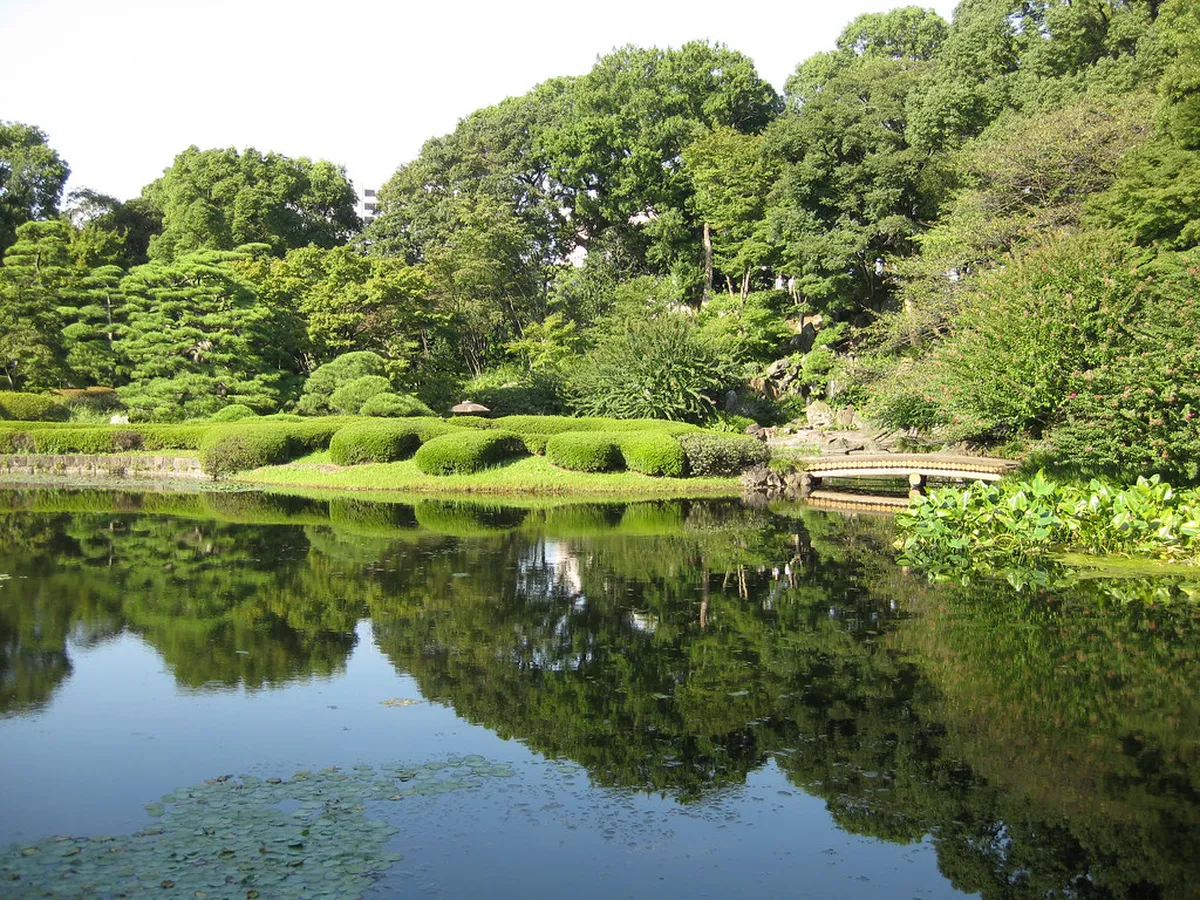
Hamarikyu Gardens south of Ginza offer a different kind of outdoor experience. The park's centerpiece is a seawater pond that rises and falls with the tides of Tokyo Bay — a design feature unique among Tokyo's historic gardens. Entry costs ¥300 (about €2) and the park is open 09:00–17:00 daily. The Nakajima No Ochaya teahouse sits on a small island in the middle of the pond; for an extra ¥510 you get matcha and a seasonal Japanese sweet with a view over the water. The contrast between the serene garden and the Shiodome skyscrapers looming directly behind the tree line is one of the more striking visual experiences in the city.
Rikugien Gardens near Komagome Station on the Yamanote Line are another underrated option. Pay ¥300 to enter and you gain access to looping paths around a central lake, twisted pine trees, and several teahouses. In winter, Rikugien opens until 21:00 for illumination events where lanterns and spotlights transform the pine trees into something otherworldly. These evenings draw visitors, but the crowds are still a fraction of those at Shinjuku Gyoen during cherry blossom season.
Mount Mitake in western Tokyo rounds out the outdoor options. A cable car (round trip roughly ¥1,000) climbs to the summit where ancient shrines, a mossy rock garden, and hiking trails into the Okutama wilderness begin. The Tama River at the base provides a corridor of agricultural fields and forest that makes it hard to believe you are still within the Tokyo metropolitan boundary. It is a half-day trip from Shinjuku via the Chuo Line — leave by 09:00 to reach the summit before tour groups from the city arrive around midday.
Family-Friendly and Budget-Friendly Options in Hidden Tokyo
Sugamo is the neighborhood that Tokyo tourism marketing almost never mentions. Known locally as "Grandma's Harajuku," the Jizo-dori shopping street near Sugamo Station on the Yamanote Line caters to older Tokyo residents rather than tourists. That is precisely what makes it interesting for budget travelers and families. Red underwear (believed to confer strength and longevity) sits alongside senbei rice cracker shops, sesame ice cream stalls, and tea shops promising longevity. Nothing here costs much — a full afternoon of browsing and snacking runs well under ¥1,000 per person. Children find the specialty snacks and eccentric shop fronts genuinely engaging.
Tsukishima's Monja Street is both budget-friendly and deeply local. The island district in eastern Tokyo is the home of monjayaki — a runnier, savory cousin of okonomiyaki that most visitors to Japan never try. Nearly 50 restaurants on one street serve it, cooked on a teppan grill at your table. A full meal with drinks costs ¥1,200–¥2,200 per person (approximately €7–€13). On weekends the famous spots like Moheji and Daruma have queues, but the volume of restaurants means you can nearly always walk into a smaller place without a reservation. After eating, pick up a melon pan from Kyuei Melon Pan on the same street — it is one of the better versions in the city.
Kichijoji and Inokashira Park combine family activities with one of Tokyo's most livable neighborhoods. The park is free to enter, features swan boat rentals (¥700 for 30 minutes) on a large central pond, and contains a small zoo with an interactive squirrel walk-through exhibit. The Studio Ghibli Museum in adjacent Mitaka is a natural pairing for families with children, though tickets must be purchased a month in advance through Lawson convenience stores. After the park, the Harmonica Yokocho alleyway offers tiny bars and yakitori skewers for adults once the children are ready to call it a day.
Odaiba is worth mentioning for rainy days with families. The artificial island in Tokyo Bay is reachable by the driverless Yurikamome monorail from Shinbashi, which is a novelty for children. The Miraikan Museum of Emerging Science and Innovation (¥630 entry for adults) has interactive exhibits including a life-size Asimo robot demonstration. Wide seafront promenades and parks are free. Bring a packed lunch and you can spend most of a day here without significant expense.
How to Plan a Smooth Hidden Attractions Day
Navigating the less-crowded wards requires a basic understanding of the Getting Around Tokyo: Complete Subway & Train Transport Guide 2026 transit options. While the subway covers most areas, some hidden gems are best reached by local bus or tram — the Setagaya Line tram to Gotokuji costs ¥150 and runs every 10–12 minutes. Load a Suica or Pasmo IC card before leaving your hotel; both work on every train, tram, and bus line in the greater Tokyo area. Google Maps is reliable for timing, but add 10 minutes buffer for navigating large interchanges like Shinjuku or Shibuya.
Group these spots geographically to avoid backtracking. A western loop covers Gotokuji Temple, Todoroki Ravine, and Kichijoji in one day via the Setagaya Line and Tokyu Oimachi Line. An eastern loop covers Yanaka Ginza, Nezu Shrine, and Jimbocho with a short Chiyoda Subway hop between them. Tsukishima and Hamarikyu Gardens sit close enough to combine into a half-day on the Oedo Line, with the teahouse at Hamarikyu a good end point before heading back toward central Tokyo. For a full-day escape beyond Tokyo's boundaries, the retro town of Kawagoe is reachable by train and preserves centuries-old merchant houses and sake breweries. See our guide to day trips from Tokyo for additional nearby getaways.
Cash is still king in most of these neighborhoods. Smaller monjayaki restaurants in Tsukishima, tram ticket machines, and temple entry booths often do not accept cards. Carry at least ¥5,000 in small bills when heading to residential wards. Convenience stores (7-Eleven, Lawson, FamilyMart) are everywhere and their ATMs accept foreign cards, so topping up is never more than a few minutes away. Learning ten basic Japanese phrases — thank you (arigatou gozaimasu), excuse me (sumimasen), and how much (ikura desu ka) — goes a long way in smaller shops where staff are less likely to speak English.
The Best Time To Visit Tokyo Month By Month 2026 matters even for off-the-beaten-path spots. Yanaka and Kichijoji get crowded on sunny weekend afternoons in autumn when Tokyo locals are also out leaf-viewing. Arrive before 10:00 or visit on a Tuesday or Wednesday morning for the quietest experience. Gotokuji Temple is almost always calm regardless of the day. For viewpoints like the MORI Art Museum Sky Deck, check weather forecasts — the outdoor deck closes in high winds and the policy is non-negotiable.
Ginza's Hidden Cocktail Bars and Tokyo Nightlife Gems
Ginza is Tokyo's most expensive shopping district by day and one of its most interesting drinking districts by night. The key is knowing where to look. Dozens of unmarked or barely-signed cocktail bars occupy the upper and basement floors of unremarkable office buildings along the side streets east and west of Chuo-dori. These bars typically seat six to twelve people, employ bartenders who have spent years perfecting single techniques, and charge a cover of ¥1,000–¥2,000 per seat. Expect cocktails priced ¥1,500–¥2,500 each — similar to or cheaper than craft cocktail bars in London or New York for comparable quality.
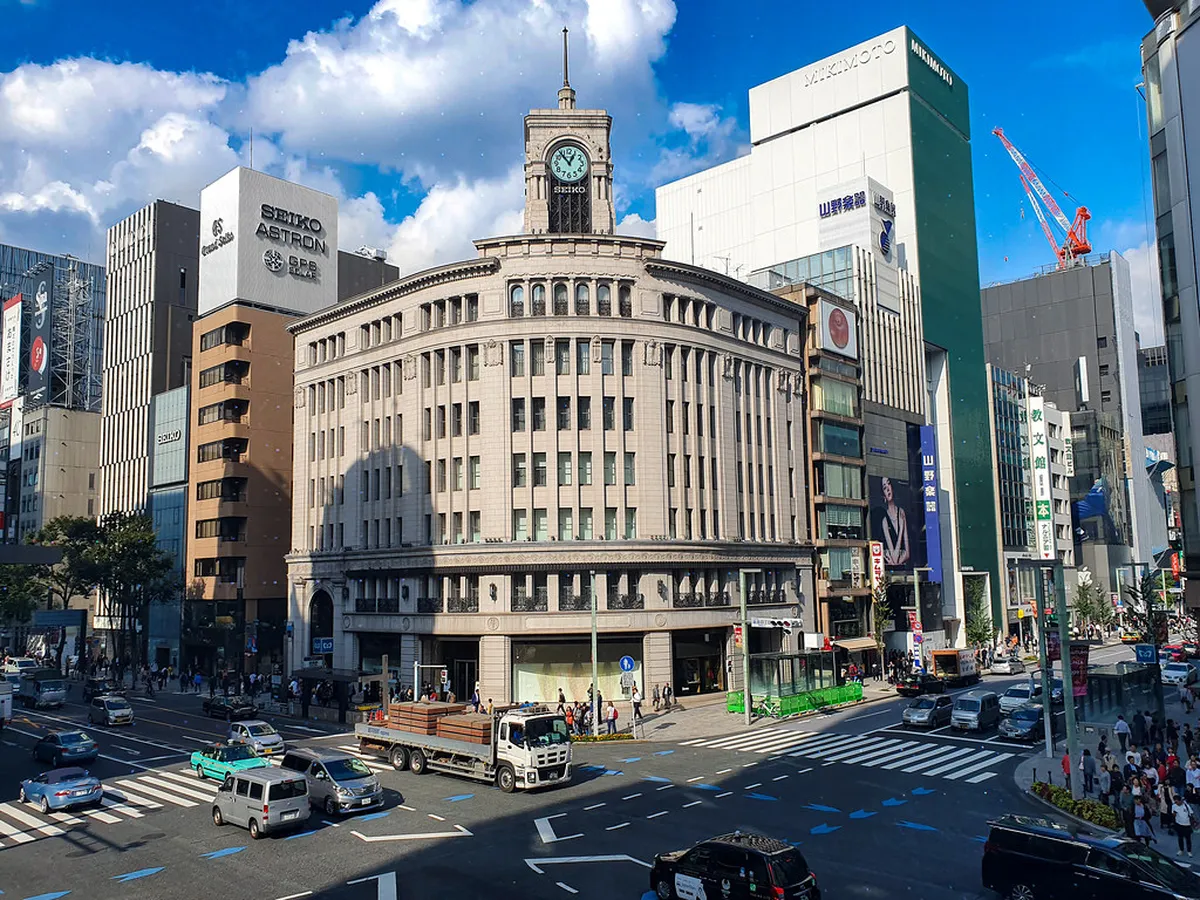
The drinks themselves tend toward the restrained. World-class Japanese bartending is about precision and balance, not elaborate garnishes. A classic Gimlet or Whisky Highball served here will likely be the best version you have ever had. Most bars open at 18:00 and run to midnight or later. Reservations are strongly recommended for any bar with fewer than eight seats — call in the afternoon or ask your hotel concierge to book. If you are staying near Roppongi, the Marunouchi House terrace on the 7th floor of the Shin-Marunouchi building near Tokyo Station is worth combining into the same evening: an open-air food court terrace overlooking the station forecourt that most visitors walk straight past.
Continue planning with Tokyo Trip Planner 2026: Attractions, Neighborhoods and Itineraries.
Frequently Asked Questions
What is the best way to find hidden gems in Tokyo?
The best way is to explore residential neighborhoods like Setagaya or Yanaka on foot. Use local food blogs and talk to shop owners for recommendations. Avoid sticking only to the major JR Yamanote Line stations.
Are hidden gems in Tokyo expensive to visit?
Most hidden gems are actually cheaper than major tourist attractions. Many temples and parks are free to enter. Local restaurants in these areas offer authentic meals for $10 to $20 per person.
Do I need to speak Japanese to visit off-the-beaten-path spots?
While not strictly necessary, knowing basic phrases is very helpful. Many local shop owners use translation apps to communicate with visitors. Carrying a pocket Wi-Fi device ensures you can navigate and translate on the go.
Tokyo is a city that rewards the curious traveler who is willing to look past the neon. By visiting these hidden gems — from Sugamo's eccentric shopping street to the tidal gardens of Hamarikyu — you will gain a much deeper appreciation for Japanese culture. Whether you are browsing old books in Jimbocho or sitting in the Todoroki ravine, these moments define a trip. Safe travels as you explore the secret side of this magnificent metropolis in 2026.
Free: The Tokyo Essentials guide
Top things to do, where to stay, a perfect day plan, getting around, and the best time to go — a Tokyo mini-guide you can take offline.
You might also like


Continue reading
More guides you'll find useful


