15 Best Restaurants In Tokyo 2026: The Ultimate Foodie Guide
Discover the 15 best restaurants in Tokyo for 2026. From affordable Michelin-star ramen to luxury omakase, plan your trip with expert booking tips.
On this page
Tokyo holds more Michelin stars than any other city on earth, yet some of its most memorable meals cost under 1,000 yen. After five separate tasting trips to Japan over the last decade, I have eaten in cramped eight-seat ramen bars, standing sushi counters sourced from Toyosu Market that morning, and Kagurazaka kaiseki rooms that feel unchanged since the Meiji era. This guide reflects all of it — refreshed in 2026 to account for new openings in Azabudai Hills, shifting reservation windows, and the emerging neighborhood dining clusters that make Tokyo endlessly worth returning to.
The fifteen picks below span every price bracket and every major neighborhood. Before diving in, our comprehensive 10 Essential Chapters for Your Tokyo Food Guide 2026 covers local etiquette, tipping customs, and the neighborhood-by-neighborhood price landscape that helps you plan a coherent daily itinerary rather than scattered meals across the city.
Kaiten Sushi Toriton — Best Affordable Sushi
Located inside the Tokyo Solamachi complex at the base of Tokyo Skytree, Toriton is the conveyor belt sushi restaurant that makes seasoned Tokyo food writers reluctant to recommend anything else at this price point. The chain flies fresh seafood down daily from its home prefecture of Hokkaido, and the difference in fish quality is immediately obvious — the tuna is clean and fat-rich, the salmon roe bursts without any fishiness, and the uni is sweet rather than bitter.
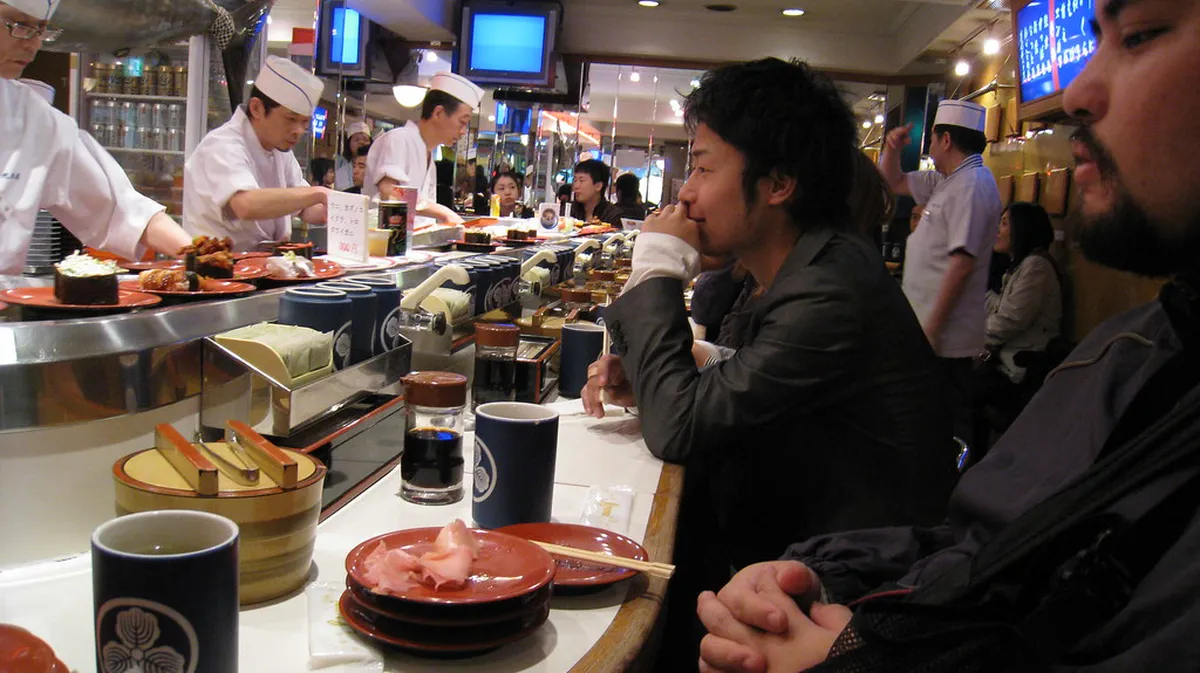
Plates run from roughly 150 to 500 yen for two pieces, which converts to about 1–3 USD per plate at 2026 exchange rates. Budget 1,500 to 3,000 yen for a satisfying meal. The queue at the Skytree location regularly stretches to two hours on weekends — use the digital check-in tablet near the entrance, take a QR code ticket, and track your position via the waiting list link while you explore the shopping floors or visit the observation deck. Arriving 30 minutes before the 11:00 opening cuts the wait dramatically on weekdays.
Note that this is a semi-conveyor format: most dishes are ordered from a tablet menu and sent directly to your seat, while select promotional plates travel the belt. Ask for less rice if you want a higher fish-to-rice ratio — the default nigiri are already generous, but the staff accommodate the request without fuss.
Ginza Kagari — Best Chicken Ramen
Kagari's tori paitan broth is the kind of liquid that makes you reconsider every ramen you have eaten before. Chicken carcasses are simmered for hours until the collagen breaks down completely, producing a glossy, ivory broth that coats the thin straight noodles like a French velouté. The soup is rich but not heavy — a squeeze of the provided grated ginger lifts it immediately. Seasonal vegetables such as watermelon radish, snap peas, and kabocha squash rotate throughout the year as toppings.
The main branch sits on a quiet pedestrian back street at 6-chome-4-12 Ginza — see the Kagari Ramen Ginza location on Google Maps. The sister shop inside Roppongi Hills runs shorter queues and the same menu, making it a useful backup when the Ginza line looks daunting. Bowls cost 1,200 to 1,800 yen. The shop operates daily from 11:00 to 22:00 but sells out regularly — arriving at 11:00 sharp is the safest approach.
For very high-demand days, Kagari and several nearby ramen shops operate a morning ticket system called seiriken. Staff distribute numbered paper tickets starting around 09:30, each printed with a return window. If you receive a ticket for 14:00–14:30, you are free to explore 25 Must-See Tokyo Landmarks in 2026 in Ginza in the interim rather than standing in a physical queue for three hours. Not all locations use this system year-round, so check the shop door when you arrive.
69men — Best Shoyu Ramen in Koenji
Koenji is the kind of Tokyo neighborhood that rewards visitors who venture beyond the obvious tourist corridors — record shops, vintage clothing stores, and a surprisingly strong independent ramen scene. 69men sits a few minutes from Koenji Station and specializes in chicken-based broths across three styles: shoyu, shio, and toripaitan. The shoyu version is the one to order. The soy sauce is integrated cleanly into the broth rather than dominating it, and the thick noodles — unusual for Tokyo-style ramen — hold their texture through to the last bite.
A bowl runs 900 to 1,400 yen. The shop splits hours between a lunch service ending around 15:00 and a dinner service from 18:00 to 21:00, though exact hours vary seasonally — check their social accounts the morning of your visit. For travelers who want a calmer, neighborhood experience far from the Shibuya-Shinjuku tourist corridor, 69men delivers ramen quality that matches anything in Ginza at roughly the same price without the 90-minute queue.
One practical note: the shoyu ramen contains both chicken and pork chashu by default. If you do not eat pork, ask for the bowl without the pork chashu at the ticket machine or directly at the counter — staff are accustomed to the request and substitute extra chicken without a price adjustment.
Nihonbashi Kaisen Donburi Tsujihan — Best Kaisen-don
Tsujihan serves one thing: a seafood rice bowl layered with salmon roe, crab, uni, and sliced raw fish. Four tiers are available, ranging from 1,500 to 4,000 yen depending on how lavishly the bowl is loaded. The mid-range options at 2,200 and 2,800 yen represent the best value — they include a substantial mount of toppings without the premium markup of the top-tier bowl.
The meal has two distinct stages. In the first, you eat the bowl normally. When roughly a third of the rice remains, a server approaches with a small iron kettle of sea bream dashi broth. The broth is poured over the remaining rice and seafood, transforming the bowl into a warm, fragrant ochazuke. Eating all your rice before this second stage arrives is the classic first-timer mistake — save enough to enjoy the transformation, which is genuinely the highlight of the experience.
Tsujihan opens daily at 11:00 and closes around 21:00. The queue routinely begins 20 to 30 minutes before opening, particularly on weekends. Arriving by 10:40 on a weekday typically results in a wait of under an hour. The Nihonbashi branch is the original; there are additional locations in Roppongi and Shibuya that see slightly shorter lines.
Udon Maruka — Best Budget Udon
Udon Maruka, in the Kanda district near Akihabara, is consistently rated among the top three udon shops in Tokyo on Tabelog. The broth is a classic Tokyo-style kamaage dashi — light amber, dashi-forward, and intensely aromatic without relying on salt. The noodles are thick and chewy with a hand-cut irregularity that you feel in each bite. A basic bowl of kake udon costs around 600 yen; adding a piece of kakiage tempura brings the total to roughly 1,000 yen.
This is a cash-only establishment. Keep yen coins ready because the line moves quickly and halting it to sort out payment creates friction with the staff. Weekday lunch hours from 11:30 to 13:30 are the busiest window; arriving at 11:15 usually means entering within ten minutes. Saturday hours end around 14:30, and the shop is closed Sundays and public holidays — confirm before making a special trip.
Important caution
Many small Tokyo ramen shops and budget udon counters are cash-only and do not accept cards or mobile payment. Nearby convenience stores (7-Eleven, FamilyMart) have ATMs that accept international cards, but plan 10 minutes for cash withdrawal if you are running low on yen.
Ramen Kamo To Negi — Best Duck Ramen
Duck ramen is far more prevalent in Tokyo than most first-time visitors expect, and Ramen Kamo To Negi near Ueno's Ameyoko market is the standard-bearer for the style. The kitchen uses only duck, water, and soy sauce to build a broth that is simultaneously clean and deeply savory. There is no gaminess — the flavour is closer to a concentrated consommé than to any poultry stock you have encountered in the West. The duck chashu slices are fork-tender and mild, with a gentle sweetness that complements the broth rather than competing with it.
A bowl costs 900 to 1,400 yen. The shop reports 24-hour operation on recent visits, which makes it an excellent option for an unconventional late-night or early-morning meal when most ramen bars are closed. The 5 AM Ramen duck ramen guide provides additional context on the leek selection philosophy that distinguishes Kamo To Negi's topping choices from its competitors. Choose the leek or green onion topping to balance the slight richness of the broth — avoid the butter option on your first visit, as it can overwhelm the delicate duck base.
Suzukien Asakusa — Best Matcha Gelato
Behind Senso-ji Temple in Asakusa, Suzukien has built an international reputation around a single concept: seven levels of matcha intensity in gelato form. Level 1 is mild enough for children unfamiliar with the flavour; Level 7 is deeply astringent and almost savoury, the kind of intensity that dedicated matcha drinkers seek. Levels 4 and 5 hit the sweet spot for most visitors — enough bitterness to taste authentically Japanese without overwhelming the palate. A single scoop costs around 500 yen; a premium version using higher-grade ceremonial matcha runs approximately 800 yen.
The shop opens at 11:00 and typically runs through 17:00, though it sells out of certain levels on busy weekends. A practical note on Asakusa etiquette: the temple neighbourhood has informal but widely understood norms against eating while walking. Use the small standing ledge inside the shop or step into the covered arcade just east of the main approach street to eat without attracting attention. This is distinct from a legal prohibition — it is simply the local custom that residents and returning visitors observe as a form of respect to the neighbourhood.
Suzukien also stocks hojicha, black sesame, and black tea gelato for visitors who want variety alongside their matcha. The hojicha at Level 3 intensity pairs particularly well with the standard matcha as a two-flavour cup.
Okonomiyaki Osakaya Gold — Best Teppanyaki
Osakaya Gold in Shinjuku channels the rowdy, communal energy of an Osaka street-food parlour into a Tokyo setting. Individual tables have their own iron griddles, and a server prepares your okonomiyaki in front of you — or steps back and lets you handle it yourself if you prefer the hands-on version. The set menus offer the best value: for around 3,500 to 4,000 yen per person, you receive okonomiyaki, monjayaki (Tokyo's thinner, more liquid variant of the pancake), yakisoba, dessert, and unlimited soft drinks for the duration of your session.
Dinner service runs from 17:00 to 23:00 daily, with a last-entry cutoff at 22:00. Reservations are strongly recommended on Friday and Saturday evenings, when the lively atmosphere makes it a popular group dining choice. The smoke from the griddles is contained efficiently — ventilation hoods above each table mean you will not leave smelling of grease, which is a notable improvement on older teppanyaki establishments in the neighbourhood.
Bebu-Ya — Best Value Wagyu
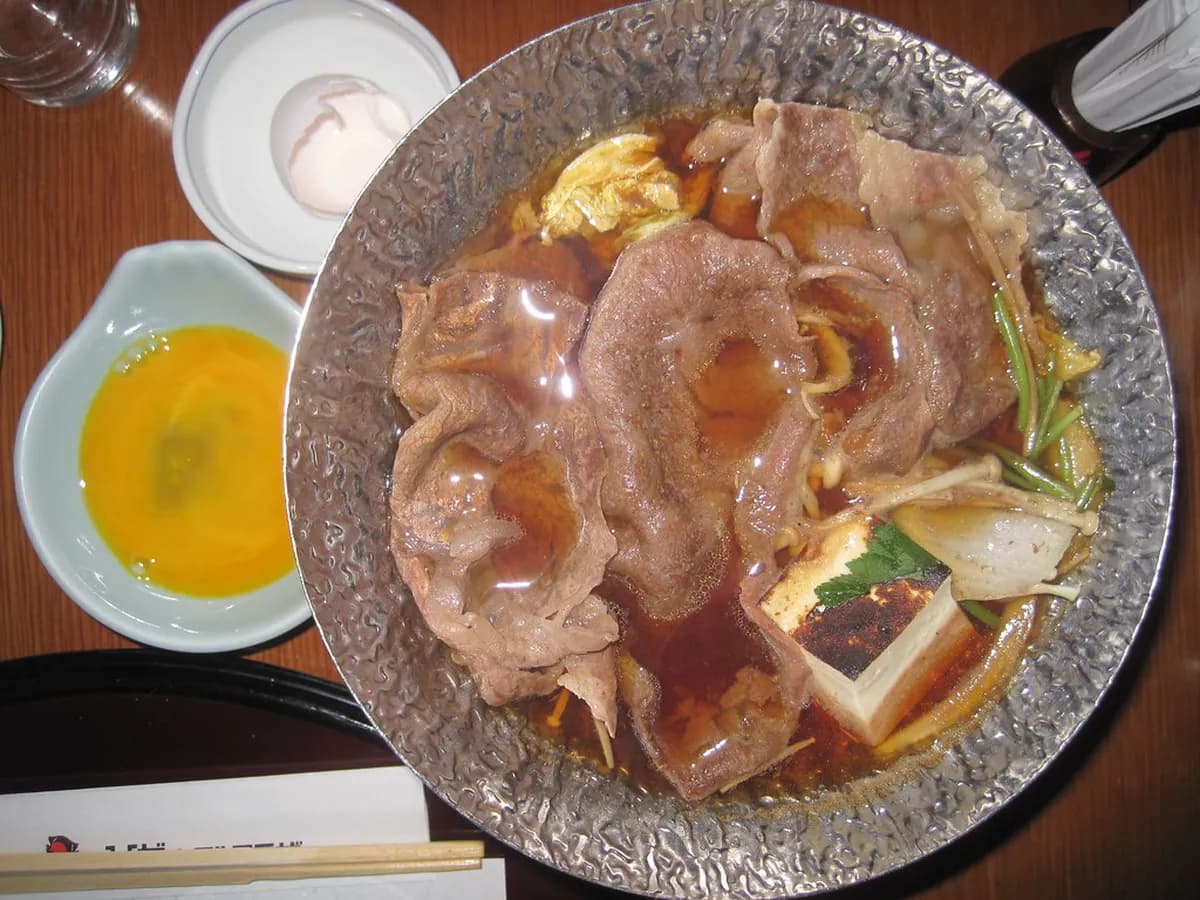
Bebu-Ya is the most cost-efficient way to eat A4 and A5 Japanese black cattle in Tokyo without a special-occasion budget. The all-you-can-eat format runs in 90-minute sessions priced at three tiers: a basic course at approximately 4,500 yen, a standard course at 6,000 yen, and a premium course at 8,500 yen per person. The standard course offers the most logical value — it includes multiple cuts from the chuck, ribeye, and short plate, along with accompaniments like kimchi, garlic rice, and egg yolk dipping sauce.
The premium course upgrades to more heavily marbled cuts including toro-karubi (fatty short rib) and misuji (flat iron), which are worth the additional cost if this is your only Wagyu meal in Tokyo. Dinner service begins at 16:00 and runs until 23:00. The restaurant operates a digital queue through their LINE account — joining the queue online before arriving saves 20 to 40 minutes on peak weekend evenings. Budget-focused travelers who compare this against a single-course Wagyu lunch at a Ginza steakhouse typically find Bebu-Ya produces equivalent meat quality at roughly half the cost per gram of beef consumed.
Good to know
Reserve 90-minute sessions 7–14 days in advance if possible. High-demand times (Friday–Saturday, 17:00–18:30) book out completely, but weekday lunch slots (11:30–13:00) typically have availability with 24–48 hours notice.
Bifteck Kawamura Ginza — Best Luxury Steak
Kawamura is the reference point for Kobe beef in Tokyo. Chef-trained staff cook each portion of A5 grade Tajima cattle tableside on a copper-lined iron plate, adjusting the surface temperature by feel rather than thermometer. The lunch sets, served from 11:30 to 14:00, represent one of the city's best high-end bargains: a 100-gram filet with sides, rice, and dessert runs around 8,000 to 12,000 yen — roughly half the price of the evening equivalent. Dinner services from 17:00 to 22:00 scale to 15,000 to 30,000 yen per person depending on the cut weight and grade selected.
Booking the lunch service is the most sensible approach for travelers who want the Kawamura experience without committing a full evening to it. Reservations open 30 days in advance via their website and fill within hours of the booking window opening. The Ginza branch is the flagship; a second location operates in Kobe and a third in Osaka if you are travelling to the Kansai region.
Ichiran Shibuya — Best Tonkotsu Ramen
Ichiran is a global chain, but the solo-dining booth format it pioneered remains a genuinely unique dining experience for most non-Japanese visitors. At the Shibuya branch, you order via a paper customization sheet before sitting down, selecting broth richness (light to extra rich), garlic quantity, green onion preference, chili level, and noodle firmness. The partition in front of your seat drops when your bowl is ready — the chef on the other side remains invisible, the interaction reduced to a bowl of perfect tonkotsu ramen appearing as if from a hatch.
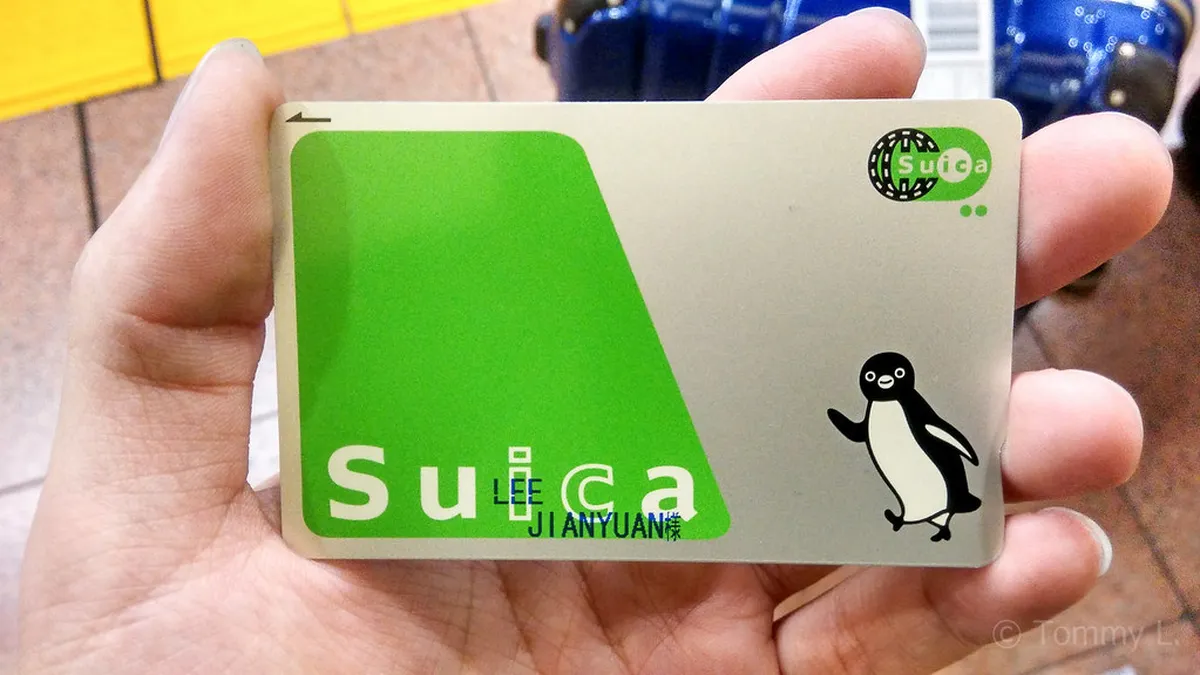
The Shibuya branch operates 24 hours daily, which makes it the most practical option for a late arrival or early morning ramen craving. A standard bowl costs 980 to 1,400 yen depending on add-ons. The recommended order for a first visit: extra-rich broth, firm noodles, medium garlic, full chili. A half-portion of noodles (kaedama) can be requested when you near the bottom of your bowl for an additional 150 yen — the refill arrives within 90 seconds. Suica and Pasmo IC cards are accepted at Ichiran, as they are at most chain ramen establishments in 2026.
Tenko — Best Traditional Tempura
Housed in a converted geisha teahouse on the quiet backstreets of Kagurazaka, Tenko is the address that Tokyo food writers cite when the question of the city's finest tempura arises. Second-generation chef Hitoshi Arai batters vegetables and seasonal seafood from Tokyo Bay individually, frying each piece and serving it immediately rather than plating the whole course at once. The result is tempura that arrives at the table crackling — a fundamentally different experience from the fry-and-rest approach of most hotel restaurants. Try several pieces with salt instead of the dipping sauce to appreciate how little the batter interferes with the ingredient underneath.
A full lunch or dinner course runs 15,000 to 20,000 yen per person. Lunch service operates 12:00 to 14:00; dinner runs 17:30 to 21:30. The restaurant is closed on Mondays. Reservations are required and typically need to be made two to four weeks in advance — the easiest route for foreign visitors is via Omakase.in, which handles English-language bookings and collects a card guarantee to reduce no-shows.
Ishikawa — Best High-End Kaiseki
Hideki Ishikawa earned three Michelin stars at his Kagurazaka address and has held them through multiple inspection cycles — an achievement that speaks to both consistency and the calibre of his seasonal sourcing. A multi-course kaiseki dinner moves through eight to twelve preparations that shift with each month's produce: early summer brings ayu sweetfish and young ginger; autumn introduces matsutake mushrooms and Pacific saury; winter pivots to crab from the Sea of Japan and warming broths built from aged dashi. Chef Ishikawa spent years working at a tableware company before opening the restaurant, which shows — the dishware presentation is as considered as the food itself.
Dinner runs 30,000 to 50,000 yen per person and is served Tuesday through Saturday from 18:00 to 22:00; Saturday lunch is also offered. Bookings via Ishikawa Kagurazaka require either a luxury hotel concierge or Omakase.in at minimum two months in advance. Slots released on the first of each month disappear within minutes. If Omakase.in shows no availability, check TableCheck directly — allocations are sometimes split between platforms.
Il Ristorante — Niko Romito — Best Modern Italian
On the 40th floor of the Bvlgari Hotel Tokyo in the Yaesu district, Il Ristorante brings contemporary Italian cooking to one of the most architecturally theatrical dining rooms in the city. Chef Mauro Aloisio's menu takes advantage of seasonal Japanese seafood — amberjack sashimi, longtooth grouper steamed with sakura chips — while maintaining Italian technique and structure. The wagyu beef tongue braised under a beetroot sauce has been a consistent highlight since the restaurant opened. Unlike most fine dining in Tokyo, the kitchen is open year-round including Japanese public holidays, making it a reliable option when other high-end kitchens are dark.
Dinner runs 20,000 to 30,000 yen per person; a lunch course is available for approximately 12,000 yen. The sunset service from 17:00 to 19:00 offers views across Tokyo Station and the Imperial Palace grounds that justify the pricing independently of the food. The Il Ristorante Niko Romito location is accessed via the Bvlgari Hotel lobby elevator — note that the building address is distinct from the Tokyo Station main entrance and is best reached by the Yaesu South Exit.
Tachigui Sushi Uogashi Yamaharu — Best Standing Sushi
Yamaharu is not a restaurant in the conventional sense — it is the retail arm of one of Toyosu Market's top seasonal seafood wholesalers, opened as a casual stand-and-eat counter inside Toranomon Hills Station Tower. The proximity to the source means fish arrives the same morning, and the neta (toppings) rotate daily based on what the market offered. The selection leans heavily toward white fish, shellfish, and roe rather than the standard tuna-salmon format of tourist-facing sushi counters.
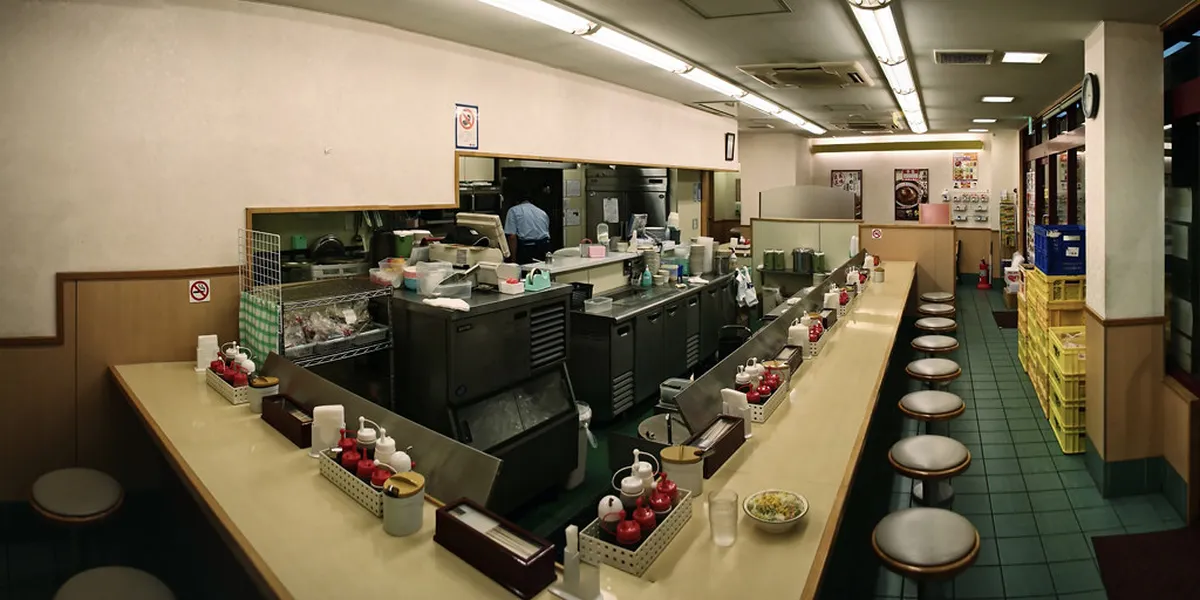
Most diners spend 1,000 to 3,000 yen for a quick satisfying meal. The standing format means turnover is fast — expect a maximum wait of fifteen minutes even during the lunch rush. The B2F location inside Toranomon Hills is open from around 10:00 to 20:00. For solo travelers or those with a short window between meetings, this is a more authentic representation of how Tokyo professionals eat sushi than a formal omakase counter.
| Restaurant | Cuisine | Price Range |
|---|---|---|
| Kaiten Sushi Toriton | Conveyor belt sushi | 1,500–3,000 yen |
| Ginza Kagari | Chicken ramen | 1,200–1,800 yen |
| 69men | Shoyu ramen | 900–1,400 yen |
| Tsujihan | Kaisen-don (seafood rice bowl) | 1,500–4,000 yen |
| Udon Maruka | Budget udon | 600–1,000 yen |
| Ramen Kamo To Negi | Duck ramen | 900–1,400 yen |
| Suzukien Asakusa | Matcha gelato | 500–800 yen |
| Okonomiyaki Osakaya Gold | Teppanyaki | 3,500–4,000 yen (sets) |
| Bebu-Ya | Wagyu all-you-can-eat | 4,500–8,500 yen |
| Bifteck Kawamura Ginza | Kobe beef steak | 8,000–30,000 yen |
| Ichiran Shibuya | Tonkotsu ramen | 980–1,400 yen |
| Tenko | Tempura | 15,000–20,000 yen |
| Ishikawa | High-end kaiseki | 30,000–50,000 yen |
| Il Ristorante — Niko Romito | Modern Italian | 12,000–30,000 yen |
| Tachigui Sushi Yamaharu | Standing sushi | 1,000–3,000 yen |
How to Secure Reservations and Navigate Payments in 2026
Most high-end Tokyo restaurants now use either TableCheck or Omakase.in for reservations. TableCheck is the more widely adopted platform among Michelin-starred establishments, while Omakase.in has stronger English-language support and is the better choice for foreign visitors who are not comfortable navigating Japanese-language interfaces. Both require a credit card to hold the booking. Set up accounts on both platforms before your trip departs — many slots open exactly 30 or 60 days out, and missing the window by even an hour at popular restaurants means a months-long wait.
For high-demand ramen shops that do not take reservations, the morning ticket system (seiriken) is the most effective tool. Staff distribute numbered paper tickets starting around 09:30 at several popular Ginza and Shibuya ramen bars, assigning a return time window later in the day. This system is not universal and is not always advertised in English — look for a staff member near the entrance with a clipboard or a numbered dispenser on the wall. Arrival at 09:00 to 09:30 is typically early enough to secure a slot for a first or second lunch seating.
The 2026 payment landscape in Tokyo is more cashless-friendly than five years ago but still uneven. Major restaurants, hotel dining rooms, and chains like Ichiran accept Suica, Pasmo, Visa, and Mastercard. Small family-run noodle shops — including Udon Maruka and several duck ramen counters — remain cash-only. Keep 5,000 to 10,000 yen in notes for these situations. The getting around Tokyo guide covers the nearest 7-Eleven ATMs in each major dining neighbourhood, which accept international cards reliably.
How to Use Tabelog Scores When Choosing Where to Eat
Tabelog is Japan's dominant restaurant review platform and the primary tool locals use to judge dining quality — but its scoring scale is calibrated in a way that consistently misleads first-time visitors. A 3.5 Tabelog score is genuinely excellent and roughly equivalent to a 4.6 or 4.7 on Google Maps. A score of 3.8 or above places a restaurant in the top fraction of a percent of all eateries in Japan. Visitors who open Tabelog, see a score of 3.4 for a beloved neighbourhood ramen shop, and dismiss it as mediocre have made a significant error — some of the city's most celebrated spots sit in the 3.4 to 3.6 range.
The platform also surfaces real-time queue information for popular spots through its crowd-sourced check-in data. Tabelog's wait-time estimates, visible on each restaurant's page, are often more accurate than Google Maps' "busy times" graph because they reflect the specific day-of-week pattern for that restaurant rather than a general foot-traffic model. Download the Tabelog app before arriving in Tokyo, enable English-language mode, and use the map view to identify high-scoring restaurants within walking distance of wherever you happen to be — this approach has consistently produced better meals than pre-planned itineraries during my own visits.
One limitation: Tabelog does not aggregate dietary restriction tags as cleanly as HappyCow or Google. For halal options (Ayam Ya Halal Ramen in Shibuya is the most recommended specialist), vegan requirements (search Shojin Ryori for temple cuisine), or severe allergen concerns, cross-reference with HappyCow or the restaurant's own website before committing to a visit.
Planning by Neighbourhood: Where Each Pick Sits
Grouping these fifteen picks by area makes daily itinerary planning significantly easier. In Ginza and Kagurazaka, you can combine Kagari Ramen (lunch), Torigin Honten yakitori (evening snack), Tenko (dinner), and Ishikawa (for a special-occasion kaiseki) within a compact two-kilometre radius. Ginza also hosts Kawamura for the best Wagyu steak experience and Tsujihan's original Nihonbashi branch, a ten-minute walk east.
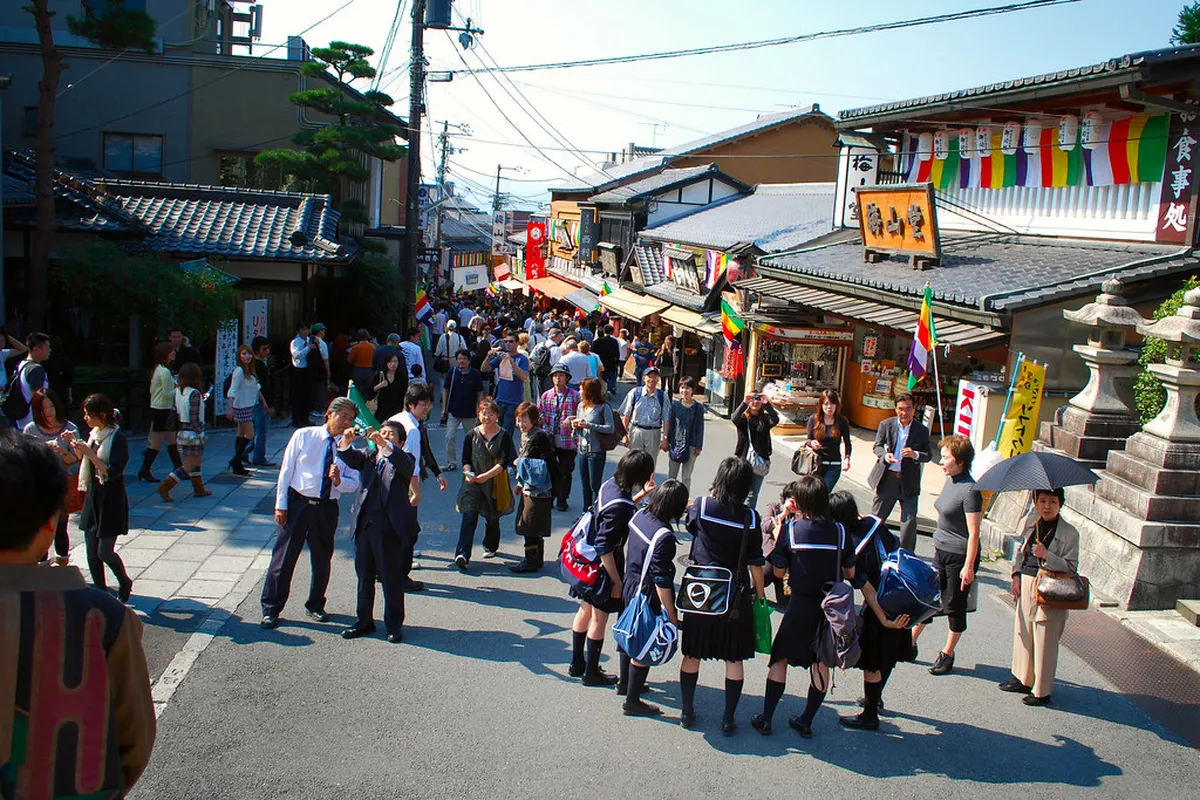
Shibuya and Shinjuku anchor the mid-range cluster: Ichiran Shibuya for tonkotsu ramen at any hour, Okonomiyaki Osakaya Gold for teppanyaki group dinners, and Udon Maruka in nearby Kanda for a budget lunch. Koenji sits three stops west of Shinjuku on the Chuo Line — a logical add-on for travellers already spending a morning in Shinjuku. Asakusa groups naturally with Suzukien for dessert after a morning at Senso-ji. Toranomon hosts both Tachigui Sushi Yamaharu and the Bvlgari Hotel's Il Ristorante, making it possible to combine a quick market-sushi lunch with a luxury Italian dinner in the same neighbourhood on the same day.
For a comprehensive itinerary that sequences these restaurants with nearby attractions, our Tokyo Itinerary: The Ultimate 5-Day Guide for 2026 maps the recommended dining windows against museum opening hours, temple morning routines, and transit connections. Planning meals and sightseeing together rather than separately is the single biggest efficiency gain available to a first-time Tokyo visitor.
Explore best restaurants in other cities
Continue planning with Tokyo Trip Planner 2026: Attractions, Neighborhoods and Itineraries.
Frequently Asked Questions
Do I need to tip at restaurants in Tokyo?
Tipping is not practiced in Japan and can sometimes be seen as confusing or impolite. The high level of service is already included in the price of your meal. Simply pay the amount on your bill and offer a polite 'Arigato' as you leave.
Are most Tokyo restaurants vegetarian-friendly in 2026?
While awareness is growing, traditional spots often use fish-based dashi broth in most dishes. I recommend using apps like HappyCow or specifically searching for 'Shojin Ryori' for authentic vegan meals. Many modern cafes in Shibuya now offer plant-based options.
How far in advance should I book high-end sushi?
For Michelin-starred sushi, you should aim to book exactly when the window opens, usually 30 to 60 days in advance. Use a hotel concierge if you are staying at a major luxury property. These spots often fill up within minutes of releasing their monthly slots.
Tokyo's dining scene in 2026 rewards preparation but also rewards wandering. The fifteen restaurants above represent a verified baseline — each has been tested in person or corroborated by multiple independent local sources. But the best insurance policy is a Tabelog account and the willingness to follow a queue into a basement you have never heard of. Some of the most memorable meals in this city come from exactly that kind of unplanned turn.
If you are still mapping out the full trip, our Tokyo Itinerary: The Ultimate 5-Day Guide for 2026 can help you sequence these restaurants against nearby attractions without wasting transit time between meals. Safe travels and itadakimasu as you begin your 2026 Tokyo food adventure.
Free: The Tokyo Essentials guide
Top things to do, where to stay, a perfect day plan, getting around, and the best time to go — a Tokyo mini-guide you can take offline.
You might also like


Continue reading
More guides you'll find useful