10 Best Hakodate Food Experiences to Try (2026)
Discover the best hakodate food with our expert guide to morning markets, salt ramen, and local burgers. Plan your 2026 Hokkaido culinary adventure now.
On this page
Hakodate sits at the southern tip of Hokkaido where cold Tsugaru Strait currents deliver some of the freshest squid, scallops, and sea urchin in Japan. The city was also one of the first Japanese ports to open to international trade, which means its food culture runs deeper than a simple seafood story — you will find a 140-year-old curry restaurant and a hyperlocal burger chain that has never opened a single outlet outside southern Hokkaido. This 2026 guide covers every food spot worth your time, from the morning market kaisen-don to the convenience store yakitori that locals eat as a late-night ritual.
The key challenge with Hakodate food is timing. Many of the best spots run out of stock before noon. A few classic restaurants close one day a week, and the city is still heavily cash-based outside of hotel restaurants. Having a plan — and enough yen — makes the difference between a transcendent food trip and a disappointing trudge between closed shutters.
Hakodate Food Spots: The Five Local Classics
Every visitor to Hakodate faces the same question: which spots are genuinely local versus which are built for tour buses? The five dishes below are what residents of Hakodate actually eat. They appear in every honest local recommendation, are backed by decades of patronage, and represent the full range of what southern Hokkaido cooking looks like — from a clear broth ramen to a pork skewer convenience store bento.
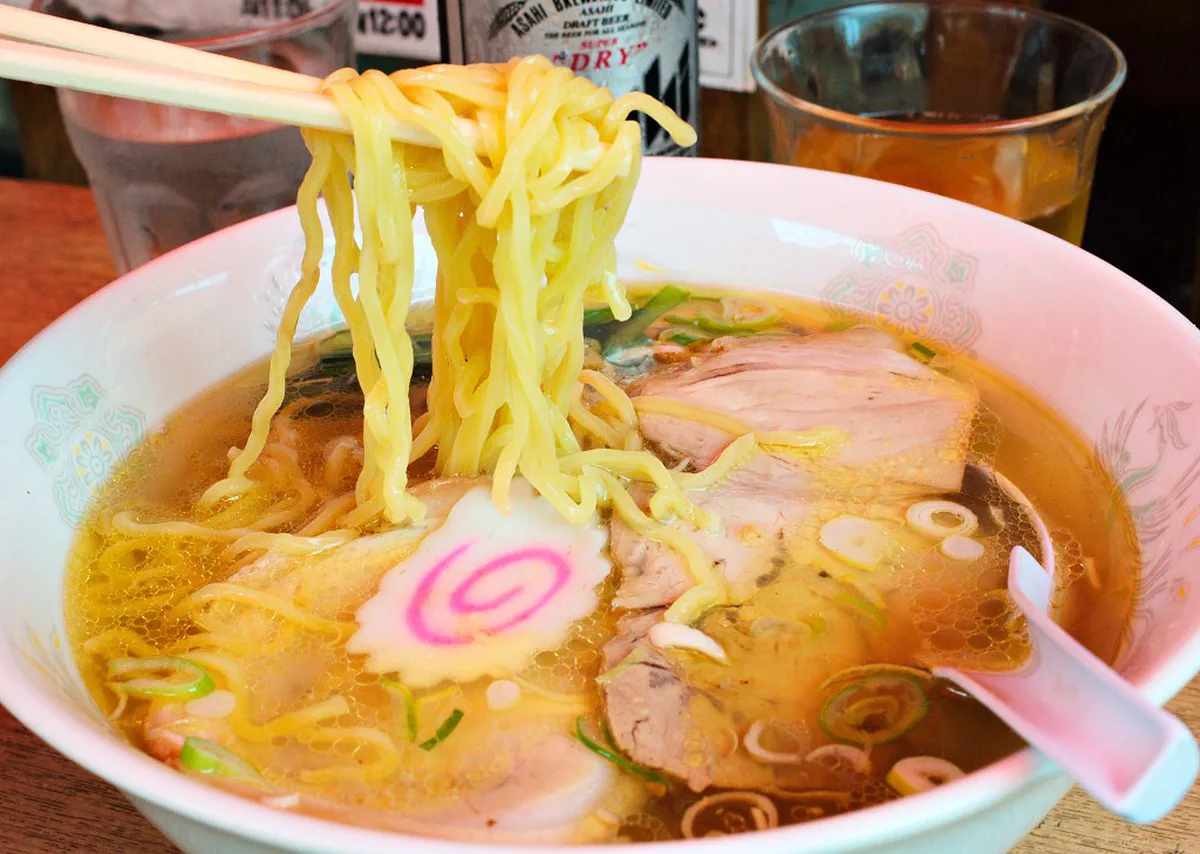
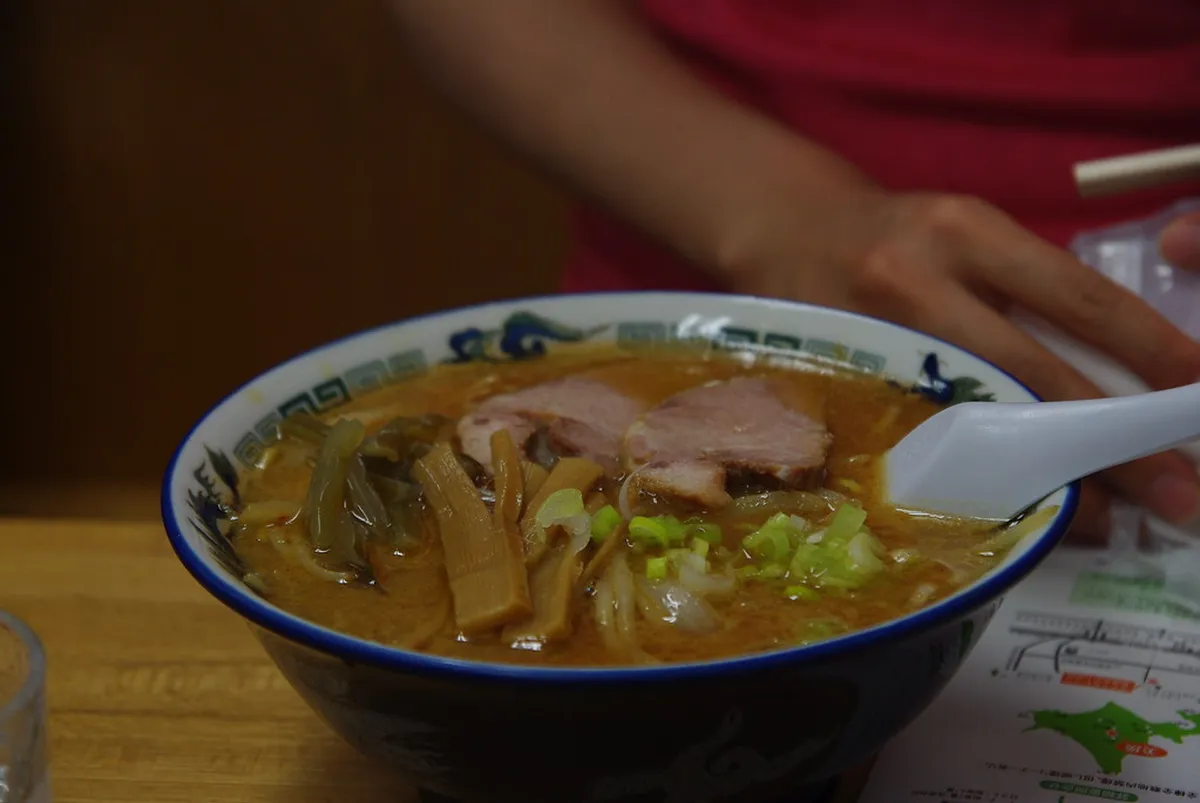
Salt Ramen at Menya Ajisai — Hakodate's signature ramen style is shio (salt), not miso or soy. The broth at Ajisai is built from kelp harvested in southern Hokkaido, pork bones, chicken bones, and rock salt. The result is a clear, pale golden soup that looks light but carries remarkable depth. The main store at 29-22 Goryokaku-cho opens at 11:00 and closes at 20:25; it is shut on the fourth Wednesday of each month. Arrive at opening or expect a queue, especially on weekends near Goryokaku Fort. A standard bowl runs around 870–1,100 yen. Ajisai has four Hakodate locations plus branches at New Chitose Airport and in Sapporo, but the Goryokaku main store is the original.
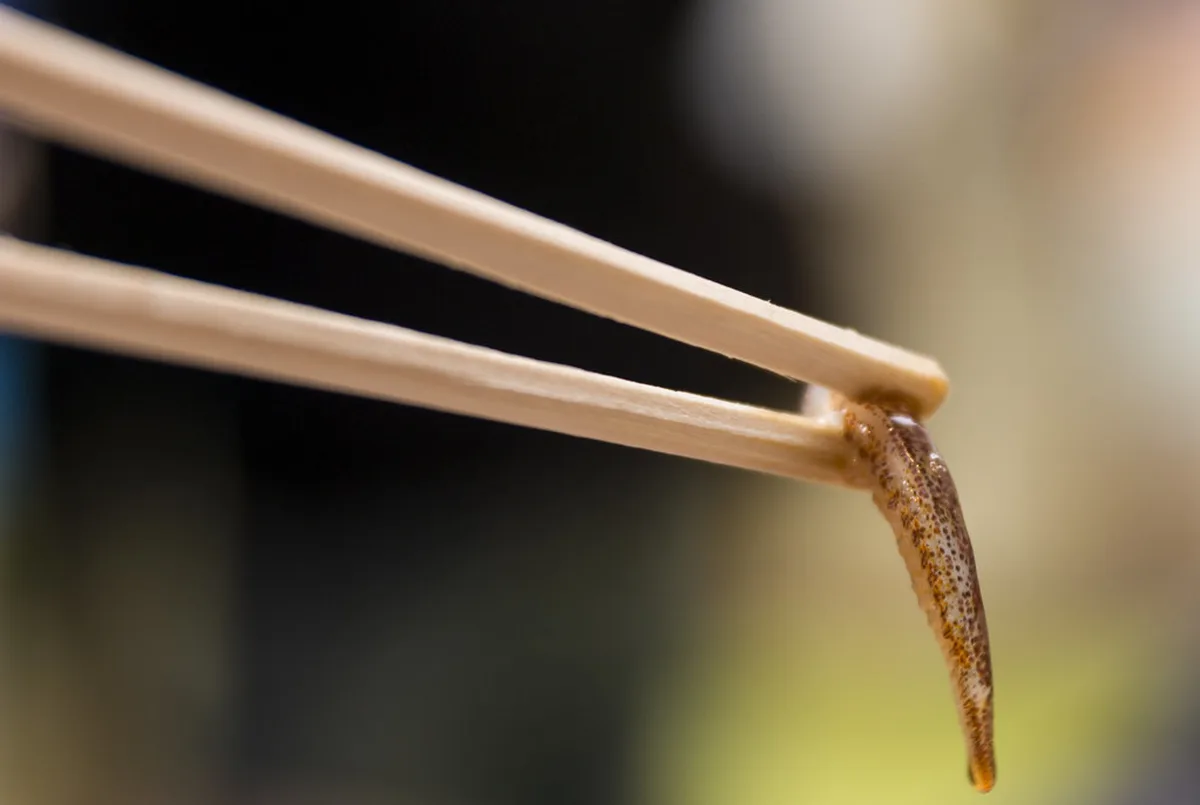
Live Squid Sashimi at Ekini Market — The Ekini Market inside Hakodate Morning Market has a live squid fishing tank where you cast a small rod, catch your squid, and watch the staff fillet it on the spot. Fresh squid is transparent, with a firm, sweet flesh that is nothing like the opaque, slightly rubbery texture you get elsewhere. The fishing experience costs around 1,200–1,500 yen for one squid, including preparation. The market is open 05:30–14:00 (06:00–14:00 from November to April). Squid season officially opens on June 1st each year, when the fishing fleet lights up the Tsugaru Strait at night — summer visits get the peak harvest. Winter squid is still available but the transparent variety is harder to find.
Curry Rice at Gotoken — Established in 1879, Gotoken is Japan's oldest Western-style restaurant still serving its original recipe. The curry at the Yukigawa-tei annexe (4-5 Suehiro-cho) uses Hokkaido ingredients and has not changed its core flavour since the Meiji era. Lunch and dinner service runs 11:30–20:30 (closing at 20:00 from November to March); closed every Monday in February. Main dishes cost 1,200–2,500 yen. If you are short on time, Hakodate Curry Express on the second floor of Goryokaku Tower serves the same curry menu and is open 11:00–19:00 year-round.
Chinese Chicken Burger at Lucky Pierrot — Lucky Pierrot is a local chain with 17 locations in and around Hakodate but zero branches anywhere else in Japan. Each shop has a different theatrical interior theme. The top-selling item is the Chinese Chicken Burger: a slab of fried chicken in sweet-sour Chinese sauce, shredded lettuce, and generous mayonnaise. A standard set meal costs 650–900 yen. The Lucky Potatoes — french fries buried under meat sauce and melted white cheese — are the proper accompaniment. Check the official site (luckypierrot.jp) for store hours as they vary by location; most open from 10:00 to 23:00.
Yakitori Bento at Hasegawa Store — Hasegawa Store is a Hakodate-area convenience store chain famous for grilling skewers to order in-house. The yakitori bento started when a customer asked for a bento box and staff improvised by placing their charcoal-grilled skewers over rice and seaweed. A standard bento box is 450–750 yen. The Nakadori branch at 2-14-16 Nakamichi is open 24 hours, 365 days. Order on the printed form at the counter and wait a few minutes. One important detail no menu will tell you: in southern Hokkaido, "yakitori" is made with pork, not chicken. This is an open secret among locals — pork is cheaper and considered the traditional choice here — but it surprises first-time visitors who expect fowl.
| Dish | What it is | Where to try | Approx price |
|---|---|---|---|
| Salt Ramen (Shio Ramen) | Clear, pale golden broth made from kelp, pork bones, chicken bones, and rock salt | Menya Ajisai (Goryokaku-cho main store) | 870–1,100 yen |
| Live Squid Sashimi | Fresh transparent squid caught and filleted on the spot with firm, sweet flesh | Ekini Market (Hakodate Morning Market) | 1,200–1,500 yen |
| Curry Rice | Meiji-era original recipe using Hokkaido ingredients, unchanged since 1879 | Gotoken (Suehiro-cho) or Hakodate Curry Express | 1,200–2,500 yen |
| Chinese Chicken Burger | Fried chicken in sweet-sour Chinese sauce with lettuce and mayonnaise, often paired with Lucky Potatoes | Lucky Pierrot (17 locations in Hakodate area) | 650–900 yen |
| Yakitori Bento | Charcoal-grilled pork skewers over rice with seaweed (not chicken) | Hasegawa Store (Nakadori branch open 24/7) | 450–750 yen |
| Kaisen-don (seafood bowl) | Scallop, salmon roe, sea urchin, ikura, and crab over rice | Donburi Yokocho (Hakodate Morning Market) | around 1,850 yen |
| Ika-meshi | Whole squid stuffed with seasoned glutinous rice and simmered in sweet soy glaze | Station kiosks and Bay Area stalls | 700–1,000 yen (two pieces) |
Hakodate Morning Market: How to Eat Well Without Getting Lost
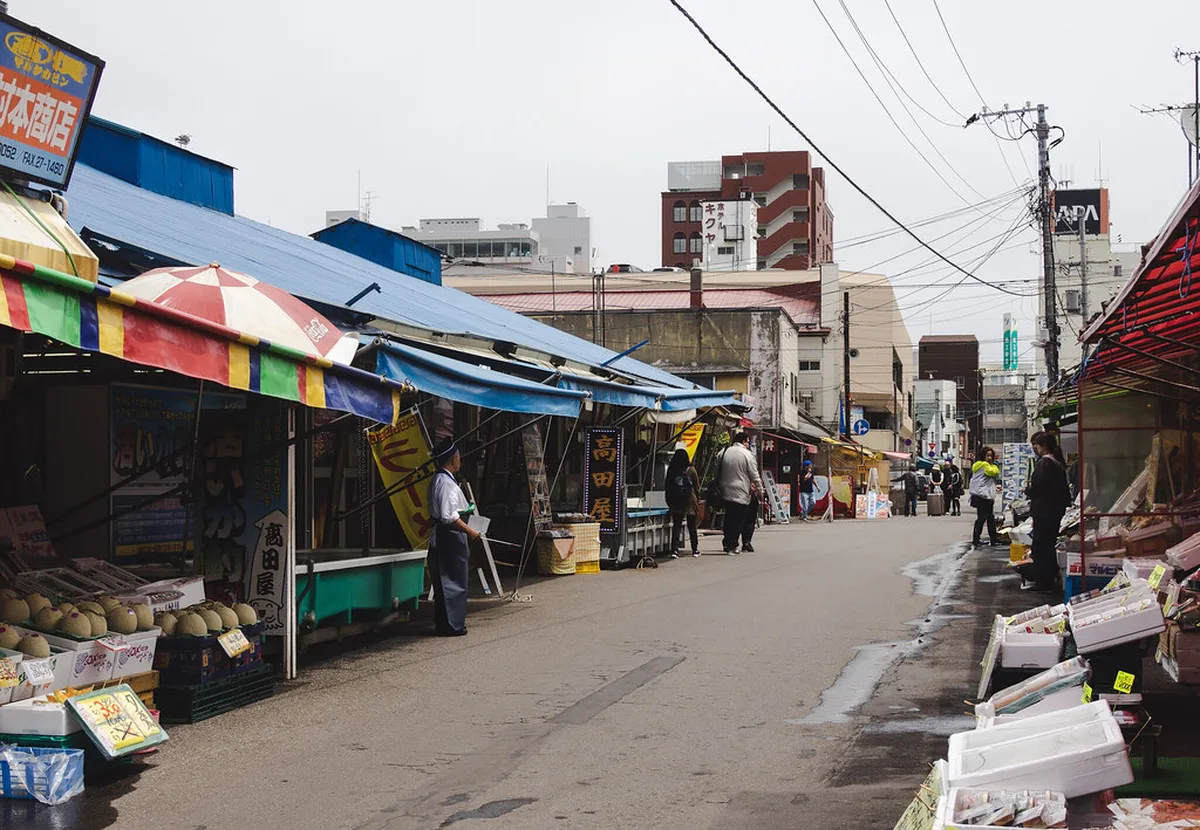
The Hakodate Morning Market runs daily from approximately 06:00 to 14:00 (some vendors close earlier). It sits a two-minute walk from Hakodate Station and covers a full city block of seafood stalls, grilling counters, and sit-down kaisen-don restaurants. The peak hour is 07:00–09:00, after which the best portions start selling out and the most sought-after stalls begin shutting their shutters.
Most visitors get overwhelmed and choose the first restaurant with an English menu display outside. A better strategy is to walk one full loop through the market first. Look for vendors who are preparing seafood to order rather than vendors with rows of plastic-wrapped containers at the entrance. The stalls deeper inside the market generally have higher turnover and fresher stock. Donburi Yokocho is a reliable row of kaisen-don restaurants — a scallop, salmon roe, sea urchin, ikura, and crab bowl (Donburi Yokocho price: around 1,850 yen) represents solid value for a morning meal. Most vendors do not have English menus available outside, so pointing at a pre-set display bowl is the simplest way to order.
Butter-grilled scallops from the stalls are a standout side item: each large scallop costs 600–900 yen and arrives in its shell with soy and butter. The Ekini Market squid fishing experience (described above) is also located within the morning market complex. If you want both the kaisen-don and the squid experience, arrive before 08:00 to guarantee availability at both. The market is quieter and better value on weekday mornings compared to Sundays and national holiday weekends.
Premium Seafood Beyond the Market
The morning market covers breakfast well, but Hakodate has several dedicated seafood restaurants worth a sit-down lunch or dinner. Uni-Murakami specialises in additive-free sea urchin and serves seasonal tasting platters that let you compare uni harvested from different parts of Hokkaido's coast. Premium bowls cost 3,500–6,000 yen. They are open for lunch 11:00–14:30 and dinner 17:00–21:00. Reserve ahead for weekend dinners.
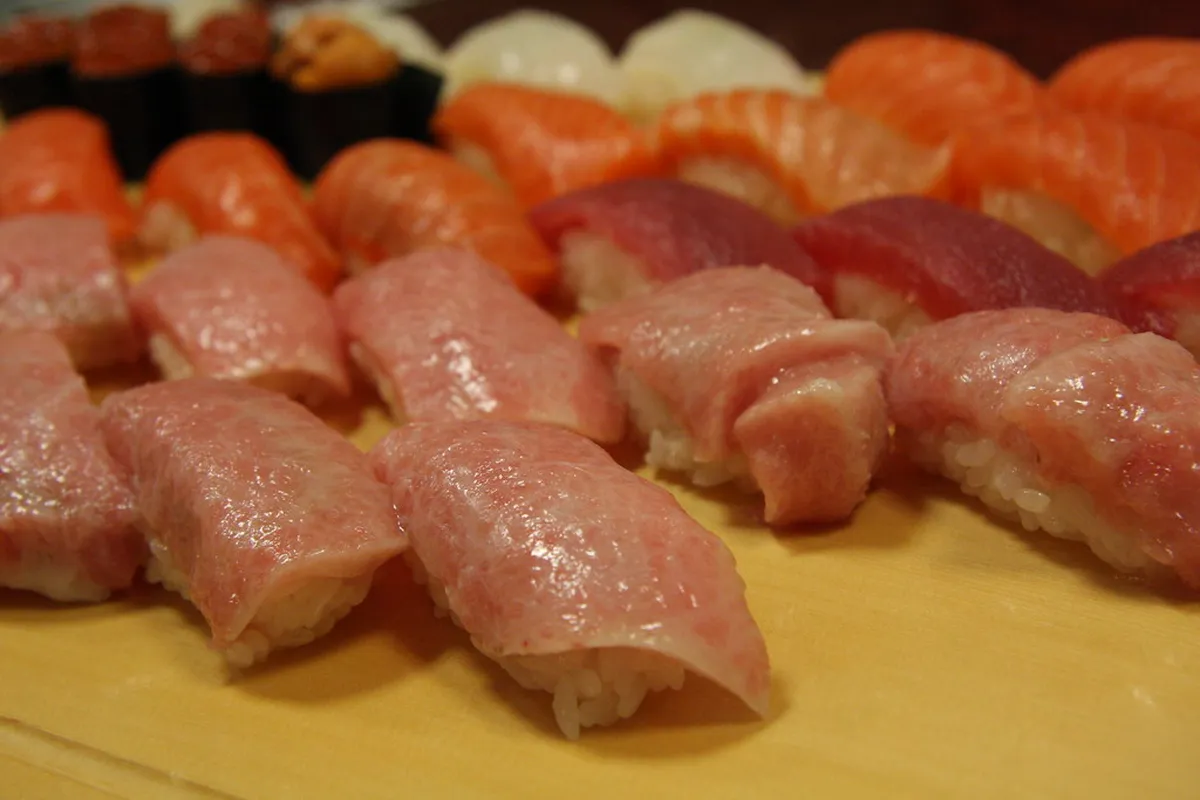
Kantaro Sushi is a large conveyor-belt sushi restaurant with ocean views and a tablet ordering system that has an English option. The quality is noticeably higher than average conveyor-belt chains — the seafood is flown in from Hakodate's own port — which means prices are also higher than a standard kaitenizushi. For the freshest kaisendon outside the morning market, Kikuyo Shokudo opens at 05:00 (06:00 in winter) and serves its famous three-colour bowl of scallop, salmon roe, and sea urchin over rice cooked in iron pots, which gives the grains a slightly toasted edge. Bowls cost 1,500–3,000 yen. They close once they sell out, so plan to arrive early if you miss the morning market rush.
For a portable option between sights, look for ika-meshi — whole squid stuffed with seasoned glutinous rice and simmered in sweet soy glaze. Station kiosks and Bay Area stalls sell two pieces for around 700–1,000 yen. This is the ideal snack for the train journey from Sapporo or the ride back toward Tokyo, since it travels well and tastes better at room temperature than hot.
Hokkaido Dairy and Desserts in Hakodate
Hokkaido milk has a national reputation for its fat content and clean flavour, and Hakodate is one of the best places to experience what that actually means in dessert form. Patisserie Petite Merveille, located inside the Red Brick Warehouse area, sells individual soufflé cheesecakes (about 150 yen each) and melcheese pudding in small glass jars drizzled with smoky caramel. Both items are worth eating at the counter rather than taking away — the texture of the cheesecake deteriorates quickly once wrapped. The shop opens at 09:30 and closes at 19:00 daily.
Soft cream (soft-serve ice cream) made from Hokkaido milk is sold across the city. Corn-flavour soft cream is a Hokkaido regional specialty worth trying even if it sounds unusual. The Hako Viva shopping and food area attached to La'gent Hotel, directly outside Hakodate Station, has several dairy dessert vendors and is accessible even in extreme winter weather without going outdoors. Haskap berry products — a local winter berry that tastes somewhere between blackcurrant and grape — appear as gummies, candy, and soft-drink flavors throughout the city and make excellent portable souvenirs.
Cash, Transport, and Timing: What Hakodate Food Trips Get Wrong
Hakodate remains significantly more cash-dependent than Tokyo or Osaka. The morning market, older ramen shops, and many of the small specialty restaurants either do not accept cards at all or only accept domestic Japanese cards. Carry at least 5,000–8,000 yen per person per day for food. The 7-Eleven and convenience store ATMs inside Hakodate Station accept international cards and are the most reliable withdrawal point before heading to the market. Running out of cash mid-morning and having to backtrack to an ATM is one of the most common first-timer mistakes.
Live squid season officially opens on June 1st each year and peaks through summer. Winter squid is still available but the transparent variety — prized for sashimi — is harder to find. Also remember that in southern Hokkaido, "yakitori" is traditionally made with pork, not chicken, so don't be surprised when your Hasegawa Store bento contains grilled pork instead of fowl.
Getting between food spots requires choosing between the city's vintage streetcar or taxis. The streetcar follows a single route and covers the station area, morning market, Motomachi district, and the Bay Area. A flat fare of 210 yen covers most useful stops. The tram runs every 12–20 minutes; it is reliable but not fast. For late-night returns after dinner at izakayas in the Matsukaze-cho area, the GO taxi app (downloadable on iOS and Android) lets you book in advance and confirm a pickup code with your driver, which prevents other passengers from taking your ride. Taxi fares from the Bay Area back to the station typically run 700–1,000 yen. Google Maps bus directions are unreliable in Hakodate — bus stops can be difficult to locate on the ground, and service frequency is low. Stick to the streetcar and taxis for food-focused days.
Most specialty restaurants and morning market vendors in Hakodate are cash-only or accept domestic Japanese cards exclusively. Have enough yen on hand before starting your food tour, and use the 7-Eleven or convenience store ATMs at Hakodate Station if you need to withdraw more. These machines accept international cards and are your most reliable option outside of hotel services.
If you are arriving by train for a day trip from Sapporo, note that the journey takes about four hours on the limited express. Build your 2-day Hakodate itinerary to start at the morning market immediately after arrival (if taking an early train) or shift to Ajisai ramen for a late lunch, Lucky Pierrot for an early dinner, and a final stop at the night market vendors near the Bay Area before departure. Checking Hakodate's monthly weather also matters for food planning — winter means cold walks between spots and reduced vendor hours at open-air stalls, while summer offers the longest market hours and peak squid season.
One-Day and Two-Day Hakodate Food Plans
For a one-day visit, start at the morning market between 07:00 and 09:00 for kaisen-don and butter scallops, then walk to the squid fishing tank at Ekini Market before it gets crowded. Mid-morning, pick up a ika-meshi or yakitori bento from Hasegawa Store as a snack. Spend early afternoon at the top Hakodate attractions — Goryokaku Fort and the Kanemori Red Brick Warehouse are both within easy streetcar reach. Take a late lunch or early dinner at Ajisai (arrive before 12:00 or after 14:00 to avoid the queue) and finish the day with a Lucky Pierrot Chinese Chicken Burger near the Bay Area before heading back to the station.
With two days you can add Gotoken's Meiji-era curry for dinner on the first evening, Uni-Murakami for a premium lunch on day two, and Petite Merveille for dessert in the Red Brick Warehouse. Consider checking Hakodate accommodation areas near the station — several hotels offer morning seafood buffets that serve as a decent alternative to the market on rainy or very cold days. Many local hotels pride themselves on these breakfast spreads and include DIY seafood bowl stations as part of the room rate.
For longer Hokkaido trips, the Shinkansen arrives at Shin-Hakodate-Hokuto Station; a rapid shuttle train (about 20 minutes, 360 yen) connects to central Hakodate Station. The JR Hokkaido pass covers this shuttle and the limited express from Sapporo, which makes it worth purchasing if you are traveling between both cities. You can also book a Hokkaido local experience tour here to bundle transport and food experiences, or find affordable Hokkaido package tours that include accommodation near the food districts.
Explore Hakodate Food and Dining
Use these guides to compare local dishes, dining areas and practical food experiences in Hakodate.
Explore food guide in other cities
Frequently Asked Questions
What is the most famous food in Hakodate?
Hakodate is most famous for its 'dancing squid' sashimi and clear salt ramen. The city's unique local burger chain, Lucky Pierrot, is also a legendary culinary icon. Most visitors prioritize these three items during their first visit.
When is the best time to visit for seafood?
Winter offers the best selection of crab and fatty tuna, while summer is the peak season for fresh squid. You can find high-quality seafood year-round at the morning market. Check seasonal availability for specific delicacies like sea urchin.
Is the Hakodate Morning Market expensive?
Prices at the market range from $5 snacks to $50 premium seafood bowls. It is generally cheaper than similar markets in Tokyo or Osaka. Budget-conscious travelers can find many affordable grilled items for under $10.
The Hakodate food scene rewards visitors who plan their timing carefully and come prepared with cash. From transparent squid sashimi at dawn to a late-night Hasegawa yakitori bento, the city delivers a distinct southern Hokkaido flavour that is impossible to replicate elsewhere. Work through the five local classics — Ajisai salt ramen, Ekini Market squid, Gotoken curry, Lucky Pierrot burgers, and the yakitori bento — and you will leave with a thorough understanding of what makes this port city a genuine culinary destination in 2026.
Free: The Hakodate Essentials guide
Top things to do, where to stay, a perfect day plan, getting around, and the best time to go — a Hakodate mini-guide you can take offline.
You might also like

Continue reading
More guides you'll find useful