Hakodate Weather Travel Guide
Plan hakodate weather with top picks, neighborhood context, timing tips, and practical booking advice for a smoother trip.
On this page
Hakodate sits at the southern tip of Hokkaido, flanked by two bays and open to the Tsugaru Strait. That coastal position gives the city a climate that is noticeably milder than the rest of Hokkaido in winter, yet fog-prone in summer — a combination that shapes every itinerary decision you make.
Travelers searching hakodate weather typically need one answer: which season keeps the night view clear, the streets walkable, and the packing list manageable. This guide breaks the year into practical seasonal windows with real temperature ranges, precipitation patterns, and the packing essentials for each.
Whether you are chasing cherry blossoms in spring or the ice-dusted Goryokaku in January, understanding the local rhythm is the first step. Check the the best season for Hakodate guide alongside this one for a month-level decision framework.
Hakodate Weather by Season
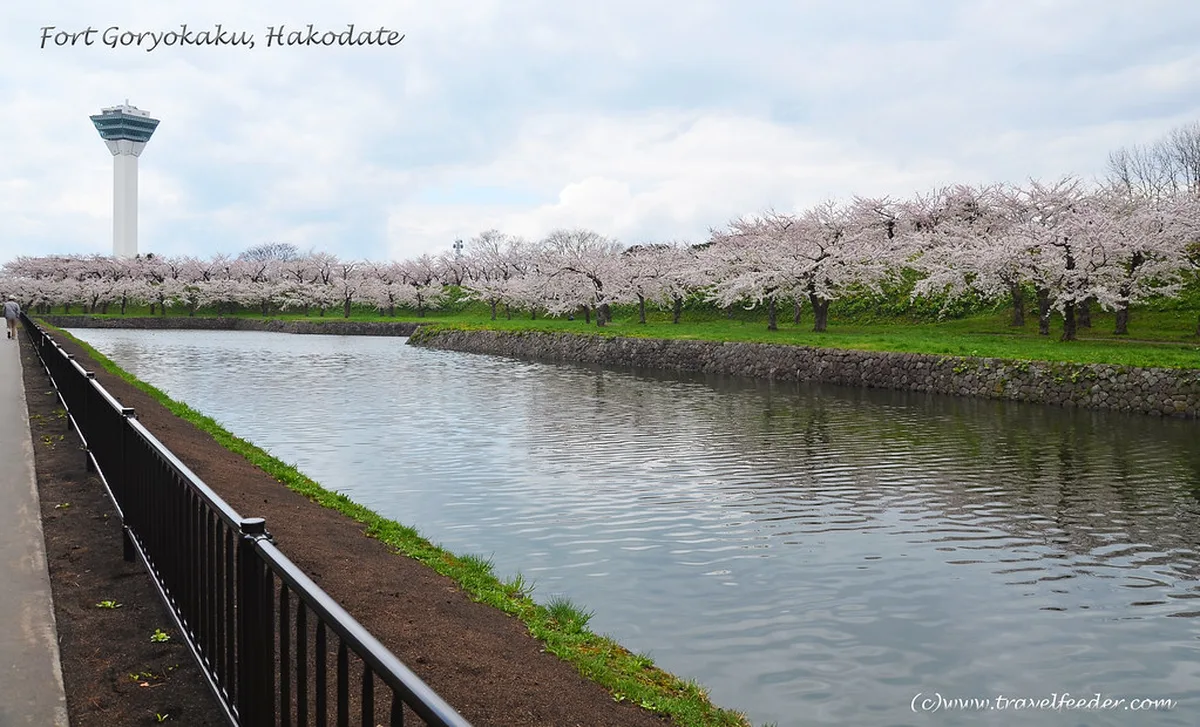
Spring (March–May) is the most popular window for first-time visitors. March still carries overnight lows around −1 °C to 3 °C with lingering snow patches, but by late April daytime temperatures reach 13–16 °C and the city is reliably dry. The cherry blossom front typically arrives at Goryokaku between late April and early May, making the third week of April a strong target date for 2026.
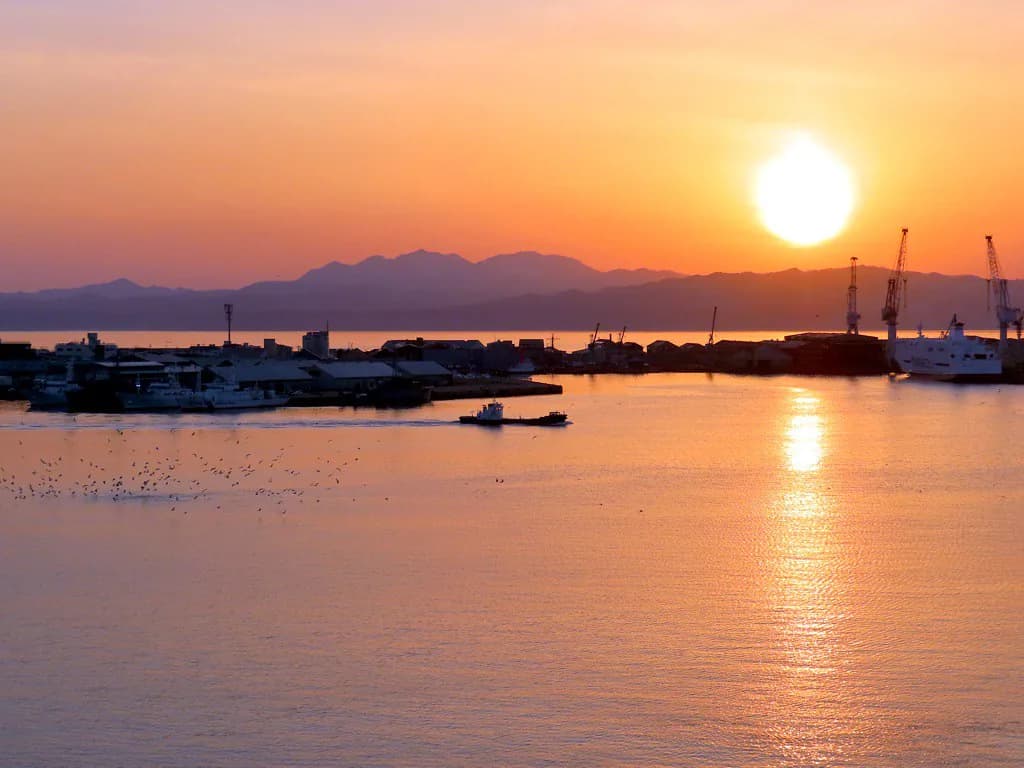
Summer (June–August) is warm but notably foggy. July highs average 23–26 °C with relatively low humidity compared to Tokyo, but June fog is endemic to the Tsugaru Strait coast. August is the brightest month of the summer, with clearer evenings and the Hakodate Port Festival (5–7 August) drawing large crowds. Pack a light rain layer — July records around 100 mm of monthly precipitation.
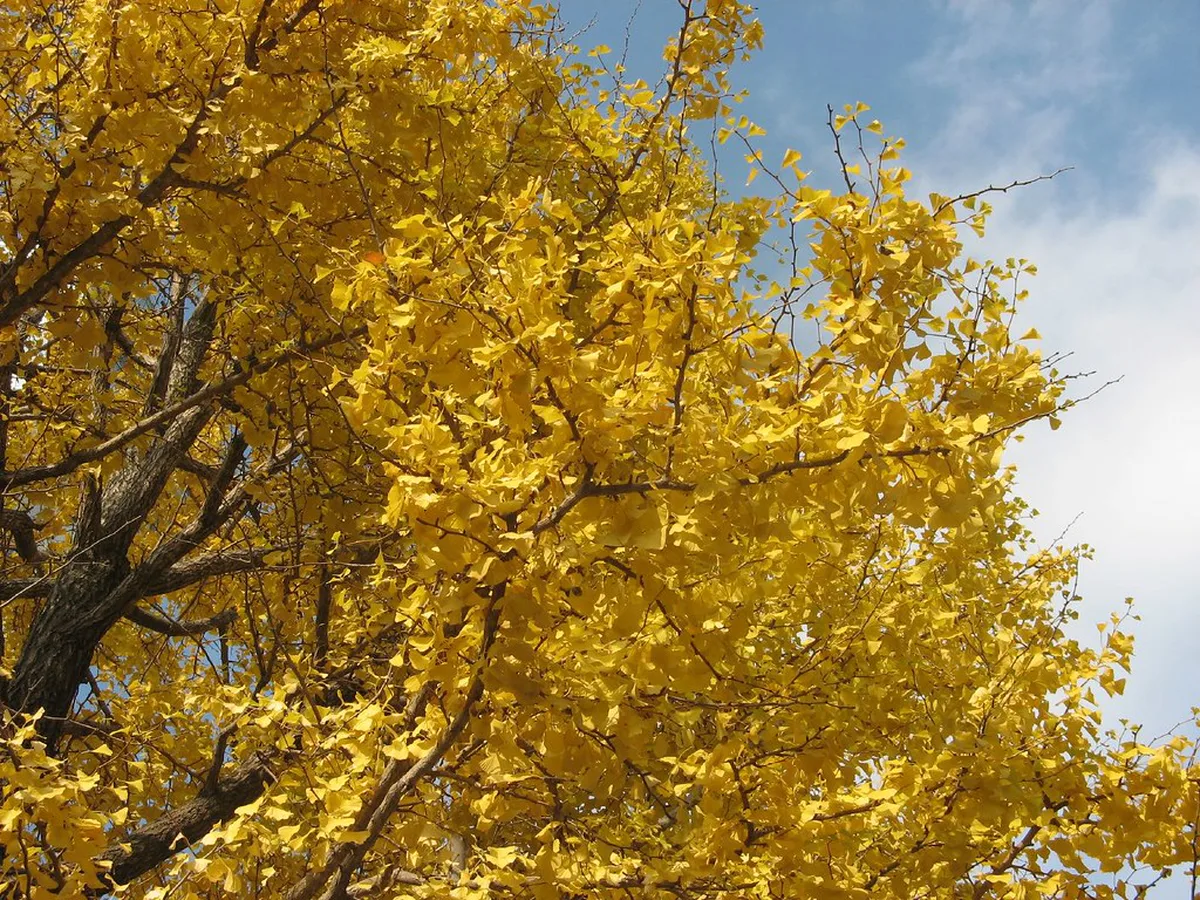
Autumn (September–November) offers the cleanest skies of the year. September highs hover at 22 °C before dropping steadily; by November the city is down to 7–10 °C in the day. Maple and ginkgo color peaks in mid to late October across Miharashi Park and the Motomachi slopes. Rain is modest and the ropeway rarely suspends for weather during this window.
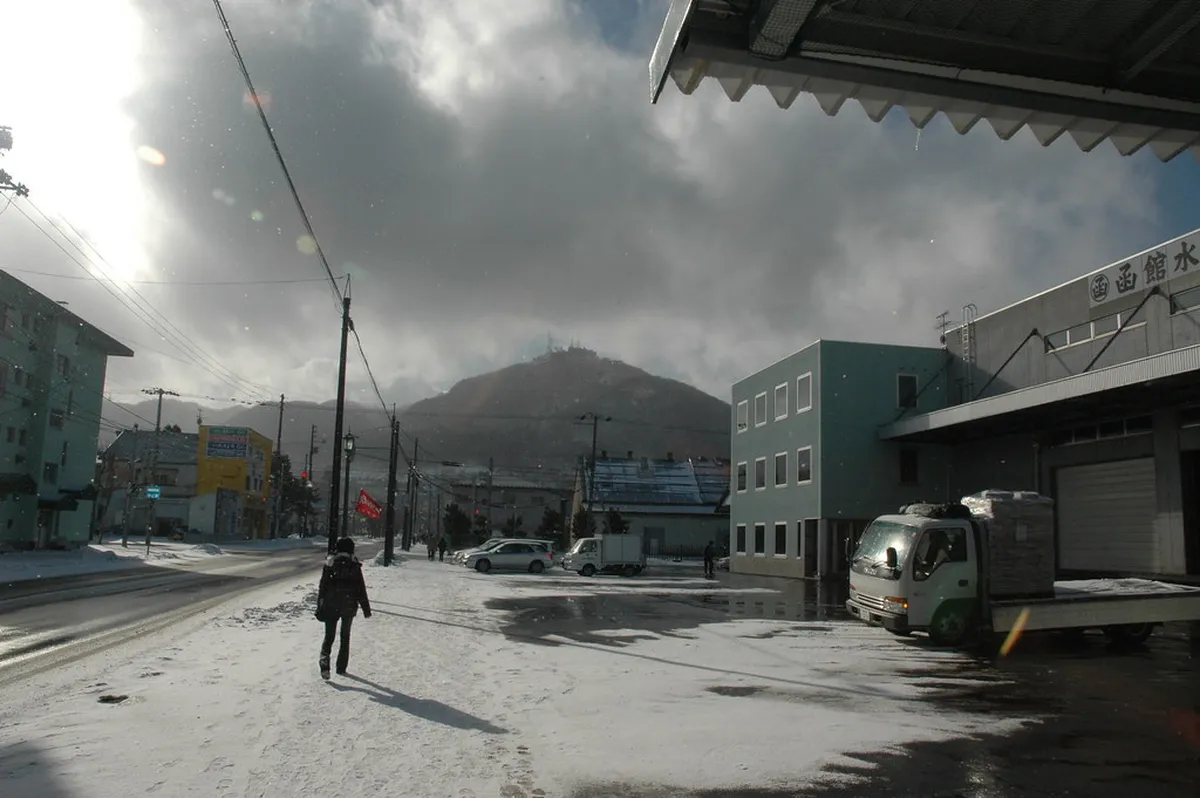
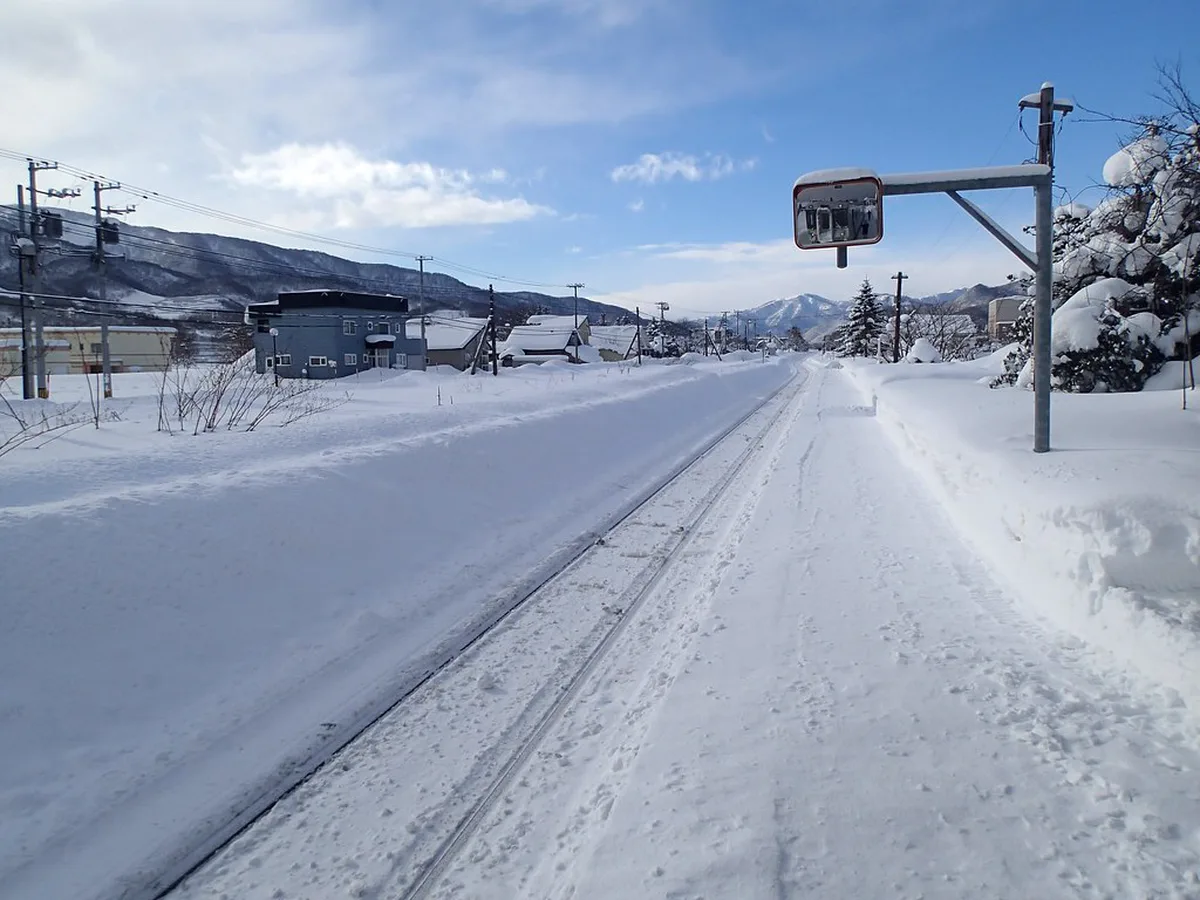
Winter (December–February) is cold but not extreme by Hokkaido standards. Hakodate averages only 90–120 cm of total snowfall per season — far less than Sapporo's 600 cm — because the maritime air from the strait moderates temperatures. January lows dip to −6 °C at night, but daytime readings of −1 °C to 3 °C are common. Roads stay passable and attractions remain open, making winter a legitimate travel season for those who enjoy snow scenery without severe cold.
Temperature and Precipitation by Month
January and February are the coldest months, with daytime highs around 2 °C and lows near −5 °C. Snowfall is frequent but rarely disruptive. March warms to highs of 5–8 °C; snow turns to slush by mid-month, and the risk of ice underfoot is real until the first week of April.
April through May sees the fastest warm-up in the calendar. April moves from 10 °C to 16 °C by the final week; May stabilises around 17–19 °C. Rainfall stays below 70 mm per month, making it the driest stretch of the year alongside early autumn.
June marks the onset of the sea-fog season. Highs reach 20–22 °C but visibility at Mount Hakodate summit can drop to near zero on mornings when the warm Pacific air meets the still-cold strait. July is the wettest month (around 100–110 mm) and peak fog risk. August clears noticeably and highs touch 26–27 °C — the warmest Hakodate gets.
September cools quickly from 22 °C to 16 °C by the end of the month. October sits at 11–14 °C with excellent visibility and low humidity. November drops to 5–9 °C and the first snowflakes occasionally appear at higher elevations. December locks in winter conditions from mid-month, with consistent sub-zero nights and light snowfall most weeks.
Night View Fog Risk: The Calendar Detail No Weather App Covers
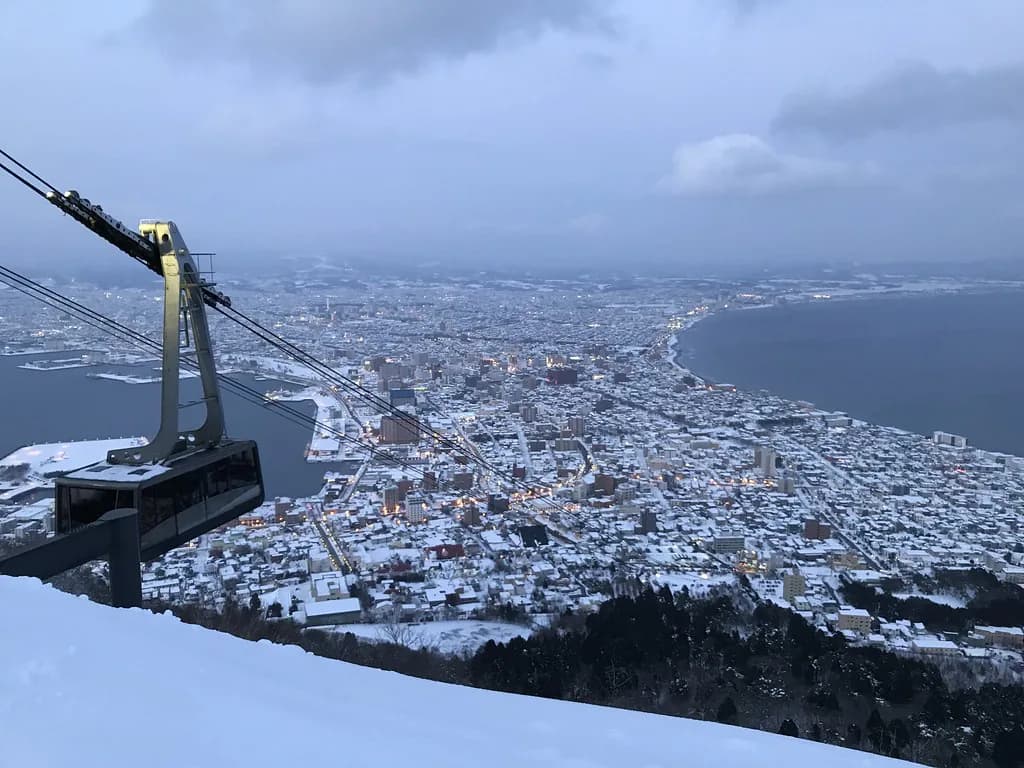
The Mount Hakodate ropeway is the single most weather-sensitive activity in the city. A clear summit visit depends entirely on fog and cloud cover — and no live weather app gives you the probability breakdown that actually matters for planning. Based on historical patterns, October is the most reliable month for a clear summit view: fog frequency drops below 10% of evenings. November and April are close behind. For detailed Japan Meteorological Agency forecasts and seasonal climate data, check the official source.
June and July are the highest-risk months. Sea fog forms when warm Pacific air flows over the cold Tsugaru Strait, then funnels up the western slope of the mountain. On foggy nights the city lights disappear completely from the observation deck. If you visit in June or July, build two consecutive evening attempts into your 2-day Hakodate itinerary and check the summit webcam (accessible via the ropeway operator's site) before buying a ticket.
August recovers faster than most visitors expect — fog clears by around 20:00 on most nights as the land cools. September and early October are the sweet spot: warm enough for comfortable outdoor standing at 700 m elevation, statistically the clearest skies, and the added bonus of autumn illumination events at Goryokaku. The ropeway last car runs at 22:00 from October onwards, giving you a wide scheduling window.
Winter (December–February) carries a different risk: cloud cover from snow systems rather than sea fog. Calm anticyclone days — common in February — often deliver spectacular clear nights with snow-covered city rooftops visible below. If you see a forecast showing high pressure and light winds, that is a winter night view worth prioritising over a warm but foggy July evening.
What to Pack for Hakodate Weather
Winter visitors (December–March) need a proper cold-weather coat, thermal base layers, and slip-resistant boots. The streets around Motomachi are steeply sloped and become icy overnight; rubber-soled hiking shoes or waterproof ankle boots with micro-spikes are a practical choice over fashionable footwear. Gloves, a wool hat, and a scarf are essentials, not optional extras.
Spring (April–May) is a transitional season that punishes under-prepared packers. Early April still requires a mid-weight insulated jacket; late May is comfortable in a light trench coat. Layering is the key strategy — mornings at the morning market around 06:00 can be 8 °C while afternoons in the Kanemori warehouse district hit 17 °C.
Summer (June–August) calls for light breathable clothing plus a compact umbrella or rain jacket for July. Sunscreen is important from July onwards as UV levels are higher than most visitors expect at this latitude. A light long-sleeve layer is useful for the ropeway summit even in August, where the mountaintop temperature runs 5–8 °C cooler than the city below.
Autumn (September–November) is the easiest season to pack for. A mid-weight jacket handles September and October; November requires adding a warm inner layer. Comfortable walking shoes are sufficient until mid-November, when the first pre-winter frosts start appearing on the Motomachi cobblestones after dark.
Ropeway visibility planning: October is your best month for a clear Mount Hakodate night view — fog frequency drops below 10% of evenings. If you visit in June or July (peak fog risk), plan two consecutive evening attempts and check the ropeway operator's summit webcam before buying a ticket. August clears noticeably by 20:00, and February often delivers spectacular clear nights when high-pressure systems settle in.
Seasonal packing essentials: Winter requires thermal base layers, a cold-weather coat, and slip-resistant boots for Motomachi's icy slopes. Spring demands layering strategies (mornings can be 8°C, afternoons 17°C). Summer needs a compact umbrella for July's rain and a light layer for the 5–8°C cooler mountaintop. November onwards: prepare for overnight frosts on cobblestones.
| Month | Avg High / Low | Precipitation / Snow | Key Notes |
|---|---|---|---|
| January | 2°C / −5°C | Frequent snowfall | Coldest month; roads passable; winter night view opportunities |
| February | 2°C / −5°C | Frequent snowfall | Calm anticyclone days deliver spectacular clear nights |
| March | 5–8°C | Snow turning to slush | Ice-underfoot risk until early April |
| April | 10–16°C | <70 mm | Cherry blossom peak late April; driest month alongside early autumn |
| May | 17–19°C | <70 mm | Fastest warm-up of the year; cherry blossoms fade; still dry |
| June | 20–22°C | 100–110 mm | Onset of sea-fog season; Mount Hakodate summit fog risk high |
| July | 23–26°C | 100–110 mm | Wettest and foggiest month; highest night-view fog risk |
| August | 26–27°C | Moderate | Warmest month; fog clears by 20:00; Hakodate Port Festival (5–7 Aug) |
| September | 22°C → 16°C | Modest | Quick cool-down; excellent visibility; sweet spot for ropeway visits |
| October | 11–14°C | Low | Most reliable for clear night view (<10% fog); autumn foliage peaks mid–late month |
| November | 5–9°C | Low; occasional snow at elevations | First pre-winter frosts; ropeway last car at 22:00; comfortable for day trips |
| December | Sub-zero nights | Light snowfall most weeks | Locks in winter; consistent snow cover; 90–120 cm seasonal total |
Air Quality and Pollen in Hakodate
Hakodate's air quality is consistently good by Japanese standards. PM2.5 readings typically stay in the 10–20 μg/m³ range year-round, well within the Good band. The coastal winds flush pollutants from the Tsugaru Strait, so even on calm summer days the air rarely becomes oppressive. Visitors with respiratory sensitivities will generally find Hakodate's climate far more comfortable than urban areas in central Honshu.
Pollen season runs from late March through May. Unlike the rest of Japan, cedar and cypress pollen is less dominant here — Hokkaido's main culprit is white birch (shirakaba), which peaks in late April and early May. Hay fever sufferers who typically manage well in other parts of Japan can still be caught off guard by this distinct allergen. A pharmacist in the city centre can advise on local antihistamines; major drug stores open by 09:00.
Grass pollen follows in June, overlapping with the foggy season. By July, pollen counts drop to negligible levels and remain low through autumn. Winter is entirely pollen-free, which makes it a practical season for allergy sufferers who want to explore Hokkaido without medication.
How Weather Affects Hakodate's Key Activities
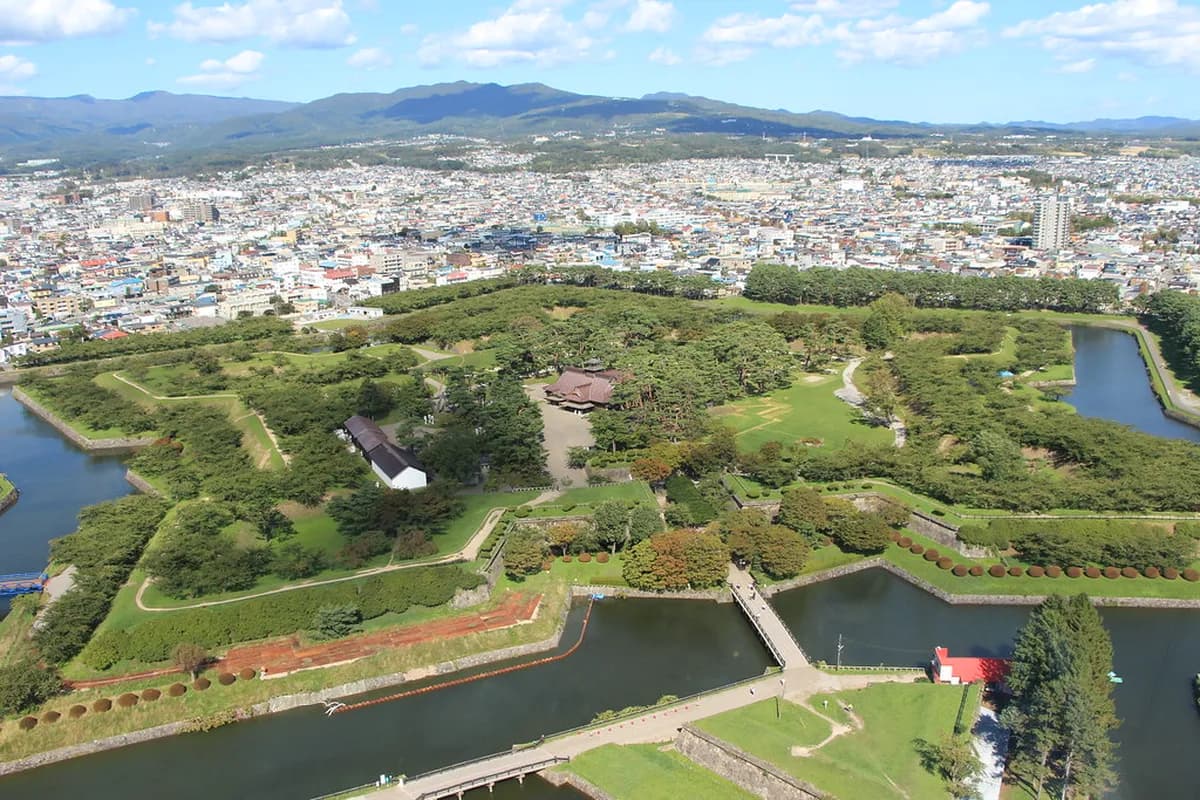
Goryokaku Park is enjoyable in all seasons but the experience changes dramatically with the weather. Cherry blossom peak in late April draws the largest crowds; summer is green and pleasant but the moat can develop algae; autumn foliage typically peaks around 20–25 October; winter snow turns the star-shaped fort into a photographic landmark. See the Goryokaku fort and tower for season-specific viewing strategy.
The Hakodate Morning Market operates from 05:00 daily and is largely sheltered from rain and wind. It runs year-round regardless of weather, making it a reliable anchor for any itinerary. Cold months are actually preferable for hairy crab (kegani) and Pacific cod (tara), both winter-season specialties that peak in quality from December through February.
Day trips out of the city are more weather-dependent. The Onuma Quasi-National Park and Shikotsu-Toya routes require dry roads and moderate visibility to be worth the journey. Summer fog and winter snowstorms are the main disruption risks. Always check conditions before booking transport — the best Hakodate day trips guide lists the best weather windows for each route.
The Kanemori Red Brick Warehouse and Motomachi historic district are walkable in almost any weather, though the steep Motomachi lanes become slippery in freezing rain. Indoor options — the Museum of Northern Peoples, the Old Public Hall costume rentals, and the warehouse complex shops — provide a full half-day programme on any weather-disrupted afternoon.
Frequently Asked Questions
Which hakodate weather options fit first-time visitors?
First-time visitors should aim for the stable weather of late spring or early autumn. These periods offer mild temperatures and clear skies, which are perfect for seeing the famous night view. Check the the best season for Hakodate for more seasonal details.
How much time should you plan for hakodate weather?
You should allow at least three days to account for potential weather changes. This buffer ensures that if one day is foggy or rainy, you still have a chance to see the major outdoor sights. Flexible scheduling is key in coastal Hokkaido.
What should travelers avoid when planning hakodate weather?
Avoid visiting during the height of the winter monsoon if you dislike heavy snow and wind. While beautiful, the extreme cold can make walking between attractions difficult. Also, avoid relying on a single forecast as coastal conditions change rapidly.
Hakodate weather rewards visitors who plan with the calendar rather than against it. The clearest skies for the night view sit in October; the busiest cherry blossom crowds land in late April; winter is quieter but genuinely viable for snow scenery and seafood.
Pack layers regardless of season, build a backup evening for the ropeway, and keep an eye on the summit webcam. The city's compact size means that a weather pivot — from the mountaintop to a warehouse cafe — takes less than twenty minutes.
Use the JMA forecast at jma.go.jp for official current conditions and the ropeway operator's live cam for summit visibility checks before buying a ticket. Proper preparation turns a simple trip into an extraordinary Hokkaido experience.
Use our Hakodate attractions hub to plan the rest of your trip.
Free: The Hakodate Essentials guide
Top things to do, where to stay, a perfect day plan, getting around, and the best time to go — a Hakodate mini-guide you can take offline.
You might also like
Continue reading
More guides you'll find useful