Sapporo To Hakodate Travel Guide
Plan sapporo to hakodate with top picks, neighborhood context, timing tips, and practical booking advice for a smoother trip.
On this page
Traveling from Sapporo to Hakodate covers roughly 250 kilometers through the heart of Hokkaido. Most visitors take the Limited Express Hokuto, which runs directly between Sapporo Station and Hakodate Station in about 3.5 hours. Buses, rental cars, and flights are also available, each with clear trade-offs in cost, convenience, and scenery.
This guide covers every transport option with current fares and journey times, the key stops worth knowing along the route, and how to use a JR Pass on this corridor. Whether you have one day or a full week, both cities reward visitors who understand how they connect.
Use the Sapporo–Hakodate car vs train comparison to price the full party and check how winter-road risk changes the practical answer.
Traveling by Train: Limited Express Hokuto
The Limited Express Hokuto is the fastest and most convenient way to get from Sapporo to Hakodate. Trains depart roughly every hour throughout the day from Sapporo Station and arrive at Hakodate Station in approximately 3 hours 30 minutes. The service runs on the Chitose Line and Muroran Line before rejoining the Hakodate Main Line at Oshamambe Station — most of the journey bypasses the scenic Hakodate Main Line entirely.
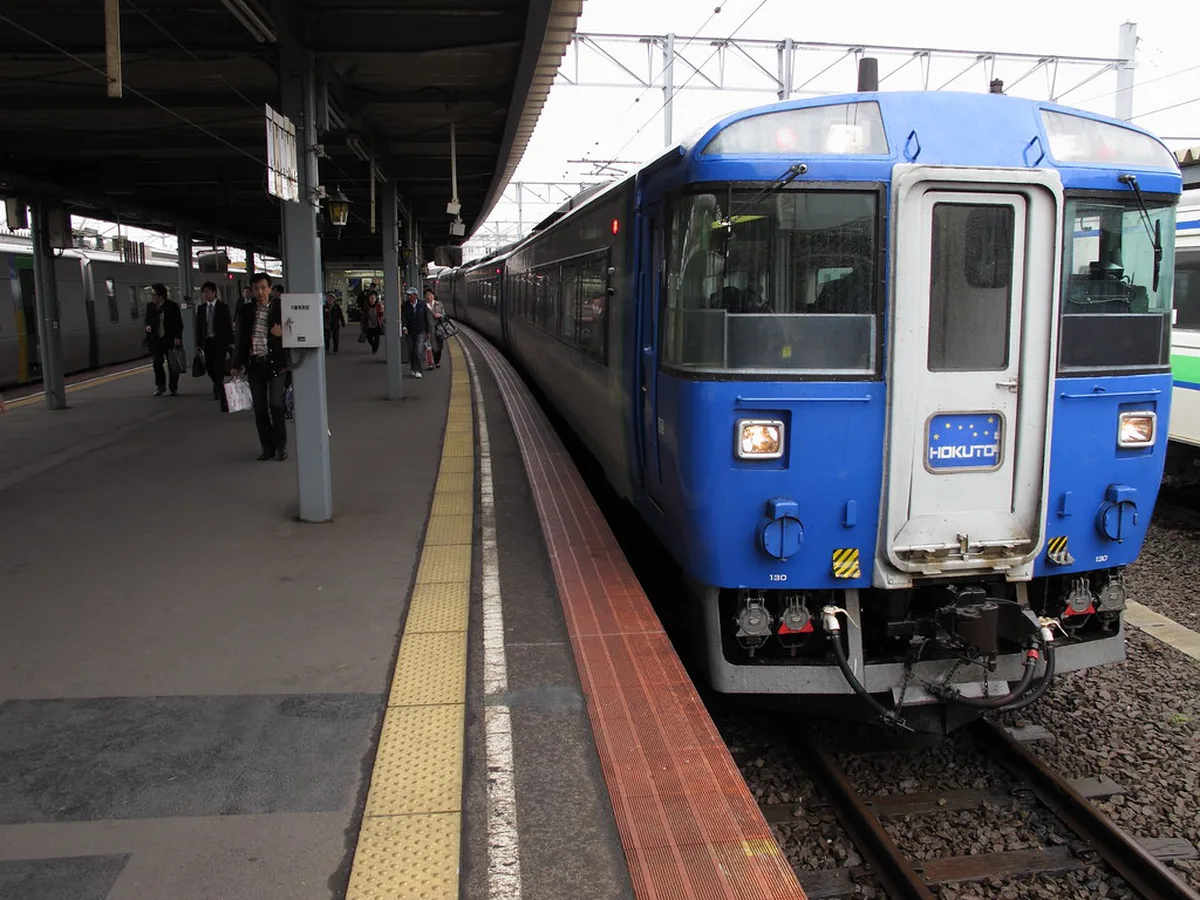
A one-way non-reserved seat costs around 8,910 yen, and a reserved seat adds roughly 500–600 yen. Special round-trip tickets are available for about 16,200 yen, making the return journey significantly cheaper when booked together. The Japan Rail Pass covers this service in full, so international travelers with a pass pay nothing extra.
One detail many first-timers miss: since JR Hokkaido upgraded the Hokuto fleet to the Series 261 trainset, all seats on this service are reserved. You cannot simply board without a reservation. Book your seat at the ticket counter at Sapporo Station or through the JR Hokkaido website before travel day, especially during Golden Week (late April to early May) and the Sapporo Snow Festival in February when trains fill quickly.
The JR Hokkaido Rail Pass (Hokkaido area only) and the JR East-South Hokkaido Rail Pass both cover this route as well. If you are traveling exclusively within Hokkaido and your itinerary includes Hakodate, Noboribetsu, and Sapporo, a Hokkaido-only pass often delivers better value than the nationwide JR Pass.
All seats on the Limited Express Hokuto are reserved — you cannot board without a seat reservation. Book at the JR ticket counter at Sapporo Station or online before your travel day, especially during peak periods like Golden Week and the Sapporo Snow Festival.
| Mode | Duration | Approx Fare | Notes |
|---|---|---|---|
| Limited Express Hokuto (train) | 3.5 hours | 8,910 yen (unreserved) + 500–600 yen (reserved) | Fastest option; direct service; JR Pass accepted; reserved seating required |
| Bus | 5.5 hours (daytime); overnight | 5,000 yen | Most budget-friendly; overnight buses save accommodation cost |
| Flight (ANA) | 45 minutes (air time); 2.5–3 hours door-to-door | 9,000–20,000 yen | Fastest door-to-door with airport transfers; 2–3 daily flights |
| Car (Doo Expressway) | 4 hours | Tolls ~6,500 yen + rental | Most flexible for stops; winter tires required November–March |
Stations Along the Route
The Hokuto stops at around 14 stations between Sapporo and Hakodate. Most are small towns, but several deserve a mention for visitors who want to break the journey or plan a side trip.
Noboribetsu is the first major stop worth considering. It sits roughly 45 minutes south of Sapporo and is the gateway to Noboribetsu Onsen, one of Hokkaido's most famous hot spring resorts. The volcanic valley of Jigokudani (Hell Valley) is a 15-minute bus ride from the station. Toya appears on select limited express services and gives access to Shikotsu-Toya National Park and the caldera lake of Lake Toya. Higashi-Muroran connects to the Muroran peninsula and is a useful transfer point for travelers exploring the south coast.
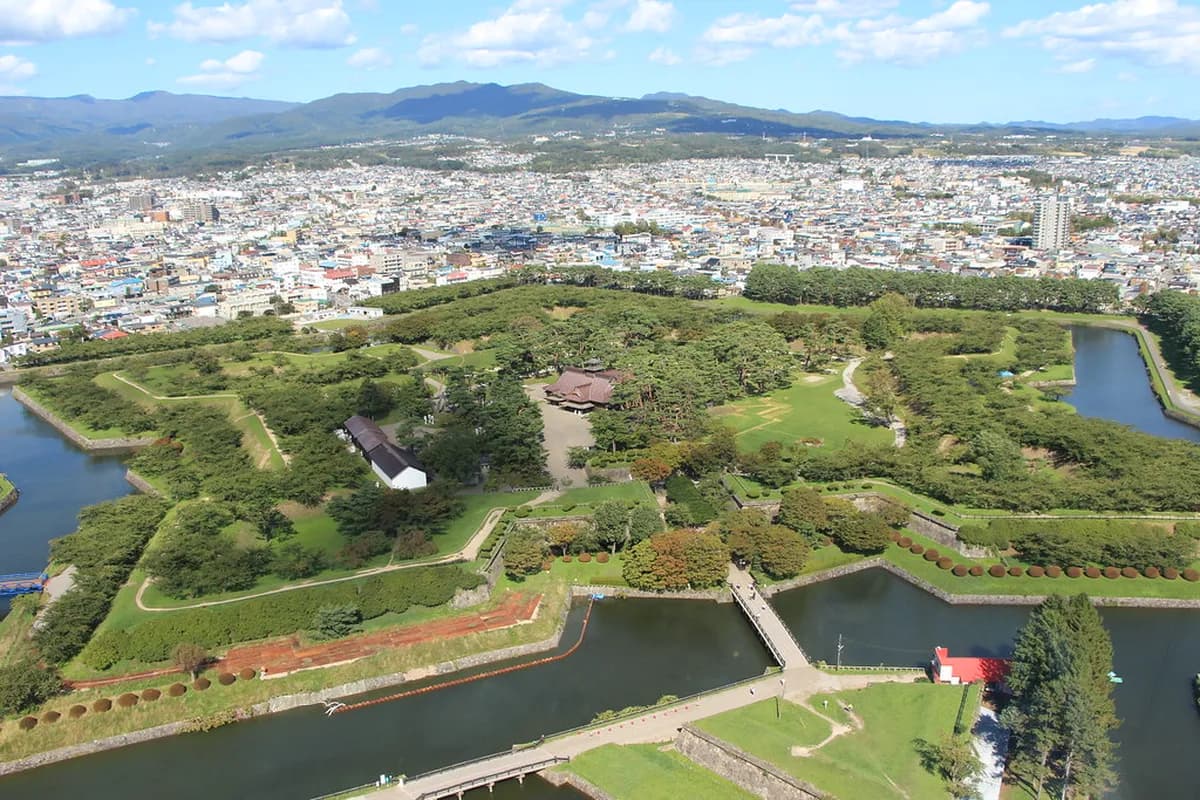
Mori, roughly halfway between Sapporo and Hakodate, is a small coastal town famous for its Ikameshi — squid stuffed with sticky rice — sold as a station bento. If your train pauses here for a few minutes, the platform vendors are quick and the bento is worth it. Onuma-Koen is the last major stop before Hakodate and sits beside Onuma Quasi-National Park, a scenic lake district with boating, cycling, and autumn foliage from mid-October. Goryokaku is Hakodate's secondary station and gives direct access to the star-shaped Goryokaku Fort without needing to reach the main terminus.
Passengers connecting to Tokyo via the Hokkaido Shinkansen should alight at Shin-Hakodate-Hokuto, which is 15 kilometers north of Hakodate Station. Relay trains link Shin-Hakodate-Hokuto to Hakodate Station in about 20 minutes. Do not confuse the two stations — the shinkansen does not stop at Hakodate Station itself.
Alternate Modes of Transport
The Sapporo–Hakodate car vs train calculator compares estimated group fares with rental, fuel, toll and parking costs for the corridor in either direction. Set your journey type and rental duration before comparing.
Several bus companies run both daytime and overnight services between Hakodate and Sapporo. A one-way bus ticket costs around 5,000 yen — roughly half the train fare — and the journey takes approximately 5.5 hours. Overnight buses depart in the evening and arrive the following morning, which saves a night's accommodation for budget travelers. Advance booking online is strongly recommended during peak periods.
Flying is the fastest option in terms of air time: ANA operates 2–3 daily flights between New Chitose Airport (Sapporo) and Hakodate Airport, with a flight time of about 45 minutes. Ticket prices range from around 9,000 yen booked well in advance to 20,000 yen or more at short notice. Factor in 40–50 minutes each way for airport transfers — New Chitose is 40 minutes by train from Sapporo Station, and Hakodate Airport is 20 minutes by shuttle bus from the city center — so the total door-to-door time is typically 2.5 to 3 hours, not much faster than the Limited Express. Check the the Hakodate Morning Market if you plan to arrive early by flight and head straight there.
Driving by car takes around 4 hours on the Doo Expressway (E5 and Doo Expressway). Tolls on the expressway add up to roughly 6,500 yen one way. Driving gives flexibility for stops at Noboribetsu Onsen or Onuma Park, which are harder to fit in on a direct train. Rental cars are available at Sapporo Station and New Chitose Airport. Road conditions in winter require snow tires and experience with icy driving; all major rental companies in Hokkaido fit winter tires as standard from late November through March.
The JR Hokkaido Rail Pass (covering only Hokkaido rail lines) and the nationwide JR Pass both cover the Hokuto route. If you're staying within Hokkaido and visiting Sapporo, Hakodate, Noboribetsu, and Otaru, a Hokkaido-only pass may offer better value than a nationwide pass and avoid paying for coverage you won't use.
Key Destinations: Otaru to Kutchan
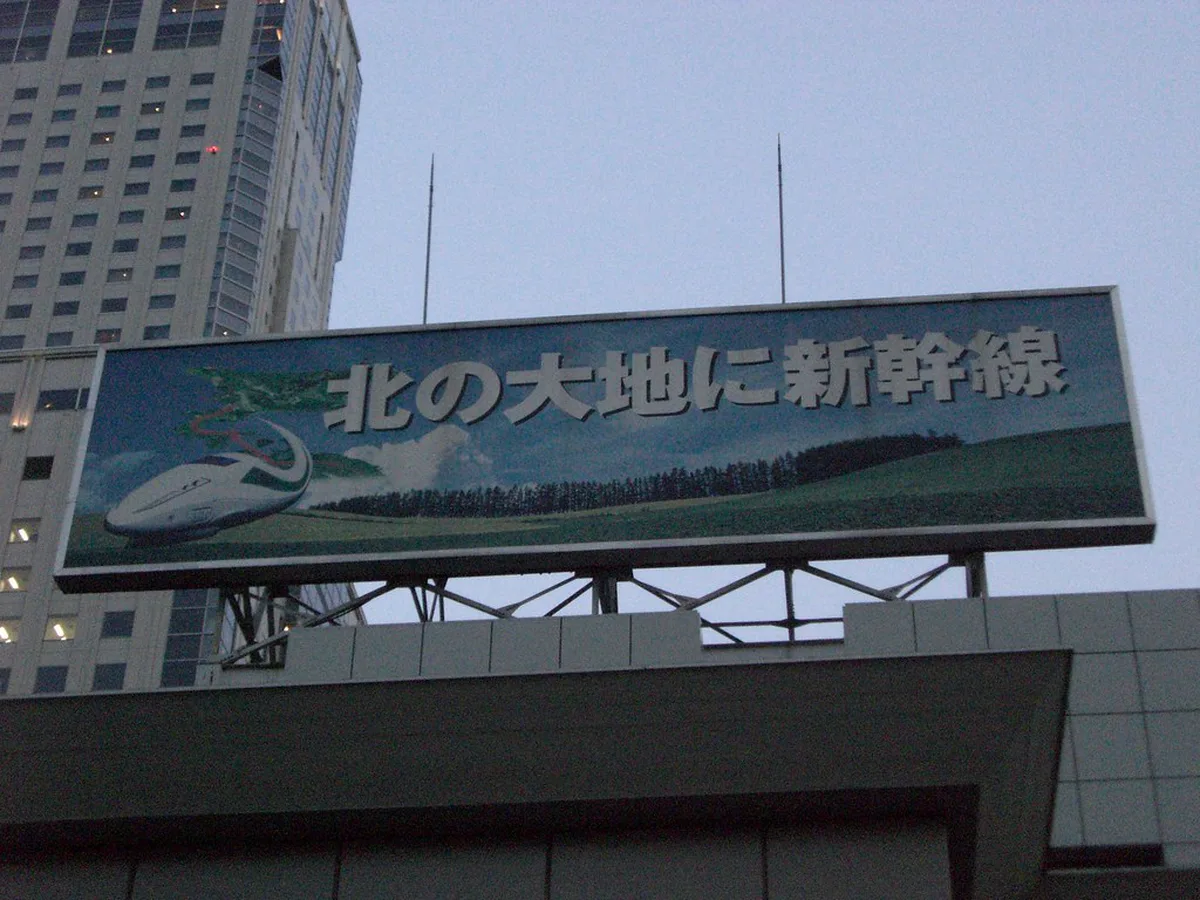
The scenic alternative to the direct Hokuto is traveling west from Sapporo through Otaru and then south via the Hakodate Main Line through the Niseko ski district. This slower route takes the better part of a day but passes through some of Hokkaido's most photogenic countryside, including views of the near-perfect cone of Mount Yotei on clear days.
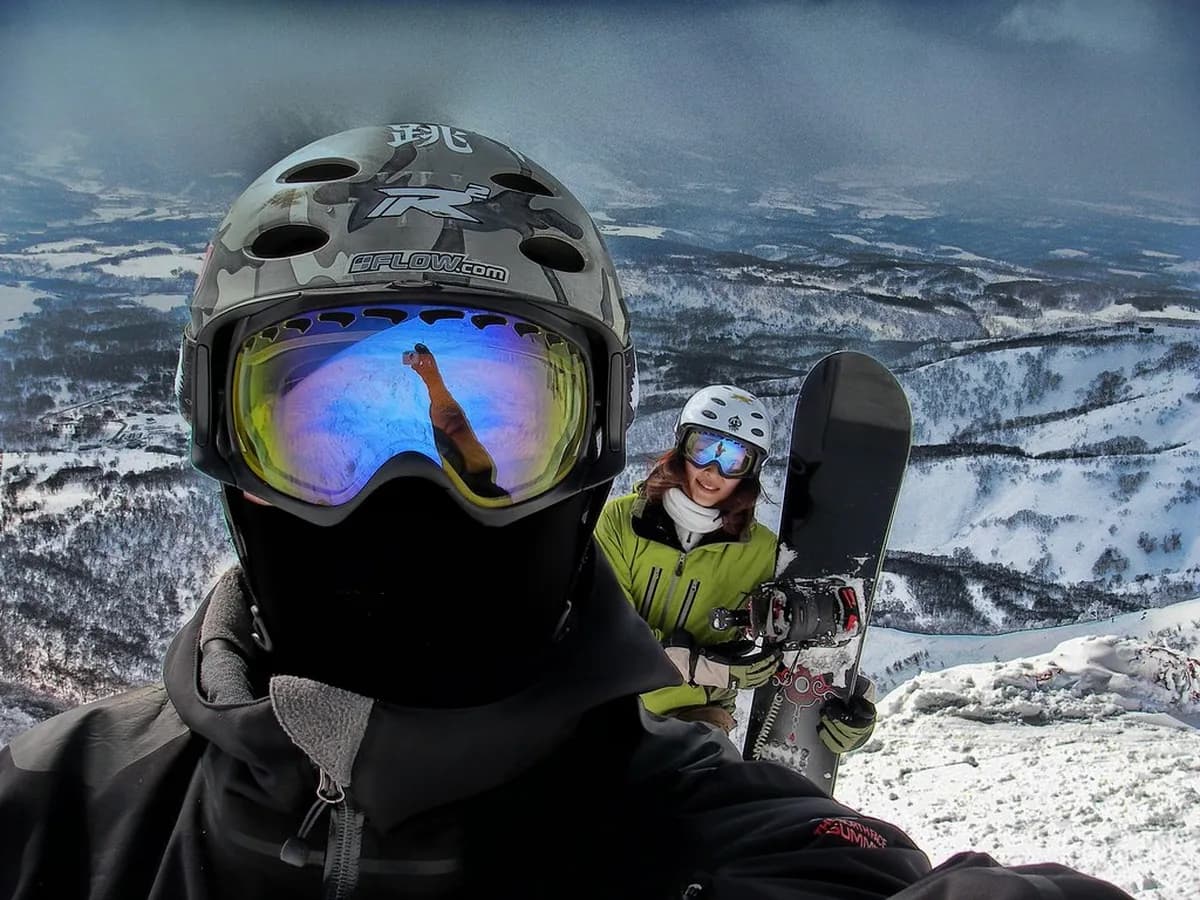
Otaru makes an excellent half-day stop. The canal district with its red-brick warehouses, glasswork shops on Sakaimachi Street, and fresh seafood restaurants reward a few hours of wandering. Store luggage at the station coin lockers before heading out. From Otaru the local train continues south through the Shakotan Peninsula coast before reaching Yoichi, where free tours and tastings at the Yoichi Nikka Whisky Distillery are available — no booking required for the distillery tour. Continuing south, Kutchan is the access point for the Niseko ski resorts including Niseko Annupuri and Niseko Hanazono, all reachable by bus or taxi from the station.
From Kutchan southbound travelers must change trains at Oshamambe Station to continue to Hakodate. Note that if you wish to travel directly from Otaru to Hakodate without the Niseko detour, it is faster to return to Sapporo and take the Hokuto. The scenic loop via Otaru, Niseko, and Oshamambe adds two to three hours over the direct train.
Key Destinations: Kutchan to Hakodate
South of Kutchan the line passes through 33 stations before reaching Hakodate. The stretch between Oshamambe and Hakodate along the coast of Uchiura Bay is one of the most scenic parts of any Hokkaido rail journey. Passengers must change trains at Oshamambe if traveling via the Hakodate Main Line from Niseko; those on the direct Hokuto do not need to change.
Onuma-Koen sits within Onuma Quasi-National Park and offers boating, cycling trails, and autumn foliage that rivals anywhere in Japan. A free winter shuttle runs from Onuma-Koen Station to Hakodate Nanae Snow Park for skiing and snowboarding. Akaigawa Station is the closest rail stop to the Mount Komagatake hiking trail, though the 6th-station car park is 7 kilometers from the station — taxi from the next stop, Onumakoen, is more practical for hikers.
Goryokaku Station in Hakodate puts you 15 minutes by bus from the star-shaped Goryokaku Fort, a 19th-century fortification whose distinctive shape is best appreciated from the observation deck of Goryokaku Tower. Most visitors continue one stop to Hakodate Station and use the city tram network from there.
Key Destinations: The Sawara Line
The Sawara Line is a branch of the Hakodate Main Line that loops between Onuma and Mori stations along the eastern shore of Uchiura Bay. It is a quieter, rural section of the rail network that most visitors on the direct Hokuto never see. Trains on this branch are infrequent and consist of local diesel cars, so check timetables carefully before planning stops here.
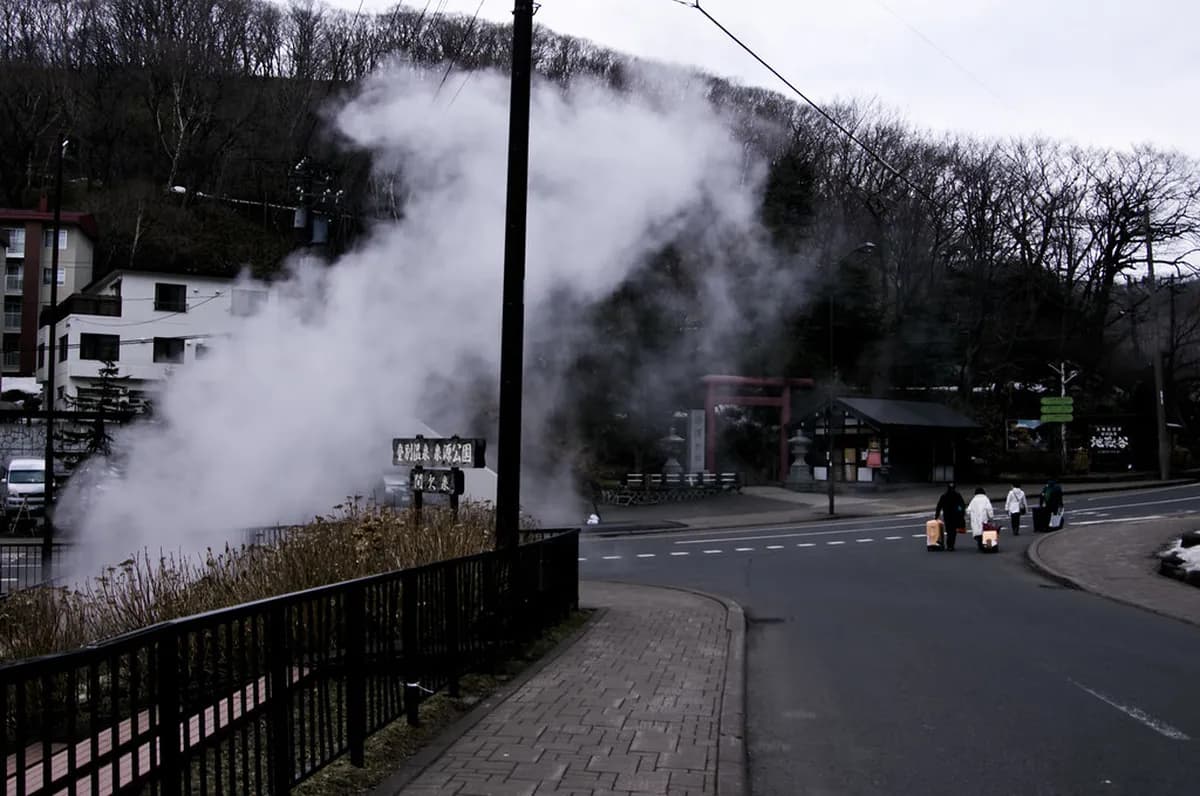
Nagareyama Onsen Station is a short walk from Paard Musee, a farm and ranch offering horseback riding and craft workshops — advance booking required for all activities. Choshiguchi Station sits near the north-east shore of Lake Onuma and is a prime spot for viewing mizubasho (white skunk cabbage) flowers in mid to late April. Shikabe Station is in a hot spring resort town notable for Shikabe Geyser Park, where columns of hot water erupt from the ground every ten minutes — free to watch from outside the park boundary.
The Sawara Line eventually rejoins the main track at Mori Station. If you are traveling from Hakodate and want to explore this loop before reaching Onuma, plan a full day as connections are sparse. Consider looking into best Hakodate day trips for a dedicated itinerary that covers the Onuma and Sawara Line area in one go.
How to Plan Your Sapporo to Hakodate Journey
For most visitors the direct Hokuto is the right call: reliable, scenic through the southern coast, and covered by the JR Pass. Book your reserved seat at Sapporo Station on arrival day or in advance online. Aim for a morning departure — trains around 07:30 to 09:00 from Sapporo arrive in Hakodate by midday, giving a full afternoon for the morning market, Motomachi district, and Mount Hakodate at sunset. Check the the best season for Hakodate to time your stay with seasonal highlights such as the squid festival or winter illuminations.
If your schedule allows a slower pace, the Otaru–Niseko–Oshamambe scenic loop is worth a full travel day in summer or ski season. Leave Sapporo early, stop 2–3 hours in Otaru, continue to Kutchan for Niseko, and catch an afternoon train south. You will reach Hakodate by early evening. This route is not practical if you are tight on days, but it is one of the most rewarding rail journeys in Hokkaido for scenery alone.
Budget travelers who prioritize cost over time should consider the overnight bus. Departing Sapporo around 23:00 and arriving in Hakodate around 05:00, it allows you to check into your hotel, drop bags, and reach the morning market as it opens at 05:00 or 06:00 in winter. You save both a night's accommodation and the train fare. Book at least a week ahead in summer and during holidays.
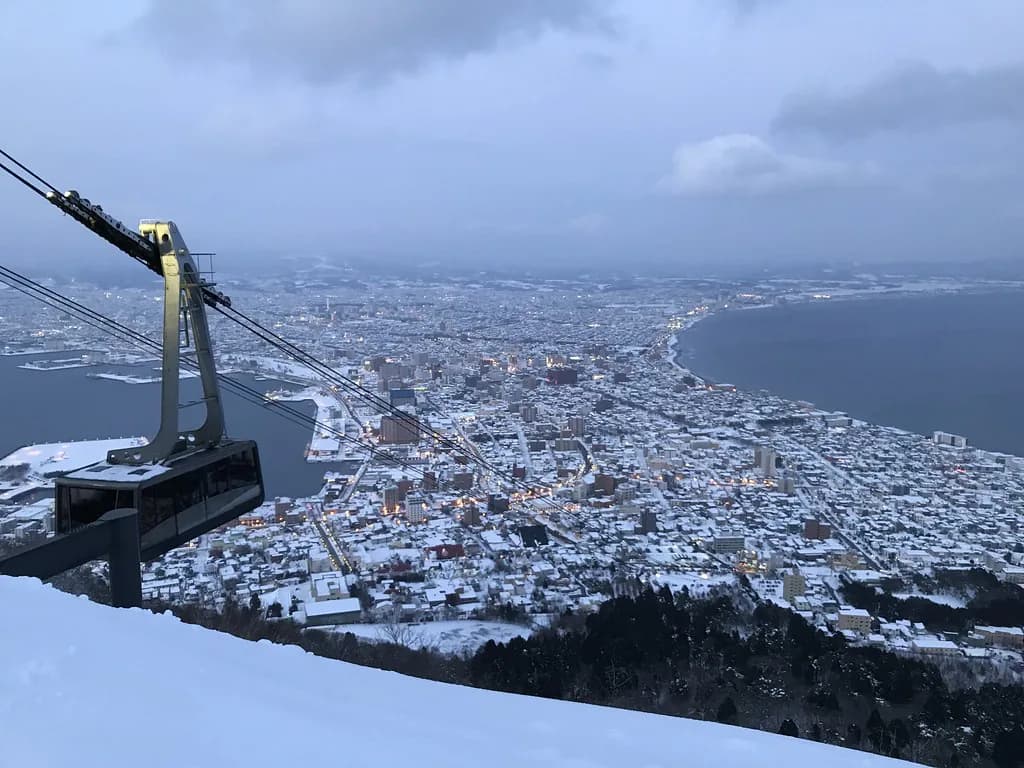
For the full Hakodate experience, plan at least two nights. One evening is enough to see the night view from Mount Hakodate, but Goryokaku Fort, Motomachi, and the morning market each need time. See the 2-day Hakodate itinerary for a day-by-day breakdown of what to prioritize.
Sapporo as Your Starting Point
If you are departing from Sapporo for the first time, a morning at the city's highlights before your afternoon train is entirely feasible. Odori Park is a five-minute walk from Sapporo Station and gives the city's best skyline view from the Sapporo TV Tower. The Sapporo Clock Tower is another short walk away and takes under 30 minutes to visit. Nijo Market, two blocks south of the clock tower, is ideal for a seafood breakfast before heading to the station.
Sapporo Beer Museum near Naebo Station explains Hokkaido's brewing heritage and offers tastings of regional beers in a red-brick building that dates from the Meiji era. For a deeper cultural stop, the Historical Village of Hokkaido at Shinrin-Koen Station is an open-air museum with 60 relocated historic buildings from across the island — allow two hours. Both are easily accessible by the Hakodate Main Line if you are traveling north before looping south for the Hokuto.
Susukino, Sapporo's main entertainment district south of the station, is best saved for the evening. The neighborhood has Hokkaido's highest concentration of ramen shops and is the place to try Genghis Khan lamb BBQ. If you are spending a night in Sapporo before the journey south, Susukino is the natural last stop of the evening.
Frequently Asked Questions
Which sapporo to hakodate options fit first-time visitors?
The Limited Express Hokuto train is the best choice for first-time visitors due to its frequency and comfort. It takes about 3.5 hours and offers beautiful coastal views. You can use a JR Pass for this route, making it cost-effective for international travelers.
How much time should you plan for sapporo to hakodate?
Allocate at least 4 hours for the door-to-door journey if traveling by train. If you choose to fly, the total time including airport transfers is roughly 3 hours. Driving takes about 4 to 5 hours depending on traffic and road conditions.
Is the train ride from Sapporo to Hakodate scenic?
Yes, the train ride is exceptionally scenic, especially the sections along Uchiura Bay. Seats on the left side of the train when heading south offer the best ocean views. You will also see volcanic peaks and dense forests throughout the trip.
Choosing the right way to travel from Sapporo to Hakodate depends on your schedule and interests. The Limited Express Hokuto remains the most popular balance of speed and scenery for most tourists. Flying offers a quick alternative, while the local lines via Niseko provide a deeper look at rural Hokkaido.
Whichever method you choose, both cities offer unique experiences that define the spirit of northern Japan. Ensure you book your tickets in advance during peak seasons to secure the best seats. For more help planning your stay, see our 2-day Hakodate itinerary for the best local spots.
See our Hakodate attractions guide for the broader city overview.
Free: The Hakodate Essentials guide
Top things to do, where to stay, a perfect day plan, getting around, and the best time to go — a Hakodate mini-guide you can take offline.
You might also like
Continue reading
More guides you'll find useful