Hakodate Morning Market Travel Guide
Plan hakodate morning market with top picks, neighborhood context, timing tips, and practical booking advice for a smoother trip.
On this page
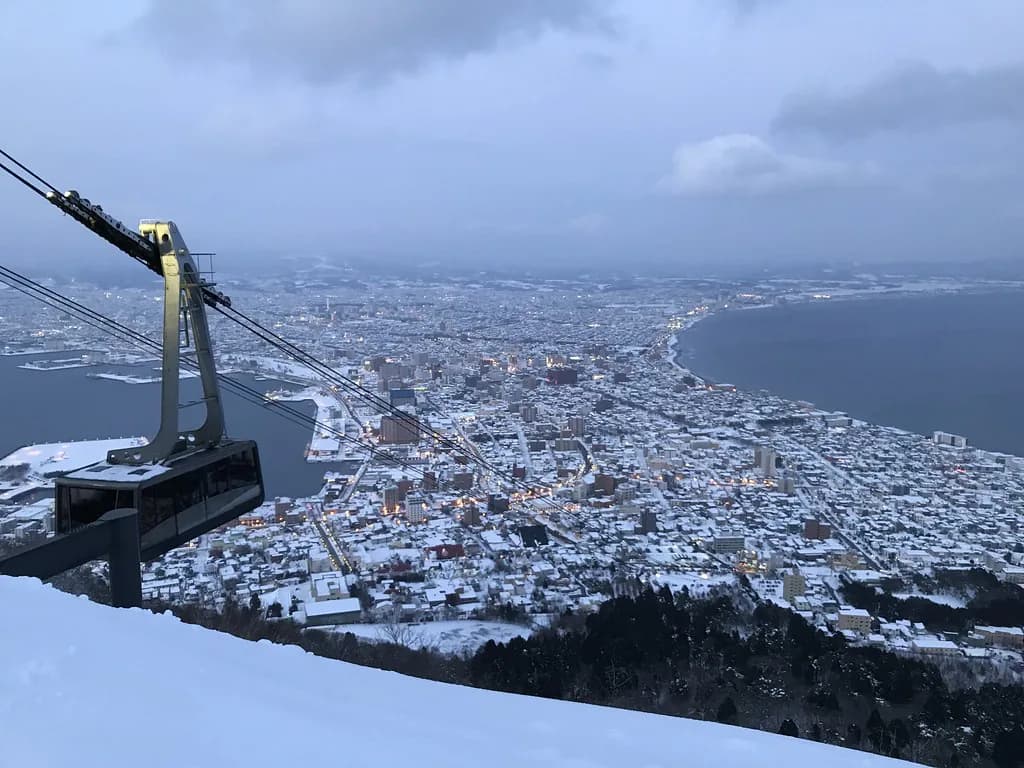
The Hakodate Morning Market — Asaichi in Japanese — sits a one-minute walk from Hakodate Station and packs over 250 stalls into a compact stretch of covered lanes and open-air alleyways. Hakodate is surrounded by ocean on three sides, which means the seafood here arrives fresh every single morning from boats that docked overnight.
The market runs every day from around 5:00 AM through early afternoon, but serious visitors arrive before 8:00 AM. By 10:00 AM the donburi restaurants fill up, squid fishing lines grow long, and the best crabs sell out. This guide covers exactly what to eat, which spots to find, and how to make the most of your time.
An overview of Hakodate market
The market occupies two main buildings — Ekini Ichiba (the station-side market hall) and Donburi Yokocho, literally "rice bowl alley" — plus an open food court called Asaichi Hiroba and a network of outdoor produce lanes. Each zone has a distinct character. Ekini Ichiba houses the squid fishing tank and grilled seafood counter. Donburi Yokocho lines up the kaisendon and sushi restaurants. Asaichi Hiroba holds the ramen shop, snack vendors, and the bilingual information counter.
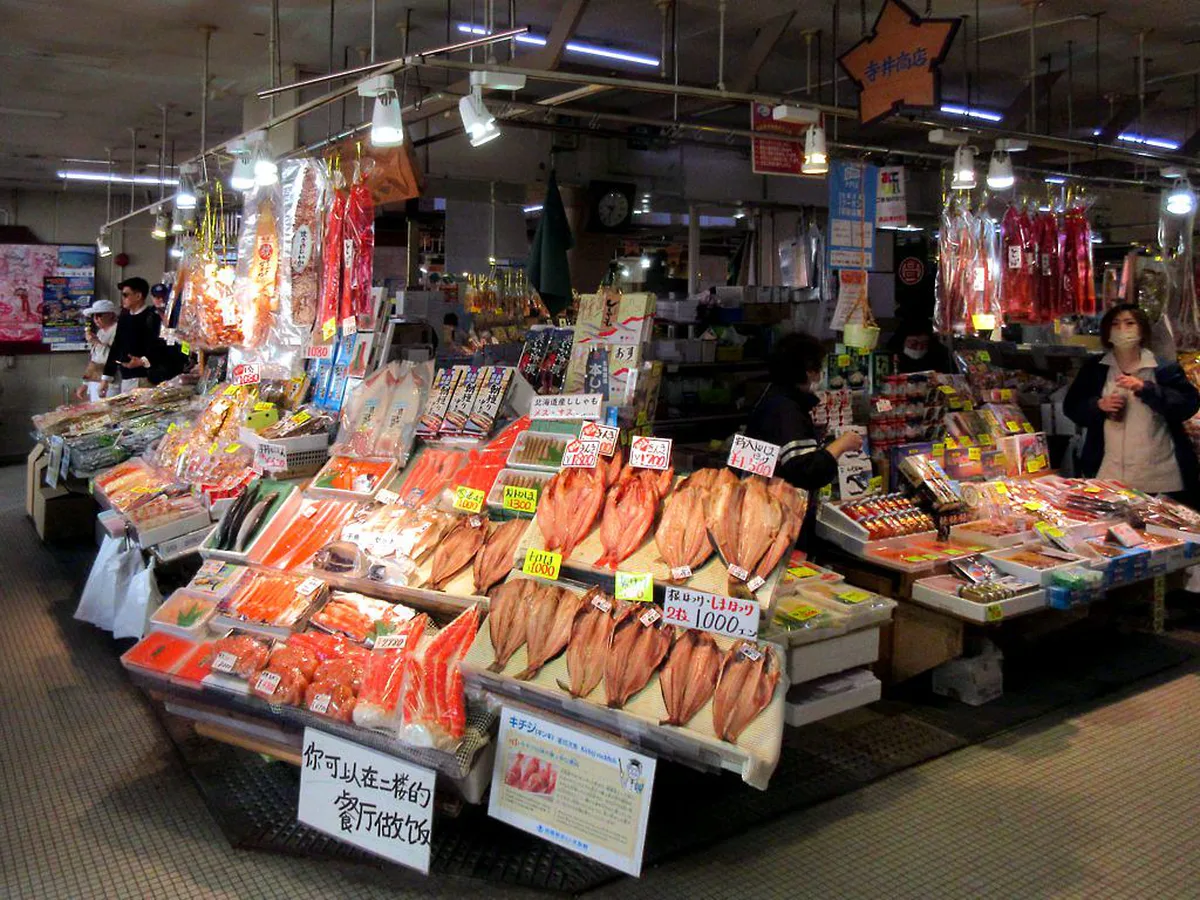
Most stalls open at 5:00 AM from May through October and at 6:00 AM from November through April. Individual restaurants post their own hours, but plan to finish eating by 13:00 as several close well before 14:00. The whole market is covered, making it a workable option even on rainy mornings. Free Wi-Fi is available throughout.
Getting there is straightforward. Exit through the main gates of JR Hakodate Station and turn left — the market entrance is visible within thirty seconds. If you are wondering how long to spend in Hakodate you need, budget at least two to three hours for a proper market morning, especially if you want both the squid fishing experience and a sit-down donburi.
Want to eat some fresh squid? Try catching it yourself!
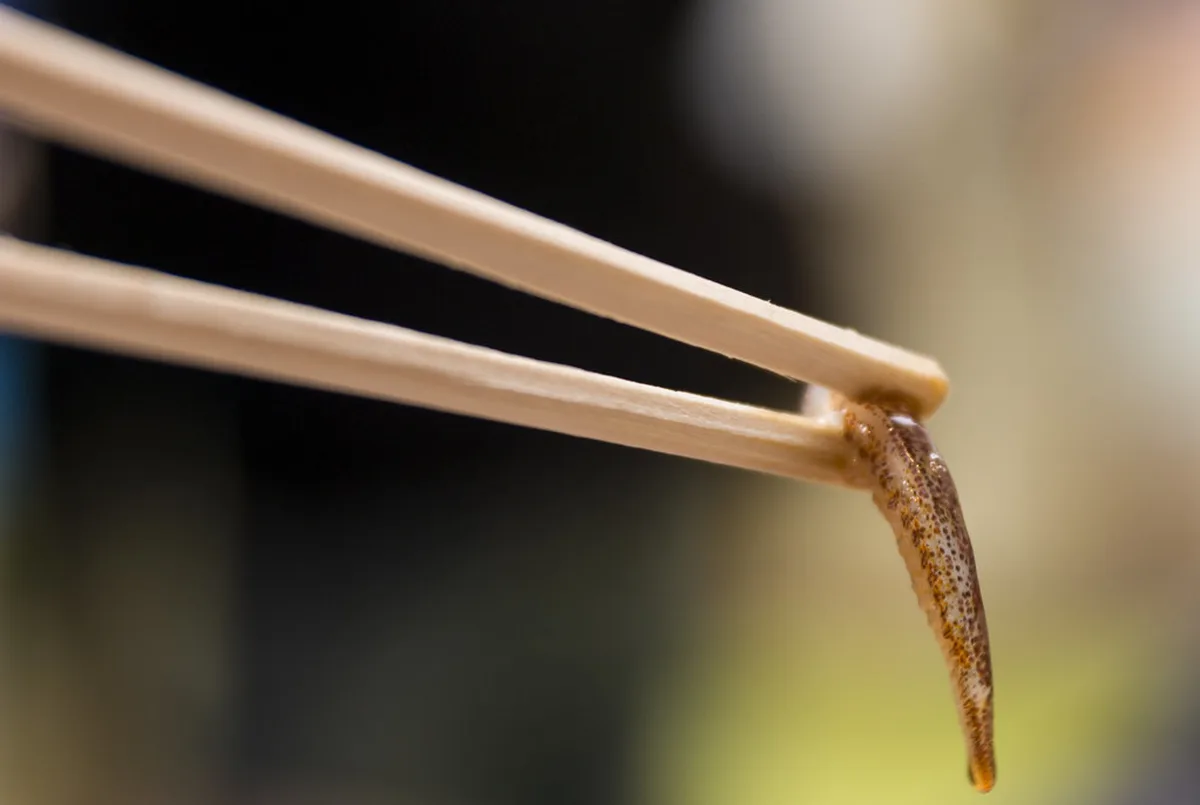
The squid fishing tank at Ganso Katsu Ika Tsuribori inside Ekini Ichiba is the market's signature activity. You receive a simple rod, cast it into a tank of live squid, and hand your catch to a chef who turns it into sashimi in front of you within minutes. The flesh comes out transparent and sweet, with a firm snap completely unlike anything from a supermarket counter.
One practical detail most visitors don't know before they arrive: try to hook the squid at the very top of its hood, not through the body. A body hook causes the squid to release its ink, making a mess and stressing the animal in a way that slightly affects texture. You also want to choose a squid that looks dark and dense in color — as squid age after leaving the water they become increasingly transparent, so the darker ones are the freshest catch of the morning.
The price depends on the daily market rate but typically starts around 600 yen per squid. The stall is open 06:00–13:30 or until the tank empties, whichever comes first. It closes every third Wednesday from January through June and from October through November, and there is no squid fishing between 20 May and 1 June each year. Arrive before 09:00 to skip the queue. For the full food picture, the what to eat in Hakodate covers squid restaurants across the rest of the city too.
Hook squid at the very top of the hood, not through the body — this prevents the squid from releasing ink and stressing the animal, which keeps the texture at peak freshness. Choose squid that appear dark and dense in color, as these are the freshest catches of the morning; transparent squid have aged after leaving the water.
Most market stalls and restaurants are cash-only — bring enough yen for your visit. The ATM inside the Asaichi Hiroba food court may have extended hours, but don't rely on card payments at individual vendor stalls. Having cash on hand ensures you can participate in spontaneous squid fishing or grab unexpected snacks without payment friction.
Kaisendon: the essential seafood rice bowl
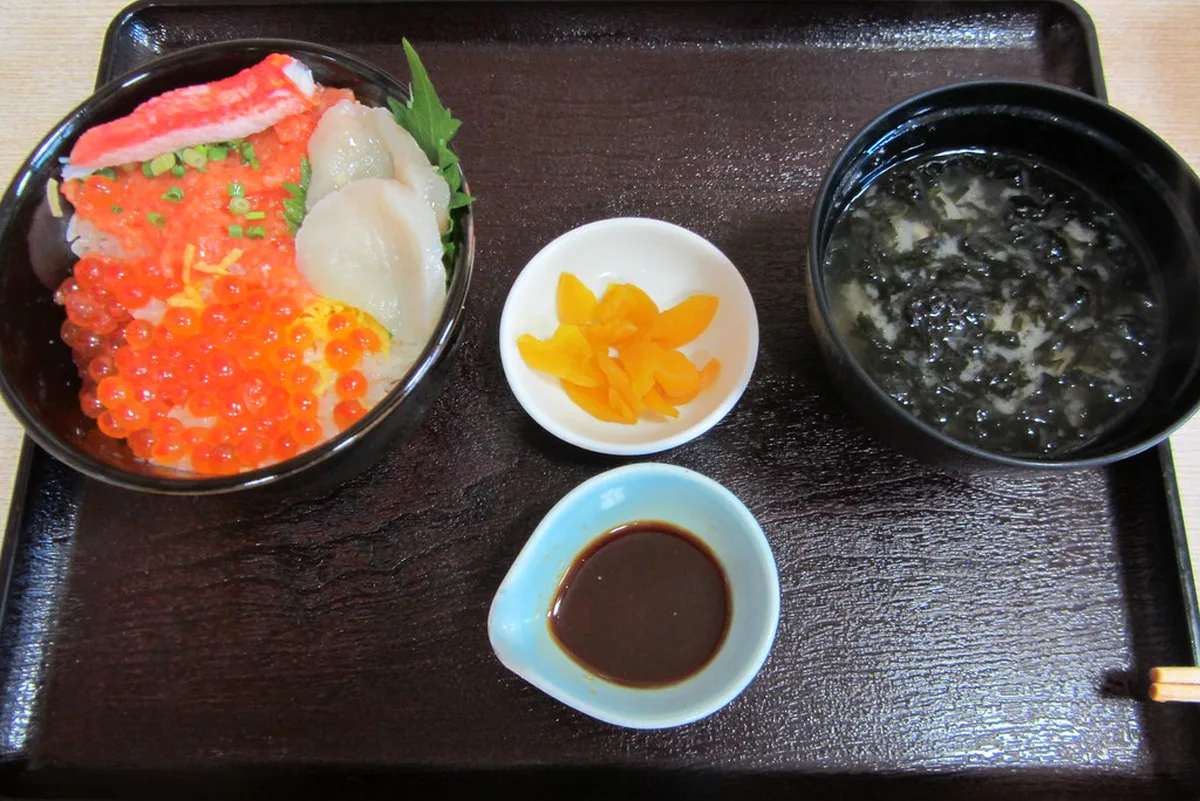
Donburi Yokocho (9-15 Wakamatsu-cho) is where you come for kaisendon, the seafood rice bowl that defines a Hakodate breakfast. Multiple small restaurants line both sides of the alley with replica bowls displayed outside so you know exactly what you are ordering before you sit down. The standard format is a heap of fresh toppings — salmon, roe, scallop, sea urchin, tuna, squid — piled over warm white rice with miso soup and pickles on the side.
Mako to Yasubei is one of the most visited spots in the alley and menus are available in English, Chinese, and Korean. Their Salmon Ikura Don (salmon and salmon roe) costs 1,400 yen and is a reliable choice for first visits. If you have a specific allergy or dislike, look for a restaurant that lets you customize — several in the alley swap out toppings on request. Hours are roughly 06:00–16:00; closed Wednesdays.
If budget is a concern, a single-topping bowl (just salmon or just scallop) usually starts around 1,000–1,200 yen, while premium bowls piled with sea urchin and crab can reach 3,500–5,000 yen. The seasonal topping roster changes month to month, which is part of what makes the market worth a return visit even if you have been before.
| Dish | What It Is | Approx Price |
|---|---|---|
| Fresh Squid Sashimi | Live squid caught and prepared tableside; transparent, sweet flesh with firm snap | 600 yen |
| Salmon Ikura Don | Fresh salmon and salmon roe over warm white rice with miso soup and pickles | 1,400 yen |
| Single-Topping Kaisendon | One fresh topping (salmon or scallop) over warm white rice | 1,000–1,200 yen |
| Premium Kaisendon | Multiple toppings including sea urchin and crab over warm white rice | 3,500–5,000 yen |
| Hakodate Shio Ramen | Salt-based ramen with seafood broth, thin noodles, and char siu | 700 yen |
| Grilled Scallops | Fresh scallops grilled to order, highlighting direct heat preparation | 700 yen each |
| Squid Ink Bun (Ikaman) | Handheld bun filled with seasoned squid and squid ink | 350 yen |
| Snow Crab Meat Bun (Kaniman) | Handheld bun filled with premium snow crab meat | 410 yen |
Sushi, grilled seafood, and ramen inside the market
Sushi Dokoro Hakodate, also inside Donburi Yokocho, is a step up in price from the donburi stalls but worth it for serious seafood eaters. The sushi rice is seasoned with red vinegar to complement the depth of Hokkaido fish rather than overwhelm it. Their Hakodate set runs 3,460 yen and changes with the season. One tip: if your set includes natural uni (sea urchin), eat it without soy sauce first — the flavor is markedly different from farm-raised uni sold elsewhere in Japan. Hours are 07:00–16:00 in summer and 08:00–14:00 in winter; closed Thursdays.
Isseki Nichou in Ekini Ichiba takes the grilled route. You choose your seafood from the display at the front — scallops at 700 yen each, oysters at 700 yen each, crab portions around 2,500 yen — and watch it cook on a grill in front of you. The scallops in particular benefit from the direct heat in a way that boiling or raw preparation cannot replicate. Hours are 06:30–14:00, closed every third Wednesday during January through June and October through November.
For something entirely different, Suzuya Shokudo in the Asaichi Hiroba food court serves Hakodate shio ramen. Salt-based ramen is the local style, and what distinguishes Hakodate's version is that some restaurants, including Suzuya, use a seafood-based broth rather than a pure pork or chicken stock. The clear broth with thin noodles and char siu costs around 700 yen, and they also serve ikameshi (squid stuffed with rice). Hours are 06:00–14:00, closed Thursdays. The menu is Japanese only.
Crab, snacks, and what to take home
Crab is the prestige ingredient at Hakodate Morning Market. Depending on the season in 2026, you will see red king crab, horsehair crab (ke-gani), snow crab, and the rarer hanasaki gani (a spiky north Pacific variety). Red king crab is the most popular with tourists and is sold by weight so you can buy exactly as much or as little as you want. Inaba Gyokaien in Donburi Yokocho (open 06:00–15:00, closed Tuesdays) lets you sample different varieties side by side, which is genuinely useful if you have never tasted the flavor differences between species.
If you are not ready for a sit-down meal, a circuit of the market's snack stalls covers the same flavors in handheld form. Look for the ikaman (squid ink bun filled with seasoned squid, around 350 yen) from Aji no Takumi, the kaniman (snow crab meat bun, around 410 yen) from Kaneni Fujita Suisan, and the apple pie taiyaki (200 yen) from Taiyaki Chaya Hokkarii. Fresh fruit juice made from seasonal Hokkaido produce starts at 550 yen at agristand. These are all ideal if you have a tight schedule or want to keep moving through the lanes.
Many stalls sell packaged seafood for domestic shipping within Japan, with refrigerated overnight delivery to most addresses. International shipping is heavily restricted due to customs rules around raw and processed seafood, so do not count on sending anything home. Dried products (dried scallop, dried squid strips) are a more practical souvenir for travelers continuing on.
Get your shopping fix: Kanemori Red Brick Warehouse
A ten-minute walk south from the market along the bay brings you to the Kanemori Red Brick Warehouse complex. These late 19th-century brick buildings served as Hakodate's primary import and export port facilities before being converted into a shopping and dining district. The atmosphere is quieter than the market and the waterfront setting makes it a natural second stop after a busy morning of eating.
The warehouses are a good place for quality Hokkaido souvenirs — locally made glassware, Yoichi whisky, kombu products, and Hokkaido confectionery including Royce chocolate and white chocolate cookies. In late 2026, check for seasonal pop-up markets that often occupy the outdoor plazas. The lighting along the waterfront becomes especially good at dusk, which is worth timing if your schedule allows an evening return. Event schedules are listed on the official Hakodate tourism site.
Practical visit tips for 2026
Arrive at the market no later than 07:30 on any morning you want to do squid fishing, eat kaisendon, and browse the stalls without feeling rushed. By 09:30 the donburi restaurants have queues and the squid tank draws a crowd. If you are only eating a quick snack and browsing the outer stalls, 08:30 arrival is fine. Wear comfortable shoes — the lanes between stalls involve some uneven paving, especially in the outdoor sections.
Your first stop on arrival should be the information counter inside the Asaichi Hiroba food court. Staff there speak English and will hand you a free bilingual vendor map of the entire market, which makes navigating between Ekini Ichiba, Donburi Yokocho, and the outer alleyways much easier. They also have multilingual pamphlets covering other Hakodate sightseeing spots. The counter is open 05:00–14:00 (06:00–13:00 from January through April).
A one-day tram pass (600 yen in 2026) covers the route between the market area and Goryokaku as well as the Motomachi historic district. It pays for itself after three rides. If you are traveling from the north, check getting from Sapporo to Hakodate transport options — the express train runs just under four hours and departs from Sapporo multiple times daily. The market area is also less than 300 meters from the Hakodate attractions guide cluster in the bay district, so you can combine both in a single morning without needing transport at all.
Frequently Asked Questions
What are the best hours to visit the Hakodate Morning Market?
The market is best visited between 6:00 AM and 10:00 AM for the freshest selection. Most stalls begin closing down by noon or 1:00 PM. Arriving early helps you avoid the largest crowds and ensures you can participate in squid fishing without a long wait.
Is the Hakodate Morning Market expensive for tourists?
Prices are generally fair but can be higher for premium items like king crab or sea urchin. A standard seafood bowl usually costs between 1,500 and 3,000 Yen. For budget travelers, exploring free Hakodate attractions can help balance your overall trip costs.
Can I ship seafood home from the market?
Many vendors offer domestic shipping across Japan with refrigerated packaging to ensure freshness. International shipping is much more restricted due to customs and health regulations for raw seafood. It is best to enjoy your fresh purchases on-site or at your local accommodation.
The Hakodate Morning Market is more than just a place to buy food; it is a cultural landmark. From the excitement of squid fishing to the quiet joy of a fresh seafood bowl, it offers something for every traveler.
By following a well-planned 2-day Hakodate itinerary, you can see the market and the city's other highlights with ease. The combination of history, flavor, and friendly local vendors makes this a must-visit destination in Hokkaido.
Make sure to bring your appetite and a camera to capture the vibrant colors of the market stalls. Your visit to Hakodate will surely be defined by the incredible tastes found in this historic morning hub.
Free: The Hakodate Essentials guide
Top things to do, where to stay, a perfect day plan, getting around, and the best time to go — a Hakodate mini-guide you can take offline.
You might also like

Continue reading
More guides you'll find useful