Best Time to Visit Hakodate: Essential Seasonal Tips (Apr, Oct)
Late April–mid-May brings cherry blossoms; October brings clear skies and the best night views of the year — plus how to dodge Golden Week crowds.
On this page
Late April to mid-May and October are the best months for most visitors to Hakodate. Spring delivers the famous cherry blossoms at Goryokaku Fort, while October brings crisp autumn air and the clearest night views of the year. Each season has a distinct character, from summer squid fishing lamps to winter powder snow — and the right timing depends entirely on what you want to experience. This 2026 guide breaks down every season so you can match your visit to your priorities.
Hakodate sits at the southern tip of Hokkaido, which means it runs cooler than mainland Japan in summer and colder in winter. The city is more compact and far less crowded than Sapporo, but it shares Hokkaido's lack of a rainy season — a genuine advantage over Tokyo or Kyoto. Check our guide on Hakodate accommodation areas once you have settled on your timing, since hotel availability shifts dramatically between peak and shoulder periods.
Hakodate Weather and Climate Overview
Hakodate has a humid continental climate with four sharply defined seasons. Winter temperatures typically range from -4°C to 2°C (25°F to 35°F), with consistent snowfall from December through February. Summer stays mild compared to the rest of Japan, with daytime highs of 21°C to 26°C (70°F to 79°F) and noticeably cool evenings. Unlike Tokyo, Hakodate does not have a traditional rainy season, though September and October see the most rainfall.
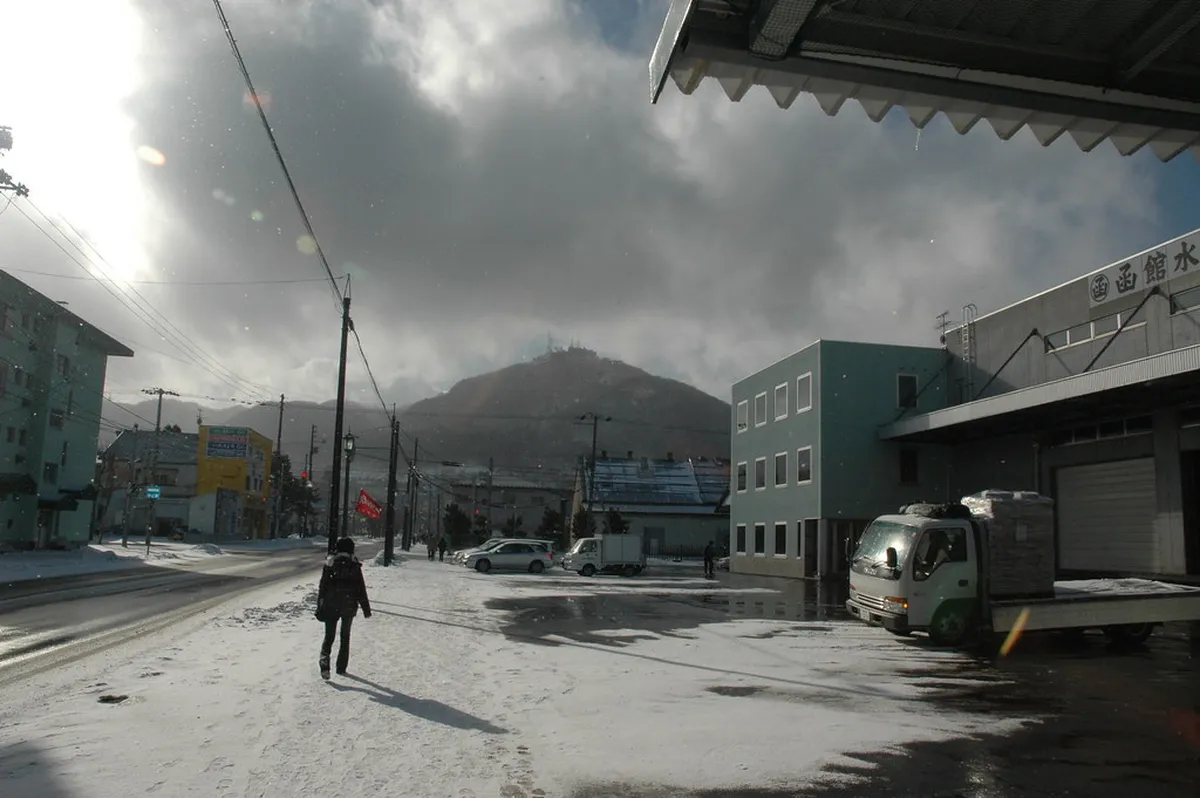
One factor that catches first-time visitors off guard is the sea fog that rolls in from the Tsugaru Strait during early summer. This fog frequently obscures the Mount Hakodate night view even when street-level conditions look clear. The summit sits around 334 metres and runs 3–5°C cooler than the Motomachi district below, so always check the live camera at the ropeway station before heading up. Understanding this elevation gap matters for packing decisions in every season, not just winter.
The coastal wind off the harbor intensifies the cold in spring and autumn. Even on a sunny April afternoon, the waterfront near the Kanemori Red Brick Warehouses can feel significantly chillier than inland areas. Pack a windbreaker regardless of the season you choose, and plan the 2-day Hakodate itinerary to include indoor venues as fallback options on windy evenings.
Season Comparison at a Glance
The table below summarizes each season's key conditions to help you weigh the trade-offs before booking flights and accommodation.
| Season | Months | Weather (Avg) | Crowds | Prices | Best For |
|---|---|---|---|---|---|
| Spring | Late April – May | 8–15°C / 46–59°F | High (Golden Week) | High | Cherry blossoms, azaleas |
| Summer | June – August | 19–25°C / 66–77°F | Moderate | Medium | Festivals, squid season |
| Autumn | September – November | 7–16°C / 45–61°F | Low–Medium | Medium–Low | Fall foliage, night views |
| Winter | December – February | -4–2°C / 25–35°F | Moderate | Low | Snow, onsen, illuminations |
Spring (March to May): Cherry Blossoms and Mt. Esan Azaleas
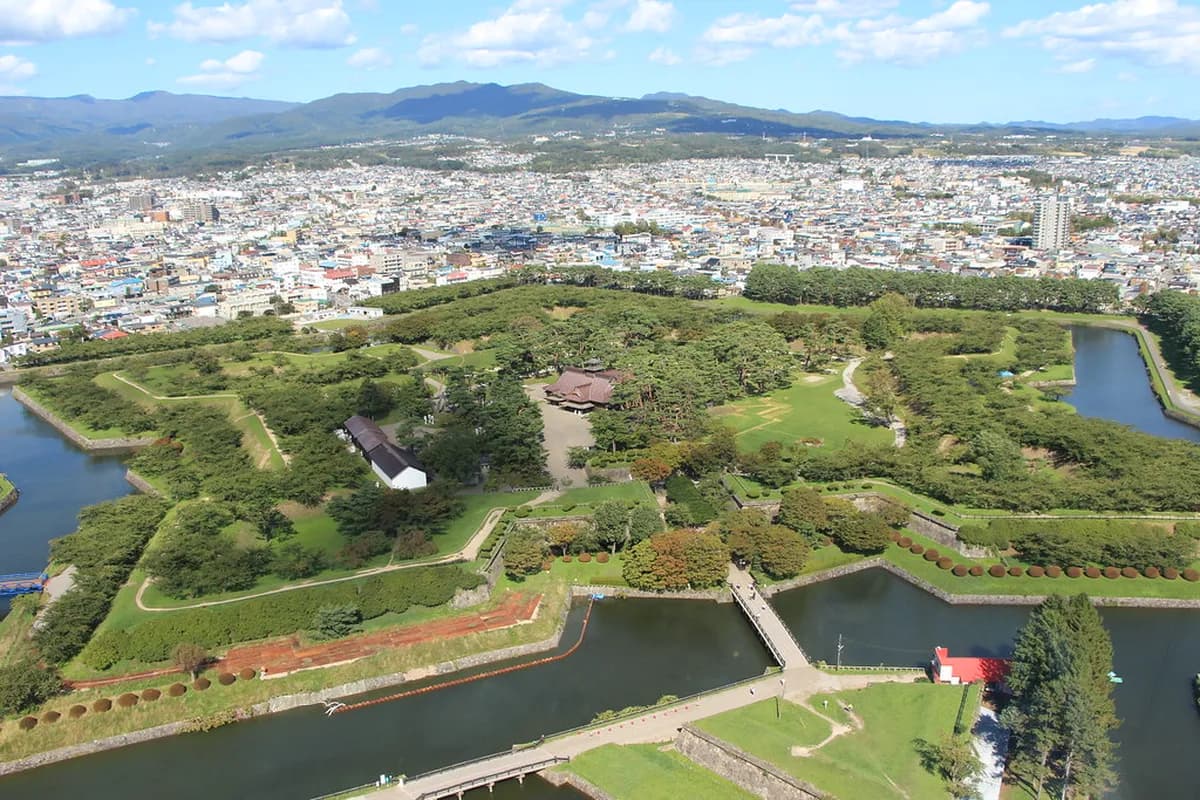
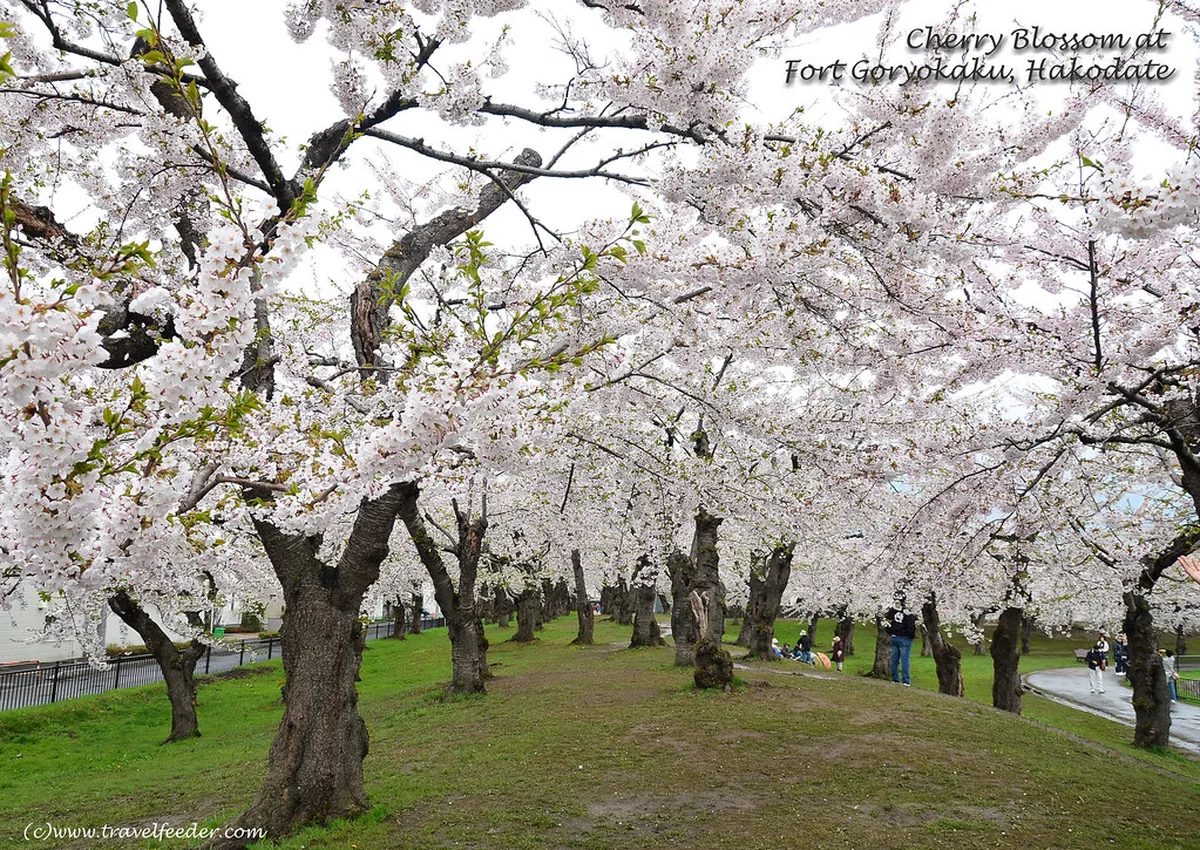
Spring is the most celebrated season in Hakodate, anchored by the sakura bloom at Goryokaku Fort. The star-shaped fortress holds around 1,600 cherry trees, and the peak window typically runs from late April through the first week of May. Viewing the pink canopy from the Goryokaku Tower observation deck at 90 metres gives the best perspective on the fortress's geometry. See the Goryokaku fort and tower for exact timings and entry details.
After the cherry blossoms fall, Mt. Esan takes over from mid-May to early June. Brilliant pink azaleas carpet the volcanic slopes at the base of the mountain, creating a striking contrast against the rocky terrain and fumarolic steam. This is a widely missed window — most general Hokkaido guides skip it entirely — but it is one of the most photogenic displays in southern Hokkaido. Note that Mt. Esan trails close in winter due to snow, so this early-summer window is the main access period.
March and early April are technically spring but feel like late winter, with temperatures still dipping below 5°C at night. The weather stabilises from late April, making it the ideal window for walking the Motomachi slopes and the historic port area. Bring a light jacket and waterproof shoes; the cobbled streets around the Anglican church and former British consulate get slippery after rain.
Summer (June to August): Festivals and Squid Fishing Lamps
Summer in Hakodate is inseparable from squid. The Morning Market reaches peak freshness from June onward, when fresh squid caught overnight arrives by early morning. The squid fishing season also produces one of the city's most atmospheric sights: the "isaribi" lamps on the fishing boats. These bright white lights, used to attract squid to the surface, form a glowing line across the dark sea that is best viewed from the Mount Hakodate summit on clear nights.
August brings the Hakodate Port Festival, with the "Ika-odori" squid dance drawing thousands of participants through the central streets. Fireworks, parades, and street food stalls make this the liveliest week of the year in the city. The Kanemori Red Brick Warehouses and canal area are illuminated after sunset throughout summer, worth revisiting after dinner. Plan for at least two nights to improve your odds of catching a clear evening on the mountain.
Sea fog is the main hazard of summer visits. June and July see the highest fog frequency, which can shut down the ropeway or reduce summit visibility to near zero even when the city below is clear. Early August tends to be clearer. Light layers are essential — a cotton shirt works at street level, but a sweater is necessary at the summit even in mid-July.
Autumn (September to November): Fall Foliage and Clear Night Views
Hokkaido sees autumn arrive earlier than anywhere else in Japan, and Hakodate is no exception. Fall colors typically peak from early to mid-October, when the hillsides around Motomachi and the slopes of Mount Hakodate shift to red, orange, and gold. October also produces some of the year's clearest skies, making it the single best month for the night view — fog has dissipated, humidity is low, and the city lights reflect sharply in calm air. For deeper details on Hakodate's climate and seasonal patterns, Wikipedia's city overview is worth consulting.
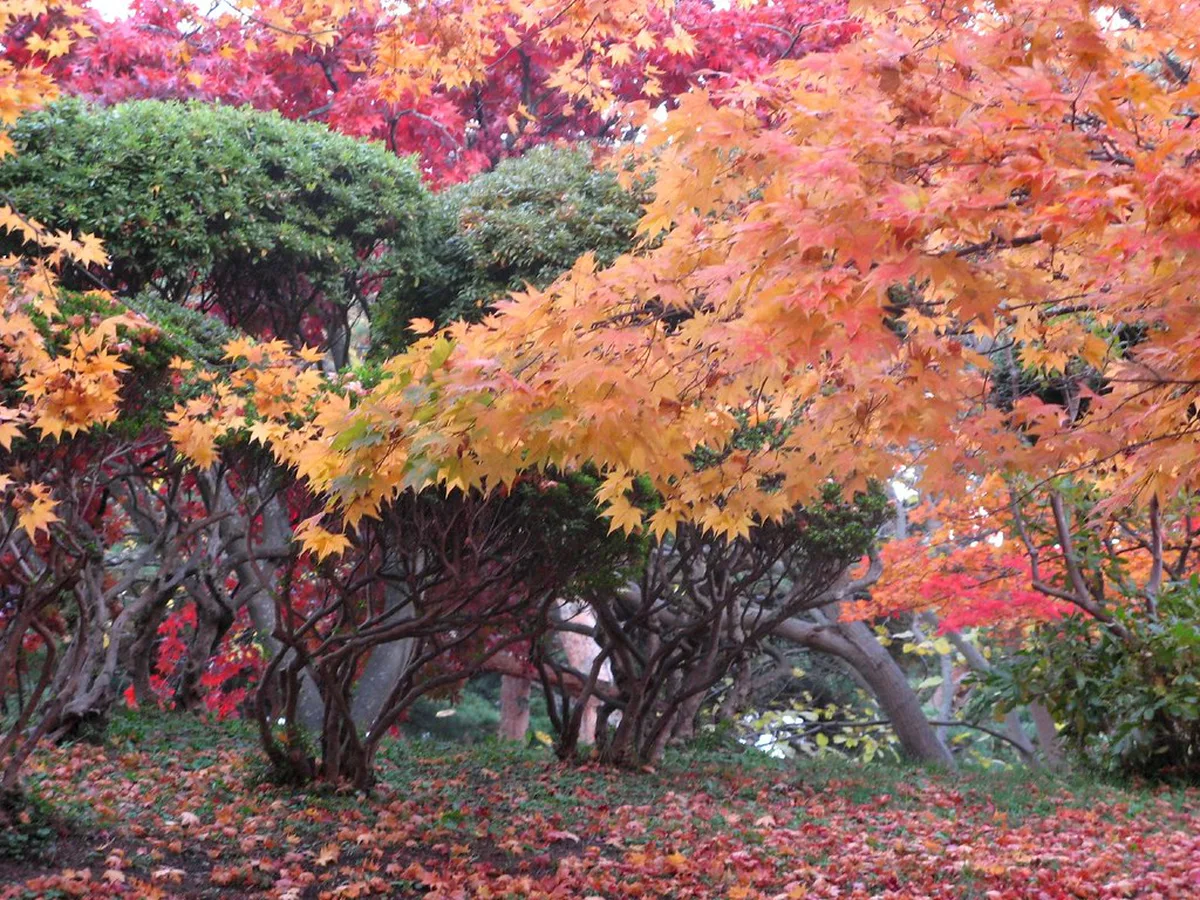
September is a genuine shoulder month. Prices drop noticeably from the Golden Week peak, crowds thin, and the weather remains comfortable at 15–20°C during the day. The Hakodate Morning Market continues operating normally, and the autumn seafood haul — including sea urchin and salmon — starts appearing in earnest from late September.
By late November, temperatures fall quickly toward freezing and some outdoor venues begin scaling back hours. The Mt. Hakodate Ropeway typically closes for two to three weeks of annual maintenance in late October or early November; during this window, a bus service runs to the summit but wait times can be long. Check the ropeway's official schedule before finalizing autumn travel dates to avoid this gap.
Winter (December to February): Snow Landscapes and Onsen
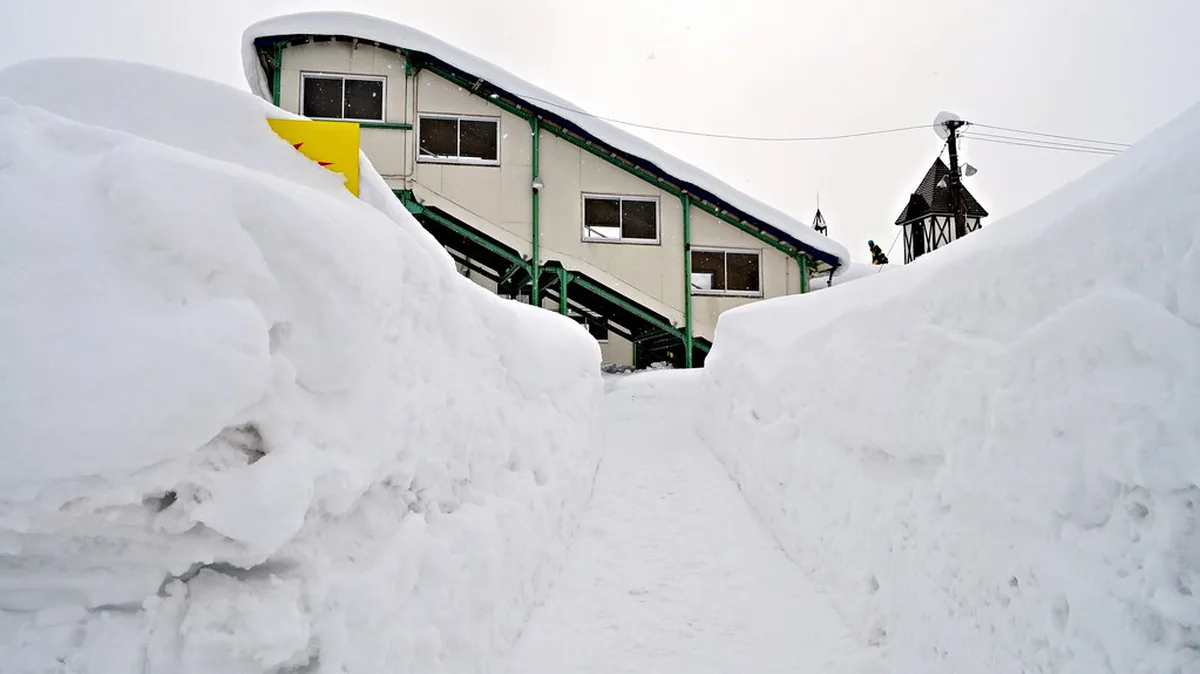
Winter transforms Hakodate into a quieter, more intimate destination. Snowfall begins in earnest by mid-December and covers the brick streets of Motomachi and the star-shaped earthworks of Goryokaku in white. The Christmas Fantasy illumination event runs through December along the waterfront, lighting up the Kanemori Red Brick Warehouses with warm bulb strings that reflect on the harbor. Accommodation rates are at their annual low outside of the New Year holiday window (roughly 29 December to 4 January). For the most current event schedules and lodging options, Hakodate's official tourism site maintains real-time updates.
Yunokawa Onsen, Hokkaido's oldest hot spring resort, sits about 20 minutes east of the city center by tram. Soaking outdoors while snowflakes fall is the defining winter experience in Hakodate — and several ryokan here offer kaiseki meals featuring winter crab and Hokkaido butter scallops. The onsen strip is far less crowded than Noboribetsu and prices are lower. Winter is also when the fresh winter seafood — including cod and sea cucumber — reaches its peak quality at the Morning Market.
Practical note: winters here are genuinely cold and icy. Pack non-slip boot grips (available cheaply at 100-yen stores) because the historic slopes in Motomachi become hazardous after snowfall. The Hakodate City Rail tram runs reliably through winter and is the most practical way to move between the station, Morning Market, Goryokaku, and Yunokawa.
Night View by Season: What Most Guides Don't Tell You
The Mount Hakodate night view consistently ranks among the three best in Japan, but the experience varies sharply by season. Autumn (October and November) offers the clearest conditions: low humidity, minimal fog, and cool stable air produce the sharpest city light reflections. Winter adds drama — a snow-covered saddle in the foreground and the distant glow of the harbor create a more cinematic view — but temperatures at the summit drop to -10°C or below, so time your stay to under 30 minutes if you are not dressed for it.
Summer is the most unpredictable season for the night view. The isaribi squid boat lamps add a unique horizontal streak of white light across the sea that you cannot see in other seasons, making a clear summer night genuinely different — not just a lesser version of autumn. The problem is frequency: sea fog can cancel visibility on four or five consecutive nights in June and July. If you are visiting primarily for the night view and can only stay two nights, avoid June.
Spring falls in the middle: fog is less common than summer, crowds are higher than autumn, and the cherry blossom illumination at Goryokaku provides a secondary night activity if the mountain is socked in. The summit is also wind-scoured in April, so factor in the 5°C temperature gap between city and summit when deciding what to wear for an evening ropeway ride.
Best Time for Foodies: Seasonal Seafood and Jingisukan
Hakodate's food calendar is as seasonal as its scenery. Fresh squid (ika) peaks from June through August and is most reliably available at the Morning Market. Sea urchin (uni) is best from June to August as well, sourced from the waters around southern Hokkaido. Autumn shifts the focus to salmon (sake) and Hokkaido crab, while winter brings cod (tara) and sea cucumber (namako) to the fore. Understanding Japan's regional food seasons and culinary calendar is essential for planning any memorable food-focused visit.
For jingisukan (Genghis Khan lamb BBQ), the benchmark restaurant in Hakodate is Asahikawa Jingisukan Daikokuya at the Goryokaku branch, a two-minute walk from Goryokaku Koen Mae Station on the city tram. The premium fillet runs around 1,045 JPY and the herb shoulder roast around 913 JPY; dinner averages 3,500 JPY per person. It opens from 17:00 on weekdays. This pairing — Goryokaku sightseeing followed by an early jingisukan dinner — works in every season and is one of the easiest half-day structures in the city.
For seafood bowls, Hakodate Dining Gaya near the Morning Market area (8-14 Wakamatsu-cho, a two-minute walk from Hakodate Station west exit) serves the Gaya Bowl with sea urchin, crab, scallops, and salmon roe from 17:00 for around 2,000 JPY average. Both restaurants are accessible year-round, but pairing them with peak-season ingredients — squid in summer, crab in autumn and winter — adds another dimension to the meal.
Avoiding the Crowds: Golden Week and New Year
Two holiday windows drive the biggest domestic crowd surges in Hakodate. Golden Week (late April to early May) coincides exactly with the cherry blossom peak at Goryokaku — expect accommodation to sell out months in advance and tram queues to triple in length. In 2026, the core Golden Week window runs from 29 April through 6 May. If you want the blossoms without the crowds, arriving before 26 April or after 8 May gives you a better chance, though the blossoms are less guaranteed at the margins.
New Year (oyasumi, approximately 29 December to 4 January) is the second major pressure point. Domestic travelers flood southern Hokkaido for winter onsen stays, and Yunokawa Onsen ryokan in particular book up fast. Outside of these two windows, winter is actually one of the quieter periods — hotel rates are among the lowest of the year from mid-January through mid-March. This slack window is ideal for budget travelers who want onsen and snow scenery without fighting for rooms.
Mid-September to mid-October is the best overall shoulder period. Prices are moderate, fall colors begin by early October, the night view conditions are excellent, and the summer festival crowds have cleared. This is the window that budget-conscious visitors and repeat Japan travelers consistently prefer.
Golden Week (29 April – 6 May 2026) and New Year (29 December – 4 January) are peak domestic travel windows in Hakodate. Hotels book out 2–4 months ahead, tram queues triple, and rates hit their annual highs. If you want cherry blossoms or onsen without crowds, book before 26 April or after 8 May, and visit mid-January through mid-March instead of the New Year holiday block.
October delivers the clearest Mount Hakodate night views of the year — low humidity, minimal sea fog, and cool stable air sharpen the city lights. Summer nights risk 4–5 consecutive fog-outs in June and July, while the isaribi fishing boat lamps create a unique white glow across the sea (unique to summer). Plan two nights minimum if chasing the night view; autumn beats summer for reliability.
Practical Planning: Clothing and Booking Tips
Layering is non-negotiable in Hakodate across all seasons. The city sits at sea level but the summit of Mount Hakodate runs 3–5°C colder, and the coastal wind can bite at any time of year. For spring (April–May), bring windproof outer layers and waterproof shoes — temperatures range from 7°C to 15°C with potential rain or late-season snow in early April. Summer (June–August) requires light cotton at street level but always pack a fleece or sweater for the ropeway ride. Autumn (September–October) calls for mid-weight layers; expect 10°C evenings by October. Winter demands a down jacket, thermal base layers, waterproof boots with traction, a warm hat, and gloves.
Booking lead times vary significantly by season. For Golden Week (late April – early May), book hotels three to four months in advance — Yunokawa Onsen ryokan and Motomachi boutique hotels fill first. For the Christmas Fantasy illumination period (mid-December), two months is usually enough. Autumn and mid-winter (excluding New Year) are the most flexible windows, with rooms often available two to four weeks out. Shinkansen and limited express seats to Hakodate (from Tokyo via the Hokkaido Shinkansen) also tighten during Golden Week, so buy rail passes or reserved seats early.
The Hakodate City Rail tram covers most essential stops — Hakodate Station, Morning Market, Motomachi, Goryokaku, and Yunokawa — for a flat 230–260 JPY per ride, or 600 JPY for a one-day pass. It runs through snow and is rarely disrupted. For the ropeway, check the official live camera before committing to the trip, particularly in June and July when fog can close it with little notice. Read more on planning a full route in our 2-day Hakodate itinerary guide.
Explore best time to visit in other cities
Frequently Asked Questions
When is the cheapest time to go to Hakodate?
The cheapest months are typically March, early April, and November. During these times, hotel rates drop significantly as there are no major festivals or floral blooms. You can find great deals on luxury stays in Yunokawa Onsen.
Is Hakodate worth visiting in winter?
Yes, winter is incredibly romantic with the Christmas Fantasy event and snow-covered slopes. The city is much quieter than Sapporo during this time. You will enjoy the hot springs and fresh winter seafood without the massive crowds.
How many days should I spend in Hakodate?
Two to three days is usually enough to see the main highlights. This allows time for the morning market, Goryokaku, and the night view. For more details, check our guide on how long to spend in Hakodate.
Hakodate rewards visitors who time their trip to match their priorities. Late April for cherry blossoms at Goryokaku, October for the clearest night views, and mid-winter for onsen and quiet streets — each window gives you a different version of this Hokkaido port city. Avoid Golden Week if crowds frustrate you, and always pack layers for the summit regardless of the season. With the right timing, Hakodate is one of the most satisfying and underrated destinations on any Japan itinerary.
See our Hakodate attractions guide for the broader city overview.
Free: The Hakodate Essentials guide
Top things to do, where to stay, a perfect day plan, getting around, and the best time to go — a Hakodate mini-guide you can take offline.
You might also like


Continue reading
More guides you'll find useful