Where to Stay in Hakodate: 8 Best Areas and Travel Tips (2026)
Discover where to stay in Hakodate with our 2026 guide. From the convenience of Hakodate Station to the hot springs of Yunokawa, find your perfect hotel.
On this page
Hakodate is one of those cities where your choice of neighborhood genuinely changes your trip. Stay near the station and you can be eating fresh squid at the Morning Market by 07:00. Stay in Yunokawa and you end each night soaking in a private onsen overlooking the Tsugaru Strait. Both are valid, but they are very different holidays. This guide breaks down the four main areas — Hakodate Station, Motomachi, Yunokawa Onsen, and Goryokaku — with specific hotel picks at each budget tier, a neighborhood comparison table, and practical tips for 2026. Whether you are planning a 2-day Hakodate itinerary focused on sightseeing or a slower trip built around food and hot springs, there is a right neighborhood for you.
Hakodate Station Area — Best for Convenience
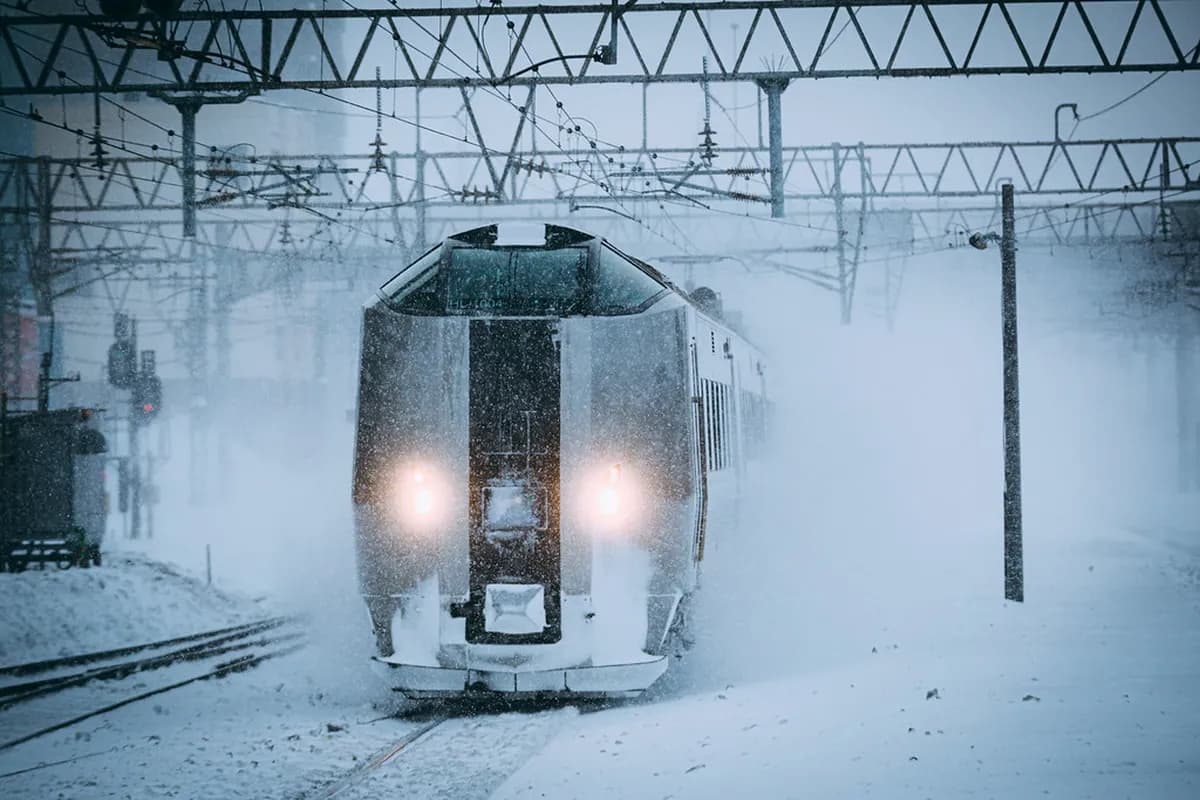
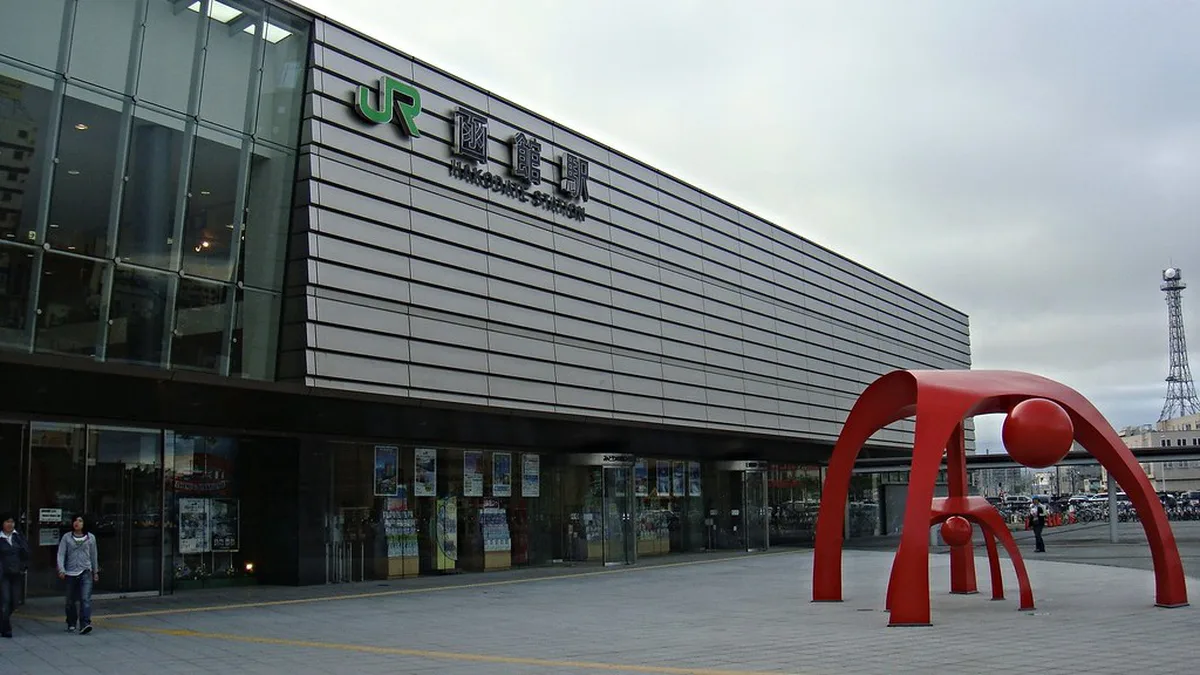
The area around Hakodate Station is the logical base for first-time visitors. The Hakodate Morning Market is a one-minute walk from the station exit, which means you can be eating a kaisen-don (seafood rice bowl) before most of the crowds arrive. Tram lines 2 and 5 both originate here, so reaching Motomachi, Goryokaku, and Yunokawa requires zero navigation effort. If you are coming from Sapporo on the Hokuto express or arriving via the Hokkaido Shinkansen connection at Shin-Hakodate-Hokuto, the station area eliminates the need for a taxi.
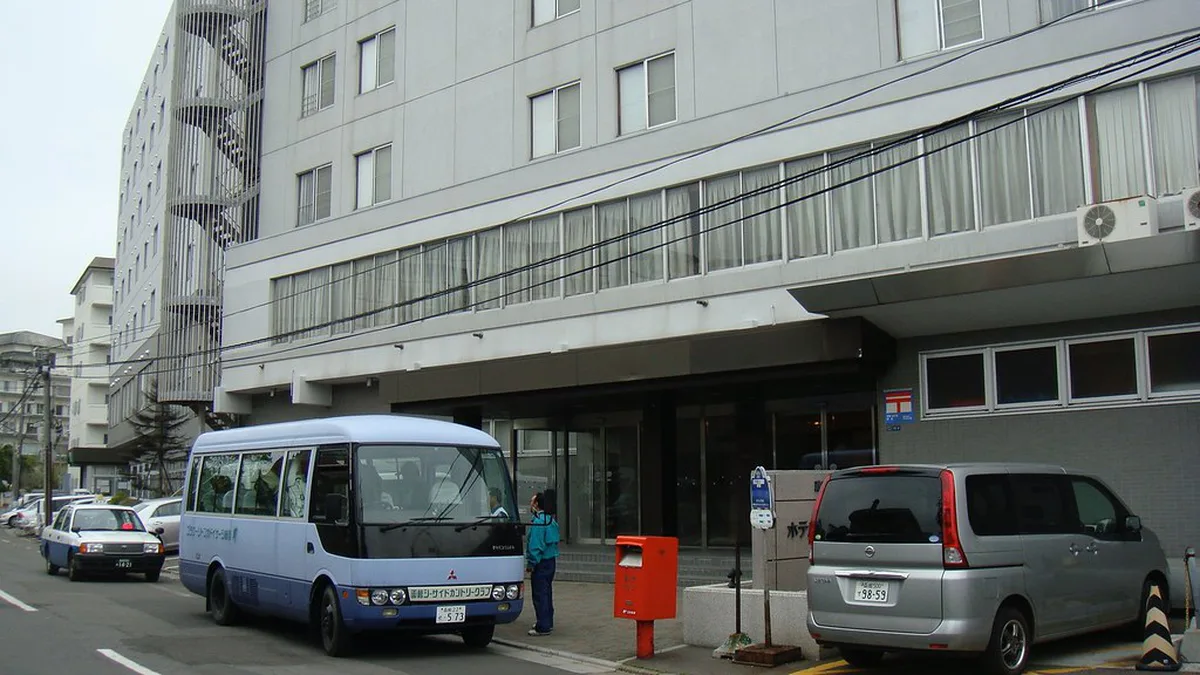
Hotels here skew toward business-style properties, but the best ones punch well above that label. Hotel and Spa Century Marina Hakodate, a five-minute walk from the station, is the flagship luxury option — its rooftop infinity onsen and competitive breakfast buffet make it one of the most-reviewed hotels in Hokkaido. Book via Hotel & Spa Century Marina Hakodate for the latest rates, which typically run ¥18,000–¥35,000 per night. The JR Inn Hakodate sits almost directly on the station platform, offers panoramic lounge views, and has two free public onsen — exceptional value for a mid-range property at ¥9,000–¥14,000.
Budget travelers should look at Toyoko Inn Hokkaido Hakodate Ekimae Asaichi, which is a three-minute walk to the market and includes a free Japanese-style breakfast buffet. It is one of very few budget hotels in Japan where breakfast is genuinely included, not upsold. Rooms are compact but clean, and the staff are accustomed to English-speaking guests.
Motomachi Area — Best for Culture and Views
Motomachi is the historic quarter that climbs up from the bay toward Mount Hakodate. The streets are lined with Western-style buildings from the late 19th century, including the Russian Orthodox Church, old consulates, and the famous Hachiman-zaka slope that appears on countless Hokkaido postcards. It is the closest district to the Mount Hakodate Ropeway, which runs until 22:00 in summer (21:00 in winter) — a real advantage if you want to see the night view without rushing back from another part of the city.
La Vista Hakodate Bay sits at the lower edge of Motomachi where the Red Brick Warehouses meet the bay. It is the most celebrated hotel in Hakodate, with a breakfast buffet that ranked number one in Hokkaido for seven consecutive years. Unlimited snow crab and ikura at 07:00 is not hyperbole — the queue for tables forms before the buffet opens. Standard rooms run ¥20,000–¥40,000; the annex wing has three types of private onsen that the main building lacks. Check availability at La Vista Hakodate Bay.
For a budget-friendly but characterful option, HakoBA Hakodate by THE SHARE HOTELS occupies a converted 1930s bank building. The original vault and high ceilings are intact. Dormitory beds start around ¥4,500; private rooms run ¥9,000–¥12,000. Pension Jokura, run by a local family, offers tatami rooms and personal hospitality that larger hotels cannot replicate — ideal for solo travelers or couples who enjoy meeting other guests over a home-cooked breakfast.
Yunokawa Onsen — Best for Traditional Relaxation
Yunokawa is one of Hokkaido's three major onsen areas, sitting on the eastern edge of the city about 15 minutes by tram or taxi from the station. Most ryokans here sit directly on the Tsugaru Strait, and rooms with ocean-view private baths are common rather than a premium exception. The water is a sodium chloride spring, warm and transparent, said to be good for fatigue and muscle soreness. In winter, you can watch snow fall over the strait from a rooftop tub — a classic Hokkaido scene.
Bourou Noguchi Hakodate is the design-forward luxury pick. Every room is a suite with a private open-air onsen, either in the modern retro-Hakodate style or the two-story Suite configuration. Rates start at around ¥60,000 per person including dinner and breakfast. Booking details are at Bourou Noguchi Hakodate. Yunokawa Prince Hotel Nagisatei is the mid-range alternative and a personal favorite among repeat visitors — all 120 rooms have private open-air baths, which is rare at this price point (¥25,000–¥45,000 per person with meals). Heiseikan Shiosaitei Hanatsuki is another excellent luxury ryokan that leans more traditional in its design.
The Hakodate Tropical Botanical Garden is a short walk from most ryokans and is worth visiting in winter, when Japanese macaques bathe in the onsen pools on the grounds. It is a genuinely unusual thing to see and takes about 45 minutes at a relaxed pace. Budget travelers will find Yunokawa Onsen the hardest area to stay cheaply — ¥10,000 per person is a realistic floor, and properties under that mark tend to have mixed reviews. If budget is a constraint, consider staying at the station area and taking the tram out to Yunokawa for a day-use bath instead.
The last trams from Yunokawa depart at approximately 22:00 from the station terminus. If you plan a late evening at an izakaya or nightspot in Goryokaku or Motomachi, make sure you have transport arranged back to your ryokan — most Yunokawa guests arrive early and rely on the dinner included with their room.
Goryokaku Area — Best for History and Parks
Goryokaku sits inland, about 15 minutes by tram from Hakodate Station on line 5. The star-shaped fort — Japan's first Western-style fortification, completed in 1866 — was the site of the final battle of the Boshin War in 1869. Today it is a Special Historic Site and one of Japan's top cherry blossom destinations, drawing enormous crowds in late April and early May when the moat is lined with blooming trees. The Goryokaku Tower, adjacent to the park, offers an aerial view that reveals the fort's six-pointed geometry clearly.
Staying in this area makes the most sense for travelers focused on history or visiting during cherry blossom season. The surrounding streets have a local commercial feel — Korean barbecue restaurants, izakayas, and convenience stores rather than tourist shops. HOTEL MYSTAYS Hakodate Goryokaku is the most-recommended property here, with a tram stop almost directly outside the entrance, a breakfast buffet, and an on-site sushi restaurant. Rates run ¥7,000–¥12,000 per night. Current prices are listed at HOTEL MYSTAYS Hakodate Goryokaku. The Smile Hotel Premium Hakodate Goryokaku is a solid alternative with slightly more modern rooms.
Goryokaku is a quieter base than the station area but still well-connected by tram. The one trade-off is distance from the Morning Market — it is reachable, but adds time to an early-morning food run. If the fort and the surrounding park are your main draw, the area's lower hotel prices make it an attractive choice for stays of two nights or more.
Hakodate Neighborhood Comparison
The four areas are all connected by the Hakodate tram, which makes the choice of base less restrictive than in many Japanese cities. Lines 2 and 5 together cover the full route from the station to Motomachi (line 2, direction Yunokawa) and from the station to Goryokaku and onward to Yunokawa (line 5). A single fare is ¥230; a day pass costs ¥600 and pays off after three rides. The last trams run at approximately 22:00 from the station terminus — if you plan a late evening at Yunokawa, this matters. Most ryokans in Yunokawa include dinner, so guests rarely need to leave after dark, but it is worth knowing before you book a late-night izakaya in Goryokaku and then need to get back to an onsen ryokan.
Here is a quick comparison of the four main areas:
| Area | Best for | Vibe | Sample Stay |
|---|---|---|---|
| Hakodate Station | Morning Market, tram hub, easy arrival/departure | Convenient, urban | Hotel and Spa Century Marina (¥18,000–¥35,000/night) |
| Motomachi | Mount Hakodate Ropeway, bay views, history | Romantic, historic | La Vista Hakodate Bay (¥20,000–¥40,000/night) |
| Yunokawa Onsen | Private onsen, traditional relaxation, coastal setting | Peaceful, scenic | Bourou Noguchi Hakodate (¥60,000+/person with meals) |
| Goryokaku | Cherry blossoms, history, local flavor | Quiet, commercial | HOTEL MYSTAYS Hakodate Goryokaku (¥7,000–¥12,000/night) |
For most first-time visitors arriving without a car, the station area offers the best all-round base. For couples or those making the onsen experience the centerpiece of the trip, Yunokawa is worth the higher price. If you are returning to Hakodate or have already done the tourist circuit, Motomachi provides a slower, more immersive kind of stay. Check our guide to the top Hakodate attractions to see which area puts you closest to the sights you care about most.
The Hakodate Breakfast Battle — A Factor Worth Booking Around
Hakodate hotels compete aggressively on breakfast quality in a way that is unusual even by Japanese standards. La Vista Hakodate Bay and Hotel and Spa Century Marina have both held the top spot in Hokkaido breakfast rankings at various points, and the rivalry is genuine. La Vista's buffet is the more famous of the two, with live crab stations and fresh ikura that guests ladle over rice themselves. Century Marina counters with a rooftop setting and a more curated multi-course option. Both are worth the premium room price partly because of what is on the breakfast table.
This dynamic matters when choosing where to stay because a hotel breakfast in Hakodate is not an afterthought — it can be a highlight of the entire trip. If breakfast quality is important to you, factor the hotel's buffet reputation into your decision alongside price and location. Lucky Pierrot, the local burger chain with locations throughout the city, is the lunch and dinner equivalent of this civic food pride. Their Chinese Chicken Burger is a Hakodate institution and costs around ¥600. The main branch is in Motomachi, near the Red Brick Warehouses, but there are over a dozen locations citywide.
La Vista Hakodate Bay's breakfast buffet has held the top spot in Hokkaido breakfast rankings for seven consecutive years. If you choose this hotel or Hotel and Spa Century Marina for the breakfast experience alone, you are making the right decision — both rival each other fiercely on quality, and both are worth the premium room price.
What is Hakodate Known For?
Hakodate is known primarily for three things: the night view from Mount Hakodate, the seafood at the Morning Market, and the Yunokawa hot springs. The view from the summit — taken from 334 metres above sea level — shows the city squeezed between two dark bodies of water, Hakodate Bay to the west and the Tsugaru Strait to the east. The Michelin Guide has listed it as one of the world's three greatest night views alongside Naples and Hong Kong. The ropeway runs until 22:00 in summer (reduced in winter), and the observation deck is usually crowded, so arriving around 20:00 on a weekday avoids the worst of the tour bus traffic.
The Hakodate Morning Market opens at 05:00 and draws around 1.5 million visitors per year. The most photographed dish is the live squid bowl, where the animal's tentacles continue moving after the sashimi is plated — it is theatrical but the squid is fully dispatched before serving. Goryokaku Park and Fort, beyond its historical significance, is considered one of Hokkaido's best cherry blossom spots. The moat amplifies the effect of the trees, and the illuminations after dark during peak bloom season run until about 21:00.
What to Pack for Hakodate
Hakodate's coastal position means wind is a factor in every season. The Tsugaru Strait channels strong gusts even in summer, so a windbreaker or light jacket belongs in your bag regardless of the forecast. In summer (July–August) temperatures average 20–25°C but feel cooler in the bay areas, especially in the evening. In winter (December–February) temperatures drop to around -3°C to -6°C with significant snowfall. Ice cleats that slip over regular shoes are sold cheaply at convenience stores and are worth buying on arrival if you plan to walk the Motomachi slopes in January or February.
Comfortable, grippy walking shoes are essential for Motomachi specifically. The historic streets are paved with stone and become slippery when wet. For anyone planning to visit multiple ryokans or use the onsen at their hotel, a small drawstring bag for toiletries is useful — ryokans provide yukata and slippers but personal shampoo is not always supplied. Check the Hakodate weather guide for month-by-month conditions before you pack. A portable power bank rounds out the practical essentials, as the combination of tram navigation, ropeway queuing, and night view photography drains a phone battery faster than you expect.
Frequently Asked Questions
Is it better to stay near Hakodate Station or Motomachi?
Stay near Hakodate Station for convenience and easy transit access. Choose Motomachi if you prefer a historic, romantic atmosphere and don't mind walking up steep hills. The station area is better for short trips, while Motomachi suits those staying longer.
How many days do you need in Hakodate?
Most travelers find that two full days are enough to see the main sights. This allows one day for the Morning Market and Motomachi, and a second for Goryokaku and the night view. Check our guide on how long to spend in Hakodate for more details.
What is the best area for first-time visitors in Hakodate?
The Hakodate Station area is the best for first-timers due to its central location and proximity to the Morning Market. It simplifies logistics for those arriving by train or plane. You can easily reach all other districts via the tram from here.
Choosing where to stay in Hakodate ultimately depends on whether you value morning seafood or evening onsen soaks. For most, the convenience of the Hakodate Station area or the charm of the Bay Area provides the perfect balance for a first visit. No matter where you choose, make sure to take advantage of the city's incredible food scene and unique history. Hakodate remains one of Japan's most welcoming and visually stunning port cities, especially when you have the right home base.
Free: The Hakodate Essentials guide
Top things to do, where to stay, a perfect day plan, getting around, and the best time to go — a Hakodate mini-guide you can take offline.
You might also like


Continue reading
More guides you'll find useful