9 Best Day Trips from Hakodate (2026 Travel Guide)
Discover the best day trips from Hakodate with our expert guide. Explore Onuma Park, Matsumae Castle, and hidden gems in Southern Hokkaido with practical tips.
On this page
Hakodate sits at the southern tip of Hokkaido, close enough to the mainland to feel familiar but distinctly northern in character. It works equally well as a day trip destination in itself or as a base for exploring Southern Hokkaido. The surrounding region packs volcanic lakes, samurai castle towns, ancient temple streets, and one of Hokkaido's oldest hot spring districts into a compact geography that rarely requires more than two hours of travel from the city center. If you are still deciding how much time to set aside, the how long to spend in Hakodate guide covers the full breakdown — two extra days covers the top three regional trips comfortably.
This guide covers the must-see day trips from Hakodate in 2026, including practical transport details, entry costs, and honest time estimates. It also addresses cruise visitors with limited port time, since Hakodate Port receives significant ship traffic and the needs of a passenger with four hours differ sharply from those with a full day to spend.
Must-See Day Trips from Hakodate
The three destinations that consistently top every itinerary for Southern Hokkaido are Onuma Quasi-National Park, Matsumae Castle town, and Yunokawa Onsen. Together they cover the nature, history, and relaxation pillars that most visitors are looking for. Each one is reachable within two hours by public transport from Hakodate Station, and none requires pre-booking in advance except specific boat tour slots at Onuma.
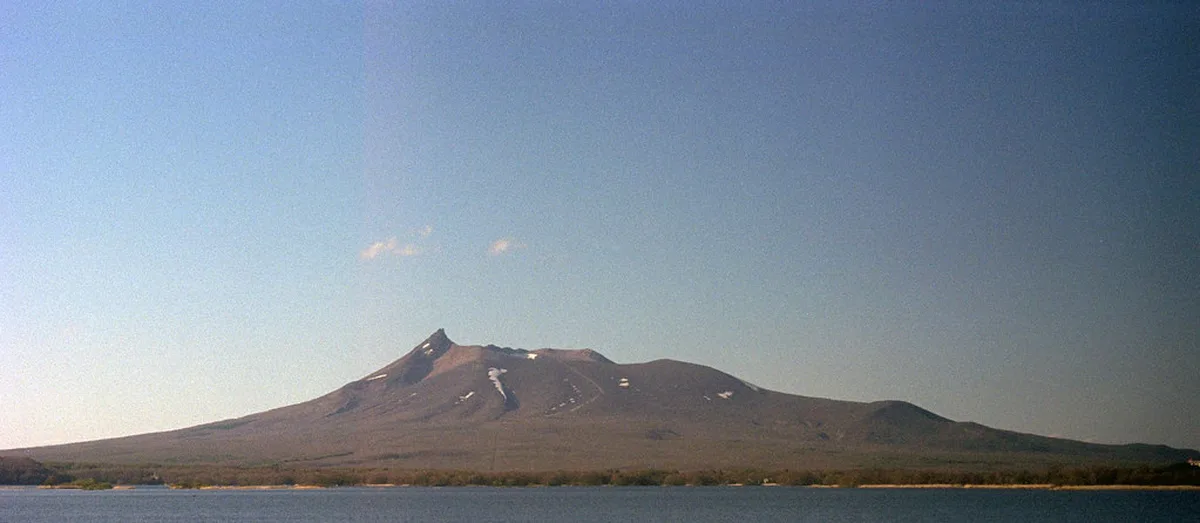
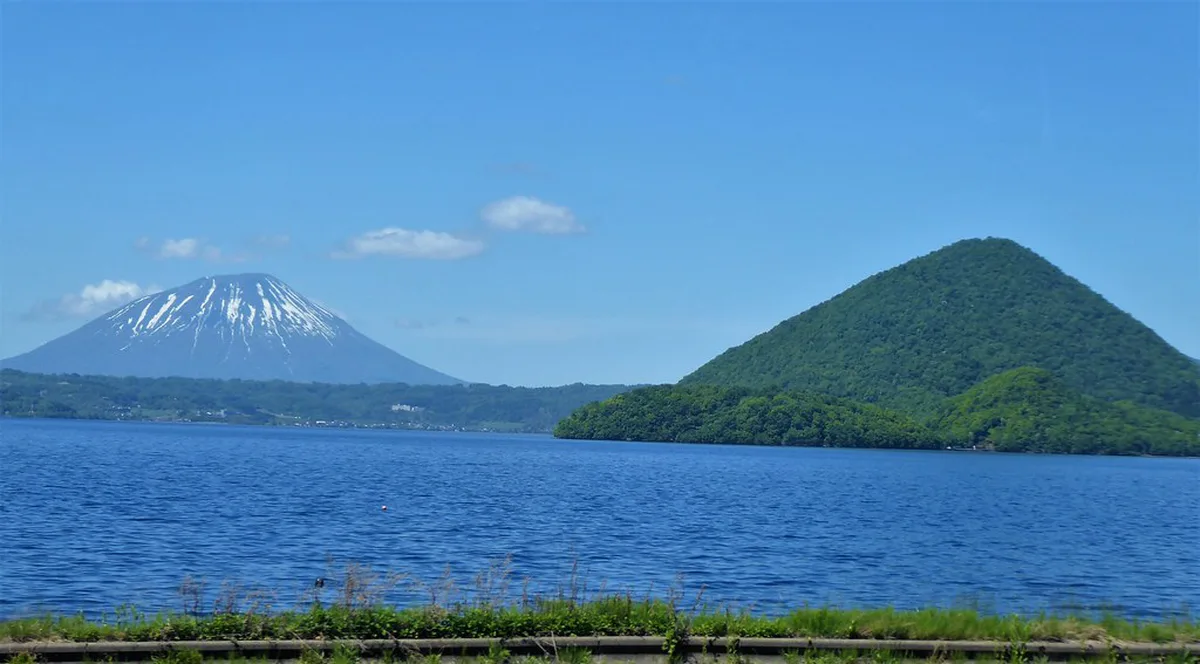
Onuma Quasi-National Park, about 30 minutes north by limited express train, is the clearest first choice. The park's two lakes — Onuma and Ko-numa — are studded with small volcanic islands connected by wooden footbridges. Mount Komagatake rises behind the water and its reflection on a calm morning is one of the best photographs you can take in Hokkaido. Bike rentals at the trailhead cost around 1,000 yen per day; guided boat tours run approximately 1,200 yen for 30 minutes. The park entrance itself is free. Plan for a half-day minimum, or a full morning if you want the 10-kilometer cycle loop around the lake perimeter.
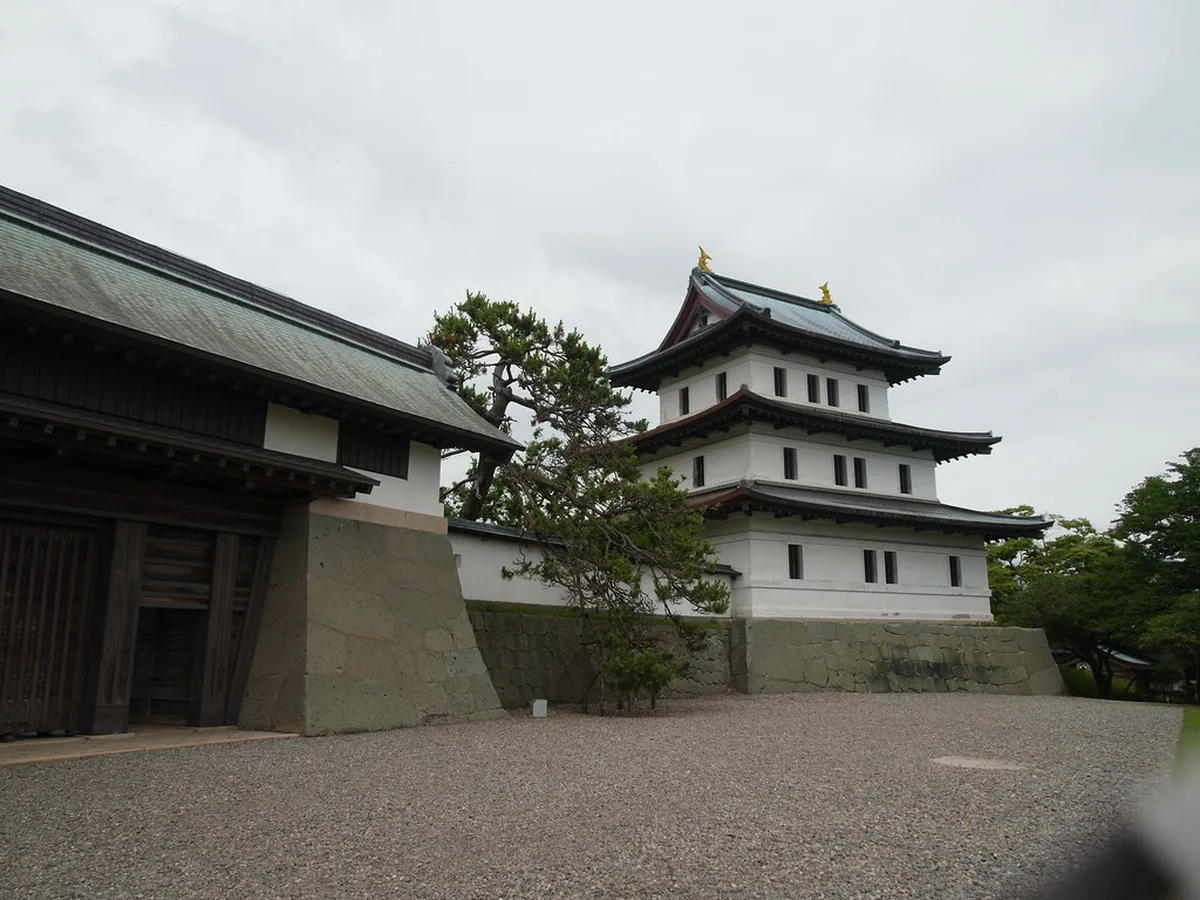
Matsumae, two hours southwest by bus, is the only Japanese-style feudal castle on Hokkaido. The castle museum entry is 360 yen for adults and the surrounding 10,000 cherry trees make it the most photographed site in Hokkaido during early May. Outside of blossom season it remains worthwhile for the adjacent Teramachi district, where Edo-period Buddhist temples line a quiet lane largely untouched by tourism. If you are traveling with a JR pass, check whether your pass covers the Hakodate bus network — the train line to Matsumae no longer operates scheduled passenger service.
Yunokawa Onsen sits within Hakodate's city limits, reachable in 30 minutes by tram from the morning market area. It is one of Hokkaido's oldest designated hot spring resorts and several of the larger ryokan offer day-use bathing from around 700 to 1,500 yen per person. Free public foot-bath stations along the main street are a practical low-cost option. Visit the Tropical Botanical Garden adjacent to the resort district to see the troupe of Japanese macaques who use the outdoor hot spring pool during winter months — a genuinely unusual sight.
| Destination | Travel Time | Transport | Best For |
|---|---|---|---|
| Onuma Quasi-National Park | 30 min | Limited express train from JR Hakodate Station | Nature walks, island cycling, volcanic landscapes |
| Matsumae Castle Town | 2 hours | Bus from city center | Historic castle, temples, cherry blossoms (early May) |
| Yunokawa Onsen | 30 min | Tram from morning market area | Hot spring relaxation, botanical garden, hot spring macaques |
| Kikonai | 40 min (via Shin-Hakodate-Hokuto) | Hokkaido Shinkansen from Shin-Hakodate-Hokuto Station | Coastal views, strait vistas, regional produce |
| Shikabe Geyser Park | 1 hour | Train and bus combination | Natural geyser eruptions, volcanic footbaths, steam cooking |
Hakodate has two separate stations: JR Hakodate Station in the city center (for Onuma, Matsumae, and the morning market) and Shin-Hakodate-Hokuto Station 18 kilometers north (Shinkansen terminal). If arriving by Shinkansen from Tokyo, allow 15 extra minutes for the shuttle train to central Hakodate. Day trips to Onuma depart exclusively from JR Hakodate Station, not the Shinkansen terminal.
Regional buses in Southern Hokkaido do not reliably accept IC cards like Suica or Pasmo. Carry 1,000 yen notes and coins for bus fares. The Hokkaido Shinkansen terminates at Shin-Hakodate-Hokuto as of 2026; onward service to Sapporo requires a transfer to the limited express Hokuto train from JR Hakodate Station (approximately 3 hours total).
Hakodate City: Culture, Architecture, and Markets
Before heading out of the city, the Motomachi district and the Hakodate Morning Market are both legitimate half-day excursions that many visitors underestimate. Motomachi occupies the lower slopes of Mount Hakodate and retains an unusual density of European-influenced architecture from the Meiji period — a direct consequence of Hakodate being one of Japan's first ports opened to international trade after 1854. The Russian Orthodox Church, the Old British Consulate, and several former foreign residences are all free or under 300 yen to enter. Cobbled streets climb gently toward the mountain and connect naturally to the ropeway lower station.
The Hakodate Morning Market opens at 05:00 and most vendors stay until around 14:00, so an early breakfast is the best strategy. The market specializes in live crab, sea urchin, scallops, and the squid dishes Hakodate is nationally famous for. A kaisendon (seafood rice bowl) costs between 1,500 and 3,500 yen depending on the toppings. The market is located directly beside JR Hakodate Station, which makes it an efficient first stop before catching a morning train to Onuma or Matsumae. Detailed tasting notes and stall recommendations are in the the Hakodate Morning Market.
Fort Goryokaku, about 15 minutes from the station by tram, is a star-shaped Western-style fortification built in the 1860s and now a public park surrounded by a wide moat. The adjoining 107-meter Goryokaku Tower offers the clearest aerial view of the fort's geometric shape. Tower entry is 1,000 yen for adults. In early May the moat perimeter is lined with roughly 1,600 cherry trees, making this Hokkaido's busiest blossom viewing spot. Full coverage is in the Goryokaku fort and tower.
Parks and Outdoor Spots in Southern Hokkaido
Beyond Onuma, Southern Hokkaido has several outdoor destinations worth a dedicated day for walkers and hikers. Shikabe Geyser Park, roughly one hour southeast by train and bus, features a natural coastal geyser that erupts approximately every 10 minutes. Entry is around 300 yen and includes access to a footbath positioned with a clear view of the eruption column. The park also offers a steam-cooking experience where visitors buy fresh local seafood — typically corn, eggs, and shellfish — and cook it over natural volcanic vents. It is a genuinely interactive stop that differs from the standard viewpoint format.
Kikonai, 40 minutes southwest by Hokkaido Shinkansen from Shin-Hakodate-Hokuto Station, sits on a dramatic stretch of the Tsugaru Strait coast. Misaki Park above the town has unobstructed views across the water toward Aomori Prefecture. There is no entry fee. The station itself has a well-stocked Michi-no-Eki roadside station with regional produce and the local specialty of salted soft-serve ice cream made with sea salt harvested nearby. Note that you will need to transfer at Shin-Hakodate-Hokuto rather than traveling from JR Hakodate Station, since only the Shinkansen serves Kikonai — see the transport note below for why this distinction matters.
Mount Esan, an active volcano accessible about 50 kilometers east of the city, offers a stark hiking experience with visible steam vents, sulfur deposits, and Katakuri wildflowers in late spring. The hike to the crater rim takes around three hours round-trip at a moderate pace. There is no regular bus service, so a rental car is necessary. The volcanic gas levels are monitored and posted at the trailhead — check before ascending if you have respiratory concerns.
Family-Friendly and Budget-Friendly Options
Onuma Quasi-National Park and Yunokawa Onsen are the two highest-value trips for families with children or travelers watching costs. Onuma's island-walk loop takes about 60 to 90 minutes at a relaxed pace, suits all ages, and costs nothing beyond a train ticket. The bike rentals are manageable for older children. Yunokawa's free public footbaths and the adjacent Tropical Botanical Garden (entry around 300 yen) give families a full afternoon without significant expense.
The Hakodate Morning Market is also a low-cost family stop since grazing is easy — individual portions of crab legs, grilled scallops, and tamagoyaki are sold from 200 to 600 yen each. The squid fishing pool near the market entrance, where children can fish live squid that are then grilled on the spot, is a consistently popular attraction for younger visitors. It costs around 500 yen per catch.
For families interested in history without a heavy museum format, Matsumae Castle and its surrounding castle town offer enough ground-level exploration to hold a child's attention without relying entirely on exhibits. The cherry tree-lined approach to the castle is walkable and wide, and the nearby harbor has views of fishing boats that add natural interest. Budget travelers should note that a JR pass covering Southern Hokkaido significantly reduces transportation costs for trips to Onuma, Kikonai, and beyond. Details on pass coverage are on the JR East pass now that covers Eastern Japan and Southern Hokkaido page.
The Two Hakodate Stations: A Planning Detail Most Visitors Miss
Hakodate has two separate rail stations and confusing them adds unnecessary time to any day trip. JR Hakodate Station sits on the waterfront in the city center, directly beside the morning market. This is where local and limited express trains depart for Onuma Quasi-National Park and points along the coastal line. Shin-Hakodate-Hokuto Station, roughly 18 kilometers north, is the Shinkansen terminal — it handles trains to and from Tokyo, Kikonai, and connections north toward Sapporo.
If you are arriving in Hakodate by Shinkansen from the mainland, you will land at Shin-Hakodate-Hokuto and need a 15-minute shuttle train to reach central Hakodate. The reverse applies on departure. This means any day trip to Onuma should be planned from JR Hakodate Station, not the Shinkansen terminal. Conversely, if you want to stop at Onuma on your way onward to Sapporo, you can disembark at Onuma Koen Station directly from the limited express and rejoin the line afterward — making Onuma an efficient transit stop rather than a separate round-trip.
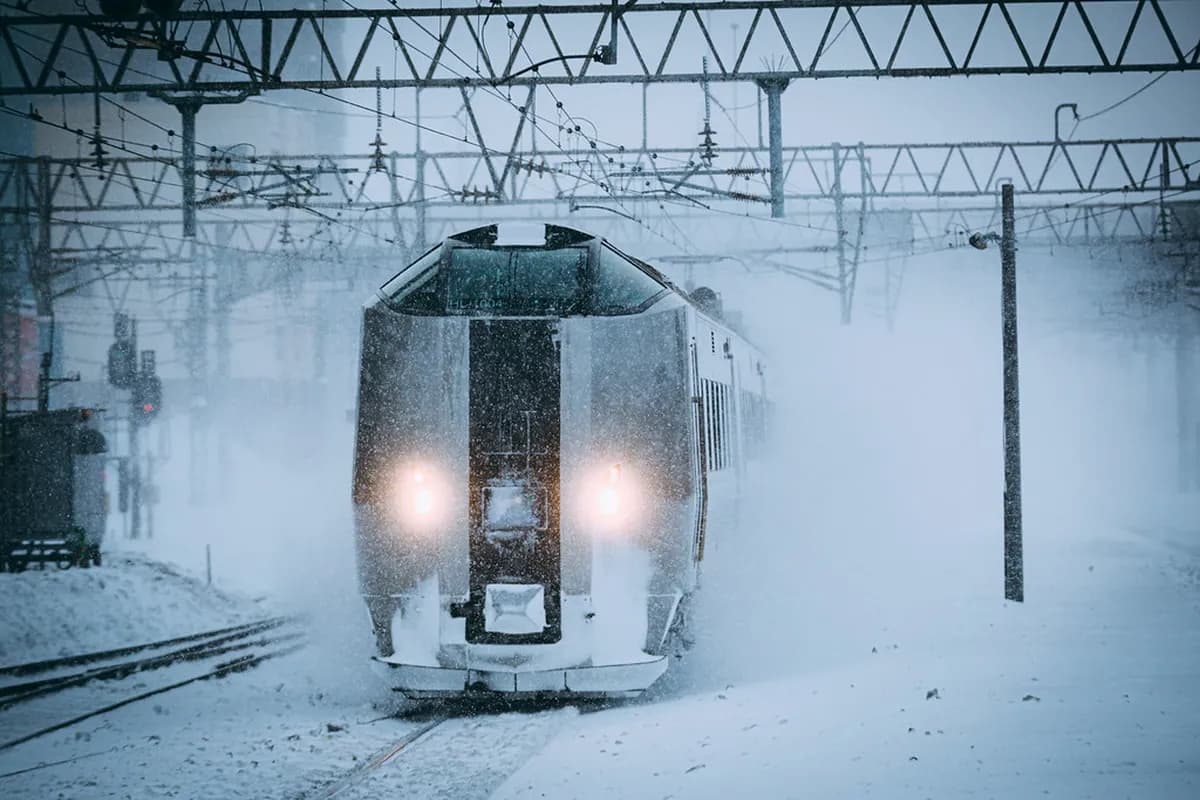
Travelers connecting Hakodate to Sapporo by train should be aware that the Hokkaido Shinkansen currently terminates at Shin-Hakodate-Hokuto; onward service to Sapporo by Shinkansen is under construction. In 2026, the standard route to Sapporo remains the limited express Hokuto service from JR Hakodate Station, which takes about three hours. Check the Hakodate's monthly weather before scheduling outdoor day trips, since summer fog and winter snow affect train frequencies and trail access.
Practical Tips for Hakodate Cruise Visitors
The main cruise terminal at Hakodate Port is located at approximately 14-2 Suehiro-cho, about 10 to 15 minutes by taxi or shuttle from the morning market and the Motomachi district. Most major sightseeing spots — the morning market, Mount Hakodate Ropeway, Goryokaku, and the Red Brick Warehouses — are within a 20-minute journey from the pier. With three to four hours in port, a cruise passenger can realistically cover one of these well rather than rushing through several poorly.
The morning market closes around 14:00, so passengers with a morning arrival should prioritize it first. The Hakodate Ropeway runs until around 22:00, making it viable for ships with a late afternoon departure — though the summit crowds peak at sunset, so arrive at least 40 minutes before the light changes. Bring cash in yen: the morning market and many small shops in Motomachi do not reliably accept foreign credit cards. Most cashpoints at the port area and in Hakodate Station accept major international cards.
Motomachi's streets are cobbled and gently sloped, which suits most visitors but can be tiring for those with mobility limitations. The area around the Red Brick Warehouses along the bay is entirely flat and accessible by taxi or tram from the pier. Dress in layers regardless of the season — Hakodate's coastal position means the temperature on the mountain summit can differ by five to eight degrees from the port waterfront, and afternoon sea winds are common. Consult the official Travel Hakodate site for the current season's cruise docking schedule before finalizing plans.
Passengers planning to join a day tour should confirm that the operator guarantees a return to ship before departure time. Most reputable Hakodate tour operators offer this, but confirm in writing rather than by verbal assurance. If you are self-navigating, set a hard return alarm for one hour before your ship's published departure to account for port shuttle time and any minor delays. Consulting the Hakodate attractions guide overview first helps prioritize the city highlights most accessible from the port.
How to Plan a Smooth Day Trip Experience
Southern Hokkaido operates on lower transport frequencies than the urban rail networks of Honshu. Regional trains to Onuma run roughly every 30 to 60 minutes and buses to Matsumae are even less frequent. Check the JR Hokkaido timetable at the station the evening before your trip, or use the Jorudan or HyperDia apps to confirm departure times. Missing the last return bus from Matsumae by 30 minutes means a taxi back to Hakodate — a cost of roughly 10,000 yen.
Most regional buses outside the city do not accept IC cards like Suica or Pasmo. Carry 1,000 yen notes and small coins for bus fares, park entry fees, and market purchases. ATMs at Hakodate Station and 7-Eleven convenience stores accept international cards reliably. Weather should influence your priority order: if the forecast shows summit fog on Mount Hakodate, move the ropeway to a different day and lead with Onuma or Matsumae instead. The Hakodate accommodation areas guide recommends station-adjacent hotels specifically to reduce commute time when catching early departure trains.
For multiple day trips over two or three days, build a loose sequence rather than fixing every hour in advance. A practical default order is: Day 1 — morning market and city walking (Motomachi, Goryokaku); Day 2 — Onuma Quasi-National Park half-day, Yunokawa Onsen afternoon; Day 3 — Matsumae full day. This sequence front-loads the nearest destinations and saves the longest trip for when you have the transport confidence to manage a full bus journey. Booking activities in advance is rarely necessary except for specific guided nature tours at Onuma or private taxi tours for cruise passengers.
Frequently Asked Questions
Which day trips from Hakodate fit first-time visitors?
First-time visitors should prioritize Onuma Quasi-National Park and the Yunokawa Onsen district. These spots are easily accessible via public transport and offer a perfect mix of Hokkaido's natural beauty and relaxation. They provide a high-impact experience without the stress of long-distance navigation.
How much time should you plan for day trips from Hakodate?
Most regional day trips require between 4 and 8 hours depending on the distance. For nature spots like Onuma Park, a half-day is sufficient, while historical towns like Matsumae require a full day. Always factor in an extra hour for potential transit delays in rural areas.
Is it worth visiting Hakodate in winter for day trips?
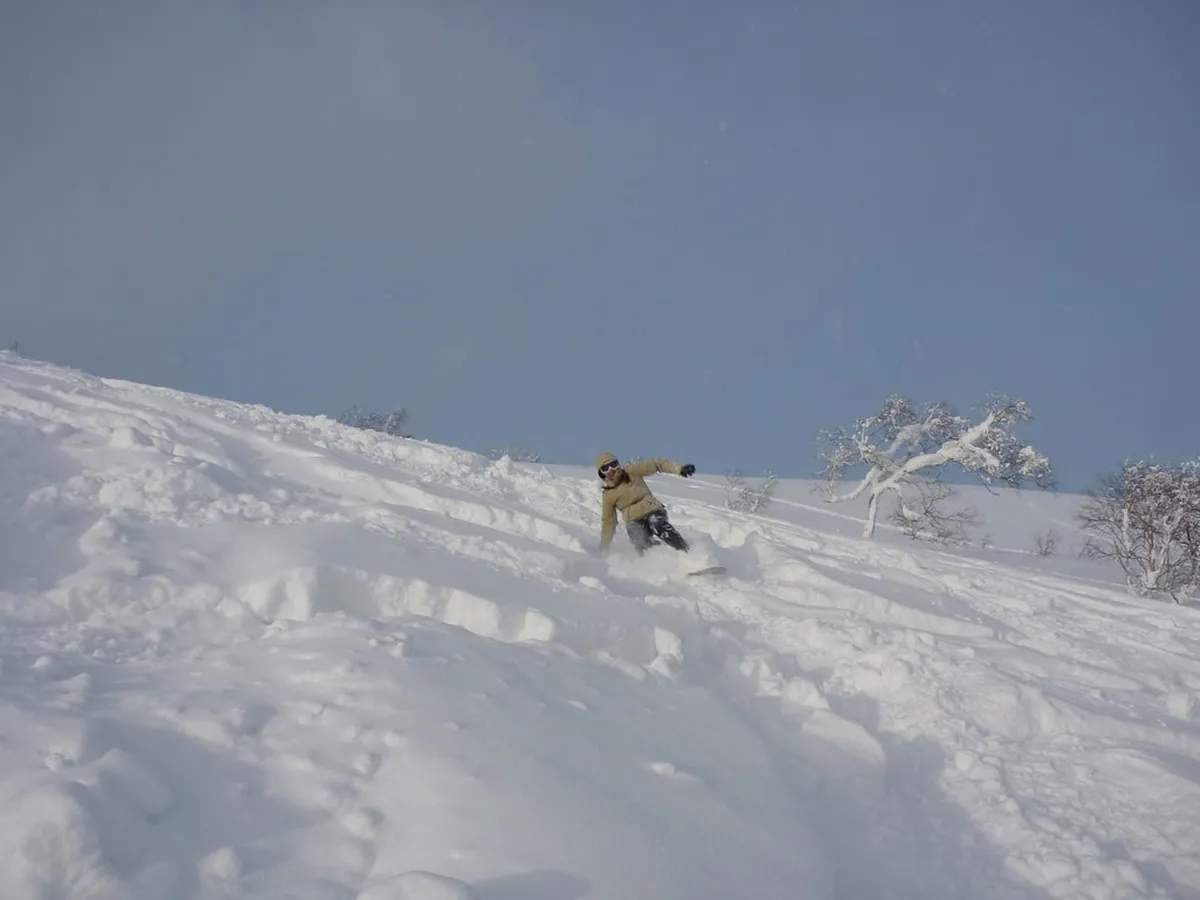
Yes, but you must prepare for limited transport and colder conditions. The winter in Hakodate experience is magical, especially with the snow-covered temples and steaming hot springs. However, hiking trails like Mount Esan are generally closed during the winter months.
Hakodate is much more than just a gateway to Hokkaido; it is a cultural hub surrounded by incredible natural wonders. By venturing out on these day trips, you will discover the quiet charm and rugged landscapes that define the southern region. Whether you choose the volcanic vistas of Onuma or the historical streets of Matsumae, your journey will be unforgettable. Safe travels as you explore the hidden corners of Southern Hokkaido in 2026.
Free: The Hakodate Essentials guide
Top things to do, where to stay, a perfect day plan, getting around, and the best time to go — a Hakodate mini-guide you can take offline.
You might also like


Continue reading
More guides you'll find useful