9 Best Day Trips from Niseko (2026)
Discover the 9 best day trips from Niseko, including Otaru, Sapporo, and Lake Toya. Get expert tips on winter driving and train routes for 2026.
On this page
Niseko sits at the center of one of Hokkaido's richest regions for day trips. Within two hours in almost any direction you have a historic port town, a smoldering volcanic lake, a world-class whisky distillery, or a steaming onsen valley. This guide covers all nine destinations worth your time, with honest advice on transport, timing, and what to skip.
Our team refreshed all transport times, ticket prices, and seasonal notes in June 2026. Whether you are based in Hirafu, Niseko Village, or Annupuri, these excursions pair naturally with the rest of the things to do in the area on offer. Plan at least one day trip into every week-long stay — Hokkaido's countryside rewards the effort.
The the ideal season to visit often coincides with major festivals in nearby cities like Sapporo and seasonal events across the region. Timing your excursion to match those windows, whether the Sapporo Snow Festival in February or Shakotan's sea-urchin season in summer, turns a simple day out into a genuine highlight of your trip.
Otaru: The Romantic Port Town
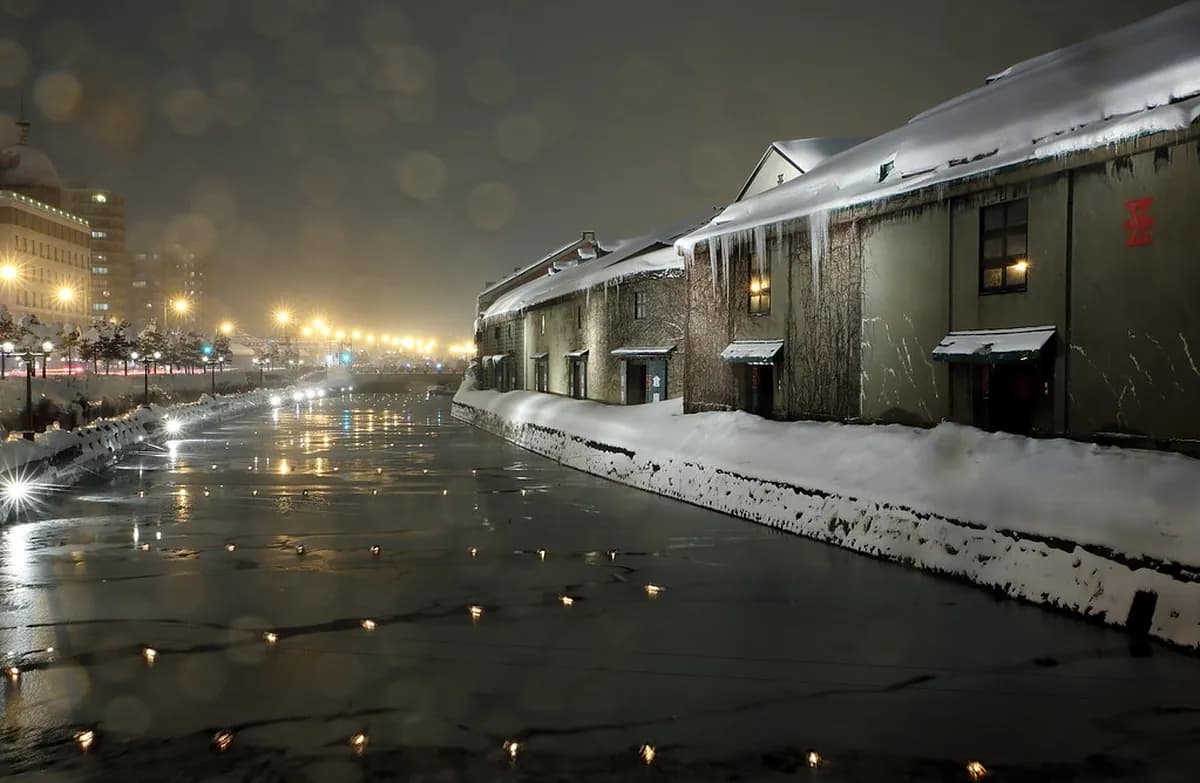
Otaru is the easiest and most rewarding day trip from Niseko, sitting roughly 60 km to the northeast. The city grew rich on herring and coal trade, and the stone warehouses lining the old canal have been converted into restaurants, craft workshops, and souvenir stores. Gas lamps flicker along the canal path after dark, giving the town a soft, nostalgic atmosphere that is particularly memorable in winter snow. Japan's official tourism authority recognizes Otaru as one of Hokkaido's premier heritage destinations, drawing visitors worldwide for its blend of Meiji-era architecture and contemporary artisan culture.
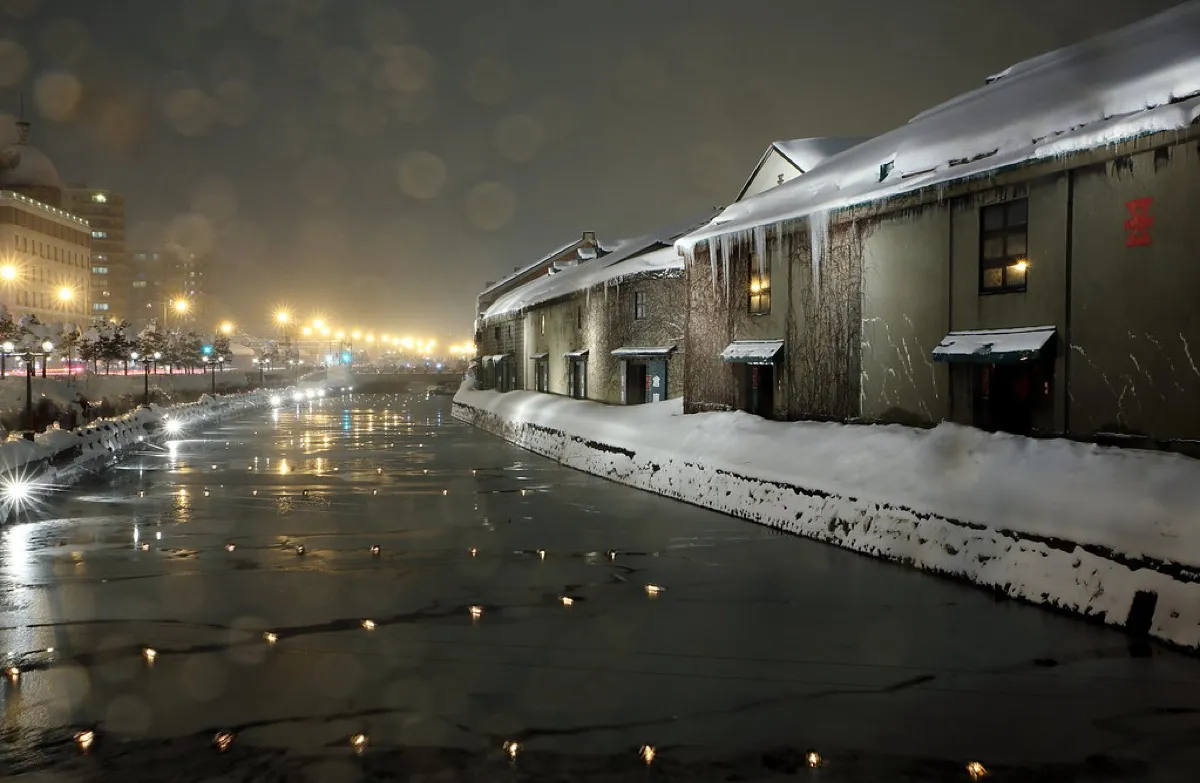
Start at the Otaru Canal and walk south along Sakaimachi Street, where independent glassware studios let you watch artisans blow glass by hand. The Otaru Orgel Doh music box museum charges around ¥300 to enter and has an extraordinary collection of antique instruments. For lunch, the covered arcade near the station has several sushi counters serving crab and scallop at fair prices — Otaru's seafood reputation is well earned.
By train, take the JR Hakodate Main Line from Kutchan Station and change at Otaru for the local service — the full journey runs about 90 minutes and costs ¥1,140 each way. By car it is about 60 minutes via Route 5 along the coast. See our full the canal town of Otaru guide for a street-by-street itinerary and current opening hours for the main sights.
Buy a bottle of local Otaru beer or sake from the gift shops along Sakaimachi Street — craft spirits make excellent souvenirs and the local distilleries have been operating for over a century. The glass studios often offer 10–15% discounts if you ask; it's worth haggling on larger purchases.
Sapporo: Hokkaido's Vibrant Capital
Sapporo is Hokkaido's largest city and the fifth-largest in Japan, sitting about 100 km from Niseko. The easiest approach is by train from Kutchan Station, transferring at Otaru — the journey takes roughly two hours and costs ¥2,240 each way. Driving is faster in good conditions but parking in central Sapporo is expensive and the city is large enough that walking between sights becomes tiring.
Odori Park runs east to west through the city center and serves as the main gathering space for events all year. At its eastern end, the Sapporo TV Tower observation deck charges about ¥800 for adults and gives clear views across the grid-pattern city to the mountains beyond. The underground walkway connecting Odori to Susukino keeps you warm in winter and leads to dozens of ramen shops and department stores.
The Sapporo Snow Festival runs for seven days each February across three sites: Odori, Susukino, and Tsudome. Odori and Susukino are illuminated until 22:00, but the last train from Sapporo back toward Kutchan departs around 21:30 — missing it means a costly taxi or an unplanned overnight stay. If you visit during the festival, buy your return train ticket before you leave Kutchan in the morning, as seats sell out quickly.
Lake Toya: Volcanic Vistas and Mount Usu
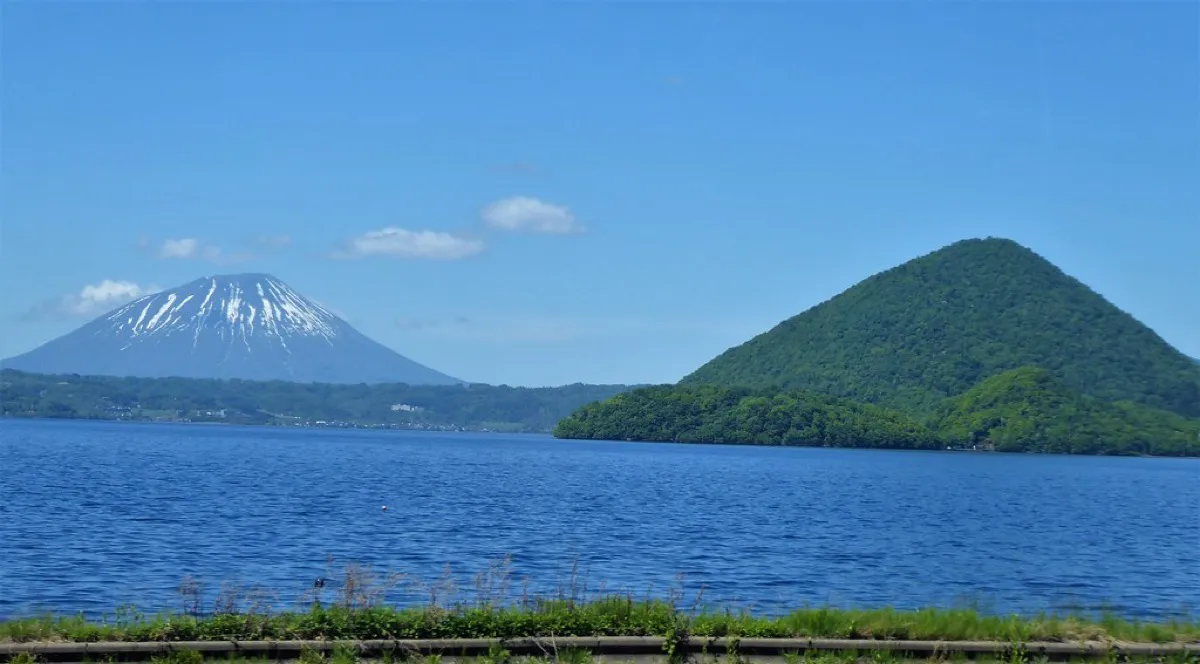
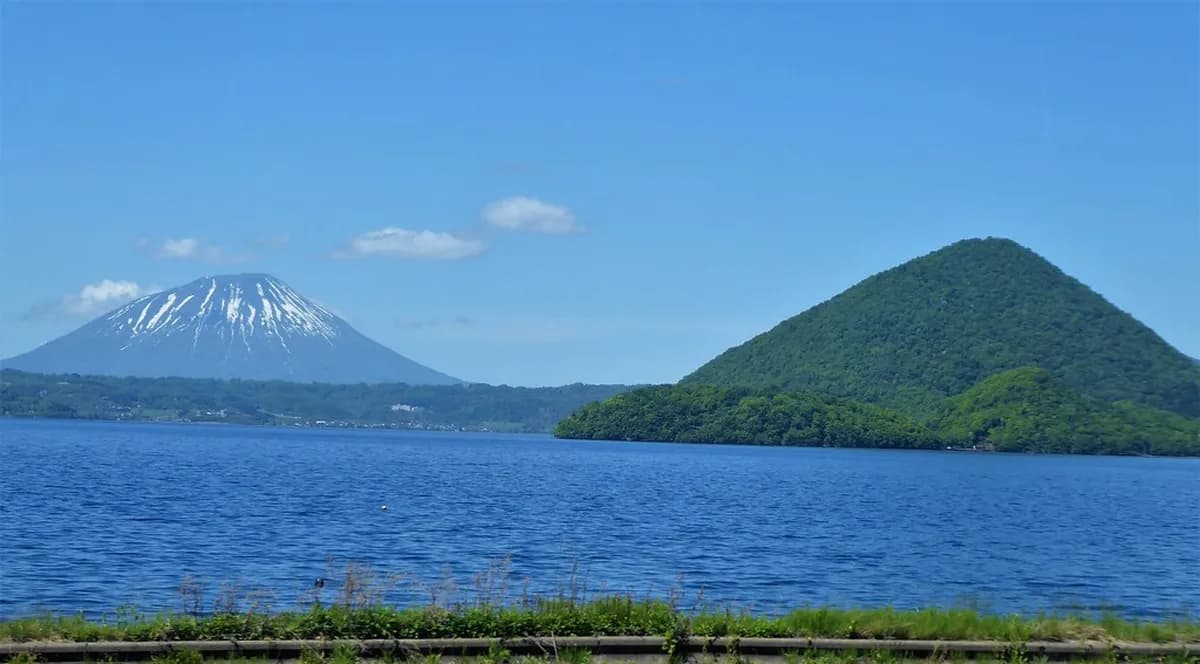
Lake Toya is a near-perfect circular caldera lake about 40 km south of Niseko, located inside Shikotsu-Toya National Park. Mount Usu on its southern rim last erupted in 2000, and the ropeway to the summit costs ¥1,800 round-trip and operates daily from 09:00 to 17:00 in summer (shorter hours in winter, confirm before visiting). From the top you can see the crater scars and lava domes left by the eruption, and on clear days the lake and distant Yotei are visible together. Lake Tōya's geological significance extends beyond its beauty — it is the northernmost caldera lake in Japan to remain ice-free year-round, a distinction that shapes its ecology and tourism appeal.
The lake shore town of Toyako Onsen has a waterfront promenade with souvenir shops and the Wakasaimo confectionery, which is famous throughout Hokkaido. Boat tours on the lake run from April through November and cost around ¥1,500 per adult — they do not operate in deep winter when ice forms. The historic Toyako Visitor Center has a free exhibition on the 2000 eruption with English captions.
By car the drive is about 45 minutes via Route 230, passing through the Nakayama Pass. There is no direct public bus from Niseko to Lake Toya; the closest option involves a train to Tōya Station followed by a local bus, making the round-trip over three hours each way without a car. For detailed itinerary options including the Nakayama Pass route and seasonal notes, read our a trip out to Lake Toya guide.
Noboribetsu: Hell Valley and Natural Onsens
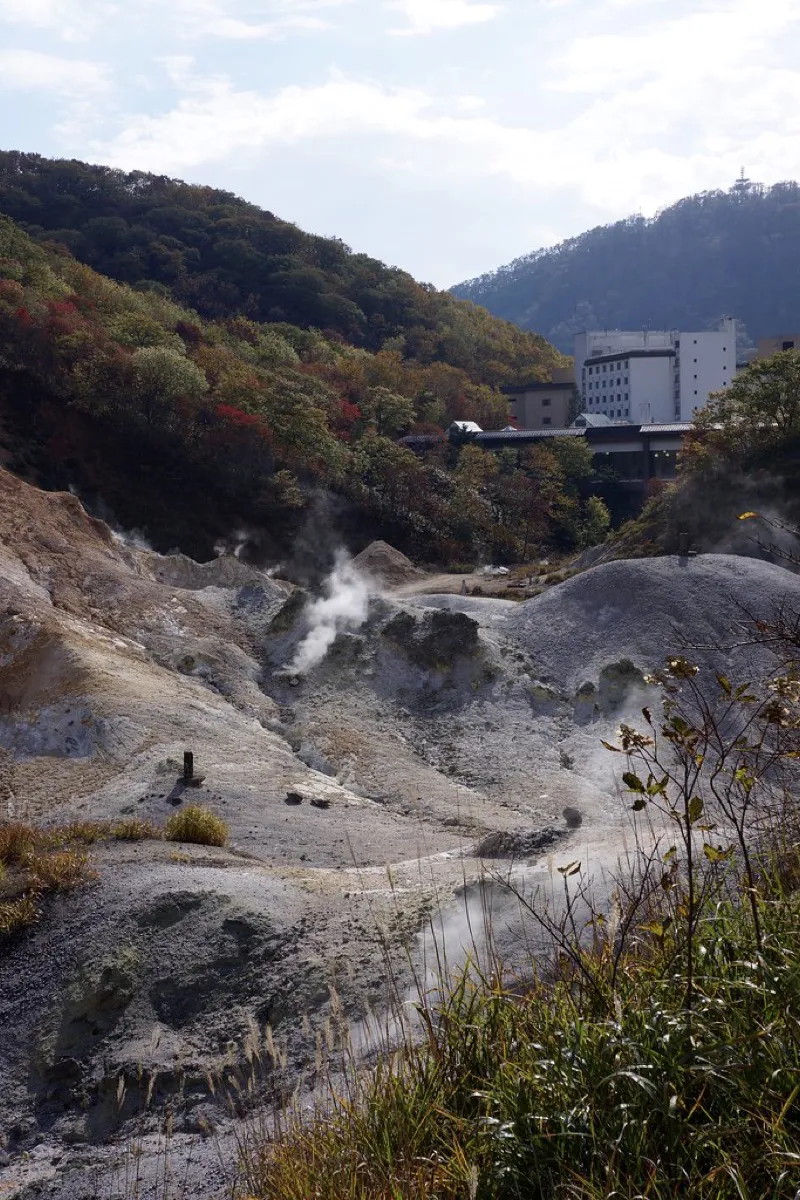
Noboribetsu is Japan's most famous onsen resort town, about 90 km southeast of Niseko and roughly 90 minutes by car via the expressway. The main draw is Jigokudani — Hell Valley — a dramatic landscape of sulfurous vents, boiling mud pools, and rust-colored rock where mineral-rich water surfaces at temperatures up to 80°C. The boardwalk trail through the valley is free and open year-round during daylight hours; wear boots as the wooden planks become icy in winter.
The springs feed more than a dozen large ryokan hotels along the main street, many of which offer day-use onsen access for ¥1,000 to ¥2,000 per person. Noboribetsu Grand Hotel and Dai-ichi Takimotokan are the two most established options and have multiple indoor and outdoor baths with different mineral compositions. Edo Wonderland (Noboribetsu Date Jidaimura) is a themed historical park nearby that charges around ¥3,000 for adults and can entertain families for half a day.
The key planning constraint is combining Noboribetsu with Lake Toya in a single day. The two are only 35 km apart and the temptation is strong, but each location needs at least three to four hours to explore properly. Trying to do both often means rushing through Hell Valley and skipping the onsen — the whole point of coming. Pick one or plan a two-night trip to the southern Iburi coast.
Wear closed-toe hiking boots to Jigokudani — the sulfurous ground is slippery year-round, and steam vents can produce unpredictable gusts. The boardwalk is free, but respect the barrier ropes; the mud pools reach 80°C and people have been severely burned stepping off the marked path. In winter, the icy wooden planks are particularly treacherous.
Shakotan Peninsula: Rugged Coastlines and Seafood
The Shakotan Peninsula juts into the Sea of Japan about 80 km north of Niseko and delivers some of the most dramatic coastal scenery in Hokkaido. The water here — deep cobalt in summer — is nicknamed "Shakotan Blue" and the cliffs at Cape Kamui are accessible via a narrow walking trail that takes about 30 minutes return. The cape is free to enter, but the trail closes during strong winds, heavy rain, or significant snowfall.
Shakotan is best visited between late June and August when the sea urchin season peaks. The local uni is regarded as among the finest in Japan — sweet, briny, and served fresh over rice at small restaurants along Route 913. A uni don (sea urchin rice bowl) typically costs ¥2,000 to ¥4,000 depending on the grade. Most of the coastal restaurants and seafood stalls close from October through May, so arriving in winter means limited food options.
This is firmly a summer or early-autumn destination. The drive from Niseko takes about 90 minutes via Yoichi, and there is no reliable public transport to the cape itself. If you plan to do Shakotan and Yoichi in the same day, start at the distillery in the morning and drive out to the cape for lunch — the road follows the coast and the views on the return are excellent in afternoon light.
Yoichi: Nikka Whisky and Local Orchards
Yoichi is a small port town about 40 km northeast of Niseko, famous as the birthplace of Japanese whisky. The Nikka Whisky Yoichi Distillery was founded in 1934 by Masataka Taketsuru, who chose the site because its climate and peat-rich water reminded him of Scotland. The distillery grounds are large, attractive, and free to explore without a tour — but the guided distillery tour, which includes tastings, requires advance reservation through Nikka's official website and books up weeks or months ahead in peak season.
The reservation system opens around 90 days in advance. Standard tour slots are 10:00, 12:00, and 14:00, and run about 60 minutes. A tasting set of three whiskies is included at no extra charge. If you arrive without a reservation you can still walk the grounds, visit the museum, and buy bottles at the gift shop, but you will not access the barrel warehouses or blending hall. Book before you leave home, not once you arrive in Japan.
Beyond the distillery, Yoichi grows some of Hokkaido's best fruit. Cherry season runs from late June to late July, and apple picking is popular from September through October. The Nitori Kanko Fruits Farm on the edge of town offers both activities for around ¥1,000 to ¥1,500 per person. By train, Yoichi is a 30-minute ride from Otaru on the JR Hakodate Line, making it easy to combine with an Otaru canal walk on the same day.
Furano and Biei: Seasonal Flower Fields
Furano and Biei are worth visiting in July and August when the lavender at Farm Tomita peaks and the patchwork crop fields of Biei roll in every shade of green and yellow. Farm Tomita is the most photographed location, admission is free, and it operates daily from 09:00 to 17:00 in summer. The drive from Niseko takes about two hours each way via the Doto Expressway — that is four hours of driving for a half-day of exploring, which is why many travelers find it exhausting.
A more practical approach is to use Furano and Biei as a stopping point when relocating your base rather than a pure day trip. If you are moving from Niseko toward Hokkaido's interior, it makes sense to stop for three or four hours and continue to Furano's own accommodation. In winter, Furano Ski Resort runs its own terrain and receives drier powder than the coast, but it operates as a separate resort with no ski connection to Niseko United.
If you do commit to the day trip, leave by 07:30, arrive at Biei first for the morning light on the hills, reach Furano by noon for lunch with a melon or fresh corn on the cob from a roadside stand, and aim to depart by 15:00 to avoid driving the mountain roads in full darkness. Furano melons are genuinely excellent — the ¥1,000 to ¥2,000 gift-box melons at the farm shop are among the best souvenirs you can bring back to your resort.
Jozankei: A Scenic Mountain Retreat
Jozankei is a hot-spring village tucked into a narrow river valley about 26 km south of Sapporo, making it roughly 90 minutes from Niseko by car. Known as "Sapporo's Backyard," it has over 50 natural springs feeding a cluster of ryokan hotels that offer day-use baths for ¥1,000 to ¥2,000 per person. The Jozankei Hoheikyo Dam, a short drive up the valley, is one of Hokkaido's best spots for autumn colors in October and early November.
Jozankei works best as a half-day add-on to a Sapporo trip rather than a standalone destination. Drive into Sapporo in the morning, explore Odori and Susukino, then head south to Jozankei in the afternoon for a soak before driving back to Niseko in the evening. The valley is quiet and forested, a strong contrast to the urban energy you will have just left. Weekdays are far less crowded than weekends, when day-trippers from Sapporo fill the public baths.
The Kappa Bashi suspension bridge over the Toyohira River and the riverside walking path are free to access and pleasant in any season. Jozankei's Kappa folklore — water spirits said to inhabit the river — is referenced in dozens of small statues around the town, which gives it an appealing quirky character. It is a relaxed, low-effort stop that rounds out a longer Sapporo day rather than meriting a dedicated drive from Niseko on its own.
Upopoi: Hokkaido's National Ainu Museum
Upopoi, the National Ainu Museum in Shiraoi, opened in 2020 and is the largest museum dedicated to Ainu culture in the world. It sits on the shore of Lake Poroto, about 80 km southeast of Niseko on the way to Noboribetsu. Adult tickets cost ¥1,200 and the museum is typically closed on Mondays (or the following Tuesday if Monday falls on a public holiday). Allow at least two to three hours — the exhibits on Ainu language, ritual, and material culture are thoughtfully produced and most have English captions.
The outdoor Kotan village on the lakeside is a recreated Ainu settlement with demonstrations of traditional crafts, song, and dance running several times daily. These live performances are free with museum entry and run for about 20 minutes each. The combination of interactive exhibits and outdoor demonstrations makes Upopoi a genuinely absorbing stop, not a box-ticking cultural visit.
Upopoi pairs naturally with a Noboribetsu day trip — they are only 15 km apart. Start at Upopoi when it opens at 09:00, spend two hours inside, then drive to Noboribetsu for lunch and an afternoon in Hell Valley. This combination covers culture and geology in a single long day and avoids the common mistake of trying to add Lake Toya on top of Noboribetsu, which leaves no time for either.
Nakayama Pass: What Every Driver Needs to Know
Route 230 through the Nakayama Pass is the main road south from Niseko toward Lake Toya and Noboribetsu. At 836 metres elevation, the pass collects heavy snowfall from November through April and is one of the most dangerous mountain roads in Hokkaido for rental car drivers. The hazards are specific: black ice forms in the pre-dawn hours even when road surfaces look clear, and whiteout conditions can reduce visibility to near zero in a matter of minutes when wind picks up.
Before driving the pass, check the Hokkaido Regional Development Bureau's road condition site or the Dooro Hokkaido live camera feed — both show real-time surface conditions in Japanese and are understandable by visual inspection. Studded or winter tyres are mandatory on rental cars in Hokkaido from November through March; all rental agencies comply with this, but confirm at pickup. Keep the fuel tank above half at all times: the pass has no petrol stations and the nearest towns are 20 to 30 minutes apart.
Carry a basic emergency kit in the car: a folding shovel, a bag of traction sand or cat litter, a warm blanket, and a fully charged phone. If you encounter a sudden whiteout on the pass, reduce speed to 20–30 km/h, activate hazard lights, and pull into a marked lay-by if one is visible — do not stop on the road itself. Most whiteout episodes at Nakayama last five to ten minutes. None of the competing guides to Niseko day trips cover this level of detail, but it is the single most practical piece of information for a self-drive visitor in winter.
Logistics: Navigating Hokkaido by Train and Car
Renting a car unlocks the full range of day trips and is the right choice for Lake Toya, Noboribetsu, Shakotan, and Yoichi. You will need a valid International Driving Permit alongside your home licence. Check our guide on getting around the resort for rental agency locations near Hirafu and advice on snow tyres. Hokkaido's official tourism site maintains detailed transport links and seasonal updates for all major destinations. Train travel is best reserved for Otaru and Sapporo, where the frequency is reasonable and parking at the destination is expensive.
The table below summarizes the key logistics for the nine day trip destinations covered in this guide.
| Destination | Distance from Niseko | Travel Time (Car) | How to Get There | Highlight |
|---|---|---|---|---|
| Otaru | 60 km NE | 60 min | Train 90 min via Kutchan; car via Route 5 (coast) | Historic canal, glass studios, sushi |
| Sapporo | 100 km | 100 min | Train 120 min via Otaru transfer; car faster in good conditions | Odori Park, TV Tower, Sapporo Snow Festival (February) |
| Lake Toya | 40 km S | 45 min | Car via Route 230 (Nakayama Pass); no reliable public transit | Mount Usu ropeway, boat tours, Toyako Onsen |
| Noboribetsu | 90 km SE | 90 min | Car via expressway; train + bus option takes 2+ hours | Jigokudani (Hell Valley), day-use onsen, Edo Wonderland |
| Shakotan | 80 km N | 90 min | Car via Yoichi; no public transport to cape | Cape Kamui cliffs, sea urchin season (June–August) |
| Yoichi | 40 km NE | 40 min | Train 30 min from Otaru; car fastest option | Nikka Whisky Distillery, fruit orchards, river valley |
| Furano & Biei | 120 km SE | 120 min | Car via Doto Expressway; train available but slow | Farm Tomita lavender (July–August), patchwork fields, ski resort |
| Jozankei | 90 km | 90 min | Car; best as stopover between Niseko and Sapporo | Hot-spring village, Jozankei Hoheikyo Dam, autumn colors |
| Upopoi (Shiraoi) | 80 km SE | 80 min | Car; pairs with Noboribetsu day trip (+15 km) | National Ainu Museum, Lake Poroto, live demonstrations |
The train from Kutchan runs roughly once per hour in each direction and service thins after 20:00. For the the canal town of Otaru, the first train departs Kutchan around 06:30 and the last return from Otaru is around 20:30 — check the JR Hokkaido timetable before you go as seasonal adjustments apply. If you are nervous about mountain driving in winter, resort shuttle buses and private tour operators based in Grand Hirafu are available and worth the premium for the Nakayama Pass route.
Planning the rest of your trip? Start with our complete guide to things to do in Niseko, then look at a day trip to Otaru and exploring Lake Toya.
Frequently Asked Questions
Can you visit Otaru from Niseko by train?
Yes, you can take a local train from Kutchan Station to Otaru in about 90 minutes. The route is scenic and affordable, making it a popular choice for travelers without a car. Be sure to check the seasonal schedule as departures are infrequent.
Is a car necessary for day trips around Niseko?
While not strictly necessary for Otaru or Sapporo, a car is highly recommended for Lake Toya or Noboribetsu. Having your own vehicle allows you to visit remote viewpoints and hot springs that public transport doesn't reach. Ensure you have an International Driving Permit before arrival.
What are the best winter day trips from Niseko?
Otaru and Sapporo are the best winter choices because they offer indoor attractions and easy train access. The Otaru Snow Light Path and Sapporo Snow Festival are world-class events held every February. These cities are well-equipped to handle tourists during heavy snowfall.
Exploring beyond the ski runs is the best way to experience the true heart of Hokkaido. From the glass workshops of Otaru to the steaming vents of Hell Valley, these day trips offer unforgettable memories. Always prioritize safety and check local conditions before setting out on your journey.
Whether you choose the convenience of the train or the freedom of a car, adventure awaits just outside the resort. I hope this guide helps you plan the perfect escape from the powder for a day of discovery. Enjoy your 2026 travels through one of the most beautiful regions in all of Japan.
Free: The Niseko Essentials guide
Top things to do, where to stay, a perfect day plan, getting around, and the best time to go — a Niseko mini-guide you can take offline.
You might also like


Continue reading
More guides you'll find useful