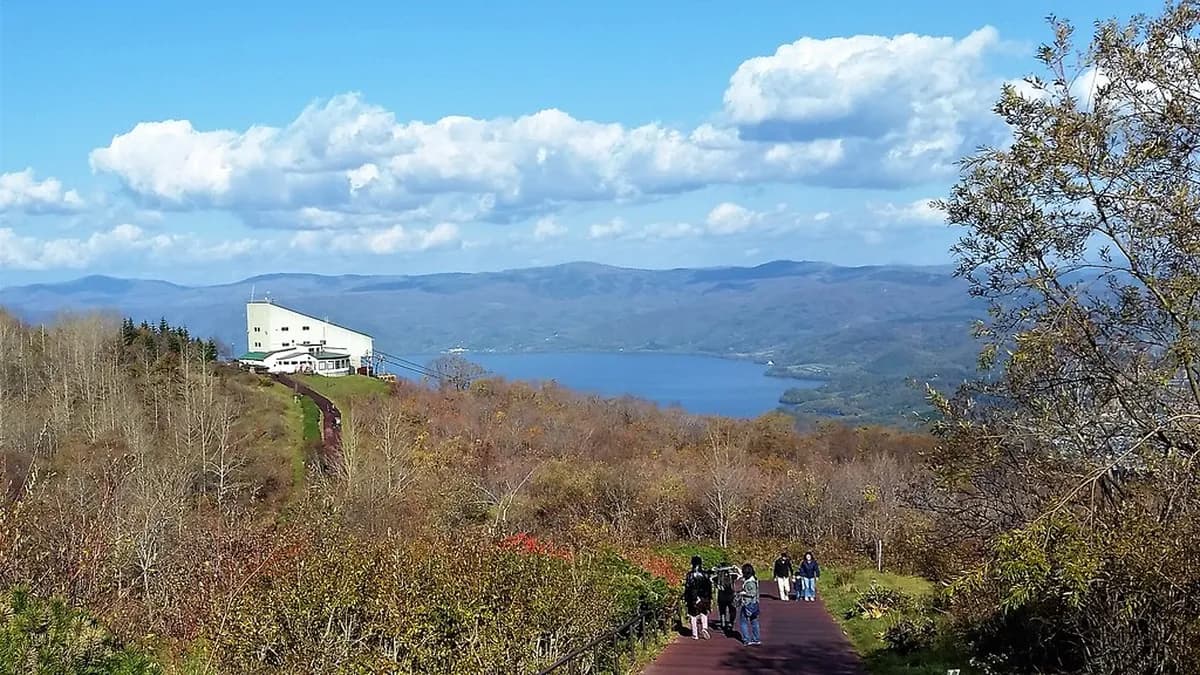
Exploring the volcanic landscapes of Hokkaido often leads travelers to the stunning shores of Lake Toya. The Official Usuzan Ropeway Site provides the most direct way to reach the summit of Mount Usu. This active volcano offers breathtaking views of the surrounding national park and the Pacific Ocean. Visitors can witness the power of nature while enjoying modern comforts at the newly renovated observation decks.
Mount Usu stands as a testament to the dynamic geological history of the Toya-Usu UNESCO Global Geopark. The ropeway allows you to bypass a difficult climb and reach the peak in just six minutes. You will find that the journey upward is just as scenic as the destination itself. This guide helps you navigate everything from ticket prices to the best hiking trails available at the top.
Nearby attractions like Jigokudani Hell Valley highlight the intense geothermal activity of this region. Combining a visit to Mount Usu with local hot springs creates a perfect Hokkaido itinerary. Whether you are a photography enthusiast or a casual hiker, this mountain offers something unique for every traveler. Prepare for an unforgettable experience overlooking one of Japan's most famous caldera lakes.
Overview of Mt. Usu and the Usuzan Ropeway
Mount Usu is one of the most active volcanoes in Japan and has erupted four times in the last century. These frequent geological events have shaped the dramatic landscape that visitors see today. The mountain serves as a central feature of the Toya-Usu UNESCO Global Geopark. Its last major eruption occurred in 2000, leaving behind fascinating craters and steam vents.
The Usuzan Ropeway was established to provide safe and easy access to the mountain's upper reaches. Large gondolas carry up to 106 passengers at a time during the short ascent. You can watch the landscape transform from lush greenery to rugged volcanic rock as you rise. The facility prioritizes safety and education, offering insights into volcanic monitoring and disaster prevention.
Travelers often visit this site to understand the relationship between the local community and the volcano. The Geopark status emphasizes the importance of living in harmony with such a powerful natural force. You will find informative plaques and displays throughout the summit area. These resources explain how the volcano impacts the local environment and the lives of nearby residents.
How to Get to the Usuzan Ropeway (Access & Parking)
Reaching the ropeway station is straightforward whether you use public transport or a private vehicle. The base station is located at the foot of Mount Showa-shinzan, a younger volcanic neighbor. You can find the exact coordinates on Google Maps Location to plan your route. Most visitors arrive from the nearby town of Toyako Onsen.
Buses run regularly from the Toyako Onsen bus terminal to the Showa-shinzan stop. This journey takes approximately 15 minutes and offers a cost-effective way to reach the attraction. If you prefer more flexibility, a Jumbo Taxi is a convenient alternative for small groups. These taxis typically cost between 1,620 and 2,000 JPY for the one-way trip from the lakefront.
Driving a rental car remains the most popular choice for those exploring the wider Lake Toya region. A large parking lot is available at the base of the ropeway for a flat fee of 500 JPY. This allows you to explore the area at your own pace without worrying about bus schedules. Early arrival is recommended during peak summer weekends to secure a spot close to the entrance.
Ticket Prices, Fares, and Booking Information
Understanding the fare structure helps you budget correctly for your volcanic adventure. Tickets are sold as round-trip fares, covering both your ascent and the return journey. Most travelers find the pricing reasonable given the maintenance required for such a high-altitude facility. Prices are subject to change, so verifying them before your visit is always a smart move.
Booking through Klook Ticket Booking often provides a more seamless experience for international visitors. Online tickets allow you to skip the physical ticket counter lines during busy periods. You can simply show your digital voucher at the boarding gate to gain entry. This method sometimes offers slight discounts compared to purchasing on-site.
Local hotels in the Lake Toya and Noboribetsu areas frequently offer discount coupons to their guests. You should check with your front desk for 10% off vouchers before heading to the mountain. These small savings can add up, especially for families or large groups traveling together. Always keep your physical ticket safe, as you will need it for the return trip down.
- Adult Round-Trip Fare (Ages 12+)
- Price: 1,800 JPY
- Validity: Same day
- Includes: Both ways
- Type: Standard ticket
- Child Round-Trip Fare (Ages 6-11)
- Price: 900 JPY
- Validity: Same day
- Includes: Both ways
- Type: Discounted ticket
- Group Discount Rates (15+ people)
- Price: 1,620 JPY
- Requirement: Group booking
- Benefit: Reduced cost
- Type: Bulk purchase
Operating Hours and Best Time to Visit
The ropeway operates year-round, but the specific hours change depending on the season. During the peak summer months, the first gondola usually departs at 8:15 AM. Closing times are typically around 5:30 PM when the daylight lasts longer. Winter schedules are often shorter, with operations ending by 4:00 PM to ensure safety in the dark.
Seasonal trade-offs are significant when planning your trip to Mount Usu. Summer offers the best conditions for hiking and enjoying the outdoor terrace sofas. You will experience vibrant green landscapes and clear views of the blue lake below. However, this is also the busiest time, leading to longer wait times for the gondola.
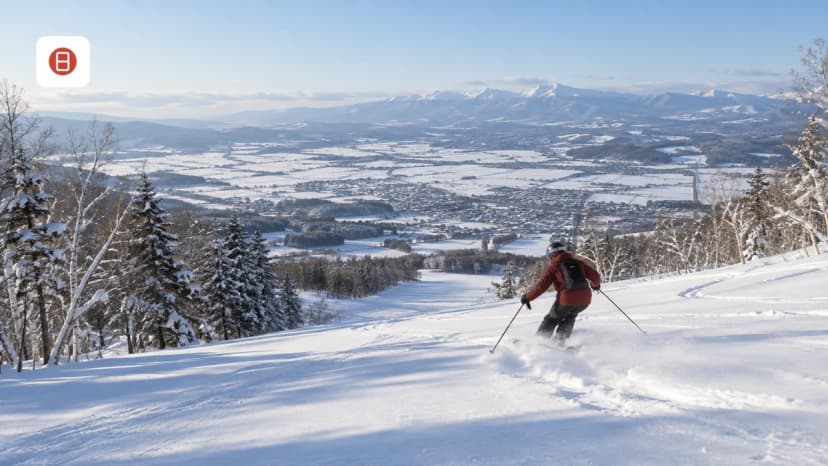
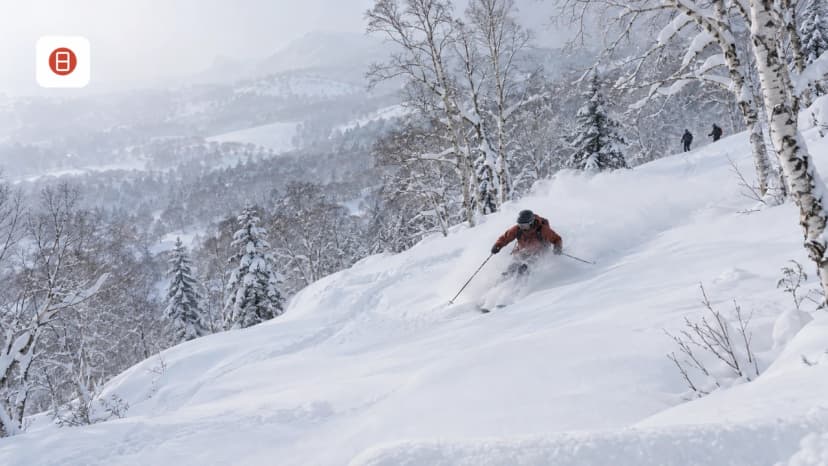
Winter transforms the mountain into a serene, snow-covered wonderland with temperatures often hitting -7°C. While the crater trekking course closes from November to April, the snow views are spectacular. You can enjoy a hot drink at the summit cafe while watching the steam rise from the volcanic vents. Make sure to check the weather forecast, as high winds can occasionally cause temporary closures.
Top Things to Do: Mt. Usu Terrace and Observation Decks
The Mt. Usu Terrace underwent a major expansion in 2022 to enhance the visitor experience. This modern facility now features over 90 comfortable sofas where guests can relax and take in the view. It is designed to feel like a high-end lounge situated on the edge of a volcano. You can sit back with a coffee and watch the clouds drift over Lake Toya.
A dedicated private sofa area is available for those seeking a more exclusive experience. These spots offer the best unobstructed views of the surrounding mountains and the Pacific coastline. Many visitors spend at least an hour here just soaking in the atmosphere. The terrace is accessible to all ropeway passengers and is included in your ticket price.
Two main observation decks provide different perspectives of the volcanic landscape. The Lake Toya Observatory faces north, offering a classic view of the lake and its central islands. On the opposite side, the Usu Crater Observatory looks down into the massive Ginnuma Crater. Both decks are connected by easy walking paths that are suitable for most fitness levels.
Hiking the Mt. Usu Crater Trekking Course
The Mt. Usu Crater Trekking Course offers a more immersive way to see the volcano's power. This trail takes you closer to the active vents and the rugged inner walls of the crater. You will witness steam rising from the earth, reminding you of the mountain's hidden heat. It is a must-do for anyone who enjoys geological wonders and fresh mountain air.
Visitors must be prepared for the physical demand of the "600 steps" along this route. These steep stairs can be challenging for those with limited mobility or low fitness levels. You should allow at least 40 to 60 minutes for the round trip from the ropeway station. Proper hiking boots or sturdy sneakers are highly recommended for the uneven terrain.
Safety is paramount on the trekking course, and the trail may close during bad weather. High winds or heavy rain can make the steps slippery and dangerous. Always stay on the marked paths to avoid unstable ground near the crater rim. The views from the highest point of the trail are some of the most dramatic in all of Hokkaido.
Dining and Shopping at the Summit and Base
Hungry travelers have several options for dining at both the base and the summit. Cafe Mt. Usu, located at the top station, serves light snacks and refreshing beverages. You can try their famous "Volcano Curry" or enjoy a local Hokkaido milk soft-serve ice cream. The cafe's large windows allow you to eat while admiring the panoramic views.
At the base station, the Usuzan Restaurant Funkatei offers more substantial meal options. This restaurant specializes in local Hokkaido cuisine, including fresh seafood and hearty ramen bowls. It is a great place to refuel after a morning of hiking and exploring the craters. Many of the dishes feature ingredients sourced directly from the surrounding agricultural regions.
Shopping for souvenirs is another highlight of the base station facility. You can find unique volcanic rock crafts and locally produced snacks like Toya lake cookies. The gift shop also carries limited-edition Mount Usu merchandise that is not available elsewhere. It is the perfect place to pick up a memento of your trip to this active volcano.
What to See Nearby: Mt. Showa-shinzan and Lake Toya
The area surrounding the ropeway is packed with other natural and cultural attractions. Directly next to the base station is Mt. Showa-shinzan, a volcano that rose from a wheat field in the 1940s. You can walk around its base to see the red, smoking peak up close. This site provides a rare look at a very young volcanic formation.
A short drive or bus ride takes you to the heart of the Lake Toya resort area. Here, you can enjoy scenic boat cruises or relax in one of the many public footbaths. The lake is famous for its clear water and the central Nakajima Islands. It remains a top destination for both domestic and international tourists in Hokkaido.
Many visitors also choose to combine this trip with a visit to Noboribetsu. This famous hot spring town is less than an hour away by car or train. It offers a different kind of geothermal experience with its sulfurous streams and forest walks. Both locations together provide a comprehensive look at the volcanic heart of the island.
Essential Tips for a Smooth Visit
Planning ahead ensures that you make the most of your time at the Usuzan Ropeway. Weather at the summit can be significantly cooler and windier than at the base station. You should bring an extra layer of clothing even if it feels warm near the lake. Sudden fog can also roll in, temporarily obscuring the famous views.
Checking the official website for live updates is a great habit before you leave your hotel. They provide information on visibility and any potential maintenance closures for the gondolas. If the weather is poor, consider visiting the Volcano Science Museum at the base instead. This museum offers fascinating exhibits that are perfect for a rainy day alternative.
To avoid the biggest crowds, aim to arrive either early in the morning or late in the afternoon. Tour buses typically arrive between 10:00 AM and 2:00 PM, making the facilities much busier. For more detailed planning, you can consult a Noboribetsu travel guide for local tips. Enjoying the sunset from the mountain is a spectacular way to end your day.
Frequently Asked Questions
How long should I spend at the Mt. Usu Ropeway?
Most visitors spend between 1.5 to 2.5 hours at the site. This time allows for the round-trip ropeway ride, relaxing at the Mt. Usu Terrace, and walking to the nearby observation decks. If you plan to hike the crater trekking course, add an extra hour to your itinerary. Check our Lake Toya guide for more nearby activities.
Is the Mt. Usu crater walk open in winter?
No, the Mt. Usu Crater Trekking Course is typically closed from November to April due to snow and ice. During these months, visitors can still enjoy the ropeway and the observation decks near the summit station. The winter views of the snow-covered landscape are beautiful but require warm clothing. Always check the official site for exact opening dates each spring.
How much does the Usuzan Ropeway cost?
The standard round-trip fare for adults is 1,800 JPY, while children aged 6 to 11 pay 900 JPY. Group discounts are available for parties of 15 or more people. You can often find 10% discount coupons at local hotels or through online booking platforms. These prices cover the full journey to the summit and back to the base station.
Can you see Mt. Yotei from Mount Usu?
Yes, on clear days, you can see the majestic peak of Mt. Yotei to the north. It is often called the "Mt. Fuji of Hokkaido" because of its near-perfect conical shape. The best views are usually from the Lake Toya Observatory at the summit. Early morning visits often provide the best visibility before afternoon clouds move into the valley.
A visit to the Usuzan Ropeway offers a rare chance to stand on the rim of an active volcano. From the luxury of the new terrace sofas to the challenge of the crater hike, there is something for everyone. You will leave with a deeper appreciation for the geological forces that continue to shape Hokkaido. The views of Lake Toya and Showa-shinzan are among the most iconic in northern Japan.
Make sure to bring your camera and dress in layers to prepare for the mountain weather. Whether you visit in the lush summer or the snowy winter, the experience remains truly unique. Following this guide ensures you hit all the highlights while managing the logistics with ease. Mount Usu is waiting to show you the raw beauty of Japan's volcanic heritage.