

10 Best Day Trips from Nara (2026)
Discover the 10 best day trips from Nara, including Hasedera, Mount Yoshino, and Asuka. Get expert tips on transport, timing, and local secrets for your trip.
On this page
After five visits to the Kansai region, I have found Nara to be the most tranquil base for exploring Japan. While most tourists rush through the park in a few hours, staying overnight allows you to see the city's soul. I often recommend travelers use a comprehensive Nara itinerary to slow down and enjoy the local atmosphere before venturing out.
This guide covers ten destinations reachable from Nara in a single day, plus logistics to help you choose the right train line and the right pass. Every entry has been personally vetted for ease of access, historical depth, and practical transport. Nara's central location makes reaching southern Kyoto, rural Mie, and urban Osaka surprisingly efficient.
Choosing Nara as your headquarters means trading the neon chaos of larger cities for quiet morning walks among wild deer. The train connections from both major stations provide seamless access to UNESCO World Heritage sites. The following recommendations prioritize cultural depth, ease of transport, and authentic local experiences away from the heaviest crowds.
Spending a Day in Nara: The Essential City Highlights
Before planning excursions beyond Nara, it pays to know the city's own core circuit. The most efficient route starts at Kintetsu-Nara Station and works outward toward the eastern forest. Arrive by 08:00 to experience Kasugataisha Shrine before the tour groups arrive; the path through the deer park to reach it is one of the most atmospheric walks in Japan.
Todaiji Temple and its Great Buddha Hall should be your second stop. Entry costs ¥800 and the hall houses a 15-metre bronze Buddha — one of the largest in the world. From there, a ten-minute walk south leads to the free Yoshikien Garden, which combines a pond garden, moss garden, and tea ceremony garden in a single quiet compound.
By mid-afternoon the park empties noticeably. Use that window to feed the sika deer near the central meadow and stop at Sarutahiko Coffee Nara in the Naramachi district for a coffee and to browse the Nakagawa Masashichi Shoten craft shop upstairs. This circuit covers the city's essential UNESCO sites without requiring public transport.
Hasedera Temple: The Temple of Flowers
| Destination | Train Time | Entry Fee | Best Season |
|---|---|---|---|
| Hasedera Temple | 35 min (1 transfer) | ¥500 | April–May (peonies) |
| Murou-ji + Art Forest | 45 min | ¥1,000 total | November (autumn) |
| Mount Yoshino | 60 min (1 transfer) | ¥450 ropeway | Late March–April |
| Asuka cycling | 45 min | ¥1,000 bike rental | May, October–November |
Hasedera in Sakurai is the most rewarding half-day excursion from central Nara. The temple is known for 7,000 peonies that bloom in late April through May, but the 399-step covered corridor and its giant thousand-armed Kannon statue justify the trip in any season. Entry costs ¥500 per adult, and the grounds are open from 09:00 to 17:00 daily.
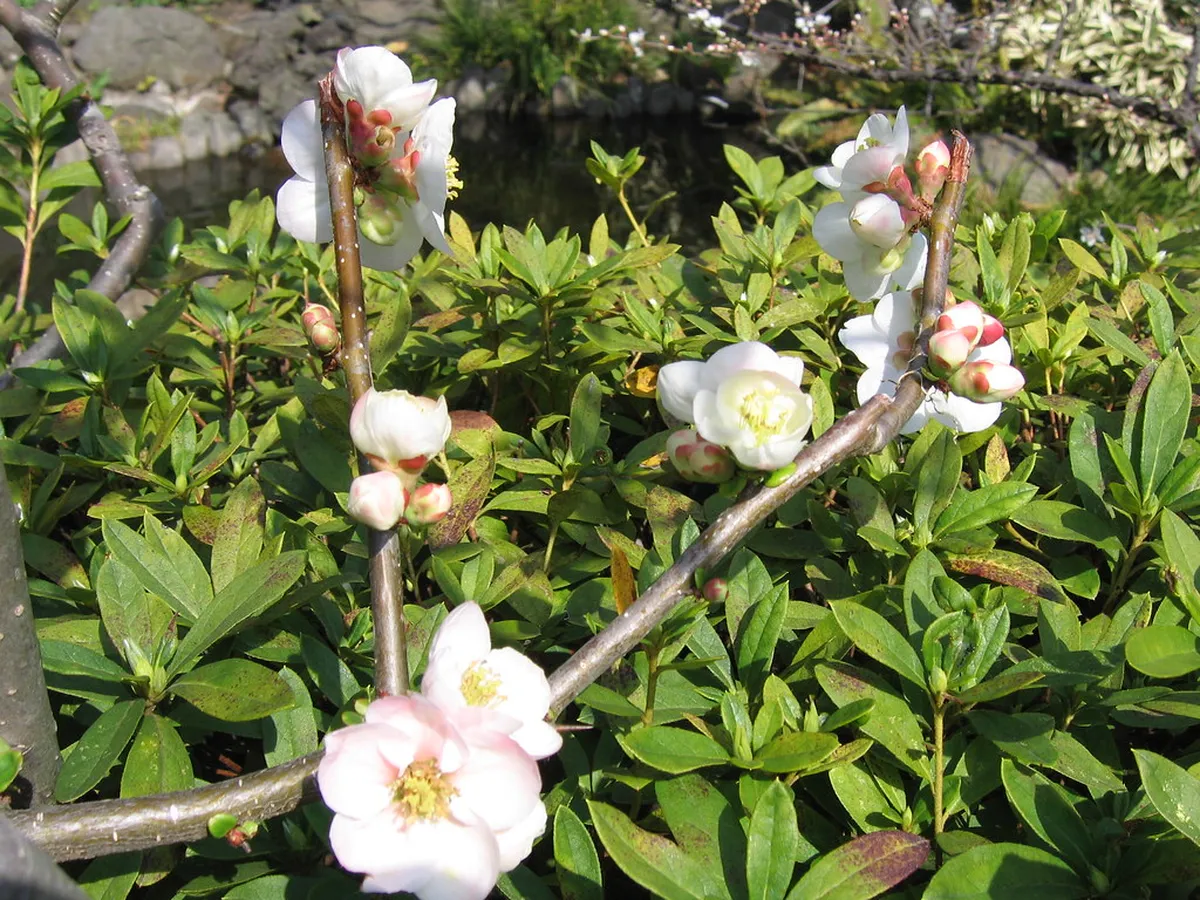
Take the Kintetsu Osaka Line from Kintetsu-Nara Station to Hasedera Station — the journey takes about 35 minutes with one transfer at Yamato-Yagi. From the station, a fifteen-minute uphill walk through the old town approach brings you past noodle shops and persimmon vinegar stalls. Arrive before 10:00 to photograph the covered corridor without tour groups blocking the view.
The main hall juts out over the hillside on wooden stilts in a style that rivals Kyoto's Kiyomizu-dera, without the crowds. Stop at Hatsuse Chojatei near the approach for a set lunch of home-cooked mountain vegetables and Nara pickles. Budget three hours total and you are back in Nara city by early afternoon.
Murou-ji Temple and the Murou Art Forest
Murou-ji sits deep in a cedar forest about one hour by train from Nara and is famous for two things: its miniature five-story pagoda — the smallest of its kind in Japan — and its historic policy of welcoming female pilgrims when other mountain temples barred them. Temple entry is ¥600 and the adjacent outdoor Murou Art Forest charges an additional ¥400 for adults.
Take the Kintetsu Osaka Line to Muroguchi-Ono Station, then board the local bus for a scenic fifteen-minute ride into the valley. Check the return bus timetable the moment you arrive at the station — buses run infrequently and missing the last one requires an expensive taxi. Allow a full day for this excursion; the forest paths connecting the temple to the art installations take at least two hours to walk at a relaxed pace.
The Art Forest, designed by Italian sculptor Dani Karavan, integrates geometric earthworks into the woodland in a way that feels unexpected and genuinely contemplative. This combination of ancient Buddhist architecture and contemporary land art is unique in the Kansai region and is the single best reason to spend a full day out of the city.
Nishinokyo: The Ancient Temples of Yakushiji and Toshodaiji
Nishinokyo is the easiest UNESCO day trip from Nara because it requires no change of train and takes under fifteen minutes from Kintetsu-Nara Station on the Kintetsu Kashihara Line. The district holds two eighth-century temple complexes built when Nara was Japan's capital. Combined tickets for Yakushiji's major halls cost ¥1,100, while Toshodaiji charges ¥1,000; both are open daily from 08:30 to 17:00.
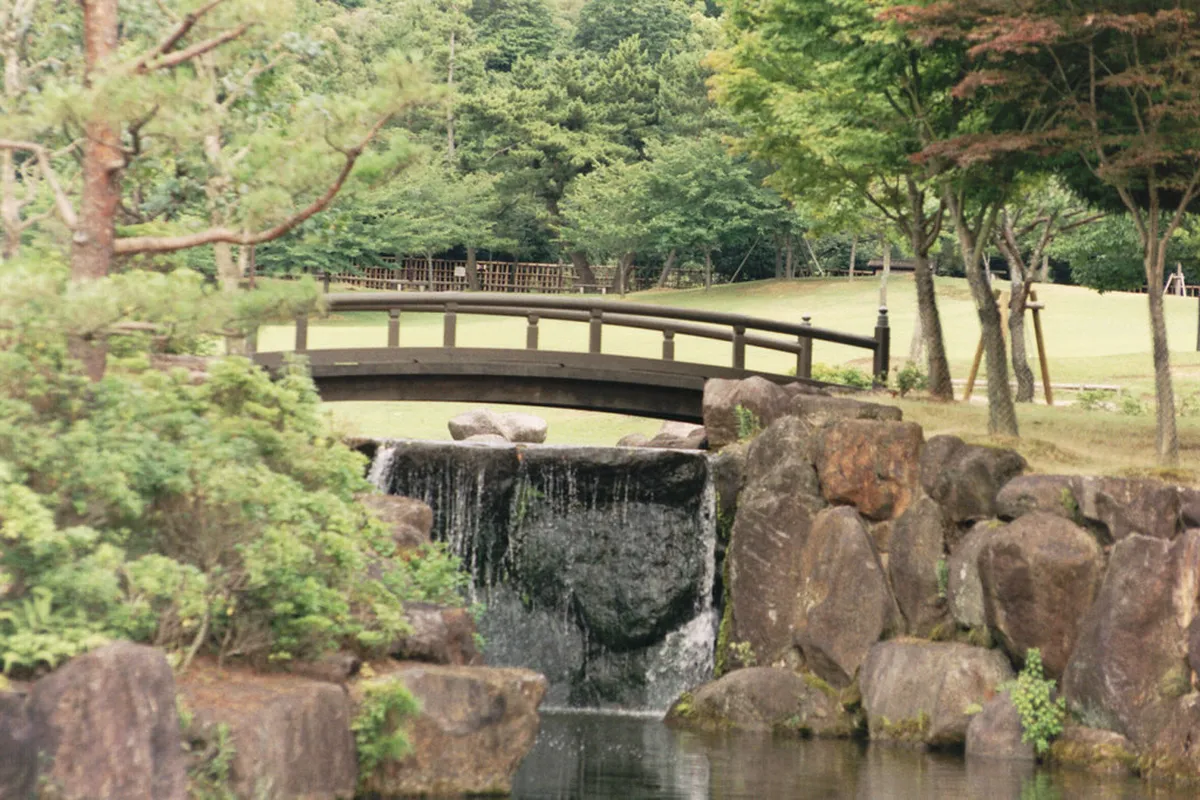
Walk the road connecting the two temples rather than taking a bus. This two-kilometre path passes soba restaurants, a small sake brewery, and traditional wooden townhouses that look unchanged since the Nara period. The stretch also makes the historical relationship between the two complexes feel tangible in a way that rushing between them does not.
After the temples, a short westward bus ride reaches the Heijokyo Imperial Palace ruins — the actual site of Japan's eighth-century capital, now a flat UNESCO-listed park with reconstructed buildings and free admission. This addition turns a half-day temple visit into a full narrative arc of the Nara period.
Imaicho: A Walk Through Edo-Period Japan
Imaicho near Kashihara contains the largest concentration of Edo-period merchant buildings in Japan — over 500 traditional machiya townhouses that have survived intact. Walking the grid of narrow lanes is free; a handful of historic residences charge ¥200 for entry. The district is open daily from 09:00 to 17:00, and most Mondays the inside of private homes is closed.
Take the Kintetsu Kashihara Line from Kintetsu-Nara Station to Yamato-Yagi Station and walk ten minutes south to the historic district. Bicycle rental shops near the station are useful if you want to extend your circuit to Kashihara Jingu Shrine, which is dedicated to Japan's legendary first emperor and takes about twenty minutes by bike. Kawai Sake Brewery inside the district lets you taste several varieties of local sake at no obligation to buy.
The plaques on each house explain the original trade of the merchant family — oil merchants, silk dealers, sake brewers — which gives context that most preserved townscape districts lack. Visit on a weekday to have the lanes largely to yourself. This destination works well paired with Nishinokyo as a full day on the Kashihara Line.
Mount Yoshino: Japan's Premier Cherry Blossom Destination
Mount Yoshino has more than 30,000 cherry trees blooming in a wave from lower to upper slopes across late March and mid-April. It was designated a UNESCO World Heritage Site as part of the Sacred Sites and Pilgrimage Routes of the Kii Mountain Range. The mountain itself has no entry fee, though temples like Kinpusen-ji charge ¥800 for their halls.
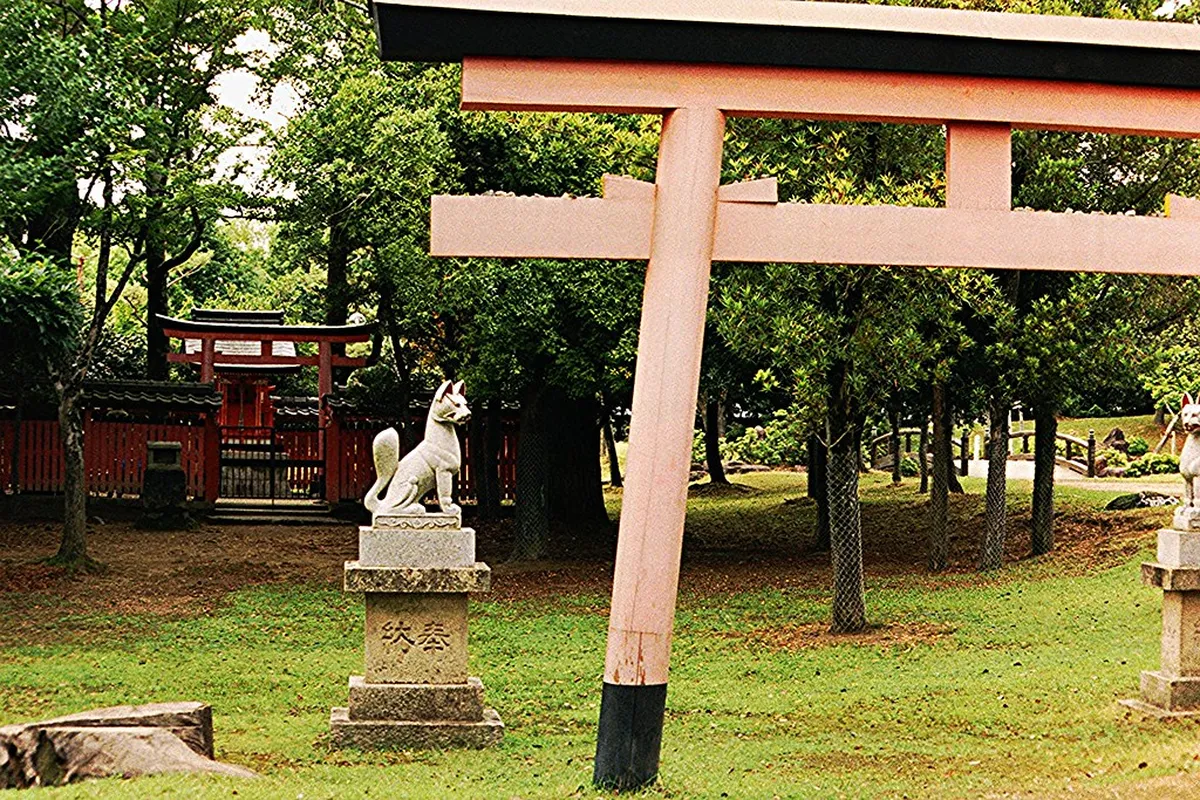
Catch a Kintetsu Limited Express from Kintetsu-Nara Station to Yoshino Station — the journey takes around 60 minutes with one transfer at Kashiharajingu-mae. From Yoshino Station a ropeway (¥450 one-way) carries you to the lower town in three minutes, or you can walk the steep approach in about twenty minutes. Most ropeway and temple facilities operate from 09:00 to 16:30.
Outside cherry blossom season, Yoshino rewards hikers with the Okugake trail — a multi-day pilgrimage route through ancient cedar forests connecting to Kumano. Even a two-hour section of the trail in autumn offers maple canopies and mountain views that are completely uncrowded. Pack lunch; restaurants in the upper town are sparse outside the spring peak.
Asuka Village: Cycling Through Ancient History
Asuka was Japan's seat of power in the sixth and seventh centuries, predating Nara itself. The village is scattered with megalithic stone carvings, mysterious burial mounds, and the ruins of palace gardens — all connected by quiet farm roads through rice fields. Most sites are free or charge small fees under ¥300; the main Ishibutai Tumulus charges ¥250 for entry.
Take the Kintetsu Yoshino Line from Kashiharajingu-mae Station — about 45 minutes from central Nara with one transfer — to Asuka Station. Electric bicycle rental costs approximately ¥1,000 per day at the shops adjacent to the station exit. Museum sites and tombs are open daily from 09:00 to 17:00. The flat cycling circuit covering the main monuments takes about three hours.
The Takamatsuzuka Tomb Museum displays reproductions of the stunning seventh-century painted murals found inside a sealed burial chamber — the originals are too fragile to open publicly. This combination of outdoor cycling through farmland and indoor museum stops makes Asuka the best choice for travelers who want active sightseeing without strenuous hiking.
Osaka: Food, Neon Lights, and Nightlife
Osaka offers the sharpest urban contrast to Nara — a city of towering signboards, covered shopping arcades, and a street food culture that routinely ranks among the best in Asia. While entry to the waterfront and shopping areas is free, budget around ¥3,000 for a full evening of food sampling in Dotonbori. Most restaurants and stalls stay open past 22:00, making this the ideal evening day trip.
The JR Yamatoji Line from JR Nara Station reaches JR Namba Station in about 45 minutes. Alternatively, the Kintetsu Nara Line from Kintetsu-Nara Station terminates at Osaka Namba in approximately 40 minutes. Both routes are covered by IC card (Suica or Icoca), which avoids queuing at ticket machines. Japan Rail Pass holders should use the JR route.
Head to the Hozenji Yokocho alleyway behind the main Dotonbori strip for a traditional atmosphere tucked between the neon. The moss-covered Fudo statue at the end of the alley draws locals who come to pray, a genuinely atmospheric contrast to the commercial thoroughfare thirty metres away.
Kyoto: The Cultural Heart of Japan
Kyoto is reachable in 45 to 60 minutes from Nara by two routes, making focused half-day visits to specific neighborhoods highly practical. The JR Nara Line connects JR Nara Station directly to Kyoto Station in about 45 minutes, while the Kintetsu Limited Express from Kintetsu-Nara Station reaches Kintetsu Kyoto Station in 35 minutes. Both pass through the southern district where the best day-trip sights cluster.
Fushimi Inari Shrine is free and open 24 hours — arriving early from Nara lets you hike the lower trail before the gates become busy. Take the JR Nara Line to Inari Station, two stops south of Kyoto Station. From there it is a two-minute walk to the iconic vermilion torii tunnel. Kiyomizu-dera, Sanjusangendo, and the Higashiyama preserved district are all within thirty minutes of Fushimi by public bus.
Resist the urge to combine Kyoto and Osaka in one day; the transit between them is short but the sightseeing at each demands time. Pick one southern Kyoto neighborhood — Higashiyama or Fushimi — and explore it slowly rather than ticking off five temples at a sprint.
Seasonal Nature Spots: Cherry Blossoms and Autumn Leaves
The timing of your visit dramatically changes which day trips are worth prioritizing. During cherry blossom season (late March to mid-April in 2026), Mount Yoshino is the unambiguous top choice — the gradient bloom up the mountainside is one of the great natural spectacles in Japan. Arrive on a weekday and take the first ropeway at 09:00 to beat the crowds that peak after 11:00.
Autumn foliage (mid-November through early December) shifts the priority toward Murou-ji Temple and Tanzan Jinja Shrine in Sakurai. Murou-ji's pagoda framed by maples against a cedar backdrop appears on countless photography calendars for good reason. Tanzan Jinja, reachable by bus from Sakurai Station, has a rare thirteen-story pagoda surrounded by some of the deepest crimson maples in the prefecture.
Summer (July–August) is the least recommended season for mountain excursions due to heat and humidity. Nishinokyo and Imaicho are better summer picks because both can be done in the morning and you can return to Nara for a cool museum afternoon. Winter is genuinely quiet: Hasedera and Murou-ji attract almost no day-trippers, admission is unchanged, and the cedar-snow combination at Murou-ji is exceptional after a snowfall.
Japan Rail Pass vs. Kansai Thru Pass: Which One Saves You Money
Most travelers arrive in Nara holding either a Japan Rail Pass or a Kansai Thru Pass, and the wrong choice can add up to ¥5,000 or more in unnecessary out-of-pocket fares across a week. The key difference is that JR Pass covers only JR-operated trains, while the Kansai Thru Pass covers the Kintetsu network — and most of the best day trips from Nara use Kintetsu lines.
If your itinerary focuses on Hasedera, Murou-ji, Nishinokyo, Asuka, and Mount Yoshino, the 3-day Kansai Thru Pass (around ¥5,200) will typically recover its cost by day two. The pass also covers subways in Osaka and Kyoto, which matters if you plan to combine those cities with rural Nara excursions. Note that the pass does not cover the Aoniyoshi sightseeing train or long-distance Shinkansen.
The Japan Rail Pass makes sense only if you are also traveling to Hiroshima, Tokyo, or other distant cities during the same trip. For Nara-focused travel, the JR routes that matter — Uji, Omiwa, and the JR Nara Line to Kyoto — amount to perhaps ¥2,000 in total individual fares, which rarely justifies even a regional JR pass. Consult the Nara Travel Tips: 12 Essential Insights for Your Itinerary page for a route-by-route cost breakdown before you buy.
Essential Logistics: JR Nara vs. Kintetsu-Nara
Understanding the difference between the two main train stations saves time every day. The Kintetsu-Nara Station sits closest to the main sights and old town district — if you arrive from Osaka or Kyoto on a private line, this is where you will disembark. It serves all the Kintetsu routes that reach Hasedera, Murou-ji, Nishinokyo, Asuka, Yoshino, and Osaka Namba.
The JR Nara Station stands about fifteen minutes walk further west from the park entrance. This station covers JR routes to Uji, Omiwa Shrine, and Kyoto via the JR Nara Line. Both stations are connected by a main street lined with shops and Maedano Donut Nara Main Store, so switching between them mid-day is easy.
Load a Suica or Icoca IC card before your first day trip to avoid buying individual paper tickets at every machine. The card works on both JR and Kintetsu trains, all Osaka and Kyoto subways, and convenience stores. Check the 9 Best Areas to Stay in Nara: Neighborhood & Hotel Guide guide for accommodation recommendations that put you walking distance from Kintetsu-Nara, which is the more useful station for the majority of these excursions.
Frequently Asked Questions
Which day trips from Nara are best for history buffs?
Asuka Village and the Nishinokyo district are the premier choices for history enthusiasts. These areas contain Japan's oldest archaeological sites and temples dating back to the seventh century. They offer a deep look into the foundations of Japanese civilization.
Is it better to take the JR or Kintetsu line for Nara day trips?
The best line depends entirely on your specific destination and whether you have a rail pass. Kintetsu is generally faster for reaching Osaka and the mountain temples in the south. JR is more efficient for visiting Uji, Kyoto, and Omiwa Shrine.
Can you visit Osaka and Kyoto as day trips from Nara?
Yes, both cities are reachable within 45 to 60 minutes by express train from Nara. This makes it very easy to enjoy dinner in Osaka or a morning temple visit in Kyoto. Just be sure to focus on one specific area per trip.
Using Nara as your home base opens up a world of ancient wonders that many tourists completely miss. From the flower-draped halls of Hasedera to the neon lights of Osaka, the variety is truly impressive. I hope this guide helps you plan a more meaningful and relaxed journey through the heart of Japan.
Remember to pace yourself and leave time to simply wander through the quiet streets of Naramachi. The best memories often happen in the quiet moments between the major landmarks. Before you depart, take time to explore the full Nara attractions guide to ensure you haven't missed any must-see spots. Safe travels as you explore the incredible day trips that Nara has to offer.
Free: The Nara Essentials guide
Top things to do, where to stay, a perfect day plan, getting around, and the best time to go — a Nara mini-guide you can take offline.
You might also like


Continue reading
More guides you'll find useful


