

Nara Travel Tips: 12 Essential Insights for Your Itinerary
Plan your Nara trip with 12 essential travel tips, including transport guides, a perfect day-trip itinerary, and advice for visiting the famous deer park.
On this page
I built this guide after my fourth visit to Nara last spring. This 1-day plan helps first-time visitors navigate the city without the usual overwhelm. I refreshed these details after my autumn visit to ensure accuracy for 2026. Nara serves as a perfect breather between the busy streets of Tokyo and Kyoto.
Many travelers only visit for a few hours to see the deer. I recommend staying longer to experience the quiet magic of the old town. This article covers everything from transport hacks to hidden garden gems. You will find these Nara Travel Tips: 12 Essential Insights for Your Itinerary essential for a smooth journey.
Transport Travel Guide: How to Get to Nara
The single most important logistical decision is which train line to use. Nara has two stations and the difference in walking time to the deer park is significant. Use the table below to pick the right line for your situation.
| Line | Station | From Kyoto (fare) | From Osaka (fare) | Walk to Todai-ji | JR Pass valid? |
|---|---|---|---|---|---|
| Kintetsu Nara Line | Kintetsu-Nara Station | ~35 min / ¥760 | ~40 min / ¥680 | ~5 min | No |
| JR Nara Line / Yamatoji Line | JR Nara Station | ~45 min / ¥720 | ~50 min / ¥780 | ~20 min | Yes |
Kintetsu-Nara Station is the better choice for nearly everyone. It deposits you five minutes from the park entrance, saving 30 minutes of walking compared to JR. The fare is similar, so there is no cost penalty unless you hold a JR Pass.
JR Pass holders face a genuine dilemma. The pass covers the JR Nara Line from Kyoto via the Miyakoji Rapid, but the walk from JR Nara Station to Todai-ji adds 20 minutes each way. If you have a full day, the walk is fine. If time is tight, pay the ¥680–¥760 Kintetsu fare out of pocket — the time saving is worth it.
Limited Express "Aoniyoshi" trains run between Osaka, Nara, and Kyoto on a scenic loop. A reservation costs around ¥620 on top of the basic fare. Seats are comfortable and the train car features traditional Nara motifs. Book through the Kintetsu app or at station kiosks — it sells out on weekends.
A local bus network covers the main attractions too. The Yellow Bus Lines 1 and 2 run in a circle past all major temples. A day pass costs ¥500 and is best bought at the station after arrival. Single trips cost ¥210 paid directly on board.
Spending a Day in Nara: The Full Walking Plan
The most efficient route starts at the furthest point from the station and works back. Arrive by 08:30 to beat the large tour groups that flood in by 10:00. Luggage storage lockers are available inside Kintetsu-Nara Station for around ¥800 per bag.
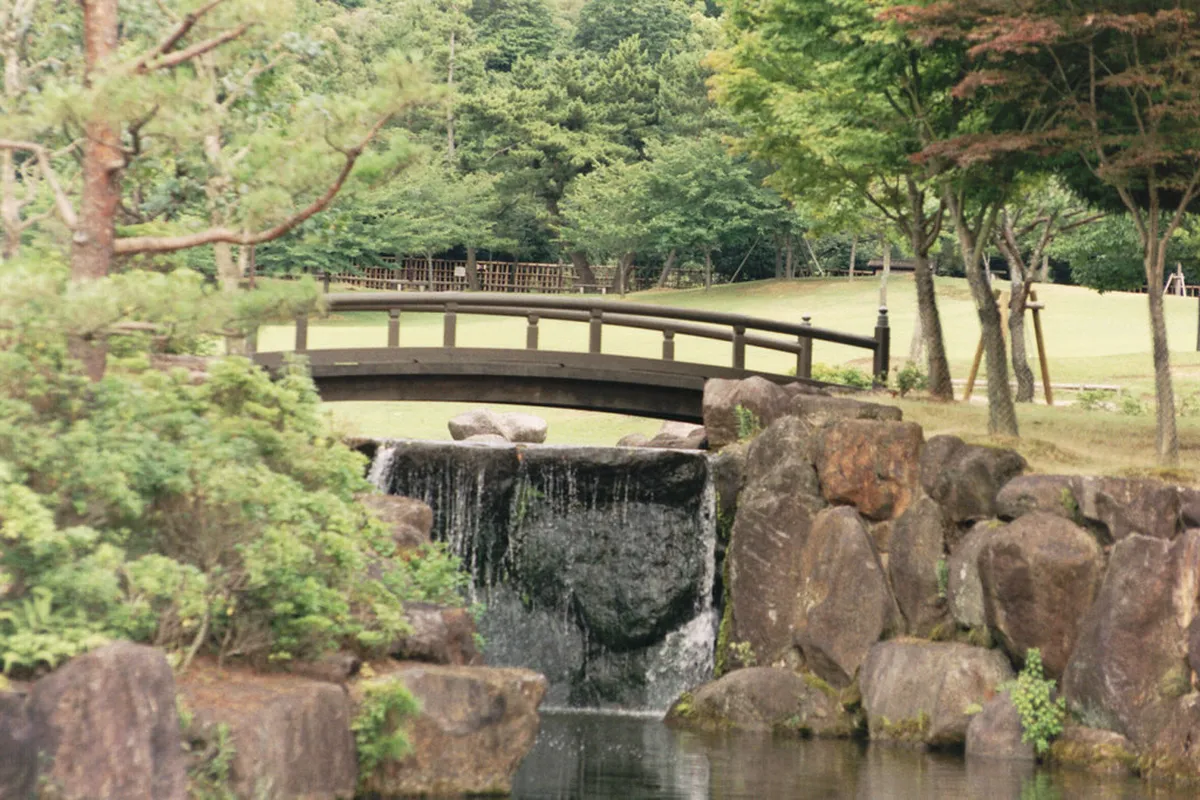
Walk northeast to Kasuga Taisha Shrine first — it takes 30 minutes on foot through the forest. This UNESCO World Heritage Site lines its paths with over 3,000 stone and bronze lanterns. The outer grounds are free; the inner precinct costs ¥500 and closes at 17:30. Deer roam the forest approach and the atmosphere before 09:30 is quietly spectacular.
From the shrine, loop west through the deer park toward Todai-ji. This stretch is the heart of the Nara experience — deer wander freely and approach confidently once they spot crackers. Buy two packs of shika senbei (¥200 each) from official vendors to avoid running out quickly.
After Todai-ji, visit the gardens. Yoshikien Garden is free with a foreign passport and contains a moss garden, pond garden, and tea ceremony garden. Isuien Garden next door costs ¥1,200 and includes a small museum. Both are uncrowded compared to the main temple area.
Finish in the afternoon at Naramachi, the old merchant district south of Sarusawa Pond. The covered Higashimuki shopping arcade connects back toward Kintetsu-Nara Station. Allow at least 90 minutes to browse the craft shops and stop for food before departing.
- 08:30 — Arrive at Kintetsu-Nara Station, store bags, grab coffee at Rokumei Coffee (opens 08:00)
- 09:00 — Walk to Kasuga Taisha Shrine (30 min, free outer / ¥500 inner)
- 10:00 — Nara Deer Park and shika senbei feeding
- 11:00 — Todai-ji Great Buddha Hall (¥800 entry, opens 07:30)
- 12:30 — Yoshikien Garden (free with passport) or Isuien Garden (¥1,200)
- 14:00 — Lunch near Higashimuki arcade (gyukatsu, persimmon sushi, or donuts)
- 15:00 — Naramachi merchant district and Nakagawa Masashichi Shoten
- 16:30 — Nigatsu-do Temple for sunset views over the city (free, grounds open 24/7)
- 17:30 — Return to Kintetsu-Nara Station for trains back to Kyoto or Osaka
Todai-ji Temple: What to Expect Inside
Todai-ji is the most visited site in Nara and the reason most people come. The Daibutsuden (Great Buddha Hall) is the largest wooden building in the world and houses a 15-metre bronze Buddha dating to 752 AD. Admission is ¥800 per adult and the temple opens daily at 07:30 (closes at 17:30 Nov–Feb, 17:00 in March, 17:30 Oct).
Walk through the Nandaimon Gate before entering — the two 8-metre wooden guardian figures inside are among the finest examples of Kamakura-period sculpture in Japan. Most visitors rush past them. The reflection pond (Kagami-ike) just south of the outer wall is worth stopping at for photos.
Inside the hall, look for the pillar with a small hole bored through its base. Local legend holds that anyone who can squeeze through the hole will receive wisdom and good fortune. The hole is roughly the same size as the Buddha's nostril. Children manage it easily; adults require some determination.
After Todai-ji, the Nigatsu-do sub-temple sits on the hill above. It is free and technically open 24 hours. The wooden veranda offers the best elevated view of the deer park and surrounding cedar forest. Visit at sunset if your schedule allows — the crowds thin noticeably after 16:00.
Nara Deer Park Etiquette: How to Feed the Sika Deer Safely
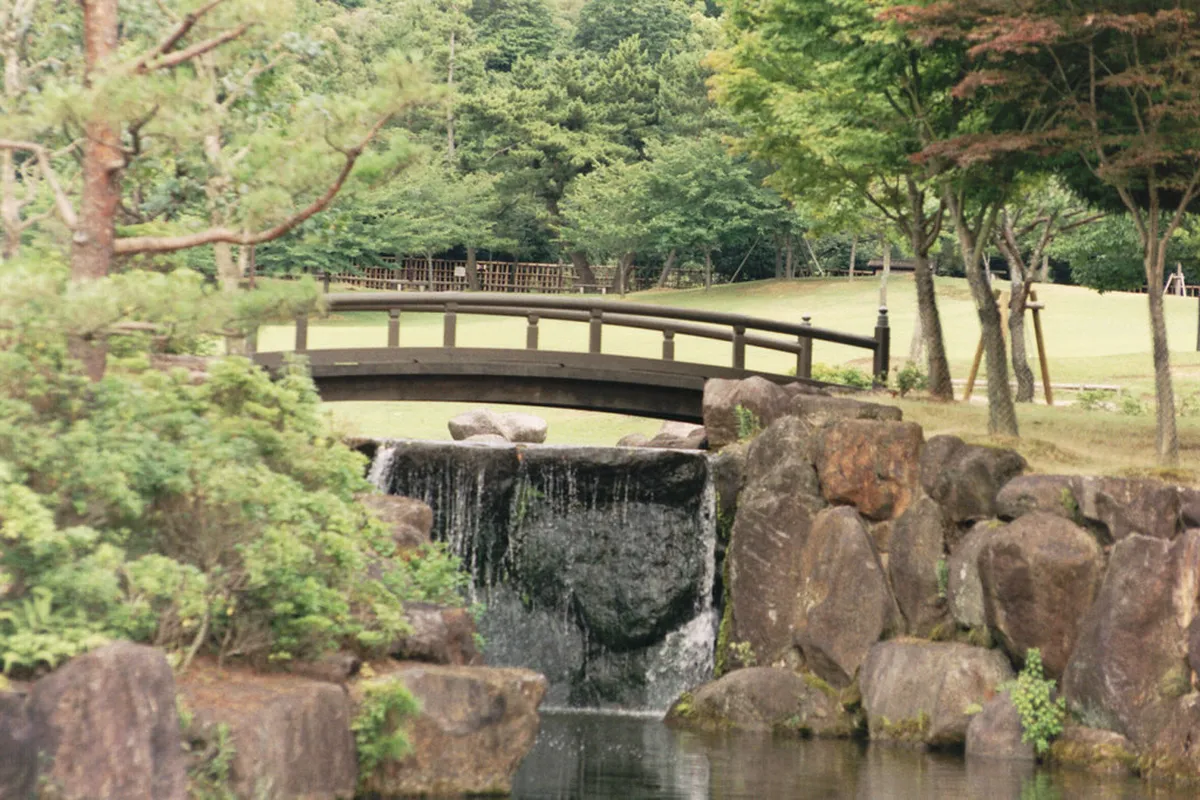
Over 1,200 wild sika deer live in Nara Deer Park and they have learned that humans mean food. They are not dangerous, but they are assertive and will headbutt bags and tug at clothing when they smell crackers. Following a few simple rules keeps the interaction fun rather than stressful.
- Keep shika senbei hidden until you are ready to feed. Deer can smell through bags and will crowd around you immediately once you produce them.
- Bow before offering a cracker — trained deer often bow back before accepting the food. This is the behaviour that made Nara's deer famous online.
- Do not turn your back on a deer that is still expecting food. The larger males will headbutt from behind; it is not aggressive but it will knock you off balance.
- Never approach a deer from behind for petting or photos. Deer have a strong kick reflex when startled from the rear. This is the most common cause of minor injuries in the park.
- Discard empty cracker wrappers in bins immediately. Deer eat plastic packaging and it causes serious harm.
- Antlers are only present on males and are cut every year in October. Visit outside antler season and the males look identical to the females.
The calmer deer tend to congregate near the Nara National Museum, slightly removed from the main Todai-ji approach path. If you find the main area too chaotic, walk five minutes south and the herd thins out considerably.
When to Go: Beating the Tour Bus Rush
Nara is a day-trip destination for hundreds of thousands of visitors from Kyoto and Osaka, and the timing patterns are predictable. Tour buses begin arriving at Todai-ji between 09:30 and 10:00. By 10:30, the approach path to the Great Buddha Hall fills with dozens of school groups moving in formation.
The practical solution is to invert the standard itinerary. Start at Kasuga Taisha (the furthest point) before 09:00 when it is nearly empty. Reach Todai-ji by 10:00 — you will queue briefly but the inside clears faster than the approach. By 11:30, when most day-trippers are arriving, you will be finishing in the gardens.
Late afternoon is the second quiet window. After 15:30, tour buses begin their return runs and the deer park empties significantly. If your train schedule allows, Nigatsu-do and the park area around 16:00–17:00 feel entirely different from the morning rush. The light is also better for photographs.
Weekday visits (Tuesday through Thursday) are markedly quieter than weekends and Japanese public holidays. Cherry blossom season (late March to mid-April) and autumn foliage season (mid-November) are the two peak periods — add 40–60 minutes to every queue estimate during those weeks.
Museums, Art, and Culture in Nara
The Nara National Museum sits at the southwest edge of the deer park and is easy to combine with a garden visit. Founded in 1889, it holds an extensive collection of Japanese Buddhist art, calligraphy, and metalwork. Standard admission is ¥700; special exhibitions cost more. The museum is closed Mondays.

Nakagawa Masashichi Shoten, founded in 1716, is the best single stop for high-quality Nara souvenirs. The flagship store in the Mochiidonocho old town district stocks ceramics, linens, lacquerware, and locally produced goods across multiple floors. It is far better value and quality than the tourist-oriented stalls near the station.
Salon Naramachi, adjacent to the Nakagawa store, offers a proper tea ceremony experience inside a restored Machiya merchant house. You can order traditional matcha with mochi and sit on tatami mats without pre-booking during weekdays. The experience lasts about 40 minutes and costs around ¥1,000–¥1,500 depending on the set.
Kofukuji Temple, at the pond near the old town, features Japan's second-tallest wooden pagoda. The five-storied pagoda is currently under renovation until March 2031, but the surrounding grounds and the National Treasure Museum (¥800) remain open. The Eastern Golden Hall (¥300 separately) houses a collection of Heian-period Buddhist sculptures.
Tips for Extra Places Worth Visiting
Isuien Garden is the most photogenic traditional garden in Nara. The ¥1,200 entry includes a small museum and the garden uses a technique called "borrowed scenery" — the design frames Todai-ji's Great Buddha Hall as a living backdrop. Open 10:00–16:30, closed Tuesdays.
Yoshikien Garden next door is free for foreign visitors with a passport. It contains three distinct gardens in a compact space: a pond garden, a moss garden, and a tea ceremony garden. It is consistently quieter than Isuien and just as well maintained. Open 09:00–17:00.
For food, Maedano Donut near Higashimuki sells simple fresh-baked donuts in flavors that rotate weekly. Expect to pay ¥200–¥300 per piece. Sarutahiko Coffee in the Mochiidonocho area is the best specialty coffee stop in Nara — the same building houses the Nakagawa Masashichi Shoten flagship. Persimmon leaf sushi (kakinohasushi) from takeaway stalls near the station makes an excellent train snack for the return journey.
If you have a second day, Horyu-ji Temple is 20 minutes by JR train from Nara. It contains some of the oldest surviving wooden buildings on earth, dating to 607 AD. Admission is ¥1,500. Mount Wakakusa is a short hike (¥150 entry) offering panoramic views of the city — the ascent takes about 30 minutes.
Is an Overnight Stay Worth It?
Most visitors treat Nara as a half-day trip. Staying overnight changes the experience entirely. After 18:00, the deer park belongs almost exclusively to overnight guests and the occasional local. Kasuga Taisha's stone lanterns take on an entirely different character in the evening, especially in February (Setsubun Mantoro) and August (Chugen Mantoro) when all 3,000-plus lanterns are lit.
The area near Kintetsu-Nara Station offers the most hotel options. Miroku Nara by The Share Hotels is a design-focused modern property popular with younger travelers. Nipponia Hotel Nara Naramachi occupies a restored machiya merchant house and is the best choice for atmosphere. Prices generally run ¥15,000–¥40,000 per night depending on property and season.
Check our 9 Best Areas to Stay in Nara: Neighborhood & Hotel Guide guide for a full comparison of neighborhoods and price tiers. An overnight stay also makes it practical to visit Horyu-ji or Mount Wakakusa the following morning before crowds gather.
Nara in Your Japan Itinerary: The "Breather Day"
Nara works best on a Japan trip as a buffer day between Kyoto and Osaka — or as a day trip from either city. Many first-time visitors develop "temple fatigue" after three or four days in Kyoto. Nara's appeal is different: the deer and the open park space break the cycle of indoor shrine visits.
If you are comparing time in Kyoto versus a day in Nara, the answer depends on how much temple-dense sightseeing you can absorb. Check our guide to the best of Kyoto for a direct comparison of Kyoto's temple density versus Nara's more park-like experience. For most itineraries of ten days or more, Nara earns a full day of its own.
For a two-week Japan trip, Nara fits naturally on the transit day between Kyoto and Osaka. Arrive from Kyoto in the morning, spend the full day, and continue to Osaka in the evening. See our two-week Japan itinerary for how this fits within a broader Tokyo-Hakone-Kyoto-Nara-Osaka-Hiroshima loop.
Booking Tips and Practical Preparation
Most of Nara's major attractions require no advance booking. Todai-ji, Kasuga Taisha, and the gardens are pay-at-the-gate. The main exception is accommodation during cherry blossom season (late March to mid-April) and autumn foliage season (mid-November) — book hotels at least 60 days out.
The Aoniyoshi sightseeing train is the one transport booking that benefits from advance reservation. Tickets sell out on weekends within days of release. Book via the Kintetsu app or at the station kiosk. The basic fare is ¥680–¥760 plus a ¥620 reservation fee.
Guided tours like the Klook Kyoto Arashiyama and Nara Scenic Tour combine both destinations in one day and handle all transport logistics. This is a good option if you are short on planning time or want a structured experience for a first-time visit. Book at least 14 days ahead for popular departure dates.
For overnight stays, the Miroku Nara by The Share Hotels is one of the most-requested properties and fills quickly during peak season. Carry a portable SIM or eSIM — Google Maps with offline Nara maps downloaded in advance will save you repeatedly at junctions in the deer park where signage is sparse.
Frequently Asked Questions
Which Nara travel tips fit first-time visitors?
First-timers should prioritize the Kintetsu-Nara Station for a shorter walk. Always carry small coins for deer crackers. Start your day before 9:00 AM to beat the large tour buses.
Is Nara worth an overnight stay?
Yes, staying overnight lets you see the park without the day-trip crowds. You can enjoy quiet evening walks in Naramachi. It is a peaceful alternative to busy Kyoto.
How much time should you plan for Nara attractions?
Plan for at least six to eight hours for a full experience. This allows time for the Great Buddha and the deer park. Add four hours if visiting Horyu-ji.
Nara is a magical destination that offers more than just deer. By following these tips, you can enjoy a stress-free cultural journey. I hope this itinerary helps you discover the city's hidden beauty. For a comprehensive list of all attractions worth visiting, check our Nara attractions guide. Safe travels as you explore this historic heart of Japan.
Free: The Nara Essentials guide
Top things to do, where to stay, a perfect day plan, getting around, and the best time to go — a Nara mini-guide you can take offline.
You might also like


Continue reading
More guides you'll find useful


