
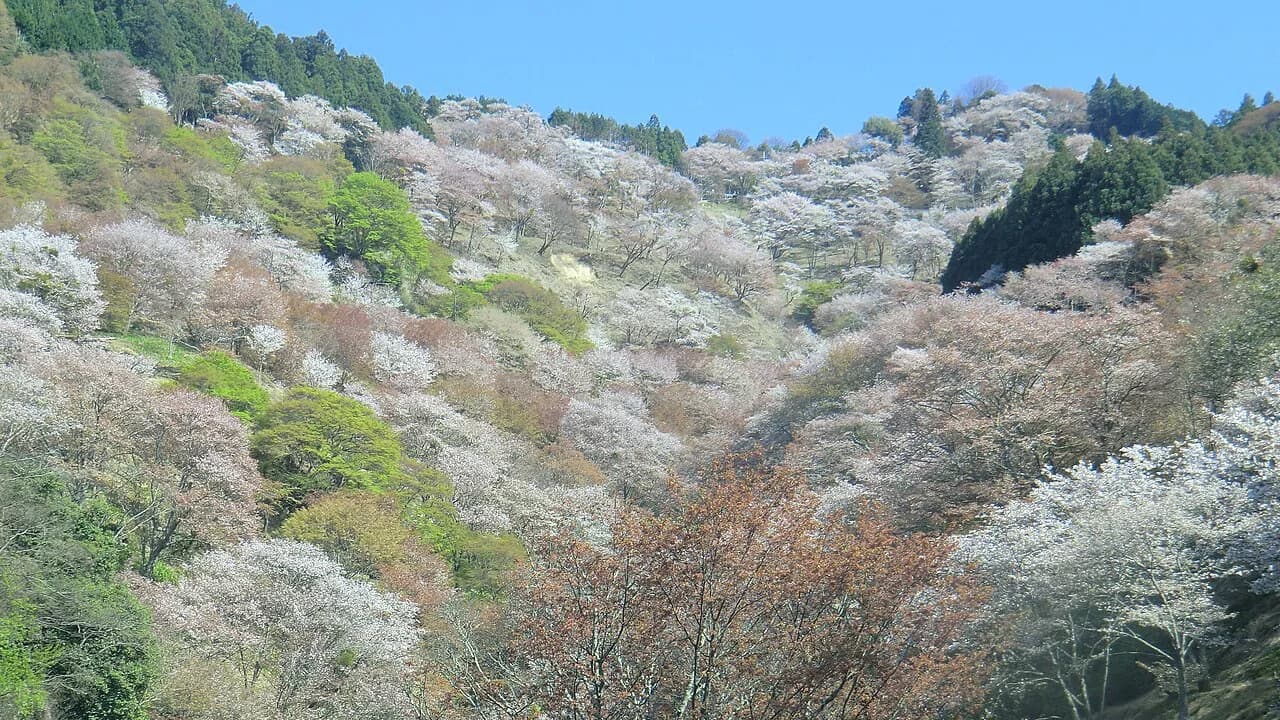
Yoshinoyama, or Mount Yoshino, stands as a premier destination in Japan for its breathtaking natural beauty. This sacred mountain is particularly famous for its spectacular cherry blossoms. It also holds deep historical and cultural significance as a UNESCO World Heritage site. Our comprehensive yoshinoyama visitor guide helps you plan an unforgettable journey.
Mount Yoshino is located in Nara Prefecture, easily accessible from major cities. Visitors can explore ancient temples, serene shrines, and stunning viewpoints. This guide covers everything from transport to dining, ensuring a smooth trip. Prepare to immerse yourself in Japan's spiritual heartland.
Welcome to Yoshinoyama: An Overview
Yoshinoyama is a sacred mountain located in Nara Prefecture, Japan. It is renowned worldwide for its thousands of cherry trees. This area has been a pilgrimage site for centuries. Its natural beauty and spiritual heritage combine for a unique experience.
The mountain is divided into four main areas: Shimo-senbon (lower), Naka-senbon (middle), Kami-senbon (upper), and Oku-senbon (inner). Each area offers distinct views and attractions. This tiered layout allows for a prolonged cherry blossom season. It also provides diverse hiking opportunities. Yoshinoyama became part of the UNESCO World Heritage site 'Sacred Sites and Pilgrimage Routes in the Kii Mountain Range' in 2004. This recognition highlights its profound cultural importance. It continues to draw visitors seeking both natural wonder and spiritual reflection.
Beyond its famous sakura, Yoshinoyama offers a rich tapestry of history and tradition. Ancient temples and shrines dot the landscape. These sites tell stories of emperors, monks, and warriors. A visit here offers a glimpse into Japan's enduring heritage.
Why Yoshinoyama is a Must-Visit Destination
Yoshinoyama's primary allure is its unparalleled cherry blossom display. Over 30,000 cherry trees blanket the mountain in spring. The blossoms unfold in stages from the lower slopes to the summit. This creates a stunning pink and white spectacle for several weeks.
Beyond sakura, the mountain is a spiritual center for Shugendo, an ascetic religion. Visitors can explore ancient temples like Kinpusen-ji, a UNESCO World Heritage site. Its impressive Zao-do Hall houses powerful Buddhist statues. This spiritual depth adds another layer to your visit.
The area also offers incredible trekking opportunities through lush forests. Panoramic views of the surrounding Kii Mountain Range await hikers. You can discover hidden shrines and tranquil pathways along the way. Every turn reveals a new natural wonder.
Planning Your Trip: Best Time to Visit Yoshinoyama
The most popular time to visit Yoshinoyama is during cherry blossom season. This typically occurs from late March to mid-April. Exact dates vary yearly based on weather conditions. Monitor blossom forecasts for the best viewing experience.
Autumn also transforms Yoshinoyama into a vibrant tapestry of colors. Maple leaves turn brilliant shades of red and gold from late October to late November. This season offers cooler temperatures and fewer crowds than spring. It is perfect for serene walks and photography.
Summer brings lush greenery and pleasant hiking weather from June to August. Winter, from December to February, offers a quiet, often snow-dusted landscape. Each season provides a unique perspective of Yoshinoyama's beauty. Consider your preferred activities when planning your trip.
Getting to Yoshinoyama: Transportation Guide
Reaching Yoshinoyama involves a train journey followed by local transport. From major cities like Kyoto or Osaka, take the Kintetsu Limited Express train to Yoshino Station. The entire trip usually takes about 1.5 to 2 hours. Purchase your tickets in advance during peak season.
Upon arrival at Yoshino Station, you have several options for ascending the mountain. The Yoshino Ropeway offers a scenic ride to the Shimo-senbon area. This historic ropeway operates frequently during peak times. You can also take a local bus or walk up the mountain roads.
During cherry blossom season, special shuttle buses run between the main viewing areas. These buses help manage crowds and reduce walking distances. Consider purchasing a one-day pass for convenience. Always check the operating schedule for the Mount Yoshino Ropeway. Ensure smooth travel planning.
Walking is also a viable option for those who enjoy hiking. The path from Yoshino Station to the summit is well-marked. It offers beautiful views along the way. Allow ample time if you choose to walk the entire route.
Top Things to Do in Yoshinoyama: Attractions & Activities
Yoshinoyama offers a wealth of attractions, blending natural beauty with spiritual sites. Start your exploration at the iconic Kinpusen-ji Temple, a UNESCO World Heritage site. Its Zao-do Hall is one of Japan's largest wooden structures. This temple is central to the Shugendo religion.
Visit Yoshimizu Shrine, which offers stunning panoramic views of the cherry blossoms. This shrine also holds significant historical importance. It once served as a temporary imperial residence. Nearby, Nyoirin-ji Temple houses a famous statue of Emperor Go-Daigo.
Explore the various viewpoints scattered across the mountain. Saigyo-an, a hermitage, provides a tranquil spot for reflection. Hanayagura Viewpoint offers spectacular vistas of the entire mountain. The Yoshino area offers many photo opportunities. Take your time enjoying the scenery.
Beyond temples, enjoy leisurely walks through the cherry tree groves. Discover quaint shops selling local crafts and sweets. You can also participate in seasonal events and festivals. These activities offer a deeper connection to local culture.
Exploring Yoshinoyama's Rich History and Culture
Yoshinoyama boasts a history stretching back over 1,300 years. It is the birthplace and spiritual heart of Shugendo. This unique Japanese religion combines elements of Buddhism, Shinto, and mountain worship. Ascetic monks have trained on these sacred slopes for centuries.
Kinpusen-ji Temple stands as the head temple of Shugendo. Its Zao-do Hall embodies the religion's spiritual power. The temple grounds house numerous historical artifacts. These treasures tell stories of its long and profound past. You can learn more about its history here.
Yoshinoyama also played a crucial role in Japanese imperial history. Emperor Go-Daigo established his Southern Court here in the 14th century. Yoshimizu Shrine served as his temporary palace during this period. These historical connections add to the mountain's mystique.
Visitors can feel the weight of history in every ancient stone path and weathered temple. The spiritual atmosphere is palpable throughout the mountain. Exploring these sites offers a profound cultural experience. It connects you to Japan's ancient traditions.
Where to Stay in Yoshinoyama: Accommodation Options
Yoshinoyama offers a range of accommodation options, primarily traditional Japanese inns (ryokan). These establishments provide a quintessential Japanese experience. Many ryokan feature hot springs and serve exquisite local cuisine. Booking well in advance is crucial, especially during peak seasons.
For a unique spiritual experience, consider staying at a shukubo, or temple lodging. These guesthouses are typically run by temples. They offer simple rooms and vegetarian meals. Some shukubo allow guests to participate in morning prayers. This provides a deep cultural immersion.
Several hotels and guesthouses are also available, catering to various budgets. Many offer stunning views of the surrounding mountains. Prices can fluctuate significantly based on the season. Always check cancellation policies before confirming your reservation.
For those seeking more modern amenities, consider staying in Nara City or Osaka. These cities offer a wider range of hotels. You can then take a day trip to Yoshinoyama. This option works well if you prefer city comforts.
Savoring Yoshinoyama: Local Food and Drink
Yoshinoyama offers a delightful array of local delicacies unique to the region. One must-try is Yoshino kuzu, a traditional starch used in sweets and dishes. Kuzu mochi, a translucent, jelly-like dessert, is particularly popular. Many shops sell fresh kuzu products.
Persimmon leaf sushi, or Kakinoha-zushi, is another regional specialty. Fresh fish like mackerel or salmon is pressed onto rice and wrapped in persimmon leaves. The leaves impart a subtle flavor and act as a natural preservative. You can find this at local eateries.
Local restaurants often feature dishes made with fresh mountain vegetables and wild game. Look for soba noodles made with Yoshino spring water. Try local sake brewed in Nara Prefecture. Many establishments offer set menus featuring these regional delights.
Don't miss the chance to sample local tofu, known for its rich flavor and smooth texture. Visit shops like Yoshinoyama Tofu for fresh, handmade varieties. Traditional tea houses also offer a relaxing break with matcha and sweets. Enjoy the authentic tastes of Yoshino.
Practical Tips for Your Yoshinoyama Visit
Wear comfortable walking shoes, as you will be doing a lot of walking up and down slopes. The mountain paths can be steep and uneven in places. Layered clothing is also advisable, especially during spring and autumn. Weather can change quickly in mountainous areas.
Book accommodations and popular tours well in advance, particularly during cherry blossom season. Many places get fully booked months ahead. Confirming your plans early ensures you get your preferred options. This helps avoid last-minute stress.
Carry some cash, as not all smaller shops and eateries accept credit cards. While ATMs are available, having small denominations is always convenient. Plan your meals strategically, especially if you visit during off-peak hours. Some establishments might have limited operating hours.
Check official websites for updated opening hours and transport schedules before your visit. This is especially important for attractions and the ropeway. For example, verify details at Hatune or Kato Yoshino. Information can change due to seasonal adjustments or events.
Consider purchasing a local transport pass if you plan to use buses frequently. This can save you money and hassle. Be mindful of local customs and etiquette, especially when visiting temples and shrines. Embrace the local culture for a richer experience.
Sample Yoshinoyama Itineraries: Make the Most of Your Day
A day trip to Yoshinoyama allows you to experience its main highlights. Start by taking the ropeway up to Shimo-senbon. Walk through Naka-senbon, visiting Kinpusen-ji Temple. Enjoy lunch at a local restaurant. Then continue to Kami-senbon for panoramic views. Descend the mountain in the late afternoon.
For a more immersive cultural experience, focus on the historical sites. Begin at Kinpusen-ji, spending ample time exploring its grounds. Visit Yoshimizu Shrine and Nyoirin-ji Temple. Enjoy a traditional meal at a ryokan. Consider a short hike to a less crowded viewpoint. This allows for deeper reflection.
If you have two days, consider staying overnight in a ryokan or shukubo. On day one, cover the lower and middle sections of the mountain. Day two can involve exploring Kami-senbon and Oku-senbon. This allows for a more relaxed pace. It also provides opportunities for early morning or late evening views.
Travelers with mobility concerns should plan carefully. The main areas are accessible, but some paths are steep. Utilize the ropeway and shuttle buses to minimize walking. Focus on key attractions in the lower and middle areas. Always check the accessibility of specific sites. Yoshinoyama offers varied terrain.
Frequently Asked Questions
What are the must-see attractions for first-time visitors to Yoshinoyama?
First-time visitors should prioritize Kinpusen-ji Temple's Zao-do Hall for its spiritual significance. Yoshimizu Shrine offers stunning views, especially during cherry blossom season. The various viewpoints like Hanayagura provide breathtaking panoramas. These sites offer a perfect introduction to Yoshinoyama's charm.
How much time do you need to visit Yoshinoyama?
A full day is recommended to experience Yoshinoyama's main attractions. This allows time for sightseeing, walking, and enjoying a local meal. If you want to explore more extensively or hike to Oku-senbon, consider an overnight stay. An overnight visit offers a more relaxed and comprehensive experience.
When is the best time to see cherry blossoms in Yoshinoyama?
The best time to see cherry blossoms in Yoshinoyama is typically from late March to mid-April. The blossoms unfurl progressively from the lower to the upper slopes. This provides a viewing period of several weeks. Check official blossom forecasts closer to your travel date for precise timing.
How do I get to Yoshinoyama from Kyoto or Osaka?
From Kyoto or Osaka, take the Kintetsu Limited Express train directly to Yoshino Station. The journey usually takes between 1.5 to 2 hours. From Yoshino Station, you can take the Yoshino Ropeway, a local bus, or walk up the mountain. Always confirm train schedules beforehand.
What local dishes should I try in Yoshinoyama?
You should definitely try Yoshino kuzu, featured in sweets like kuzu mochi. Persimmon leaf sushi (Kakinoha-zushi) is another local specialty. Look for dishes made with fresh mountain vegetables and local tofu. Many restaurants, like Yakko Yoshinoyama, offer these regional delights.
Yoshinoyama offers a truly unique travel experience, blending natural beauty with profound cultural heritage. Whether you seek vibrant cherry blossoms or tranquil spiritual reflection, this mountain delivers. Our yoshinoyama visitor guide helps you navigate its many wonders. Plan your trip to discover its timeless charm.
From ancient temples to delicious local cuisine, Yoshinoyama promises an unforgettable journey. Embrace the serene landscapes and rich history. This sacred mountain invites you to explore its every corner. Start planning your adventure to Mount Yoshino today.
For the latest official information, see the Yoshinoyama official site and Yoshinoyama on Wikipedia.
For a comprehensive list of activities and attractions, explore our guide to the 9 Best Things to Do in Yoshino.
To make the most of your visit, check out our Yoshino 1-Day Itinerary for a suggested tour route.


