
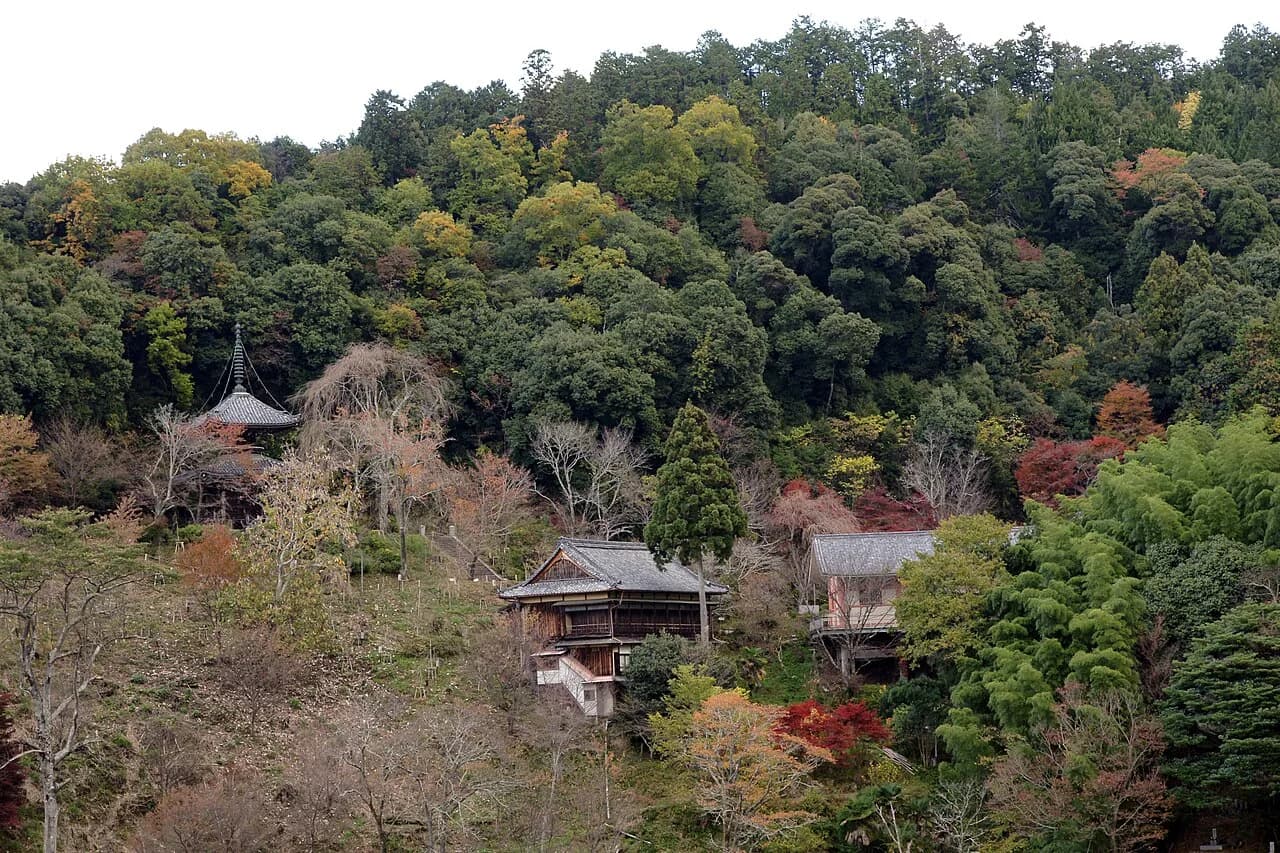
Discover the ancient charm of Nyoirin-ji Temple, a hidden gem nestled in the serene mountains of Yoshino, Japan.
This historic site offers a unique blend of spiritual significance and whimsical appeal, often known as the 'Frog Temple'.
Our comprehensive nyoirin-ji visitor guide helps you plan every detail of your journey.
Prepare for an unforgettable experience exploring its rich history and captivating attractions.
About Nyoirin-ji Temple: History and Significance
Nyoirin-ji Temple holds deep historical roots, particularly connected to Japan's Southern Court during the 14th century.
Emperor Go-Daigo sought refuge here, making it a pivotal site for political and spiritual solace.
Visitors can feel the echoes of this turbulent era within its sacred grounds.
The temple offers a profound glimpse into a significant period of Japanese history.
The temple is affectionately known as 'Kaeru-dera' or the 'Frog Temple' due to its charming frog statues.
These numerous frog figures symbolize safe returns and good luck, adding a unique, playful element to the solemn atmosphere.
They represent a distinctive cultural aspect that sets Nyoirin-ji apart from many other temples.
These statues are more than decorations; they carry meaningful local folklore.
At its heart, Nyoirin-ji enshrines Nyoirin Kannon, a Bodhisattva of Compassion.
This central deity reinforces the temple's spiritual importance for devotees and visitors alike.
The temple's collection also includes artifacts related to Emperor Go-Daigo, further enhancing its historical value.
These treasures offer tangible links to Japan's imperial past.
Planning Your Visit to Nyoirin-ji: Hours, Fees, and Access
Planning your trip to Nyoirin-ji requires checking current operating details before you go.
Admission fees and hours can vary seasonally, so confirm them on an official source like japantravel.Navitime.com.
Typically, temples open early morning and close in the late afternoon.
Always verify the latest information to ensure a smooth visit.
Reaching Nyoirin-ji involves a journey to Yoshino, a town famous for Mount Yoshino.
From Yoshino Station, local buses or taxis can take you closer to the temple.
Walking is also an option for those who enjoy scenic routes.
The path can be steep in some areas, so wear comfortable shoes.
Consider the trade-offs for different traveler types when planning your access.
Solo travelers might prefer public transport to save costs and experience local life.
Families or those with limited mobility may find a taxi more convenient, despite the higher price.
Booking a private tour could offer a stress-free experience but comes at a premium.
Spring and autumn are often considered the best times to visit Nyoirin-ji.
The cherry blossoms of Yoshino in spring are legendary, drawing large crowds.
Autumn offers stunning foliage and cooler, pleasant weather for exploration.
Visiting during off-peak seasons can provide a more tranquil and intimate experience.
Highlights of Nyoirin-ji Temple: What to See
The Main Hall stands as a primary highlight, housing important Buddhist statues and artifacts.
Take time to appreciate the intricate architecture and serene atmosphere within.
This sacred space invites quiet contemplation and reflection.
It serves as the spiritual core of the entire temple complex.
The temple's unique frog statues are undoubtedly a major draw for any nyoirin-ji visitor guide.
These charming figures are found throughout the grounds, each with its own character.
They symbolize the concept of 'kaeru,' meaning 'to return' or 'to change'.
Many visitors enjoy spotting all the different frog statues.
Explore the temple's treasure hall to see historical relics linked to Emperor Go-Daigo.
These include his armor and other personal effects, offering a tangible connection to his story.
The artifacts provide crucial insights into the temple's deep historical significance.
This collection is a must-see for history enthusiasts.
Nyoirin-ji also hosts seasonal events, such as a beautiful wind chime festival.
During this time, countless wind chimes fill the air with gentle melodies, creating a magical ambiance.
Check the temple's official schedule for specific dates to experience this unique cultural event.
Such festivals add another layer of charm to your visit.
Visitor Reviews and Experiences at Nyoirin-ji
Many visitors describe Nyoirin-ji as a peaceful and uniquely charming destination.
The quiet atmosphere provides a welcome escape from bustling city life.
Travelers often praise the temple's historical depth and its whimsical frog motif.
These elements create a memorable and distinctive experience.
Common feedback highlights the temple's serene gardens and beautiful mountain setting.
The well-maintained grounds offer stunning views, especially during cherry blossom season.
Visitors appreciate the sense of tranquility and spiritual calm found here.
It is a perfect spot for quiet reflection and photography.
A key takeaway from reviews is the importance of comfortable walking shoes due to the hilly terrain.
Some visitors note that English information might be limited, so having a translation app can be helpful.
Bringing water and snacks is also a good idea, especially on warmer days.
These practical tips can greatly enhance your visit.
For those interested in history, the connection to Emperor Go-Daigo adds significant value.
Others are simply captivated by the charming frog statues and their symbolism.
The temple appeals to both history buffs and those seeking a unique cultural experience.
Many find its distinct character truly rewarding.
Exploring Beyond Nyoirin-ji: Nearby Attractions in Yoshino
Yoshino offers a wealth of attractions beyond Nyoirin-ji, especially around Mount Yoshino.
The entire area is steeped in history and natural beauty, particularly during spring.
Consider dedicating a full day or even two to explore these fascinating sites.
This allows for a deeper appreciation of the region's charm.
Here are some top nearby attractions to consider for your nyoirin-ji visitor guide:
Each offers unique insights into Japanese culture and history.
- Mount Yoshino (Yoshinoyama)
- What: Japan's most famous cherry blossom viewing spot.
- Time: Half to full day, depending on hiking interest.
- Access: Yoshino Ropeway from Yoshino Station.
- Traveler: Nature lovers, photographers, spring visitors.
- Kinpusen-ji Temple
- What: Head temple of Shugendo, a UNESCO World Heritage site.
- Time: 1-2 hours for exploration.
- Access: Walkable from Yoshino Ropeway Upper Station.
- Traveler: History enthusiasts, spiritual seekers, architecture admirers.
- Yoshimizu Shrine
- What: Historic shrine with ties to Emperor Go-Daigo and Minamoto no Yoshitsune.
- Time: 30 minutes to 1 hour.
- Access: Short walk from Kinpusen-ji Temple.
- Traveler: History buffs, those interested in samurai legends.
- Yoshino Ropeway
- What: Oldest existing ropeway in Japan, offering scenic views.
- Time: 15-minute ride each way.
- Access: Starts near Kintetsu Yoshino Station.
- Traveler: All visitors seeking easy access to mountain attractions.
Kyoto and Nara Day Trip Ideas from Nyoirin-ji
Combining Nyoirin-ji with a day trip to Kyoto or Nara is ambitious but feasible with careful planning.
Both cities offer rich cultural experiences that complement Yoshino's natural beauty.
Consider your interests and energy levels when choosing an itinerary.
Efficient train travel makes these connections possible, though long days are expected.
Here are some suggested day trip ideas, complete with their trade-offs:
- Yoshino + Nara Highlights
- Itinerary: Morning at Nyoirin-ji/Yoshino, afternoon at Nara Park (Todai-ji, deer).
- Time: Very long day (10-12 hours travel + sightseeing).
- Cost: Moderate (train fares, entrance fees).
- Access: Train from Yoshino to Nara (transfer required).
- Traveler: History lovers, animal enthusiasts, those comfortable with early starts.
- Yoshino + Kyoto Iconic Sites
- Itinerary: Morning at Nyoirin-ji/Yoshino, afternoon at Fushimi Inari Taisha or Kiyomizu-dera.
- Time: Extremely long day (12-14 hours).
- Cost: Higher (more complex train routes, potential express fares).
- Access: Train from Yoshino to Kyoto (multiple transfers).
- Traveler: Energetic sightseers, those prioritizing iconic landmarks over depth.
- Kyoto East Half-Day Focus
- Itinerary: Dedicate a separate day to Kyoto, focusing on East Kyoto attractions.
- Time: 4-6 hours for concentrated sightseeing.
- Cost: Varies based on selected attractions.
- Access: Easily accessible by bus or subway within Kyoto.
- Traveler: Those preferring a more relaxed pace for Kyoto, or staying overnight in Kyoto.
Specific Kyoto Highlights: Entokuin and Yasaka-no-tou
If your Kyoto day trip allows, consider visiting Entokuin and Yasaka-no-tou for unique cultural insights.
These sites offer distinct experiences from the more crowded tourist spots.
They provide a deeper connection to Kyoto's rich artistic and historical heritage.
Including them in your nyoirin-ji visitor guide adds valuable perspective.
Entokuin Temple, a sub-temple of Kodai-ji, boasts a beautiful Zen garden and historical ties to Toyotomi Hideyoshi's wife, Nene.
The garden's design reflects the changing seasons, offering a peaceful retreat.
Visit in the late afternoon for fewer crowds and softer light for photography.
Entrance fees apply, so factor this into your budget.
Yasaka-no-tou, or Yasaka Pagoda, is one of Kyoto's most iconic and photogenic landmarks.
This five-story pagoda stands tall in the Gion district, creating a stunning backdrop for traditional streets.
While you cannot enter the pagoda itself, its surroundings are perfect for strolling and capturing memorable photos.
Consider an early morning visit to avoid crowds and enjoy the quiet charm of the area.
Decision criteria for these sites often depend on your interest in Zen gardens versus iconic architecture.
Entokuin offers a serene, contemplative experience for those seeking peace.
Yasaka-no-tou provides a vibrant, classic Kyoto photo opportunity.
Both are easily accessible by walking through the charming Gion and Higashiyama districts.
Houkokubyou: The Mausoleum of Toyotomi Hideyoshi
For those with a keen interest in Japanese history, Houkokubyou offers a poignant visit.
This mausoleum enshrines the revered warlord Toyotomi Hideyoshi, a pivotal figure in unifying Japan.
It provides a quieter, more reflective experience compared to bustling temples.
The site is a testament to his lasting legacy.
Located near Kyoto's Kiyomizu-dera Temple, Houkokubyou is accessible after exploring the Higashiyama district.
The approach involves climbing a series of stone steps, leading to a tranquil, forested area.
Visitors can pay their respects at the simple yet dignified tomb.
The atmosphere is one of reverence and historical significance.
Visiting Houkokubyou offers a unique decision point for history enthusiasts.
If you are deeply interested in the Sengoku period, this site provides a tangible connection to one of its greatest leaders.
Casual visitors might find it less engaging without prior knowledge of Hideyoshi's life.
There is typically no entrance fee, making it an accessible historical stop.
Practical constraints include the climb to the mausoleum, which might be challenging for some.
Allow about 30-45 minutes for the visit, including the walk up and down.
Combine it with a visit to the nearby Toyokuni Shrine, also dedicated to Hideyoshi.
This provides a more complete understanding of his veneration.
Frequently Asked Questions
How much time should you plan for Nyoirin-ji?
Plan to spend 1 to 2 hours at Nyoirin-ji Temple itself, allowing time for quiet contemplation and enjoying the unique frog statues. This duration allows for exploring the grounds, the main hall, and any available treasure exhibits. Add extra time if you wish to visit nearby attractions in Yoshino.
What should travelers avoid when planning a visit to Nyoirin-ji?
Avoid visiting without checking current opening hours and admission fees, as these can change seasonally. Also, do not wear uncomfortable shoes, as the temple grounds and surrounding Yoshino area involve some walking and hilly terrain. Finally, avoid expecting extensive English signage throughout the temple.
Is Nyoirin-ji worth including on a short itinerary?
Yes, Nyoirin-ji is worth including on a short itinerary if you appreciate unique historical sites and a peaceful atmosphere. Its distinct 'Frog Temple' charm offers a memorable experience that differs from larger, more crowded temples. You can efficiently explore the main highlights within a couple of hours.
What are the best nearby attractions to Nyoirin-ji in Yoshino?
The best nearby attractions in Yoshino include Mount Yoshino, famous for its cherry blossoms, and Kinpusen-ji Temple, a UNESCO World Heritage site. Yoshimizu Shrine and the scenic Yoshino Ropeway are also highly recommended. These sites offer diverse historical and natural beauty.
Nyoirin-ji Temple offers a captivating journey through history, culture, and unique charm in the heart of Yoshino.
This comprehensive nyoirin-ji visitor guide provides all the practical information needed for a rewarding trip.
From its imperial connections to its delightful frog statues, the temple promises a memorable experience.
Embrace the tranquility and distinct character of this special Japanese landmark.
For official details, visit the Nyoirin-ji official site and Nyoirin-ji on Wikipedia.


