
Mount Yoshino in Nara Prefecture stands as a UNESCO World Heritage site, famous for its breathtaking cherry blossoms.
This sacred mountain offers a deeply spiritual journey and stunning natural beauty.
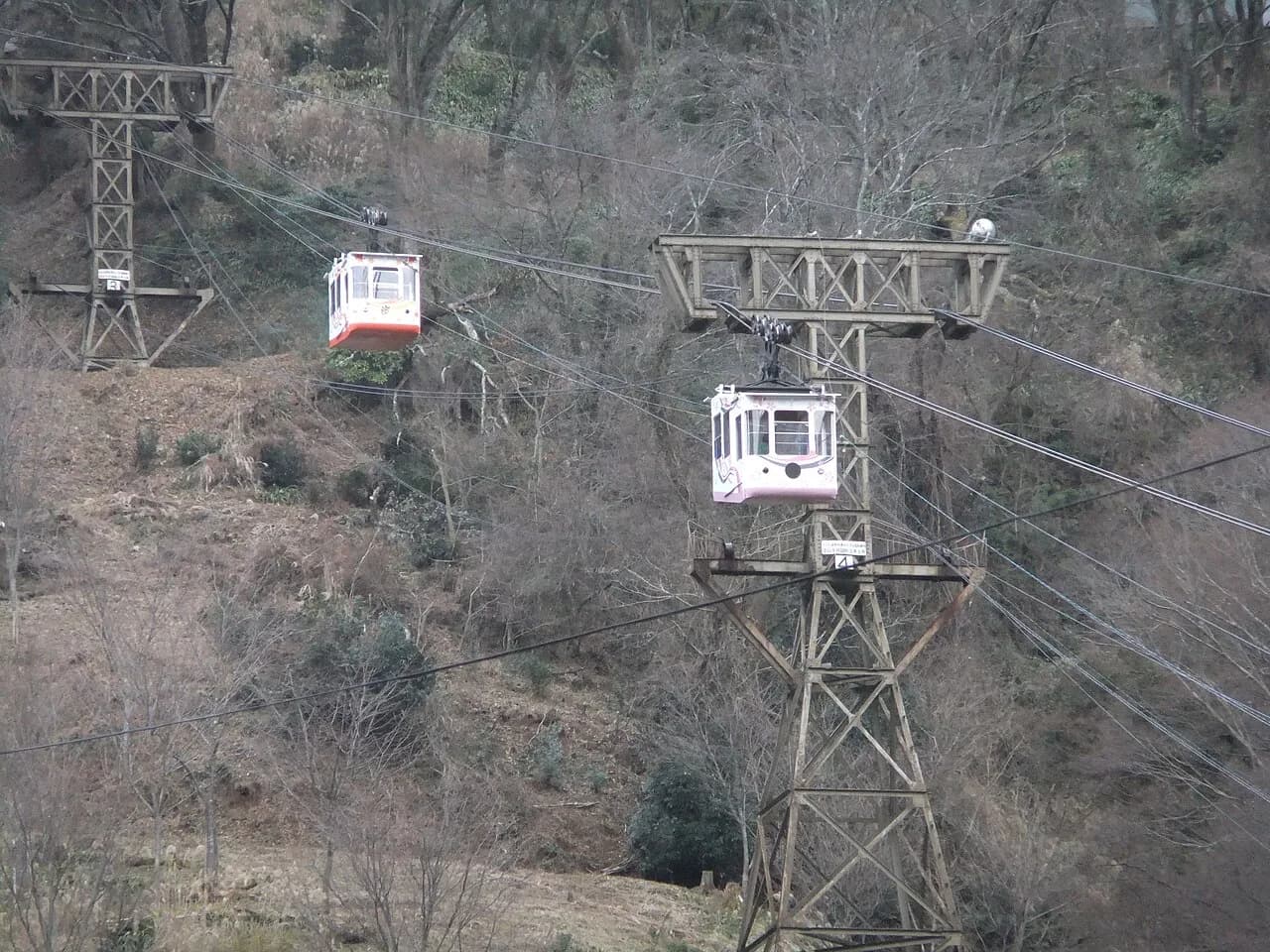
The Yoshino Ropeway provides the primary gateway to explore its many wonders, making your ascent easy.
This comprehensive yoshino ropeway visitor guide helps you plan an unforgettable trip to this iconic Japanese destination.
Quick Facts: Essential Information for Your Visit
The Yoshino Ropeway holds the distinction of being Japan's oldest ropeway, operating since 1928. It offers a short but scenic ride from Yoshino Station up to the lower slopes of Mount Yoshino. Understanding its basic operations is key for any yoshino ropeway visitor guide. This historic transport adds to the charm of your mountain adventure.
Travelers often seek specific details to plan their visit smoothly. Knowing the operating hours and ticket prices helps manage your itinerary and budget. These details are crucial for a stress-free experience on Mount Yoshino. Always check official sources for the most current information, especially during peak seasons.
The ropeway connects Yoshino Station to Yoshinoyama Station, providing quick access to the mountain's entrance. Its convenient location makes it a popular choice for all visitors. Consider this efficient option when starting your exploration of the area. It saves time and energy for more extensive sightseeing up the mountain.
- Ropeway Operating Hours
- Typically: 9:00 AM to 5:20 PM (subject to change)
- Peak Season: Extended hours during cherry blossom season
- Off-season: May have reduced schedules
- Always verify: Official Google Maps listing for current details
- Ticket Prices (One-way / Round-trip)
- Adults: ¥370 / ¥700
- Children: ¥190 / ¥350
- Payment: Cash often preferred at station
- Group discounts: May be available for larger parties
- Travel Duration & Frequency
- Ride time: Approximately 3 minutes one-way
- Frequency: Every 15-20 minutes (more frequent in peak season)
- Capacity: Each gondola holds about 20-30 people
- Views: Enjoy initial panoramic views during ascent
Planning Your Visit: Access & Transportation to Yoshino
Reaching Yoshino requires a journey by train from major Japanese cities. Your main goal is to arrive at Yoshino Station, the base of the mountain. This station serves as the starting point for your Mount Yoshino adventure. Careful planning ensures a smooth connection to the ropeway or other transport options.
From Kyoto, take the Kintetsu Express to Kashiharajingu-mae, then transfer to the Kintetsu Yoshino Line. This route offers a scenic ride through the Nara countryside. The entire trip typically takes about 90 minutes to two hours. Purchase Kintetsu Rail Pass for potentially better value.
Travelers from Osaka can also use the Kintetsu Line, often departing from Abenobashi Station. Direct express trains can reach Yoshino in about 75-90 minutes. Check schedules for limited express trains which offer faster travel. Consider reserving seats during busy travel periods.
Upon arrival at Yoshino Station, you have several options to ascend the mountain. The Yoshino Ropeway is the quickest and most popular choice, especially for first-time visitors. Alternatively, local buses run during peak seasons, offering direct routes to various areas. Walking paths are also available for those who prefer a more active ascent, though they can be steep.
Best Time to Visit Yoshino Ropeway (Seasonal Focus)
Mount Yoshino is renowned for its stunning cherry blossoms, making spring the most popular time to visit. The mountain becomes a sea of pink and white, attracting countless visitors. Mid-April typically marks the peak bloom, but this varies yearly. Plan your trip carefully to catch this spectacular natural event.
Outside of cherry blossom season, Yoshino offers distinct beauty in every season. Summer brings lush greenery and cooler mountain air, perfect for hiking. Autumn transforms the slopes into vibrant hues of red and gold, creating another picturesque scene. Winter offers a quiet, serene landscape, often dusted with snow, appealing to those seeking tranquility.
Visiting during peak cherry blossom season requires advanced planning due to immense crowds. Expect longer waits for the ropeway, buses, and popular viewing spots. Accommodation prices also surge during this period, so book well in advance. Consider visiting on weekdays or early mornings to avoid the busiest times.
For a more relaxed experience, consider visiting during the shoulder seasons. Late March or early May can still offer beautiful blooms or fresh greenery without the peak crowds. Early November for autumn foliage also provides a pleasant visit. These times offer a balance of good weather and fewer people, enhancing your yoshino ropeway visitor guide experience.
Highlights & What to See Around the Ropeway
Upon exiting the Yoshino Ropeway's upper station, you immediately enter the charming village of Yoshinoyama. This area, known as Shimo Senbon (Lower Thousand Cherry Trees), provides initial views of the mountain's beauty. Many shops and restaurants line the main street, offering local specialties. It is a great place to begin your exploration and soak in the atmosphere.
The area around the ropeway station offers several accessible attractions. You can find small temples, souvenir shops, and places to enjoy local cuisine. Many visitors pause here to take their first photos of the mountain scenery. It serves as an excellent introduction to the spiritual and natural landscape of Yoshino.
Look for unique local products like Yoshino Kuzukiri, a clear noodle dessert, and various sakura-themed goods. Sampling regional treats adds to the immersive experience of your visit. These local flavors provide a taste of Yoshino's distinct culture. Many shops have been operating for generations, offering authentic items.
Yoshino-yama Sakura: Cherry Blossom Viewing Guide
Mount Yoshino boasts over 30,000 cherry trees, planted in four distinct areas. These areas are Shimo Senbon, Naka Senbon, Kami Senbon, and Oku Senbon. The staggered bloom across these sections allows for an extended viewing period. Each area offers a unique perspective on the blossoming landscape.
The cherry blossoms typically begin blooming at the lower elevations (Shimo Senbon) and gradually move upwards. This progression means you can often witness different stages of bloom during your visit. Checking the official bloom forecast is essential for precise timing. This natural spectacle makes Yoshino-yama a prime cherry blossom destination.
For photographers, capturing the scale of Yoshino's sakura requires strategic positioning. Popular spots include the Naka Senbon area, offering panoramic views of the valley. Consider visiting early in the morning for softer light and fewer crowds. Bring a zoom lens to capture distant clusters of blossoms.
Managing crowds during peak season is a crucial aspect of a successful sakura trip. Utilize local buses to move between viewing areas, especially the upper sections. Wear comfortable shoes for walking, as many paths are uphill. Pack snacks and drinks, as popular eateries can have long lines.
Trekking and Hiking Routes on Mount Yoshino
Mount Yoshino offers a range of trekking opportunities beyond the main tourist paths. These routes allow you to immerse yourself in the mountain's natural beauty and spiritual atmosphere. Many trails lead to secluded temples and scenic viewpoints. Choose a path that matches your fitness level and available time.
The main walking route from Yoshinoyama Station leads through Shimo Senbon, Naka Senbon, and Kami Senbon. This path is well-maintained and suitable for most visitors, though it involves uphill sections. It takes approximately 1.5 to 2 hours to reach Kami Senbon on foot. Allow extra time for stops at shops and temples along the way.
For more adventurous hikers, trails extend into the Oku Senbon (Inner Thousand Cherry Trees) area. These paths are generally steeper and less crowded, offering a tranquil experience. You can discover ancient cedar forests and hidden shrines like Nyoirin-ji Temple. Consider a half-day or full-day trek for these longer routes.
Along the trails, you'll encounter historical landmarks and breathtaking vistas. The mountain is sacred to Shugendo, a syncretic religion combining Buddhism and Shinto. Many temples and shrines reflect this spiritual heritage. Respect local customs and sacred sites as you explore.
Beyond the Ropeway: Exploring Mount Yoshino's Attractions
While the ropeway provides a convenient start, Mount Yoshino's true depth lies further up the slopes. Beyond the lower village, you'll find a wealth of cultural and historical sites. These attractions offer a deeper insight into Japan's rich heritage. Exploring them enriches any yoshino ropeway visitor guide experience.
One of the most significant sites is Kimpusen-ji Temple, the head temple of the Shugendo sect. Its massive main hall, Zao-do, is Japan's second-largest wooden building. The temple grounds offer stunning views and a profound sense of history. It is a must-visit for its spiritual and architectural importance.
Further up, explore Yoshimizu Shrine, known for its connection to Emperor Go-Daigo and as a prime cherry blossom viewing spot. The shrine offers panoramic views of the Naka Senbon area. Its historical significance is as compelling as its scenic beauty. This site provides a beautiful blend of nature and culture.
Don't miss the tranquil Saigyo-an, a hermitage associated with the famous poet Saigyo. It offers a peaceful retreat and a glimpse into ancient spiritual practices. The Oku Senbon area also holds hidden gems like the Hanayagura Viewpoint. These spots offer solitude and unparalleled natural vistas.
Insider Tips for a Smooth Yoshino Experience
To truly make the most of your Yoshino visit, consider starting your day early. Arriving before 9 AM helps you avoid the initial rush at the ropeway and popular viewpoints. Early mornings also offer softer light for photography and a quieter atmosphere. This strategy is especially helpful during peak cherry blossom season.
While exploring, look for local eateries offering Yoshino's unique cuisine. Try Kakinoha-zushi (persimmon leaf sushi) or Kuzumochi (arrowroot starch cakes). Many small shops also sell delicious handmade tofu from local producers like Yoshinoyama Tofu. These culinary delights add another layer to your cultural immersion.
Pack light but bring essentials like comfortable walking shoes, water, and snacks. The mountain paths can be uneven, and amenities become scarcer as you ascend. A portable charger is also advisable for your phone, especially if using it for navigation or photos. Be prepared for varying weather conditions throughout the day.
Consider staying overnight in Yoshino to experience the mountain's serene beauty after day-trippers depart. Traditional ryokan, like Kato Ryokan or Ryokan Hatune, offer authentic Japanese hospitality. This allows you to explore at a more leisurely pace and enjoy quiet evenings. Waking up to the mountain views is an unforgettable experience.
Traveler Insights: What Visitors Say
Many visitors praise the Yoshino Ropeway for its efficiency and the spectacular views it provides. Travelers often highlight the convenience of reaching the mountain's lower slopes quickly. The historic charm of Japan's oldest ropeway also adds to the positive experience. It sets the tone for a memorable visit to Mount Yoshino.
However, some travelers note that the ropeway can become extremely crowded during peak cherry blossom season. Long queues are common, and the ride itself can feel a bit cramped. Patience is key during these busy periods, and alternative ascent options should be considered. Planning ahead can mitigate these potential challenges.
The overall sentiment towards Mount Yoshino is overwhelmingly positive, citing its natural beauty and spiritual ambiance. Many describe it as a truly unique Japanese experience, especially during sakura season. The combination of cultural sites and stunning landscapes leaves a lasting impression. It is often called a 'natural organic tranquilizer' for its calming effect.
Visitors frequently recommend allowing ample time to explore beyond the immediate ropeway area. They emphasize that the true magic of Yoshino unfolds as you ascend higher and discover hidden gems. Taking a bus or walking further up the mountain is often advised. This allows for a more comprehensive and rewarding exploration of Mount Yoshino.
Frequently Asked Questions
Which Yoshino Ropeway options fit first-time visitors?
First-time visitors should definitely use the Yoshino Ropeway for quick and scenic access to the mountain. It offers a convenient starting point for exploring the lower and middle sections of Mount Yoshino. Consider combining it with a local bus ride further up the mountain to save energy and see more attractions.
How much time should you plan for Yoshino Ropeway and Mount Yoshino?
Plan at least a half-day (4-6 hours) for a basic visit to Mount Yoshino, focusing on the lower and middle areas. For a more comprehensive exploration, including hiking and visiting upper temples, a full day (8+ hours) or even an overnight stay is highly recommended. This allows for a deeper experience of Yoshino's attractions.
When is the best time to see cherry blossoms at Yoshino?
The best time to see cherry blossoms at Yoshino is typically mid-April, though the exact peak varies each year. The bloom progresses from the lower slopes (Shimo Senbon) to the higher elevations (Oku Senbon) over several weeks. Check official bloom forecasts closer to your travel dates for the most accurate timing.
Are there hiking trails near Yoshino Ropeway?
Yes, numerous hiking trails extend from the Yoshino Ropeway's upper station. The main path leads through the village and up to the various 'Senbon' areas, offering scenic walks. More challenging trails branch off into the upper mountain, providing opportunities for deeper exploration and tranquil forest experiences.
How do I get to Yoshino Ropeway from Osaka?
From Osaka, take the Kintetsu Line from Osaka-Abenobashi Station directly to Yoshino Station. The limited express train is the fastest option, taking about 75-90 minutes. From Yoshino Station, the ropeway base is just a short walk away. This makes for an easy and direct journey to the start of your Mount Yoshino adventure.
The Yoshino Ropeway serves as your essential first step into the enchanting world of Mount Yoshino.
This yoshino ropeway visitor guide has equipped you with the knowledge to navigate its beauty, from cherry blossoms to ancient trails.
Whether seeking spiritual solace or natural splendor, Yoshino promises an unforgettable journey.
Plan your trip wisely to fully embrace the magic of this sacred Japanese mountain.
Explore things to do in Yoshino to plan your ideal day on the mountain.
For detailed travel planning, check out our guide on getting to Yoshino from Osaka and Kyoto.
For the latest official information, see the Yoshino Ropeway official site and Yoshino Ropeway on Wikipedia.


