Omizutori at Tōdai-ji: Dates, Torches & How to Watch
Plan Omizutori at Nara's Tōdai-ji: what Shunie is, when the torches burn, how crowds work, and how to get home after dark.
On this page
Last updated September 2026. Omizutori is the best-known part of Shunie, Tōdai-ji's annual spring repentance ritual at Nigatsu-dō Hall in Nara. This guide explains the dates, the Otaimatsu torches, the crowd and cold, and the late-night return you need to plan before you go.
What Omizutori Is (and Why the Torches Matter)
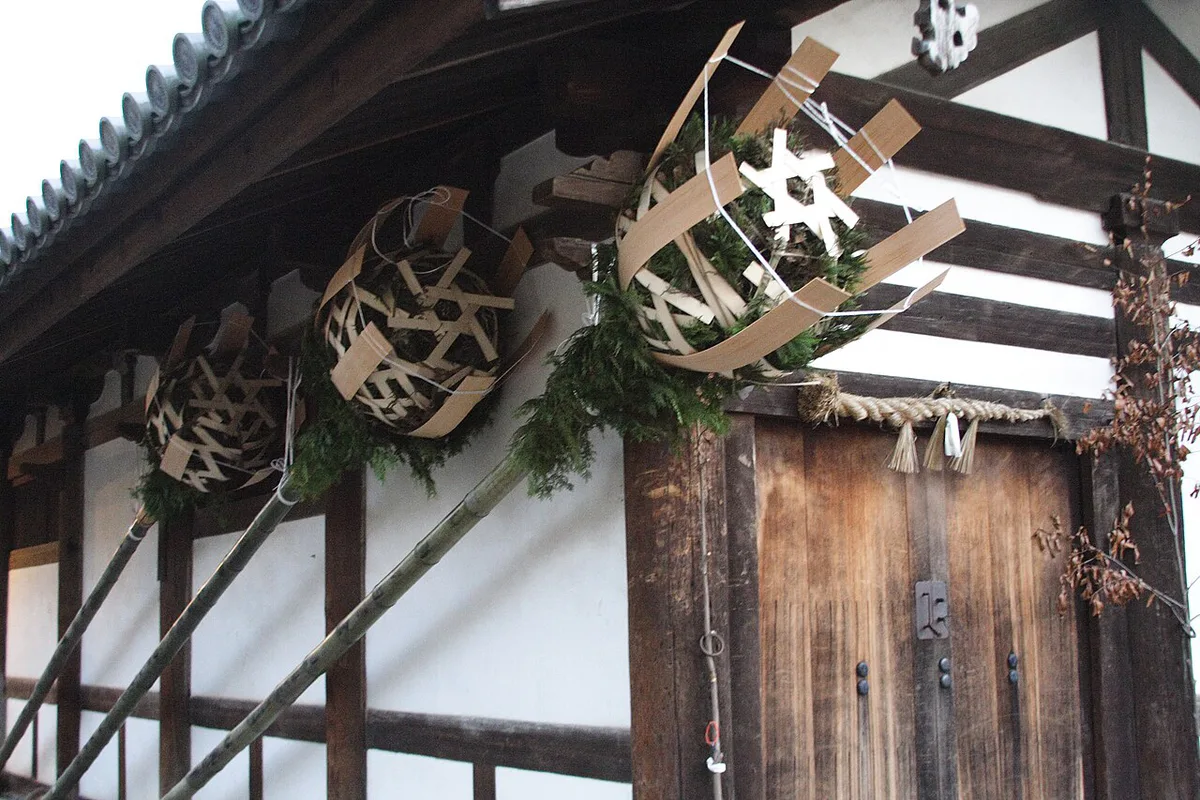
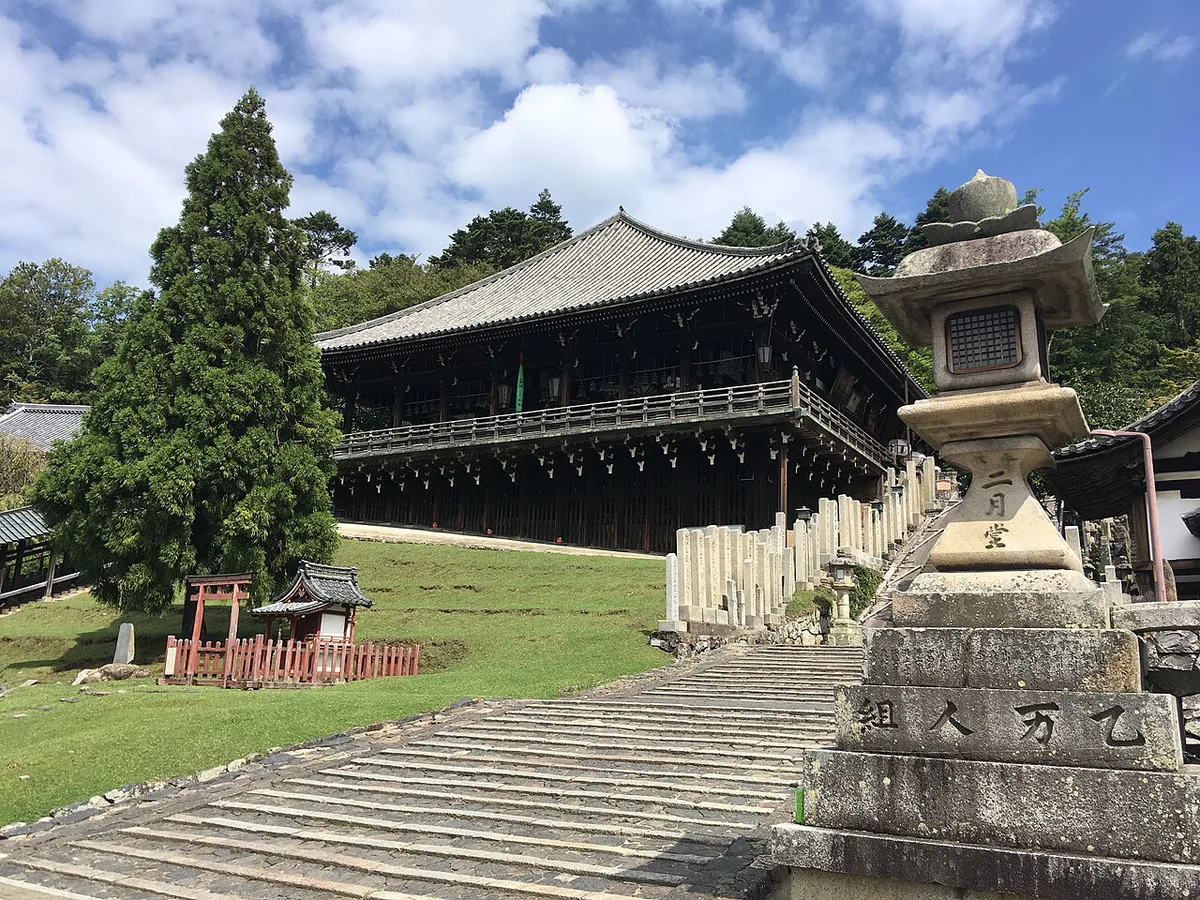
Shunie is the full ritual. Omizutori is the name most people use for it, and it is the best-known part. Otaimatsu is the torch display that draws the crowds. Monks carry giant torches along the balcony of Nigatsu-dō Hall, and sparks fall over the edge.
Shunie is formally a repentance service. According to tour listings, eleven monks known as Rengyōshū pray to the Eleven-Faced Kannon Bodhisattva. They ask forgiveness for human misdeeds and blessings for everyone. The ceremony is also tied to the arrival of spring. Tour operators say it has run for over 1,300 years. Treat that figure as a claim to confirm with the temple.
The Tōdai-ji official site is the place to check the ritual's description and any viewing rules. Read it before you commit to a night. This is a religious observance, so keep your voice low and follow staff directions.
- Shunie: the full repentance ritual at Nigatsu-dō
- Omizutori: the popular name for the ritual, and its best-known part
- Otaimatsu: the giant torches shedding sparks from the balcony
- Rengyōshū: the eleven monks who lead the prayers
When Omizutori Happens: Dates and Best Nights
Omizutori is held nightly from March 1 to March 14. The climax falls on March 12 and 13. Tour listings place the peak in the early hours of March 13. Verify the exact dates and torch schedule each year with Tōdai-ji, because the schedule can shift.
Still confirm whether the torches run every night or only on some nights. Also confirm the nightly start time and how long the display lasts. Do not assume a fixed hour from an older page.
March nights in Nara are cold. Our guide to the best time to visit Nara covers seasonal temperatures. Plan for standing outdoors in winter conditions after dark.
Peak night and ordinary night are a trade-off. The March 12–13 climax is the most dramatic and the most crowded. An earlier night in the March 1–14 window may mean thinner crowds, but check what the torches look like that night.
- March 1–14: nightly ritual period (verify yearly)
- March 12–13: climax nights, with the peak in the early hours of March 13
- Other nights: quieter, but confirm the torch schedule first
How to Watch Omizutori: Free Vantage vs. Guided Tour
You have three realistic options. You can go on your own, join a paid guided tour, or visit a daytime museum exhibition. Nara National Museum has held an Omizutori-season exhibition of ritual implements and paintings in past years. Check its current-year dates, fee and hours before planning around it.
A tour operator lists a half-day tour for March 12, 2027 only. Its price is a marketplace figure that changes, so check the current price before booking. Do not rely on any price quoted on an old page.
A tour suits travelers who want guidance and a fixed plan. Skip it if you prefer to move freely or leave early. Going alone gives flexibility but exposes you to crowd and last-train decisions yourself.
| Option | Cost | Crowd exposure | Best for |
|---|---|---|---|
| Go on your own | Transport only | High on peak nights | Flexible, self-directed visitors |
| Paid guided tour | Check current price | Handled by the operator's plan | Visitors wanting language support and timing |
| Museum exhibition | Check current fee | Daytime, lower than the torches | A daytime look at ritual implements |
Shunie Night Timeline and What to Expect
Confirm exact times with Tōdai-ji, since this guide does not give a start hour. The general order of the evening is simple. You arrive, find a place to stand, wait, watch the torches, and then leave with the crowd.
Arrive early. Crowd control, timed entry and restricted areas may apply, and you should verify the rules for your chosen night. Do not expect to enter the hall. The torch display happens on the balcony, and you watch from outside.
Expect a long wait in the cold. Sparks and smoke drift over the crowd, so wear clothes you can tolerate getting dusty. Check photography and tripod rules with the temple before you bring gear.
- Arrival: come early to secure a place before the crowd builds
- Queuing: expect standing time in winter conditions
- Torches: Otaimatsu on the Nigatsu-dō balcony
- Ending: a slow, crowded exit onto dark paths
Getting There and Getting Home
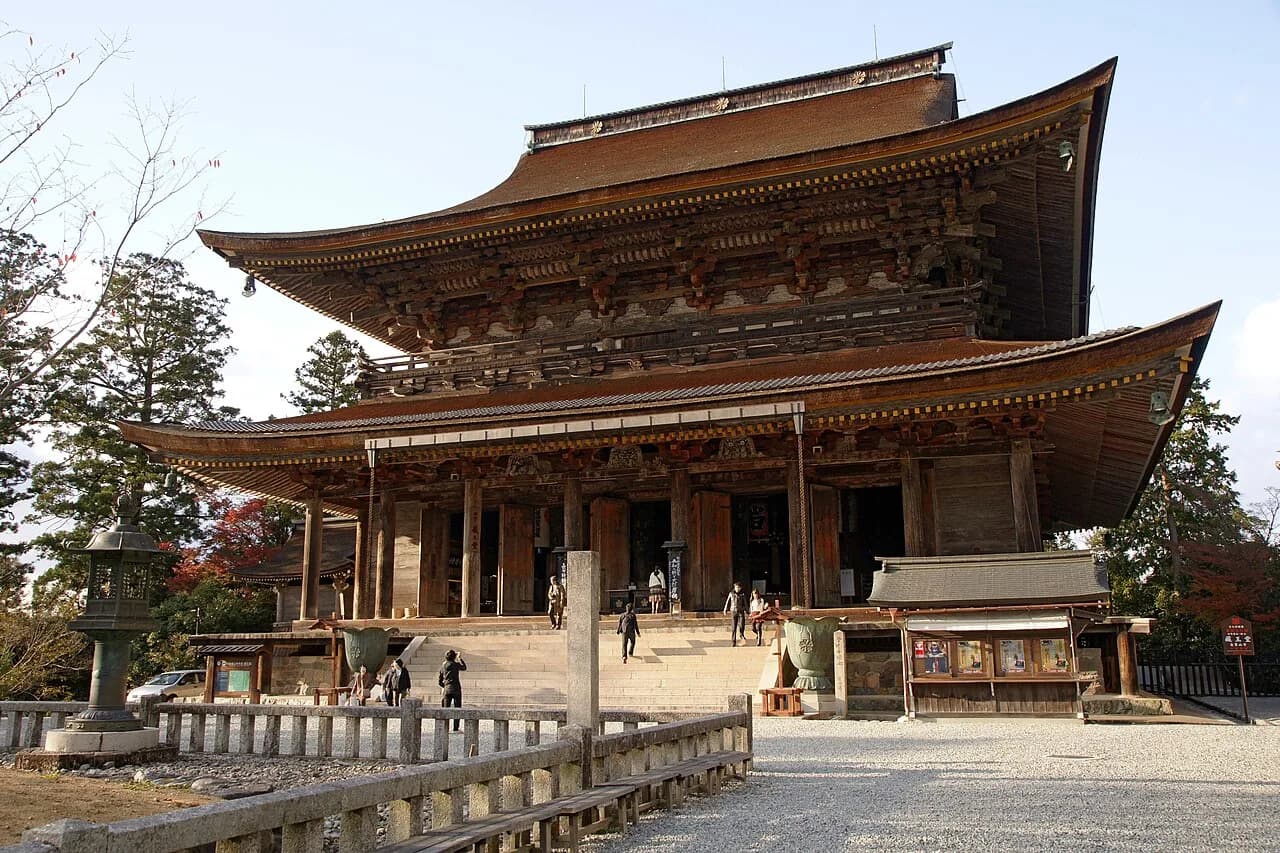
Nigatsu-dō sits within the Tōdai-ji complex in Nara. Access from Kintetsu-Nara Station is on foot. The Nara National Museum, nearby, is listed as a 15-minute walk from exit 2 at Kintetsu-Nara Station. Confirm that figure before you go. You can also reach the area from JR Nara Station by bus, per the museum's access notes.
March 12–13 peak nights draw heaviest crowds; budget extra time for congested paths, darker routes, and confirming last trains before sunset.
The walk up to the hall is on dark paths after sunset. Bring a small light and wear sturdy shoes. Allow extra time because crowds slow everyone down.
Last trains are the main risk. Check the last departures to Nara Station, Kintetsu-Nara and Osaka or Kyoto before you leave your hotel. The Nara City Tourism Association is a good place to look for local transport information.
Staying overnight in Nara removes the last-train risk. Day-tripping from Osaka or Kyoto saves lodging costs but forces an early exit. Decide before the night, not during it.
Combine Omizutori With a Nara Day
Pair the evening with a daytime visit. See Tōdai-ji in daylight first, then return for the ritual. Our Nara attractions guide lists other daytime stops. If the museum exhibition is running, it makes a natural afternoon stop.
The museum is a 15-minute walk from exit 2, making it a convenient afternoon addition before the evening ritual.
For other events, see our Nara festivals and events calendar. Omizutori is one of several fire and lantern events in the city. Yamayaki is another fire-focused event in Nara. Choose it if you want a different fire experience.
If you prefer a gentler lantern event, try the Tōkae lantern festival. For a ritual festival in another season, see Kasuga Wakamiya On-matsuri.
Skip Omizutori if you travel with small children, have mobility limits, or dislike crowds and cold. A daytime visit to Tōdai-ji suits those travelers better.
- Arriving late and missing a viewing spot
- Underdressing for a cold March night
- Not checking the return train in advance
- Mixing up ritual dates with the museum exhibition dates
- Expecting to see the interior of the hall
Frequently Asked Questions
What is Omizutori and what happens at Tōdai-ji?
Omizutori is the best-known part of Shunie, a spring repentance ritual at Nigatsu-dō Hall. Eleven monks known as Rengyōshū pray to the Eleven-Faced Kannon. Giant torches shed sparks from the balcony.
When is Omizutori held, and which night has the big torches?
Omizutori runs nightly from March 1 to March 14. The climax falls on March 12 and 13, with the peak in the early hours of March 13. Verify the schedule each year with Tōdai-ji.
Do you need a ticket to see the Omizutori torches?
Confirm this with Tōdai-ji for your chosen night. Crowd control or restricted areas may apply. Paid tours are sold separately, so check the current price if you want one.
How long should you plan for the evening?
Plan for a long evening that includes arrival, waiting outdoors, the torches and a slow exit. Confirm the start time and duration with the temple. Add time for the walk and your return train.
Is a guided tour worth it, or can you go on your own?
A tour suits visitors who want language support and a fixed plan. Going on your own gives flexibility but leaves crowd and train decisions to you. Compare both before you book.
How do you get back to Kyoto or Osaka after the ritual?
Check the last trains to Nara Station or Kintetsu-Nara before you leave. Then confirm connections to Osaka or Kyoto. Staying overnight in Nara avoids the last-train risk.
Free: The Nara Essentials guide
Top things to do, where to stay, a perfect day plan, getting around, and the best time to go — a Nara mini-guide you can take offline.
You might also like


Continue reading
More guides you'll find useful