Nara Sake Breweries: A Guide to the Birthplace of Seishu
A 2026 guide to Nara sake breweries: walkable Naramachi tastings, rural Sakurai visits, and the Bodaimoto method at Shoryakuji, with hours and costs.
On this page
Last updated August 2026: Nara sake breweries trace back to the Muromachi period, when monks refined modern seishu brewing. Naramachi's tasting rooms suit a quick stop near Nara Park, while rural breweries near Sakurai reward a bus ride or advance booking. This guide separates the two experiences and covers costs, hours, and the Bodaimoto method born at Shoryakuji Temple.
Nara Sake Breweries: The Birthplace of Refined Seishu
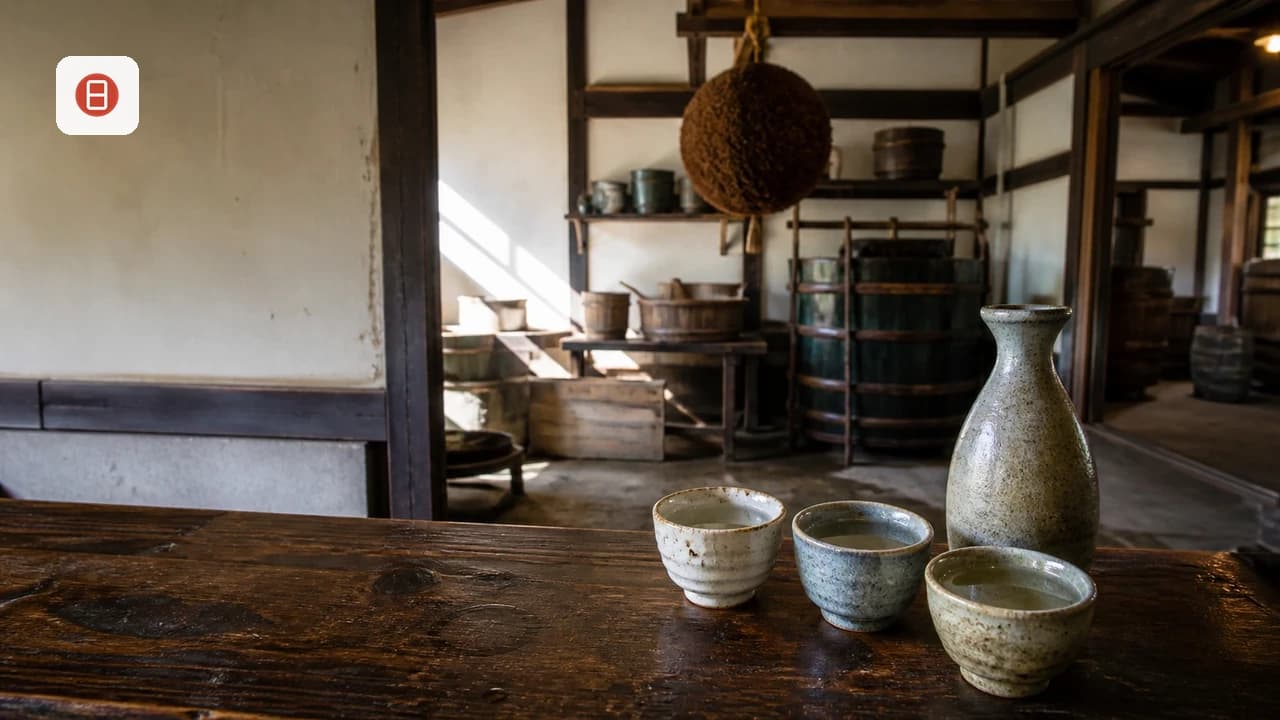
Refined Japanese sake, known as seishu, traces its brewing methods to Nara near the end of the Muromachi period, around 1500 AD. Monks at Shoryakuji Temple on Mount Bodai pioneered the Bodaimoto method: a lactic acid starter that let sake ferment reliably rather than spoil. Kyoto's Fushimi district and Kobe's Nada district later grew into larger commercial hubs. Nara's breweries stayed smaller and family-run, and many still keep close ties to local shrines. That heritage connects directly to Nara's food culture too, including the sake lees historically used to cure Narazuke pickles.
While Kyoto and Kobe grew large commercial sake hubs, Nara's breweries stayed smaller and family-run. Imanishi Shuzo, brewed since 1660 near Oomiwa Shrine, exemplifies this preserved heritage.
Choosing Your Nara Sake Brewery Experience
Nara's breweries split into two practical categories: walkable city tastings and rural destination visits. Deciding which fits your schedule starts with how much time and transit you want to spend. The table below matches your priorities to specific breweries covered in this guide.
| Best For | Brewery | Why | Location Type |
|---|---|---|---|
| First-time tasters | Harushika (Imanishi Seibei Shoten) | Walk-in tasting counter, English information available | Naramachi, walkable |
| History and process | Shoryakuji Temple | Original Bodaimoto brewing method | Mount Bodai, 25-min drive |
| Connoisseurs | Nishiuchi Sake Brewery | Aged Kijoshu and Ruijoshu styles | Sakurai, bus plus short walk |
| Shrine pairings | Imanishi Shuzo (Miwa) | Brewed near Oomiwa Shrine since 1660 | Miwa, Sakurai area |
| Rural and quiet | Umenoyado or Gojo Sake Brewery | Family-run, fewer visitors | Katsuragi or Gojo, car recommended |
Naramachi: Walkable Tastings in Nara City
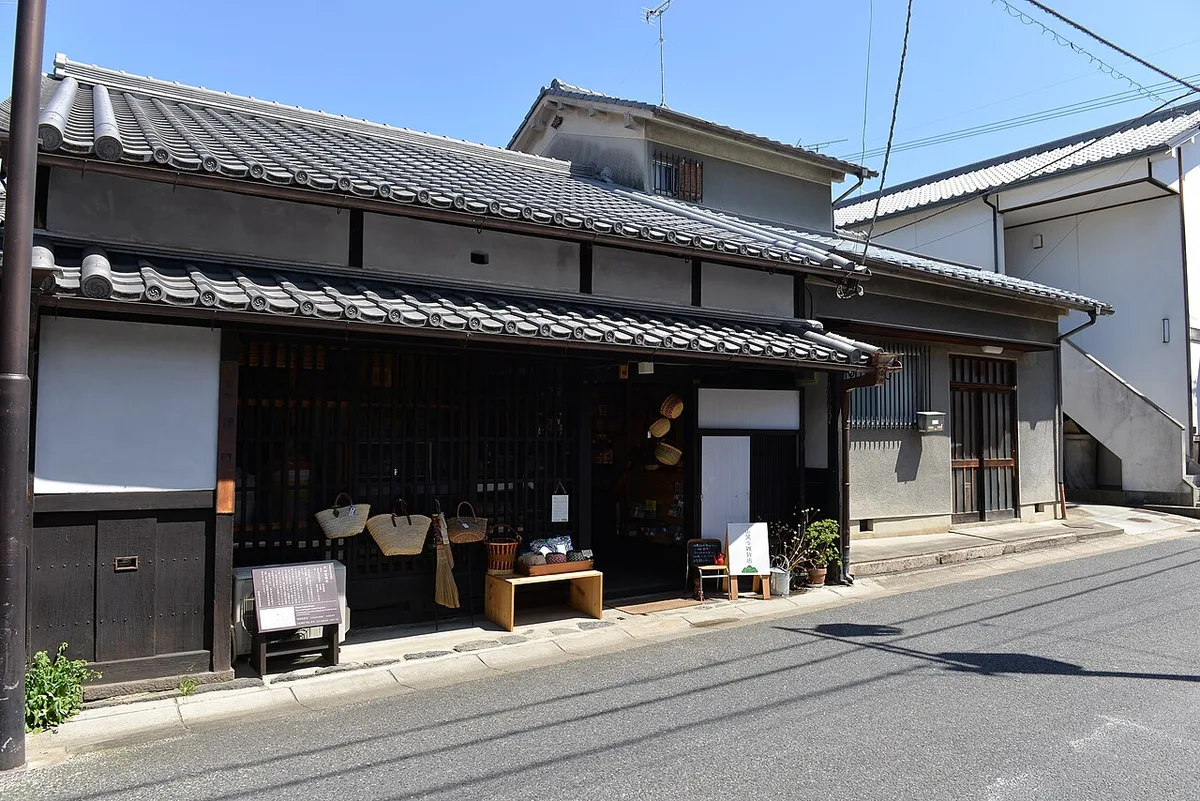
Harushika, run by Imanishi Seibei Shoten, sits at 24-1 Fukuchiin-cho in the Naramachi district, about a 25-minute walk from Kintetsu Nara Station. The brewery dates to 1884 and takes its name from a character in Kasuga Shrine's name combined with the word for deer, an animal considered sacred locally. Its signature style leans dry, and English information is available on-site. Tastings run from 10:00 to 17:00, though the counter stops pouring at 16:30, and entrance plus tasting costs ¥500. Expect closures on event dates, during the mid-August Obon holiday, and over New Year. For another in-town option, Yagi Sake Brewery operates southeast of Nara Park near the Kasugayama Primeval Forest and has brewed there since 1877. Naramachi sits within walking distance of Nara Park and other 20 Best Nara Attractions, making it easy to pair a tasting with sightseeing.
Sakurai and Miwa: Rural Breweries Near Historic Shrines
Nishiuchi Sake Brewery sits along the Yamanobe Road in Sakurai, close to Tanzan Jinja Shrine, and has operated from a Meiji-era merchant house since 1878. According to the official Visit Nara guide, the shop stocks Nishiuchi's own sake plus Narazuke pickles, and English information is available. The same guide confirms the brewery is cash only, and that visitors can browse the shop and taste but cannot tour the factory area. Signature styles include Kijoshu, a sweet sake brewed using junmai sake instead of water, and the aged, amber Ruijoshu made from that Kijoshu. It also produces Daimyoshoyazake, an unfiltered nigori-zake style. Reach the brewery from JR or Kintetsu Sakurai Station by taking the bus toward Tanzan Shrine and getting off at the Ryorinji stop. Opening hours run 9:00 to 17:00, and the brewery closes over the year-end and New Year holidays. A short trip further along the same road, Imanishi Shuzo in Miwa has brewed since 1660 near Oomiwa Shrine. This shrine is long associated with the origins of sake brewing, and it enshrines Mount Miwa itself rather than housing a separate main hall.
Shoryakuji Temple: Tasting the Bodaimoto Method at Its Source
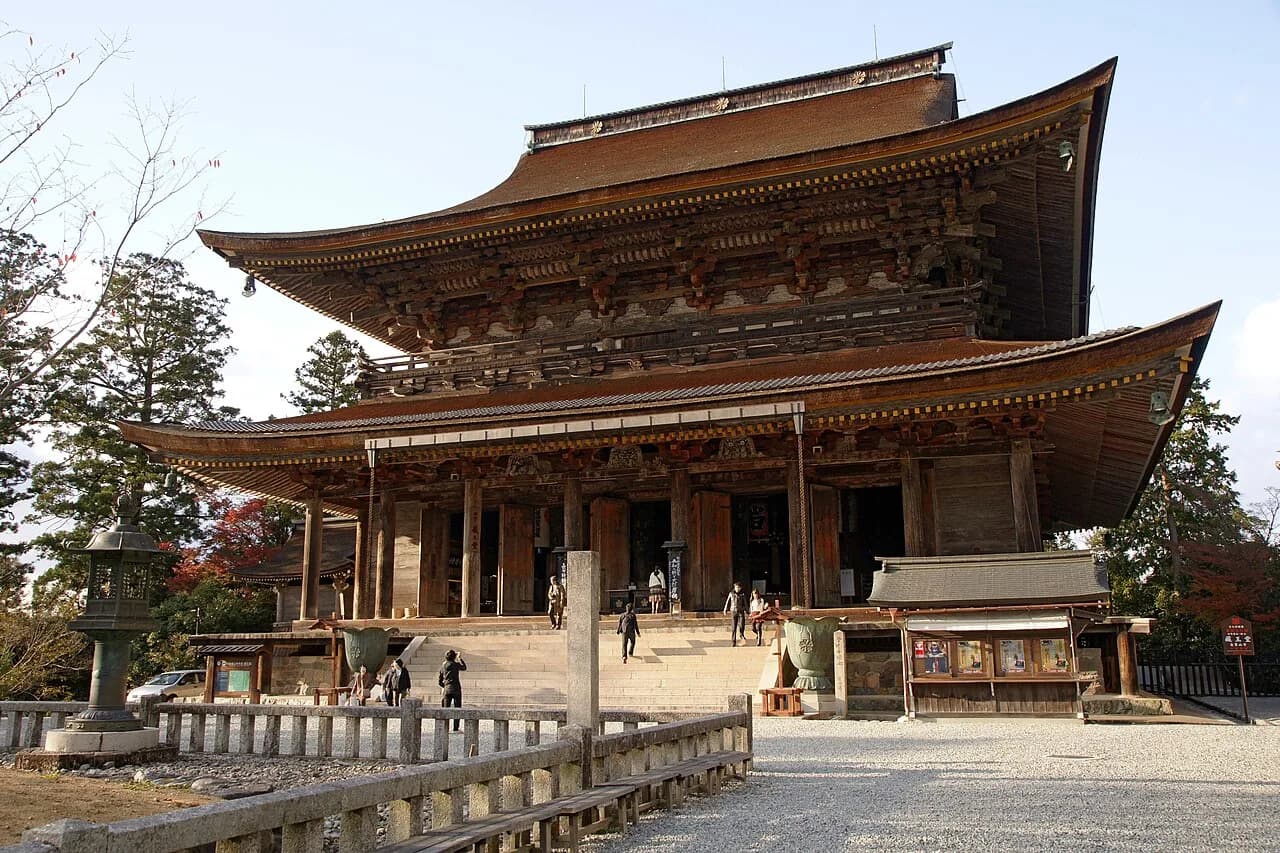
Shoryakuji sits on Mount Bodai, about a 25-minute drive from central Nara, and marks the temple where 15th-century monks first pioneered the Bodaimoto method. Bodaimoto uses lactic acid water and a sake yeast starter, a process later described in a 15th-century brewing manual. The temple fully revived the technique only a few years ago, after centuries of dormancy, and now offers tastings of the resulting sake, called Bodaisen. Bodaisen has a complex, rich profile that drinkers often compare to a dry white wine. Visits pair naturally with the temple's gardens, Buddhist statuary, and autumn foliage season, when Shoryakuji also serves vegetarian temple cuisine. A sake tasting festival typically runs in November. Confirm exact dates directly with the temple before visiting. Treat Shoryakuji as a half-day destination rather than a quick stop, since the drive alone takes 25 minutes each way.
- Mar-Nov opening hours: 9:00-17:00
- Dec-Feb opening hours: 9:00-16:00
- Temple entrance: ¥500 adults, ¥200 children (group discount available)
Pairing Nara Sake with Narazuke and Local Food
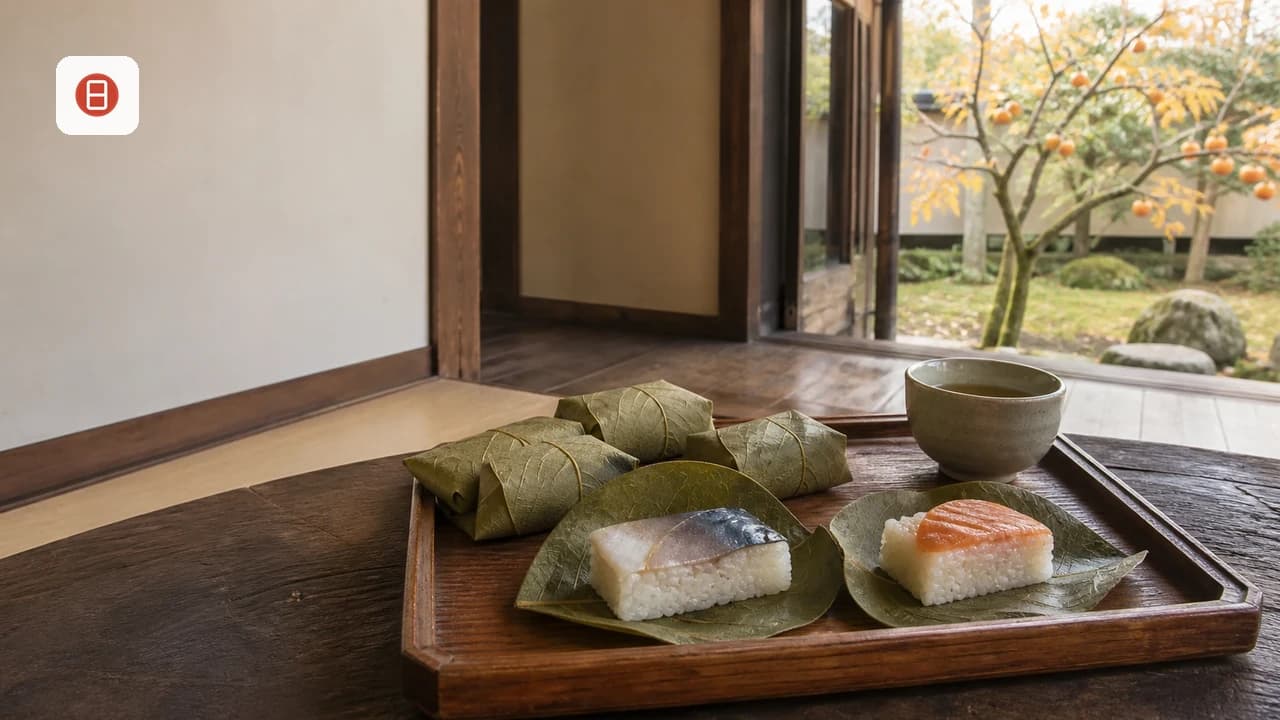
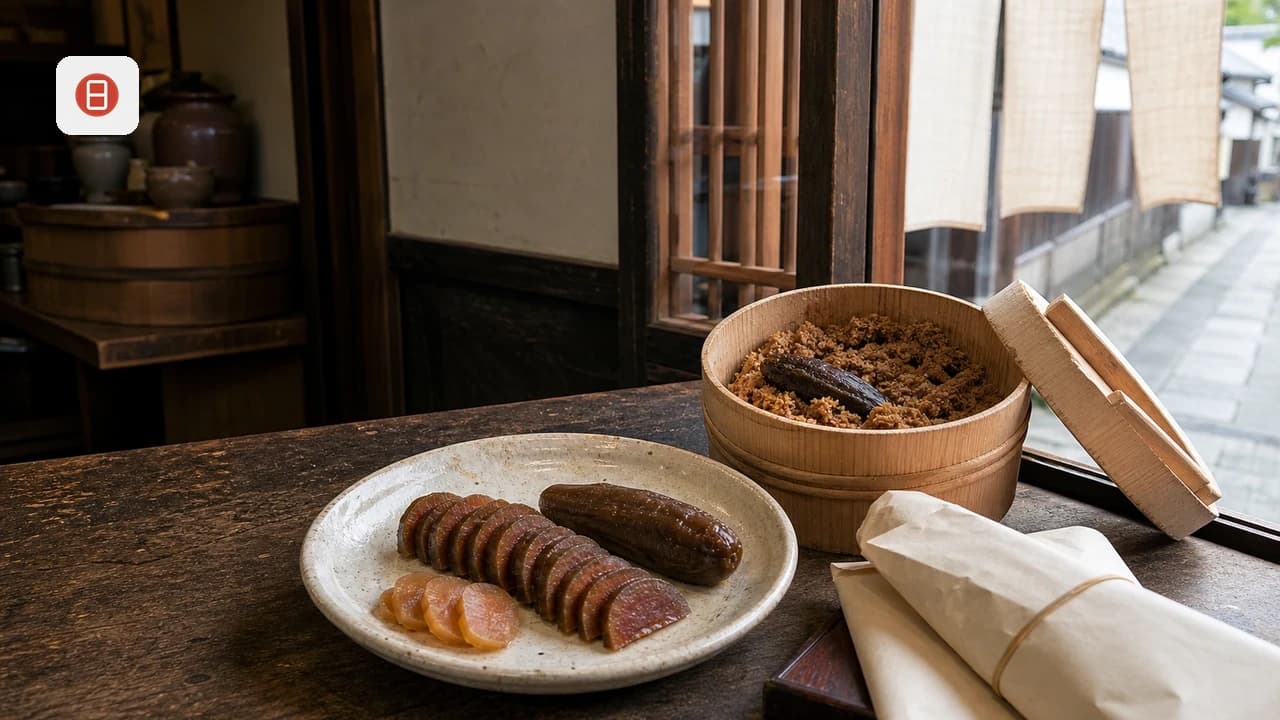
Sake brewing and Nara's signature pickle connect directly: leftover sake lees, called kasu, cure the vegetables that become Narazuke pickles. Nishiuchi's own shop sells Narazuke alongside its bottles, pairing the pickle with the sake used to make it. Beyond pickles, Nara's food scene includes kakinoha zushi, persimmon-leaf wrapped sushi that pairs well with a dry Naramachi sake like Harushika's. For a fuller survey of what to eat around these breweries, the 8 Must-Try Nara Food Specialties: A Local Cuisine Guide (2026) covers the wider list. To taste Nara sake alongside a full dinner, Nara's best restaurants often carry regional bottles by the glass or flask. Travelers who prefer a bar setting over a brewery visit can find local pours at venues covered in the Nara nightlife guide.
Planning Your Visit: Costs, Hours, and Booking Rules
Expect modest tasting fees at Nara's breweries compared with organized food tours elsewhere in Kansai. Naramachi's Harushika charges ¥500 for entrance and tasting, per its published rate. Shoryakuji's temple entrance runs ¥500 for adults and ¥200 for children. Bring cash for rural breweries. Nishiuchi Sake Brewery is cash only, and rural spots in general are less likely to take cards than city-center shops. Booking rules also differ by brewery type. Harushika's tasting counter is walk-in, with no factory tour offered. Shoryakuji's tastings instead follow a seasonal schedule tied to autumn foliage, so confirm availability before driving out. Shop visits and tastings at Nishiuchi continue during regular hours, but the factory area stays closed to visitors, so treat any older reports of a paid brewery tour there as unconfirmed until you check directly.
Naramachi's Harushika is a 25-minute walk from central Nara and suits a quick stop. Shoryakuji, a 25-minute drive away, demands a half-day commitment with reduced winter hours.
| Brewery | Hours | Cost | Notes |
|---|---|---|---|
| Harushika (Naramachi) | 10:00-17:00, tastings until 16:30 | ¥500 entrance and tasting | Closed event dates, mid-Aug Obon, New Year |
| Shoryakuji Temple | Mar-Nov 9:00-17:00; Dec-Feb 9:00-16:00 | ¥500 adults, ¥200 children | Seasonal tastings, confirm ahead |
| Nishiuchi Sake Brewery | 9:00-17:00 | Shop visit and tasting; confirm current fee | Cash only; closed year-end and New Year |
Mistakes to Avoid at Nara's Sake Breweries
A handful of planning mistakes trip up first-time visitors to Nara's breweries.
- Assuming every stop offers a factory tour: most, including Harushika, are shop-and-tasting only, and Nishiuchi's factory area is currently closed to visitors.
- Skipping a call ahead: small, family-run breweries can adjust hours around local holidays, so confirm before a rural trip.
- Missing the last bus back from Sakurai: buses to Nishiuchi and Tanzan Jinja Shrine run on a set schedule, so check return times in advance.
- Treating Shoryakuji as a quick stop: the drive alone takes 25 minutes each way, so budget a half-day for the temple and its tastings.
- Expecting card payment everywhere: Nishiuchi Sake Brewery is confirmed cash only, and other rural spots may be the same.
Umenoyado and Gojo: Southern Nara Brewery Stops
Travelers exploring southern Nara can consider Umenoyado in Katsuragi or Gojo Sake Brewery in historic Gojo. These stops suit visitors with a car and more time than a Naramachi tasting requires.
Umenoyado began brewing in Katsuragi in 1893. Its range includes traditional sake and fruit-based drinks made with regional ingredients. Gojo Sake Brewery produces Goshin near Gojo’s old merchant district, where preserved buildings line Shinmachi Street.
- Reach Katsuragi by Kintetsu train, then use a taxi for the final connection to Umenoyado.
- Gojo is served by JR Wakayama Line trains, but departures are less frequent than services around Nara City.
- Confirm tasting availability and closure days directly before traveling, especially on Sundays and public holidays.
Allow at least half a day if combining either brewery with nearby sights. Katsuragi can pair with local temples and mountain scenery. Gojo works well with a walk through the Shinmachi historic area. Drivers should avoid tasting and designate another person to drive.
Frequently Asked Questions
What makes Nara the birthplace of sake in Japan?
Nara is credited as the source of refined seishu because Muromachi-period monks, working at Shoryakuji Temple on Mount Bodai, developed the Bodaimoto brewing method around the 15th century. That technique used a lactic acid starter to stabilize fermentation, and it still shapes sake brewed at the temple today.
Do Nara's sake breweries require advance booking?
Booking needs vary by brewery. Harushika in Naramachi runs a walk-in tasting counter with no advance reservation needed. Shoryakuji's tastings follow a seasonal calendar tied to autumn foliage, so check ahead before visiting. Nishiuchi Sake Brewery welcomes walk-in shop visits and tastings, but its factory area stays closed to the public.
How much does a sake tasting cost in Nara?
Expect around ¥500 for a tasting at Harushika in Naramachi, per its published entrance-and-tasting rate. Shoryakuji charges ¥500 for adult temple entrance and ¥200 for children, which includes access to the grounds where tastings take place. Prices for a Nishiuchi shop visit are worth confirming directly, since the brewery's factory-tour status has changed in recent years.
Can you reach Nishiuchi Sake Brewery without a car?
Yes. From JR or Kintetsu Sakurai Station, take the bus bound for Tanzan Shrine and get off at the Ryorinji stop. Driving from central Nara takes close to an hour by comparison, so the train-plus-bus route is usually faster for travelers based in Nara City.
How does sake connect to Narazuke pickles in Nara?
Sake production leaves behind kasu, the pressed lees left after brewing, and Nara cooks have long used that kasu to cure vegetables into Narazuke. Several breweries, including Nishiuchi, sell Narazuke alongside their bottles, so a single stop can cover both the drink and the pickle it helps create.
Free: The Nara Essentials guide
Top things to do, where to stay, a perfect day plan, getting around, and the best time to go — a Nara mini-guide you can take offline.
You might also like


Continue reading
More guides you'll find useful