10 Best Restaurants In Nara Travel Guide (2026)
Discover the 10 best restaurants in Nara with our 2026 guide. From traditional izakayas to famous mochi, plan your perfect food tour in Japan's ancient capital.
On this page
After exploring the quiet streets of Nara multiple times, I have found that the food scene is as refined as the temples. Most visitors focus on the deer, but the local restaurants offer a deep connection to Japan's culinary history. I have personally tested these spots to ensure they provide both quality and an authentic atmosphere.
This guide was last refreshed in June 2026 to reflect current pricing and seasonal menu changes. Whether you want high-end kaiseki or quick street food, these picks cover the best restaurants in Nara for 2026. For a deeper look at what to eat, see our 8 Must-Try Nara Food Specialties: A Local Cuisine Guide for local favorites.
Top Nara Restaurants at a Glance
Nara offers a dining scene shaped by over a thousand years of history as Japan's ancient capital. The city sits close enough to Osaka and Kyoto that ingredient quality is exceptional, yet prices are noticeably lower than in both cities. Most of the best spots cluster in two areas: the Naramachi old-town alleys just east of Nara Station, and the hillside streets leading up toward Kasuga Grand Shrine.
Many restaurants here operate out of converted Machiya — traditional narrow merchant townhouses that extend deep into a block with inner gardens. Eating inside one adds a layer of atmosphere that a modern restaurant simply cannot replicate. I recommend grouping your meals by neighborhood to save walking time during a busy day of sightseeing.
Below are the ten restaurants I return to most, covering everything from izakaya small plates to gyukatsu beef cutlets and French-Japanese quiche. Prices are listed in JPY at 2026 rates. For complete neighborhood context, check our Naramachi Old Town Walking Guide.
- Kura Izakaya — traditional small plates and sake in Naramachi, open from 17:00
- Gyukatsu Kyoto Katsugyu Nara Park — flash-fried beef cutlet near the park entrance, cash only
- Le Case — French-Japanese quiche inside Nara Park, closes when quiche sells out
- Maguro Koya — deep-sea tuna bowls, often sells out by mid-afternoon
- Edogawa Naramachi — grilled unagi in a 150-year-old building
- Nakatanidou — freshly pounded green mochi on the main shopping street
- Mizutani-chaya — thatched-roof tea house noodles inside Nara Park
- Terakawa — handmade soba and tempura near the Naramachi entrance
- Ganko Nara-ten — garden-view kaiseki in a former residence
- Nino — Italian-Japanese fusion in a lively evening setting
Restaurant Comparison: Cuisine & Budget
| Restaurant | Cuisine | Budget (¥/person) | Hours | Reservation |
|---|---|---|---|---|
| Kura Izakaya | Small plates & sake | 3,000–4,000 | 17:00–21:30 | Essential |
| Gyukatsu Kyoto | Beef cutlet | 1,000–2,000 | Lunch/dinner | Walk-in OK |
| Le Case | French quiche | 900–1,200 | 10:00–16:00 | Advised |
| Edogawa Naramachi | Grilled eel | 2,500–3,500 | 11:00–20:00 | Essential |
| Nakatanidou | Fresh mochi | 180–300 | 11:00–18:00 | None |
What Is an Izakaya — and Why Kura Is the Best in Nara
An izakaya is an informal Japanese pub where guests stay, drink, and graze through small plates over several hours. The word combines "i" (to stay) and "sakaya" (sake shop), and the concept evolved from sake shops that let customers linger. Think of it as the Japanese equivalent of a Spanish tapas bar or an Irish pub — casual, convivial, and built around sharing.
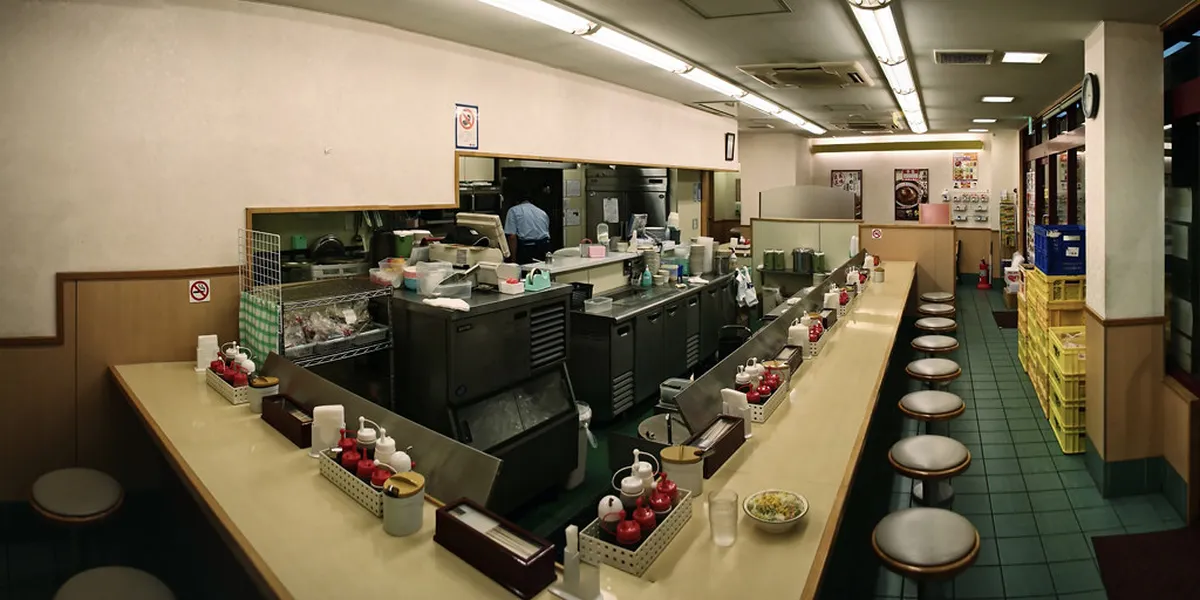
Kura Izakaya is located in Naramachi at 16 Komyoincho, about a 10–15 minute walk east of both Nara stations. The dining area is U-shaped, with cooks working the center counter and guests seated around them. This layout makes conversation natural — you will often end up exchanging nods and recommendations with the locals beside you.
The menu changes with the seasons but always includes oden (a one-pot stew of fish cake, konnyaku, and daikon in dashi broth), grilled chicken with salt at JPY 900, and the famous stewed chicken at JPY 800 — dark, savory, slightly sweet, and a consistent crowd favorite. Domestic beer runs JPY 500–720 depending on size. Sake starts at JPY 400 for a 180 ml bottle. Expect to spend JPY 3,000–4,000 per person for food and drinks. Operating hours are 17:00–21:30 daily. Reservations are strongly advised as the place fills up fast and turns away walk-ins regularly.
If you can only go to one izakaya in Nara, make it Kura. Japanese locals rate it as one of the best in the entire country, and the seasonal specials board — which has included items like shirako and grilled scallops — routinely surprises even experienced Japan travelers. Book via your hotel concierge or check TripAdvisor in advance.
Eat Local: Traditional Nara Cuisine You Won't Find Elsewhere
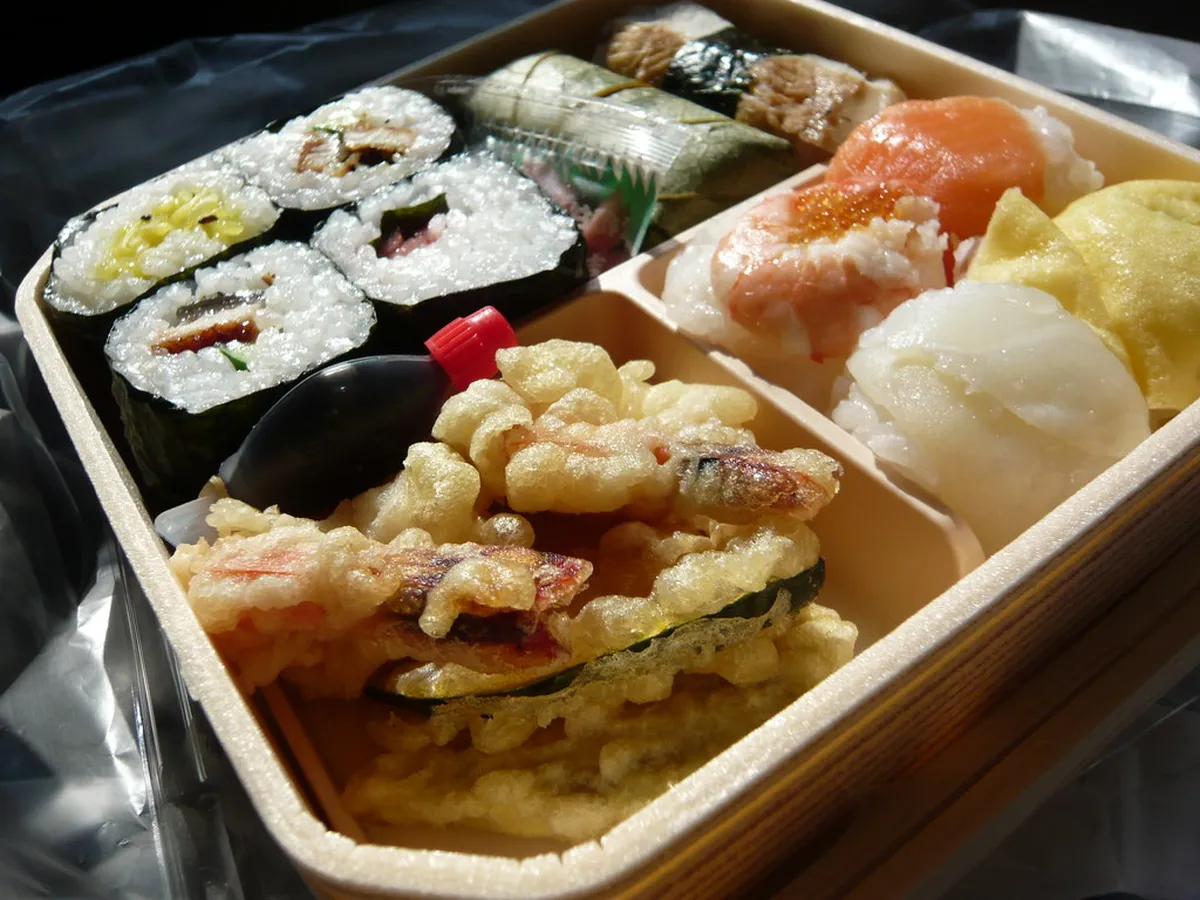
Nara has its own distinct food identity, separate from Osaka or Kyoto. Kakinoha-zushi — small pieces of vinegared fish pressed against rice and wrapped in persimmon leaves — was developed here as an inland preservation method centuries before refrigeration. The leaf imparts a subtle tannic fragrance to the fish. You can buy it at specialist shops near Kintetsu Nara Station from around JPY 200–300 per piece.
Miwa somen noodles come from the Miwa district just south of Nara and have been produced for over 1,200 years. They are among the thinnest in Japan — served cold in summer with a dipping broth and a touch of wasabi, they showcase the texture and flavor of the buckwheat or wheat better than any thicker noodle. Look for dedicated somen shops in the covered shopping arcades near the stations.
Nara is also recognized as the birthplace of morohaku sake, an early two-polished-rice brewing method developed by monks at Shoryakuji Temple in the 15th century. Several local breweries still operate, and a few restaurants in Naramachi carry sake that is brewed within the prefecture. Pairing a local Nara sake flight with izakaya small plates is one of the more distinctive food experiences the city offers — it is something Osaka and Kyoto cannot replicate with the same historical grounding.
One category almost no visitor tries is Shojin ryori — the Buddhist vegetarian cuisine served at a handful of establishments linked to the temple district. Dishes are built around tofu, sesame, mountain vegetables, and stock made without animal products. It is quiet, precise cooking. A few places near Kasuga Grand Shrine offer lunch-only Shojin sets starting at around JPY 3,500 per person. This is the meal that most food travelers in Nara miss entirely.
Family-Friendly Dining in Nara: Options That Actually Work With Kids
Gyukatsu Kyoto Katsugyu Nara Park is the top family pick near the sightseeing area. Located at the 2nd floor of the Noboriojicho Bus Terminal, it is 7 minutes on foot from Kintetsu Nara Station. The concept is straightforward — premium beef cutlet (crumbed and flash-fried) served with rice, dipping sauces, and a personal stone grill so each person cooks to their preferred doneness. Meals come to JPY 1,000–2,000 per person, the restaurant is entirely non-smoking and English menus are available, and children and babies are welcome. One critical note: this restaurant is cash only. Bring enough yen before you arrive.
Le Case serves French-Japanese quiche inside Nara Park, about 10 minutes by taxi from JR Nara Station or 5 minutes from Kintetsu Nara. Walk-ins are accepted if there is space, and reservations can be made through your hotel. It opens at 10:00 and takes last orders at 16:00, closed Tuesdays. Options include four-cheese quiche, beef quiche, and quiche Lorraine, and most major credit cards are accepted. The walk there takes you past deer that are not surrounded by crowds — a better deer experience than the main park area.
For kids who prefer a visual spectacle with their food, Nakatanidou on the main shopping street pounds mochi every thirty minutes in a high-speed performance that draws a crowd. A single piece of warm mochi costs around JPY 200. The nearby Omusubi Bansyun, inside the Nara-machi Shopping Arcade at 13 Komyoincho, sells onigiri with vegan options and opens 11:00–18:00, closed Thursdays. It sits next to the mochi shop — easy to combine both in a single stop.
If budget is a priority, the revolving sushi chain Kura Sushi has a Nara branch in the Furuichi area (1352 Furuichicho), about 8 minutes by cab. It is fully automated, smoke-free, and accepts credit cards. The ipad menu can be filtered for gluten-free options. Lunch or dinner typically comes to around JPY 1,500 per adult. It operates every day from 11:00–23:00 and does not take reservations, but with 156 seats, waits are rarely long.
Vegan and Gluten-Free Eating in Nara: A Practical Breakdown
Nara has more plant-based dining options than most Japanese cities its size. Vegan Cafe Onwa, 7 minutes walk from JR Nara Station at 3-23 Sanjo-omiyacho, serves fried soy meat bowls, a daily vegan plate, salads, and vegan desserts. It opens 11:00–17:00 (until 20:00 on Saturdays), accepts reservations, and has free WiFi. Takeaway is also available.
Vegan Ramen by Playpen Friends is 800 metres from Kintetsu Nara Station at 59-12 Nobori-ojicho (2nd floor). Be aware that all dishes contain scallions, onions, chives, shallots, and garlic — worth knowing if you follow a strict Jain or Buddhist diet. Open 10:00–17:00, closed Tuesdays.
For gluten-free visitors, Big Mountain Cafe and Farm at 20 Nishi-shinzaikecho is 8 minutes walk from Kintetsu Nara Station. The menu is Hawaiian-Japanese fusion with vegan options, and staff can prepare gluten-free fried chicken off-menu if asked. Open 11:30–20:30 (last order 19:30), closed Tuesdays and every third Wednesday. Budget around JPY 3,000 per person. There is stroller storage space.
Shojin ryori — the Buddhist vegetarian cuisine mentioned above — is inherently gluten-free and vegan in most versions. If your dietary needs align with a quiet temple-area lunch, this is worth researching before arrival. A few inns and restaurants near Kasuga Grand Shrine and Todaiji offer it, though they typically require advance booking by phone or through your accommodation.
How to Plan a Smooth Day of Eating in Nara
Most of the best restaurants in Nara have very limited seating. Book Kura Izakaya and Edogawa Naramachi for dinner before you arrive in the city. For lunch at Gyukatsu Kyoto Katsugyu or Le Case, reservations are available but walk-ins work if you arrive before noon. Check our Nara Travel Tips: 12 Essential Insights for Your Itinerary for broader advice on local customs and transport.
Cash is essential for several spots. Gyukatsu Kyoto Katsugyu is cash-only. Smaller soba shops and tea houses in Nara Park often do not accept cards. Draw yen from one of the international ATMs near JR Nara Station or Kintetsu Nara Station before heading into the park area. A general budget of JPY 5,000–8,000 per day covers street food, a solid lunch set, and a full izakaya dinner.
If you are visiting on a Nara Day Trip from Kyoto: The Ultimate 1-Day Itinerary, eat lunch early. The tour bus rush peaks between 12:30–13:30. Arriving at any restaurant before noon means shorter waits and a more relaxed meal. Plan your itinerary so the deer park falls in the early afternoon and dinner is in Naramachi — that routing keeps meals and sightseeing from conflicting with each other.
Two practical details that most guides skip: several smaller Naramachi restaurants hang a "noren" (fabric curtain) in the doorway only when open. If the noren is tucked up or missing, the kitchen is closed. Also, some popular spots post their daily specials on a handwritten board in Japanese only — a quick photo and a translation app will unlock the best dishes on the menu.
Frequently Asked Questions
What is the most famous food to eat in Nara?
The most famous food is Kakinoha-zushi, which is sushi wrapped in persimmon leaves. Other local favorites include Miwa somen noodles and the freshly pounded mochi from Nakatanidou. These dishes reflect Nara's history as an ancient inland capital.
Do I need to make reservations for Nara restaurants?
Reservations are highly recommended for popular dinner spots like Kura Izakaya or Edogawa Naramachi. Most lunch spots are walk-in only, but you should arrive early to avoid long lines. Weekend dining is always much busier than weekdays.
Is Nara expensive for dining?
Nara offers a wide range of prices to suit any budget. You can find street food for $2 or enjoy a luxury kaiseki meal for over $100. Generally, lunch sets provide excellent value for most travelers.
Nara's restaurant scene is a delightful journey through time that rewards those who venture beyond the main park. From the historic charm of Kura Izakaya to the simple joy of fresh mochi, the city offers endless flavors. I hope this guide helps you find the perfect meal during your 2026 visit to this ancient capital.
Remember to check our Best Things To Do in Nara guide to round out your itinerary. Whether you are here for a day or a week, the food in Nara will surely be a highlight. Safe travels and enjoy every bite of your Japanese culinary adventure.
Free: The Nara Essentials guide
Top things to do, where to stay, a perfect day plan, getting around, and the best time to go — a Nara mini-guide you can take offline.
You might also like


Continue reading
More guides you'll find useful