

Best Hitsumabushi in Nagoya: 5 Must-Visit Eel Restaurants
Compare the best hitsumabushi in Nagoya, from Atsuta Horaiken's 140-year history to Maruya Honten near the station, plus the 4-step ritual and ticket tips.
On this page
Last updated August 2026, this guide narrows the search for the best hitsumabushi in Nagoya down to five restaurants worth the trip. Nagoya's version of unagi is sliced open at the belly and grilled without steaming, giving the skin more crunch than Tokyo's softer style. Restaurants below are grouped by Nagoya Station and Sakae/Atsuta, so you can match a meal to wherever your day already takes you.
Quick Answer: Where to Eat Hitsumabushi First
Atsuta Horaiken is often described as the restaurant behind the hitsumabushi name itself, with a history that stretches back more than 140 years near Atsuta Jingu. Hitsumabushi Bincho, inside the Dai Nagoya Building, is the easiest of the five to reach without planning around a long wait. Maruya Honten suits travelers who want a sit-down meal right at Nagoya Station. Shirakawa is the value pick on this list, and Unafuji is the choice for a quieter, more formal room. Full details on all five, plus the eating ritual, follow below.
What Is Hitsumabushi, and Why Nagoya Claims It
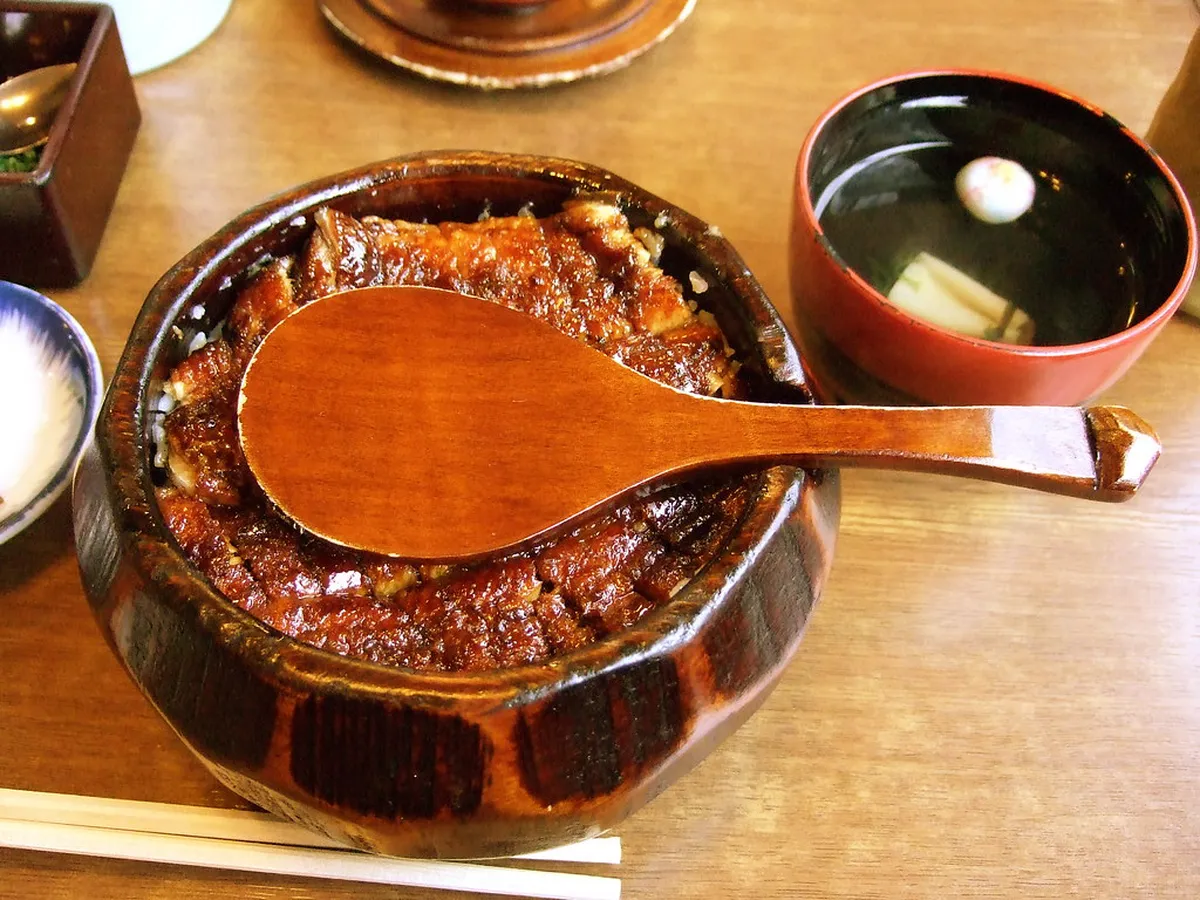
Hitsumabushi is finely chopped grilled eel served over rice in a wooden tub called an ohitsu. Instead of one bowl, the meal is portioned into four stages. Nagoya's grilling method follows a Kansai-style technique: the eel is sliced open at the belly and grilled directly over charcoal, with no steaming step. That produces a crisper skin than the softer, steamed style associated with Tokyo. The eel itself is prepared kabayaki-style, butterflied and brushed repeatedly with a soy-based tare sauce while it grills. Restaurants guard their tare recipes closely, and small differences in sweetness are part of why regulars pick a favorite. Food historians trace the dish to the late Edo period through the early Meiji era, roughly 1868 to 1912. Kitchens then began serving broken or misshapen cuts of grilled eel over rice instead of discarding them.
The dish emerged during 1868 to 1912, and Atsuta Horaiken—the restaurant long associated with hitsumabushi—began operating more than 140 years ago, right when the dish was being invented.
How to Eat Hitsumabushi in Nagoya: The 4-Step Ritual
Every Nagoya hitsumabushi set arrives with the eel and rice already divided into an ohitsu, an empty side bowl, condiments, and a small pot of dashi broth. Divide the eel and rice into four roughly equal portions before you start. Most sets also include tsukemono pickles and a bowl of miso soup or broth alongside the tub; eat those whenever you like between stages.
- Step 1: Taste It Plain
- Spoon the first quarter into your empty bowl and eat it exactly as served, with no condiments added.
- This is the only chance to taste the grilled eel and tare sauce completely on their own.
- Step 2: Add the Condiments
- Move the second portion into your bowl, then add wasabi, nori, or chopped green onion.
- Sansho pepper is another common option, depending on the restaurant you choose.
- Step 3: Make It Ochazuke
- Pour the hot dashi broth from the small pot over the third portion of eel and rice.
- The result is closer to a savory soup than a rice bowl, and it changes the dish completely.
- Step 4: Pick Your Favorite
- Finish with whichever style from steps one through three you preferred most.
- Use any leftover broth or condiments freely for this final portion.
5 Best Hitsumabushi Restaurants in Nagoya
The five restaurants below come up most often in Nagoya recommendations, split between the historic Atsuta area and the Nagoya Station and Sakae districts. Each has its own approach to sauce, grilling, and atmosphere.
- Atsuta Horaiken (Main Restaurant, Atsuta)
- Atsuta Horaiken is often described as the restaurant behind the hitsumabushi name itself, with a history that stretches back more than 140 years.
- The Main Restaurant sits near Atsuta Jingu, making it easy to pair lunch with a stop at the shrine grounds covered in the Nagoya attractions guide.
- It has historically run walk-in diners through a numbered-ticket queue rather than a single fixed line.
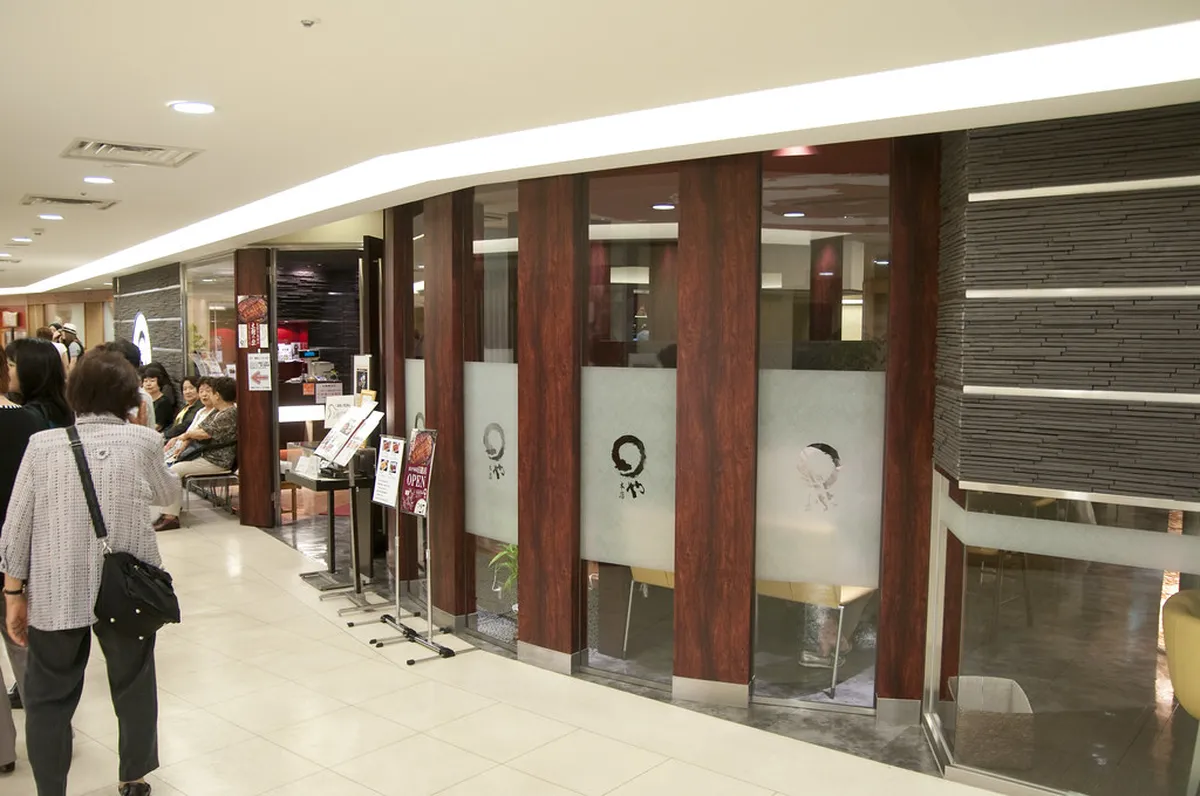
- Maruya Honten (Meieki, Nagoya Station Area)
- Maruya Honten is known for a deeper, richer tare sauce and rice cooked to a firmer bite than some competitors.
- Its Meieki-area location makes it a practical first or last meal for travelers arriving by Shinkansen.
- It has followed the same numbered-ticket approach for walk-in diners as Horaiken.
- Hitsumabushi Bincho (Dai Nagoya Building)
- Bincho grills over binchotan charcoal, the technique behind its name, which produces a noticeably crisp skin on the eel.
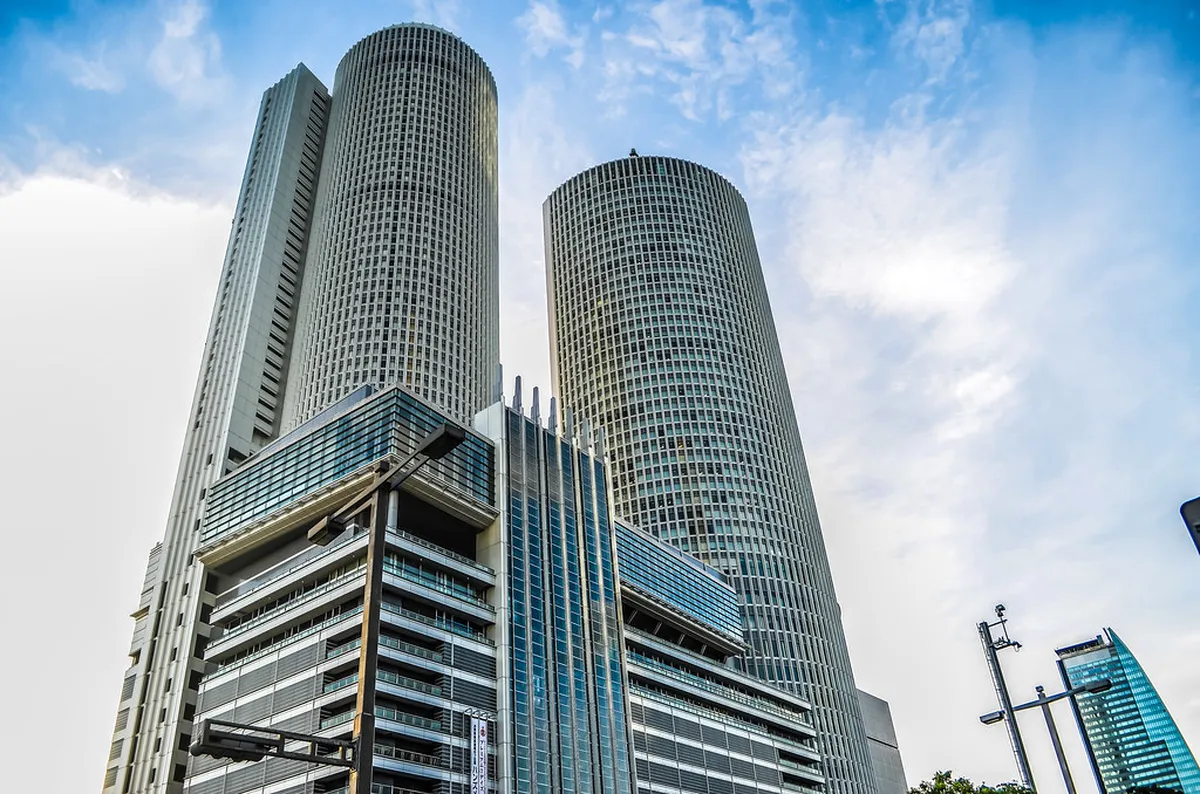
- The restaurant sits inside the Dai Nagoya Building, close to Nagoya Station, making it an easy stop between trains.
- It draws both commuters and travelers, so lunch and early dinner hours tend to run busiest.
- Hitsumabushi Shirakawa (Sakae Gas Building)
- Shirakawa is a regularly cited value pick, with a price-to-quality ratio local guides rate favorably against the bigger names.
- It sits in the Sakae Gas Building, within reach of Sakae's shopping streets and the Nagoya nightlife guide area for later in the evening.
- The format sticks to the standard four-stage presentation without extra flourishes.
- Unafuji Shirakabe Bettei
- Unafuji offers a quieter, more formal dining room than the department-store and station locations on this list.
- It works as the higher-end option for travelers who want table service and a slower pace over the meal.
- Unlike the walk-in-only queues at Horaiken and Maruya Honten, Unafuji has generally been more open to reservations.
Navigating the Wait: Ticket Systems and Reservations
Horaiken and Maruya Honten draw the longest walk-in lines on this list, especially at peak lunch and dinner hours. Plan around the wait rather than fight it. At the Atsuta Main Restaurant, take a numbered ticket, then spend the wait exploring the Atsuta Jingu shrine grounds nearby instead of standing in line. At the Meieki location, spend the wait browsing the station concourse rather than the sidewalk outside. Shirakawa and Bincho typically move faster, since neither carries the same institutional reputation as the two originals. Unafuji's more formal service model reduces walk-in unpredictability altogether. Ticket and reservation policies can change, so confirm current wait-list and booking procedures directly with each restaurant before you go.
Nagoya Station Area vs. Sakae/Atsuta: Where to Base Your Meal
Where you eat should follow your itinerary, not the other way around. Travelers connecting through Nagoya Station can reach Maruya Honten or Hitsumabushi Bincho without leaving the Meieki area. Sightseers based near Atsuta Jingu or Sakae have Horaiken, Shirakawa, and Unafuji within easier reach instead. For non-eel options in the same neighborhoods, check the 17 Best Restaurants and Food Experiences in Nagoya 2026 guide. The 21 Best Dishes and Travel Tips for Nagoya (2026) covers the city's food scene more broadly, beyond this one dish. If eel isn't the only specialty on your list, the Nagoya meshi dishes guide covers miso katsu, kishimen, and other local dishes.
What Hitsumabushi Costs and When to Go
Typical hitsumabushi sets across these five restaurants run roughly ¥3,500 to ¥6,000, depending on eel portion size and whether the set includes extra rice, soup, or pickles. Weekday lunch service is calmer everywhere on this list than weekend dinner, when residents and visitors compete for the same tables. Aim for an early weekday lunch at Horaiken or Maruya Honten if your schedule is flexible, since that shortens the numbered-ticket wait. Evening visits tend to work better at Shirakawa or Unafuji, where lines are shorter to begin with. Save room afterward for a lighter snack from the 10 Best Things to Eat: Nagoya Street Food Guide (2026), especially if you're staying in Sakae for the evening.
Which Nagoya Hitsumabushi Is Right for You?
Use this table as a quick decision matrix if only one meal fits your schedule.
| Restaurant | Area | Best For | Queue or Reservation |
|---|---|---|---|
| Atsuta Horaiken | Atsuta, near Atsuta Jingu | Traditional atmosphere and history | Numbered-ticket walk-in |
| Maruya Honten | Meieki, Nagoya Station | Shinkansen travelers, rich sauce | Numbered-ticket walk-in |
| Hitsumabushi Bincho | Dai Nagoya Building | Crisp charcoal-grilled skin | Walk-in, faster-moving |
| Hitsumabushi Shirakawa | Sakae Gas Building | Value for the price | Walk-in |
| Unafuji Shirakabe Bettei | Sakae area | Quieter, higher-end dining | Reservations generally accepted |
Station-Friendly fallback: Hitsumabushi Ino in ESCA
Some visitors who miss the flagship queues still want authentic hitsumabushi before leaving Nagoya Station. Hitsumabushi Ino is a practical fallback when the better-known houses are full.
The restaurant is tied to the ESCA underground mall, so you can move between platforms, shopping, and a quick meal without leaving the covered station loop. That can save time for transit-only plans and reduce backtracking after train arrivals.
- Station convenience: ESCA access is ideal for late arrivals, transit-heavy itineraries, and travelers with heavy luggage.
- Queue behavior: Ino is often easier to secure than Meieki-area peak spots, especially on short-notice lunch plans.
- Best use: it is most useful when you want reliable seating after arriving at Meieki and before an onward trip.
Pick Ino if your day is train-first and you need dependable dining rhythm. If your plan is shrine sightseeing or shopping in Sakae, a trip to a flagship branch may still be the better experience choice.
Frequently Asked Questions
What does hitsumabushi mean?
Hitsumabushi combines ohitsu, the wooden tub the rice is served in, with mabusu, meaning to sprinkle or scatter. Together, the words describe grilled eel scattered over a tub of rice, portioned out and eaten in four stages.
Do you need a reservation for hitsumabushi in Nagoya?
Atsuta Horaiken and Maruya Honten have historically run a numbered-ticket, walk-in-only system rather than taking bookings. Unafuji Shirakabe Bettei has generally been more open to reservations. Confirm current policy directly with each restaurant before your visit.
How is Nagoya-style eel different from Tokyo's?
Nagoya's eel is sliced open at the belly and grilled directly over charcoal without steaming, a Kansai-influenced method. Tokyo's style is typically steamed partway through the process, which gives it a softer texture. Nagoya's skin ends up noticeably crisper as a result.
Is there a hitsumabushi option right inside Nagoya Station?
Hitsumabushi Bincho, inside the Dai Nagoya Building, puts eel within a short walk of the platforms. The Esca underground shopping street, on the station's west side, is another option for a quick meal before a train.
How much should you budget for hitsumabushi in Nagoya?
Expect roughly ¥3,500 to ¥6,000 per set at the restaurants in this guide, depending on eel portion and what else is included. Prices generally run higher at dinner and at more formal restaurants like Unafuji.
Can two people share one hitsumabushi set?
Portions are built for one person, and the four-stage ritual works best when you order your own set. If you want to share the experience rather than the food, order two sets and compare notes on the condiments each of you chooses.
Free: The Nagoya Essentials guide
Top things to do, where to stay, a perfect day plan, getting around, and the best time to go — a Nagoya mini-guide you can take offline.
You might also like

Continue reading
More guides you'll find useful


