17 Best Restaurants and Food Experiences in Nagoya 2026
Discover the 17 best restaurants in Nagoya 2026. From iconic Hitsumabushi eel to spicy Taiwan ramen and hidden food hall gems, plan your foodie trip today.
On this page
After my fourth culinary expedition to Aichi Prefecture, I am convinced that Nagoya remains Japan’s most underrated food destination. While travelers often flock to Tokyo or Osaka, this city offers a bold, earthy flavor profile that you simply cannot find elsewhere. I have spent weeks exploring the smoky unagi shops and bustling morning markets to bring you this curated list of essential stops. Whether you are a fan of rich miso or crispy chicken wings, these selections represent the very best of the local scene.
This guide was last updated in January 2026 following my most recent winter visit to the Sakae and Meieki districts. I have verified the latest pricing and operating hours to ensure your trip planning is as smooth as possible. Nagoya’s food culture is often called 'B-grade gourmet' because it is unpretentious, hearty, and deeply satisfying for any budget. Prepare your palate for a journey through red miso, flat noodles, and the most delicate Japanese sweets in the region.
What is Nagoya Meshi? Understanding Local Flavors
The term Nagoya cuisine, or Nagoya Meshi, refers to a collection of regional dishes that define the city's identity. Unlike the subtle and refined flavors of Kyoto, Nagoya’s palate is defined by the heavy use of Hatcho Miso. This dark, reddish-brown soybean miso is fermented for up to three years, resulting in a deep and slightly bitter umami profile. You will find this signature ingredient in everything from pork cutlets to simmering pots of oden.
Understanding the local food scene requires a deep dive into Nagoya meshi local dishes that locals have loved for generations. The city excels at taking standard Japanese staples and adding a unique, often spicy or savory, regional twist. Many of these recipes originated during the Edo period when the local Tokugawa clan encouraged a robust and practical food culture. Today, these dishes serve as a point of immense local pride for the residents of Aichi.
Nagoya is also the birthplace of the 'Morning Service' culture found in almost every neighborhood coffee shop. This tradition involves receiving free toast and boiled eggs with the purchase of a single cup of coffee. It reflects the city’s generous spirit and its love for hearty, communal dining experiences at any time of day. Exploring these flavors provides a window into the hardworking and hospitable soul of central Japan.
17 Best Restaurants and Food Experiences in Nagoya 2026
Our 2026 selectio
The second cluster focuses on miso-based comfort foods and the unique noodle varieties found throughout the Nagoya station area. From the thick, peppery sauce of ankake spaghetti to the fiery kick of Taiwan ramen, these dishes offer bold sensory experiences. We also highlight the 'Tebasaki' chicken wing specialists who have turned a simple snack into a culinary art form. These spots are perfect for a casual dinner paired with a cold local craft beer.
Finally, we explore the markets, department store food halls, and traditional sweet shops that round out the city's offerings. These locations provide a more interactive way to eat, allowing you to sample dozens of small bites in one afternoon. Whether you are browsing the Osu Shopping Street or visiting a historic wagashi maker, the variety is truly staggering. Each of these 17 picks has been chosen for its consistency, historical significance, and exceptional flavor.
- Hitsumabushi Nagoya Bincho: The Gold Standard for Grilled Eel
- This famous establishment specializes in charcoal-grilled eel served in the traditional three-step Nagoya style.
- Located in the Dai Nagoya Building, it is open daily from 11:00 AM to 3:00 PM and 5:00 PM to 9:00 PM.
- Expect to pay between 4,500 and 7,000 yen for a full set meal depending on the portion size.
- Try adding the dashi broth to your final bowl of eel for a light and refreshing finish.
- Shibafuku-ya: Traditional Unagi in a Historic Setting
- Shibafuku-ya offers a more intimate and traditional atmosphere for those seeking authentic grilled unagi away from the crowds.
- You can find this hidden gem in a renovated traditional house near the Naka district.
- Standard sets typically cost around 4,000 yen and the shop usually closes on Wednesdays.
- Book a table in advance as this small venue fills up quickly with local regulars.
- Unagi Ryori Sandaime Unatou: Authentic Flavors in Nakagawa
- This third-generation eel specialist is known for its secret tare sauce that has been aged for decades.
- The Nakagawa main branch is a short taxi ride from the station and opens daily from 11:00 AM.
- Lunch sets are a great value at approximately 3,800 yen per person.
- Ask for the 'extra crispy' skin if you prefer a more textured bite to your grilled fish.
- Spaghetti House Chef: Home of Nagoya’s Famous Ankake Spaghetti
- This restaurant serves the city's unique take on pasta, featuring thick noodles topped with a spicy, starchy meat sauce.
- Located near the Meieki Nishi exit, it is open from 11:00 AM to 9:00 PM except for Mondays.
- Most pasta dishes are very affordable, ranging from 900 to 1,500 yen per plate.
- The 'Milanese' topping with sausage and peppers is the most popular choice for first-time visitors.
- Kasho Hanakikyo: Exquisite Japanese Sweets and Wagashi
- This elegant confectionery shop produces seasonal Japanese sweets that look like miniature pieces of fine art.
- The Nohgakudo hōsa branch offers a serene environment to enjoy matcha and wagashi daily from 10:00 AM to 5:00 PM.
- A tea and sweet set usually costs about 1,200 to 1,800 yen.
- Check their seasonal menu for limited-edition sweets that reflect the changing colors of the local gardens.
- Yamatora: Essential Miso Oden and Kushikatsu
- Yamatora is the best place to experience the intensity of Hatcho miso through simmered oden and fried skewers.
- Situated in the lively Sakae district, this izakaya-style spot is open from 5:00 PM until late at night.
- Individual skewers cost around 150 to 300 yen, making it easy to sample a wide variety.
- The miso-marinated daikon radish is a must-order item that perfectly demonstrates the local flavor profile.
- Dai Nagoya Ichibanken: Rich Tonkotsu Ramen Specialists
- This ramen shop is famous for its 'Aged Tonkotsu' broth which is incredibly creamy and full of depth.
- Find them in the Dai Nagoya Building where they serve hungry diners from 11:00 AM to 10:00 PM.
- A standard bowl of ramen costs roughly 850 to 1,200 yen with various toppings.
- Order the 'barikata' noodle firmness to ensure your thin noodles stay snappy in the hot broth.
- Misen: The Birthplace of Spicy Taiwan Ramen
- Misen created the legendary Taiwan Ramen, a spicy dish topped with minced pork, chives, and plenty of chili.
- The Meieki branch is consistently busy and stays open daily from 11:00 AM to 11:00 PM.
- Expect to spend about 1,000 to 2,000 yen for ramen and a side of garlic fried rice.
- Be warned that the spice level is much higher than typical Japanese ramen, so have water ready.
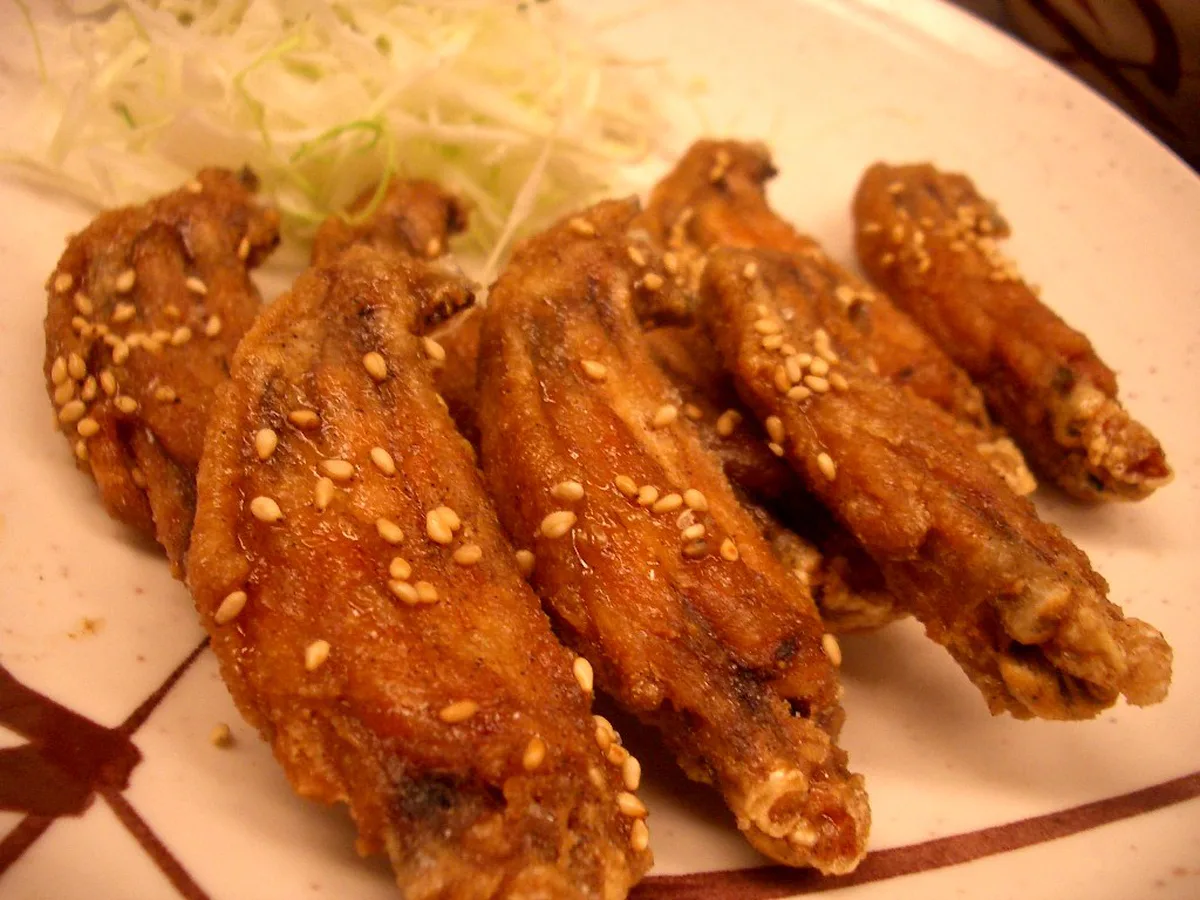
- Furaibo: Crispy Tebasaki Chicken Wings
- Furaibo is one of the original masters of Nagoya-style chicken wings, known for their peppery glaze and crunch.
- They have multiple locations across the city, typically open for dinner from 5:00 PM onwards.
- A plate of five wings costs around 550 yen, and most people order several rounds.
- The local technique involves snapping the bone to pull the meat off in one clean bite.
- Yoshida Kishimen: Flat Noodles with Centuries of Tradition
- This shop specializes in kishimen, the broad and flat wheat noodles that are a staple of Nagoya cuisine.
- Located within the Esca underground shopping mall at Nagoya Station, it is open daily from 10:30 AM.
- A hot or cold noodle bowl typically ranges from 800 to 1,300 yen.
- The tempura kishimen is excellent here as the flat noodles soak up the savory soy-based broth perfectly.
- Misokatsu Yabaton: The Iconic Miso-Glazed Pork Cutlet
- Yabaton is world-famous for its thick pork cutlets drenched in a rich, sweet, and savory miso sauce.
- The Yabacho Honten main branch features a famous pig mascot and is open daily from 11:00 AM to 9:00 PM.
- A full teishoku set meal will cost you between 1,500 and 2,500 yen.
- Visit the Yabaton official page to check for seasonal special cuts of premium pork.
- Komeda’s Coffee: Ogura Toast and Nagoya’s Morning Service
- This beloved Nagoya-born cafe chain is the perfect place to try Ogura toast, which is thick bread topped with sweet red bean paste.
- Most branches open early at 7:00 AM and offer the free morning service until 11:00 AM.
- Coffee and a snack will generally cost you under 1,000 yen.
- Try the Shiro-Noir, a warm Danish pastry topped with soft-serve ice cream and maple syrup.
- Yanagibashi Central Market: Fresh Morning Oysters and Seafood
- This working wholesale market features several small stalls serving the freshest seafood breakfast in the city.
- It is located a 5-minute walk from Nagoya Station and is best visited between 8:00 AM and 10:00 AM.
- Seafood bowls and grilled oysters range from 1,500 to 3,000 yen depending on the daily catch.
- Look for the small stalls in the back for the most authentic and affordable kaisen-don.
- Osu Shopping Street: The Ultimate Nagoya Street Food Crawl
- Osu is a vibrant district where you can find dozens of stalls selling everything from miso-kushi to Brazilian churrasco.
- The street food stalls usually start opening around 11:00 AM and stay busy until early evening.
- Individual snacks typically cost between 200 and 600 yen each.
- Don't miss the 'Agemanbo' fried manju buns which are a local favorite in this neighborhood.
- Depachika Gourmet Food Halls: A Foodie’s Paradise
- The basement levels of Takashimaya and Meitetsu department stores offer an incredible array of high-end prepared foods.
- These food halls are open during standard department store hours, usually 10:00 AM to 8:00 PM.
- Prices vary wildly, but you can find premium bento boxes starting at 1,200 yen.
- Arrive after 7:30 PM to find significant discounts on fresh sushi and gourmet side dishes.
- Beer Factories and Fruit Picking: Edible Day Trips
- The Kirin and Asahi breweries near Nagoya offer fascinating tours that include fresh beer tastings.
- Tours usually require advance booking and are available from 10:00 AM to 3:00 PM on most weekdays.
- Tour fees are often very low, around 500 yen, and include several samples.
- Check seasonal schedules for strawberry picking in winter or grape picking in the late summer months.
- Nagoya Food Tours: Guided Culinary Adventures
- Joining a guided tour is the best way to discover hidden gems that are difficult for tourists to find alone.
- Tours typically last 3 hours and depart from various points in the Sakae or Meieki areas.
- Expect to pay between 8,000 and 15,000 yen per person including all food and drinks.
- A guide can help you navigate menus that do not have English translations in older neighborhoods.
Navigating Nagoya's Food Scene: Depachika and Market Secrets
To eat like a local, you must master the art of the 'Depachika,' the basement food halls of major department stores. I recommend visiting the Takashimaya food hall at Nagoya Station for the widest selection of regional specialties. If you arrive around 7:30 PM, you will see staff members applying discount stickers to high-quality bento boxes. This is the perfect way to sample premium Nagoya street food and gourmet treats without the high price tag.
When visiting the Yanagibashi Central Market, timing is everything for a successful visit. The 9:00 AM 'sweet spot' is ideal because the frantic wholesale activity has slowed down by then. Most vendors are still fully stocked, allowing you to browse the aisles and find a seat for a seafood breakfast easily. Remember to wear closed-toe shoes as the floors can be wet and slippery from the morning's activities.
In terms of what to skip, I suggest avoiding the standard hotel breakfast buffets in the city center. These often serve generic international fare that lacks the character of the local food culture. Instead, walk to a nearby cafe for a traditional morning service to save money and experience the real Nagoya. You should also skip buying pre-packaged kishimen at the airport, as it never matches the texture of the fresh noodles found in town.
Nagoya Food Tours and Guided Adventures
If you are feeling overwhelmed by the choices, a Nagoya itinerary that includes a guided food tour is highly recommended. Professional guides can take you into the heart of the Osu district to find stalls that have been family-run for generations. These tours often include a mix of savory staples and sweet desserts, providing a balanced overview of the local palate. They are especially useful for travelers who have specific dietary requirements or allergies to navigate.
Many tours also focus on the history of the city, explaining how the local climate influenced the development of miso fermentation. You will learn why certain dishes are served in specific ways, such as the three-step method for eating eel. This context makes the dining experience much more rewarding and memorable for first-time visitors to Japan. Private tours can also be customized to focus on specific interests like craft beer or traditional tea ceremonies.
Booking a food tour early in your trip will give you the confidence to order at other restaurants for the remainder of your stay. Guides often provide a list of their personal favorite spots and tips on how to use local ticketing systems. This insider knowledge is invaluable for finding the best Nagoya neighborhoods for evening dining. Most tours can be booked online through international travel platforms or local tourism boards.
Is Nagoya's Food Scene Worth the Trip?
The short answer is a resounding yes, as the city offers some of the most distinct flavors in all of Japan. Many people ask is Nagoya worth visiting, and for food lovers, the answer is always found in the local restaurants. The combination of bold miso, high-quality eel, and affordable street food creates a culinary landscape that is both diverse and accessible. It is a city where you can eat exceptionally well on almost any budget.
Nagoya’s central location between Tokyo and Kyoto makes it an easy stop for a day or two of focused eating. The efficiency of the local transport system means you can jump between different food districts in just a few minutes. I recommend staying near the Sakae district to be within walking distance of the best evening izakayas. The city truly comes alive at night when the neon lights reflect off the windows of busy miso-katsu shops.
Ultimately, the best restaurants in Nagoya 2026 are those that stay true to their regional roots. While international trends come and go, the local commitment to Hatcho miso and traditional grilling remains steadfast. I hope this guide helps you discover your own favorite flavors in this incredible city. Safe travels and 'itadakimasu' as you begin your Nagoya food adventure.
Explore best restaurants in other cities
Frequently Asked Questions
What is the best time to visit Yanagibashi Central Market?
The ideal time to visit is around 9:00 AM. By this time, the professional wholesale rush has ended, but the stalls are still fully stocked with fresh seafood for visitors. Most breakfast stalls remain open until roughly 11:00 AM.
How much should I budget for a high-end Hitsumabushi meal?
You should budget between 4,500 and 7,000 yen per person for a premium eel set. This usually includes the grilled eel, rice, dashi broth, and various traditional condiments. Prices vary based on the size of the eel portion you choose.
Is Nagoya Meshi different from standard Japanese food?
Yes, Nagoya cuisine is much bolder and earthier than typical Japanese food. It relies heavily on red Hatcho miso, which is fermented longer for a more intense flavor. You will also find more spicy options like Taiwan Ramen.
Nagoya’s culinary scene is a vibrant testament to the city's unique history and bold regional preferences. By following this list of the 17 best restaurants and food experiences, you will taste the very heart of central Japan. Whether you are savoring a 5,000-yen eel feast or a 500-yen plate of chicken wings, the quality is remarkably consistent. I encourage you to step outside your comfort zone and try the rich, dark miso flavors that make this city so special.
Remember to check the latest operating hours before you head out, as some smaller shops may change their schedules seasonally. Nagoya is a city that rewards the curious eater who is willing to explore the basement food halls and narrow backstreets. I wish you a fantastic journey through the flavors of Aichi and hope your 2026 trip is filled with unforgettable meals.
For the full picture, see our complete Nagoya attractions guide to plan the rest of your trip.
Keep planning with our Nagoya Meshi Dishes and Local Food Experiences and Things to Eat guides.
Free: The Nagoya Essentials guide
Top things to do, where to stay, a perfect day plan, getting around, and the best time to go — a Nagoya mini-guide you can take offline.
You might also like


Continue reading
More guides you'll find useful