15 Best Nagoya Meshi Dishes and Local Food Experiences (2026)
Explore our 2026 nagoya meshi local dishes guide. From Hitsumabushi to Miso Katsu, discover 15 essential tastes and the best food tours in Nagoya.
On this page
I have explored Nagoya's vibrant streets five times to uncover the city's boldest flavors. Nagoya's culinary scene is a sharp departure from the subtle tastes of Tokyo or Kyoto. This Nagoya cuisine revolves around fermented red miso and hearty, soul-warming ingredients. Our comprehensive nagoya food guide helps you navigate these unique regional specialties with ease.
Updated October 2025 after my most recent autumn visit to the Aichi prefecture. The city's food culture, known as Nagoya Meshi, continues to evolve with modern twists. You will find everything from luxury eel sets to spicy ramen bowls in this list. Every recommendation in this guide includes current pricing and local dining etiquette for 2026.
What is Nagoya Meshi?
Nagoya Meshi refers to a specific collection of regional dishes native to Nagoya and Aichi. Most of these specialties rely on Hatcho Miso, a dark and pungent fermented soybean paste. The local nagoya culture and traditions guide highlights how this miso defines the city's palate. It offers a deep, earthy saltiness that distinguishes it from the sweeter white miso found elsewhere.
History suggests these dishes gained popularity during the Edo period due to local production. The term itself became a powerful marketing tool to promote tourism in the early 2000s. Diners should expect bold, savory, and occasionally spicy flavor profiles throughout their visit. Understanding this miso-centric foundation is key to appreciating the city's unique food identity.
15 Best Nagoya Meshi Dishes and Local Food Experiences
Our list of 15 essential dishes covers four distinct thematic clusters for your trip. The first cluster features iconic heavy hitters like grilled eel and miso-drenched pork cutlets. Noodle lovers should focus on the second cluster, which includes flat kishimen and spicy ramen. We also include unique snacks and premium local poultry to round out the experience.
Travelers often stay in
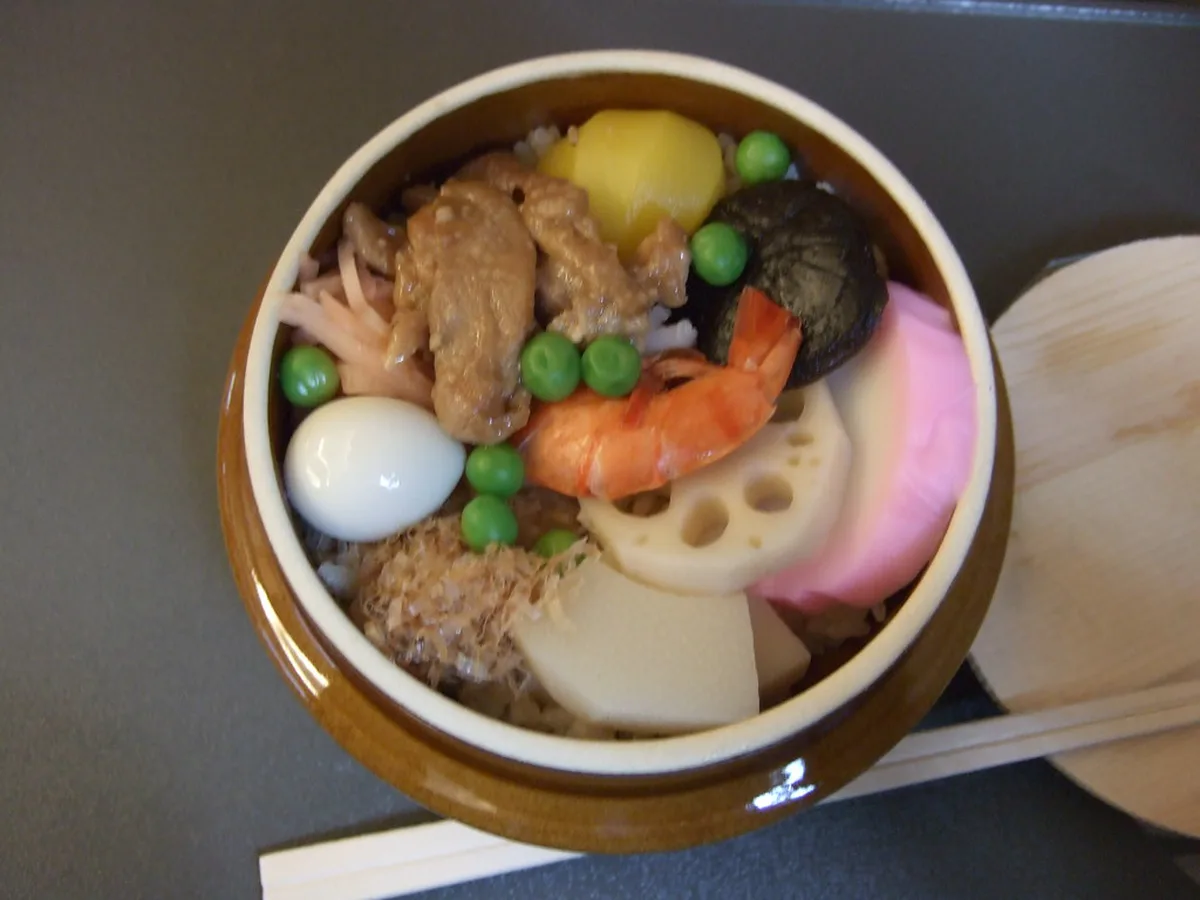
- Hitsumabushi Grilled Eel Ritual
- This premium grilled eel dish follows a specific four-step eating ritual for maximum flavor.
- Expect to pay $35–$60 per person at famous shops like Atsuta Houraiken.
- Most establishments open daily from 11am to 2pm and 4:30pm to 8:30pm.
- Try this Hitsumabushi Recipe/Guide to understand the broth-pouring technique beforehand.
- Miso Katsu Fried Pork Cutlets
- Deep-fried pork cutlets take on a salty-sweet profile when drenched in thick red miso sauce.
- Typical meal sets cost between $12 and $25 depending on the meat quality.
- The famous Yabaton Miso Katsu is the most iconic spot for first-time visitors.
- Request the miso sauce on the side if you prefer to control the saltiness.
- Miso Nikomi Udon Stewed Noodles
- These thick wheat noodles are simmered in a piping hot earthenware pot of miso broth.
- Expect a firm, almost undercooked texture that locals call al dente style.
- Standard bowls cost $10–$18 and are served in shops open 11am to 9pm.
- Use the pot lid as a small plate to cool the noodles before eating.
- Tebasaki Nagoya Style Chicken Wings
- Twice-fried chicken wings are coated in a peppery glaze and sprinkled with sesame seeds.
- A plate of five wings usually costs around $5–$8 at local izakayas.
- Most wings spots open in the late afternoon and stay busy until midnight.
- Look for Sekai no Yamachan for the most accessible and spicy wing experience.
- Kishimen Nagoya Flat Noodles
- These broad, flat noodles offer a silky texture and are often served in soy broth.
- Quick station bowls cost $4–$9, making them a perfect budget-friendly lunch option.
- Shops inside Nagoya Station are open from 7am to 10pm for commuters.
- The noodles at Sumiyoshi on the Shinkansen platform are surprisingly high quality.
- Tenmusu Shrimp Tempura Rice Balls
- Small rice balls filled with savory shrimp tempura are wrapped in crisp nori seaweed.
- A box of five rice balls typically costs between $6 and $10.
- Specialty shops like Senju are often open from 10am until they sell out.
- These make for an excellent portable snack for long train rides out of town.
- Ogura Toast Red Bean Breakfast
- Thick slices of buttered toast are topped with sweet red bean paste and cream.
- This breakfast staple usually costs $4–$7 and includes a complimentary coffee.
- Most traditional cafes serve this during their morning service until 11am daily.
- Visit the Osu neighborhood for the most charming and traditional cafe atmospheres.
- Miso Oden Winter Stew
- Various ingredients like daikon and eggs are simmered in a rich miso-based broth.
- Individual pieces usually cost $1–$3 each at street stalls or specialized restaurants.
- Evening stalls near the station are best visited between 6pm and 10pm.
- The daikon absorbs the most flavor and is a local favorite for texture.
- Doteni Miso Beef Sinew
- Beef sinew and offal are slow-cooked in Hatcho miso until they become incredibly tender.
- Small side dishes cost $4–$9 and are commonly found in local drinking dens.
- Izakayas serving this dish typically open from 5pm until late at night.
- Pair this rich dish with a cold Japanese lager to balance the saltiness.
- Ankake Spaghetti Peppery Pasta
- Thick pasta is topped with a spicy, viscous tomato-based sauce and various toppings.
- Prices for a generous plate range from $8 to $15 at specialty diners.
- Most spaghetti houses operate from 11am to 9pm with a mid-afternoon break.
- Choose the Mirakan topping for a classic mix of vegetables and sliced sausages.
- Taiwan Ramen Spicy Nagoya Ramen
- Minced pork, chives, and plenty of chili peppers define this fiery Nagoya original.
- A standard bowl at the famous Misen restaurant costs about $7–$12.
- The main Misen branches are open daily from 5:30pm until 2am.
- Prepare for significant heat as this is one of Japan's spiciest ramen styles.
- Nagoya Cochin Premium Chicken
- This heritage breed of chicken is prized for its firm texture and rich flavor.
- Expect to pay $25–$50 for a full Cochin chicken dinner set.
- Specialty restaurants are usually open for lunch and dinner in the Sakae area.
- The sashimi-style chicken is a delicacy for adventurous eaters seeking local authenticity.
- Ebi Fry Jumbo Deep Fried Shrimp
- Nagoya is famous for its exceptionally large, crispy breaded shrimp served with tartar sauce.
- A set with two jumbo shrimp typically costs between $15 and $30.
- Department store restaurants serve these daily from 11am to 10pm.
- Look for the giant golden shrimp statues at restaurant entrances to find them.
- Uiro Sweet Rice Jelly
- These chewy, steamed rice jelly cubes come in flavors like matcha and cherry blossom.
- A small gift box usually costs $5–$12 at station souvenir shops.
- Shops like Osu Uiro are open daily from 10am to 7pm.
- They have a longer shelf life than most sweets, making them great souvenirs.
- Oni Manju Sweet Potato Cakes
- Chunks of sweet potato are steamed into a sticky, translucent dough for this dessert.
- Individual cakes are very affordable, usually costing only $1–$2 each.
- Local confectioneries sell these fresh from 9am until they run out daily.
- The name translates to devil cake because the potato lumps look like horns.
The Famous Nagoya Morning Service Culture
Nagoya's breakfast culture is legendary across Japan for its incredible value and hospitality. When you order a coffee at most cafes, you receive a free breakfast set. Our nagoya station area guide lists several spots where this tradition thrives. The set typically includes toast, a hard-boiled egg, and occasionally a small salad.
Ordering is simple: just ask for the morning set after choosing your drink. Most cafes offer this service from opening time until 10:30am or 11:00am. Modern cafes might offer Ogura Toast as the free bread option for visitors. This is the most cost-effective way to start your day of sightseeing in Nagoya.
I recommend visiting Komeda's Coffee for a consistent and classic morning service experience. The Osu and Sakae districts are packed with independent cafes offering unique variations. Arrive before 9am on weekends to avoid the long queues of local families. Expect to spend about $4 to $6 for the coffee and free food combined.
Is Nagoya Meshi Worth the Trip?
Travelers often wonder if the heavy miso flavors are worth a dedicated food trip. If you enjoy savory, salty, and umami-rich profiles, Nagoya will be a highlight. The variety of textures, from chewy kishimen to crunchy ebi fry, is truly impressive. Budget travelers will find that best restaurants in nagoya offer great value compared to Tokyo.
However, some items like the firm Miso Nikomi Udon can be polarizing for newcomers. I suggest skipping the generic Western-style pasta chains found in the basement malls. Instead, focus on the shops that specialize in only one or two regional dishes. These specialized eateries maintain the highest standards for traditional Hatcho miso preparation.
Nagoya's food scene is less about presentation and more about deep, satisfying comfort. It feels more approachable and less formal than the kaiseki dining of Kyoto. The city is definitely worth visiting for anyone who considers themselves a serious foodie. Plan for at least two days to sample the most iconic items without feeling overwhelmed.
Nagoya Food Tours and Dining Logistics
Navigating the local dining scene is much easier with a few logistical tips. Most famous restaurants do not take reservations for lunch, so expect short wait times. Using the nagoya subway is the fastest way to reach different food hubs. Sakae and Nagoya Station are the two primary areas for concentrated dining options.
Consider booking a guided food tour if you want to learn the history behind miso. Tours often include hidden gems that are difficult for non-Japanese speakers to find. Evening tours are particularly good for exploring the izakaya culture in the Osu district. These experiences usually last 3 hours and cost between $60 and $100 per person.
English menus are widely available in the station area but rarer in local neighborhoods. I find that using a translation app for wall-mounted menus is very helpful. Most places accept credit cards, but smaller traditional stalls still prefer cash payments. Check the operating hours carefully as many local shops close between lunch and dinner.
Frequently Asked Questions
What is the best dish to try first in Nagoya?
Hitsumabushi is the most famous and culturally significant dish to try first. It offers a unique four-step eating ritual that showcases the city's love for grilled eel. Expect to spend $35–$50 for this high-quality meal.
Is Nagoya Meshi very spicy?
Most Nagoya Meshi is savory rather than spicy, with the notable exception of Taiwan Ramen. That specific dish is famous for its intense chili heat and minced pork. Other dishes rely on the deep saltiness of red miso.
Is Nagoya worth visiting for food alone?
Yes, Nagoya is a top destination for foodies due to its distinct regional flavors. You can learn more in our guide on is nagoya worth visiting for travelers. The city offers a unique culinary identity found nowhere else in Japan.
Nagoya Meshi offers an unforgettable journey through some of Japan's most robust and comforting flavors. From the ritual of Hitsumabushi to the simplicity of Morning Service, there is something for every palate. I encourage you to step outside your comfort zone and try the pungent Hatcho miso dishes. Your visit to Nagoya will be defined by these bold tastes and the warmth of local hospitality.
For the full picture, see our complete Nagoya attractions guide to plan the rest of your trip.
Keep planning with our Restaurants and Food Experiences in Nagoya 2026 and Things to Eat guides.

Free: The Nagoya Essentials guide
Top things to do, where to stay, a perfect day plan, getting around, and the best time to go — a Nagoya mini-guide you can take offline.
You might also like


Continue reading
More guides you'll find useful