Nara Narazuke Pickles Guide: History, Top Shops, and Tasting Tips
Nara narazuke pickles explained: how they're made, where to buy near Todai-ji and Hasedera, and how to eat this 1,300-year-old specialty in 2026.
On this page
Last updated August 2026, this guide breaks down Nara narazuke pickles for travelers who want more than a snack stall explanation. These sake-lees-fermented vegetables carry an alcoholic punch that surprises most first-time tasters, so knowing what to expect changes the experience. Below you'll find the flavor profile, the production timeline, and exactly which Nara shops sell the most authentic versions near Todai-ji and Hasedera.
What Are Nara Narazuke Pickles? A 1,300-Year Sake-Lees Tradition
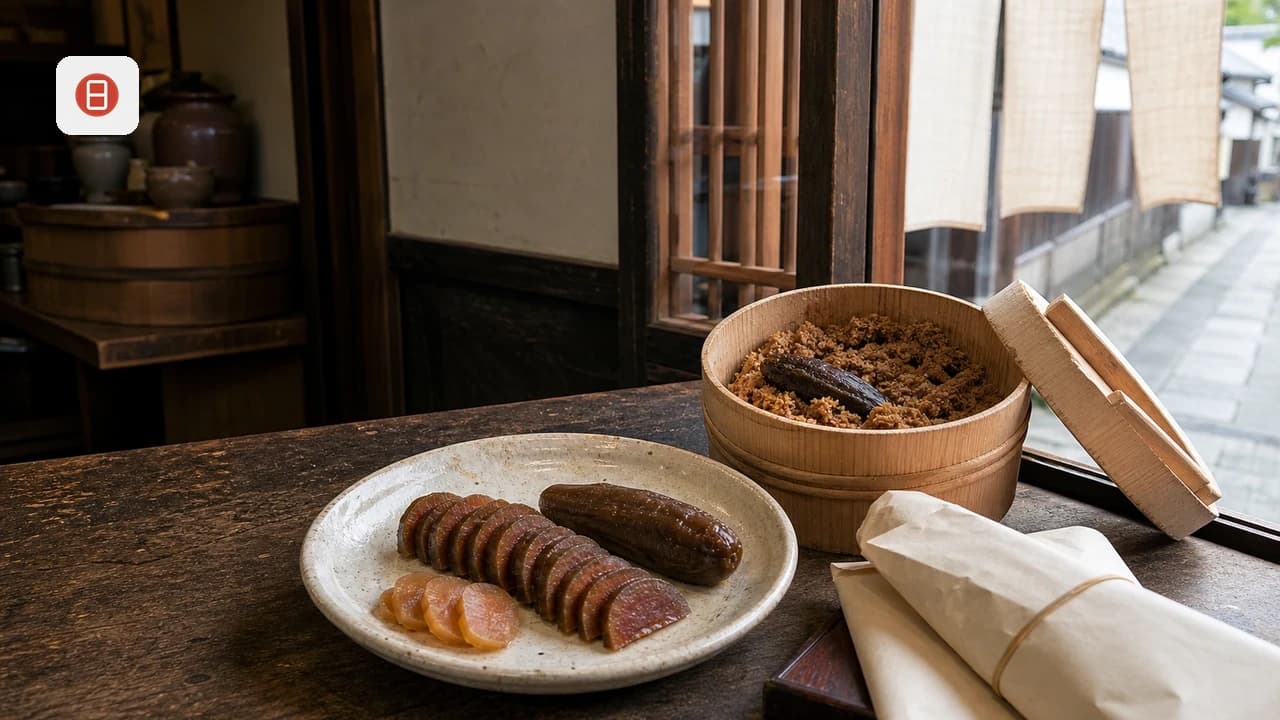
Narazuke pickles are vegetables cured first in salt, then repeatedly re-pickled in sakekasu, the solid lees left over from sake brewing. The result is a dark, amber-to-near-black pickle with a scent and punch closer to rice wine than to vinegar. The vegetable most associated with narazuke, shirouri or white melon, didn't originate in Japan. It traveled the Silk Road from India through China, arriving in Nara alongside Buddhism. Buddhist priests returning from China around 650 AD are credited with first pickling that melon in sakekasu, a practice that grew into today's narazuke. Wooden tablets excavated at Heijo-kyo, Nara's 8th-century capital, record the term kasuzuke uri, showing sake-lees pickling was already established more than 1,300 years ago. Nara's temples had also become centers of early sake production. They refined cloudy doburoku into the clearer soboshu style that eventually gave rise to today's sake industry. Nara's sake brewery guide covers that side of the story in more depth. By the 15th century clear sake was widespread, sake-lees pickling matured alongside it, and the word narazuke itself began appearing in period documents, including a 1603 Japanese-Portuguese dictionary. For a wider view of the region's food traditions, the 8 Must-Try Nara Food Specialties: A Local Cuisine Guide (2026) places narazuke alongside other local dishes.
The Flavor Profile: What First-Timers Should Expect
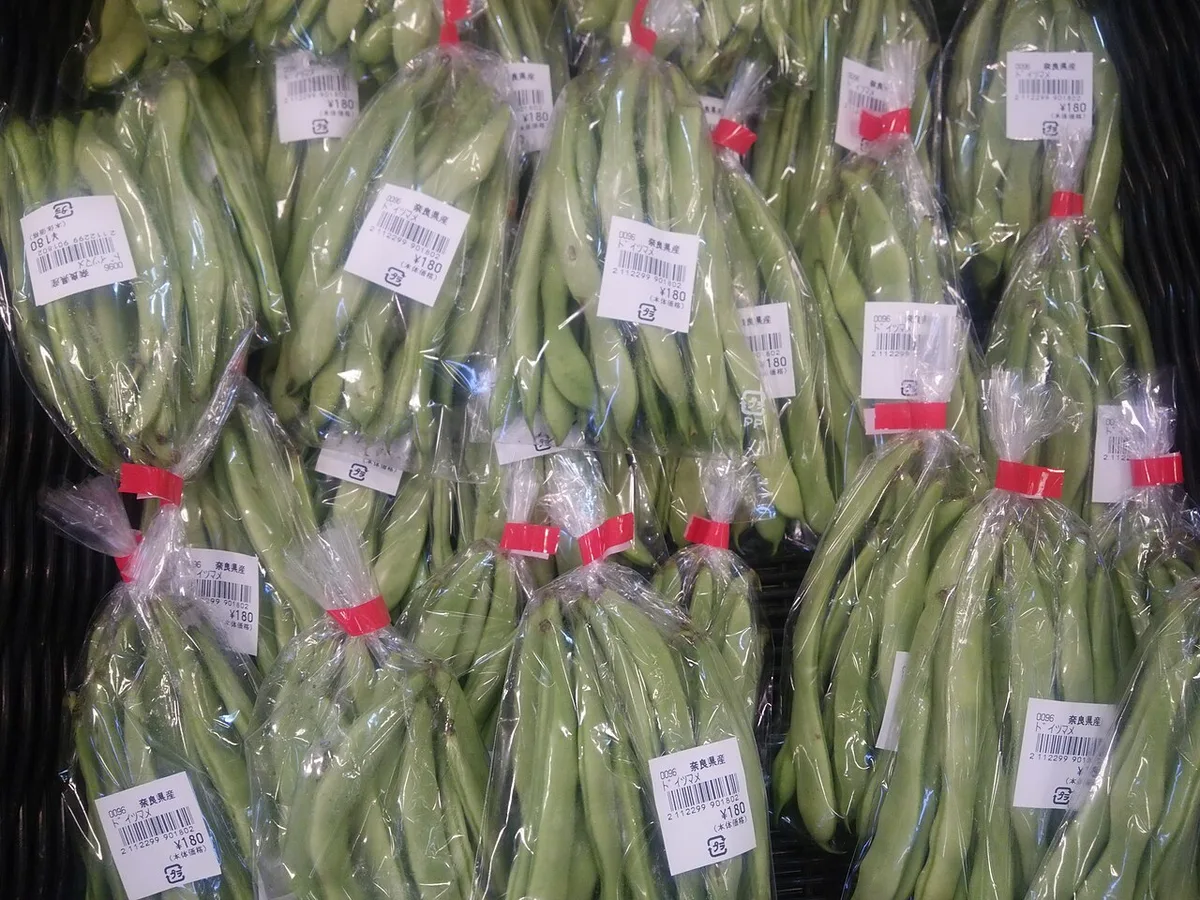
Narazuke tastes deeply savory first, with a background sweetness and a sharp alcoholic edge from the sake lees. That alcoholic note is the detail most newcomers underestimate; a first bite can taste closer to sake-soaked fruit than to a typical pickle. Texture depends on the vegetable: shirouri melon stays crunchy even after months in the lees, while eggplant softens considerably. Compare it to milder Japanese pickles like takuan (crisp, bright-yellow daikon) or asazuke (lightly salted, quick-pickled vegetables), and narazuke's intensity stands out immediately. Some travelers find that intensity polarizing on a first taste, which is exactly why sampling in-store before buying a full jar is worth doing. The aroma is just as assertive as the taste, since sake lees carry a noticeable rice-wine scent that some travelers pick up before they even taste the pickle. Travelers who already enjoy sake, miso, or other strongly fermented foods tend to adjust to narazuke faster than those trying fermented Japanese food for the first time.

How Narazuke Is Made: Sake Lees, Salt, and Patience
Production starts with salting, which draws moisture out of the vegetable over a period that can run from about a month up to six months. Salted vegetables then move into sake lees, and that lees gets swapped out several times as pickling continues. Each swap adds umami and pushes the color from pale to deep amber. The Nara Prefecture Tsukemono Cooperative, formed to support the prefecture's pickle industry, breaks the technique into three principles. First, salt is gradually replaced by sake lees to shift the flavor. Second, both salt and time do the real work, so rushing the process isn't possible. Third, technique adapts to the vegetable, the season, and the condition of the lees each producer is using. Mori Naraduketen, the long-running shop by Todai-ji's Great South Gate, breaks its own process into five stages, with fresh lees used only in the final two. That full cycle takes one to two years at Mori Naraduketen. Other producers move faster or slower: some narazuke is ready in three months, while long-aged versions take up to three years to reach full color and flavor. Producers describe sake lees as more than a preservative, since it also carries enzymes, B vitamins, and amino acids into the finished pickle. According to Mori Naraduketen, the yeast and lactic acid bacteria in sake lees are also linked to gut health and skin condition, though these are producer claims rather than clinical findings. The amber color itself comes from melanoidin, a compound formed as amino acids and sugars combine during aging, so a darker jar usually signals more time in the lees.
- Salting: removes excess moisture from the raw vegetable, typically over one to six months
- Initial pickling: removes remaining saltiness using lees reused from a later stage
- Second-stage pickling: continues removing salt while adding the first layer of seasoning
- Third-stage pickling: adds seasoning using fresh sake lees
- Final pickling: sets the finished flavor, also using fresh sake lees
Where to Buy Authentic Narazuke in Nara
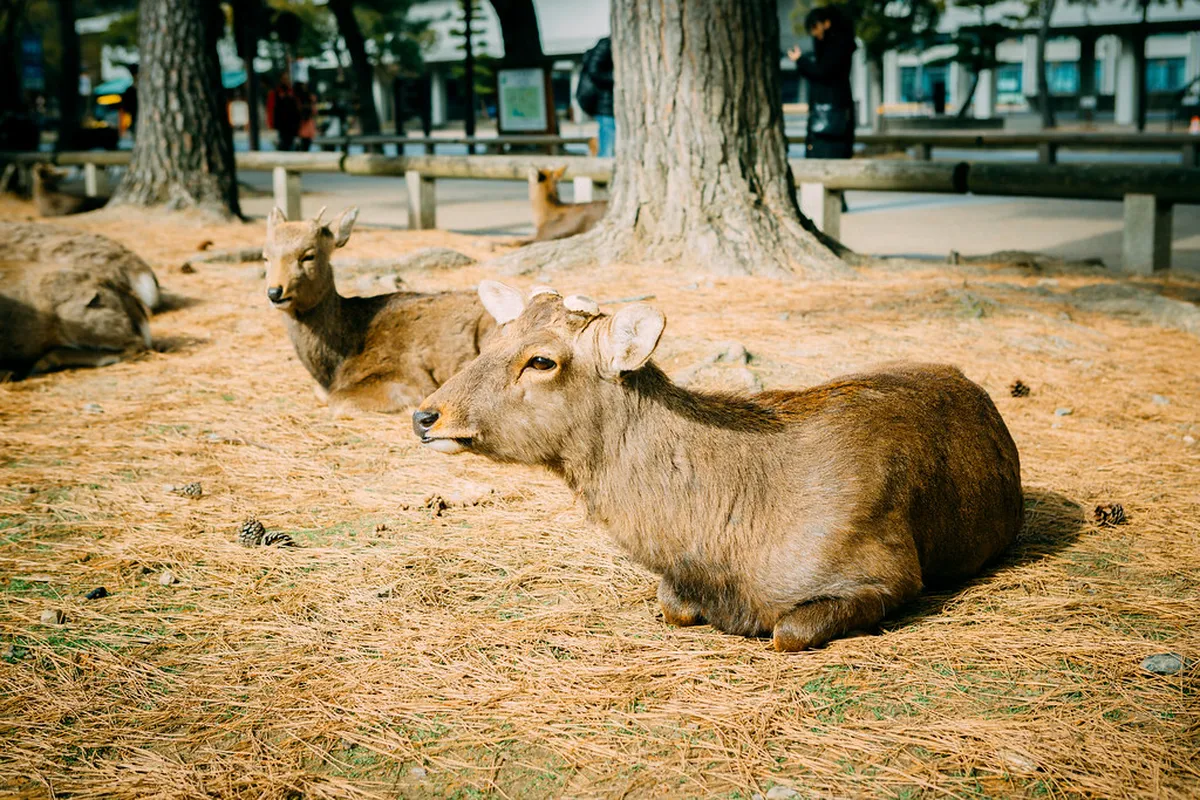
Nara has several long-established narazuke shops. Deciding between them mostly comes down to three things: temple district, aging duration, and vegetable variety. Mori Naraduketen frames its own process as an exercise in reducing waste, since the shop reuses and re-pickles vegetables in the same sake lees multiple times before starting a new batch. Deer that wander near Todai-ji are often seen resting outside the shop entrance, calm enough that passers-by barely notice them. Todai-ji and Hasedera both appear in the Nara attractions guide, so pairing a narazuke stop with either temple visit needs no extra detour. Shirozakeya's own listing in the official Nara Travel Guide notes its pickles age in visible vats for around three years before sale. Naraya Honten has been recognized in sustainable-tourism case studies for keeping every stage of production, from vegetable to sake lees, inside Nara Prefecture. Exact pricing isn't published for any of these shops, so treat cost as relative rather than fixed. A fresh three-month batch typically costs less than a vintage three-year jar, and a vacuum-sealed gift set costs more than loose pickles sold by weight.
Shinroku Honten was founded in 1868 and is well-known, but its factory is in Ibaraki, not Nara—so verifying a pickle's origin matters when buying from authentic Nara shops like Mori Naraduketan or Naraya Honten.
| Shop | Location | What Sets It Apart |
|---|---|---|
| Mori Naraduketan | By Todai-ji's Great South Gate; established 1869 | English-language resources; pairs pickles with cream cheese and sake collaborations |
| Shirozakeya | Near Hasedera, Sakurai; 17-minute walk from Kintetsu Hasedera Station | Ages pickles 3 years in visible vats; slightly sweeter recipe; staff offer tastings |
| Naraya Honten | Nara Prefecture | Uses only Nara-grown vegetables and Nara-brewed sake lees |
- Mori Naraduketen — by Todai-ji's Great South Gate, operating since 1869; prints an English-language leaflet and pairs pickles with cream cheese and sake-brewery collaborations
- Shirozakeya — near Hasedera in Sakurai, about a 17-minute walk from Kintetsu Hasedera Station; recipe runs slightly sweeter and staff typically offer tastings before you buy
- Naraya Honten — uses only Nara-grown vegetables and Nara-brewed sake lees, keeping production inside the prefecture end to end
How to Eat and Serve Narazuke
Most shops advise against rinsing narazuke under a tap, since running water strips away the sake-lees flavor that took months or years to develop. Instead, wipe the lees off with a cloth or your fingers, then slice the pickle thin before serving. Practice varies by producer. Shirozakeya's own guidance is the opposite: rinse off the sake lees and slice the pickle finely before eating. When in doubt, ask staff or check the shop's label. Steamed white rice is the traditional pairing. Many restaurants featured in the best restaurants in Nara guide serve a small plate of narazuke alongside rice. Cream cheese has become a popular modern pairing, a combination Mori Naraduketen actively promotes to newer customers. Local Nara sake is another natural match, since the pickle and the drink share the same base ingredient. Nara's food culture leans heavily on preservation techniques beyond narazuke too. The Nara Kakinoha Zushi Guide: Persimmon Leaf Sushi, History, and Where to Eat It covers persimmon-leaf-wrapped sushi, another dish built around extending shelf life with local ingredients. For a home-style dish, try the Yamato Kikuna and narazuke salad, adapted from a recipe published by Nara Prefecture. Some shops are experimenting with new formats to reach younger diners, from wine pairings to narazuke worked into spreads and dips, alongside the more established cream-cheese pairing. Mori Naraduketen also publishes an English-language leaflet and runs an English-language website and social media presence aimed at first-time overseas visitors. That kind of outreach signals shops are actively working to make narazuke less intimidating for newcomers.
- Tear Yamato Kikuna (or substitute shungiku) into bite-sized pieces
- Drain a small can of tuna and mix it with finely chopped narazuke
- Whisk mayonnaise, vinegar, and oil into a dressing
- Plate the greens, top with the tuna-narazuke mixture, and finish with the dressing; serves four
Traveler Tips: Alcohol Content, Storage, and Buying Smart
Narazuke carries real alcohol content, which is unusual for a pickle. Expect roughly 5 to 8 percent alcohol by volume. That's enough to register with sensitive drinkers, and it isn't suitable for children. Artisan producers such as Mori Naraduketen use only vegetables, natural salt, and sake lees, with no added mirin or sweeteners. That's worth checking for on the label before you buy. For evening plans that pair narazuke tasting with a wider night out, the Nara nightlife guide rounds out where to go afterward.
At 5 to 8 percent alcohol by volume, narazuke is more alcoholic than most pickles, making it unsuitable for children and noticeable for sensitive drinkers pairing it with sake or other drinks.
- Alcohol: roughly 5 to 8 percent by volume, noticeable for a pickle and unsuitable for children
- Evening pairing: if sake tasting is already on the agenda, factor narazuke's alcohol into that total
- Packing: vacuum-sealed packs travel better than open tubs, which can leak and draw extra scrutiny under carry-on liquid rules
- Supermarket shortcut: cheap narazuke sometimes uses added sugar or artificial sweeteners instead of a full lees-aging process
- Brand check: Shinroku Honten is a well-known narazuke name founded in 1868, but its factory is in Toride, Ibaraki, not in Nara Prefecture
Which Narazuke Vegetable Should You Choose?
Narazuke is a pickling method, not a single vegetable. Choosing the right variety can make a first tasting much more enjoyable.

- Shirouri melon: The classic Nara choice has dense, crisp flesh and a strong sake-lees flavor. Thin slices work well with plain rice.
- Cucumber: Usually lighter and easier to bite than melon. It is a practical starting point for travelers unfamiliar with strongly fermented foods.
- Eggplant: Aging gives it a softer texture and a concentrated savory character. Choose it if you prefer tenderness over crunch.
- Ginger: Its natural heat cuts through the sweetness and alcoholic aroma of the lees. Finely sliced ginger narazuke works well as a small condiment.
Ask whether a shop sells a mixed tasting pack before committing to one variety. Also compare aging periods when available. Longer maturation generally produces a darker color and a more intense flavor, while younger pickles can taste brighter. Whatever the vegetable, slice narazuke thinly because its salt, sweetness, and alcohol are concentrated.
Frequently Asked Questions
Is narazuke safe to eat if you're avoiding alcohol?
Narazuke retains meaningful alcohol from the sake lees, generally in the range of 5 to 8 percent by volume. Anyone avoiding alcohol entirely, including children and pregnant travelers, should skip it or ask a shop for their lowest-alcohol option before buying.
Should you wash narazuke before eating it?
Most producers say no: wipe the sake lees off with a cloth or your fingers instead of rinsing under a tap, since water strips flavor. A few shops, including Shirozakeya near Hasedera, recommend a quick rinse and a thin slice instead, so it helps to ask staff which method they prefer.
How long does narazuke actually take to make?
Timelines vary by producer and vegetable. Some batches are salted and pickled in about three months. Longer-aged versions spend up to three years being repeatedly pickled in fresh sake lees. That repeated pickling is what pushes the color to a deep amber or near-black.
Where's the best place to buy narazuke near major Nara sights?
Mori Naraduketen sits along the approach to Todai-ji's Great South Gate, making it convenient if the Great Buddha Hall is already on the itinerary. Shirozakeya sits near Hasedera in Sakurai, about a 17-minute walk from Kintetsu Hasedera Station, which suits travelers combining narazuke shopping with a temple visit there.
Can you bring narazuke home on a flight?
Vacuum-sealed packs travel more reliably than open tubs, since sealed packaging is less likely to leak or raise questions at security. Checking current airline and customs rules before departure is worth doing, since liquid and food import limits change and vary by destination country.
What does narazuke actually mean, and is it the same as tsukemono?
Narazuke specifically refers to Nara's sake-lees pickle tradition, first recorded on 8th-century wooden tablets as kasuzuke uri, while tsukemono is the broader category covering all Japanese pickles, including salt-based and vinegar-based styles. Takuan and asazuke are both tsukemono, but neither uses sake lees, which is what gives narazuke its distinct alcoholic profile.
Is narazuke only made in Nara?
Nara is the historic origin of narazuke and still hosts its most established shops, including Mori Naraduketen and Shirozakeya. Other regions of Japan also produce sake-lees pickles under the same name today, including long-running makers based in Ibaraki Prefecture, so checking a label matters if buying an authentically Nara-made jar is the goal.
Free: The Nara Essentials guide
Top things to do, where to stay, a perfect day plan, getting around, and the best time to go — a Nara mini-guide you can take offline.
You might also like


Continue reading
More guides you'll find useful