Kasuga Wakamiya On-matsuri: Nara's December Festival Guide
Plan Kasuga Wakamiya On-matsuri: Dec 17 procession timeline, night-ritual rules, access from Nara Station, free vs paid viewing, and cold-weather tips.
On this page
Last updated September 2026: Kasuga Wakamiya On-matsuri is Kasuga Taisha's four-day December festival, running December 15–18 with the main procession on December 17. Viewing is free, but the day rewards planning more than most Nara events. This guide sorts what to watch, what to skip, and how to get home late.
What Kasuga Wakamiya On-matsuri Is
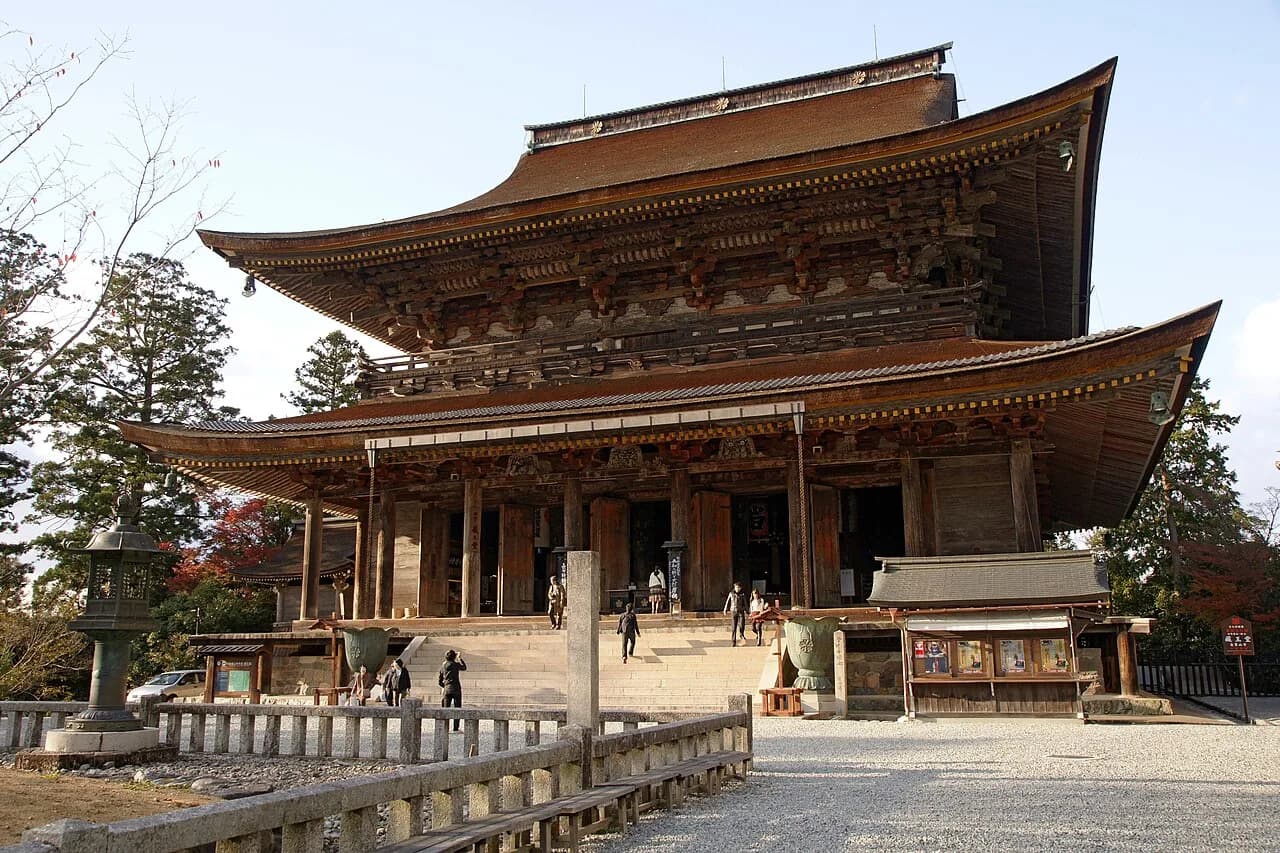
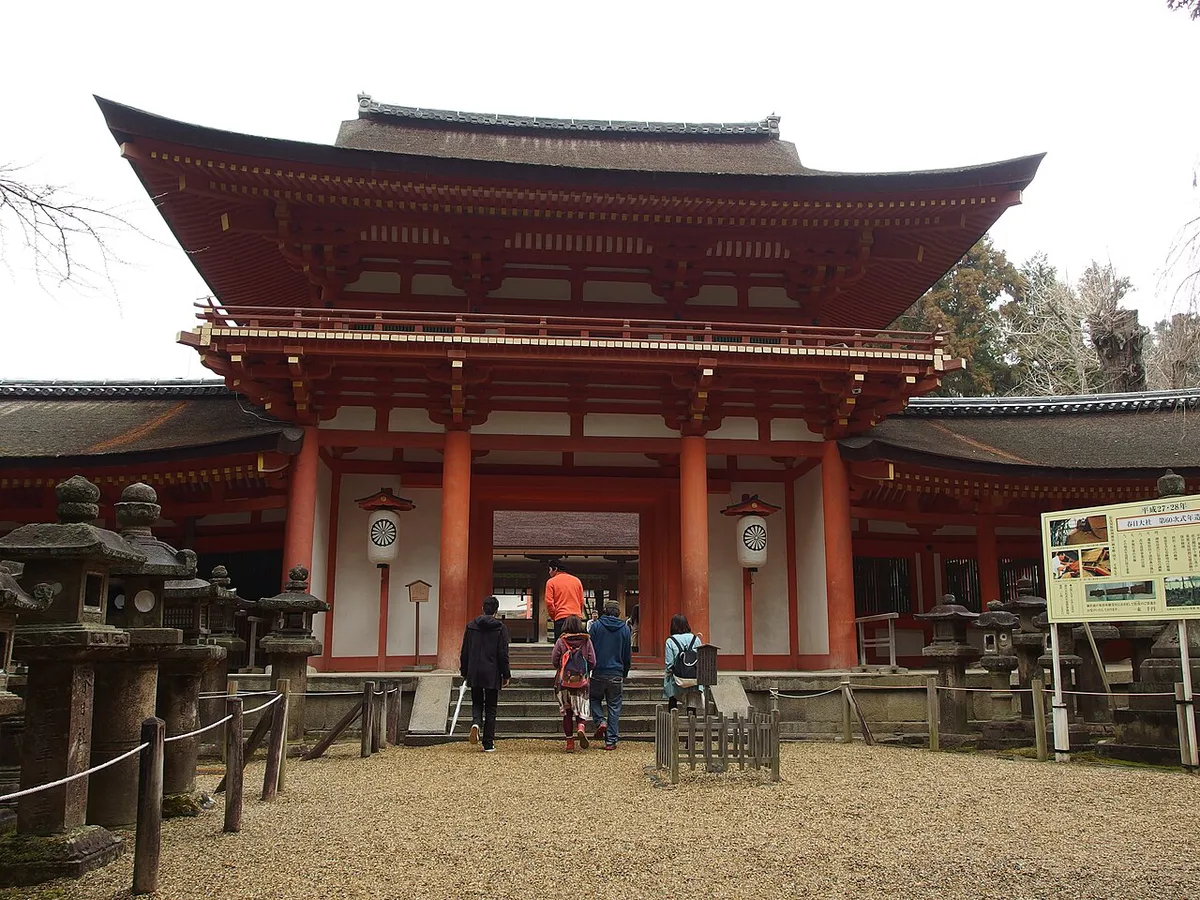
Kasuga Wakamiya On-matsuri is held at Kasuga Taisha, in the grounds of the Wakamiya Shrine. According to the Nara City Tourism Association, it began in 1136, when Regent Fujiwara no Tadamichi held a ritual there. Visit Nara says the festival has run for nearly 900 years. The Tourism Association counted 2025 as the 890th occurrence, which would make 2026 the 891st. Confirm that count with the shrine before you quote it. Visit Nara also notes that the performances are designated a National Important Intangible Folk Cultural Property. Events run over four days, and December 17 is the main day. This page treats December 15–18 as the festival window because both Visit Nara and the Tourism Association list it. Some third-party calendars show December 14 as a start date. Treat that as unverified, and check the Kasuga Taisha official site for the 2026 schedule before you book a hotel.
- Dates: December 15–18, with the main procession on December 17
- Venue: Kasuga Taisha, 160 Kasugano-cho, Nara
- Entry: free for viewing; paid seating is optional
- Best single day: December 17
Is Kasuga Wakamiya On-matsuri Worth It?
It is worth it if you like ritual, costume, and old performing arts. It is a poor fit if you want a fast, easy evening. The December 17 programme runs from noon until about 11pm, and the coldest part is the late night. Pick your slice of the day by traveler type.
| Traveler | Best plan | Trade-off |
|---|---|---|
| Families with kids | Watch the noon procession, then leave in daylight | Skips night rituals; Visit Nara tags the festival as good for kids |
| Photographers | Roadside spot for the procession and horses | Night rituals allow no photos; no flash or drones anywhere |
| Culture and history fans | Procession plus afternoon performances | Long, cold day outdoors |
| Only one evening in Nara | Late-afternoon performances at the Otabisho | Check the last bus and train before staying late |
December 17 Timeline: What to See and When
Times below come from festival reference listings and one Tourism Association note. Treat them as a planning frame. Verify every time on the official schedule before you go. The Tourism Association says the Owatari-shiki procession begins at noon on December 17. Participants wear costumes from the Heian period to the Edo period. Japan Travel puts the number of volunteer participants at about 500, so treat that count as approximate. Visit Nara says the procession starts outside the prefectural office and follows Sanjo-dori. It reaches Kasuga Taisha late at night. One festival calendar lists the afternoon Otabisho ritual around 2:30pm, with folk performances continuing until about 11pm. It also lists two silent night rituals, but it gives conflicting times. Confirm them with the shrine.
With about 500 volunteer participants, free roadside spots on Sanjo-dori are limited; arrive early to claim a good position.
| Time (verify) | What happens | Go or skip |
|---|---|---|
| Noon | Owatari-shiki procession begins | Go: the best single sight |
| About 2:30pm | Otabisho ritual and folk-arts performances start | Go if you want kagura and bugaku |
| Afternoon | Horseback archery and horse racing near the Kagemuko no Matsu pine, per a festival listing | Go, but verify the location |
| Late evening | Night rituals in darkness | Go only if you accept cold and silence |
| About 11pm | Performances end; return ritual listed | Skip if your last transit is tight |
- Times in the official programme override anything on this page.
- Sources disagree on the timing of the deity's departure, so do not plan a tight transfer around it.
The Four Days: What Happens Beyond the 17th
Visit Nara describes a range of events over four days, from December 15 to 18. The verified detail is limited. The main parade is on December 17, and the other days carry rituals and offerings around it. Most travelers do not need all four days. Japan Travel calls December 17 the main day, and the Tourism Association ties the costume procession to that date. If you only have one day, choose December 17. If you have two, ask the shrine which other-day rituals are open to visitors, since sources do not list them.
Night Rituals: Rules and Etiquette
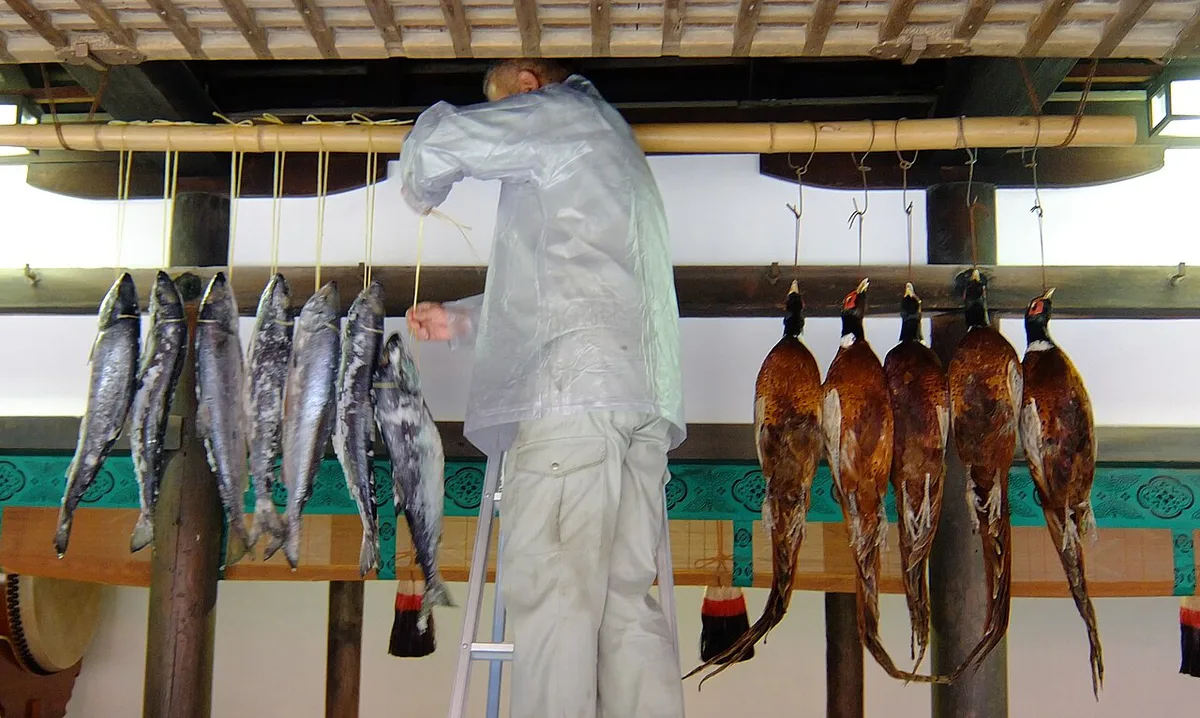
Festival guides describe the night rituals as silent. Lights are turned off, and visitors bow as the deity passes. One listing says photography, lights, and talking are forbidden during them. Follow staff instructions above any guide. Visit Nara publishes rules that apply to the whole festival. Read them as a photographer's checklist.
- No drone photography
- No flash photography
- Follow the instructions of event staff
- Keep your distance from the horses
- Do not shout or startle the horses
Where to Watch: Free Roadside vs Paid Seating
The Tourism Association says the procession can be watched from the roadside for free. It also says special seating is offered at three locations along the route, for a fee, operated by the Tourism Association. Price, booking method, and availability were not in the sources, so check with the association before you plan around a seat. Roadside spots cost nothing but require standing in the cold. A paid seat buys comfort and a clearer sightline. If you have small children or want to stay through the afternoon, a seat is worth pricing. For the Sanjo-dori stretch, arrive early to claim a good roadside spot.
Getting to Kasuga Taisha and Back Late
Visit Nara lists a 25-minute walk from Kintetsu Nara Station. The Tourism Association gives two bus options from JR Nara or Kintetsu Nara. A bus toward Kasuga Taisha Honden takes about 11–15 minutes. The outer loop city bus takes about 9–13 minutes to Kasuga Taisha Omotesando, then it is about a 10-minute walk. Japan Cheapo lists the shrine at 1.9 km from Kintetsu Nara Station. For the return, look up last-bus and last-train times with the operators. This guide does not state them because none were supplied.
After performances end about 11pm, a 25-minute walk to Kintetsu Nara is your main option; verify the last bus departs after you travel.
| Option | Time | Effort |
|---|---|---|
| Walk from Kintetsu Nara | About 25 minutes | Low cost, cold on the way back |
| Bus to Kasuga Taisha Honden | About 11–15 minutes | Short walk after |
| Outer loop bus to Omotesando | About 9–13 minutes | About 10-minute walk after |
- Walk back if you leave with the crowd and know the route.
- Take a taxi if you stay past the last bus.
- Sleep in Nara on December 17 if you plan to see the late rituals.
Cost and What to Bring
Japan Cheapo and Japan Travel both list the festival as free, and the reference listing describes it as viewing only. Your real costs are optional paid seating, transport, winter clothing, and a Nara hotel night. Seating fees were not supplied, so ask the Tourism Association. Plan for hours outdoors from noon to late evening. For general seasonal expectations, see our Nara winter weather guide.
- Warm layers, including thermal underwear
- Insulated, waterproof footwear
- Hand warmers
- A hat and gloves
- Charged phone, with the flash turned off
Combining With Other Nara Festivals and Sights
For the wider calendar, use our Nara festivals and events guide. Daytime sights near the shrine fill the hours before the procession; browse 20 Best Nara Attractions for ideas. Nara's other night events run in different seasons, so they will not overlap with December. Compare fire-focused Yamayaki mountain burning if you like night spectacle. Ritual fans can read about Omizutori at Todai-ji. For lights rather than ritual, see the Tokae lantern festival. Check each event's season before planning around it.
Mistakes to Avoid
Most problems come from timing and cold. Avoid these.
- Trusting one source for times. Verify on the official schedule.
- Assuming December 14 is a festival day without confirmation.
- Planning a late return without checking the last bus and train.
- Raising a camera or light during the night rituals.
- Standing near the horses or shouting near them.
- Arriving late for a roadside spot on Sanjo-dori.
Frequently Asked Questions
When is Kasuga Wakamiya On-matsuri, and which day is the main event?
Visit Nara and the Nara City Tourism Association list December 15–18. December 17 is the main day, with the costume procession. Some third-party calendars show December 14, so confirm 2026 dates on the shrine's site.
Is it free? Do you need tickets?
Viewing is free. Paid special seating is offered at three locations along the procession route, run by the Nara City Tourism Association. Ask the association for pricing and booking.
What time does the procession start, and how long should I plan?
The Tourism Association says Owatari-shiki begins at noon on December 17. Visit Nara says it reaches Kasuga Taisha late at night. Plan for a long outdoor day, and check the official schedule.
Can I take photos during the night rituals?
Festival listings say photography and lights are forbidden during the night rituals. Visit Nara also bans flash and drones. Follow staff instructions on the day.
How do I get to Kasuga Taisha from Nara Station?
Take a bus toward Kasuga Taisha Honden, about 11–15 minutes. Or take the outer loop bus for about 9–13 minutes and walk about 10 minutes. Walking from Kintetsu Nara takes about 25 minutes.
Is it suitable for children?
Visit Nara tags the festival as good for families and kids. The noon procession is easier than the late night rituals. Bring warm layers and keep children away from the horses.
Free: The Nara Essentials guide
Top things to do, where to stay, a perfect day plan, getting around, and the best time to go — a Nara mini-guide you can take offline.
You might also like


Continue reading
More guides you'll find useful