

Best Time to Visit Yoshino (2026)
When is the best time to visit Yoshino in 2026? A season-by-season guide to the four-tier cherry bloom, quiet summer temples, underrated autumn foliage, and snow-dusted winter visits, with a month-by-month crowd table.
On this page
Mount Yoshino in Nara Prefecture is famous above all for one thing: roughly 30,000 cherry trees planted in four elevation bands, blooming in a staggered wave up the mountainside every spring. That reputation undersells a destination worth visiting in any season — the same slopes fill with green shade in summer, blaze with underrated foliage in autumn, and settle into a quiet, near-monastic stillness under winter snow.
Because cherry blossom season dominates Yoshino's identity, most visitors default to planning around it without weighing the other three seasons. This guide breaks down what each actually offers — highlights, weather, and realistic crowds — so you can pick timing that matches what you want: the iconic four-tier bloom, or a nearly empty mountain temple.
Whichever season you choose, Yoshino pairs naturally with a wider Kansai loop: Wakayama City and the coastal onsen town of Shirahama both work well as a follow-on stop, particularly outside peak spring.
The bloom is staggered by elevation, not simultaneous — Shimo Senbon blooms first, then Naka Senbon, Kami Senbon, and finally Oku Senbon near the summit. Timing your visit to the start or end of this window, rather than the single peak week, gets nearly the same view with far thinner crowds.
Key Takeaways
- Spring (late March–late April) is Yoshino's defining season thanks to the staggered four-tier cherry bloom, but peak week (typically early-to-mid April) is genuinely crowded — shoulder days offer nearly identical views with far fewer people.
- Summer (June–August) trades blossoms for lush green mountainside and nearby waterfalls, with a fraction of spring's crowds — good for a quiet temple visit despite heat and humidity.
- Autumn (late October–November) is Yoshino's most underrated season: the same four tiers turn to vivid foliage, comparable to the spring spectacle, with far smaller crowds.
- Winter (December–February) is the quietest season by far, with occasional snow at higher elevations, though many shops reduce their hours.
- Autumn and winter visits pair naturally with Wakayama City's mikan season and Shirahama's onsen towns for a broader Kansai itinerary.
Yoshino Season by Season
The table below summarizes what each season offers on Mount Yoshino, its defining highlight, and a realistic read on crowd levels.
| Season | Highlight | Crowds |
|---|---|---|
| Spring (late Mar–late Apr) | The staggered four-tier cherry bloom across Shimo, Naka, Kami, and Oku Senbon — Yoshino's signature experience | Very high in the peak week (typically early-to-mid April); shoulder days at the start/end of the bloom window are noticeably calmer |
| Summer (Jun–Aug) | Deep green mountainside, nearby waterfalls, cooler temple grounds under shade | Low — far fewer visitors than spring, though hot and humid |
| Autumn (late Oct–Nov) | Underrated foliage across the same four tiers — visually comparable to the spring bloom | Moderate — a fraction of spring's crowds for a similarly dramatic view |
| Winter (Dec–Feb) | Quiet mountain temples, occasional snow at higher elevations | Lowest of the year, but expect reduced shop and facility hours |
Spring: The Four-Tier Cherry Bloom
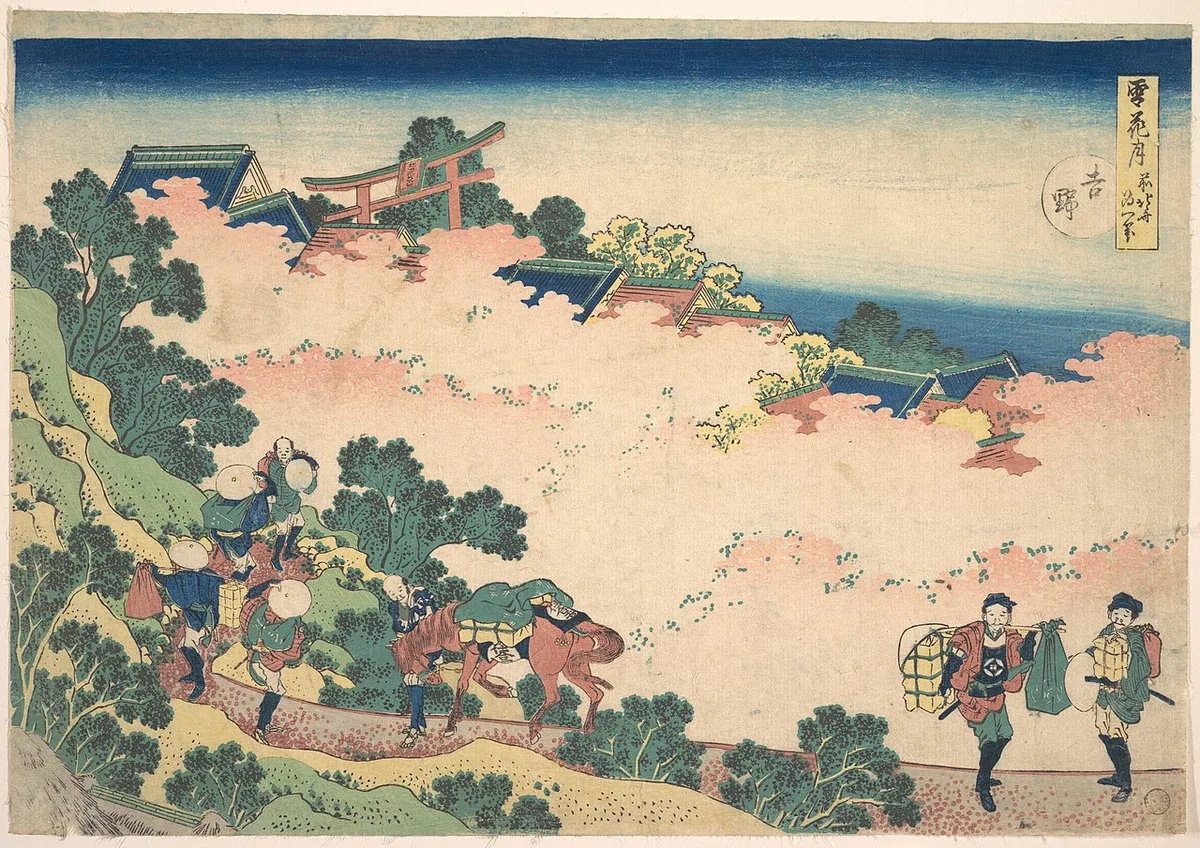
Spring is why most people have heard of Yoshino at all. From late March to late April, roughly 30,000 cherry trees bloom in a wave that climbs the mountain — Shimo Senbon first, then Naka Senbon, Kami Senbon, and finally Oku Senbon near the summit, each opening roughly a week after the tier below it. The full cherry blossom guide covers the tier-by-tier viewing strategy, but the planning principle is simple: peak week, typically early-to-mid April, delivers the fullest bloom and the heaviest crowds and ropeway queues of the year.
If crowd avoidance matters more than catching every tier at maximum bloom, the shoulder days just before or after peak week are the better trade. The lower tiers may be past best while upper tiers are still opening, but you'll still see a substantial spread of blossoms with lighter foot traffic on the approach paths and around Kinpusenji Temple.
Summer and Autumn: Green Season and the Underrated Foliage
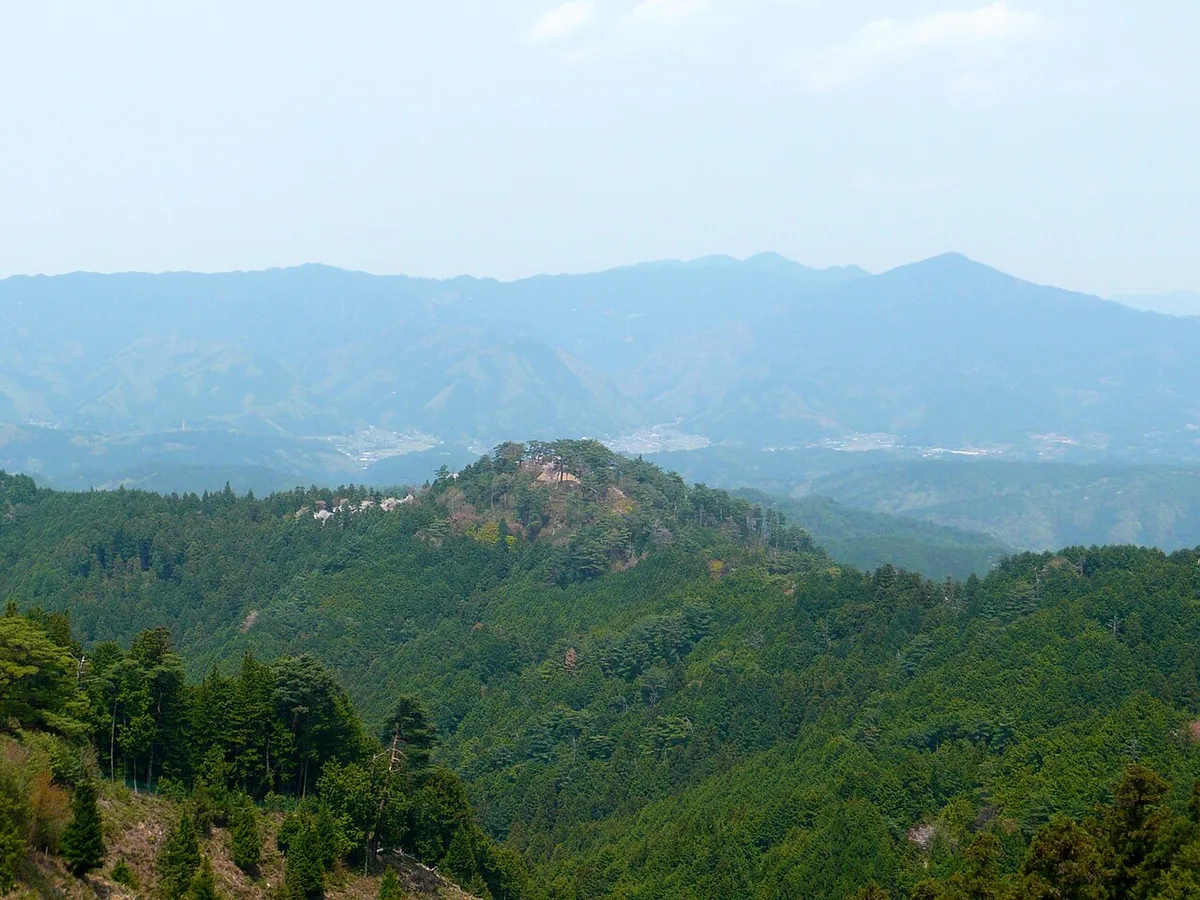
Summer swaps the blossoms for dense green cover — the same slopes that draw hundreds of thousands of spring visitors are, by June, a quiet forested mountainside with nearby waterfalls and thin crowds at sites like Yoshimizu Shrine. Heat and humidity are real, and midday visits can be draining, but mornings and evenings are pleasant, and the near-empty paths make it a good time to take in the temple architecture unhurried.
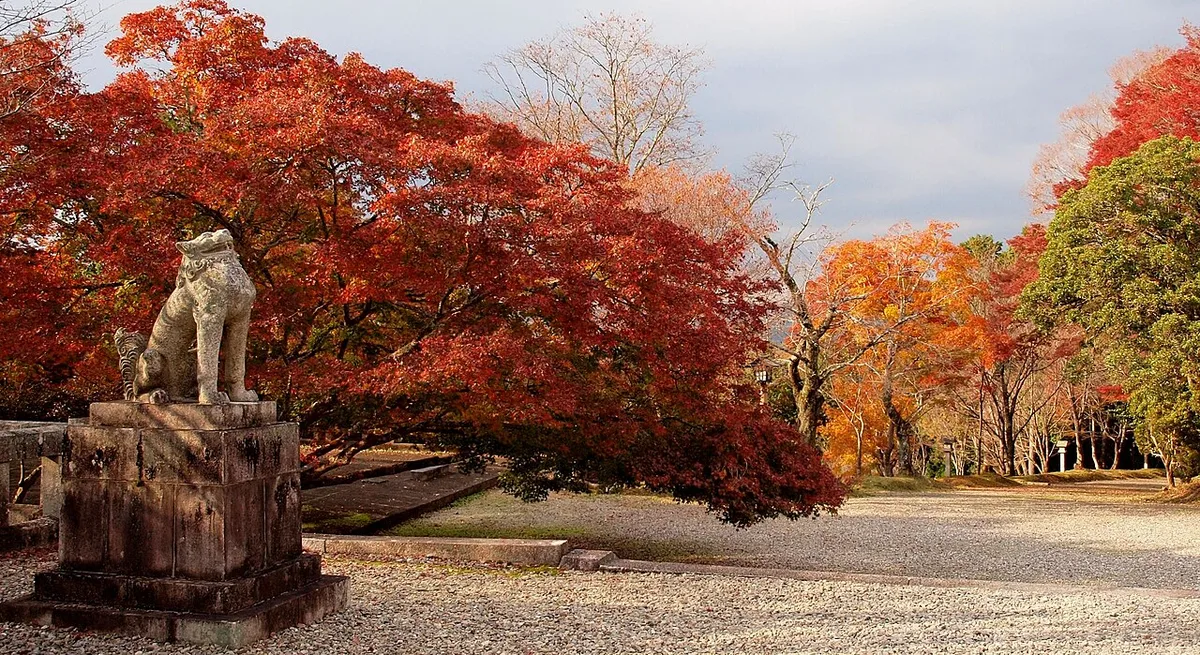
Autumn, late October into November, is the season most worth reconsidering. The same four tiers that carry the cherry bloom turn to foliage, and the effect — color spreading up the mountainside by elevation — closely mirrors the spring spectacle. Crowds are a fraction of peak spring, the Yoshino ropeway runs shorter waits, and the weather is crisp and comfortable for walking the four-tier trail.
Winter Quiet, and Pairing With Wakayama and Shirahama
Winter, December through February, is Yoshino's quietest stretch by a clear margin. Higher elevations occasionally see snow, giving the temple rooftops and cedar paths a stark, monastic look absent the rest of the year. The trade-off: shops, teahouses, and smaller facilities reduce hours or close for stretches, so a winter visit rewards flexibility over a tight schedule.
Because autumn and winter both avoid the cherry-season crowds, they pair well with a wider regional loop. Wakayama City moves into its mikan citrus season around the same window, and Shirahama's onsen towns offer a natural, low-crowd counterpoint. Both are sensible additions outside the spring peak — see the Yoshino one-day itinerary for how to structure the mountain visit before extending into Wakayama Prefecture.
Frequently Asked Questions
What is the single best month to visit Yoshino?
For most visitors, early-to-mid April is best, since it typically coincides with peak four-tier cherry bloom — also, by a wide margin, the most crowded window of the year. If avoiding crowds matters as much as seeing blossoms, the shoulder edges of the bloom window are a reasonable compromise, and late October to November offers a comparably dramatic foliage display with far fewer visitors.
Is Yoshino worth visiting outside cherry blossom season?
Yes. Autumn foliage across the same four tiers is visually comparable to the spring bloom with far smaller crowds, summer offers a quiet, shaded temple visit with nearby waterfalls, and winter brings an almost monastic stillness with occasional snow. Cherry blossom season is Yoshino's most famous window, not its only worthwhile one.
How crowded is Yoshino during peak cherry blossom week?
Very crowded. Peak week, typically early-to-mid April, draws large numbers of visitors to see all four tiers bloom together, and the ropeway and main approach paths can be slow-moving. Visiting the start or end of the roughly month-long bloom window instead delivers a similar view with meaningfully lighter foot traffic.
Can Yoshino be combined with Wakayama or Shirahama in one trip?
Yes, and it works well outside spring. Wakayama City's mikan citrus season and Shirahama's onsen towns both fall into a quieter autumn-to-winter window that complements a low-crowd Yoshino visit, making a combined Nara-to-Wakayama loop a natural extension once cherry blossom season has passed.
There is no wrong season to visit Mount Yoshino, only trade-offs between spectacle and solitude. Spring delivers the iconic four-tier cherry bloom that put Yoshino on the map, at the cost of the year's heaviest crowds. Autumn offers a strikingly similar payoff in foliage form with a fraction of the visitors, summer trades blossoms for quiet green shade, and winter strips the mountain to its stillest, most contemplative state.
Decide first what you want — the signature bloom, a quieter walk among the same trees, or a genuinely uncrowded temple visit — and let that set your dates. For the framework of how to spend a day on the mountain, see the Yoshino one-day itinerary, and for the full rundown of what to see, start with the Yoshino attractions guide.
For reference information on the destination, see Yoshino, Nara on Wikipedia.
Free guide: Japan's Hidden Gems
12 under-the-radar places beyond Tokyo & Kyoto — with the best season to visit each and a local tip you won't find in the guidebooks.
You might also like


Continue reading
More guides you'll find useful


