

Kinpusen-ji Temple: UNESCO Guide (2026)
2026 guide to Kinpusen-ji Temple in Yoshino: the National Treasure Zao-do Hall, the hidden Zao Gongen guardian statues, the Niomon Gate, its living Shugendo tradition, and practical admission, hours, and access details.
On this page
Above the switchback lanes of Yoshino, past the last of the souvenir shops and up a final steep rise, the roofline of Kinpusen-ji's Zao-do Hall appears first as a dark, improbably vast silhouette against the mountainside. Founded in the 7th to 8th century by En no Gyoja, the legendary ascetic credited with founding Shugendo, Kinpusen-ji is the head temple of that mountain-worship tradition and one of the anchor sites in the UNESCO World Heritage listing "Sacred Sites and Pilgrimage Routes in the Kii Mountain Range."
Unlike many of Japan's most photographed temples, Kinpusen-ji is not a static museum piece. It remains an active base for yamabushi — mountain ascetic practitioners — and visitors who time their trip well may see them passing through the temple grounds in traditional dress, conch-shell horns slung over their robes. That living continuity, alongside two National Treasure structures and a set of guardian statues rarely shown to the public, is what makes Kinpusen-ji worth the climb beyond Yoshino's famous cherry-blossom slopes.
This 2026 guide covers the Zao-do Hall, the hidden Zao Gongen statues, the Niomon Gate, the temple's Shugendo role, and practical details on admission, hours, and getting there from the Yoshino ropeway.
The three Zao Gongen statues inside the Zao-do Hall are ordinarily kept concealed and are only unveiled during occasional special exhibitions. Check current opening notices before a visit if seeing them is a priority — the hall itself is open to visitors regardless.
Key Takeaways
- Kinpusen-ji is the head temple of Shugendo and a core component of Yoshino's UNESCO World Heritage listing, founded by the legendary ascetic En no Gyoja.
- The Zao-do Hall, at roughly 34 metres tall, is the second-largest wooden building in Japan after Nara's Todai-ji, and is itself a designated National Treasure.
- Three towering Zao Gongen statues — flame-haloed, fierce-faced guardian deities each over 7 metres tall — are normally hidden inside the hall and shown only during special exhibitions.
- The Niomon Gate at the base of the temple approach is a second National Treasure and can be viewed for free.
- Kinpusen-ji remains an active Shugendo training base; visitors occasionally encounter yamabushi practitioners in traditional dress on the grounds.
The Zao-do Hall: A National Treasure Second Only to Todai-ji
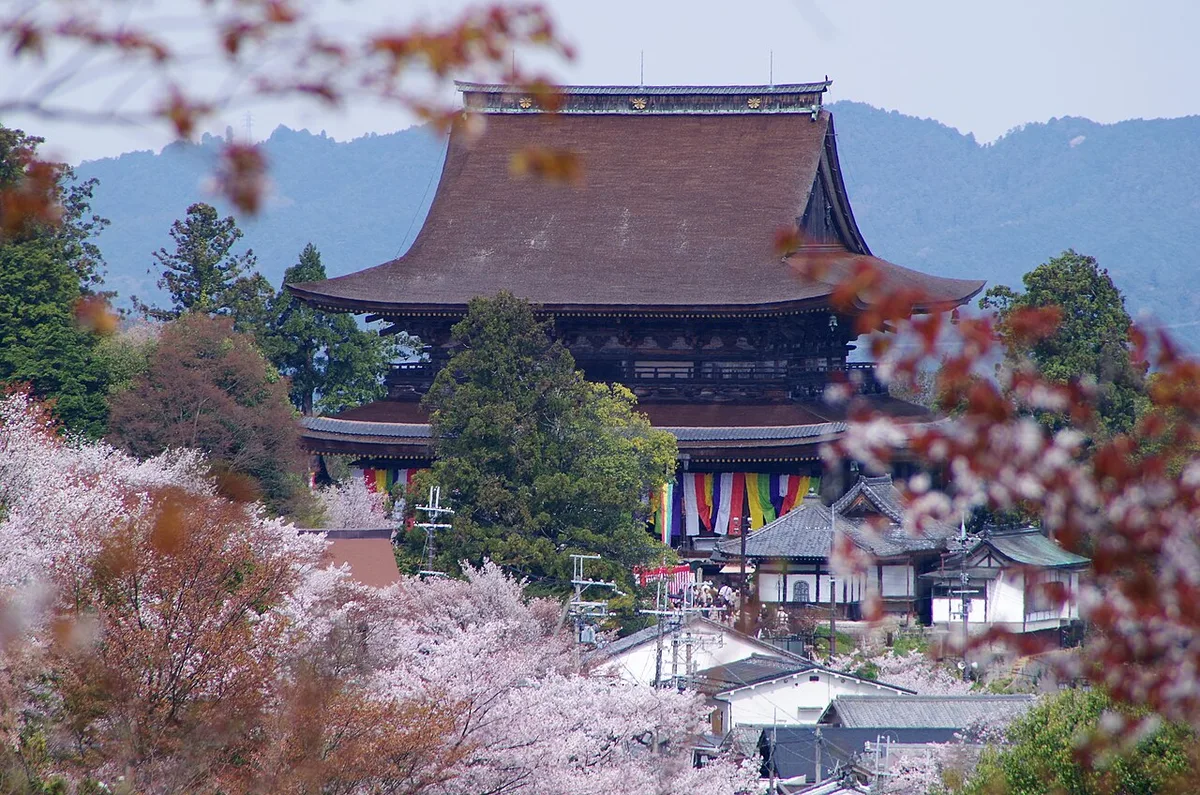
The Zao-do Hall is Kinpusen-ji's centrepiece and the reason most visitors make the climb. At approximately 34 metres tall, it is the second-largest wooden temple building in Japan, surpassed only by the Daibutsuden of Nara's Todai-ji. The scale is genuinely disorienting up close — the hall's dark cypress-bark roof and heavy timber columns feel more like a mountain fortress than a conventional temple building, a character that fits its role as the ceremonial heart of a mountain-ascetic tradition rather than a court-sponsored capital temple.
The hall's designation as a National Treasure recognises both its scale and its structural rarity — few wooden buildings of this size from the era survive intact. Inside, the space is dim and cavernous, lit mainly by daylight filtering through the entrance, which makes the eventual approach to the altar area feel deliberately staged for reverence rather than casual sightseeing. The Yoshino attractions guide places the Zao-do Hall in context alongside the town's other historic sites and cherry-blossom viewpoints.
The Hidden Zao Gongen: Three Fierce Guardian Deities
Inside the Zao-do Hall stand three imposing statues of Zao Gongen, the fierce, flame-haloed guardian deity said to have manifested to En no Gyoja during his mountain austerities as the protective spirit of Shugendo practice. Each figure stands over 7 metres tall, rendered with wrathful expressions, raised limbs, and haloes of carved flame — a visual register closer to a wrathful protector deity than the serene Buddhas typically associated with Japanese temple art.
What makes the Zao Gongen statues a genuinely little-known detail, even among visitors who make the trip specifically for the Zao-do Hall, is that they are not permanently on public display. The statues are normally kept concealed and are unveiled only during occasional special exhibitions, which makes catching them a matter of timing rather than routine sightseeing. Travellers planning around a specific exhibition period should confirm current dates before finalising an itinerary, since the schedule is irregular and not guaranteed year to year.
Niomon Gate: The Second National Treasure
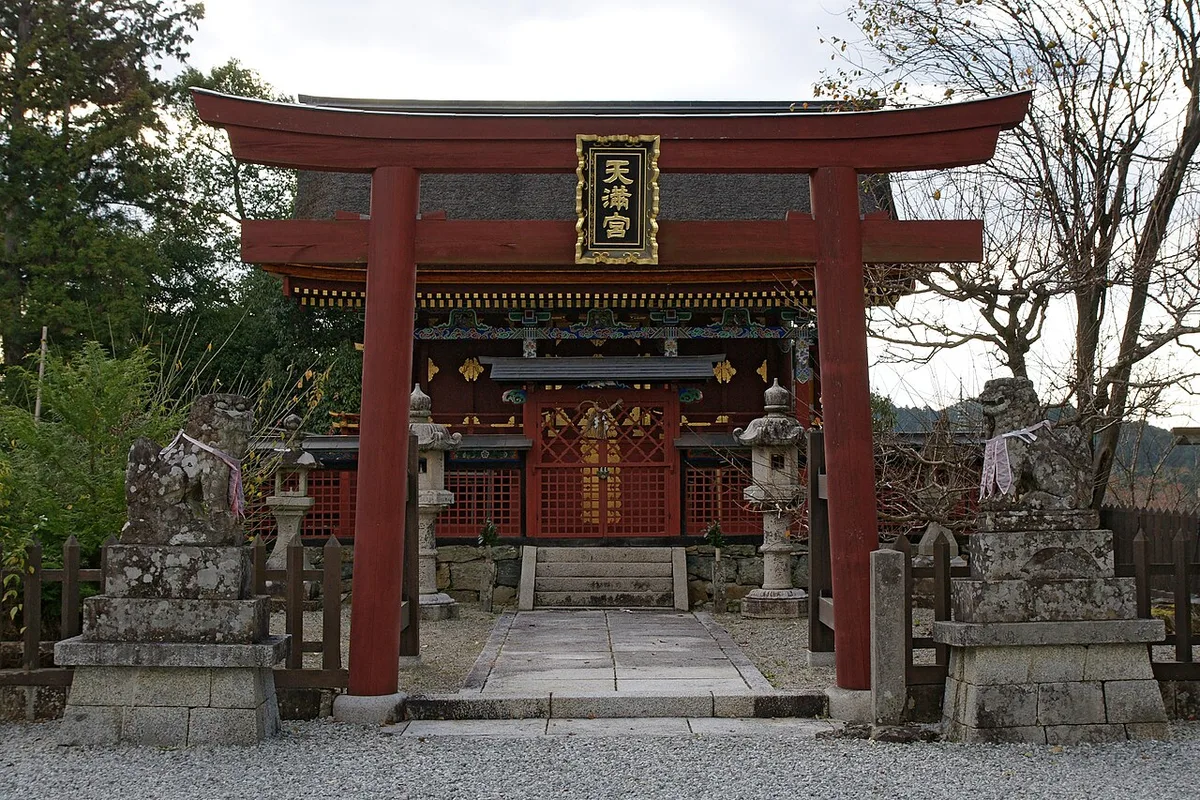
Before reaching the Zao-do Hall, visitors pass beneath the Niomon Gate, the imposing entrance structure at the base of the temple approach and Kinpusen-ji's second National Treasure. The gate takes its name from the pair of fearsome Nio guardian statues housed within its structure, traditional protectors positioned at temple thresholds throughout Japan to ward off evil. Niomon Gate can be viewed and passed through free of charge, making it an easy stop even for travellers with limited time who are mainly passing through Yoshino en route to other stops such as Yoshimizu Shrine.
The gate's weathered timber and dark tiled roof set the tone for the climb ahead, and its scale — imposing without approaching the sheer mass of the Zao-do Hall above — works as a deliberate architectural build-up to the main hall.
A Living Shugendo Tradition
Kinpusen-ji is not a preserved relic but an active base for Shugendo, the syncretic mountain-ascetic practice blending elements of esoteric Buddhism, Shinto mountain worship, and folk religion. Practitioners known as yamabushi continue to train and conduct rites connected to the temple, and visitors who arrive at the right time may see them moving through the grounds in traditional white and checked robes, carrying ritual implements and blowing conch-shell horns known as horagai.
This continuity is part of what earned the surrounding sacred sites and pilgrimage routes their UNESCO World Heritage status — the recognition covers not just individual buildings but a continuous belt of mountain-worship practice stretching across the Kii Peninsula. For travellers who want to understand Yoshino's cherry blossoms and its religious significance together, the Yoshino cherry blossoms guide covers how the mountain's four tiers of blossoms and its sacred status have long been intertwined in the same pilgrimage tradition.
Visiting Kinpusen-ji: Admission, Hours, and Access
Admission to the Zao-do Hall is approximately 800 yen per adult as a 2026 planning estimate; the Niomon Gate itself is free to view and pass through. Opening hours run roughly 8:30 to 16:30 as a 2026 estimate, though seasonal adjustments are possible around major festivals — confirm current hours before visiting if arriving late in the day.
Kinpusen-ji sits roughly a 10-minute uphill walk from the upper station of the Yoshino ropeway, making it a natural stop for travellers already riding the cable car up from the town's lower slopes. Comfortable footwear is worth packing, since the approach involves a steady incline on stone steps and paved lanes rather than flat walkways. For those planning transport into Yoshino itself, the guide to getting to Yoshino from Osaka and Kyoto covers train routes and timing, and the Yoshino one-day itinerary shows where Kinpusen-ji fits alongside the mountain's other highlights if time is limited.
Frequently Asked Questions
What is Kinpusen-ji Temple known for?
Kinpusen-ji is the head temple of Shugendo, Japan's mountain-ascetic Buddhist tradition, and one of the core sites in the UNESCO World Heritage listing "Sacred Sites and Pilgrimage Routes in the Kii Mountain Range." It is best known for its Zao-do Hall, the second-largest wooden temple building in Japan, and for housing three towering Zao Gongen guardian statues that are normally kept hidden from public view.
Can visitors see the Zao Gongen statues at Kinpusen-ji?
Not always. The three Zao Gongen statues, each over 7 metres tall, are normally concealed inside the Zao-do Hall and are only unveiled during occasional special exhibitions. The Zao-do Hall itself is open to visitors year-round regardless of whether the statues are on display, so check current exhibition schedules if seeing them is a specific goal for your trip.
How much does it cost to visit Kinpusen-ji?
Admission to the Zao-do Hall is approximately 800 yen per adult as a 2026 planning estimate. The Niomon Gate, the temple's second National Treasure structure at the base of the approach, is free to view and pass through. Confirm current pricing locally, as temple admission fees can be adjusted seasonally.
How do you get to Kinpusen-ji from the Yoshino ropeway?
Kinpusen-ji is roughly a 10-minute uphill walk from the upper station of the Yoshino ropeway. The path climbs steadily on stone steps and paved lanes, so comfortable walking shoes are recommended, particularly for visitors continuing on to other sites further up the mountain afterward.
Kinpusen-ji rewards travellers willing to make the climb past Yoshino's lower slopes: two National Treasure structures, a set of guardian statues rarely shown to the public, and a Shugendo tradition that is still actively practised rather than merely commemorated. The Zao-do Hall's scale alone justifies the detour, but the possibility of encountering yamabushi practitioners on the grounds is what makes a visit feel connected to something older and still living, rather than a fixed historical stop.
Pair a visit with Yoshimizu Shrine nearby, or build it into a longer day covering the four tiers of Yoshino's cherry blossoms if visiting in season. For the fullest picture of what else the mountain offers, the Yoshino attractions guide is the place to start planning.
For reference information on the temple's history, see Kinpusen-ji on Wikipedia.
Free guide: Japan's Hidden Gems
12 under-the-radar places beyond Tokyo & Kyoto — with the best season to visit each and a local tip you won't find in the guidebooks.
You might also like


Continue reading
More guides you'll find useful


