

Yoshino Ropeway: Japan's Oldest Cable Car (2026)
Ride the Yoshino Ropeway (Senbon Ropeway), Japan's oldest continuously operating passenger ropeway: 2026 fares, operating frequency, seasonal notes, and how it links Yoshino Station to the temple town above.
On this page
Tucked beside Yoshino Station at the foot of the mountain, the Yoshino Ropeway — officially the Senbon Ropeway — has been carrying passengers up to the temple town of Yoshinoyama since 1929, making it Japan's oldest continuously operating passenger ropeway. The ride itself lasts only about three minutes, but it does the one job that matters most for a first-time visitor: it removes the steep uphill walk between the train station and the historic streets where Kinpusen-ji and the town's famous cherry orchards begin. Our full Yoshino attractions guide places the ropeway alongside the rest of the mountain's highlights.
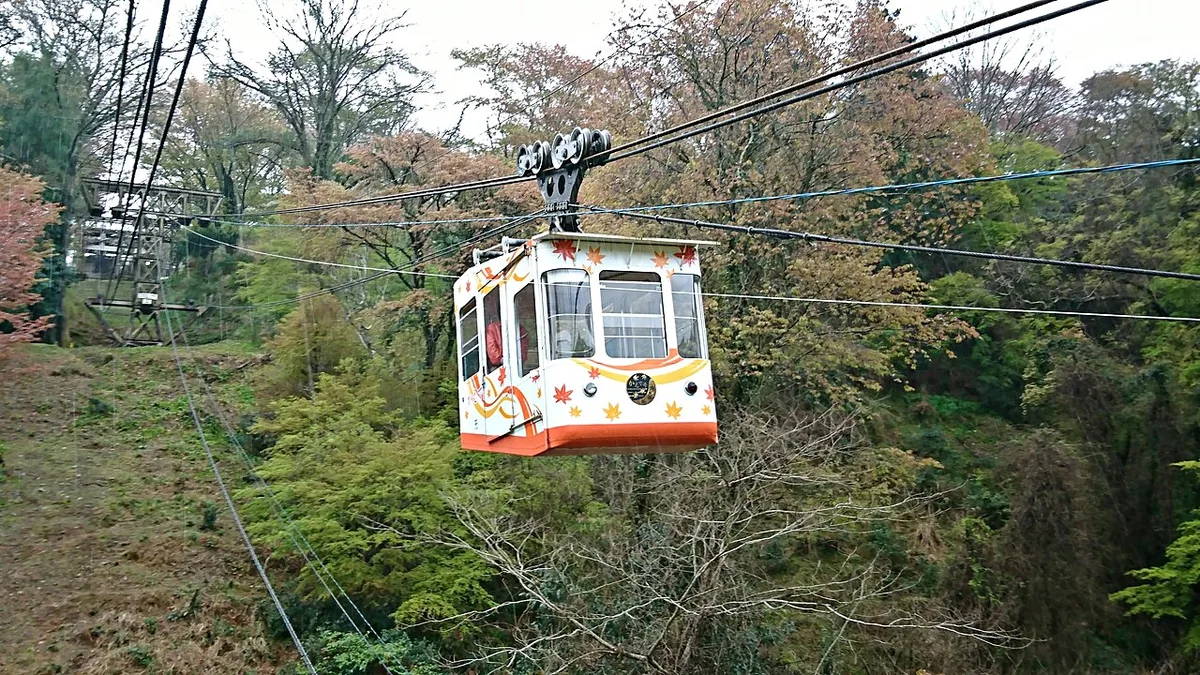
For a ride this short, the Senbon Ropeway carries an outsized amount of history. It predates almost every other cable car and ropeway in Japan by decades, and the small, vintage-styled cabins still in use today make the short ascent feel closer to a piece of working mechanical heritage than a modern tourist convenience. Riding it is as much about the century of continuous operation behind it as it is about the lift itself.
This 2026 guide covers what the ride is actually like, current fare and frequency estimates, when it can close, and what waits at the top once you step off.
The ropeway can close for scheduled maintenance or high wind without much notice — the parallel walking trail up from Yoshino Station is a reliable fallback if you arrive and find it suspended.
Key Takeaways
- The Senbon Ropeway has operated since 1929, making it Japan's oldest continuously operating passenger ropeway — a piece of mechanical heritage as much as a practical shortcut.
- The ride connects Yoshino Station at the base of the mountain to Yoshinoyama Station near the temple town in roughly three minutes.
- Cars run frequently — approximately every 15–20 minutes, with added frequency during cherry-blossom season — but service can pause for maintenance or high wind.
- The 2026 estimated one-way fare is roughly ¥500–600, with a discounted round-trip ticket available.
- From Yoshinoyama Station, it is a short walk to Kinpusen-ji and Yoshimizu Shrine.
Japan's Oldest Ropeway: A Short Ride With a Long History
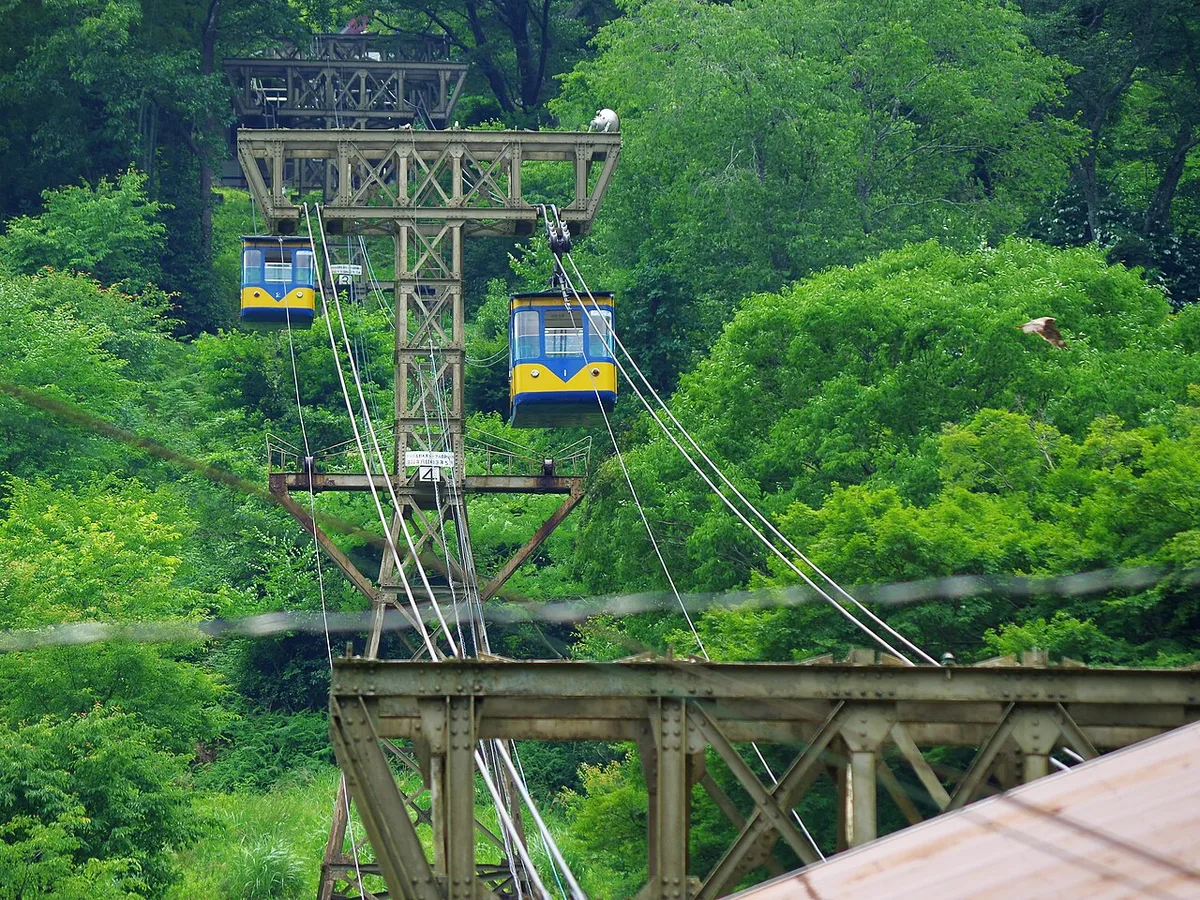
The Senbon Ropeway opened in 1929, decades before ropeway and cable car infrastructure became common at Japan's mountain resorts and temple towns. That makes the short hop from Yoshino Station to Yoshinoyama Station not just a convenience but a genuine curiosity: a nearly century-old operating system still doing its original job, carrying pilgrims and sightseers up the same slope it always has. The cabins are compact and unmistakably vintage in styling, a contrast to the sleeker gondolas found at newer Japanese ropeway attractions.
Despite its age, the ride itself is simple and quick — around three minutes from base to summit station. What it saves is the steep, switchback climb on foot from the train station up into Yoshinoyama's historic core, a walk that can otherwise eat up twenty to thirty minutes before sightseeing has even started. For visitors carrying luggage, travelling with young children, or simply arriving after a long train journey from Kyoto or Osaka, the ropeway turns an awkward first leg of the day into an easy few minutes with a view.
Because the cars are small, they fill quickly during peak cherry-blossom season, when Yoshino's mountainside becomes one of Japan's most photographed hanami destinations. Outside of that window, the ropeway tends to run at a relaxed pace, with room to enjoy the ascent rather than queue for it.
Fares, Frequency, and When It Closes
The table below summarises 2026 planning estimates. All prices and schedules are approximate — confirm current information before building a fixed itinerary around the ropeway, since a nearly century-old operation still depends on periodic maintenance and weather conditions.
| Ticket | 2026 Estimate | Notes |
|---|---|---|
| One-way | ~¥500–600 | Base fare for the ~3-minute ride |
| Round-trip | Discounted vs. two one-ways | Recommended if returning the same way |
| Departures | Every ~15–20 minutes | More frequent during cherry-blossom season |
| Closures | Maintenance / high wind | Walking trail is the fallback |
Because the ropeway can suspend service on short notice for maintenance or wind, it is worth having a backup plan rather than treating the ride as guaranteed. The parallel walking trail climbing from Yoshino Station covers the same ground on foot and is well used by hikers who prefer the exercise or simply want a slower, quieter approach to the mountain. Many visitors ride up and walk down, or the reverse, treating the ropeway as one half of the journey rather than the whole of it. For the full route from Kyoto or Osaka to Yoshino Station itself, see how to get to Yoshino from Osaka and Kyoto.
From Yoshinoyama Station: Kinpusen-ji and Yoshimizu Shrine
Stepping off at Yoshinoyama Station puts you within a short walk of Yoshino's two most significant sacred sites. Kinpusen-ji, the mountain's principal temple and a UNESCO World Heritage component, sits close enough that the ropeway effectively functions as its front door for visitors arriving by train. From there, the lanes continue on to Yoshimizu Shrine, historically tied to the mountain's cherry-blossom viewing tradition and to figures from Japan's medieval history.
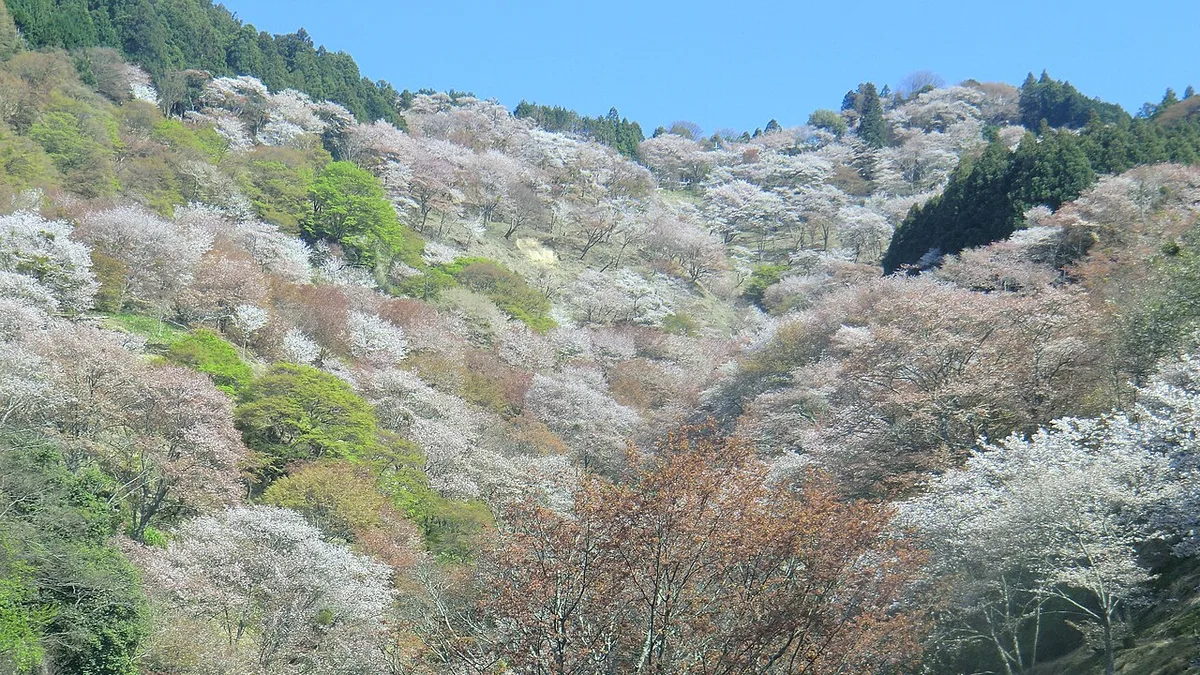
If cherry blossoms are the reason for the trip, the ropeway's added frequency during hanami season makes it the practical way to reach the lower and mid-mountain viewing areas without the steep approach on foot — our Yoshino cherry blossoms guide covers timing and the mountain's tiered viewing areas in detail. For those building a full day around the mountain, the Yoshino one-day itinerary sequences the ropeway, the temples, and the viewing areas into a realistic schedule, and best time to visit Yoshino covers how the crowds and scenery shift outside of the spring peak.
Frequently Asked Questions
How much does the Yoshino Ropeway cost in 2026?
The 2026 planning estimate for a one-way ticket is roughly ¥500–600, with a discounted round-trip ticket available if you plan to return the same way. Confirm current prices directly before your visit, as these are planning estimates only.
How long is the Yoshino Ropeway ride?
The ride between Yoshino Station and Yoshinoyama Station takes roughly three minutes. Cars depart approximately every 15–20 minutes, with more frequent service typically added during cherry-blossom season.
Is the Yoshino Ropeway always running?
Not always. The ropeway can close for scheduled maintenance or high wind, sometimes with little notice. A parallel walking trail climbs the same slope from Yoshino Station and serves as a reliable fallback if service is suspended when you arrive.
What is at the top of the Yoshino Ropeway?
Yoshinoyama Station puts you a short walk from Kinpusen-ji, Yoshino's principal temple, and Yoshimizu Shrine further along the same lanes. During cherry-blossom season, the station also serves as convenient access to the mountain's lower and mid-tier viewing areas.
For a ride that lasts barely three minutes, the Yoshino Ropeway carries a genuinely rare distinction: nearly a century of continuous operation on the same short stretch of mountainside, still doing exactly the job it was built for in 1929. It is not a dramatic ride, but it is an efficient and historically loaded one — and for most visitors arriving by train, it is simply the easiest way to trade the station platform for the temple town above.
At roughly ¥500–600 one-way, it is a small expense against the time and effort saved climbing the mountain on foot, and it pairs naturally with a day spent between Kinpusen-ji and the mountain's cherry-blossom viewing areas. For the complete list of what else the mountain offers, the Yoshino attractions guide has the full picture.
For trip-planning details, see Yoshino on Wikipedia.
Free guide: Japan's Hidden Gems
12 under-the-radar places beyond Tokyo & Kyoto — with the best season to visit each and a local tip you won't find in the guidebooks.
You might also like


Continue reading
More guides you'll find useful


