Nara with Kids: 10 Family-Friendly Things to Do (2026)
Beyond the deer: 10 family-friendly Nara spots from three trips with young children, with walking tips and ideas that suit kids of all ages.
On this page
After three family trips to Nara, I have found that the deer are just the beginning of the adventure. Our editors have reviewed every neighborhood to ensure your family enjoys a seamless experience in Japan's ancient capital. This guide was last refreshed in 2026 following a recent visit with young children. You will find that Nara is remarkably walkable and welcoming for those traveling with kids of all ages.
Navigating a new city with little ones requires more than just a list of sights. We focus on practicalities like stroller access, quiet zones, and the best spots for a quick snack break. Proper planning helps you avoid the mid-day meltdowns often caused by long temple walks and heavy crowds. Read our Nara Travel Tips: 12 Essential Insights for Your Itinerary to prepare for your upcoming journey.
Is Nara Worth Visiting with Kids?
Nara is often the highlight of a family trip to Japan because of its unique interactive nature. The city offers a slower pace compared to the neon-lit streets of Tokyo or the dense crowds of Kyoto. Most major attractions sit within a single, massive park area, which reduces the need for constant public transit. This layout makes it much easier for parents to manage nap schedules and snack times.
The sheer scale of the temples provides a sense of wonder that resonates even with very young children. Seeing a giant bronze Buddha for the first time is a memory that sticks with kids for years. Wide paved paths throughout the main park area are generally stroller-friendly, though some temple interiors have stairs. We recommend using a lightweight travel stroller or a carrier for the more hilly shrine areas.
While many visitors only stay for a few hours, Nara rewards those who slow down. Staying overnight allows you to see the park in the quiet morning hours before the tour buses arrive. Planning a Nara Itinerary for First-Timers that includes an overnight stay is highly recommended for families with younger children who tire easily on busy day trips.
Family Fun in Nara
Nara punches well above its weight for family travel. Within one compact area you have free-roaming wildlife, a colossal Buddha, lantern-lit shrine forests, a traditional old-town district, and a goldfish museum that younger kids find genuinely magical. Most of Nara's UNESCO World Heritage sites are part of the Historic Monuments of Ancient Nara, which means the whole park functions as an open-air classroom without the admission overhead of most museums.

The official Nara Park area spans roughly 500 hectares of free open space, so children have real room to run between stops. Unlike Kyoto's temple circuit — which involves a lot of bus-hopping — nearly everything in Nara is within a 30-minute walk from Kintetsu Nara Station. That single fact makes the day dramatically less stressful for parents managing prams, snack bags, and easily distracted seven-year-olds.
For families visiting Japan with children, the standard recommended sequence is: deer feeding first thing in the morning, Todai-ji before the mid-morning crowds, lunch in or near the park, then Kasuga Taisha or Naramachi in the afternoon when the main sites are busiest. This rhythm keeps energy levels stable and avoids the 11:00–14:00 peak congestion window at the Great Buddha Hall gate.
Deer Encounter in Nara: What Families Need to Know
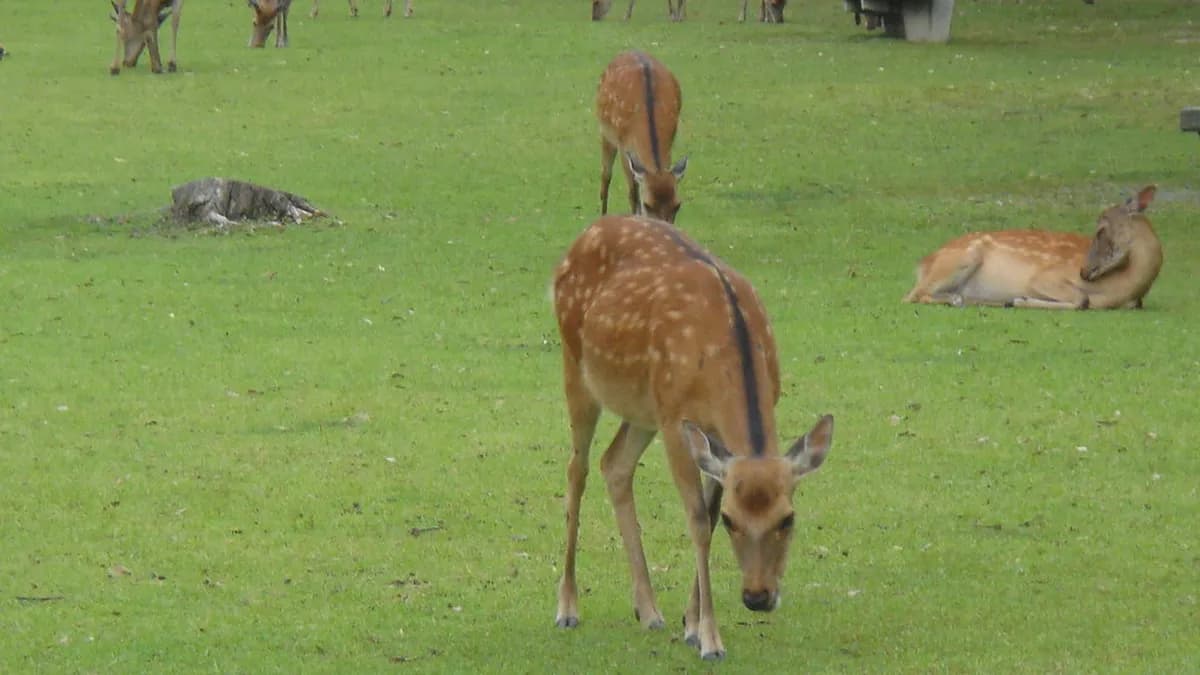
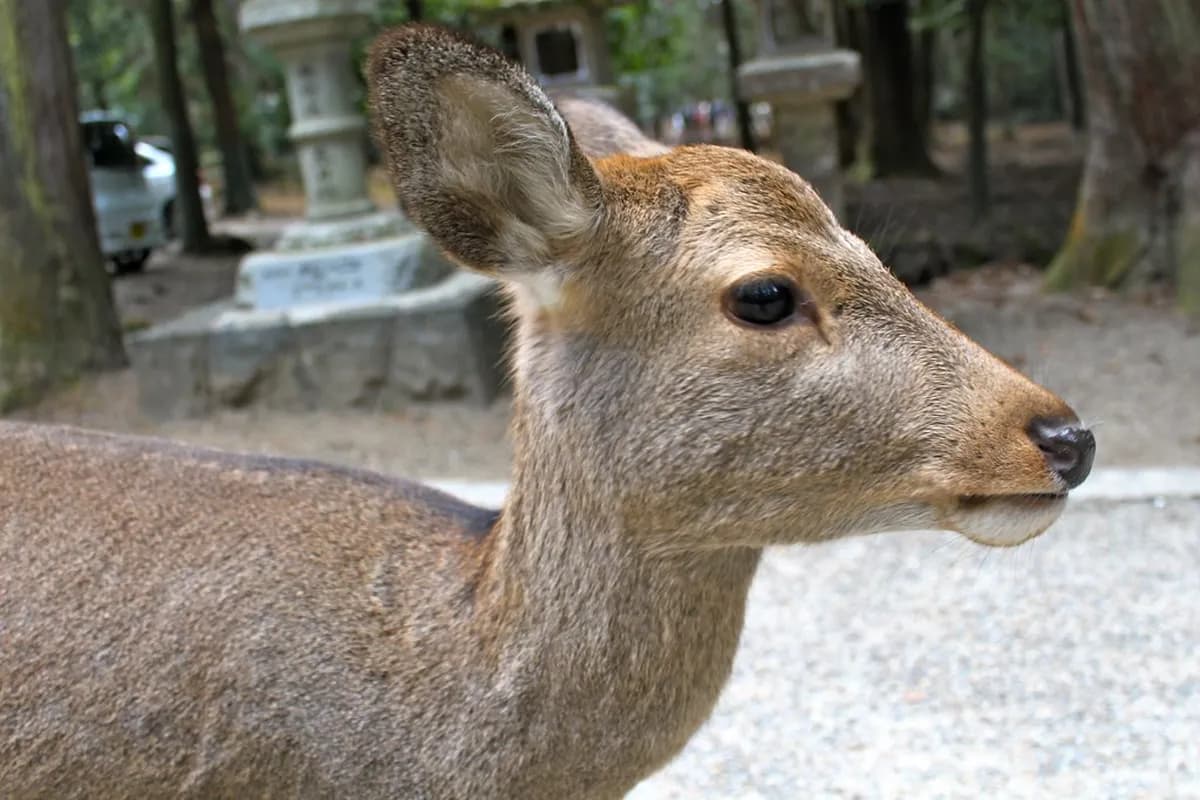
Over 1,200 wild sika deer roam Nara Park freely, and interacting with them is the central memory of almost every family's visit. Deer crackers (shika-senbei) cost 200 yen per bundle from vendors near the park entrances. The deer genuinely bow to receive them — a reflex behaviour reinforced by centuries of hand-feeding — which delights children in a way no exhibit can replicate. Feeding access is free and open around the clock, though the deer are most active between dawn and 10:00. For more details about the local ecosystem and deer care practices, see the UNESCO information on the Historic Monuments of Nara.
The age of your children matters more here than at almost any other Nara attraction. Toddlers under three should be kept in a carrier or held close: deer can reach waist height on an adult and eye-level on a small child, and they will grab at clothing and bags if they smell crackers. School-age children from about six upwards can handle the experience independently with a few simple rules — keep crackers in a closed fist, show open palms when finished, and do not run. Running triggers the herd to trot, which can feel intimidating even for adults.
One practical detail most guides omit: stow all food in a zipped bag before entering the main deer zone. The deer are trained by association and will probe any bag that has ever held food. A deer yanking a daypack off a four-year-old is more common than you would expect. Teach your children the "empty hands" gesture — both palms up, fingers spread — before you arrive, and the encounter stays enjoyable for everyone.
Top Attractions in Nara for Kids
The following list covers the core highlights, from iconic landmarks to quieter spots where kids can move freely. Every entry includes current 2026 pricing and operating hours to help you budget the day. Children's admission is often half the adult rate or free for those under six.
- Nara Park Deer Encounter — free access, open 24 hours; buy shika-senbei crackers for 200 yen at the park entrances. Best for all ages, though close supervision is essential for toddlers.
- Todai-ji Temple Great Buddha — 600 yen adult, 300 yen child; open 07:30–17:30 (shorter hours November–February). The 15-metre bronze Buddha is the single most jaw-dropping sight for children. Let kids try crawling through the pillar hole for good luck.
- Nara National Museum — 700 yen adult; children under 18 often enter free during standard exhibitions. Open 09:30–17:00 (until 20:00 Saturday). A cool, air-conditioned refuge on hot days with interactive Buddhist art displays.
- Kasuga Taisha Shrine — outer grounds free; inner sanctum 500 yen adult. Open 06:30–17:30. Thousands of stone and bronze lanterns line the forest paths — atmospheric even for young children who find the stone corridors magical.
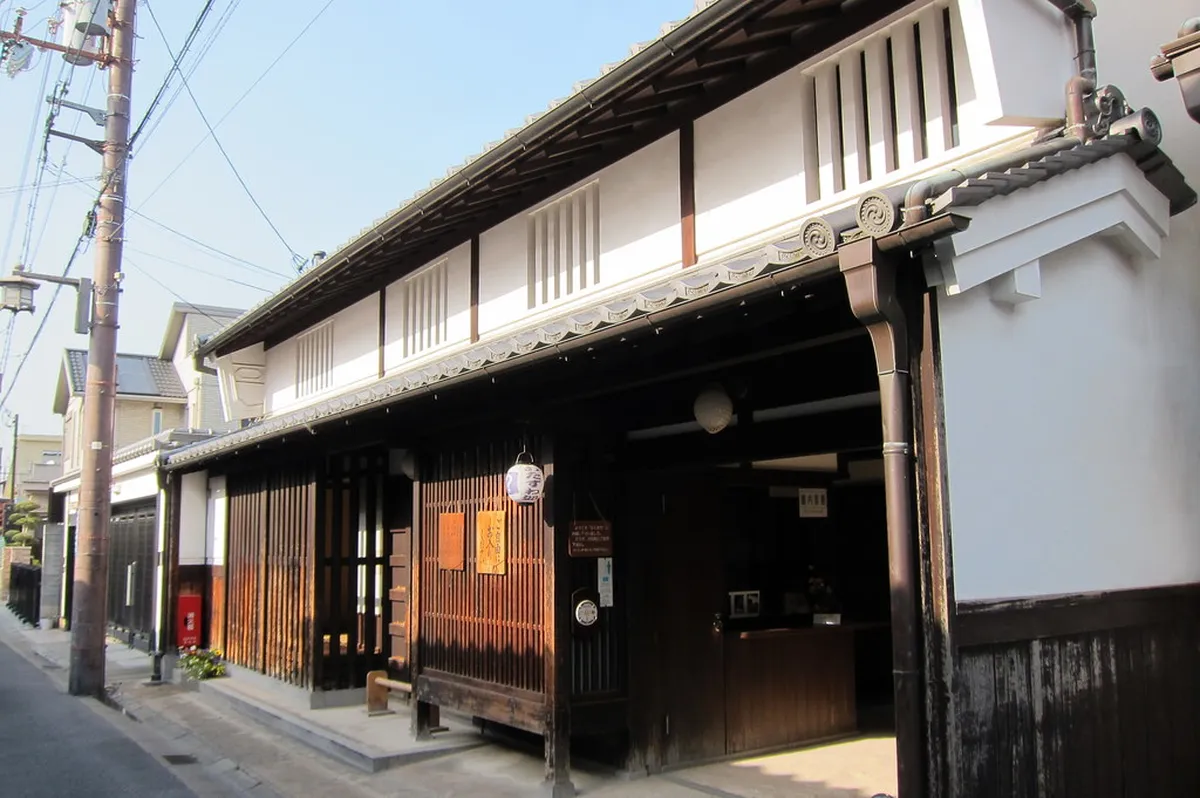
- Naramachi Old Town — free to explore; most shops open 10:00–18:00. The former merchant district of narrow Edo-period machiya houses and small craft shops. Our Naramachi walking guide highlights the best kid-friendly stops.
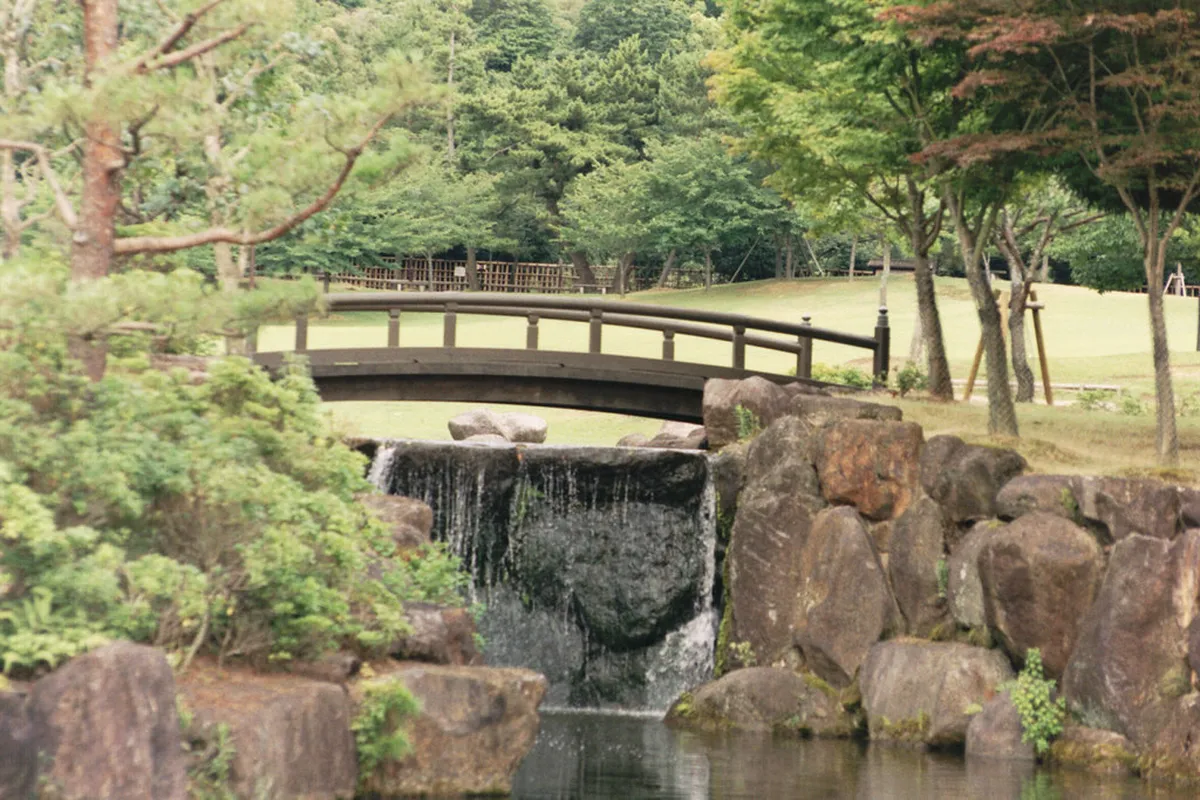
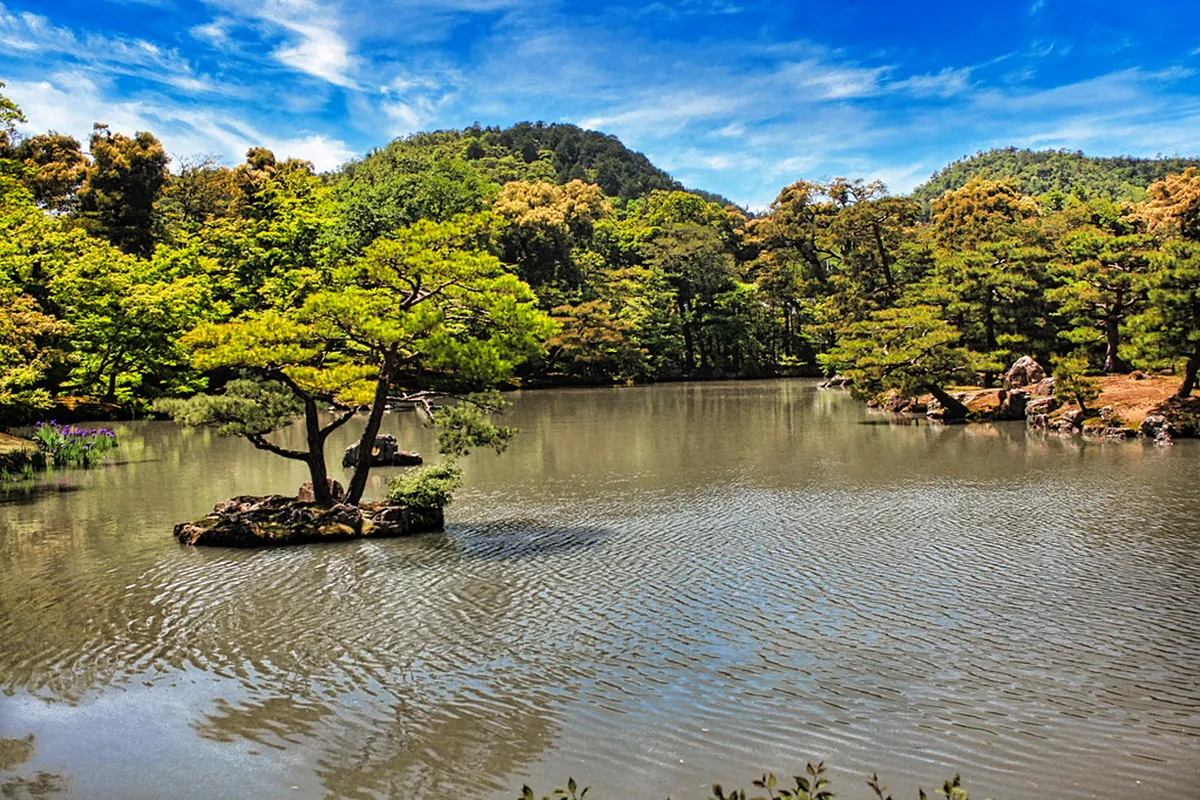
- Isuien Garden — 1,200 yen adult; open 09:30–16:30. Two ponds and borrowed mountain scenery. Mostly flat, one of the more stroller-accessible garden options in Nara.
- Mt. Wakakusa — 150 yen adult, 80 yen child; open mid-March to mid-December. Grass-covered hill with panoramic city views. Good energy outlet for kids who have been walking temples all morning.
- Nara Goldfish Museum — 1,200 yen adult; open 10:00–18:00 at Mi-Nara mall. Thousands of goldfish in creative glass installations — genuinely captivating for under-sevens. Free shuttle from JR Nara Station.
- Kofuku-ji Pagoda — outer grounds free; treasure house 700 yen adult. Open 09:00–17:00. The five-story pagoda is right at the park entrance and makes a natural first stop.
- Ukimido Gazebo — free; rowboat rental about 1,000 yen per 30 minutes. The floating pavilion on Sagi-ike Pond sits in a quiet corner of the park and offers a calm endpoint after a busy morning.
Guided Tours Worth Considering
Independent exploration works well in Nara because everything is walkable, but a guided tour adds real value for first-timers and families with curious older children. A licensed guide explains the Buddhist iconography inside Todai-ji in a way that gives the Great Buddha genuine context — rather than a single photo stop it becomes a thirty-minute conversation about ancient Japan. Several operators run family-paced half-day walking tours that take about three to four hours and cover the main park circuit.
For families with children aged eight and up, a private bike tour of the outer park and Kasugayama primeval forest is an excellent option. The routes are mostly flat and the forest section feels genuinely wild compared to the manicured central park. Booking in advance is essential from March through May and during October, when Nara's peak crowds make spontaneous tour slots scarce.
How to Get to Nara from Osaka or Kyoto
Most families visit Nara as a day trip from Osaka or Kyoto, both of which offer fast and direct train connections. From Osaka-Namba, the Kintetsu Nara Line is the most convenient option — it takes about 40 minutes and costs around 680 yen per adult (340 yen child). It drops you at Kintetsu Nara Station, which is a five-minute walk from the park entrance, compared to a 15-minute walk from the JR alternative. Check an Osaka 2-Day Itinerary with Children if you are combining both cities.
From Kyoto, the standard Kintetsu Limited Express takes about 35 minutes and costs 760 yen adult plus a 520 yen limited-express surcharge. The more interesting option for train-loving families is the Aoniyoshi sightseeing train, which runs several times daily between Kintetsu Kyoto and Kintetsu Nara. It features wooden-panelled interiors, reclining seats, and a small café area — the journey itself becomes an attraction for kids who are into trains. Seats must be reserved in advance; check the Kintetsu website for current timetables and fares.
Luggage is a major hurdle when traveling between cities with children. Both Nara stations have coin lockers, but the large ones fill quickly on weekends and during spring and autumn peak seasons. The tourist information centers near each station offer baggage storage for a flat daily fee — more reliable than hunting for a free locker during busy periods. If you are traveling from Kyoto, consider a stop at the Kyoto Railway Museum on the way back, which is especially good for children aged five and up.
Family Logistics: Food, Facilities, and Diaper Changing
Finding a good lunch spot matters more on a family day trip than on an adult itinerary, because a hungry toddler ends the day abruptly. Naraya, located within the park grounds near Todai-ji, is a reliable choice for families. It serves traditional rice dishes and noodle sets in the 1,000–2,000 yen range and has tatami mat seating that works well for babies who need to crawl. Azekuraya, also in the park, offers cold soba and ramen — good for hot summer days. Both restaurants have English menus.
Diaper changing stations are easier to find in Nara than in many comparable Japanese cities. The Nara Visitor Center near Kintetsu Nara Station has a dedicated nursing room with hot water, a changing table, and a sitting area. Major department stores around both stations have well-equipped baby rooms. Carry a portable changing mat regardless, since smaller temple restrooms may only have basic toilet facilities. There are no changing tables inside Todai-ji itself, so plan pit stops before entering the Great Buddha Hall.
Stroller logistics: the main park paths are paved and manageable, but the approaches to Kasuga Taisha involve a long gravel road through the forest. A lightweight umbrella stroller folds quickly for temple interiors and handles the gravel better than a large travel system. Coin-operated baby carriers are not available for hire in the park, so bring your own if you plan on the hillier sections near Mt. Wakakusa.
Where to Stay in Nara with Kids
Most families treat Nara as a day trip, but an overnight stay transforms the experience. The park empties significantly by early evening, and dawn in Nara Park — with deer grazing in the mist before the tour coaches arrive — is one of the quieter, more memorable moments available to family travelers in Japan. Staying the night also removes the return-train pressure that cuts many day trips short at 15:00.
The area around Kintetsu Nara Station and along Sanjo-dori has the widest range of family-suitable hotels, most within a ten-minute walk of the park entrance. Family rooms that sleep four are available at several business hotels in this zone. For a traditional experience, a few smaller ryokan near Naramachi offer futon rooms where children can spread out — though most require guests aged three and above and meals should be confirmed in advance if traveling with picky eaters.
Frequently Asked Questions
How much time should you plan for Nara with kids?
A full day is ideal for Nara with kids. This allows you to visit the Great Buddha, feed the deer, and enjoy a relaxed lunch without rushing. Most families find that five to six hours covers the main highlights comfortably.
Is Nara stroller-friendly for families?
Yes, Nara is generally stroller-friendly with wide, paved paths in the main park. However, some temples have gravel paths or stairs at the entrance. We recommend a lightweight stroller that is easy to fold when entering buildings.
What is the best way to get to Nara from Osaka?
The Kintetsu Nara Line from Osaka-Namba Station is the most convenient route. It takes about 40 minutes and drops you closer to the deer park than the JR line. Use our Nara Transportation Guide: 8 Essential Ways to Get Around for more details.
Nara remains one of the most magical destinations in Japan for families seeking a mix of culture and nature. The combination of ancient history and friendly wildlife creates an environment that children will genuinely enjoy. By following these tips and focusing on the best-rated spots, your family can avoid common travel stresses. We hope this guide helps you create lasting memories in the beautiful city of Nara. For a complete overview of attractions in the area, check our Nara attractions guide.
Remember to pack comfortable walking shoes and stay flexible with your daily schedule. Japan is a wonderful place to explore with kids, and Nara is undoubtedly a highlight of any itinerary. Safe travels to you and your family on your upcoming adventure to the land of the bowing deer.
Free: The Nara Essentials guide
Top things to do, where to stay, a perfect day plan, getting around, and the best time to go — a Nara mini-guide you can take offline.
You might also like



Continue reading
More guides you'll find useful