10 Best Things to Do in Tokyo with Kids (2026 Guide)
Discover the 10 best things to do in Tokyo with kids in 2026. From PokéPark Kanto to DisneySea, our guide covers maps, transit, and seasonal festivals for families.
On this page
Tokyo is one of the most family-friendly cities on earth — clean, safe, and built around a transit network that actually works with strollers and tired toddlers. The challenge is not finding things to do, but narrowing down a city of 14 urban hubs into a manageable itinerary. This guide was refreshed in June 2026 to reflect the latest attraction openings, updated ticket prices, and practical logistics for families visiting this year.
Planning a Tokyo Itinerary: The Ultimate 5-Day Guide for 2026 for families means balancing high-energy theme parks with quieter cultural stops. The neighborhoods are spread across a wide area, so grouping activities by district is the single most important planning decision you can make. Each section below follows that logic, moving from broad orientation to specific picks that represent the best value and experience for children of all ages.
At a Glance
- Best Ages: 4+ (all ages welcome; activities calibrated for toddlers to teenagers)
- Top Family Areas: Harajuku, Shibuya, Odaiba, Asakusa, Ueno, Urayasu (Disney parks)
- Budget: ¥10,000–¥15,000 per person per day (attractions, transit, meals)
Explore the Interactive Tokyo with Kids Map
The city has no single tourist center. Instead, it operates as a network of roughly 14 urban hubs, each with its own character — the pop-culture energy of Harajuku, the waterfront entertainment of Odaiba, the old-Edo charm of Asakusa. Visualizing which attractions sit in which hub before you arrive will save your family hours of unnecessary transit.
Use a Tokyo Neighborhoods Guide: 16 Best Districts to Visit to group activities by area and plan one or two hubs per day. Trying to cross the city multiple times in a day exhausts children and eats into your sightseeing time. The Yamanote loop line connects the western and southern hubs efficiently; the Hanzomon and Oedo lines serve the eastern cultural districts.
When reviewing your map, mark the nearest major station with elevator access for each attraction on your list. Many smaller stations have steep stairways that make stroller travel genuinely difficult. Planning elevator-accessible routes in advance makes a measurable difference on high-mileage days.
Arriving in Tokyo: Airport to City with Kids
Most international flights land at Narita Airport, about 60 kilometres east of central Tokyo. The two best options for families with luggage are the Narita Express (N'EX) and the Airport Limousine Bus. The N'EX takes 53 minutes to Tokyo Station and 1 hour 15 minutes to Shibuya — seats are spacious with overhead luggage racks, making it comfortable with children.
The Airport Limousine Bus is a strong alternative if your hotel is near one of its stops. Multiple buses run each hour and drop passengers directly at major hotels, including the Disney Resort hotels. The journey takes roughly 90 minutes in normal traffic; book online in advance to save on the fare and guarantee a seat. Taxis from Narita are available around the clock but are expensive, particularly if you hit traffic or travel after 22:00 when a surcharge applies.
If you are flying into Haneda Airport instead, you are already 30 minutes closer to the city center. The Keikyu Line reaches Shinagawa Station in about 13 minutes, and the Tokyo Monorail connects to Hamamatsucho. Haneda arrivals save significant time and cost for families staying in central or western Tokyo districts.
Master Getting Around Tokyo with Family Transit
The subway is the backbone of family movement in Tokyo. Pick up a Suica or Pasmo IC card at any major station kiosk on arrival — load it with ¥3,000 to start and reload at machines throughout the system. These prepaid cards eliminate the need to calculate individual fares for every member of your family and work on nearly all train, subway, and bus lines in the city. Learn more about the various lines by reading our Getting Around Tokyo: Complete Subway & Train Transport Guide 2026 guide before you arrive.
If you are staying a week or more, foreign visitors can purchase 24-, 48-, or 72-hour unlimited passes for Tokyo Metro and Toei Subway lines. These are available at designated metro stations and at Narita and Haneda airports. For families of four or five, the pass pays for itself within a day of normal sightseeing.
Avoid the morning rush between 07:30 and 09:00 when carriages become dangerously packed for strollers. The silver priority seats at the end of each carriage are appropriate for parents with young children — Tokyo commuters are generally courteous about vacating them. Elevators are marked with pink icons on station floor maps; allow an extra five minutes to locate them at unfamiliar stations during your first few days.
Visit Theme Parks: DisneySea and PokéPark Kanto
Tokyo DisneySea is the standout theme park of the two Disney options at Urayasu — it is unique to Japan and nothing like the parks in Florida or California. The nautical-themed lands include Mysterious Island with its Jules Verne atmosphere and the newer Fantasy Springs area, which opened in 2024 and has become one of the most requested areas for families. Tickets typically range from ¥7,900 to ¥10,900 per person depending on the day and season; book through the official Disney app and purchase Disney Premier Access slots for high-demand rides like Soaring: Fantastic Flight immediately on entry.
Tokyo Disneyland next door caters better to younger children with its classic rides and familiar characters. Space Mountain, Tomorrowland, and It's a Small World all appear here, alongside a few Japan-exclusive experiences. Operating hours for both parks generally run 09:00 to 21:00; the Disney Resort Line monorail connects both parks from Maihama Station on the JR Keiyo Line.
PokéPark Kanto is the major 2026 addition for families. Situated within the Yomiuriland amusement park in Inagi, this outdoor Pokémon exploration zone lets children hunt for Pokémon through a forested hillside setting. Combined park entry usually ranges from ¥1,500 to ¥4,500 depending on age and access tier. Reach Yomiuriland via the Keio Line from Shinjuku to Keio-Yomiuriland Station, then take the gondola — the gondola ride itself delights younger children. Wear comfortable, grip-soled shoes as the terrain is uneven and hilly.
For a weatherproof alternative built around filmmaking rather than rides, the Warner Bros. Studio Tour Tokyo in Nerima lets families walk through Harry Potter sets, props, and production exhibits at their own pace. Allow roughly four hours and reserve a timed ticket before traveling.
Discover East Side Tokyo: Asakusa, Fukagawa, and Tsukiji
The east side is Tokyo's cultural heartland and the most rewarding district for families who want substance alongside sightseeing. Group these three stops into a single day — they sit within easy transit reach of each other via the Hanzomon and Oedo lines, and the pace is gentler than the western pop-culture hubs.
Fukagawa Edo Museum is the single best hidden gem in Tokyo for families with children aged four and above. A life-sized replica of an 18th-century working-class neighborhood fills the indoor space — every building can be entered, every object handled. The lighting cycles through a simulated day every 15 minutes, shifting from dawn birdsong to evening rain. Admission is only ¥400 for adults and ¥50 for children; the museum opens at 09:30 and closes at 17:00, with last entry at 16:30. Walk from Kiyosumi-shirakawa Station on the Hanzomon Line — it takes about eight minutes.
Senso-ji Temple in Asakusa is Tokyo's oldest Buddhist temple, founded in 628 CE. Approach along Nakamise-dori, the 250-metre shopping street lined with craft stalls selling lacquerware, fans, and seasonal snacks — children enjoy the sensory experience and the freedom to browse. Visit the official temple site for hours and special events. The temple grounds are free to enter, and the five-story pagoda and large incense cauldron are visually dramatic for any age group.
Tsukiji Outer Market is a foodie stop that families often underuse. The inner wholesale market has moved, but the outer stalls open from 08:00 to roughly 14:00 and close on most Wednesdays. Skip the queued sushi restaurants and focus on the street snacks: tamagoyaki on a stick costs about ¥400 and is a reliable hit with children. Strawberry mochi and fresh dango appear at multiple stalls. Access via Tsukiji Station on the Hibiya Line or Tsukiji-shijo on the Oedo Line.
Experience teamLab Planets and Digital Art in Tokyo
teamLab Planets in Toyosu is the more tactile of Tokyo's two teamLab venues for families. Visitors walk through shallow water and across mirrored floors while digital projections fill the rooms. Adult tickets start at ¥3,600 under 2026 dynamic pricing; children use separate age-based rates. Book through the official teamLab site as soon as dates are firm. Shoes and socks come off, and shorts or easily rolled trousers are strongly advised.
teamLab Borderless at Azabudai Hills in Minato is the larger, more labyrinthine experience and better suited to children over seven who can navigate it independently. The 2026 season includes new seasonal installations that change the experience from the 2025 lineup. Children under 15 enter free at both venues when accompanied by a paying adult — confirm this policy when booking as terms can update mid-season.
A useful comparison: Planets is a 60–90 minute, linear, wet experience — ideal for younger children and families who want a clear start and end. Borderless is a 2–3 hour open exploration — better for older children and teenagers who enjoy discovering rooms at their own pace. Neither venue allows large bags inside, so plan accordingly if you are traveling directly from another stop.
Wander Harajuku, Shibuya, and Odaiba Highlights
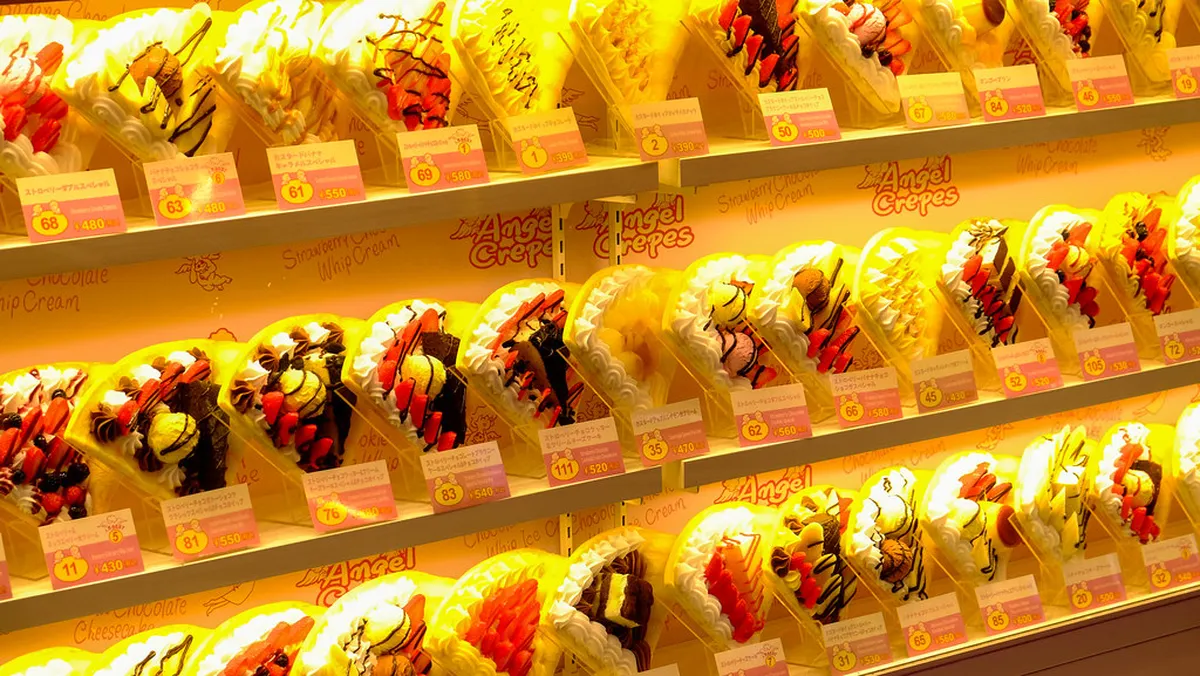
Harajuku's Takeshita Street is a narrow pedestrian lane running directly from the Takeshita Exit of Harajuku Station on the JR Yamanote Line. Shops open around 11:00 and close by 19:00. The street sells outsized cotton candy in rainbow colors, Harajuku-style crepes stuffed with ice cream and fruit, and plush toys from Sanrio. Visit on a weekday morning — weekend crowds are intense and can overwhelm young children in the narrow lanes. Meiji Jingu Shrine sits a ten-minute walk away in Yoyogi Park if you want a quieter, greener contrast after Takeshita.
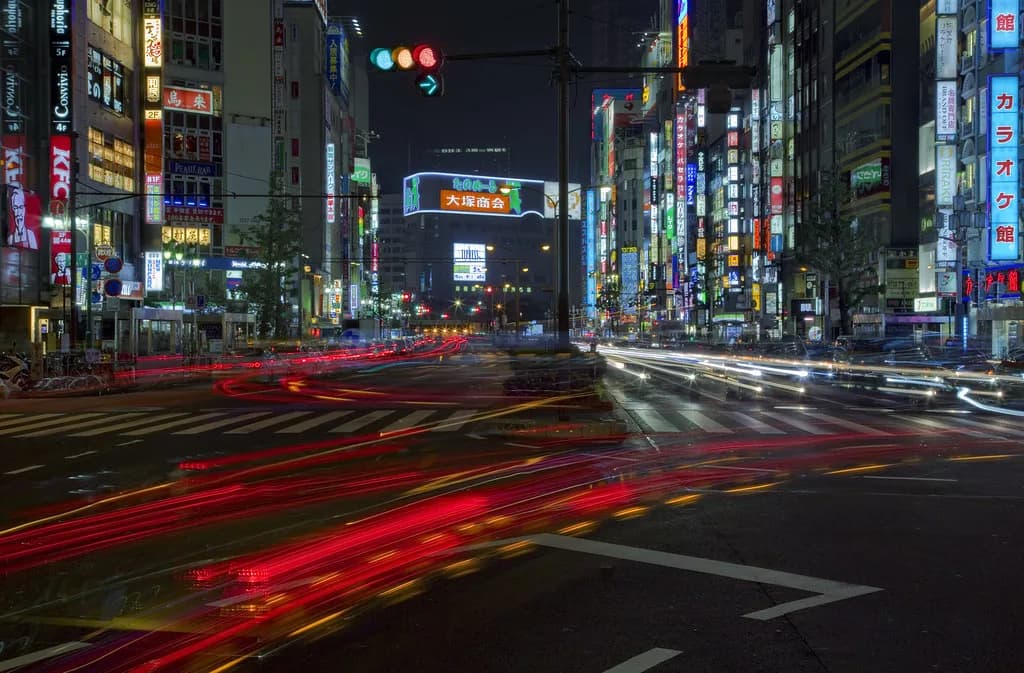
Shibuya Crossing is worth experiencing at least once. Stand at street level first, then take the elevator to Shibuya Sky on top of Shibuya Scramble Square for a bird's-eye view. The open-air observation deck costs approximately ¥2,000 for adults with reduced prices for children; book your slot roughly 45 minutes before sunset to watch the crossing's neon grid come alive after dark. The deck is open from 10:00 to 22:30.
Odaiba on Tokyo Bay deserves a half-day. The Yurikamome driverless monorail from Shimbashi Station is an attraction in itself — sit in the front car for an unobstructed forward view of the Rainbow Bridge crossing. Fares cost ¥200 to ¥600 depending on how many stops you ride. On the island, the Miraikan science museum stands out above all the shopping centers: admission is ¥630 for adults and free for under-18s holding a school ID card. The museum's Paro robotic seal — a therapeutic companion robot used in Japanese care facilities — fascinates children and is available to interact with in the main exhibition hall. The Unicorn Gundam robot transformation at DiverCity Mall, visible from outside for free, runs four times daily and takes about ten minutes.
| Attraction | Recommended Age | Area | Approx. Cost |
|---|---|---|---|
| Tokyo DisneySea | 3+ | Urayasu | ¥7,900–¥10,900 |
| PokéPark Kanto | 4–14 | Inagi | ¥1,500–¥4,500 |
| Fukagawa Edo Museum | 4+ | Asakusa | ¥400 (adult) / ¥50 (child) |
| teamLab Planets | 3+ | Toyosu | Adults from ¥3,600; child rates vary by age |
| Miraikan Science Museum | 5+ | Odaiba | ¥630 (adult) / Free (under 18 w/ ID) |
| Ghibli Museum | 5+ | Mitaka | ¥1,000 |
Attend 2026 Animation and Interactive Events
The Tokyo Anime Award Festival runs from 13–16 March 2026 in Ikebukuro and features family-friendly screenings and character meet-and-greet events. Many screenings are free or low-cost and require same-week registration rather than advance booking. Keep an eye on the official festival schedule for English-language subtitled sessions, which typically run on the weekend days.
Character pop-up cafes appear throughout the year in Ginza and Shinjuku department stores — themes in 2026 include Kirby, Pokémon, and Sanrio's anniversary lineup. These require online reservations two to three weeks in advance through the brand's official booking page; walk-ins are rarely available. The Tokyo Game Show in late September opens public days over the final weekend, with a dedicated family area offering lower-stimulation play zones for younger children. Check 15 Best Free Things to Do in Tokyo 2026 for a full list of seasonal events that cost nothing to attend during your visit.
The Ghibli Museum in Mitaka deserves separate planning. Tickets are priced at approximately ¥1,000 for adults and must be purchased exactly one month before your visit through the Lawson ticketing system — overseas visitors can book through authorized travel agencies. The museum prohibits photography inside to preserve the atmosphere Hayao Miyazaki intended. The rooftop Catbus structure and exclusive short films screened inside are genuinely unmissable for families with children who have seen any Studio Ghibli film.
Enjoy Outdoor Spring Experiences for Families
Cherry blossom season runs from mid-March to early April in Tokyo most years, with exact dates shifting by a week depending on the winter temperature pattern. Ueno Park is the most famous spot, with roughly 800 trees lining the central path and a festive atmosphere of food stalls and traditional music during peak bloom. Yoyogi Park offers more space for families to spread out, and the crowds are slightly lighter than Ueno on weekday mornings.
Hanami picnics — the tradition of sitting under blossoming trees — are welcoming to families with children. Bring a waterproof picnic sheet, snacks from a nearby convenience store, and designated bags for all your rubbish, since public bins are scarce in Tokyo parks. This is genuinely one of the lowest-cost and highest-pleasure experiences the city offers, and children respond strongly to the festive atmosphere even without understanding the cultural significance.
Kiyosumi Gardens, near the Fukagawa Edo Museum on the east side, is an underrated spring stop. Adult entry is ¥150 and children enter free. The garden features a pond with large koi that swim directly to the shoreline when visitors approach — an experience younger children find endlessly entertaining. The garden is small enough to explore in 45 minutes, making it an easy add-on to the Fukagawa museum day.
Join Traditional Festivals That Welcome Families
Hina Matsuri on 3 March is the Doll Festival, where elaborate tiered displays of imperial court figures appear in public spaces, hotel lobbies, and department stores throughout Tokyo. Children are encouraged to look closely at the figures and learn about each court role. The festival also brings seasonal treats: hishi mochi (diamond-shaped rice cakes in pink, white, and green) and amazake (a sweet, low-alcohol rice drink served warm) appear at temple stalls and convenience stores during the first week of March.
Senso-ji Temple in Asakusa hosts smaller monthly events alongside its permanent Nakamise market. The atmosphere during these events is lively and genuinely accessible — children can try omikuji fortune-telling by drawing a numbered stick from a canister and matching it to a folded paper, which costs ¥100. Most temple grounds are free to enter, making them a budget-friendly anchor for any sightseeing day. The 10 Essential Chapters for Your Tokyo Food Guide 2026 details which seasonal snacks to look for during each festival period throughout the year.
The Sanja Matsuri in mid-May at Senso-ji is one of Tokyo's three great festivals and involves portable shrine (mikoshi) processions through the Asakusa streets. Crowds are large but orderly, and the processions are visible from street level without purchasing tickets or reserving spots. Children find the drumming, chanting, and the physical scale of the mikoshi genuinely dramatic — it is the kind of spontaneous cultural experience that justifies international travel.
Feed the Family Without Stress: The Depachika Strategy
Every major department store in Tokyo has a food basement — called a depachika — that functions as a premium food hall. Isetan in Shinjuku, Takashimaya in Shibuya, and Mitsukoshi in Ginza all run them from roughly 10:00 to 20:00. The selection covers prepared bento boxes, fresh yakitori skewers, pastries, sushi rolls, and a full range of sweets priced between ¥300 and ¥1,500 per item.
For families, the depachika solves a recurring Tokyo problem: children who are too tired for a sit-down restaurant but too hungry to continue sightseeing. You can assemble a complete meal from multiple counters without waiting for a table, handling a menu in a foreign language, or navigating the seating logistics of a busy restaurant at peak lunch hour. Most items are labeled with allergen information in Japanese, and staff at counters are generally patient with pointing and gesturing.
The free samples offered at many depachika counters are also a practical way to let children try new foods without commitment. Wagashi (traditional Japanese sweets), seasonal mochi, and regional specialty foods cycle through the counters frequently. It is one of the most underused family dining tools in Tokyo and works for breakfast, lunch, or a pre-dinner snack before a long evening at teamLab or Odaiba.
Book the Best Family-Friendly Tokyo Hotels
Location matters more than amenity tier when choosing where to stay with children in Tokyo. Being within five minutes of a major JR or Tokyo Metro station cuts your daily transit stress significantly. The JR Yamanote loop connects Shinjuku, Shibuya, Harajuku, Ueno, and Tokyo stations — any hotel within two stops of the loop puts your family in an excellent position for most itineraries.
The Mimaru hotel group runs apartment-style properties in Akasaka and Ueno that suit families well — rooms are unusually large by Tokyo standards, with multiple beds and kitchen facilities. Rates typically run ¥20,000 to ¥35,000 per night for a family room. For families visiting the Disney parks, the Hilton Tokyo Bay adjacent to the resort offers themed Happy Magic Suites and its own ferry to the parks — a significant convenience on park days.
Ryokan (traditional Japanese inns) are worth considering for one or two nights if your children are old enough to sleep on futon bedding on tatami floors. Many ryokan include a kaiseki dinner and breakfast in the room rate, which removes two meals of restaurant logistics from your day. The 8 Best Areas to Stay in Tokyo for First Timers guide covers the specific neighborhoods that work best by family type, including budget, mid-range, and luxury tiers across central and bay-area districts.
Is Tokyo Worth Visiting with Kids in 2026?
Tokyo remains one of the safest and cleanest large cities on earth. Convenience stores on every corner stock diapers, children's medicine, healthy snacks, and clean restrooms accessible around the clock. The hospitality culture means families are never made to feel unwelcome, even when children are tired and loud in public spaces.
Budget ¥10,000 to ¥15,000 per person per day covering attraction tickets, transit, and three meals. Theme park days push that figure higher, while east-side cultural days with free temples and the cheap Fukagawa museum drop it significantly. Five to seven days is the realistic minimum to experience the major districts without rushing children through each one.
Tokyo in 2026 is more prepared for international families than at any point in the city's tourism history. English signage has improved across the transit network, major attractions offer English apps and audio guides, and the city's combination of world-class safety, food variety, and child-oriented entertainment makes it one of the top family destinations globally.
Continue planning with Tokyo Trip Planner 2026: Attractions, Neighborhoods and Itineraries.
Frequently Asked Questions
What is the best way to get from the airport to central Tokyo with kids?
The Narita Express or the Limousine Bus are the most convenient options for families with luggage. The bus drops you directly at major hotels, while the train offers spacious seating and luggage racks. Both options provide a stress-free start to your trip.
Are strollers easy to use on the Tokyo subway system?
Yes, most major stations have elevators, though you may need to walk further to find them. Look for the pink elevator signs on the platforms. Avoid traveling during the peak morning rush hour when trains are too crowded for strollers.
How much should I budget for a day in Tokyo with kids?
A mid-range budget of $100 to $150 per person covers attraction tickets, local transport, and three meals. Many parks and temples are free, which helps balance the cost of more expensive theme parks. Convenience stores offer affordable, high-quality snacks for children.
Tokyo is a city that rewards those who plan ahead but leaves plenty of room for spontaneous discovery. Whether you are exploring the neon lights of Shibuya or the quiet gardens of the Imperial Palace, your family will find something to love. The memories of tasting fresh mochi or riding a driverless train will stay with your children for a lifetime.
We hope this 2026 guide helps you navigate the city with confidence and joy during your next Japanese holiday. Safe travels and enjoy every moment of your family adventure in the incredible metropolis of Tokyo.
Start with our Tokyo attractions guide for the big-picture overview.
Free: The Tokyo Essentials guide
Top things to do, where to stay, a perfect day plan, getting around, and the best time to go — a Tokyo mini-guide you can take offline.
You might also like
Continue reading
More guides you'll find useful