8 Best Areas to Stay in Tokyo for First Timers (2026)
Discover the best area to stay in Tokyo for first timers in 2026. Our guide covers 8 top neighborhoods, 2026 pricing trends, and tips to avoid common booking
On this page
8 Expert Insights on Where to Stay in Tokyo for First Timers (2026)
Choosing the right neighborhood is the single most important decision for a first-time Tokyo visitor. The city is a collection of distinct mini-cities, each with its own atmosphere, transport connections, and logistical quirks. Our editors have personally stayed across multiple districts to test commute times, noise levels, and proximity to major train hubs. This guide was updated in 2026 to reflect current hotel prices, new openings, and the realities of record-high tourism.
Understanding the Tokyo Neighborhoods Guide: 16 Best Districts to Visit before you book saves you from costly mistakes. We break down the best bases by budget, travel style, and how much time you plan to spend exploring beyond your immediate area. Read this before you open a booking site.
At a Glance
- Best area for first-timers: Shinjuku — unmatched transport links, endless dining, maximum neighborhood variety within walking distance
- Budget pick: Asakusa — ¥12,000–¥20,000 per night, genuine onsen ryokan options, direct airport links, authentic old Edo atmosphere
- Luxury pick: Ginza — flat and walkable, quiet at night, best airport limousine bus access, close to Shinkansen for regional travel
Free: The Tokyo Essentials guide
Top things to do, where to stay, a perfect day plan, getting around, and the best time to go — a Tokyo mini-guide you can take offline.
Understanding Tokyo's Geography: The Yamanote Line Factor
Tokyo does not have one downtown. It operates as a series of major hubs connected by the Yamanote Line, a circular JR railway that loops around the city's core. Staying within a short walk of any station on this loop puts nearly every major attraction within 20 to 30 minutes. The loop divides the hilly western districts from the flatter eastern ones, and that geography shapes everything — hotel prices, noise levels, and how tired your legs get.

First-time visitors often feel overwhelmed by the Tokyo Subway Guide 2026: 10 Steps to Use the Metro, but the Yamanote Line is the anchor that simplifies everything. Focus your accommodation search on the western or central stations — Shinjuku, Shibuya, Ebisu, and Shinagawa — for the broadest daily flexibility. Eastern stations like Ueno and Akihabara exist on the same loop but have fewer direct connections to airports and regional trains.
A few things every first-timer should know before booking: Japanese hotel rooms are significantly smaller than Western equivalents, even at the mid-range level. A "double room" in Tokyo often means a room where two people can sleep comfortably but cannot open both suitcases at the same time. Build that reality into your expectations. Also note that trains stop running around midnight, so your evening plans should factor in last-train times or the cost of a taxi to your hotel.
Download a digital Suica or Pasmo card to your phone before arrival. This single step makes moving between JR lines and private subway networks completely seamless and saves you from queuing at ticket machines with luggage in hand.
Shinjuku: The Best All-Rounder for First-Timers
Shinjuku is the most popular base for first-time Tokyo visitors, and it earns that reputation. The station is the busiest in the world, connecting directly to the Narita Express, Haneda Monorail interchange, and regional JR lines toward Hakone. You can reach almost any neighborhood in Tokyo from here within two transfers. Golden Gai, Memory Lane, and Kabukicho are all walkable, and the food options range from standing ramen bars to Michelin-starred kaiseki.
The west side of Shinjuku is dominated by high-rise business hotels and is noticeably quieter at night. The east side drops you directly into the neon-lit entertainment district, which stays noisy past 02:00 on weekends. Choose your side based on your sleep preferences. Budget hotels here run ¥15,000–¥25,000 per night (roughly $100–$170 USD at 2026 rates), mid-range options cluster around ¥30,000–¥50,000, and luxury stays at properties like the Park Hyatt or Bellustar Pan Pacific push ¥60,000 and above.
- Best for: First-timers who want maximum connectivity and the quintessential Tokyo energy
- Pros: Unmatched transport links, endless dining, lively atmosphere day and night
- Cons: Tourist-facing prices, sensory overload, over 200 station exits that confuse even repeat visitors
- Pro tip: Stay on the West Exit side for quieter high-rise hotels; East Exit for immediate nightlife access. Book the Bellustar Pan Pacific for a new-generation luxury experience with panoramic Shinjuku views.
Shibuya: The Heart of Tokyo's Youth and Fashion
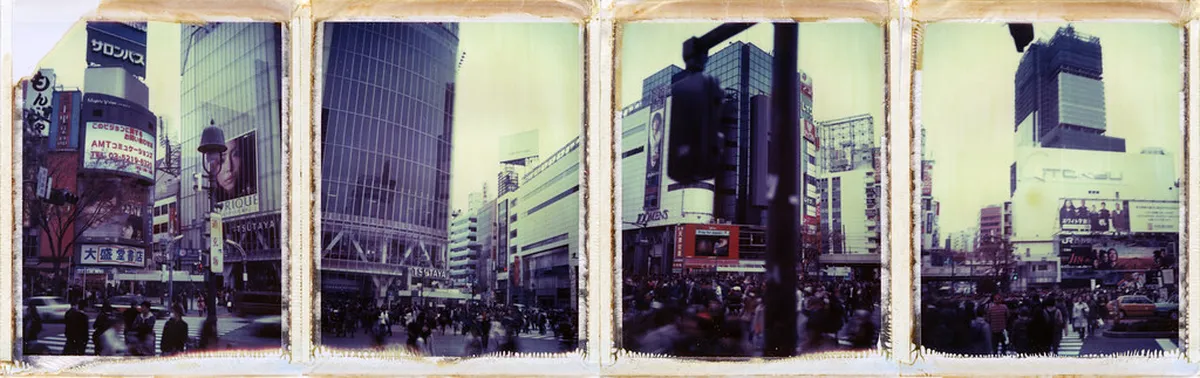
Shibuya offers a slightly more relaxed energy than Shinjuku while still delivering serious transport connectivity. The famous Shibuya Crossing is steps from the station, and walkable attractions include Meiji Jingu Shrine, Yoyogi Park, Omotesando, and the trendy side streets of Daikanyama. The station itself underwent major renovation and now handles the Tokyu and Keio lines alongside the JR Yamanote, making cross-city transfers faster than they used to be.
The main drawback is that Shibuya sits in the southwest corner of the Yamanote loop, which means longer travel times to eastern neighborhoods like Asakusa or Ueno. If your itinerary is heavily east-focused, this costs you 30–40 minutes of commute per day. Mid-range hotels here run ¥35,000–¥55,000 per night in 2026, reflecting the neighborhood's popularity. New boutique openings in 2024–2025 — including Hotel Indigo Tokyo Shibuya and TRUNK Hotel Yoyogi Park — have raised the quality ceiling at the upper-mid tier.
- Best for: Travelers focused on shopping, street culture, and the western side of Tokyo
- Pros: Walkable to iconic sights, excellent dining from casual to Michelin-starred, strong nightlife scene
- Cons: Isolated in the southwest corner, airport access slower than Shinjuku or Tokyo Station
- Pro tip: The south exit of Shibuya Station (near the Shibuya Stream complex) is significantly less chaotic than the main scramble exit. Book hotels near the south exit for calmer arrivals and departures.
Ginza: High-End Luxury and World-Class Dining
Ginza is the smartest choice for first-timers who want to avoid culture shock. Wide boulevards, flat pavements, clear street grids, and an exceptionally safe, quiet atmosphere at night make it far easier to orient than Shinjuku or Shibuya. The Bvlgari Hotel opened here in 2023 and remains one of the most talked-about properties in Asia. The MUJI Hotel Ginza sits at the accessible mid-range end and delivers a distinctly Japanese aesthetic at a fraction of the luxury price.
Proximity to Tokyo Station is Ginza's biggest advantage. You are a 10-minute walk or one subway stop from Shinkansen platforms for day trips or onward travel to Kyoto and Osaka. Both Narita and Haneda airports connect via direct limousine bus services that stop near major Ginza hotels. The flat terrain and wide pavements earn this area the lowest "luggage difficulty" of any Tokyo district — a genuine consideration when arriving jet-lagged with heavy bags.
- Best for: Families with young children, travelers prioritizing comfort and transport logistics over nightlife
- Pros: Flat and walkable, quiet at night, best airport limousine bus access, close to Shinkansen
- Cons: Lacks authentic local atmosphere, dining is expensive, little to do after department stores close at 20:00
- Pro tip: Visit the basement food halls (depachika) at Mitsukoshi or Matsuya for some of the best affordable prepared food in the city, even if you are staying on a tighter budget.
Asakusa: Old-World Charm and Traditional Ryokans
Asakusa is the only part of central Tokyo where you can stay in a genuine onsen ryokan. Properties like Onyado Nono Asakusa offer natural hot spring bathing, tatami mat rooms, and futon bedding for well under what a standard mid-range hotel costs in Shinjuku. Senso-ji Temple is free to enter and is best visited before 09:00 when the crowds are thin. The surrounding streets — Hoppy Street for cheap izakayas, Nakamise for traditional snacks, Kappabashi for kitchen supply shopping — give the neighborhood a lived-in authenticity that the western hubs lack. Tokyo's official accommodation guide lists more ryokan and budget options across all neighborhoods.
What most guides miss about Asakusa is its airport connectivity. The Keisei Skyliner from nearby Ueno Station reaches Narita Airport in 41 minutes, and the Keikyu Airport Line provides a direct link to Haneda. These are faster connections than you get from Shinjuku or Shibuya, which is counterintuitive given how far east Asakusa sits on the map. Budget rooms here average ¥12,000–¥20,000 per night, making this the best-value base in central Tokyo for 2026.
- Best for: Travelers who want traditional Japan culture, budget-conscious visitors, ryokan first-timers
- Pros: Cheaper hotels, onsen ryokan options, direct airport links, quieter evenings, old Edo atmosphere
- Cons: Further from the western Yamanote hubs, temple area becomes heavily crowded by 10:00, fewer late-night dining options
- Pro tip: Book your hotel in the southern part of Asakusa, between Senso-ji and Asakusa Station. The northern end of the neighborhood requires a long walk back every evening.
Tokyo Station (Marunouchi): The Ultimate Hub for Regional Travel
If your trip extends beyond Tokyo to Kyoto, Osaka, Hiroshima, or Hakone, staying near Tokyo Station is the single most logical choice. All Shinkansen lines depart from here, and the Narita Express arrives directly at the station underground. You can roll your bags from the train platform directly to many hotel lobbies via underground passages without ever going outside — a major convenience during typhoon season or on a cold winter arrival.
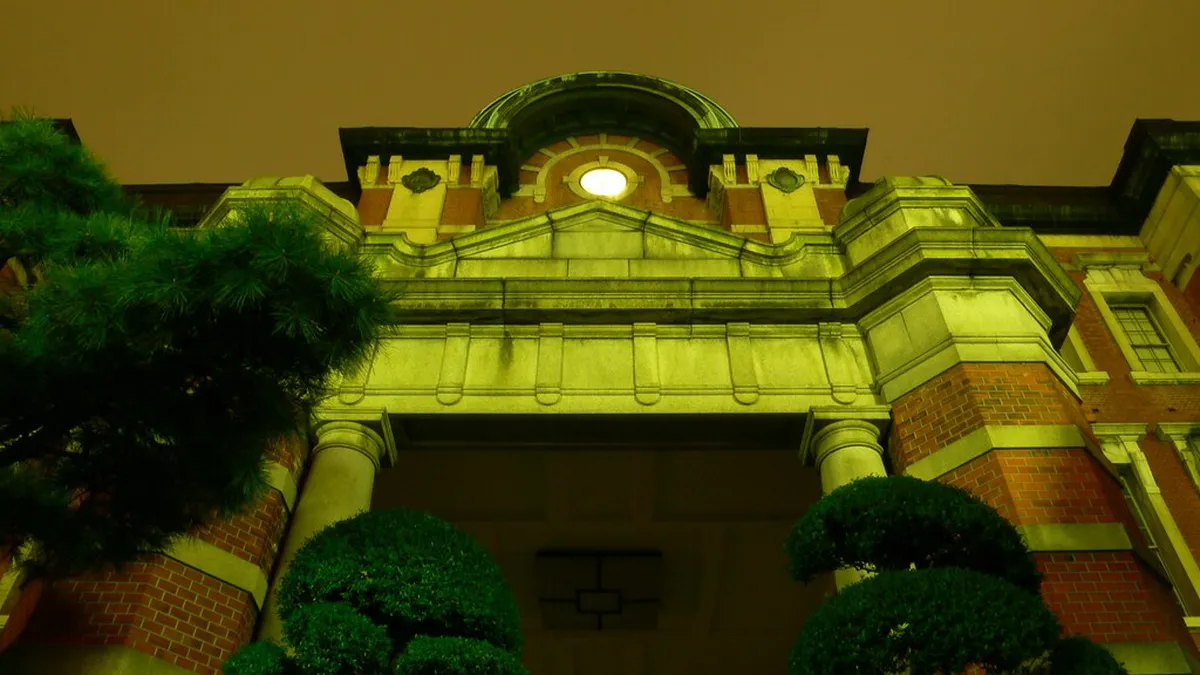
The Marunouchi district surrounding the station is polished, quiet, and business-oriented. It lacks the nightlife of Shinjuku or the street culture of Shibuya, but it compensates with logistical excellence. Hoshinoya Tokyo, a ryokan-style tower hotel, sits within walking distance and provides a traditional atmosphere in an otherwise corporate neighborhood. The Four Seasons Hotel Tokyo at Marunouchi and The Aman Tokyo represent the area's top luxury tier, with nightly rates from ¥80,000 upward. Mid-range business hotels cluster around ¥30,000–¥45,000 and maintain reliably high standards.
- Best for: Multi-city itineraries, day-trippers to Kyoto or Nikko, short stays with early morning departures
- Pros: Every Shinkansen from this single station, direct Narita Express, underground hotel access, "Ramen Street" and "Character Street" directly below
- Cons: Sterile atmosphere after business hours, limited nightlife, hotel prices reflect the premium location
- Pro tip: Book refundable rates at least four months ahead. Cherry blossom season (late March to mid-April) and Golden Week (late April to early May) see room prices at Tokyo Station hotels jump by 40–70%.
Roppongi: Modern Art and International Nightlife
Roppongi sits in Minato City, roughly in the middle of Tokyo geographically, making it an underrated base for families and museum-goers. The Mori Art Museum, teamLab Borderless (relocated to Azabudai Hills in 2024), National Art Center, and 21_21 Design Sight are all within walking distance. Tokyo Tower is also here, and Zojo-ji Temple behind it is one of the quieter major landmarks in the city. The Janu Tokyo hotel, opened by the Aman group in 2023, is the area's most significant new luxury property and draws high-end travelers who want privacy over the grand-hotel buzz of Marunouchi.
The main downside for first-timers is transport. Roppongi has no JR station, so all movement relies on the Hibiya and Oedo subway lines. The Oedo Line stations are among the deepest in Tokyo, with long escalator rides that become genuinely difficult with heavy luggage. The nightlife district near Roppongi Crossing can feel aggressive on weekend nights. If you want the Roppongi museum access with a calmer atmosphere, look at hotels in the Azabu-Juban area, a 10-minute walk south, which has a genuine residential neighborhood feel.
- Best for: Art and museum enthusiasts, families staying in luxury hotels, travelers who have already done the main Tokyo neighborhoods
- Pros: Centrally located, world-class art museums, strong English-speaking services, quieter than Shinjuku
- Cons: No JR access, Oedo Line is very deep and luggage-unfriendly, weekend nightlife noise near the crossing
- Pro tip: The Mori Art Museum stays open until 22:00 most nights. Book a late-entry visit and the crowds are a fraction of the afternoon rush.
| Area | Best For | Price Tier (¥/night) | Top Feature |
|---|---|---|---|
| Shinjuku | First-timers, maximum connectivity | ¥15,000–¥60,000 | World's busiest station, Narita Express access |
| Shibuya | Youth culture, shopping | ¥35,000–¥55,000 | Shibuya Crossing, Meiji Jingu, Omotesando |
| Ginza | Families, comfort-focused travelers | ¥40,000+ | Flat pavements, Tokyo Station access, quiet |
| Asakusa | Budget travelers, ryokan experience | ¥12,000–¥20,000 | Onsen ryokan, Senso-ji Temple, old Edo vibe |
| Tokyo Station (Marunouchi) | Regional travel, Shinkansen access | ¥30,000–¥80,000+ | All Shinkansen lines, Narita Express, underground hotel access |
| Roppongi | Art museums, luxury travelers | ¥50,000+ | Mori Art Museum, teamLab, Tokyo Tower |
How Takkyubin Luggage Forwarding Solves Tokyo's Biggest First-Timer Problem
Carrying large suitcases through Tokyo's stations is the single worst part of a first visit. Crowded platforms, long underground corridors, and station staircases that lack elevators in older sections make heavy luggage a genuine ordeal. Takkyubin — the door-to-door luggage forwarding service operated primarily by Yamato Transport (the black cat logo) — eliminates the problem entirely. It is one of the most useful logistics tools in Japan and almost no Western travel guide explains it properly.
The process is straightforward. Ask the front desk of your first hotel to arrange a Takkyubin shipment to your next hotel the night before you check out. Fill in a simple form with the destination hotel name and address. Your bags arrive at the next hotel by the following afternoon or evening, one to two days depending on distance. The cost is roughly ¥1,500–¥2,500 per bag. Yamato Transport has counters at most convenience stores (FamilyMart, Lawson, 7-Eleven) if you prefer to drop bags off yourself. This service is especially valuable if you are moving between a crowded base like Shinjuku and a more challenging station like Roppongi, or if you are adding a Kyoto leg to your itinerary.
A practical note: destination hotels need to confirm they can store arrived luggage before your own check-in time. Most major hotels do this as standard, but smaller ryokans in Asakusa may have limited storage. Confirm when you book. If you are flying out of Narita and staying near Tokyo Station on your final night, you can ship your bags directly to the airport's Yamato counter at Terminal 1 or 2 — they will hold them for your departure day, letting you spend a final bag-free day in the city.
Where to Avoid: Common First-Timer Booking Mistakes
Akihabara is a must-visit destination but a poor base. The neighborhood closes down by 20:00, leaving first-timers with few dining options and an unexpectedly empty atmosphere after dark. It also sits on the Yamanote Line's eastern edge, making nightly returns from Shinjuku or Shibuya unnecessarily long. Visit for the day and sleep somewhere with more evening energy.
Booking near Narita Airport to "save money on the first night" is the most common and costly mistake. Narita is 60–90 minutes from central Tokyo by train or bus, and an airport-adjacent hotel wastes your first evening in one of the world's most exciting cities. Always book into the city center immediately. The Narita Express deposits you at Shinjuku, Shibuya, or Tokyo Station in under an hour — use it.
One underrated mistake: booking a hotel on the wrong side of a large station. At Shinjuku, the East and West exits are separated by a 15-minute walk through the station complex. Arriving at the East exit with a reservation on the West side, at midnight, with two suitcases, is a genuinely miserable experience. Read your hotel's arrival instructions carefully and identify which exit is closest. Most major Tokyo hotels specify this in their booking confirmation.
Finally, avoid confusing "close to Tokyo" with "in Tokyo." Narita, Kawasaki, and some listings near Yokohama describe themselves using proximity to the city. Check the actual map before booking. Your Tokyo Itinerary: The Ultimate 5-Day Guide for 2026 should start the moment you land, not two train rides later.
Is Tokyo Expensive in 2026? Pricing and Booking Trends
Hotel prices in Tokyo have risen substantially since 2019 due to record international tourism volumes. A mid-range hotel that cost ¥15,000 per night five years ago now commonly lists at ¥25,000–¥35,000. The weak yen means international visitors still find dining and transport affordable, but accommodation absorbs much of the savings. Dynamic pricing is now universal — the same room at the Park Hyatt Shinjuku can vary by ¥30,000 depending on whether you book during cherry blossom season or a quiet November week.
For 2026, book any first-choice hotel at least four to six months in advance for popular neighborhoods like Ginza and Shinjuku. Use refundable rates where possible, then monitor prices and rebook if they drop. Smart hotels and tech-forward capsule properties in areas like Nihonbashi and Ueno offer automated check-in, compact but well-designed rooms, and nightly rates from ¥10,000 — the best-value category for budget travelers in 2026. The 12 Best Areas and Tips for Booking Tokyo Hotels in 2026 at the luxury end require the longest advance planning, particularly the smaller properties like Hoshinoya Tokyo, which regularly sells out three to four months ahead.
New hotel openings for 2026 worth tracking include expansions by Hoshino Resorts (OMO brand) in Asakusa and Ueno. The Janu Tokyo in Roppongi remains the most anticipated newer property for families and wellness-focused travelers. The Bellustar Pan Pacific in Shinjuku, opened in 2023 atop the Tokyu Kabukicho Tower, has earned near-universal praise and represents the best new luxury option for travelers who want to stay in the most energetic part of the city.
How Many Days Do You Need in Tokyo?
Five full days is the minimum for a first-time visitor who wants to cover the major districts without feeling rushed. One day per major neighborhood — Shinjuku, Shibuya, Asakusa, Ginza, and a day for art and parks — is a realistic, sustainable pace. The sheer density of things to do means that moving too fast leads to decision fatigue rather than genuine exploration. Allocating rest time between large station changes matters more in Tokyo than almost any other city.
Seven to ten days unlocks day trips. Staying near Tokyo Station or Shinjuku makes Hakone, Nikko, and Kamakura viable as single-day excursions. Kamakura's Great Buddha via the Yokosuka Line from Shinagawa takes just under an hour. Hakone via the Romancecar from Shinjuku takes 85 minutes. These trips are best structured around your Getting Around Tokyo: Complete Subway & Train Transport Guide 2026 base — pick a hotel you genuinely want to return to after a long day outside the city.
Slow travel is increasingly the dominant mode for 2026 visitors. Spending extra days in a single neighborhood reveals the Tokyo that most guides never reach — a favorite coffee shop three streets from the tourist trail, the early-morning vegetable markets before the crowds, the izakaya where the owner speaks no English but the food is extraordinary. Pick your base wisely at the start, and the city rewards that single decision many times over.
Frequently Asked Questions
Is it better to stay in Shinjuku or Shibuya for the first time?
Shinjuku is generally better for transport and variety, while Shibuya is ideal for youth culture and shopping. Both are excellent choices, but Shinjuku offers more direct airport and regional train connections for a smoother first arrival.
How far in advance should I book a Tokyo hotel for 2026?
You should book at least four to six months in advance for the best rates and availability. Popular neighborhoods like Ginza and Shinjuku fill up quickly, especially during the cherry blossom and autumn foliage seasons.
What is the safest area to stay in Tokyo for solo travelers?
Tokyo is exceptionally safe, but Ginza and Akasaka are particularly well-lit and quiet for solo travelers. These areas offer a professional atmosphere and easy access to major subway lines without the chaos of larger hubs.
Choosing the best area to stay in Tokyo for first timers in 2026 comes down to three decisions: how much you plan to explore beyond your base, what your budget ceiling is, and whether you want traditional Japan or modern Tokyo energy. Shinjuku covers almost every case. Ginza handles families and logistics-focused travelers. Asakusa wins on authenticity and value. Tokyo Station wins on regional access. Read the pros and cons above, match them to your actual itinerary, and book early.
Tokyo is a city that reveals itself in layers. The right neighborhood becomes a home base that makes every other day easier. Safe travels, and enjoy every moment of your 2026 visit to this extraordinary city.
Free: The Tokyo Essentials guide
Top things to do, where to stay, a perfect day plan, getting around, and the best time to go — a Tokyo mini-guide you can take offline.
You might also like


Continue reading
More guides you'll find useful