Tokyo Neighborhoods Guide: 16 Best Districts to Visit (2026)
Explore Tokyo district by district with our 2026 guide. From the neon of Shinjuku to the hidden alleys of Yanaka, discover the best neighborhoods for your style.
On this page
Tokyo's magic lies in its borders. Each neighborhood functions like a miniature city with its own personality, history, and culinary identity — and the difference between a good trip and an unforgettable one is whether you actually slow down enough to feel each one. This guide was refreshed in June 2026 to ensure all district details, operating hours, and transit information are current.
The city has no single downtown. Tokyo Station and the Imperial Palace sit at the geographical center, but the real heart beats in dozens of separate districts scattered across the metropolitan area. Understanding which neighborhoods match your interests is the single most useful thing you can do before you arrive.
We have reviewed every major hub to ensure your Tokyo Itinerary: The Ultimate 5-Day Guide for 2026 balances iconic landmarks with genuine local experiences. Use this guide to build a day-by-day plan, then let the city surprise you in the gaps.
At a Glance
- Number of Districts: 16 major districts covered (plus 23 official wards)
- Best District for First-Timers: Shinjuku — excellent transport links and endless dining options
- Areas Covered: From neon-lit Shibuya to traditional Asakusa, temples, shopping, nightlife, museums, and bohemian quarters
Planning Your Tokyo District Exploration
The Yamanote Line is the most vital tool for any traveler trying to understand Tokyo's layout. This circular rail line connects almost all the major hubs — Shinjuku, Shibuya, Harajuku, Ueno, Akihabara — making it the backbone of Getting Around Tokyo: Complete Subway & Train Transport Guide 2026. Most first-time visitors find that staying near a Yamanote station saves two to three hours of transit time over a week-long trip.
In 2026, the physical Suica and Pasmo card shortage that plagued 2023 and 2024 has fully resolved, but digital IC cards remain the smarter choice. If your iPhone is running iOS 16 or later, add a Suica card directly through the Wallet app before you leave the airport — it refills instantly using Apple Pay and works at every convenience store and restaurant with an IC reader. Android users can do the same via Google Pay with a Pasmo card. The physical card option costs ¥500 as a refundable deposit; the digital version has no deposit at all.
Choosing Where to Stay in Tokyo: 10 Best Neighborhoods depends on your primary interest. Western hubs like Shinjuku and Shibuya offer endless energy until 05:00; eastern districts like Asakusa provide a slower, more traditional pace and shorter queues at the major temples before 09:00. Splitting your stay between two different areas across a seven-night trip is the most common strategy among experienced Tokyo visitors.
| District | Vibe | Best For | Hours / Access |
|---|---|---|---|
| Asakusa | Traditional, historic | Temple photography, traditional craft shopping | Senso-ji: 06:00–17:00 |
| Shibuya | Urban, energetic, youthful | Nightlife, fashion, iconic crossing | Stores 10:00–24:00; energy until 04:00 |
| Shinjuku | Neon, busy, cosmopolitan | First-timer base, nightlife, views | Busiest at 08:00–09:30, 17:30–19:30 (avoid) |
| Ginza | Luxury, refined | High-end shopping, galleries | Stores 11:00–20:00; galleries 19:00 |
| Akihabara | Anime, tech, subculture | Electronics, anime, retro gaming | Stores 10:00–20:00; Sunday pedestrian 13:00–18:00 |
| Harajuku | Youth-focused, kawaii | Street fashion, temples, architecture | Takeshita busiest 12:00–16:00 (weekday mornings better) |
| Ueno | Cultural, family-friendly | Museums, parks, street markets | Museums 09:30–17:00; closed Mondays |
| Yanaka | Nostalgic, quiet, bohemian | Slow mornings, temple wandering, old Tokyo | Shops 10:00–18:00; cash-preferred |
| Tsukiji | Energetic, food-centric | Early-morning seafood, street food | Stalls 05:00–14:00 |
| Roppongi | Cosmopolitan, artsy nightlife | Contemporary art, international dining | Museums 10:00+; nightlife until 05:00 |
| Odaiba | Futuristic, entertainment-focused | TeamLab, digital art, bay views | Monorail from Shimbashi; teamLab book weeks ahead |
| Shimokitazawa | Bohemian, indie, vintage | Vintage fashion, live music, theater | Shops 11:00–20:00; venues 19:30+ |
| Nakano | Local, collector-focused | Rare anime, retro gaming, lower prices | Nakano Broadway 12:00–20:00 |
| Ikebukuro | Family, pop-culture | Families, shopping, entertainment | Sunshine City 10:00–20:00 |
| Jinbocho | Intellectual, quiet, vintage | Rare books, kissaten cafes, gardens | Bookshops 10:00–18:30; closed Sundays |
| Kagurazaka | Layered, geisha-French fusion | Unique neighborhood blend, evening walks | Best weekday afternoons; dusk for lanterns |
Asakusa: Tradition & Temples
Best for: First-time visitors, temple photography, and traditional craft shopping.
Asakusa is the historic gateway to Tokyo and the spiritual anchor of the city's old shitamachi (low city) culture. The centerpiece is Senso-ji, Tokyo's oldest temple, founded in 645 AD. Walk through the iconic Kaminarimon Thunder Gate with its 700-kilogram red lantern, then continue down Nakamise-dori, a 250-meter shopping street lined with traditional craft stalls. The temple grounds are free and open 24/7, though the main hall operates from 06:00 to 17:00.
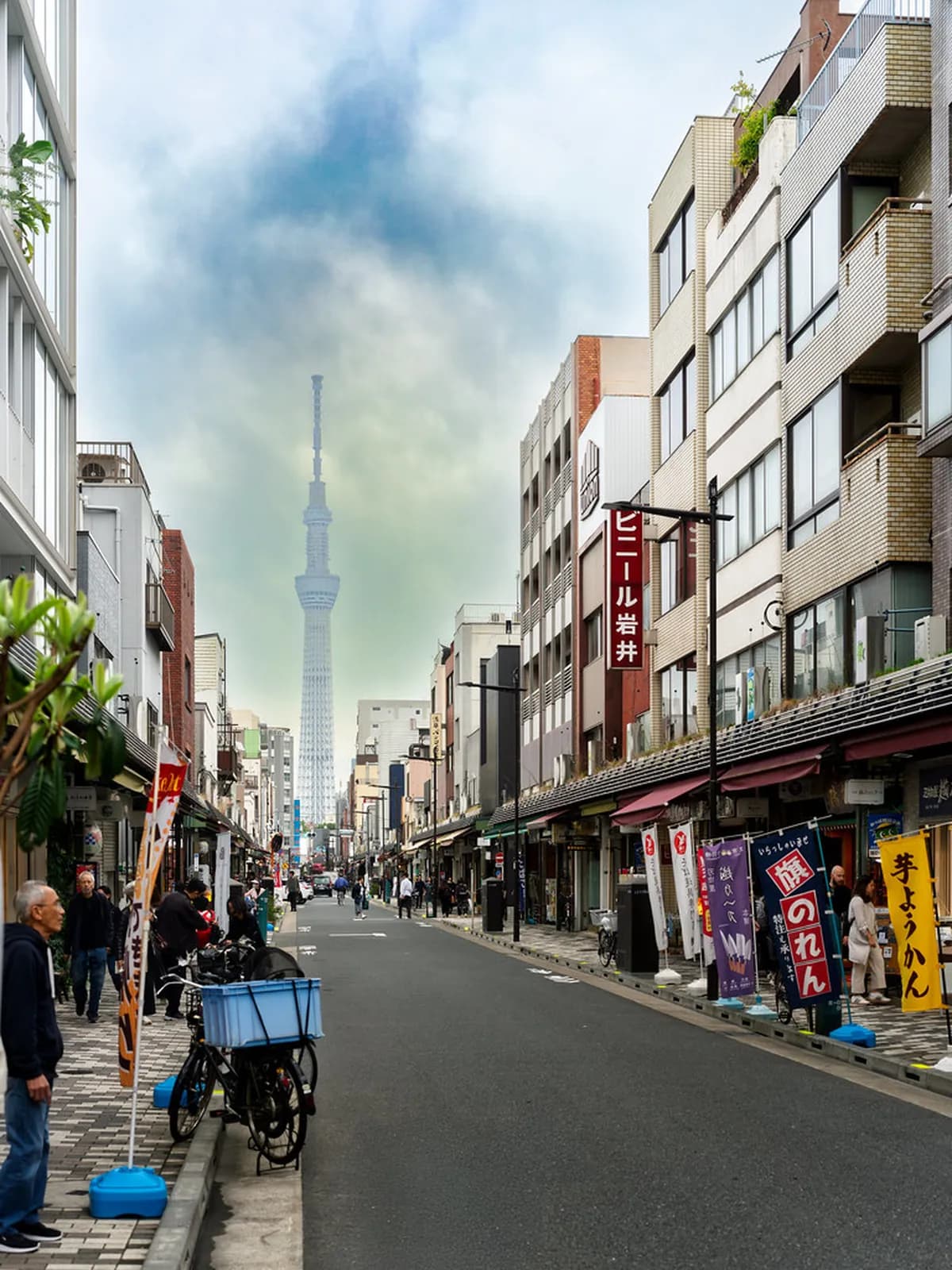
The best time to visit is just before sunset when tourist numbers drop sharply and the red lanterns begin to glow. After dark, the buildings are dramatically lit and the atmosphere shifts from busy to cinematic. A short walk east brings you to the Sumida River promenade, where the Tokyo Skytree — the world's second-tallest structure at 634 meters — towers across the water.
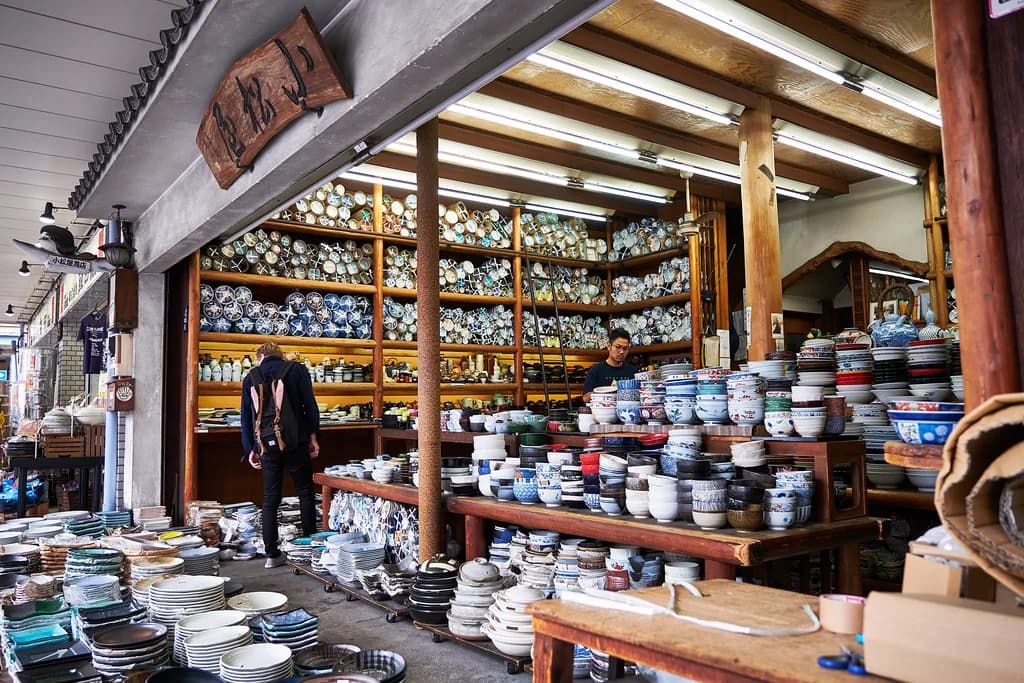
Asakusa also borders Kappabashi, Tokyo's "Kitchen Town," where 170-plus shops sell everything from hand-forged knives to the uncannily realistic plastic food replicas you see in restaurant windows across Japan. Allow at least three hours for the temple complex and another hour if you plan to browse Kappabashi.
Good to Know: Sunrise Beats Crowds
Visit Senso-ji before 09:00 to experience the temple and shopping street with a fraction of the daytime crowds. The best light for photography comes just after sunrise, and the atmosphere is noticeably more contemplative.
Shibuya: Urban Energy & Nightlife
Best for: Youth fashion, nightlife, and the iconic scramble crossing.
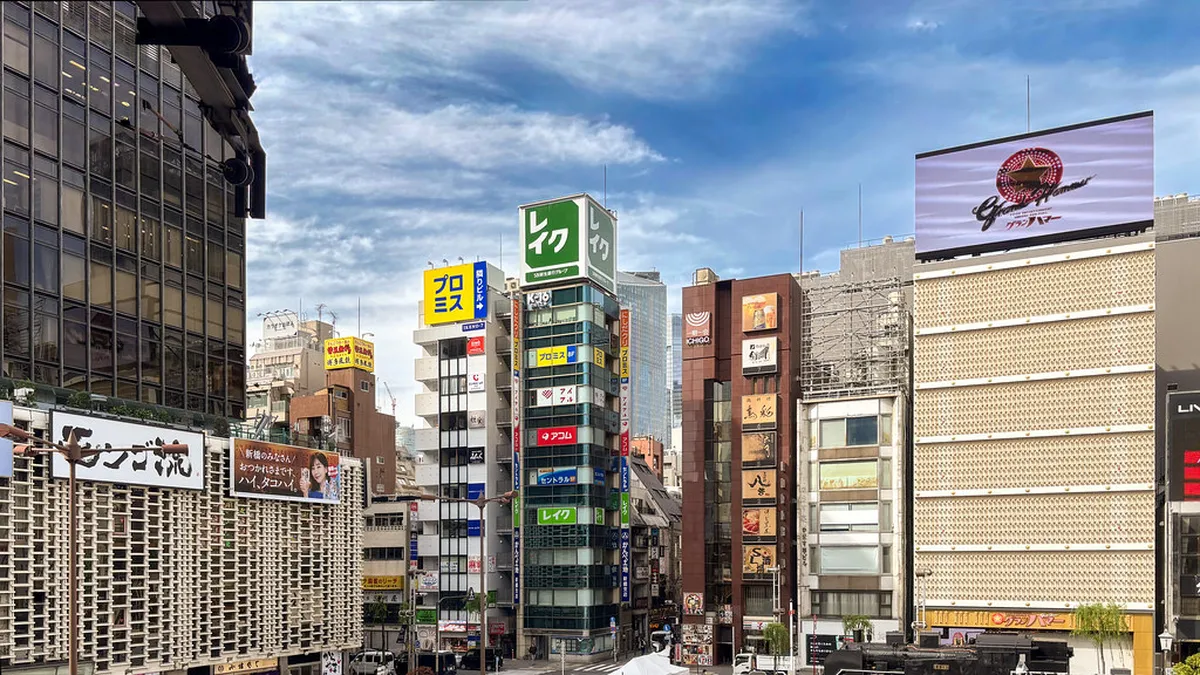
Shibuya is the epicenter of Tokyo's youth culture and urban energy. The Scramble Crossing — reportedly the busiest pedestrian intersection on earth — handles up to 3,000 people per light cycle during peak evening hours. The crossing itself is free to walk through; the best overhead view costs ¥2,000 from the Shibuya Sky rooftop observation deck, which is open until 22:30 (last entry 22:00). Book tickets in advance online to avoid same-day sellouts.
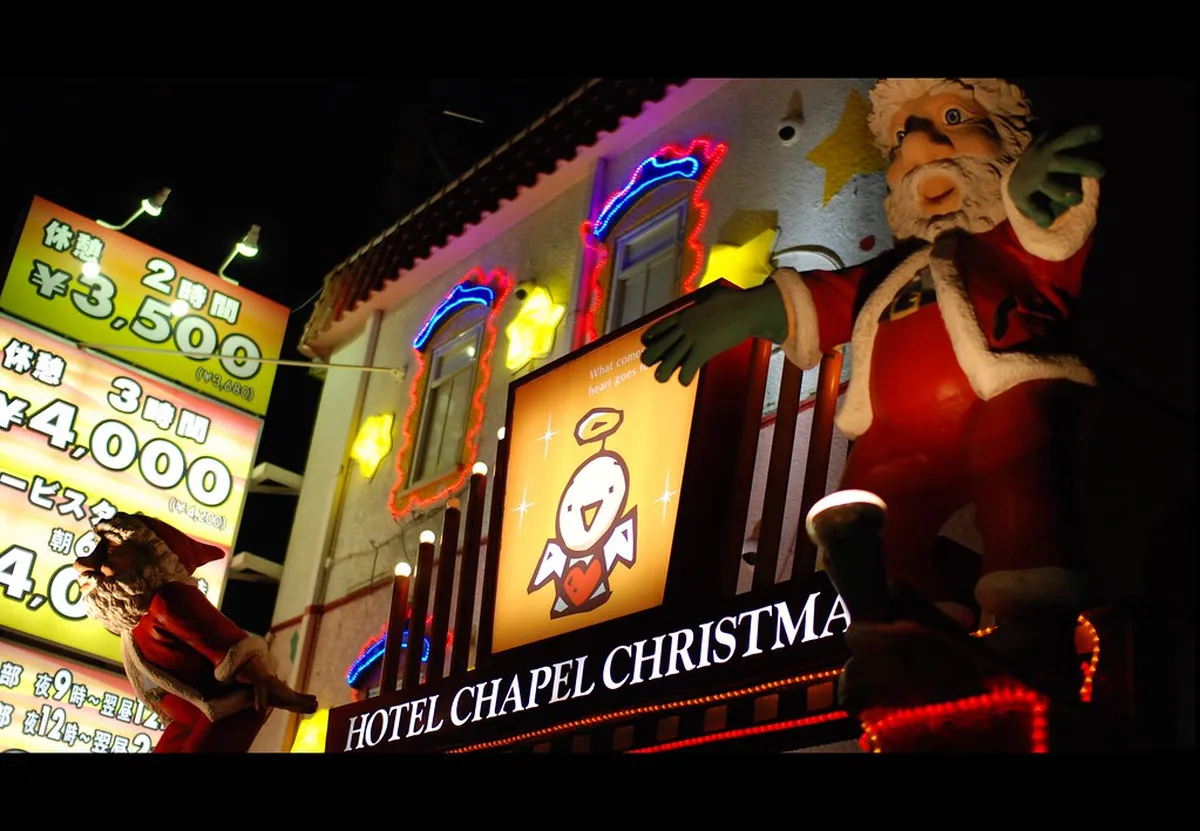
Beyond the crossing, Shibuya's backstreets contain some of the city's best izakaya and small live music venues. The Dogenzaka hill area, locally called "Love Hotel Hill," is lined with small bars that stay active until 04:00. Mark's Bar on the 40th floor of the Hikarie building offers a quieter alternative with sweeping city views and a drinks-only seating policy from ¥1,500 per person.
Most department stores and fashion outlets open at 10:00 and stay busy until midnight in the surrounding entertainment blocks. The 12 Hidden Gems in Tokyo Off the Beaten Path within Shibuya tend to be in the Udagawacho backstreets — small record shops, independent coffee roasters, and vinyl bars that see far fewer tourists than the main crossing area.
Shinjuku: Skyscrapers & Neon
Best for: Nightlife, panoramic views, and first-timer accommodation.
Shinjuku handles 3.5 million passengers per day at its main station — the busiest train station on earth by any metric. It is the strongest base for first-time visitors because every major subway line and the Yamanote converge here. Avoid the main west exit during the 08:00–09:30 and 17:30–19:30 rush periods unless you enjoy navigating a human tide.
Golden Gai is a web of six narrow alleys packed with over 200 tiny bars, each seating perhaps six to eight people, each with its own theme and regular crowd. Some play jazz, some project old horror films, some are just a bartender and a bottle of single malt. Most bars charge a cover fee of ¥500 to ¥1,000 per person — normal economics for spaces this small. A few spots are regulars-only, but most welcome foreign visitors who arrive before 21:00.
The Tokyo Metropolitan Government Building offers free panoramic views from two observatories — North Tower and South Tower — open daily until 22:30. This is one of the only free high-rise views in the city and it rivals paid options on clear nights. Shinjuku Gyoen provides the sharpest contrast: 144 acres of formal French, English, and traditional Japanese gardens inside one of the densest urban cores on earth, entry ¥500.
Ginza: Luxury & Shopping
Best for: Luxury retail, gallery-hopping, and weekend street atmosphere.
Ginza represents the pinnacle of Tokyo's commercial ambition, rooted in Edo-period history — the district's name literally means "silver mint," a reference to the shogunate's silver coin workshops established here in 1612. Today the main Chuo-dori boulevard is closed to all traffic on weekend afternoons, turning into a relaxed pedestrian zone where street performers and gallery visitors share the wide sidewalks.
Ginza Six, the district's largest retail complex, houses Tsutaya Books on its upper floors — widely considered one of the most beautiful bookstores in Japan — alongside 241 international and domestic brands. Ginza Crossing at the intersection of Chuo-dori and Harumi-dori offers a slightly more refined scramble crossing experience than Shibuya, surrounded by Chanel, Gucci, and Hermès flagships. Most stores operate from 11:00 to 20:00; the art galleries in the backstreets often stay open until 19:00.
A useful detail most guides skip: the underground floors beneath Ginza's department stores contain some of the best and most affordable food in the district. The basement food halls (depachika) of Matsuya and Mitsukoshi stock exceptional prepared foods, bento boxes, and wagashi sweets at prices far below the street-level restaurants. For a comprehensive look at the best shopping areas, see our 15 Essential Tokyo Shopping Districts and Planning Tips for 2026.
Akihabara: Anime & Gaming
Best for: Electronics, anime culture, retro gaming, and maid cafe experiences.
Akihabara — "Electric Town" — began as Tokyo's postwar hub for discounted electronic components and evolved into the global epicenter of anime, gaming, and otaku subculture. The main Chuo-dori boulevard is pedestrianized every Sunday afternoon from 13:00 to 18:00. Multi-story shops like Radio Kaikan, Mandarake, and Animate cover every genre of anime, manga, and collectibles across dozens of floors. Store hours generally run 10:00 to 20:00; entry to most buildings is free.
A maid cafe visit is worth doing at least once. The experience involves costumed servers performing synchronized dances and drawing characters on your omelette rice — genuinely strange, genuinely fun, and nothing like what you might expect. Prices typically run ¥500 to ¥1,500 for a set with coffee; avoid venues that advertise aggressively on the street in favor of those with a posted menu and clear pricing.
For serious collectors, the backstreets behind the main boulevard hide smaller retro gaming shops where prices are consistently lower than the flagship stores on Chuo-dori. Check the upper floors of Radio Kaikan and the basement levels of Mandarake for vintage figures and first-edition manga that rarely appear in the main display cases.
Harajuku: Youth Culture & Kawaii
Best for: Street fashion, Meiji Jingu, and the Omotesando architecture walk.
Harajuku offers one of Tokyo's sharpest contrasts: the wild street fashion of Takeshita Street sits five minutes on foot from the serene forest of Meiji Jingu. The shrine — built in 1920 to honor Emperor Meiji — is set within a 170-acre forest of 100,000 trees donated from across Japan. Entry is free from sunrise to sunset. The main approach along the gravel path is noticeably quieter than Senso-ji even during peak season, making it a better choice for visitors seeking a calm temple experience without the crowds.
Takeshita Street itself is most crowded on Sunday afternoons between 12:00 and 16:00. Visit on a weekday morning before 11:00 to actually browse the shops rather than be carried through them. The street specializes in kawaii fashion, vintage items, and hyper-sweet crepes — the ones with whole slices of cheesecake balanced on top have been a Harajuku fixture since the 1980s.
Omotesando, the wide boulevard running south from the shrine, is often called Tokyo's Champs-Élysées. The real draw for architecture enthusiasts is the concentration of buildings designed by internationally recognized firms: Tadao Ando's Omotesando Hills, Herzog & de Meuron's Prada flagship, and Toyo Ito's Tod's building are all within a ten-minute walk of each other.
Caution: Takeshita Street Peak Hours
Sunday afternoons between 12:00 and 16:00 on Takeshita Street become nearly impassable with pedestrian crowds. Visit on a weekday morning before 11:00 if you want to actually browse shops rather than shuffle through a human river.
Ueno: Parks & Museums
Best for: Families, cultural institutions, and the Ameyoko street market.
Ueno Park contains the highest concentration of major museums in Tokyo. The Tokyo National Museum — Japan's oldest and largest — holds over 117,000 objects across six permanent buildings, with general admission at ¥1,000. The National Museum of Nature and Science and the Ueno Zoo (one of only four zoos in Japan to have giant pandas) share the same park grounds. Most institutions are open 09:30 to 17:00 and close on Mondays.
Ameyoko market runs under and alongside the elevated train tracks between Ueno and Okachimachi stations. It started as a black market in the American occupation era and still operates as a dense, chaotic strip of discount shops, dried-food stalls, and cheap izakaya. After 18:00, the izakaya underneath the tracks fill with office workers — some of the best people-watching in the city.
A 15-minute walk north of the park brings you to Nezu Shrine, one of Tokyo's genuine hidden gems. The vermillion torii gates winding through a forested hillside rival Kyoto's Fushimi Inari in visual impact, but with a fraction of the visitor numbers. In late April, the shrine's azalea garden erupts with over 3,000 bushes across every shade of pink and purple — a scene that most Tokyo itineraries miss entirely.
Yanaka: Nostalgia & Old Tokyo
Best for: Slow mornings, temple wandering, and the "Slow Tokyo" walking route.
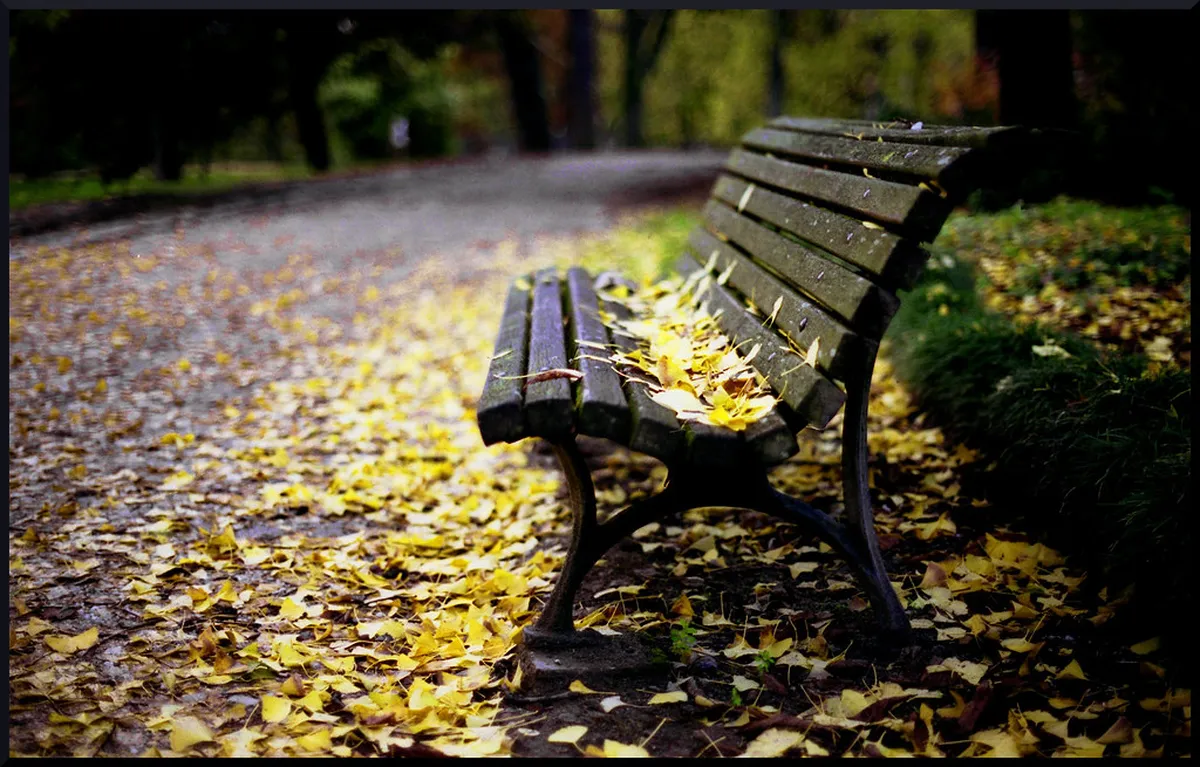
Yanaka is one of the few parts of Tokyo that survived both the 1923 Great Kanto Earthquake and the WWII firebombings largely intact. As a result, the area kept its pre-war wooden houses, narrow alleyways, and over 70 temples. Walking through Yanaka feels like stepping into a city that existed before the postwar reconstruction — quiet residential lanes, local cats lounging on temple walls, and craft shops that have operated for generations.
The best walking route in Tokyo connects three adjacent neighborhoods: Yanaka, Nezu, and Sendagi — collectively known as Yanesen. Start at Nezu Shrine in the morning, walk south through the cemetery's cherry blossom canopy to Yanaka Ginza shopping street, then descend the famous Yuyake Dandan (Sunset Steps) for the low-city silhouette view that locals treat as a neighborhood landmark. The entire route is under 3 kilometers and completely flat. Follow the official Nippori/Yanaka guide for street-by-street detail.
Yanaka's local shops on the Ginza shopping street typically operate from 10:00 to 18:00. The neighborhood is also one of the few places in Tokyo where cash remains the dominant payment method even in 2026 — bring ¥2,000 to ¥3,000 for food and small purchases. The cat-themed doughnuts and sweet potato snacks from street vendors are worth seeking out.
Tsukiji: Food Culture & Markets
Best for: Early-morning seafood, street food, and Japanese knife shopping.
The wholesale tuna auction moved to Toyosu Market in 2018, but the Tsukiji Outer Market remains the city's premier food destination for travelers. Hundreds of small stalls and restaurants pack a few narrow blocks, selling everything from fresh sushi sets to tamagoyaki egg rolls cooked to order. Most stalls open at 05:00 and begin closing by 14:00; arriving before 08:00 guarantees the best selection and avoids the late-morning crowds.
The outer market is the core of any 10 Essential Chapters for Your Tokyo Food Guide 2026 experience. Expect to pay ¥600 to ¥2,000 for quality street food items and ¥1,500 to ¥3,500 for a fresh sushi set at one of the market-facing counter restaurants. Several vendors specialize in premium dashi and dried goods that make exceptional lightweight souvenirs.
The surrounding streets contain some of Tokyo's best specialist kitchen-knife dealers — the same shops that supply the city's professional chefs. If you are looking for a carbon-steel santoku or yanagiba filleting knife, Tsukiji's knife shops offer better selection and more knowledgeable staff than the tourist-facing shops in Kappabashi. Prices range from ¥3,000 for an entry-level knife to ¥80,000-plus for a handmade Damascus blade.
Roppongi: Art & International Nightlife
Best for: Contemporary art museums, expat dining, and late-night clubs.
Roppongi is known for two very different things: its serious art infrastructure and its chaotic international nightlife. The Art Triangle Roppongi — comprising the Mori Art Museum, the National Art Center Tokyo, and the Suntory Museum of Art — positions this district as the most culturally significant for contemporary work in the city. The Mori Art Museum on the 53rd floor of Roppongi Hills offers both a world-class exhibition program and panoramic city views; tickets cost ¥2,000 to ¥2,500 depending on the current show.
The nightclub district along Roppongi-dori operates until 05:00 and attracts a heavily international crowd. Clubs here vary enormously in quality and door policy — cover charges range from ¥1,000 to ¥3,000 and typically include one drink. The Roppongi Hills complex itself offers a more refined evening option, with high-end dining and seasonal light installations along the outdoor plaza.
Odaiba: Entertainment & Waterfront
Best for: TeamLab, futuristic architecture, and Tokyo Bay views.
Odaiba is a man-made island in Tokyo Bay, accessible via the automated Yurikamome from Shimbashi — the ride itself offers unobstructed Rainbow Bridge and skyline views. The original teamLab Borderless venue here closed; teamLab Borderless now operates at Azabudai Hills. Odaiba's current anchors include waterfront parks, Miraikan, DiverCity, and Tokyo Joypolis.
The Diver City Tokyo Plaza houses the famous life-size Unicorn Gundam statue and a large shopping center with extended evening hours. An evening visit to Odaiba — arriving around 18:00 — lets you watch the city skyline illuminate across the bay, with the Rainbow Bridge lit in different colors depending on the season or a current event.
Shimokitazawa: Vintage & Bohemian
Best for: Vintage clothing, live music, independent theater, and the anti-Shibuya crowd.
Shimokitazawa is the city's most beloved bohemian neighborhood — a walkable maze of narrow alleys where independent vintage shops, live music venues, and small theaters share blocks with local ramen counters and craft coffee bars. The atmosphere sits firmly on the "relaxed" end of Tokyo's spectrum. Most vintage shops open around 11:00 and stay active until 20:00; unique pieces range from ¥1,000 T-shirts to ¥8,000 curated 1970s Japanese denim.
The neighborhood's live music scene is the densest in Tokyo. Small venues like Shimokitazawa Three and ERA book independent Japanese bands and occasional international acts; door charges typically run ¥1,500 to ¥3,000 with one drink. The neighborhood is most alive on weekend evenings when the tiny alleyways fill with people drifting between venues.
Compared to Koenji — another vintage-heavy neighborhood on the Chuo Line — Shimokitazawa leans toward a curated, collegiate aesthetic with higher average prices. Koenji runs cheaper and more punk, with a stronger concentration of raw military surplus and 1980s subculture goods. Both are worth visiting; Shimokitazawa is the better starting point for casual shoppers, while Koenji rewards the more obsessive collector.
Nakano: Local Otaku Culture
Best for: Serious collectors who want Akihabara-level stock without the tourist pricing.
Nakano Broadway is a massive indoor shopping complex on four floors, dedicated almost entirely to rare collectibles, retro anime goods, vintage gaming hardware, and specialty merchandise. Entry to the complex is free; most specialized shops operate from 12:00 to 20:00. The atmosphere is noticeably more local and less performance-oriented than Akihabara's main boulevard — you will not encounter costumed promoters or maid cafe solicitors on the street outside.
The key difference from Akihabara is pricing. Because Nakano Broadway caters primarily to domestic collectors rather than international tourists, prices on vintage figures and first-edition merchandise are often 10 to 20 percent lower for equivalent items. The basement level food stalls are worth visiting for the multi-flavored soft serve ice cream — a local tradition that has nothing to do with anime and everything to do with neighborhood pride.
Ikebukuro: Shopping & Entertainment
Best for: Families, pop culture, and the western alternative to Shinjuku.
Ikebukuro is the second-busiest station in Tokyo after Shinjuku, serving 2.7 million passengers daily. The area around the east exit is best known for Sunshine City, a vast complex containing an aquarium, planetarium, indoor theme park, and four interconnected shopping towers. Most attractions inside operate from 10:00 to 20:00 with varied admission pricing.
The neighborhood is particularly famous for "Otome Road" — a strip of shops on the east side catering primarily to female anime and manga fans, a demographic that Akihabara largely ignores. The Pokemon Center Mega Tokyo inside Sunshine City holds the largest selection of Pokemon merchandise in Japan. Ikebukuro also hosts some of the best affordable ramen counters in the city in the basement food halls beneath the department stores.
Jinbocho: The Intellectual Book Hub
Best for: Introverts, rare book hunters, English-language volumes, and kissaten cafe culture.
Jinbocho is the world's largest concentration of used-book dealers — over 160 stores packed into a handful of streets in central Tokyo. The district was recently named one of the world's coolest neighborhoods by Time Out, though it remains genuinely undiscovered by most short-trip visitors. Most shops operate from 10:00 to 18:30 and close on Sundays. The majority sell Japanese-language material, but several specialists stock excellent English-language sections, including rare volumes on Japanese history, architecture, and art that are difficult to find outside Japan.
Between the bookshops sit some of Tokyo's best traditional kissaten — old-school coffee shops with counter seating, hand-drip pour-overs, and the kind of deliberate quiet that is nearly impossible to find in busier districts. Savoire Faire on Yasukuni-dori and Ladrio near Jinbocho station are two of the most atmospheric, with interiors unchanged since the 1970s. A coffee at either costs ¥700 to ¥900 and buying nothing else is entirely acceptable.
The nearby Koishikawa Korakuen garden — a 17th-century stroll garden adjacent to the Tokyo Dome — is one of the most beautiful and least-visited classical gardens in the city. Entry costs ¥300 and the garden is open daily from 09:00 to 17:00. Combine Jinbocho browsing with a late-afternoon garden walk for one of the most genuinely off-the-beaten-path afternoons in Tokyo.
Marunouchi: Business & Imperial History
Best for: Imperial Palace gardens, historic train station architecture, and free museum access.
Marunouchi sits between Tokyo Station and the Imperial Palace, blending corporate Tokyo with some of the city's deepest historical roots. The current Imperial Palace buildings date primarily from the 1960s, but they stand on the foundations of Edo Castle — the seat of Tokugawa shogunate power for over 250 years. The Imperial Palace East Gardens are free to enter most days, open from 09:00 to 16:00, and closed Mondays and Fridays. The grounds include the remains of the old castle keep's stone base, providing a direct physical connection to the Edo period. Full visitor information is available at the Imperial Palace official page.
Tokyo Station itself deserves more than a transit glance. The restored red-brick Marunouchi facade — completed in 1914 and painstakingly rebuilt after WWII bomb damage — contains two stunning domed ceilings decorated with the original plasterwork and zodiac reliefs. The underground passages beneath the station extend for over a kilometer and contain department stores, ramen restaurants, and specialty food shops that most visitors walk past while rushing for a Shinkansen.
KITTE, the converted former central post office building adjacent to the station, has a free rooftop garden with one of the best eye-level views of the station's brick facade and the Imperial Palace grounds beyond. The Intermediatheque museum on the third and fourth floors of KITTE displays rotating exhibits from Tokyo University's research collections — Egyptian mummies, Meiji-era scientific instruments, stuffed specimens — with free admission, making it one of the most underrated cultural stops in the city.
Kagurazaka: Tokyo's French-Geisha Enclave
Best for: Travelers who want a genuinely layered neighborhood that most visitor guides omit entirely.
Kagurazaka does not appear on most Tokyo neighborhood lists, but it is one of the city's most genuinely distinctive quarters. It is a former geisha district that absorbed a wave of French expats in the early 20th century — teachers, diplomats, and students drawn to the nearby Institut Français and a cluster of French Catholic schools — and the two cultures fused rather than competed. Today Kagurazaka has more French restaurants per block than anywhere else in Tokyo, and some street signs are still written in both Japanese and French.
The geisha culture still quietly exists beneath the French veneer. The traditional ryotei (private dining restaurants) along Hyogo Yokocho and Kakurenbo Yokocho still host private banquets with geisha performances. You cannot book a seat at a geisha dinner as a walk-in visitor, but wandering these alleys — narrow enough that two people walking side by side fill the path — gives you a Tokyo that feels nothing like the neighborhoods around the Yamanote Line. The cobblestones of Honda-Yokocho are the photogenic heart of the district; come at dusk when the paper lanterns light and the foot traffic drops.
A modern counterpoint sits at the top of the hill: Akagi Shrine, rebuilt by architect Kengo Kuma — who also designed the Tokyo 2020 Olympic Stadium — in an all-glass and steel interpretation of sacred architecture. It is striking enough to draw architecture enthusiasts on its own. The neighborhood is best explored on a weekday afternoon, accessible via the Tozai Line to Kagurazaka station.
2026 Transit Tips for Getting Between Districts
The Yamanote Line handles most inter-district movement, but several key neighborhoods sit off the loop. Shimokitazawa requires the Keio Inokashira Line from Shibuya (seven minutes, ¥140). Nakano is on the JR Chuo Line from Shinjuku (five minutes, ¥165). Kagurazaka uses the Tozai subway from Otemachi or Iidabashi. Odaiba needs the Yurikamome from Shimbashi or the Rinkai Line from Osaki.

For IC card setup in 2026: if you have an Apple device, add Suica via Wallet before landing — it works even with a non-Japanese credit card and refills instantly. Android users can load Pasmo via Google Pay with the same flexibility. Both digital IC cards work identically to physical cards at ticket gates, convenience stores, vending machines, and most restaurants. The physical card option remains available at station service centers for ¥500 deposit plus your chosen balance. There is no functional difference between Suica and Pasmo; whichever you set up first is the right choice.
A single 24-hour metro pass costs ¥600 and covers the Tokyo Metro network only. The 24-hour all-Tokyo pass at ¥1,500 covers both Tokyo Metro and Toei Subway lines and is worth buying on any day you plan to cross more than four districts. The JR Pass does not cover Tokyo Metro or Toei lines, only JR trains — a detail that catches many visitors off guard at the ticket gate.
Continue planning with Tokyo Trip Planner 2026: Attractions, Neighborhoods and Itineraries.
Frequently Asked Questions
Which Tokyo neighborhood is best for first-time visitors?
Shinjuku is the best overall choice for first-timers due to its excellent transport links and endless dining options. It provides easy access to the Yamanote Line and major subway routes. You will never run out of things to see within walking distance of your hotel.
How many neighborhoods are there in Tokyo?
Tokyo is officially divided into 23 special wards, but there are dozens of distinct neighborhoods within those wards. Each has its own unique character, ranging from the neon-lit streets of Shibuya to the quiet residential lanes of Setagaya. Most travelers focus on the 10-15 most central districts.
What is the most walkable neighborhood in Tokyo?
Asakusa and the neighboring Yanesen area are the most walkable districts due to their flat terrain and narrow, pedestrian-friendly streets. These areas allow you to wander between temples and traditional shops without the stress of heavy traffic. Walking between these northern districts is a highlight for many visitors.
Tokyo in 2026 rewards visitors who explore district by district rather than checking off a list of famous intersections. The most memorable neighborhoods — Yanaka's pre-war alleyways, Kagurazaka's French-geisha streets, Jinbocho's dusty bookshop corridors — are rarely the ones that appear in highlight reels. Build your itinerary around two or three districts per day, stay within connected zones to minimize transit time, and leave room to get genuinely lost.
The contrast between hyper-modern and deeply traditional is not just a marketing line — it is a daily reality in every corner of this city. Enjoy your journey through the world's most fascinating metropolis.
Use our Tokyo attractions hub to round out your itinerary.
Free: The Tokyo Essentials guide
Top things to do, where to stay, a perfect day plan, getting around, and the best time to go — a Tokyo mini-guide you can take offline.
You might also like


Continue reading
More guides you'll find useful