Tokyo 1 Day Itinerary 2026: The Ultimate 24-Hour Guide
Maximize your trip with this Tokyo 1 day itinerary for 2026. Includes time-stamped stops at Shibuya, Asakusa, and Shinjuku, plus essential 2026 transit tips.
On this page
Planning a tokyo 1 day itinerary 2026 requires balancing efficiency with the city's vast urban sprawl. This guide is built for first-timers who want to see the most iconic landmarks without feeling rushed. One day is enough for a high-energy city introduction if you start early and move in a logical geographic arc. Last refreshed for spring 2026, this plan reflects current transit rules and advance booking windows.
The strategy is simple: start in the historic east at Asakusa, push west through Harajuku and Shibuya, and finish the night in neon-lit Shinjuku. That east-to-west flow keeps transfers under 30 minutes on the Ginza and Yamanote lines. If you want to go deeper, my three-day Tokyo itinerary covers Yanaka, Tsukiji, and the Imperial Palace. For now, this 24-hour sprint covers cultural icons, world-class food, and the organized chaos of Shibuya Crossing.
Quick Overview: The Ultimate 1-Day Tokyo Itinerary
This rapid schedule covers the essential landmarks that define Tokyo's blend of old and new. The itinerary groups attractions by neighborhood to minimize backtracking across the metro network. Expect a full 12-hour day with significant walking — comfortable shoes and a charged phone are essential. Digital transit is non-negotiable: read the Suica setup section before you arrive.
The flow begins in Asakusa no later than 08:00, before heading to Harajuku and Shibuya around midday, then wrapping up in Shinjuku by evening. Most shrines and parks open by 06:00, so early risers can get a genuinely crowd-free hour at Senso-ji. Major shops do not open until 10:00 or 11:00, which is why the morning block is temple-and-park heavy.
- 08:00 – 11:30: Asakusa (Senso-ji Temple, Nakamise-dori, Kaminarimon Gate)
- 12:00 – 14:30: Harajuku (Meiji Jingu Shrine, Yoyogi Park, Takeshita Street)
- 15:00 – 18:00: Shibuya (Shibuya Crossing, Omotesando, Shibuya Sky)
- 19:00 – 22:00: Shinjuku (Omoide Yokocho, Golden Gai, Kabukicho)
Morning: Historic Asakusa and Senso-ji Temple
Arrive at Asakusa Station by 08:00 on the Tokyo Metro Ginza Line or the Tobu Skytree Line. The Kaminarimon (Thunder Gate) is the natural first stop — this enormous red lantern is the most photographed object in the entire district. Walk through Nakamise-dori market street, where vendors sell melon pan, freshly grilled rice crackers, and senbei from stalls that have operated for over a century. Check the 10 Essential Chapters for Your Tokyo Food Guide 2026 for the best snack picks along this stretch.
Senso-ji Temple itself opens 24 hours, but the main hall gates open at 06:00. Arriving before 09:00 gives you 30 to 60 minutes of manageable crowd density before tour buses arrive. The fortune-telling sticks (omikuji) cost 100 yen and are worth the experience. Grab a matcha soft serve or a ningyo-yaki (shaped sweet cake) from one of the side stalls before leaving the temple precinct.
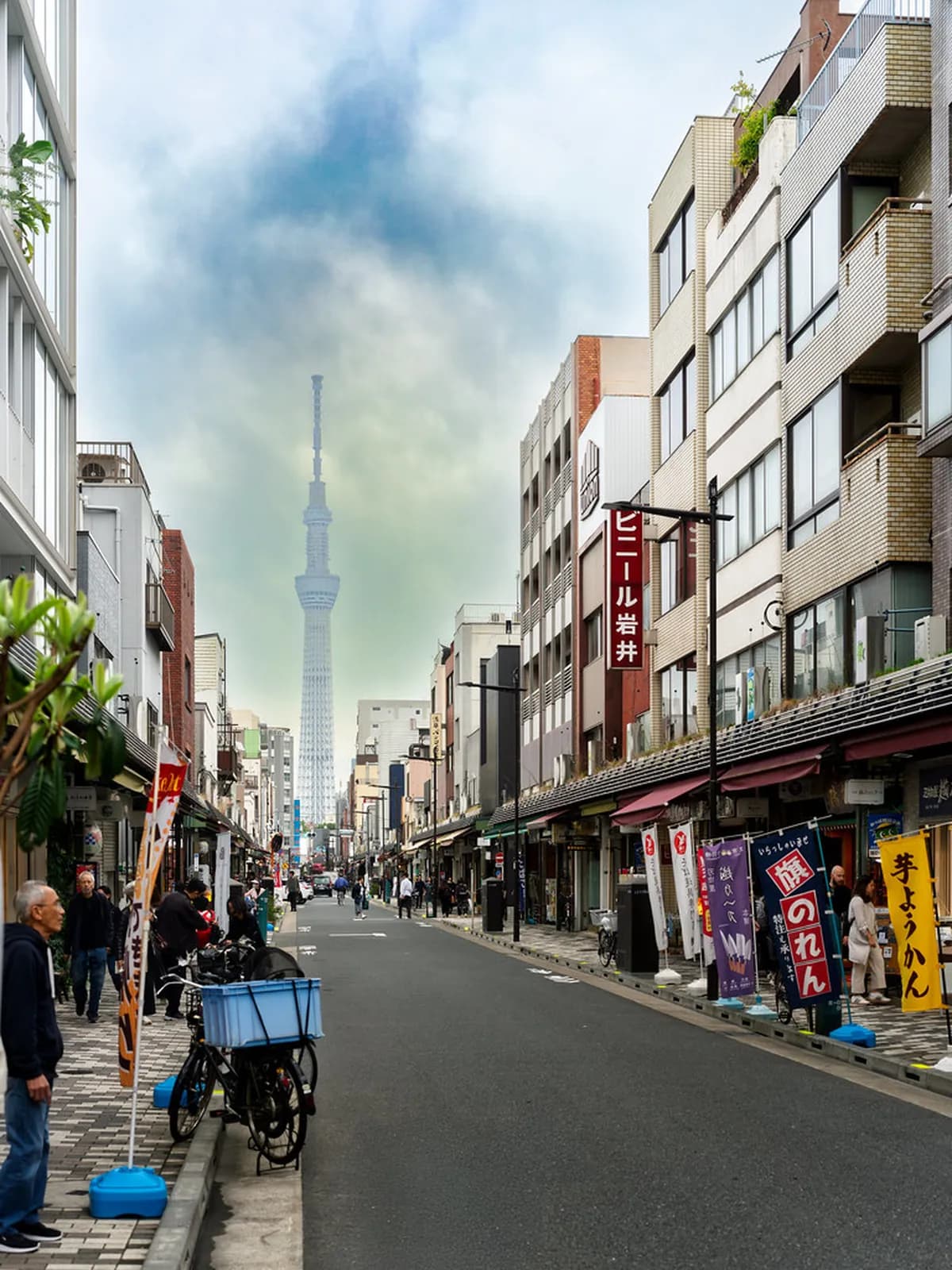
Spend the rest of the morning exploring the backstreets around Asakusa. The Hoppy Street izakaya strip runs parallel to the main temple road and is lined with old-school shōchū bars. The Asakusa Culture Tourist Information Center, directly opposite Kaminarimon, has a free observation deck on the 8th floor with clear views of the Skytree. Leave Asakusa no later than 11:30 to stay on schedule.
Midday: Meiji Jingu Shrine and Harajuku Culture
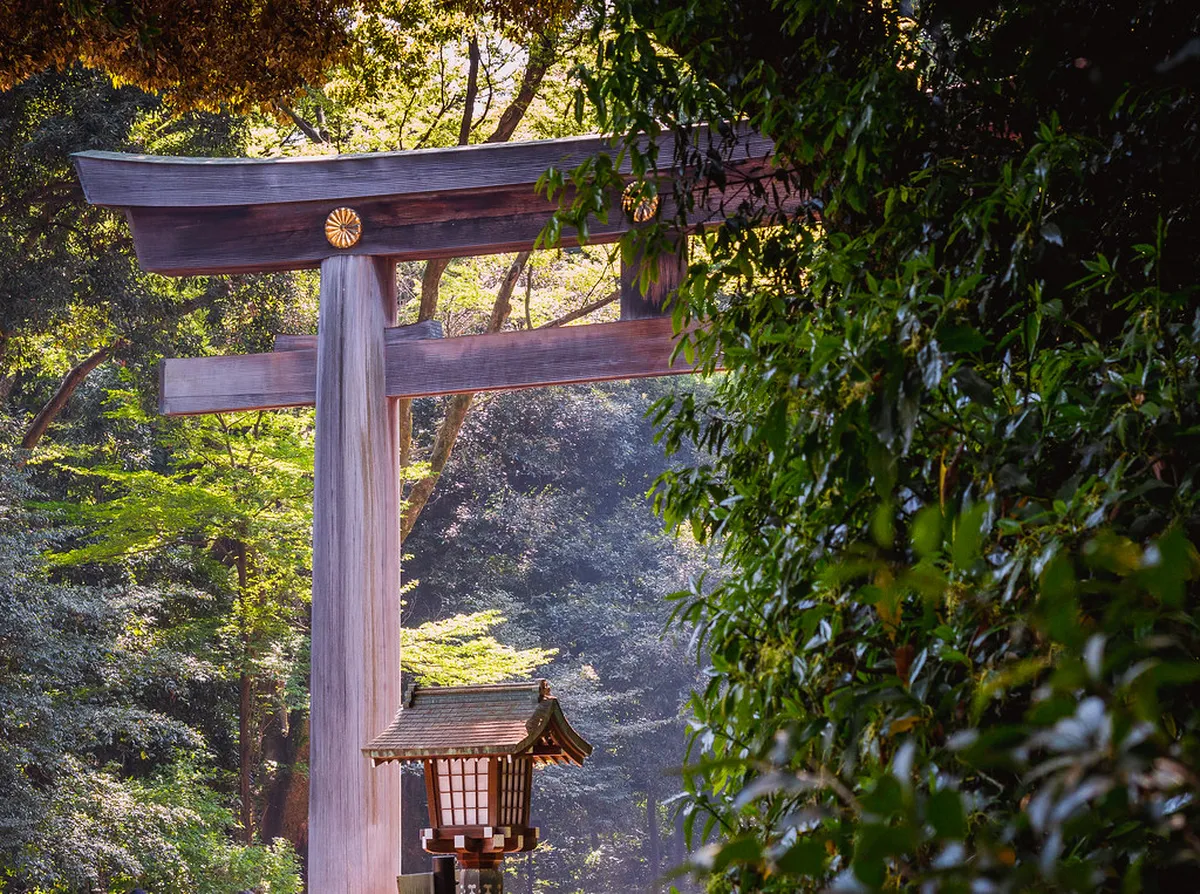
Take the Ginza Line from Asakusa to Shibuya (about 28 minutes), then walk 10 minutes north to Harajuku Station. Enter Meiji Jingu Shrine through the forested approach path starting at the southern torii gate on Omotesando. The walk through the cypress forest alone takes 10 minutes and is genuinely calming — even at midday, the tree canopy muffles city noise entirely. The shrine complex is free to enter and open daily from sunrise to sunset.
After the shrine, walk south through Yoyogi Park and into Harajuku proper. Takeshita Street is the famous pedestrian lane lined with crepe stalls, animal cafes, and youth fashion shops. The street is narrow and gets genuinely packed by 13:00 on weekends. Grab lunch here — a sweet crepe costs around 600 to 900 yen, and there are several ramen shops on the parallel streets if you want something more substantial.
For a quieter midday stretch, walk east along Omotesando Boulevard toward the Aoyama district. The boulevard is Tokyo's answer to the Champs-Elysee, lined with flagship architecture from Prada, Dior, and Comme des Garcons. The Omotesando Hills shopping complex, designed by Tadao Ando, is worth a look even if luxury retail is not your thing. Leave this area by 14:30 to reach Shibuya before the afternoon crowd peaks.
Most shops on Takeshita Street and Omotesando don't open until 10:00–11:00, so plan your morning temple visits first. Skip Harajuku's peak crowds by arriving before 12:00 or after 16:00.
Afternoon: Shibuya Crossing and the 2026 Booking Reality
Shibuya Station is one stop south of Harajuku on the JR Yamanote Line. Exit via Hachiko Square and walk directly to the world-famous Shibuya Crossing. The scramble crossing operates on a full-pedestrian phase every two minutes, releasing thousands of people from all directions simultaneously. Cross it at least once, then find a second-floor cafe window — the Starbucks overlooking the crossing is the most famous option, but the seats fill up fast.
Shibuya Sky, the rooftop observation deck on the Scramble Square tower, offers a 360-degree panoramic view from 229 meters. In 2026, this attraction routinely sells out sunset slots (17:00 to 19:00) four weeks in advance. Book online the moment you have a travel date confirmed — tickets cost 2,500 yen for adults and entry is timed to 15-minute windows. Arriving without a reservation means joining a same-day standby queue with no guarantee of entry. You can also secure Tokyo Tower Tickets online in advance to avoid similar queues at that landmark.
TeamLab Borderless, which reopened in Azabudai Hills in 2024, is another 2026 advance booking mandatory. The digital art installation has no fixed closing time per room, but entry itself is strictly timed. Book at least four weeks out for weekend slots and at least two weeks for weekday entry. The Ghibli Museum in Mitaka releases tickets on the 10th of every month for the following month at 10:00 Japan Standard Time — set an alarm.
Shibuya Sky sunset slots (17:00–19:00) sell out 3–4 weeks in advance. Book online before arriving in Tokyo — same-day standby queues often exceed 2–3 hours with no entry guarantee.
Evening: Shinjuku Nightlife and City Views
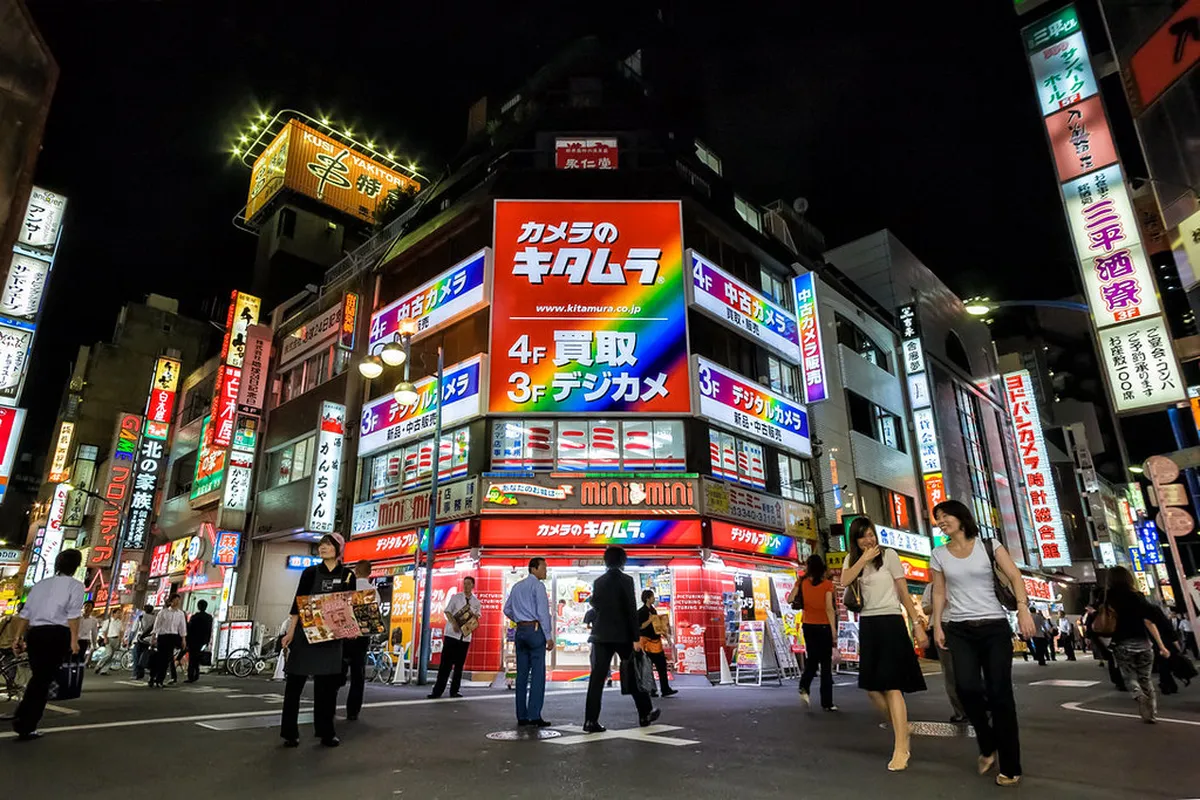
Arrive in Shinjuku by 18:30 via the JR Yamanote Line from Shibuya — it is a 5-minute direct ride. Drop into Omoide Yokocho (Memory Lane) for dinner: this narrow alley behind the west exit is packed with tiny yakitori stalls that have been operating since the 1940s. Each stall seats 6 to 10 people and serves grilled chicken skewers, beer, and shochu. Budget 2,000 to 3,500 yen per person for a full meal with drinks.
| Time | Location | Activity | Notes |
|---|---|---|---|
| 08:00–11:30 | Asakusa | Senso-ji Temple, Nakamise, Kaminarimon | Arrive early to beat tour groups; omikuji (100¥) |
| 12:00–14:30 | Harajuku | Meiji Jingu, Yoyogi Park, Takeshita Street | Lunch on Takeshita (crepe 600–900¥) or quiet Omotesando |
| 15:00–18:00 | Shibuya | Shibuya Crossing, Starbucks window, Shibuya Sky | Book Sky in advance (2,500¥); expect crowds 17:00–19:00 |
| 18:30–22:00 | Shinjuku | Omoide Yokocho, Golden Gai, Kabukicho | Yakitori dinner (2,000–3,500¥); bars close ~23:00 |
After dinner, walk the east side of Shinjuku for the 3D cat billboard and the Godzilla head above Shinjuku Kabukicho Tower — the hourly roar animation runs every hour between 12:00 and 20:00. Golden Gai is a cluster of roughly 200 tiny bars in six narrow alleyways near Hanazono Shrine. Most seats only 4 to 8 people, and many bars post a small cover charge of 500 to 1,000 yen. Look for a light above the door to confirm a bar is open, and check for English menus if that matters to you.
The Tokyo Metropolitan Government Building offers a free observation deck on the 45th floor. The North Tower closes at 23:00 on most nights, making it one of the best free evening views in the city. Clear nights reveal the Shinjuku skyline and, on exceptional days, a distant silhouette of Mount Fuji to the southwest. Trains from Shinjuku run until around 00:30 — after that, night buses cover the major routes for about 210 yen.
Where to Stay for a 1-Day Tokyo Trip
Selecting the 8 Best Areas to Stay in Tokyo for First Timers is vital for a short trip. You want to be within five minutes of a major transit hub to maximize your limited sightseeing window. The two most practical bases for a one-day itinerary are Shinjuku and Tokyo Station — both have direct airport connections and sit on the Yamanote loop.
Shinjuku is the top choice for most visitors. It connects directly to both Narita (Narita Express, 90 minutes) and Haneda (Keikyu Line, 35 minutes). The west side of the station has business hotels in the 12,000 to 20,000 yen range, and the east side puts you within walking distance of Kabukicho and Golden Gai for a late-night finish. Staying here means you can drop bags at the hotel and start the Asakusa run immediately.
Tokyo Station is the better choice if you are arriving or departing via Shinkansen. The station's hotel corridor includes upscale options like the Tokyo Station Hotel and Palace Hotel Tokyo. The surrounding Marunouchi district is quieter at night but places you close to Ginza, the Imperial Palace gardens, and the Yaesu underground shopping mall. Both areas are well served by the Yamanote Line, which runs roughly every three minutes during the day.
Getting from Narita or Haneda to Central Tokyo
Most long-haul flights arrive at Narita International Airport, which is 60 to 90 minutes from central Tokyo depending on your choice of transit. The Narita Express (N'EX) is the fastest option: 53 minutes to Shinjuku, 90 minutes to Shibuya, and covered by the JR Pass if you have one. Seat reservations are mandatory for N'EX — book at the JR ticket counter or online before boarding. Fares run around 3,070 yen one-way to Shinjuku without a rail pass.
The Keisei Skyliner is the cheapest express alternative: 41 minutes from Narita to Nippori Station, then one stop on the Yamanote Line to Ueno. Skyliner fares are 2,570 yen and do not require a JR Pass. The Airport Limousine Bus costs 3,200 yen to major Shinjuku hotels and takes 75 to 110 minutes depending on traffic — useful if you have large luggage and a hotel near a bus stop, but unreliable during peak hours.
Haneda Airport is far more convenient for 1-day visitors. The Keikyu Line reaches Shinagawa in 11 minutes (300 yen), where you connect to the Yamanote Line for all major stops. The Tokyo Monorail reaches Hamamatsucho in 18 minutes (500 yen) for Yamanote Line access at the same station. If your itinerary allows, choose flights using Haneda — the time saving versus Narita is 45 to 60 minutes each way, which is significant when you only have 24 hours.
Navigating Tokyo: Suica Cards and Train Tips for 2026
Getting around Tokyo is easiest with a digital transit card loaded before you land. Physical Suica and Pasmo cards have faced stock shortages since 2023, and in 2026 physical tourist-edition Suica cards are still irregularly available at major airport stations. The safest approach is to add a Digital Suica to Apple Wallet before your flight departs. Android users can use the Suica app, which is compatible with most international Google Pay setups — confirm your card is enabled for Japanese transit payments in the Google Wallet app before travel.
Top up your digital card via credit card at any time directly on your phone. The Getting Around Tokyo: Complete Subway & Train Transport Guide 2026 system uses a tap-in, tap-out fare model, so every station entry and exit registers automatically. Most train rides within central Tokyo cost 170 to 310 yen. Avoid peak rush hour between 08:00 and 09:30 if possible — trains are still punctual but genuinely packed at that window, and the Yamanote Line can have standing-room-only carriages for 15 to 20 minutes at a stretch.
The Ginza Line connects Asakusa to Shibuya in about 30 minutes for around 200 yen. The JR Yamanote Loop Line circles all major neighborhoods — Harajuku, Shibuya, Shinjuku, Ikebukuro, Ueno, and Akihabara are all one line with no transfers. Trains stop running between 00:00 and 00:30 at most stations. If you plan a late Shinjuku finish, budget for a taxi (roughly 1,500 to 2,500 yen to nearby hotels) or check the night bus schedule in advance.
Luggage Storage: Coin Lockers vs. Ecbo Cloak for Day Trippers
If you are arriving on a morning flight and your hotel room is not ready until 15:00, or if you are on a tight layover and checking in to a new city the same evening, luggage storage is a practical necessity. Tokyo's coin locker network is extensive but fills quickly on busy travel days. Most major stations (Shinjuku, Shibuya, Ueno, Asakusa) have hundreds of lockers in small, medium, and large sizes. Small lockers cost 300 to 400 yen for the day, large ones 600 to 800 yen — pay by IC card (Suica) or cash, and note that lockers reset at midnight.
Ecbo Cloak is the smarter solution for a full-day itinerary. The app (iOS and Android, English-language) lets you book storage space in participating cafes, convenience stores, and shops across Tokyo. Rates are 500 yen per bag per day regardless of size. You book in advance, receive a QR code, and drop your luggage at the shop counter — no locker hunting, no size limits, and it works even if all station lockers are full. Useful Ecbo locations near this itinerary include shops in Asakusa (within 300 meters of Senso-ji), Harajuku Station, and Shibuya Scramble Square.
Neither competitors nor most travel blogs mention Ecbo Cloak, but it has become the standard solution for layover visitors in 2026. The alternative — paying your hotel for early check-in or late luggage storage — costs 2,000 to 5,000 yen in most upscale properties. For a single-day visitor who never checks in at all, Ecbo is effectively the only practical option. Book your storage slot the night before to guarantee availability at high-traffic locations near Asakusa and Shibuya.
Is One Day Enough? Planning for 2026 and Beyond
One day covers the structural highlights of Tokyo — Senso-ji, Shibuya Crossing, Meiji Jingu, and Shinjuku — but it leaves entire neighborhoods unexplored. Tsukiji Outer Market, Akihabara, the Imperial Palace, Yanaka's old-town streets, and the museums of Ueno Park all require separate half-day or full-day blocks. If you finish this itinerary and feel the pull of more, extending to three days is the natural next step and unlocks a completely different layer of the city.
For 2026 specifically, crowd management has become a genuine planning variable. The Japan Tourism Agency reported record international arrivals in 2025, and the trend continues into 2026. Shibuya Crossing draws its heaviest traffic between 17:00 and 19:00 on weekends — if you want the famous scramble without being jostled, visit on a weekday morning. Senso-ji's peak is 10:00 to 14:00 on any day, which is why this itinerary starts there at 08:00. Meiji Jingu is reliably quieter than both because the forested approach naturally filters crowd density.
If you have only 12 hours due to a flight connection, prioritize ruthlessly: Senso-ji in the morning and Shibuya Crossing at dusk is a complete, satisfying experience on its own. Skip Shinjuku for a 12-hour window unless you are staying the night. My Tokyo Neighborhoods Guide: 16 Best Districts to Visit maps out which areas work best by time of day and visit length, which is useful for building a custom itinerary if this schedule does not fit your exact arrival window.
Continue planning with Tokyo Trip Planner 2026: Attractions, Neighborhoods and Itineraries.
Frequently Asked Questions
Is 1 day enough to see Tokyo?
Yes, one day is enough to see the major highlights like Shibuya and Asakusa. You must start early and use a digital transit card for efficiency. Consider a two-day Tokyo itinerary if you prefer a slower pace.
What is the best area to stay in Tokyo for a short trip?
Shinjuku is the best area for a short trip because of its excellent transit links. It offers direct airport trains and easy access to the Yamanote Line. You will also find endless dining options right at your doorstep.
Can I still buy a physical Suica card in 2026?
Physical Suica cards are often unavailable due to chip shortages in 2026. I recommend using the digital version on your smartphone for the most reliable experience. You can easily set this up in your phone's wallet app.
Tokyo rewards efficient planning more than almost any other city in the world. With a digital Suica loaded, advance bookings confirmed, and luggage stored, the 24-hour arc from Asakusa to Shinjuku runs smoothly even for first-time visitors. The east-to-west geographic flow cuts unnecessary transit and keeps the energy building through the day rather than draining it. I hope this guide helps you make the most of your time in one of the most fascinating cities on earth.
Remember to stay flexible and enjoy the small moments between the major landmarks. Whether it is a quiet shrine path at dawn or a packed golden gai bar at midnight, Tokyo always leaves a lasting impression. Safe travels.
Start with our Tokyo attractions guide for the big-picture overview.
Free: The Tokyo Essentials guide
Top things to do, where to stay, a perfect day plan, getting around, and the best time to go — a Tokyo mini-guide you can take offline.
You might also like


Continue reading
More guides you'll find useful