9-Step Tokyo 3 Day Itinerary 2026
Plan the perfect Tokyo 3 day itinerary for 2026. Includes day-by-day routes, 2026 booking tips for TeamLab, and the best neighborhoods to stay in.
On this page
This tokyo 3 day itinerary 2026 is built for first-timers who want to make every hour count without burning out. Tokyo is enormous — the 23 special wards alone cover 630 square kilometres — so the only way to stay sane on a 72-hour visit is to plan by neighbourhood and travel in tight loops.
Updated for 2026, this guide reflects the latest transit changes, new Suica digital card rules, and booking windows for the attractions that sell out weeks in advance. Activities are grouped so you spend minimal time underground and maximum time actually seeing the city.
We found that grouping activities by neighbourhood saves two to three hours of subway time per day. That time is better spent eating in a covered market, wandering a back alley, or watching the sun drop over the Shibuya skyline.
| Duration | 3 days (72 hours) |
|---|---|
| Best Season | April (cherry blossoms), November (autumn foliage) |
| Budget | $500–800 per person (mid-range) |
| Areas Covered | Meiji Jingu, Harajuku, Shibuya, Shinjuku, Tsukiji, Ginza, Asakusa, Akihabara |
Tokyo 3-Day Itinerary Overview
This plan splits 72 hours across three distinct character zones. Day 1 covers modern Tokyo — Meiji Jingu, Harajuku, Shibuya, and Shinjuku. Day 2 dips into the food market scene at Tsukiji, then pivots to immersive digital art and Ginza. Day 3 is dedicated to traditional Tokyo — Senso-ji in Asakusa, the Tokyo Skytree, and a finish in Akihabara.
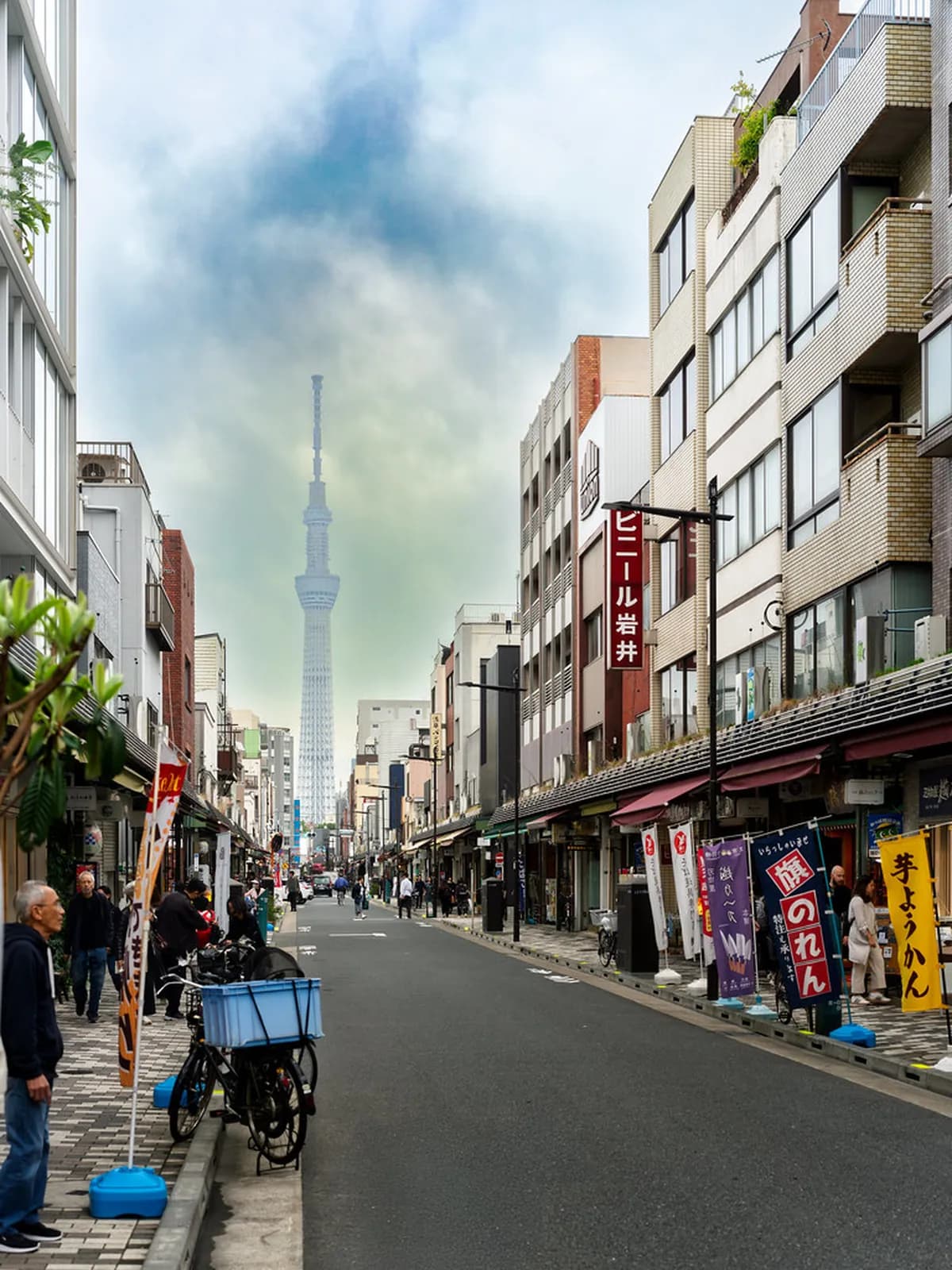
The routing is deliberate. Harajuku to Shibuya is a 15-minute walk. Tsukiji to Azabudai Hills (TeamLab Borderless) is 20 minutes by taxi or 25 minutes via the Oedo Line. Asakusa to the Skytree is an 8-minute walk along the river. You will not be zig-zagging.
Before you leave home, book three things: a timed entry slot for Shibuya Sky (online adult tickets start around 2,500 JPY), a session at teamLab Borderless in Azabudai Hills (adult dynamic pricing starts at 3,600 JPY), and a Ghibli Museum ticket if that interests you (released in fixed monthly windows, 1,000 JPY adults). Everything else can normally be arranged on arrival. Compare the full list in our Tokyo attractions guide.
- Day 1 — Meiji Jingu → Harajuku → Shibuya Crossing + Sky → Shinjuku night
- Day 2 — Tsukiji Outer Market breakfast → TeamLab Borderless → Ginza / Imperial Palace East Garden
- Day 3 — Senso-ji → Nakamise-dori → Tokyo Skytree → Akihabara
| Day | Area | Highlights | Hours |
|---|---|---|---|
| Day 1 | Shibuya, Shinjuku | Meiji Jingu shrine, Harajuku Takeshita Street, Shibuya Scramble Crossing, Shibuya Sky rooftop, Golden Gai, Tokyo Metropolitan Government Building | 08:00–22:00 |
| Day 2 | Ginza, Azabudai | Tsukiji Outer Market, TeamLab Borderless, Imperial Palace East Garden, Ginza shopping | 07:30–17:00 |
| Day 3 | Asakusa, Akihabara | Senso-ji Temple, Nakamise-dori shopping street, Tokyo Skytree, Akihabara electronics district | 08:00–21:00 |
Day 1: Shinjuku & Shibuya (Modern Tokyo)
Morning — Meiji Jingu and Harajuku (08:00–12:00). Start at Meiji Jingu Shrine before the tour groups arrive. The forested approach is one of the most genuinely peaceful spots in all of Tokyo, and admission is free. The shrine opens at sunrise — typically around 05:00 in summer and 06:40 in winter. Allow 45 minutes inside, then walk 10 minutes south to Harajuku Takeshita Street for cheap crepes and people-watching. The street is lively by 10:00 on weekends.
Afternoon — Shibuya (12:00–18:00). Walk 15 minutes south from Harajuku to Shibuya Scramble Crossing. The crossing is busiest between 12:00 and 13:00 and again from 17:00 onward. Cross it several times, then head up to your pre-booked Shibuya Sky rooftop slot. Sunset slots (around 17:30–18:00) are the most popular — book the specific time on the official Shibuya Sky website. After, walk through Shibuya Hikarie for shopping or grab ramen in one of the basement food halls. Transit from Shibuya to Shinjuku via Yamanote Line takes 5 minutes.
Evening — Shinjuku (18:00–22:00). Omoide Yokocho (Memory Lane) is a narrow alley west of Shinjuku station packed with yakitori stalls, open from around 17:00. Order grilled chicken skewers and a cold Sapporo for under 2,000 JPY. Walk five minutes east to Golden Gai for a late drink in one of its 200-odd tiny bars. Each holds 6–8 people and most welcome tourists — look for an English menu card outside. For a free panoramic view of the city, ride the elevator to the observation deck of the Tokyo Metropolitan Government Building, open until 22:30 on most nights and free of charge.
Day 2: Tsukiji, TeamLab & Imperial History
Morning — Tsukiji Outer Market (07:30–10:30). The Tsukiji Outer Market is open to tourists every day. Arrive by 08:00 to beat the crowd. The inner wholesale market moved to Toyosu in 2018, but the outer market — over 400 stalls — still sells the freshest tamagoyaki (sweet egg omelette), sea urchin sushi, and grilled scallops in the city. Budget around 1,500–3,000 JPY for breakfast. Most stalls close by 13:00. From Tsukiji, the Oedo Line runs directly toward Azabudai Hills in roughly 25 minutes (change at Daimon or take a taxi for around 1,200 JPY).
Afternoon — teamLab Borderless, Azabudai Hills (11:00–14:00). teamLab Borderless reopened at Azabudai Hills in 2024. Allow at least 2.5 hours and book the date-specific ticket in advance; adult prices start at 3,600 JPY and rise on popular dates. If you are comparing it with teamLab Planets in Toyosu, Planets uses a shorter barefoot route with water rooms while Borderless is larger and mapless. For this itinerary, Borderless fits the central Minato day more naturally.
Afternoon extension — Imperial Palace East Garden (14:30–17:00). The Imperial Palace East Garden is free to enter and offers a rare glimpse of classical Japanese landscape design in central Tokyo. Enter from the Otemon Gate, a 12-minute walk from Ginza. The garden closes at 16:00 from November through February and at 18:00 from April through August. The surrounding moat and stone walls of old Edo Castle are photogenic even from the outside. Transit back to your hotel from Hibiya or Otemachi station covers most of central Tokyo in under 20 minutes.
Day 3: Asakusa & Tokyo Skytree (Traditional Tokyo)
Morning — Senso-ji Temple and Asakusa (08:00–12:00). Senso-ji is Tokyo's oldest temple, founded in 645 CE. The main hall opens at 06:00 from April through September and at 06:30 the rest of the year. Arriving before 09:00 means you walk the Nakamise-dori shopping street in relative quiet — by 10:30 it fills with tour groups. Pick up ningyo-yaki (small sponge cakes shaped like lanterns and pigeons, around 700 JPY for eight) at one of the covered stalls. The Asakusa Shrine next door, built in 1649, is worth a quiet ten minutes and is free.
Afternoon — Tokyo Skytree (12:30–16:00). Walk eight minutes east along the Sumida River to reach Tokyo Skytree, the world's second-tallest structure at 634 metres. The Tembo Deck is at 350 metres (2,100 JPY adults); the Tembo Galleria glass-floor walkway is at 450 metres (an extra 1,000 JPY). Buy tickets online to skip the queue at the base. Clear days offer views stretching to Mount Fuji to the southwest and across the entire Kanto plain. The Skytree is hardest to book on weekends — book at least a week ahead if visiting Saturday or Sunday.
Evening — Akihabara (17:00–21:00). Take the Tobu Skytree Line two stops to Asakusa, then transfer to the Ginza Line to Akihabara (or take a taxi for around 900 JPY). Akihabara is a multi-story district of electronics, anime, and gaming shops, most open until 21:00 or 22:00. The large Yodobashi Camera store at the station stocks virtually everything in consumer electronics. End the evening with ramen at one of the basement restaurants under the JR tracks on Chuo-dori — bowls start from 900 JPY. This is also a good neighbourhood for last-minute souvenir shopping before any early flight home.
Suica 2026, IC Cards, and Tokyo Transit Logistics
The fastest way to move through Tokyo in 2026 is with a digital or physical IC card. iPhone users can add a Suica card directly to Apple Wallet at Narita or Haneda airport (or before departure) — no physical card needed. Top up from the Wallet app and tap your phone at any gate. This works on all Tokyo Metro, Toei Subway, JR, bus, and convenience store payments. Android users in 2026 can use Google Pay with Suica if their device supports Osaifu-Keitai (most global flagships do — check before travelling). If yours does not, pick up a Welcome Suica at Narita or Haneda airport kiosks on arrival. Welcome Suica is a physical IC card valid for 28 days with no deposit required, loaded with 500 JPY to 10,000 JPY. It covers everything the standard card does.
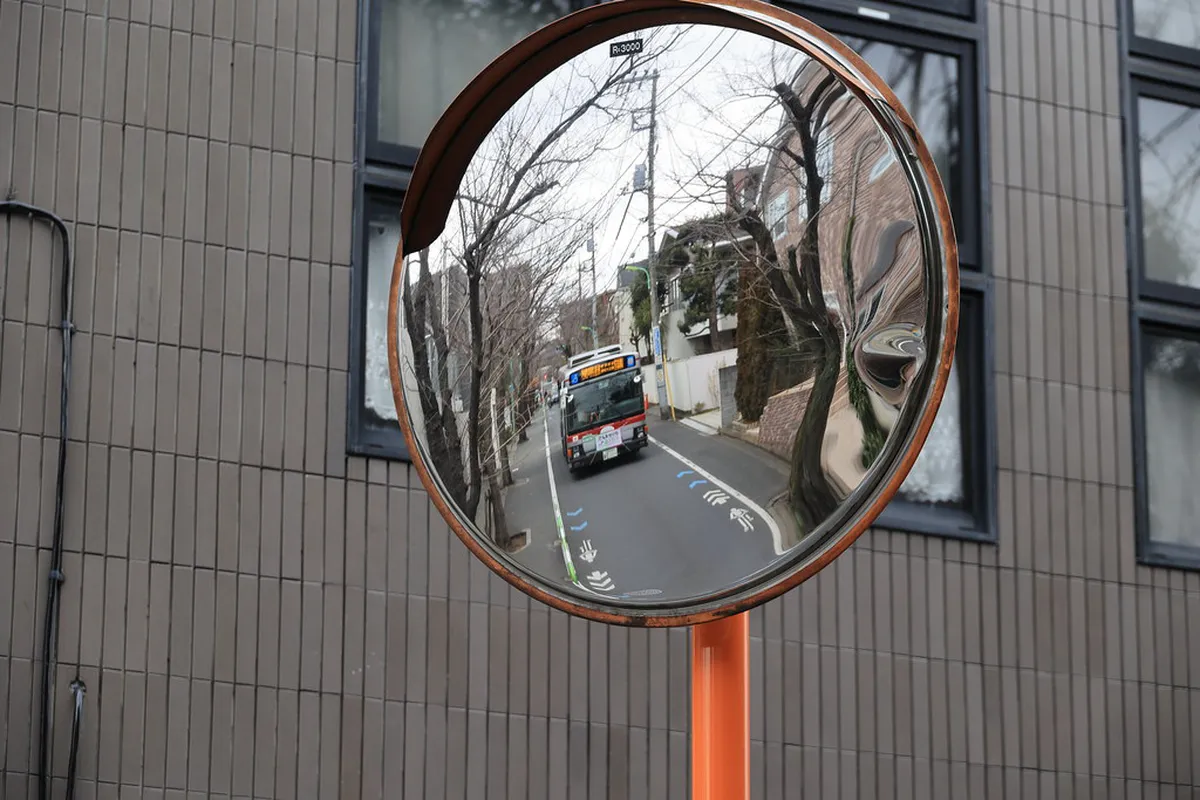
Physical Suica cards from station vending machines require a 500 JPY deposit and can be refunded on departure, but airport kiosks sometimes run short on stock during peak season. The Tokyo Subway 72-hour pass (1,500 JPY) is worth buying if you plan to use the Metro more than four times per day — it covers all Tokyo Metro and Toei Subway lines, though not JR lines. For a 3-day itinerary built around the neighbourhoods in this guide, a topped-up IC card is usually cheaper because most daily totals come in under 800–1,000 JPY on the subway. See our Getting Around Tokyo: Complete Subway & Train Transport Guide 2026 guide for a full fare breakdown.
Estimated transit times you need to know: Shinjuku to Asakusa takes 30 minutes via the Toei Oedo Line (change at Ueno-Okachimachi) or the Ginza Line from Shibuya. Shibuya to Tsukiji takes 20 minutes via the Hibiya Line. Asakusa to Tokyo Skytree is an 8-minute walk. Narita Airport to Shinjuku via the Narita Express (N'EX) takes 85 minutes and costs 3,020 JPY one-way; a single ticket can be purchased at Narita on arrival.
One underused 2026 logistics trick: luggage forwarding via Yamato Transport (Takkyubin). If you are moving between neighbourhoods or checking into a second hotel mid-trip, ship your bag the night before for 1,000–2,000 JPY per piece. Drop off at your hotel front desk or a convenience store (FamilyMart and 7-Eleven both accept Takkyubin). Bags arrive at your destination hotel the next morning by 12:00. This saves you dragging a rolling case through rush-hour subway gates and frees up three to four hours of dead transit time across a 72-hour trip — time better spent in Tsukiji or Golden Gai.
Where to Stay: Shinjuku vs Shibuya
Choosing the 8 Best Areas to Stay in Tokyo for First Timers is the single most impactful logistics decision for a short trip. Both Shinjuku and Shibuya sit on the Yamanote Line loop, giving access to every major stop in under 20 minutes. The difference is character. Shinjuku is bigger, noisier, and better connected for night buses and airport routes. Shibuya is trendier, slightly quieter after midnight, and closer to Harajuku and Daikanyama.
For a luxury stay in Shibuya, the Hotel Indigo Tokyo Shibuya opened in 2023 and sits a three-minute walk from the scramble crossing. Rooms from around 35,000 JPY per night. The mid-range option is the Shibuya Tokyu REI Hotel, a reliable business-style property one block from Shibuya station with rooms from around 18,000 JPY. Budget travellers staying in Shinjuku should look at the Imano Tokyo Hostel, a well-regarded capsule and private room hostel in Shinjuku from around 4,500 JPY per bed.
If you are visiting during cherry blossom season (late March to early April) or autumn foliage (mid-November), book hotels at least four to five months in advance. Prices in both neighbourhoods can triple during peak weeks. Asakusa is a quieter base and 10–15% cheaper than Shibuya on average, but adds 20 minutes of transit to Days 1 and 2. It suits travellers who want to be close to Day 3 attractions from the outset. You can find the full neighbourhood breakdown in our Tokyo Neighborhoods Guide: 16 Best Districts to Visit.
Essential Tokyo Travel Tips for 2026
Tokyo is one of the easiest major cities in the world to navigate as a tourist, but a few details catch first-timers off guard. Cash is still widely used in smaller restaurants, shrines, and local izakayas — carry at least 5,000–10,000 JPY at all times. ATMs at 7-Eleven and Japan Post reliably accept foreign cards. The Google Maps transit feature works exceptionally well in Tokyo: enter your destination, select public transit, and it gives platform numbers and transfer points in real time.
Restaurant queues are common at popular spots and are generally worth it. A 30–50 minute wait for a bowl of ramen at a celebrated shop is normal and the turnover is fast. If you have specific restaurants on your list from a food guide, check whether they accept reservations — platforms like AutoReserve now have English-language interfaces and can book same-day for some restaurants. For high-end omakase sushi, the lead time can be weeks.
The IC card doubles as a payment method at all convenience stores, vending machines, and most fast-food counters. You rarely need a separate transit app. One practical note: subway gates in Tokyo require a tap-out as well as a tap-in — forgetting to tap out when exiting will lock your card until you speak to a station attendant. The process takes 30 seconds and staff are helpful, but it wastes time during a tight itinerary. Also read our 10 Essential Chapters for Your Tokyo Food Guide 2026 for the best local ramen spots and markets.
Dress code at shrines and temples is relaxed by global standards — shoulders and knees do not need to be covered at most Tokyo sites (unlike some in Kyoto or Nara). However, speak quietly inside temple halls and follow signs about photography. At Senso-ji, photography is permitted outside the main hall but not inside.
Extending Your Stay: Tokyo in 4 or 5 Days
A fourth day opens up the best day trips. Nikko (two hours north on the Tobu Nikko Line, from 2,720 JPY return) is the most architecturally spectacular option — the Tosho-gu Shrine complex and the cedar-lined Cryptomeria Avenue are unlike anything in central Tokyo. Kamakura (one hour south, JR Yokosuka Line from Shinjuku) gives you the Great Buddha and a gentler coastal pace. Both can be done as comfortable out-and-back days with a 09:00 departure and 19:00 return.
Families with children often prefer a fourth day at Tokyo Disney Resort — DisneySea in particular is unique to Japan and the Oriental Land Company. Tickets (from 7,900 JPY per adult on weekdays) must be purchased in advance on the official app for a specific date; walk-up tickets are rarely available in 2026. The resort is 45 minutes from central Tokyo on the JR Keiyo Line from Tokyo station.
A fifth day is ideal for neighbourhoods this itinerary skips: Yanaka (old wooden shophouses and a traditional cemetery that survived the 1923 earthquake), Shimokitazawa (vintage clothing, live music, and craft coffee beloved by locals), and Odaiba (waterfront, Teamlab Planets, and the retro-futurist Palette Town area). None of these require advance booking and all are best explored on foot with no agenda. A day in Yanaka or Shimokitazawa costs almost nothing beyond food and a single subway fare.
Continue planning with Tokyo Trip Planner 2026: Attractions, Neighborhoods and Itineraries.
Frequently Asked Questions
Is 3 days enough for Tokyo in 2026?
Yes, 3 days is enough to see the main highlights like Shibuya, Shinjuku, and Asakusa. You must follow a strict neighborhood-based plan to avoid wasting time. Focus on one major area each morning and afternoon.
How much does a 3-day Tokyo trip cost?
A mid-range trip typically costs between $500 and $800 per person. This includes accommodation, food, and attraction tickets. Budget travelers can spend less by eating at convenience stores and visiting free shrines.
Which TeamLab is better for a short trip?
TeamLab Borderless in Azabudai Hills is generally better for a 3-day trip. It is centrally located near other major attractions like Ginza. TeamLab Planets is also great but requires more travel time to Toyosu.
Tokyo is a city that stays with you long after you leave. This tokyo 3 day itinerary 2026 ensures you see the best of it. I hope you enjoy every moment of your upcoming Japanese adventure.
Remember to book your top attractions early to avoid any disappointment. The mix of tradition and technology makes this city truly unique. Safe travels and enjoy the incredible food and culture of Tokyo.
For the full city overview, see our complete Tokyo attractions guide.
Free: The Tokyo Essentials guide
Top things to do, where to stay, a perfect day plan, getting around, and the best time to go — a Tokyo mini-guide you can take offline.
You might also like



Continue reading
More guides you'll find useful