10 Essential Chapters for Your Tokyo Food Guide 2026
Discover what and where to eat in Tokyo in 2026. From affordable conveyor belt sushi to hidden izakayas and Michelin-starred ramen, plan your perfect culinary
On this page
Tokyo offers an unmatched variety of flavors that have made it the gold standard for global food travel. You will find everything from humble ramen counters tucked beneath train tracks to refined kaiseki rooms where dinner becomes a four-hour ceremony. The year 2026 brings fresh seasonal produce, newly opened concepts, and a city more accessible to international visitors than ever. This guide gives you a practical roadmap covering what to eat, where to go, and how to navigate it all without wasting a meal.
Why Tokyo is the World's Ultimate Food Destination
Tokyo holds more Michelin stars than any other city on earth — and that figure understates how deep the quality goes. Even a ¥1,000 bowl of noodles at a train-station counter can be the product of a chef who has spent forty years perfecting one recipe. That obsessive dedication to craft pervades every level of the food chain, from three-star kaiseki to the egg-salad sandwiches stacked in a Lawson convenience store.

The concept of shun — eating ingredients at their seasonal peak — drives every serious kitchen in the city. In February 2026 that means winter yellowtail (buri) and the very first domestic strawberries of the year, often sold as elaborate fruit sandos in patisseries across Shibuya and Harajuku. By May the strawberries give way to peak-season mango, white peach, and the Amaou variety from Fukuoka commanding ¥2,000 per piece. Eating in Tokyo without following the seasons means missing half the point.
The city has also made itself genuinely tourist-friendly without softening its standards. English menus are now common at mid-range restaurants, many spots offer halal and vegetarian alternatives on request, and reservation platforms like TableCheck and Tableall allow overseas guests to book months ahead. Tokyo no longer demands fluency or insider contacts — just appetite and a willingness to queue.
Iconic Tokyo Dishes: What to Eat in 2026
Sushi is the obvious starting point, but the range is enormous. An omakase counter at a Michelin-starred shop in Ginza will run ¥30,000 to ¥60,000 per head; a kaiten (conveyor belt) lunch can deliver extraordinary freshness for under ¥2,000. Prioritise nigiri over rolls — Tokyo-style nigiri uses less rice and lets the fish speak.
Ramen continues to evolve at speed. Toripaitan (thick, creamy chicken broth) is the style to try if you haven't already — Ginza Kagari is the benchmark. For something unusual, the specialty duck ramen found at shops like Ramen Kamo to Negi in Ueno delivers a surprisingly light, clean broth with almost no gaminess. Shoyu ramen at neighbourhood spots like 69men in Koenji offers a completely different register: deep, savoury, and built on thick noodles that soak up the soy-forward broth.
Wagyu is worth at least one serious meal — the marbling on A5-grade beef from Miyazaki or Kagoshima is unlike anything you can source elsewhere. For a more casual way in, Gyukatsu Motomura serves breaded and lightly fried beef cutlet that you finish yourself on a personal hot stone, which costs around ¥1,500 and has queues worth joining. Izakaya staples — yakitori, edamame, dashimaki tamago — are best understood as social food: unhurried, ordered across several rounds, shared.
Good to Know
Toripaitan broth takes hours to cook: Ginza Kagari simmers chicken bones for 20+ hours to achieve that signature creamy, collagen-rich texture. If you're unfamiliar with the dish, order small before committing to a large bowl — the intensity can be polarizing on first taste.
Top Restaurant Recommendations: Where to Eat
Finding the 15 Best Restaurants In Tokyo 2026: The Ultimate Foodie Guide means balancing what you want to experience against how much time you are willing to queue. Below are six spots that consistently deliver, with realistic wait-time guidance so you can plan your day around them rather than the other way around.
Kaiten Sushi Toriton (Tokyo Skytree location) sources fish daily from Hokkaido and serves it at prices between ¥110 and ¥550 per plate. The nigiri portions are generous; the tuna sets in particular are exceptional. Arrive 90 minutes before opening and add your name to the digital queue — you can explore the Skytree while you wait and check your position via QR code. Peak weekend waits run 2.5–3 hours; Tuesday to Thursday mornings are around 60–90 minutes.
Ginza Kagari draws queues for its thick, collagen-rich chicken ramen (around ¥1,500). The best entry window is 15:00, between the lunch and dinner rushes, when waits drop to 30–45 minutes versus 75–90 minutes at peak. Tsujihan in Nihonbashi serves premium kaisen donburi loaded with uni, crab, and salmon roe from ¥2,000 to ¥4,500; arriving 30 minutes before the 11:00 opening keeps your wait under an hour. Ichiran at the Shibuya crossing branch operates solo booths around the clock — the barrier-free ordering system means no language friction, and the ¥1,100 base bowl is a reliable first ramen for nervous first-timers. Off-peak (10:00–11:30) waits are negligible. Choosing the 8 Best Areas to Stay in Tokyo for First Timers will put you within walking distance of several of these spots without relying on the subway for every meal.
| Dish / Restaurant | Price Range | Best Time to Visit | Key Feature |
|---|---|---|---|
| Kaiten Sushi Toriton (Hokkaido Fish) | ¥110–¥550 per plate | 60–90 min before opening | Generous portions, fresh daily fish |
| Ginza Kagari (Toripaitan Ramen) | ¥1,500 | 15:00 (lunch–dinner gap) | Creamy chicken broth, 20+ hr simmer |
| Tsujihan (Kaisen Donburi) | ¥2,000–¥4,500 | 30 min before 11:00 opening | Uni, crab, salmon roe premium |
| Ichiran (Solo Ramen) | ¥1,100 base bowl | 10:00–11:30 (off-peak) | English menu, solo booths, beginner-friendly |
| Gyukatsu Motomura (Beef Cutlet) | ¥1,500 | Anytime | Cook-it-yourself on hot stone |
| Convenience Store Onigiri | ¥130–¥200 | Anytime | Fresh daily, reliable budget fallback |
Tourist Sushi vs. Local Sushi: Knowing the Difference
Not all affordable sushi in Tokyo is the same, and the distinction matters for your wallet and your experience. Tourist sushi clusters around Tsukiji Outer Market and the Asakusa-Ueno corridor — the fish is genuinely fresh, the atmosphere is lively, but prices run 20–40% higher than equivalent quality elsewhere because vendors know visitors will pay them. A tuna nigiri that costs ¥300 at Tsukiji might be ¥180 at a neighbourhood kaiten shop with no English signage.
Local kaiten sushi — chains like Toriton, Sushi Ro, and Kura Sushi — serves the same Hokkaido-sourced seafood at controlled chain pricing, and the customer base is almost entirely Japanese. The trade-off is queue length at the best chains, but the price-to-quality ratio is substantially better. If your priority is maximum fish quality per yen, a neighbourhood kaiten in Koenji or Kichijoji will outperform most Tsukiji market stalls.
The sweet spot for most visitors is to do one Tsukiji morning visit for the experience — the atmosphere, the tamagoyaki stalls, the fishmonger energy — and then eat your actual sushi meals at a local kaiten or a trusted counter. That way you get the iconic market tick and the best value at the table.
Exploring the Hanamachi: Traditional Geisha Dining
Tokyo has its own flower districts — hanamachi — that most food guides ignore in favour of Kyoto comparisons. The three worth knowing in 2026 are Asakusa, Kagurazaka, and Yoshicho, each with a distinct personality. Asakusa's culture is rooted in the old shitamachi spirit: iki, direct, unpretentious. Kagurazaka carries a more French-inflected elegance from its early 20th-century foreign-resident history. Yoshicho, near Shimbashi, is the most discreet — a genuine working hanamachi where ozashiki banquets continue behind unmarked doors.
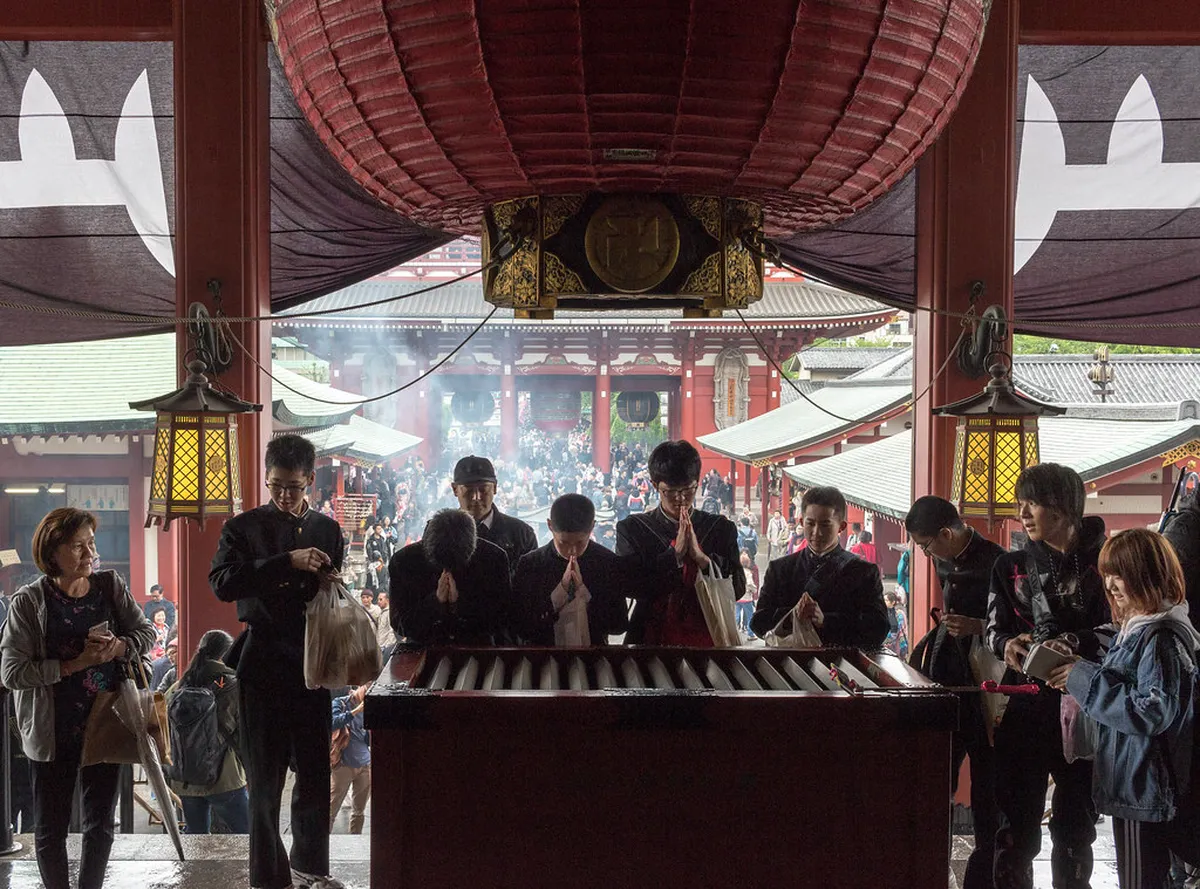
In Asakusa, Miyakodori is the only surviving machiai-chaya (a meeting house where geisha entertain guests at dinner) and has been operating since 1950. The Ozashiki Experience here pairs a seasonal multi-course meal with live geisha performance including shamisen, classical dance, and ozashiki games. Reservations require at least two weeks' lead time and are taken in English via their website. Importantly, solo diners are welcome — the room rate per person is higher than for groups, but the experience is not gated behind party-size minimums, which makes it one of the few genuine hanamachi encounters that a solo traveler can access without a Japanese-speaking fixer.
Understanding traditional culture in Tokyo deepens the appreciation of why these districts survived into 2026. The food served in a ryotei context — seasonal kaiseki aligned with shun, presented in lacquerware, paced over two hours — is inseparable from the performance and the setting. It is the closest thing Tokyo has to an immersive cultural meal.
Navigating the Markets: Tsukiji and Beyond
The Tsukiji Outer Market remains one of the most concentrated stretches of Tokyo street food in the city. The inner tuna auction moved to Toyosu in 2018, but the outer market's roughly 400 vendors — selling tamagoyaki, fresh oysters, grilled scallops, pickles, and dried seafood — operate exactly as they have for decades. The best produce and the freshest cuts go early: aim to arrive by 08:00 rather than the commonly cited 09:00 to beat both the crowds and the depleted stock.
Toyosu Market, 2.5 km east, now handles the wholesale tuna trade. Visitors can observe the tuna auctions from an elevated viewing gallery (free, morning slots book out weeks in advance via the Tokyo Metropolitan Central Wholesale Market website). The fish market floor itself is not publicly accessible, but the outer Toyosu food hall on the ground level has high-quality sushi and seafood bowls at reasonable prices and far shorter queues than Tsukiji.
For a quieter market experience, the Ameyoko street market in Ueno runs alongside the train tracks and mixes fresh fish, produce, and imported snacks with clothing stalls. It operates daily until around 19:00 and gives a more neighbourhood-level feel than the tourist-heavy Tsukiji strip. Consulting a Tokyo Neighborhoods Guide: 16 Best Districts to Visit helps you map the transit routes between these three market areas, all of which are reachable within 15–20 minutes of each other by Yamanote Line.
Unique Culinary Experiences: Beyond the Restaurant Table
The depachika — a Japanese department store's basement food hall — is one of Tokyo's most underused resources for visitors. Isetan in Shinjuku, Mitsukoshi in Ginza, and Matsuya in Asakusa all run enormous food halls stocking bento boxes, pastries, prepared dishes, artisanal pickles, and premium confectionery. The pricing is transparent, English labels are increasingly common, and the quality is consistent. For a picnic lunch or a curated gift to take home, a depachika visit beats any specialty food shop.
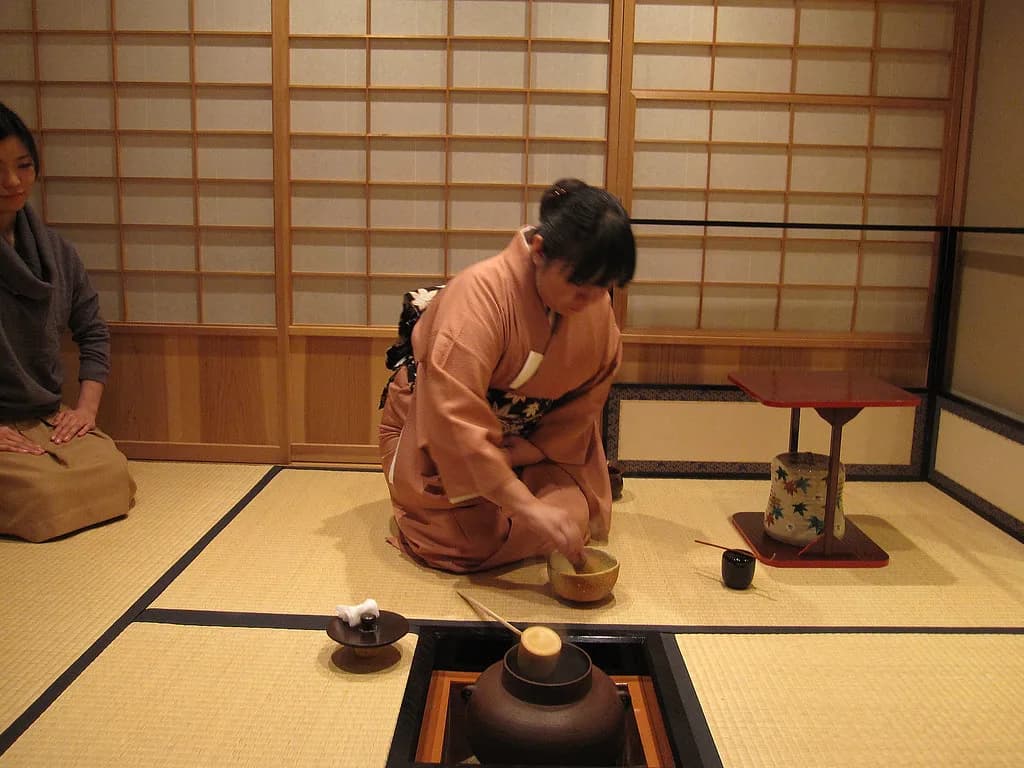
Cooking classes offer a hands-on way into the cuisine. Ramen masterclasses in Asakusa teach broth-making from scratch over three hours, including noodle-rolling technique. Sushi-making sessions run 90 minutes and cost ¥7,000–¥12,000 per person; most operators in Asakusa provide all equipment and cover the fish sourcing. A tea ceremony in a tatami room — available at multiple venues near Senso-ji for ¥2,000–¥3,000 — takes 45 minutes and teaches the basic Ura Senke whisking technique with a wagashi sweet pairing.
Food trends worth tracking in 2026: the fruit sando (seasonal fruit pressed into fresh cream between pillowy milk bread) has evolved into a premium segment, with some Shibuya shops charging ¥1,500–¥2,500 for a single sandwich built around shun fruit. Monjayaki — Tokyo's own runny, griddle-cooked pancake — remains under-explored by visitors who default to okonomiyaki; try it at a teppanyaki spot in Shinjuku or Tsukishima, the neighbourhood most associated with the dish. Engaging in diverse Best Things To Do in Tokyo should always factor in at least one cooking-class or market experience alongside the restaurant list.
Family-Friendly and Budget-Friendly Dining Tips
Families eat well in Tokyo without effort. Chain family restaurants — Saizeriya, Gusto, and Joyfull — use tablet ordering with photo menus and English options, and mains rarely exceed ¥1,000. Kaiten sushi chains are inherently child-friendly: the conveyor belt format keeps younger diners engaged, portions are individual, and there is always something non-fish on the belt (fried chicken, corn, dessert cups). Most have high chairs on request.
Budget travelers should target lunch over dinner. Many mid-range restaurants offer a teishoku (set lunch) for ¥900–¥1,500 that includes the main dish, rice, miso soup, and small sides — the same meal at dinner costs ¥3,000 or more. Ramen and udon shops are the most reliable cheap eat: a satisfying bowl at most counters runs ¥900–¥1,300 at any time of day. Convenience stores (Lawson, 7-Eleven, FamilyMart) stock freshly made onigiri from ¥130, chilled dashi noodles, and daily-changing hot items at the register that are genuinely good, not just passable.
One practical note for families with dietary restrictions: chain restaurants are increasingly labelling allergens on menus, but pork-derived dashi stock appears invisibly in many soups and sauces that appear vegetarian. Halal ramen shops like Ayam Ya Halal Ramen Tokyo in Shinjuku fill a specific gap and are worth bookmarking before you travel.
Practical Tips for Dining in Tokyo
Reservations split into two tiers. High-demand ramen and sushi spots (Ginza Kagari, Tsujihan, Toriton) do not accept advance bookings — you queue in person. High-end kaiseki, ryotei, and any Michelin one-star-or-above requires booking 1–3 months ahead through Tableall, Omakase, or direct email in English. Failing to plan here means missing the meal entirely: most serious counters are fully booked from abroad before you land.
Cash vs. card remains a genuine issue in 2026. Major chain restaurants, department stores, and mid-range spots almost universally accept IC cards (Suica, Pasmo) and major credit cards. Small ramen shops, market stalls, and izakayas with under ten seats are often cash-only. Withdraw yen from 7-Eleven ATMs, which reliably accept international cards; aim to carry ¥10,000–¥20,000 at any given time.
Table manners that matter: say itadakimasu before you eat and gochisousama deshita when finished — both are genuinely appreciated, not performative. Do not pass food chopstick-to-chopstick (it mirrors a funeral rite). Do not stick chopsticks upright in rice for the same reason. Tipping is not practised and can cause confusion or mild offence in traditional establishments — the service is factored into the experience, not the bill. At high-end venues, smart-casual dress is expected even if no dress code is posted; this matters especially at ryotei where you will sit on tatami and remove your shoes.
Etiquette Caution
Pork in "vegetarian" dishes: Many soups, broths, and sauces that appear plant-based actually contain pork-derived dashi stock or miso paste. If you observe a halal or vegetarian diet, ask explicitly "butaniku ga arimasu ka?" (does this contain pork?). Halal ramen shops like Ayam Ya Halal Ramen Tokyo in Shinjuku use explicitly certified stock and are your safest option.
How to Plan a Smooth Tokyo Food Itinerary
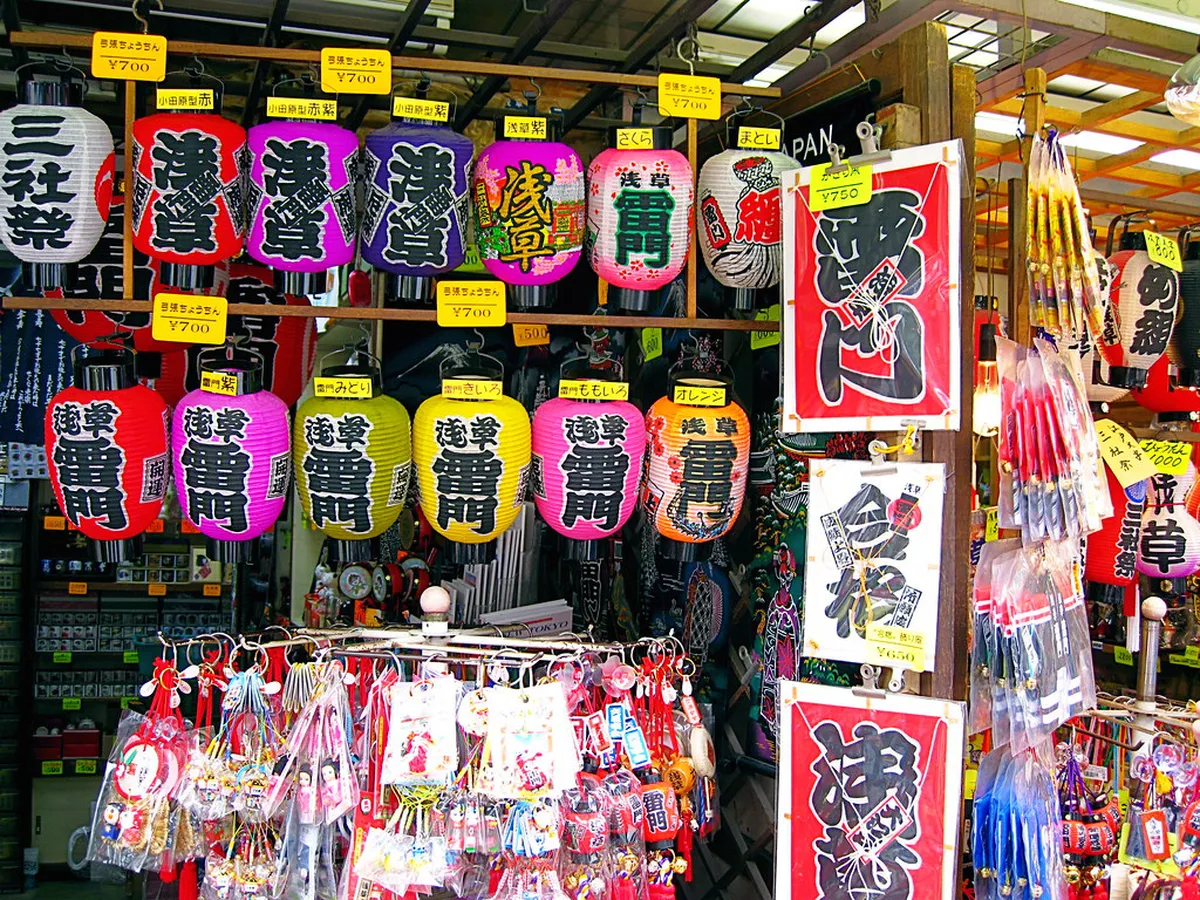
Organise your eating by district rather than by dish type. Tokyo is enormous — travelling from Shibuya to Asakusa for a single bowl of ramen adds 45 minutes each way to your day. Instead, anchor each meal to where you are already sightseeing. If you are in Asakusa for Senso-ji, stay in Asakusa for lunch; Tsukiji is a 15-minute walk south. If you are in Shinjuku for Omoide Yokocho at night, your dinner is already there.
A well-structured Tokyo Itinerary: The Ultimate 5-Day Guide for 2026 allocates one big-ticket food experience per day — a morning market, a special lunch counter, or a hanamachi dinner — and fills the rest with lower-effort, neighbourhood-level eating. Trying to hit three famous queued restaurants in a single day usually leaves you exhausted and under-nourished between waits. One serious meal plus two casual meals is a more sustainable pace across a seven-day trip.
Book in this order of lead time: ryotei and kaiseki first (up to 3 months out), then any cooking classes (2–4 weeks), then nothing — popular ramen and sushi counters cannot be pre-booked and will reward early morning timing on the day. Keep a short list of convenience-store benchmarks as a fallback for days when queues defeat you: a Lawson TL egg-salad sandwich, a 7-Eleven chilled soba, or a seasonal onigiri is never a disappointing meal in Tokyo.
Extended FAQ: Your Tokyo Food Questions Answered
Visitors frequently ask about costs, dietary access, and how to handle the language barrier at the table. The short answers: Tokyo food runs from ¥130 (a convenience-store onigiri) to ¥60,000+ (a Ginza omakase), and both ends of the spectrum are worth experiencing. Vegetarian and halal access has improved significantly by 2026 — Shojin Ryori (Buddhist vegan) restaurants operate in Yanaka, Ueno, and near most major temples, and the Tokyo Metropolitan Government publishes an updated list of certified halal restaurants. The language barrier at most restaurants is lower than visitors expect: photo menus, tablet ordering, and staff trained in basic English mean that pointing and smiling will carry you through most casual meals.
On food safety, Japan's standards for raw fish handling are among the strictest in the world. Raw sashimi, uni, and even raw chicken sashimi (tori sashi, a Miyazaki speciality found at some izakaya) are served with confidence by chefs who understand sourcing and cold-chain management at a professional level. Eat freely.
Further Reading: Explore Tokyo Dining & Asakusa Culture
Tokyo's food scene connects outward to its neighbourhoods, history, and seasonal calendar in ways that reward deeper reading. Our Tokyo Street Food Guide 2026: 10 Essential Tips and Locations covers the Asakusa Nakamise corridor, Yanaka Ginza, and the best festival matsuri stall circuits by district. The 15 Best Restaurants In Tokyo 2026: The Ultimate Foodie Guide article drills into specific booking strategies for high-demand counters by cuisine type. For visitors building a full trip around the food, the Tokyo Itinerary: The Ultimate 5-Day Guide for 2026 integrates market mornings, cooking classes, and evening izakaya sessions into a day-by-day framework.
Asakusa specifically deserves its own read before you visit. The neighbourhood's food culture — from the Nakamise snacks to the Kappabashi kitchen-supply street to the geisha dining at Miyakodori — is layered enough that a single meal there rarely captures it. Return visits always find something new in the back streets between Senso-ji and the Sumida River.
Explore Tokyo Food and Dining
Use these guides to compare local dishes, dining areas and practical food experiences in Tokyo.
- 5 Best Tokyo Depachika Food Halls
- Tokyo Sushi Counter Etiquette
- Tsukiji Outer Market Breakfast Guide 2026
- 15 Best Restaurants In Tokyo 2026
- Tokyo Street Food Guide 2026
- 9 Best Affordable Restaurants in Tokyo
- 10 Best Coffee Shops in Tokyo
- A Guide to the City's Top Drinking Dens and Yokocho Alleys
- Michelin Star Restaurants Tokyo
- 10 Best Ramen Shops in Tokyo
- Tokyo Restaurants With a View
- Tokyo Themed Cafes
Explore food guide in other cities
Building the rest of the trip? Our Tokyo attractions guide covers the sights, districts and logistics around these meals.
Frequently Asked Questions
Is tipping expected in Tokyo restaurants?
Tipping is not expected and can sometimes be seen as confusing or impolite in Japan. The service charge is usually included in the bill at high-end establishments. Simply pay the amount shown on your receipt to follow local customs.
How can I find vegetarian food in Tokyo?
Vegetarian options are becoming more common, especially in neighborhoods like Shibuya and Shinjuku. Look for specialized Shojin Ryori restaurants for traditional Buddhist vegan cuisine. Many modern cafes now offer plant-based versions of classic ramen and curry dishes.
What is the average cost of a meal in Tokyo?
Lunch typically costs between 1,000 and 2,000 Yen at most casual restaurants. Dinner prices vary widely, with mid-range meals costing 3,000 to 5,000 Yen. Fine dining and omakase sushi experiences often start at 15,000 Yen per person.
Tokyo remains the most rewarding city in the world for food travelers in 2026. The combination of Michelin-level craft, seasonal discipline, and democratic access — where a ¥1,000 ramen counter applies the same care as a ¥30,000 omakase — is genuinely unique. Follow the shun calendar, plan your queues strategically, and leave room for the unexpected convenience-store discovery. Your best meal in Tokyo may well be the one you didn't plan.
Start with our Tokyo attractions guide for the big-picture overview.
Free: The Tokyo Essentials guide
Top things to do, where to stay, a perfect day plan, getting around, and the best time to go — a Tokyo mini-guide you can take offline.
You might also like


Continue reading
More guides you'll find useful