Tokyo 2 Day Itinerary 2026: The Ultimate 48-Hour Guide
Maximize 48 hours in Japan's capital with this Tokyo 2 day itinerary 2026. Includes Shibuya, Asakusa, updated costs, and essential digital transit tips.
On this page
This Tokyo 2-day itinerary uses a simple principle: split the city into two halves and cover one per day. Day one handles the electric west — Shibuya, Harajuku, and Shinjuku. Day two covers the historic east — Asakusa, Ueno, and Akihabara. That geographic logic keeps transit time low and sightseeing time high.
If you have only one day, use the tighter Tokyo 1-day itinerary; if you can extend, switch to the Tokyo 5-day itinerary. All attraction choices connect back to the Tokyo attractions hub.
Whether your priority is street food, ancient temples, or neon nightlife, these forty-eight hours hit the essential landmarks without burning you out. The structure is flexible: each half-day block can be swapped without breaking the logic of the day.
Tokyo 2-Day Itinerary 2026: Trip Overview
The city runs on a loop railway called the JR Yamanote Line. Almost every major tourist district sits on or just inside this loop, which means you rarely need more than two train rides to move between neighborhoods. A single trip typically costs 150–250 JPY (roughly 1–2 EUR) with an IC card.
Day one keeps you on the western arc of the loop: Harajuku, Shibuya, and Shinjuku. These three stations are all within 10 minutes of each other by train. Day two runs the eastern arc: Asakusa, Ueno, and Akihabara, which are similarly clustered.
- Day 1 — Modern West: Meiji Shrine (08:00), Harajuku/Omotesando (09:30), Shibuya Crossing (11:00), lunch in Shibuya (12:30), Shinjuku shopping and Golden Gai (19:00).
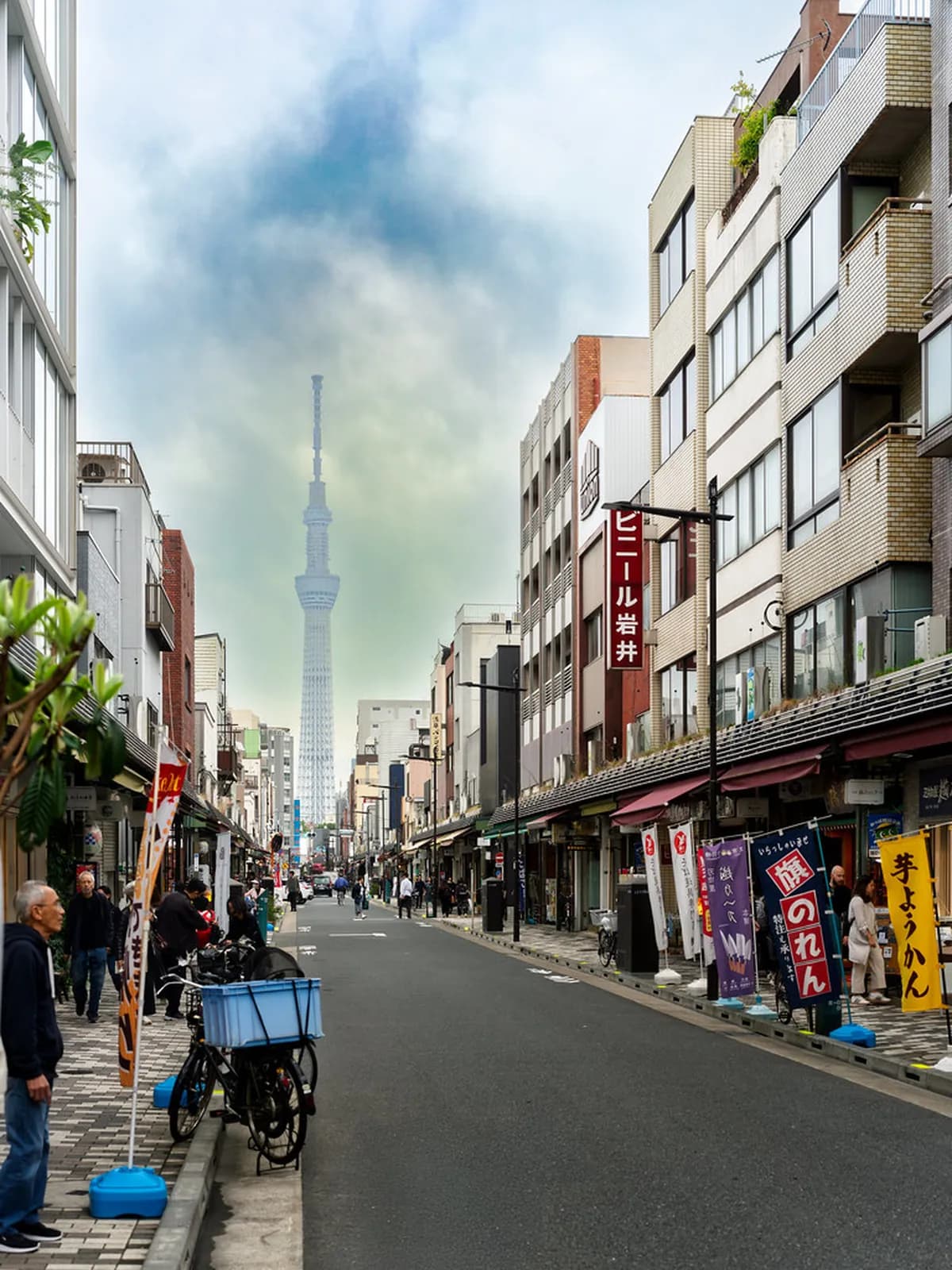
- Day 2 — Traditional East: Senso-ji at dawn (07:00), Nakamise Dori market (08:30), Ueno Park and museums (10:00), Akihabara electronics and maid cafes (14:00), Tokyo Skytree sunset (17:30).
Both days run approximately 12 hours each. Comfortable shoes are non-negotiable — expect 15,000 to 20,000 steps per day. Most major temples are free or under 1,000 JPY (around 6 EUR) to enter.
Essential 2026 Logistics: IC Cards and Connectivity
Physical Suica and Pasmo cards have been sporadically out of stock at Narita and Haneda since 2023, and the shortage has continued into 2026. The fix is straightforward: add a digital Suica to your Apple Wallet or Google Wallet before you board your flight. On iPhone, open Wallet, tap the plus sign, search for Suica, and load it with a credit card. On Android, use the Suica app (Google Pay compatible) and load funds in JPY. Either method takes under five minutes and works on every metro, JR train, and most convenience store checkouts.
From Narita, the fastest option is the Narita Express (N'EX), which takes 60 minutes to Shinjuku and costs 3,070 JPY (about 19 EUR). From Haneda, the Keikyu Line reaches central Tokyo in 30 minutes for around 600 JPY. Your IC card covers both. A JR Pass is not worth buying for a two-day stay entirely within the city — day-to-day subway fares add up to roughly 1,000 JPY per day, far below the cheapest pass price.
Download the Tokyo Metro Official Map before arrival and save it offline. Google Maps gives accurate platform numbers and exit directions for 2026. Trains run from approximately 05:00 to 00:30 on most lines. Factor in station walking time: "8 minutes by metro" between Shibuya and Harajuku becomes 20 minutes when you add platform changes and gate exits — every estimate in this guide uses door-to-door time, not train-only time.
For connectivity, a pocket Wi-Fi rental or a data-only eSIM (around 10–15 EUR for 5 days) keeps Google Maps and translation apps running all day. Many convenience stores offer cheap eSIM top-ups if you run short.
Station walking time is longer than you expect. Add 10–15 minutes to any "8 minutes by metro" estimate to account for platform changes, escalators, and gate exits. Start each leg 20 minutes earlier than you think you need to stay on schedule.
Day 1: Shibuya, Harajuku & Shinjuku
Start at Meiji Shrine by 08:00. The forested walk through the torii gate is one of the few places in Tokyo where silence is genuinely possible. Meiji Shrine is free to enter; the inner garden costs 500 JPY extra but is worth it in spring when the irises bloom. Allow 45 minutes for the main grounds.
From the shrine, walk five minutes south along Omotesando Boulevard — Tokyo's answer to the Champs-Elysees, lined with flagship stores from Prada, Dior, and local Japanese designers. The architecture of the Prada building alone justifies a stop. Turn east into the backstreets of Harajuku proper to find Takeshita Street, ground zero for kawaii fashion culture. Crepe stands line the street; expect to pay 600–900 JPY for a loaded crepe. This area is best before 11:00 — the crowds triple by noon.
By midday, walk or take the short train ride to Shibuya. The famous Shibuya Crossing is busiest between 11:00 and 13:00 and again from 17:00 to 19:00. For the aerial view that dominates social media, head to Shibuya Sky (booking 30 days ahead recommended, 2,000 JPY) or the free rooftop of Shibuya Hikarie on the 11th floor. The Hachiko statue sits at the Hachiko Exit of Shibuya Station — a small bronze dog that has become one of the most photographed spots in the city.
After lunch in Shibuya (conveyor-belt sushi shops average 1,500–2,500 JPY), take the JR Yamanote Line one stop north to Shinjuku for the evening. The east side of the station is pure neon and packed restaurants. For dinner, try Omoide Yokocho (Memory Lane), a narrow alley of yakitori stalls that has operated since just after World War II. A full meal with beer runs 2,000–3,000 JPY. Afterward, step into Golden Gai — a cluster of around 200 tiny bars, each seating between 4 and 10 people, many welcoming to foreigners with an English menu card on the door. Beer starts at 600 JPY.
Day 2: Asakusa, Akihabara & Ueno
Set your alarm early for Senso-ji Temple. Tokyo's oldest and most significant temple dates to 645 CE and was rebuilt after World War II air raids. At 07:00 the Nakamise Dori shopping street is just waking up, the lanterns at the Kaminari Gate are bathed in soft morning light, and the crowds have not yet arrived. By 10:00 the same spot is wall-to-wall tour groups. Admission to Senso-ji itself is free; the five-story pagoda behind it offers a great photograph from the temple courtyard.
Spend the mid-morning browsing Nakamise Dori, the covered market street leading to the main hall. Shops sell ningyo-yaki (small cakes filled with red bean paste), folding fans, and tenugui towels — all inexpensive and easy to pack. From Asakusa, take the Ginza Line two stops to Ueno (5 minutes, 180 JPY).
Senso-ji Temple becomes packed with organized tour groups between 10:00 and 14:00. If you miss the 07:00 early window, plan to visit after 15:00 for reasonable crowd levels, or skip Nakamise and use the time for Ueno museums instead.
Ueno Park spans 133 acres and contains five major museums under one green canopy. The Tokyo National Museum houses the world's largest collection of Japanese art and costs 1,000 JPY. Cherry blossom season in late March to early April turns the park into one of Japan's most photographed spots, but it is beautiful in every season. The park also contains Tosho-gu Shrine, a 17th-century structure with ornate gold-painted doors that survived the wartime bombing.
In the afternoon, walk or take the Yamanote Line two stops south to Akihabara. Electric Town, as it is known locally, stretches for several blocks of gaming, anime merchandise, electronics, and retro collectibles. Multi-floor video game arcades charge 100 JPY per game. Maid cafes are the signature novelty — expect a table charge of 500 JPY plus minimum drink order of 800 JPY. End the day with the Tokyo Skytree observation deck (tickets from 2,100 JPY, pre-book online). At 634 meters it is the tallest structure in Japan; the panoramic view at sunset across the entire city is the best possible close to two days in Tokyo.
Tsukiji vs. Toyosu: The 2026 Fish Market Reality
Most first-timers arrive in Tokyo having read about the famous early-morning tuna auction and head to Tsukiji — only to find that the wholesale auction moved to Toyosu Market in 2018. The auction floor is behind glass: the upper public corridor needs no advance pass, while the closer lower deck uses a free advance lottery. Auction activity normally runs around 05:30–06:30 on market days.
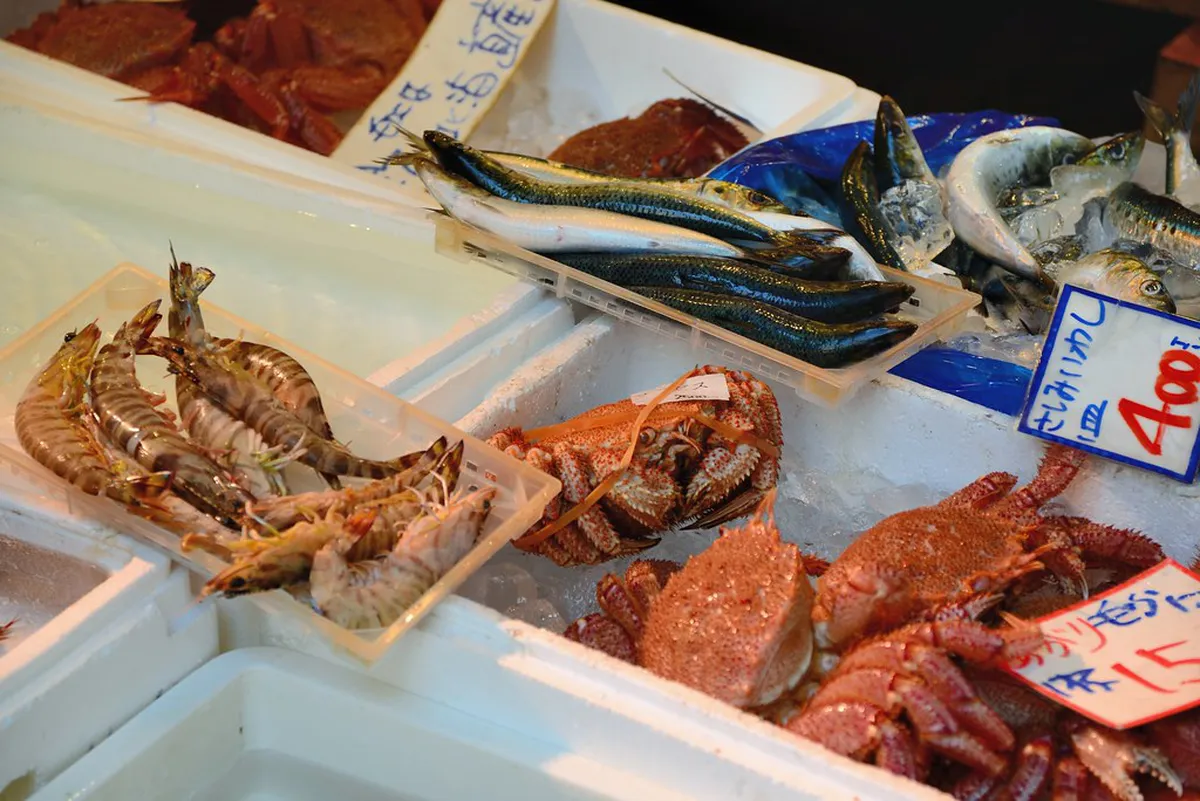
If the auction is not on your priority list — and for a 2-day itinerary it probably should not be — skip Toyosu entirely. Tsukiji Outer Market still functions daily from approximately 06:00 and is where the atmosphere, the street food, and the photogenic fish stalls actually live. Walk the lanes between the stalls selling fresh tamago sushi, tamagoyaki egg rolls (around 300 JPY each), and giant grilled scallops. A full breakfast of sushi and miso soup at one of the Outer Market counters runs 1,500–2,500 JPY and needs no reservation. This is the version of the fish market experience that travel blogs have been describing for decades — it just no longer takes place at the wholesale building.
Tsukiji Outer Market is a 15-minute walk from Tsukiji Station on the Hibiya Line, or a 20-minute walk from Ginza. If you want to add it to Day 2, start at Tsukiji at 06:30, eat breakfast by 08:00, and still reach Asakusa by Senso-ji's quieter window before 09:30.
Strategic Accommodation: Where to Stay for 48 Hours
For a two-day trip built around this itinerary, Shinjuku is the most practical base. It sits at the intersection of multiple JR and subway lines, which means zero backtracking between days. Mid-range business hotels near the east exit (Hotel Gracery, Keio Plaza) run 10,000–18,000 JPY per night (60–110 EUR) in 2026. Both include breakfast buffets that save money and time.
Shibuya works almost as well and skews slightly younger in terms of hotel design and bar access. The Ginza area is quieter, more expensive, and well-positioned for Day 2's eastern circuit. Budget travelers get the best value in Asakusa itself — traditional guesthouses (ryokan-style) start at 6,000 JPY per night, and the neighborhood puts you within walking distance of Senso-ji for an early morning visit before any crowds arrive.
Check-in is typically 15:00; check-out is 10:00 or 11:00. If you arrive early on Day 1, station coin lockers (300–700 JPY depending on size, available at most major JR stations) let you drop luggage and start sightseeing immediately. The Shinjuku Station south exit has one of the largest locker banks in the city.
Budgeting for 2026: What a 2-Day Trip Costs
Tokyo is significantly cheaper to visit in 2026 than most Western European capitals, but the weak yen has pushed prices modestly higher for foreign visitors since 2023. A realistic mid-range budget for two full days (excluding accommodation) runs 15,000–22,000 JPY (90–135 EUR) per person. Here is how that breaks down:
- Transit: 1,000–1,500 JPY per day on IC card top-ups.
- Breakfast: 500–1,500 JPY at a convenience store or bakery; 1,500–2,500 JPY at a Tsukiji Outer Market sushi counter.
- Lunch: 1,000–2,000 JPY at a ramen shop or set-lunch restaurant; ordering at a ticket machine keeps costs at the low end.
- Dinner: 2,000–4,000 JPY for yakitori in Omoide Yokocho or a sit-down izakaya with drinks.
- Attractions: Shibuya Sky from about 2,500 JPY online, Tokyo Skytree's 350m deck from 1,800 JPY under 2026 dynamic pricing, teamLab Borderless from 3,600 JPY, Tokyo National Museum 1,000 JPY, and Meiji Shrine outer grounds free.
Cash is still king in many smaller restaurants, Golden Gai bars, and market stalls. Bring 10,000–15,000 JPY in cash per day; ATMs at 7-Eleven and Japan Post reliably accept foreign cards with a 110 JPY flat fee per withdrawal. IC cards are accepted for contactless payment at most convenience stores and chain restaurants, but not at traditional small family-run eateries.
| Day | Area | Highlights | Hours |
|---|---|---|---|
| Day 1 | Modern West: Meiji Shrine, Harajuku, Shibuya, Shinjuku | Meiji Shrine (08:00), Harajuku/Omotesando (09:30), Shibuya Crossing (11:00), lunch (12:30), Shinjuku/Golden Gai (19:00) | ~12 hours |
| Day 2 | Traditional East: Asakusa, Ueno, Akihabara, Skytree | Senso-ji Temple (07:00), Nakamise Dori (08:30), Ueno Park/Museums (10:00), Akihabara (14:00), Tokyo Skytree (17:30) | ~12 hours |
Alternative Itinerary: TeamLab and the Waterfront
If immersive digital art is a priority, consider swapping Day 2's Akihabara block for teamLab Borderless at Azabudai Hills. Adult entrance passes start at 3,600 JPY under 2026 dynamic pricing and should be booked online; allow two to three hours.
teamLab Planets in Toyosu is a separate barefoot water-and-garden experience, also starting at 3,600 JPY for adults. Choose one on a two-day trip. Both restrict large bags, and Planets requires shoes and socks to come off.
If you want the waterfront atmosphere, Odaiba is a 30-minute ride from Shimbashi Station on the Yurikamome automated line (390 JPY). The artificial island offers views of the Rainbow Bridge and a replica Statue of Liberty, plus the Miraikan science museum. It is not an essential stop for 48 hours but works well for travelers arriving on a weekend when central districts are at peak crowding.
Beyond 48 Hours: Itinerary for 1 Week in Tokyo
Two days in Tokyo will leave you wanting more — that is a reliable outcome for almost every first-time visitor. If you can add a third day, extend into the 9-Step Tokyo 3 Day Itinerary 2026 structure, which adds Shinjuku Gyoen National Garden, the Imperial Palace East Gardens (free, open Tuesday to Sunday), and a deeper dive into Minami-Aoyama's boutiques and Yanaka's preserved Showa-era shopping streets.
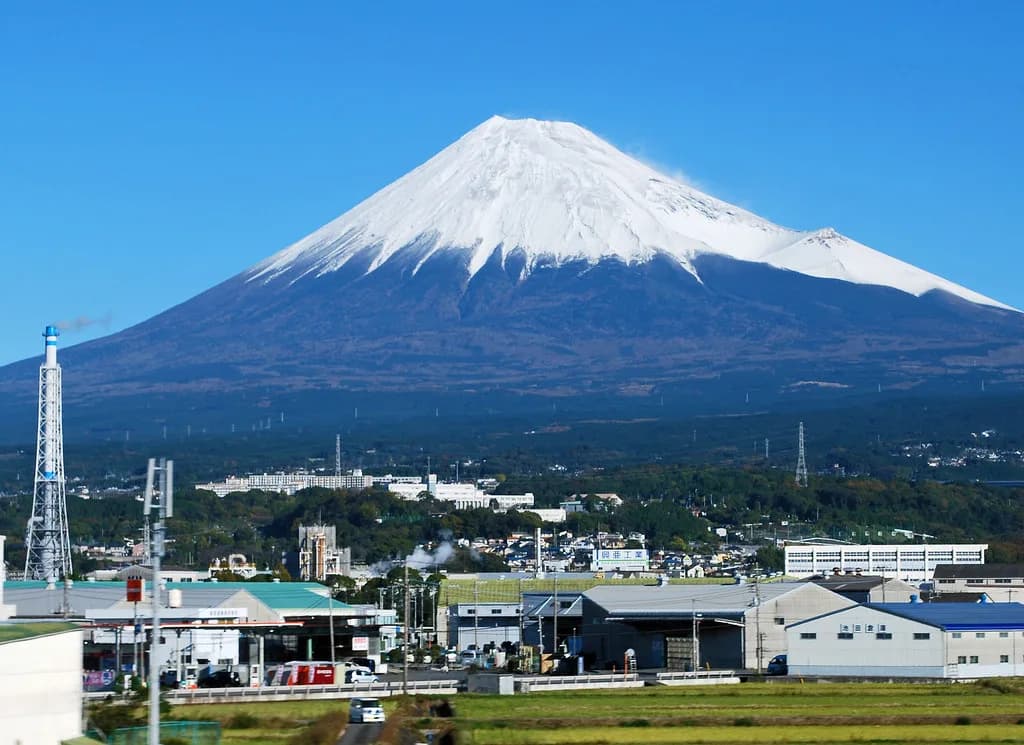
A full week allows day trips that are genuinely transformative. Kamakura, one hour south on the Yokosuka Line, pairs a 13-meter bronze Great Buddha with hiking trails between hilltop Shinto shrines. Hakone (90 minutes by Romancecar express train) offers Mt. Fuji views across Lake Ashi and onsen hot spring bathing. The Hakone Free Pass (from Shinjuku, around 6,100 JPY) covers the round trip plus cable cars, the ropeway, and the sightseeing cruise. Nikko, two hours north, holds the ornate Tosho-gu mausoleum and national park hiking trails best seen in autumn foliage season.
For the full week structure that competitors like The Wanderbug and Nomadic Matt cover — Yanaka on Day 2, Tsukiji on Day 6, a Mt. Fuji day trip, and the Imperial Palace district — the key principle is the same: anchor each day to one geographic cluster and let the JR Yamanote Line do the connecting. Check the Getting Around Tokyo: Complete Subway & Train Transport Guide 2026 guide for line-by-line navigation tips before committing to a longer stay.
Continue planning with Tokyo Trip Planner 2026: Attractions, Neighborhoods and Itineraries.
Frequently Asked Questions
Do I need a JR Pass for a 2-day Tokyo trip?
No, a JR Pass is not cost-effective for a short city stay. I recommend using a digital Suica or Pasmo card instead. These cards work on all local trains and buses.
Is Tokyo expensive to visit in 2026?
Tokyo remains affordable compared to other major global capitals. You can find excellent meals for under $15. Many of the best shrines and parks offer free entry.
What is the best way to get from Narita to the city?
The Narita Express or Skyliner are the fastest options. These trains take about 60 minutes to reach central stations. I suggest booking tickets upon arrival at the airport.
This tokyo 2 day itinerary 2026 provides a high-speed look at Japan's incredible capital. By splitting your time between the modern west and traditional east, you maximize every hour. The Tsukiji vs. Toyosu distinction, the digital IC card setup, and the realistic per-day budget numbers should save you the confusion that trips up many first-timers.
Book your TeamLab, Shibuya Sky, and Skytree tickets before you leave home. Load a digital Suica to your phone and arrive at Senso-ji before 08:00 on Day 2. Your 48 hours in Tokyo will set the bar for every city trip that follows.
For the full city overview, see our complete Tokyo attractions guide.
Free: The Tokyo Essentials guide
Top things to do, where to stay, a perfect day plan, getting around, and the best time to go — a Tokyo mini-guide you can take offline.
You might also like

Continue reading
More guides you'll find useful