8 Best Tips and Stays for Budget Accommodation in Tokyo (2026)
Plan your 2026 Tokyo trip with our guide to budget accommodation, featuring the best cheap hostels, capsule hotels, and family-friendly stays with updated pricing.
On this page
Tokyo has a reputation for being expensive, but the reality for budget travelers in 2026 is more encouraging than most expect. A well-chosen hostel bed costs less here than in Paris or Sydney, and even private rooms at business hotels can come in well under 100 euros a night. The challenge is knowing where to look — which neighborhoods, which accommodation types, and how far in advance to book. This guide covers all of it, with updated 2026 pricing and practical picks across every budget tier.
Finding Where to Stay in Tokyo: 10 Best Neighborhoods on a budget requires balancing location with comfort. The city's transit network is so good that staying slightly off the main tourist corridor costs you almost nothing in travel time but saves a meaningful amount on accommodation. Read on for the full breakdown.
Tokyo Budget Accommodation Outlook for 2026
The landscape for budget accommodation in Tokyo cheap hostels 2026 is shaped by high post-pandemic demand and a wave of renovation across older guesthouses. Many properties that once charged rock-bottom rates have upgraded their facilities and adjusted prices to match. Booking several months in advance is no longer optional for peak seasons — cherry blossom (late March to early April) and Golden Week (late April to early May) fill up in hours, not days.
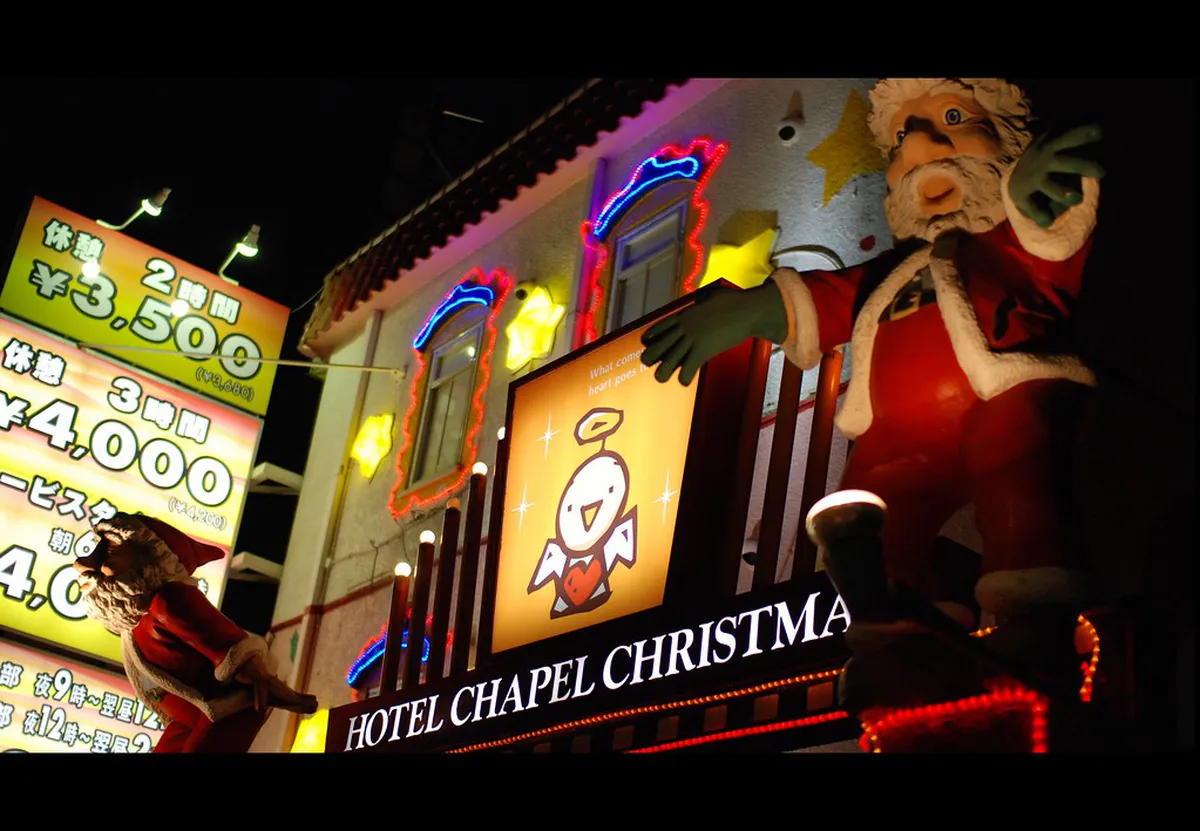
The weak yen has created an unusual dynamic in 2026. Foreign visitors get more value per dollar or euro than at any point in the past decade, but domestic inflation has pushed operational costs up for hoteliers. The practical result: nightly rates in yen have climbed around 10–15% since 2024, but when converted from USD or EUR, the effective cost is still lower than 2019 levels for most travelers. Locking in rates early at a fixed exchange-rate booking platform protects you from further yen swings.
Despite these pressures, the quality standard of budget stays in Tokyo remains exceptional. Cleanliness is baseline, not a luxury. Many hostels now run coworking spaces, specialty coffee shops, and evening social events — extras that would cost significantly more in equivalent European or Australian cities. Planning around Tokyo Events 2025 can help you avoid the priciest dates.
How Much Does it Cost to Stay in Tokyo?
In 2026, expect to pay roughly 3,500–6,000 yen (approximately $23–$40 USD) per night for a hostel dorm bed in a decent central location. Capsule hotels with private pods run 4,000–8,000 yen ($27–$55 USD). A private room in a budget business hotel — the most common choice for couples — typically falls between 8,000–14,000 yen ($55–$95 USD) per night for two people. Anything under 3,000 yen should be scrutinized carefully; at that price point you are likely looking at a manga cafe or a dormitory far outside the Yamanote Line loop.
Compared to 2024, these figures represent a 10–15% increase in yen terms, but the favorable exchange rate for USD and EUR visitors offsets much of that rise. A solo traveler staying in a hostel and eating mostly at convenience stores and ramen counters can manage a full daily budget (accommodation, food, transport) of around 8,000–10,000 yen ($55–$68 USD). Add sightseeing and the occasional sit-down meal and 12,000–15,000 yen ($80–$100 USD) per day is a comfortable working budget.
Seasonal pricing matters more in Tokyo than in most cities. Rates during cherry blossom season and Golden Week can be 40–60% higher than the same property charges in June or September. If your travel dates are flexible, targeting mid-June through early July (rainy season) or late October delivers the best accommodation value without sacrificing good weather on most days.
Best Neighborhoods for Cheap Stays in Tokyo
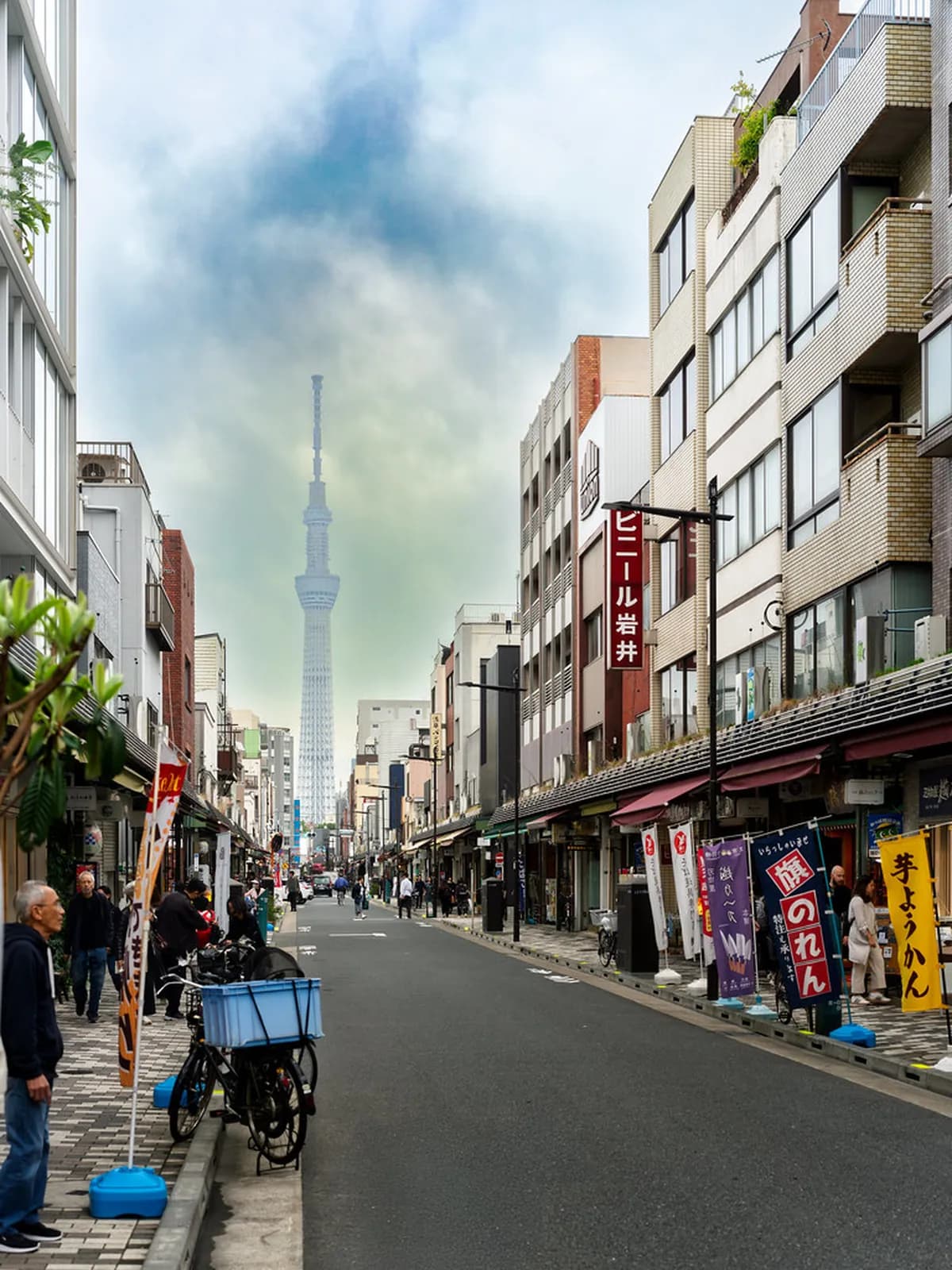
Asakusa and Ueno remain the top choices for budget travelers due to their high concentration of hostels and guesthouses. Both areas offer a more traditional atmosphere and direct rail connections to Narita Airport via the Keisei Skyliner. Asakusa in particular is dense with sub-5,000-yen dorm options within a short walk of Senso-ji Temple and the main shopping streets. For an overview of all accommodation types, the official Tokyo tourism guide covers budget options alongside mid-range and luxury stays. Consult a Tokyo Neighborhoods Guide: 16 Best Districts to Visit to see which vibe fits your travel style.
For those who want to stay near the action but pay less than Shinjuku prices, Otsuka and Sugamo are worth a serious look. Both sit on the Yamanote Line, which means direct access to every major hub in the city, yet accommodation rates run 20–30% lower than equivalent properties in Shinjuku or Shibuya. The neighborhoods feel genuinely local — small izakayas, covered shopping arcades, and grocery stores where you can self-cater for a fraction of restaurant prices.
Kinshicho, one stop east of the Yamanote loop on the Sobu Line, is Tokyo's best-kept budget secret for travelers. It is 10–12 minutes by direct train to Tokyo Station and Akihabara, and accommodation here is consistently cheaper than comparable rooms in Ueno or Asakusa. For nightlife seekers, the outer edges of Shimokitazawa offer indie guesthouses at fair rates with easy access to Shibuya by local train in under 20 minutes.
Top-Rated Hostels in Tokyo for 2026
Tokyo's hostel scene has matured well beyond the noisy dormitory stereotype. The best properties here feel more like boutique hotels with shared common areas — wooden pod beds with privacy curtains, individual reading lights, USB charging points, and personal lockers. Shared kitchens are common, which is essential if you want to keep daily food costs manageable on a longer stay.
| Name | Type | Dorm/Capsule Price | Area |
|---|---|---|---|
| Stay Work Asakusa | Hostel + Co-working | ¥3,400 ($23) | Asakusa |
| Tokyo Guesthouse Hive | Guesthouse | ¥4,400 ($30) | Bakurocho |
| Guesthouse Tokyo Azabu | Guesthouse | ¥4,000–7,000 ($27–$48) | Minato/Tokyo Tower |
| Nine Hours Shinjuku-North | Capsule Hotel | ¥4,400–8,800 ($30–$60) | Shinjuku |
| Book and Bed Tokyo Shinjuku | Bookshelf Capsule | ¥5,100–9,500 ($35–$65) | Shinjuku |
Stay Work Asakusa is a strong pick for digital nomads and solo travelers. It sits in the heart of historic Asakusa near Senso-ji Temple, and the co-working space is a genuine asset rather than an afterthought. Dorm beds run around 3,400 yen ($23) midweek; private rooms come in at 8,000–12,000 yen ($55–$80). Reception is open 08:00–22:00 daily. Booking a Tuesday–Thursday arrival typically saves 15–20% over weekend rates.
Tokyo Guesthouse Hive offers a quieter, more residential feel near Bakurocho Station on the Sobu/Toei Shinjuku lines. Dorm beds from 4,400 yen ($30). The property is a short walk from the Hanzomon Line and suits travelers who want easy access to Shibuya and Tokyo Station without paying Shinjuku prices. The common lounge is small but social, and lockers fit carry-on sized bags without issue.
Guesthouse Tokyo Azabu provides a rare budget foothold in the upscale Minato ward, near Tokyo Tower and Azabujuban. Dorm beds from 4,000–7,000 yen ($27–$48) depending on season. Note that the building has narrow stairs — pack light or be prepared to maneuver a large bag with difficulty.
Unique Capsule Hotel Experiences
Capsule hotels are one of the most efficient budget options Tokyo offers, particularly for solo travelers. A typical capsule hotel gives you a private pod — roughly 200 cm long and 100 cm wide — with a lockable curtain, individual climate control, power outlets, and a flatscreen. Shared bathrooms and changing rooms are gender-segregated and maintained to an exceptionally high standard. Most properties include basic amenity kits (toothbrush, razor, earplugs) at the reception desk.
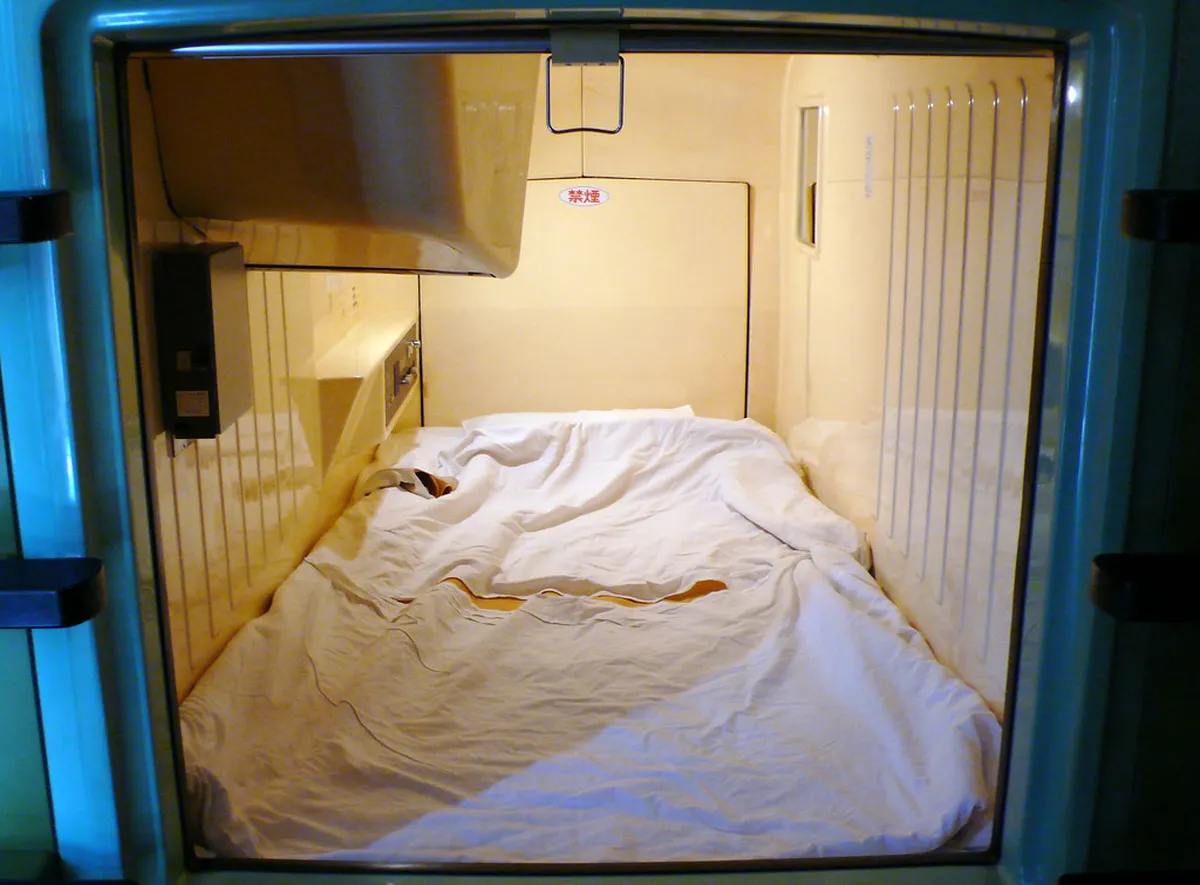
Nine Hours Shinjuku-North is one of the most polished options in the city. The design is hotel-standard minimalist: uniform white pods, precise temperature control, and high-quality sleep wear provided. Standard capsules run 4,400–8,800 yen ($30–$60) per night. It sits directly next to Shin-Okubo Station on the Yamanote Line. One important rule: you must check out of your capsule daily by 10:00 even if you are staying multiple nights — bags go into lockers during the day.
Book and Bed Tokyo Shinjuku occupies a niche that no other property in the city fills quite as well. Guests sleep inside recessed bookshelves lined with thousands of curated English and Japanese titles — the concept appeals to bibliophiles and anyone who enjoys a distinctive experience over a standard room. Pods run 5,100–9,500 yen ($35–$65) and the location in central Shinjuku is hard to beat. The facility operates 24 hours for staying guests. This is the "aviation geeks" hostel equivalent for book lovers: worth the slight premium for what it delivers.
Female solo travelers should note that most capsule hotels in Tokyo offer dedicated female-only floors accessed by separate key card. Nine Hours and most established chains follow this standard — it is worth confirming before booking with smaller independent capsule operators.
Affordable Hotels for Families and Groups
Families traveling to Tokyo on a budget face a specific challenge: most budget rooms are sized for one or two adults and do not accommodate children comfortably without requesting special arrangements. Japan also has a strict disclosure rule that many visitors miss — you must declare the exact number of occupants including infants and small children at check-in. Failing to do so can result in being asked to pay for an additional room or, in rare cases, being asked to leave. This applies even to children sharing a bed with parents.
The Sotetsu Fresa Inn brand offers the best blend of price and practicality for families. Sotetsu Fresa Inn Tokyo Kinshicho is 3 minutes walk from Kinshicho Station with a coin laundry, microwave in communal areas, pyjamas provided, and a breakfast buffet. Rooms are compact but clean. A 24-hour supermarket (Seiyu) is 5 minutes on foot. Nightly rates for a double room run 11,000–17,500 yen ($75–$120). It is a business hotel with limited concierge support, so families who need help with restaurant reservations or medical situations should factor that in.
The R&B Hotel brand is another reliable family choice, especially R&B Otsuka Eki Kitaguchi. Triple rooms with three separate beds are available, and connecting family rooms that fit up to three adults and three small children are bookable in advance. Rates run 9,500–14,600 yen ($65–$100) per night. A free breakfast buffet is served 06:30–09:30. Children who are bed-sharing eat free. The hotel is next to Royal Host restaurant, there is a coin laundry on the 4th floor, and TVs connect to Netflix, YouTube, and Prime Video.
The Henn Na Hotel chain (Tawaramachi in Asakusa, Akasaka, Ginza) suits families who want extremely low rates and can accept very small rooms. Rooms at Henn Na Tawaramachi are 3 minutes walk from the station with on-site coin laundry, free toiletries from reception, and a breakfast restaurant (1,780 yen adults, 800 yen children). The check-in desk is staffed by robot figures — this is a memorable novelty for younger children. Rooms at Akasaka and Ginza locations are similarly sized but include a 5pm–8pm complimentary drinks hour in the lounge.
Off-Loop Neighborhoods: The Yamanote Savings Rule
One pattern that no competitor guide fully spells out: accommodation prices in Tokyo drop sharply as soon as you move one stop off the JR Yamanote Line loop. Properties in Otsuka, Sugamo, and Kinshicho — all accessible within 15–20 minutes of any major hub — consistently run 20–35% cheaper per night than equivalent rooms in Shinjuku, Shibuya, or Ueno. The Yamanote Line itself connects to all three of these neighborhoods (Otsuka and Sugamo are on the loop; Kinshicho requires one change at Akihabara or Shibuya on the Sobu Line).
The practical math works out favorably. If a dorm bed in Asakusa costs 5,500 yen and a comparable bed in a Kinshicho hostel costs 3,800 yen, the saving over a 7-night stay is 11,900 yen — roughly 10 days of train fares at Tokyo Metro single-ride rates. Even a 200-yen daily transport premium to compensate for slightly longer commutes leaves you well ahead. Families staying in private rooms save proportionally more: a triple room in Otsuka at 10,500 yen vs. a Shinjuku equivalent at 15,000 yen is a 4,500-yen daily saving that compounds quickly over a week-long trip.
The same logic applies to Akasaka, which is technically off the Yamanote loop but well-served by Tokyo Metro. Akasaka is 5 minutes from Hibiya Station (Yamanote connection at Yurakucho, 4 minutes walk), 8–9 minutes from JR Shibuya or Shinjuku by metro, and walkable to Roppongi in 16 minutes. Yet accommodation prices there are consistently lower than in comparable central neighborhoods, partly because tourists incorrectly assume it is inconvenient.
Budgeting for Your 2026 Japan Trip
Accommodation is typically 40–50% of a budget traveler's daily spend in Tokyo. The rest breaks down roughly as follows: food, 2,000–4,000 yen ($13–$27) per day if you lean on convenience stores, ramen counters, and standing sushi; transport, 600–1,500 yen ($4–$10) per day within central Tokyo on the metro; attractions, 0–2,000 yen per day since many of the city's best sites (temples, parks, markets, observation points) are free or low-cost. A realistic total for a hostel-staying solo traveler is 8,000–12,000 yen ($55–$82) per day including accommodation.
Food is where most visitors overspend relative to the opportunity available. Convenience stores (7-Eleven, Lawson, FamilyMart) sell excellent hot meals, fresh sandwiches, and ready-to-eat rice dishes for 300–600 yen each. Lunch specials at sit-down restaurants typically run half the dinner price for the same dish — prioritizing lunch as your main meal while grabbing convenience store food for breakfast and dinner is a well-tested budget hack that saves 1,500–2,500 yen per day.
Transport costs are best managed with an IC card (Suica or Pasmo), which gives you the lowest per-ride fares across all metro and JR lines. There are also 15 Best Free Things to Do in Tokyo 2026 that keep attraction spending near zero: Meiji Shrine, Shinjuku Gyoen during non-peak hours, the Yanaka cemetery and shopping street, most temple grounds, and public park viewpoints across the city are all gratis.
Practical Tips for Booking Cheap Stays
To secure the best rates for 2026, book at least four months in advance for any peak period and at least six weeks out even for quieter months. Many Japanese business hotel chains release their cheapest inventory on a rolling basis, so setting a rate alert on Booking.com or Hotels.com for your target property can catch price drops. The self-check-in kiosks at Sotetsu Fresa and similar chains require a physical credit or debit card — mobile wallets are not universally accepted yet at budget properties.
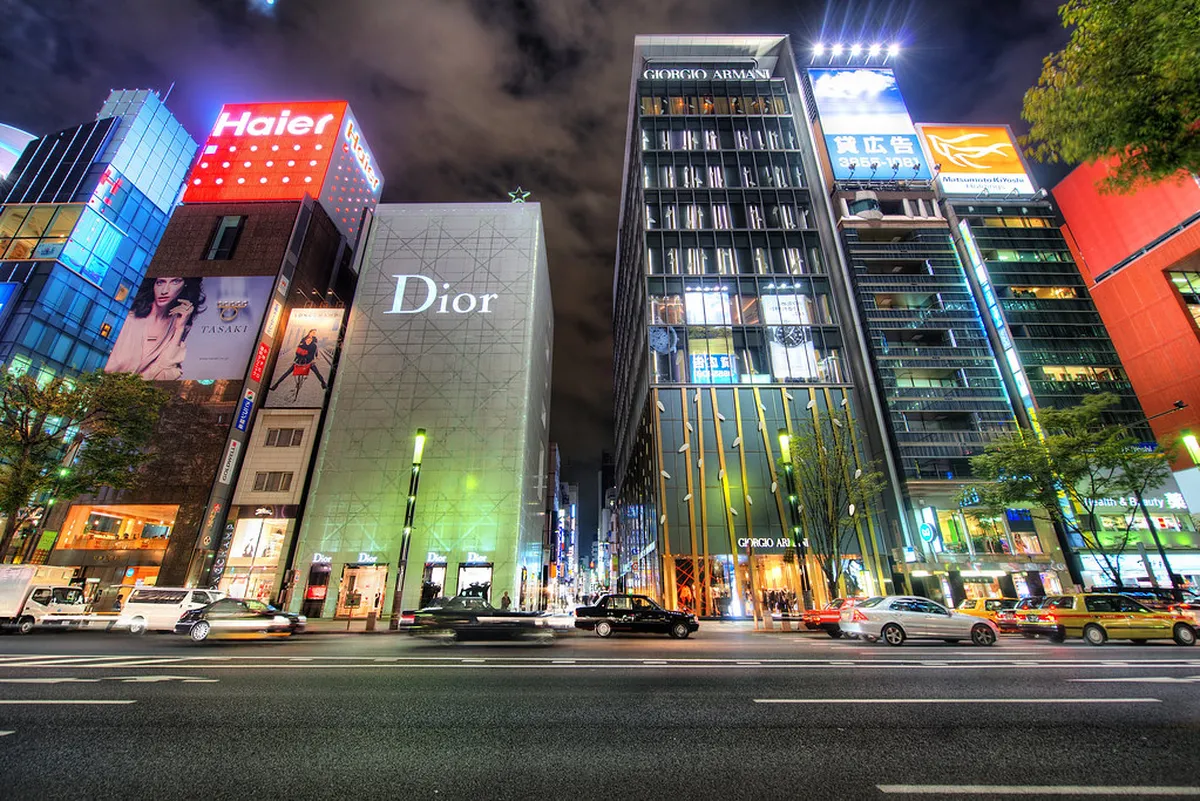
Avoid staying at manga cafes (internet cafes) for anything longer than a single overnight emergency. They are the cheapest option on paper — sometimes 1,500–2,000 yen for a reclining chair — but the lack of a real bed, no shower in most, and limited privacy destroy your energy over a multi-day trip. The 1,000–1,500 yen premium for a proper hostel bed pays for itself within two days in recovered productivity and comfort.
Always check whether your chosen property charges separately for towels (typically 200–300 yen per day), luggage storage (often 300–500 yen per bag), or breakfast. Small fees like these accumulate fast on a week-long stay. Bringing your own travel towel and basic toiletries eliminates most of these add-ons. Keep a digital copy of your booking confirmation to speed up check-in — several budget chains have reception hours that end by 22:00, and late arrivals require advance notification or a key code. A Tokyo Subway Guide 2026: 10 Steps to Use the Metro will help you plan the most efficient route from the airport to whichever neighborhood you pick.
Continue planning with Tokyo Trip Planner 2026: Attractions, Neighborhoods and Itineraries.
Frequently Asked Questions
What is the average price of a hostel in Tokyo in 2026?
In 2026, expect to pay between $25 and $50 per night for a quality hostel bed. Prices fluctuate based on the neighborhood and seasonal demand. Booking early helps secure the lower end of this range.
Which Tokyo neighborhood is cheapest for first-time visitors?
Asakusa is generally the most affordable and convenient area for first-time travelers. It offers a high concentration of hostels and easy access to major sights. The nearby Ueno area is also excellent for budget-conscious visitors.
Are capsule hotels in Tokyo safe for solo female travelers?
Yes, most capsule hotels in Tokyo are very safe and offer female-only floors or sections. These areas require a separate key card for access, ensuring privacy and security. They are a popular choice for solo travelers of all genders.
Finding budget accommodation in Tokyo cheap hostels 2026 is entirely possible with a bit of forward planning. By choosing the right neighborhood — whether Asakusa for its hostel density, Otsuka for its Yamanote Line access at lower rates, or Kinshicho for its unbeatable value — you can enjoy the city without breaking the bank. Tokyo remains a destination where even the most affordable stays deliver world-class cleanliness and service. Book early, carry an IC card, and you will spend more time exploring and less time worrying about the bill.
Free: The Tokyo Essentials guide
Top things to do, where to stay, a perfect day plan, getting around, and the best time to go — a Tokyo mini-guide you can take offline.
You might also like


Continue reading
More guides you'll find useful