15 Essential Tokyo Shopping Districts and Planning Tips for 2026
Explore the best Tokyo shopping districts for 2026. From Ginza luxury to Shimokitazawa vintage, plus essential updates on tax refunds and 2026 sales calendars.
On this page
After five extensive scouting trips to Japan, I have seen the retail landscape transform from cash-heavy markets to digital-first hubs. Tokyo remains a global shopping titan, but navigating its 2026 updates requires more than just a map and a credit card. The biggest change this year is the shift in tax-free refund processing — something that catches first-timers off guard at departure gates.
Planning your visit around the Best Time To Visit Tokyo Month By Month 2026 can significantly impact your budget and access to limited goods. This guide breaks each major district into its own section so you can plan by interest, budget, and how many days you have. I have also included three one-day model routes at the end to reduce planning overwhelm.
Quick Guide: Which Tokyo Shopping District Fits Your Budget?
Before diving into the detail, it helps to know roughly what each district costs. Ginza and Omotesando sit at the top — budget ¥50,000 or more if you plan to buy. Shinjuku and Shibuya are mid-range hubs where ¥20,000–¥50,000 covers a solid haul. Harajuku and Asakusa work well at ¥15,000 or more, while Akihabara can deliver a satisfying day from as little as ¥10,000.
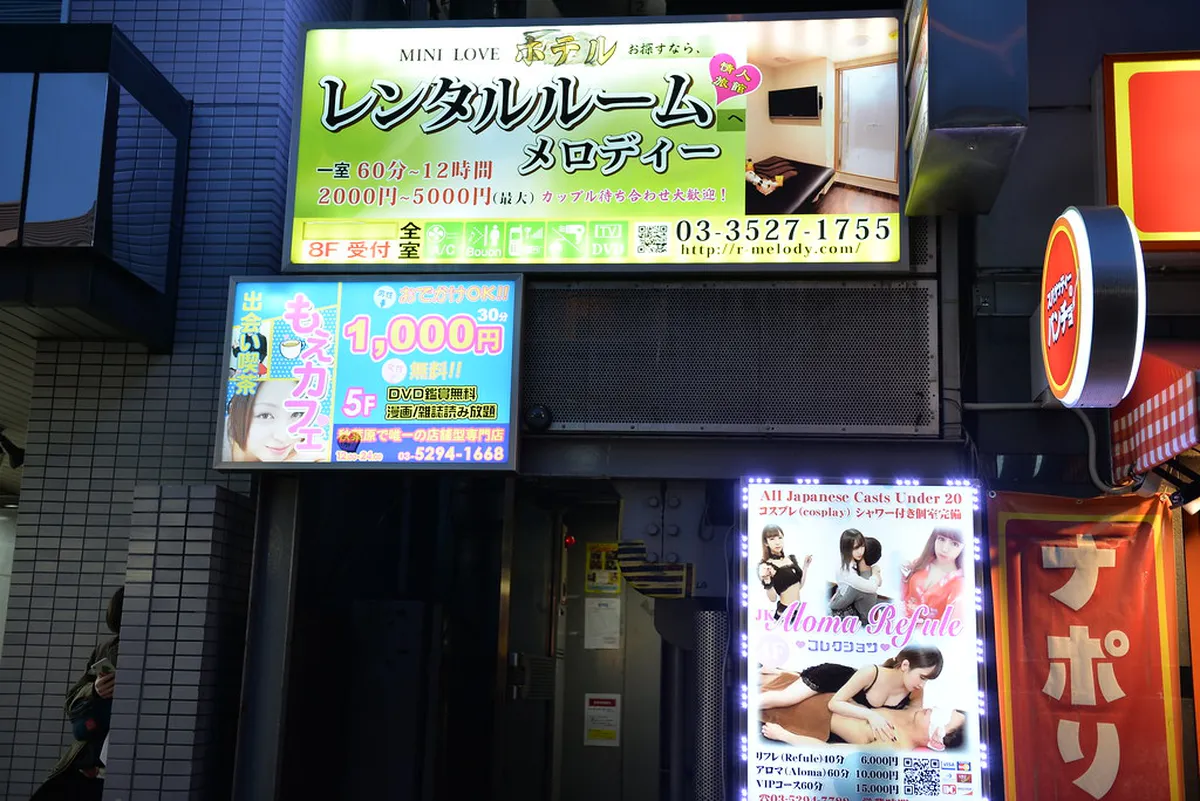
Shimokitazawa and Koenji are the true budget champions — thrift stores here routinely stock items from ¥300 to ¥3,000. Daikanyama and Nakano Broadway sit in an awkward middle ground: the entry price is low but the temptation to spend on rare items is high. Knowing your ceiling before you arrive prevents the common mistake of burning your budget on the first district you visit.
| District | Best For | Price Tier |
|---|---|---|
| Ginza | Luxury fashion, high-end brands | ¥50,000+ |
| Shinjuku | All-in-one variety, electronics | ¥10,000–¥100,000 |
| Shibuya | Youth fashion, fast fashion | ¥2,000–¥15,000 |
| Harajuku | Kawaii culture, streetwear | ¥15,000+ |
| Akihabara | Electronics, otaku goods | ¥10,000+ |
| Asakusa | Traditional crafts, souvenirs | ¥200–¥3,000 |
| Shimokitazawa | Vintage, thrift finds | ¥300–¥8,000 |
| Koenji | Vintage workwear, American fashion | Budget-friendly |
Tokyo Shopping Calendar 2026: Monthly Sales and Seasonal Events
January opens with Fukubukuro (lucky bag) sales at virtually every department store in the city. These sealed bags contain mystery items worth two to three times the purchase price, and lines at popular stores like Isetan Shinjuku begin before 08:00. The winter clearance runs from early January through late February, with discounts ranging from 20% to 50% across fashion districts in Ginza, Shinjuku, and Shibuya.
March brings fiscal year-end electronics sales at major retailers in Akihabara and Shinjuku — one of the best times to buy cameras, laptops, and kitchen appliances. Summer clearance launches from late June and accelerates into mid-July, with 30% to 70% markdowns on seasonal fashion. November now sees a proper Black Friday wave across Tokyo malls, and December brings Christmas gift sets and illumination events along Omotesando-dori.
Check the Tokyo 3-day itinerary to see how to build these seasonal sales into a short trip without wasting time between districts.
Ginza and Roppongi: Luxury Brands and High-End Department Stores
Ginza is the undisputed capital of luxury retail in Japan. Chuo-dori, the main boulevard running through the district, hosts flagship stores for Louis Vuitton, Chanel, Cartier, and a long list of Japanese high-end brands. The official Tokyo shopping guide highlights Ginza's distinction as a luxury hub with century-old department stores. On weekend afternoons the road goes car-free, transforming into a pedestrian promenade that makes window shopping feel genuinely leisurely.
GINZA SIX (6-10-1 Ginza, Chuo-ku; shops 10:30–20:30) is the district's centrepiece — a vast complex anchored by DIOR, CITIZEN, and a rooftop garden with free skyline views. Matsuya Ginza (3-6-1 Ginza; 11:00–20:00) celebrated its 100th anniversary in 2025 and connects directly to Ginza Station, making it rain-proof. For something more conceptual, Dover Street Market Ginza (6-9-5 Ginza; 11:00–20:00, closed Saturdays) stocks Comme des Garçons and curated global labels in an art installation-style layout.
Roppongi plays a supporting role for luxury shoppers — it shares Ginza's high-end atmosphere but adds a stronger international dining and nightlife layer. If you are visiting Tokyo on a multi-day itinerary, pair a morning in Ginza with an evening in Roppongi for a full cross-section of upscale Tokyo. Weekday mornings in both areas are noticeably calmer than weekends, making it easier to get proper attention from sales staff.
Shinjuku: The Ultimate All-in-One Shopping Destination
Shinjuku is the pragmatic choice for first-time visitors who want maximum variety in minimum time. On the east side of JR Shinjuku Station you have Isetan (a luxury and mid-market department store), Lumine Shinjuku (targeted at shoppers in their 20s and 30s), Bic Camera (electronics with English-speaking staff), and Don Quijote (open 24 hours for souvenirs and daily goods). You can do all four in a single morning without crossing a major road.
The underground Shinjuku Subnade mall is a local favourite on rainy days and stays less crowded than the above-ground streets. Budget shoppers should target the basement food hall at Isetan — packaged regional foods and sweet gifts here rival anything sold in airport shops at a fraction of the price. Electronics-first shoppers should note that the east exit cluster of camera stores remains highly competitive for 2026 models.
If you can only visit one district, make it Shinjuku. Budget ¥10,000 or ¥100,000 — the range of shops handles both without effort.
Shibuya: The Epicenter of Youth Trends and Shibuya 109
Shibuya 109 is the physical embodiment of Japanese fast fashion and youth culture — eight floors of small brand boutiques that turn over inventory faster than most international chains. Most shops open at 11:00 and run until 21:00. Prices sit in the ¥2,000–¥15,000 range for clothing, making it accessible without feeling cheap.
Miyashita Park, the restructured rooftop retail and green space complex above Shibuya, adds a more curated streetwear and lifestyle layer to the area. It sits about a five-minute walk from the famous scramble crossing and houses international streetwear labels alongside Tokyo-native brands. Pair Shibuya with Harajuku — the two districts are a short walk apart and together cover the full spectrum of Japanese youth fashion in one outing.
Weekday mornings between 11:00 and 13:00 are the calmest window in Shibuya. Saturday afternoons around the scramble crossing become genuinely difficult to navigate — avoid that combination if shopping efficiency matters to you.
Harajuku: Kawaii Culture, Takeshita Street, and Cat Street
Takeshita Street is a rite of passage for first-time Tokyo visitors. The narrow lane is lined with crepe stands, quirky accessory shops, and the kind of colourful fast fashion that defines global kawaii culture. It gets extremely crowded on weekends — by noon on Saturdays you are moving at shoulder-to-shoulder pace. Come on a weekday before noon if you actually want to shop rather than just observe.
Cat Street, one block east of Omotesando, is where Harajuku shifts from teenage to adult. The road runs roughly 500 metres and mixes international streetwear labels with independent Japanese designers and concept stores. This is where you find pieces that are genuinely hard to source outside Japan — limited collaborative sneakers, hand-printed graphic tees, and small-run accessories. Prices step up from Takeshita but remain well below Ginza.
For higher-end streetwear and rare sneakers, check the back alleys running off both streets. Many of the best boutiques sit in basements or on second floors with small signage — the kind of places that reward wandering over map-following.
Akihabara: The Global Hub for Electronics and Otaku Goods
Akihabara's main strip along Chuo-dori is dominated by multi-storey electronics chains — Yodobashi Camera's flagship here is one of the largest electronics retailers in the world. Camera bodies, audio equipment, gaming hardware, and the latest 2026 Japanese appliances are all sold at competitive prices with English-language staff available at major chains. The March fiscal year-end sales make this the single best time to buy high-ticket electronics in Tokyo.
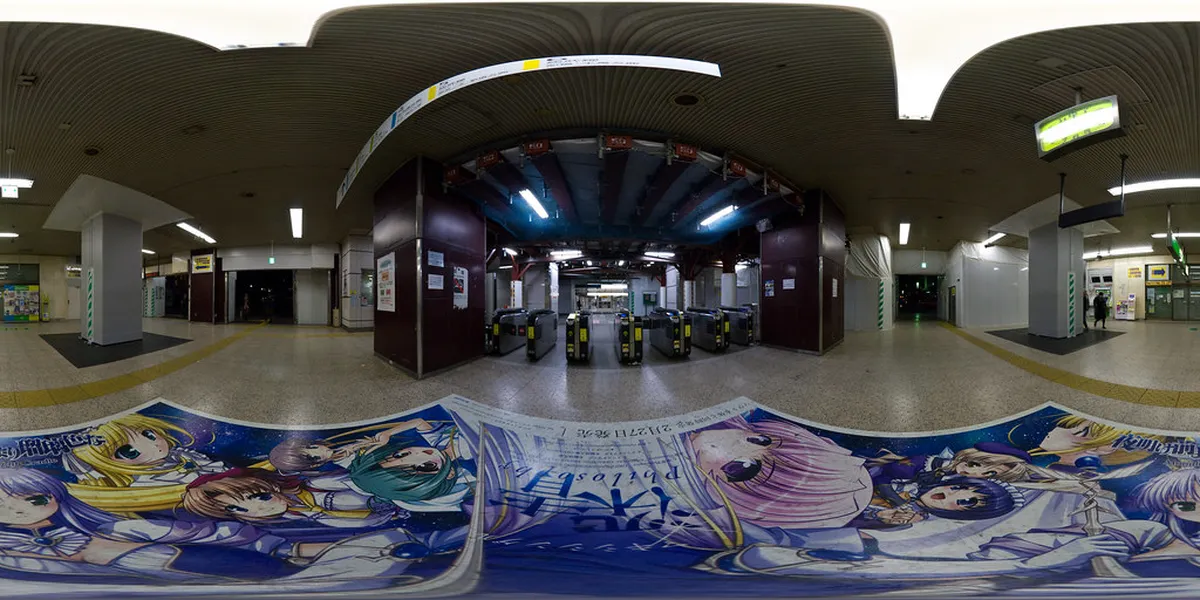
The otaku side of Akihabara occupies the side streets and upper floors of smaller buildings. Animate Akihabara (open daily, typically 10:00–21:00) is the anchor — eight floors of anime merchandise, figures, doujinshi, and character goods. Check the upper floors of unmarked buildings for retro gaming consoles, vintage manga, and factory-sealed Famicom cartridges that serious collectors travel specifically to find.
Akihabara suits fans who know exactly what they are looking for. If you are a casual anime watcher who wants a browsable, less intense environment, Nakano Broadway (covered below) is the better entry point.
Asakusa: Traditional Japanese Crafts and Nakamise Souvenirs
Nakamise-dori, the 250-metre covered arcade leading to Senso-ji Temple, is one of the most-visited souvenir corridors in Japan. It opens from around 09:00 and closes by 18:00–19:00. The stalls sell everything from ¥200 ningyo-yaki (red bean cakes) to ¥3,000 folding fans — prices are tourist-oriented but the quality on traditional snacks is genuine. This is the right place to buy omiyage (packaged gifts) in bulk.
The side streets running parallel to Nakamise are where serious buyers go. Here you find specialist shops for kitchen knives (hocho) from Kappabashi-dori, woodblock prints (mokuhanga), and handmade tenugui (cotton towels) at prices that reflect real craft rather than tourist markup. A quality kitchen knife from a Kappabashi specialist can cost ¥5,000–¥30,000 depending on the steel — significantly less than the same knife would cost in Europe or North America.
Nakamise is more tourist-facing than Yanaka Ginza (see below) but the density of product in a small area makes it practical for souvenir shopping. Come in the morning to avoid the afternoon tour-group rush. Cash remains the preferred payment method at smaller stalls.
Yanaka Ginza vs. Nakamise: Choosing the Right Traditional Market
These two historic shopping streets are often listed together as "traditional Tokyo" but they serve fundamentally different visitors. Nakamise is optimised for speed and volume — wide lanes, English signage, packaged goods, and card payments at many stalls. If you have 45 minutes and need 10 omiyage boxes for colleagues, Nakamise wins on efficiency.
Yanaka Ginza, a preserved shitamachi (old downtown) street in Yanaka, runs about 170 metres and stocks goods that locals actually buy. Think pickled vegetables, hand-thrown ceramics, neighbourhood confectionery, and affordable cookware that would never appear in a duty-free catalogue. Most stalls open from 10:00 to 18:00 and are cash-only — bring ¥5,000 in small notes. The atmosphere is unhurried and shopkeepers will often wrap purchases personally.
The clearest way to choose: if you want something photogenic and efficient, go to Nakamise. If you want something that feels genuinely local and will start a conversation back home, go to Yanaka Ginza. They are 35 minutes apart by train (change at Ueno), so visiting both in one day is feasible if you start early.
Shimokitazawa and Koenji: Tokyo's Premier Vintage and Thrift Hubs
Shimokitazawa is the starting point for most vintage shoppers in Tokyo. The neighbourhood holds a dense concentration of curated second-hand stores alongside Japanese chain thrift shops like Treasure Factory and Bazzstore — both of which stock higher-quality donations in these neighbourhoods than their branches elsewhere in the city. Prices range from ¥300 for basic pieces to ¥8,000 for premium imported American denim in excellent condition. Most shops open around 12:00 and stay open until 20:00.
Koenji, two stops west of Shinjuku on the Chuo line, offers a grittier experience with a stronger focus on 1980s American and Japanese fashion. The North Exit area has a cluster of shops that specialise in vintage workwear, military surplus, and pre-internet streetwear. Prices at Koenji boutiques can be lower than Shimokitazawa because the area attracts fewer foreign visitors — a meaningful difference if you are hunting on a tight budget.
Both areas also have live music venues, record shops, and independent cafes. Budget a full afternoon for either neighbourhood rather than treating them as quick stops. If you only have time for one, Shimokitazawa is slightly more accessible and has a wider price range.
Nakano Broadway vs. Akihabara: Which Collectibles Hub Is Right for You?
Nakano Broadway is a five-storey indoor mall about 15 minutes from Shinjuku on the Chuo line. The second and third floors are dominated by Mandarake specialty shops — each one dedicated to a different category: vintage toys, anime cells, retro video games, idol merchandise, and rare doujinshi. The mall runs from 12:00 to 20:00, and the indoor format makes it an excellent rainy-day destination.
Akihabara is the better choice for mass-market anime merchandise, new-release electronics, and anyone who enjoys the kinetic energy of a neon-lit urban district. Nakano Broadway suits collectors who want to hunt for something specific — a 1970s Super Robot figure, a particular Ghibli cell, or a sealed retro console — in a quieter, more navigable setting. First-timers to Japanese pop culture tend to find Nakano more approachable than Akihabara's intensity.
If time allows, visit both: Akihabara on a weekday morning when the district is calmer, then Nakano Broadway in the afternoon. Do not waste budget on airport character shops for the same goods — the markups are significant compared to either of these dedicated hubs.
Five More Districts Worth Your Time
Tokyo Station's Character Street (under the Yaesu North side; 10:00–20:30) is the single best location for last-minute branded souvenirs — official Pokémon, Ghibli, Sanrio, and regional omiyage stores are concentrated in one underground corridor. It is convenient precisely because you are passing through anyway.
Omotesando and Aoyama together form Tokyo's architectural shopping corridor. Flagship stores from Prada, Tod's, and Comme des Garçons compete to have the most striking building — the Prada Aoyama (designed by Herzog & de Meuron) and the Omotesando Hills complex are worth visiting as architecture even if you do not buy. Boutiques generally open at 11:00 and close at 20:00.
Daikanyama, a short walk from Shibuya, has the T-Site bookstore complex and a cluster of independent Japanese fashion labels. The neighbourhood is quieter and more adult than Shibuya, with many pet-friendly shops and outdoor seating. Tokyo Solamachi, at the base of Tokyo Skytree (10:00–21:00), offers over 300 shops including a well-curated Japan Experience floor of regional goods on level four — useful for buying goods from other parts of Japan without leaving the capital. Kichijoji's Sun Road arcade is consistently voted the most liveable shopping street by Tokyo residents, mixing practical household goods with trendy stationery and food.
Three One-Day Model Shopping Routes for 2026
The Trendsetter route starts in Harajuku at 11:00 on a weekday — walk Takeshita Street, then move to Cat Street and the Omotesando boutiques before lunch. Spend the afternoon in Shibuya (109 and Miyashita Park), then end the evening at Shinjuku where stores stay open late and Don Quijote runs until 05:00. This route covers youth fashion, international streetwear, and affordable souvenirs in one day.
The Tech-Head route dedicates a full day to Akihabara, arriving at 10:00 when it opens and working methodically through the electronics chains before shifting to the upper floors of smaller buildings for retro items. In the afternoon, take the Chuo line to Nakano Broadway for collectibles and vintage gaming. Bring a budget ceiling and stick to it — both districts are specifically designed to make you spend more than you planned.
The Traditionalist route opens in Asakusa at 09:00 to beat the tour-group surge on Nakamise-dori, then heads to Kappabashi-dori for kitchen knives and cookware. After lunch, take the Yamanote line south to Tokyo Station Character Street for branded omiyage. End with an evening stroll in Ginza for window shopping along the pedestrianised Chuo-dori. Explore more 15 Best Free Things to Do in Tokyo 2026 to complement this cultural route without adding to your budget.
2026 Practical Guide: Tax-Free Rules, Cashless Payments, and Crowd Strategy
The most significant change for 2026 is the transition of tax-free refunds from in-store processing to airport-only kiosks at Narita and Haneda. Japan's official tourism site confirms this shift was made to verify that tax-exempt goods are actually exported. At the time of purchase, show your passport so the consumption tax is recorded digitally against your purchase. At the airport, present your passport and digital receipts at the dedicated kiosk before clearing security to claim the 10% refund. Do not pack tax-free goods in checked luggage before the kiosk inspection.
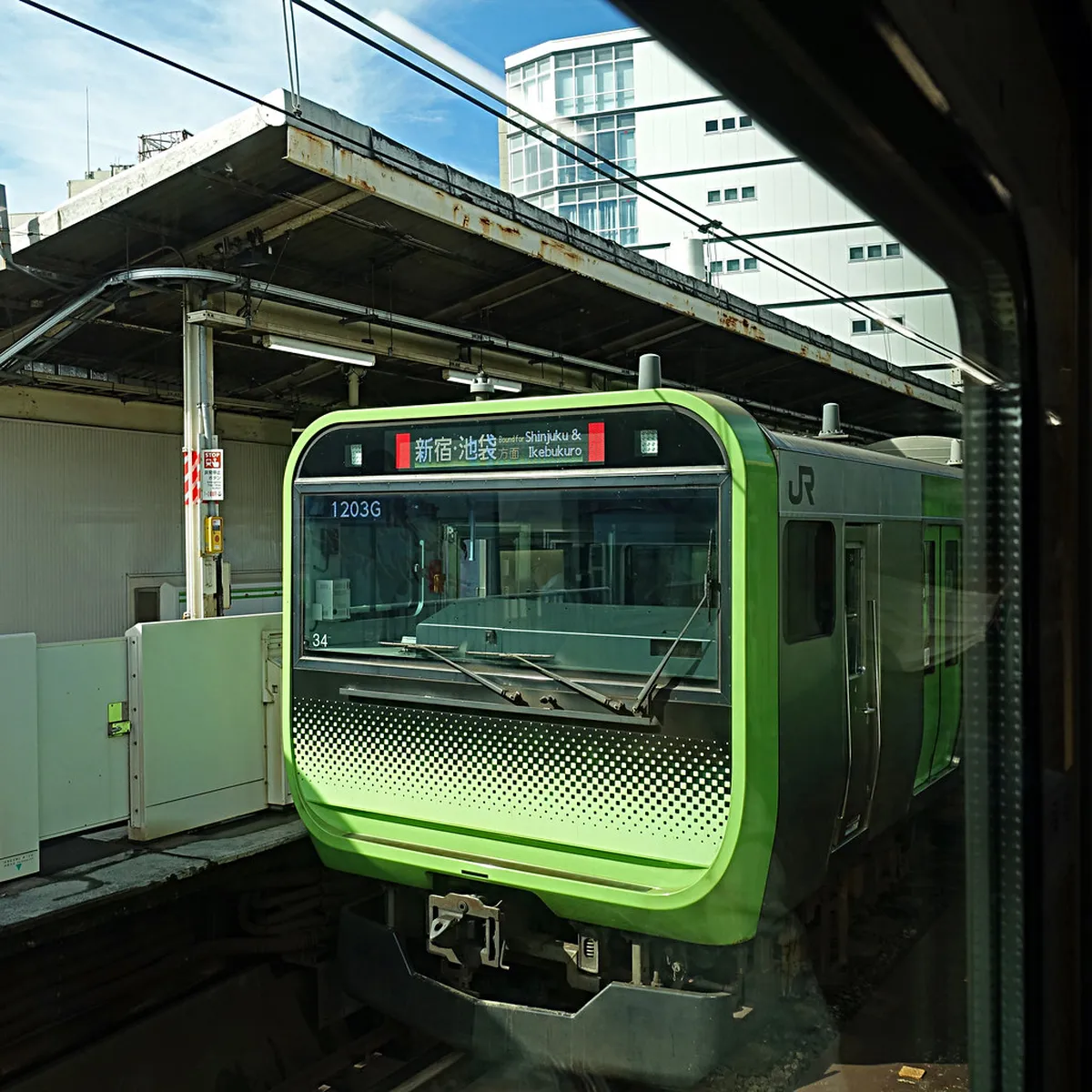
Digital payments have become the default across Tokyo in 2026. QR code systems like PayPay and mobile Suica (loaded via Apple Pay or Google Pay) are accepted at the vast majority of retailers, including most market stalls. Using a Suica card for small purchases at convenience stores remains the fastest payment method. That said, carry approximately ¥5,000 in cash for Yanaka Ginza stalls, older Asakusa vendors, and smaller Koenji thrift shops where card readers are still rare. Most vending machines and temple offerings also remain cash-only.
Crowd management matters significantly in 2026 as Tokyo tourism volumes hit record highs. Visit Harajuku and Shibuya on weekday mornings (before 13:00) to avoid the weekend gridlock. Akihabara is calmer on weekday evenings. Ginza weekday mornings offer the most relaxed atmosphere for serious luxury shopping. Rent a coin locker at a major station — ¥400 to ¥700 for a standard locker — before starting your shopping day so you are not carrying bags through every district. Check the Getting Around Tokyo: Complete Subway & Train Transport Guide 2026 guide for the fastest transit routes between districts.
Continue planning with Tokyo Trip Planner 2026: Attractions, Neighborhoods and Itineraries.
Frequently Asked Questions
How do I get a tax refund in Tokyo in 2026?
In 2026, you must show your passport at the time of purchase to have the tax recorded digitally. You then claim your actual cash or credit refund at dedicated airport kiosks before your flight home. Ensure you have all digital receipts ready for inspection.
Is cash still necessary for shopping in Tokyo?
While most major retailers and malls accept credit cards and mobile payments, cash is still required for small market stalls. I recommend carrying at least 5,000 yen for traditional areas like Yanaka Ginza. Most vending machines and temples also remain cash-only.
When are the best sales in Tokyo for 2026?
The biggest sales occur during the first week of January for New Year and throughout the month of July for summer clearance. Many stores also offer smaller discounts during the Golden Week holidays in late April. Check official store social media for 2026 flash sales.
Tokyo in 2026 remains a paradise for shoppers who value variety, quality, and a mix of the old and the new. By understanding the new tax-free rules and choosing the right districts for your style, you can make the most of your budget. Whether you are hunting for high-end fashion in Ginza or rare anime figures in Nakano, the city offers an experience unlike any other.
Take your time to explore the vertical malls and hidden back alleys that define the city's unique retail character. Safe travels and happy hunting as you discover the incredible souvenirs and trends that only Tokyo can provide.
Free: The Tokyo Essentials guide
Top things to do, where to stay, a perfect day plan, getting around, and the best time to go — a Tokyo mini-guide you can take offline.
You might also like


Continue reading
More guides you'll find useful