Nakano Broadway: Retro Otaku Shopping Haven, Floor by Floor
Explore Nakano Broadway floor by floor in 2026, with Mandarake annexes, rare anime finds, vintage watches, opening hours and transit.
On this page
Last updated July 2026, this guide unpacks Nakano Broadway, the Shōwa-era shopping complex that has become Tokyo's essential counterpoint to Akihabara's neon rush. Where Akihabara chases the newest releases, Nakano Broadway rewards patient browsers with vintage anime collectibles, rare watches, and Takashi Murakami's own gallery space tucked between fluorescent-lit hobby shops. This guide breaks the building down floor by floor, explains the walk from Nakano Station through the Sunmall arcade, and flags the opening-hours quirks that catch first-time visitors off guard.
What Is Nakano Broadway? Tokyo's Retro Otaku Landmark
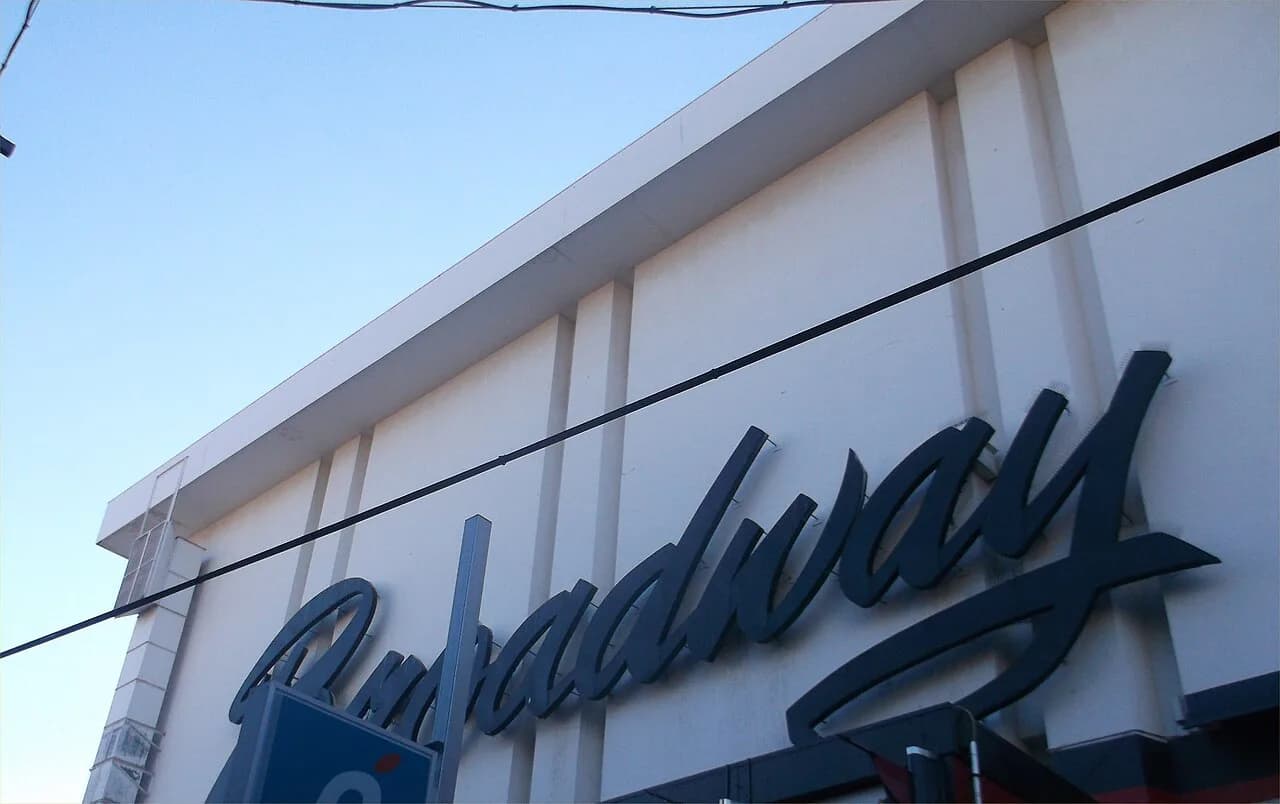
Nakano Broadway opened in 1966 as a luxury shopping and apartment complex, complete with a rooftop garden and swimming pool, at a time when Nakano rivaled Shibuya and Roppongi for prestige commerce. By the 1980s the building had lost that shine, and low rents let independent retailers move in — Mandarake arrived in 1980 selling secondhand manga, and its runaway popularity turned the complex into the otaku-focused destination it is today. The building spans 13 floors, with three basement levels and roughly ten stories above ground; the basement and floors one through four hold retail, while the upper floors remain private apartments. Because the 1966 structure predates Japan's 1981 seismic code and has not been retrofitted, the Tokyo Metropolitan Government designated it an at-risk building in 2018 — a technical footnote that, in the building's favor, also explains why its Shōwa-era corridors, signage, and narrow stairwells feel genuinely untouched rather than styled to look retro. Where Akihabara chases this month's new figures and fresh anime releases, Nakano Broadway trades in nostalgia: vintage cels, out-of-print manga, decades-old idol merchandise, and collectibles that simply are not stocked anywhere else in Tokyo.
Getting to Nakano Broadway from Shinjuku
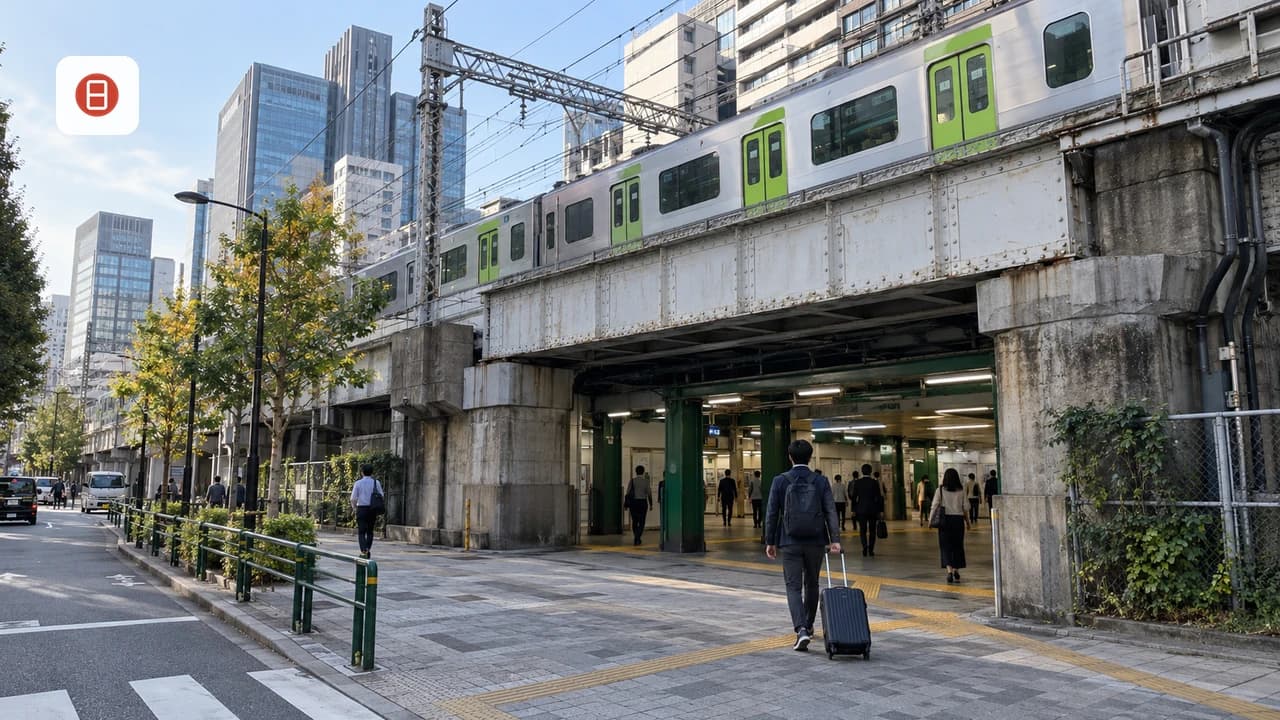
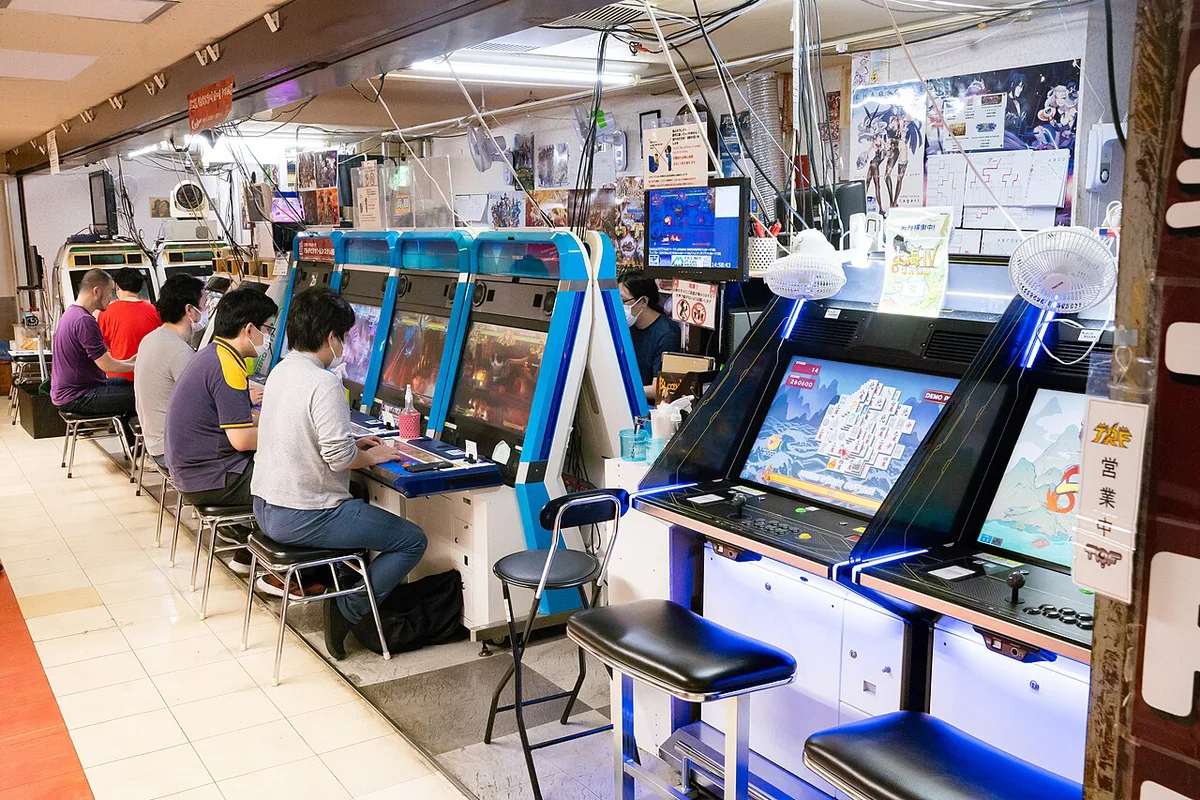
Nakano Station is the gateway, and it sits just five minutes from Shinjuku Station on the JR Chuo Line rapid service, with a one-way fare of roughly 200 yen; local Chuo-Sobu trains cover the same route with a few extra stops. Coming from eastern Tokyo, the Tokyo Metro Tozai Line runs directly into Nakano Station without a transfer at Shinjuku, which is useful for travelers based near other stops along that line. From Nakano Station's north exit, follow the Nakano Sunmall, a 225-meter glass-covered shotengai lined with cafes, watch dealers, jewelers, pharmacies, game centers, and bookstores — the walk from the ticket gates to the Nakano Broadway entrance takes about five minutes at an unhurried pace. Side streets peel off the Sunmall on both sides, packed with low-rise shops and izakayas that are easy to miss on the way in but worth remembering for the trip back. The Sunmall itself opens earlier than the hobby shops inside Nakano Broadway, so arriving via this arcade is also a good moment to grab coffee before the main building's stores start trading.
Navigating the Floors: A Vertical Guide to Nakano Broadway
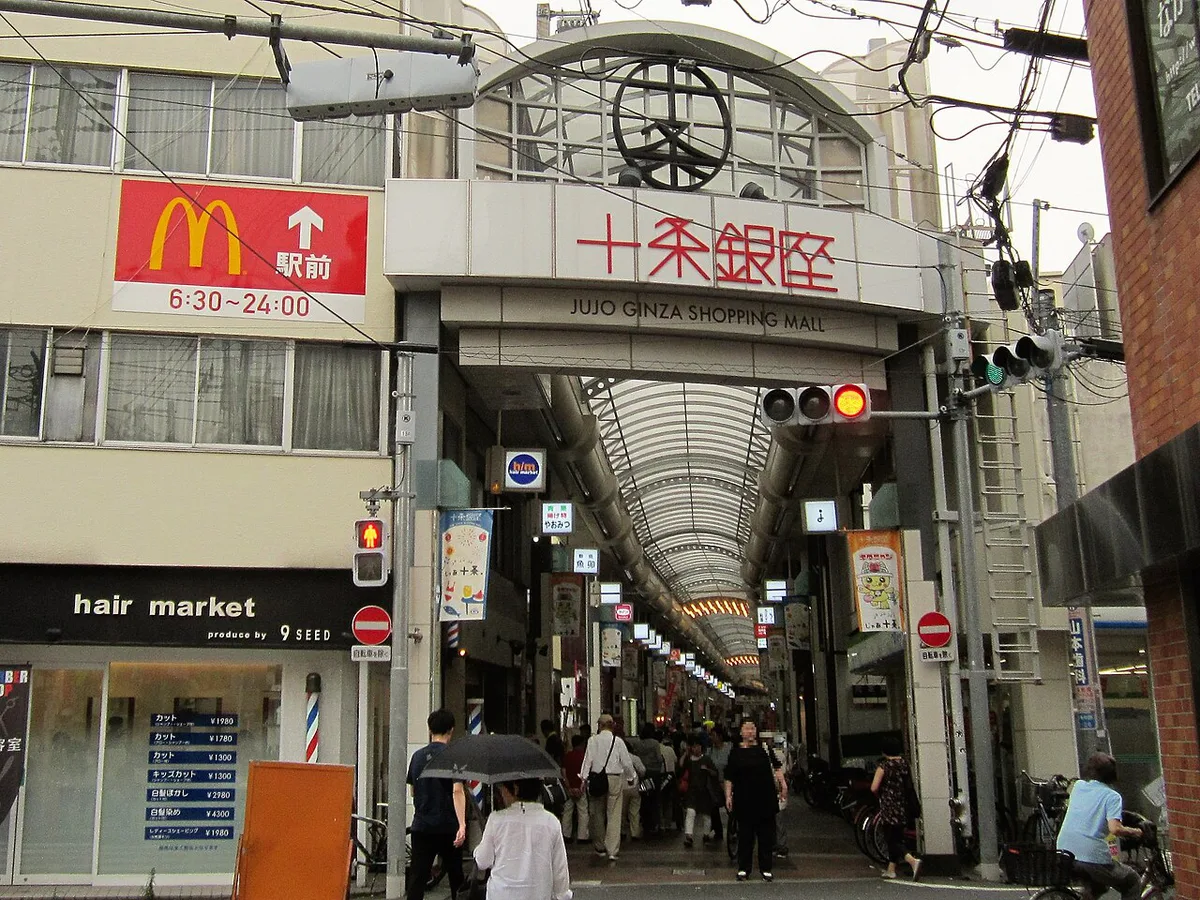
Nakano Broadway rewards a floor-by-floor approach rather than a single lap, since each level serves a completely different crowd. Most first-time visitors head straight for the second floor and never go lower or higher, which means skipping both the neighborhood grocery scene in the basement and the gallery space near the top of the retail floors. Budget at least an hour, and closer to two if watches or figures are the focus, to cover the four public retail levels properly.
- Basement (B1): a working local market with produce, meat, and seafood stalls, plus soft-serve counters such as Daily Chiko's multi-flavor cones for a quick break
- Ground floor (1F): clothing, shoes, and general secondhand goods aimed at everyday shoppers rather than collectors
- 2nd and 3rd floors: the highest concentration of Mandarake annexes, idol goods, and vintage video game consoles
- 4th floor: Takashi Murakami's Hidari Zingaro gallery and Kaikai Kiki-linked spaces, alongside Mandarake's corporate offices
- Upper floors: private apartments, not open to browsing visitors
Mandarake's Annexes and Other Standout Shops
Mandarake is not one department store inside Nakano Broadway; it operates 27 separate annexes, known as kan, each specializing in a narrow category rather than stocking everything under one roof. That structure dates to how the chain grew after 1980, absorbing what were once independent specialty shops one by one. It is worth reading the small signage outside each annex before walking in, since a store devoted to cosplay costumes can sit a few doors from one focused purely on doujinshi or another built around vinyl figures and oddities.
The vintage-watch dealers like Jackroad and independent collectible stalls holding Nakano Broadway's rarest finds operate predominantly cash-only, making physical yen as critical as the card-accepting Mandarake annexes.
- Vintage watches: Nakano Broadway is a recognized stop for Rolex and Omega collectors, with dealers such as Jackroad specializing in secondhand luxury timepieces
- Takashi Murakami spaces: Hidari Zingaro gallery, the Bar Zingaro café, and the Tonari No Zingaro souvenir shop, all tied to Murakami's Kaikai Kiki studio
- Taco Ché: an independent store for underground manga and self-published zines outside the mainstream publishing system
- Fujiya Avic: a longtime dealer in secondhand CDs and DVDs
Where to Eat Around Nakano Broadway
Food options split cleanly by budget and mood. Inside the Nakano Sunmall arcade, quick-service ramen counters and chain cafes make an easy stop before the hobby shops open, and they stay useful for a fast lunch between browsing sessions. The narrow side alleys branching off the Sunmall hold a denser, more local scene — izakayas serving grilled skewers, noodles, and small plates in a setting closer to a neighborhood drinking street than a tourist arcade, and they come alive in the evening once the shopping crowds thin out. For the most budget-friendly option, the basement food court and grocery stalls inside Nakano Broadway itself sell fresh produce, meat, and seafood alongside prepared snacks, including the multi-flavor soft-serve stands that have become a minor attraction on their own. Pairing an early basement snack with a late lunch in the Sunmall, then saving the side-alley izakayas for dinner, spreads the food budget across the visit instead of concentrating it in one expensive sit-down meal.
Nakano Broadway Hours, Costs, and Practical Tips
Entry to Nakano Broadway itself is free — the cost is entirely what gets bought inside. Hours vary store by store, but the typical window across the hobby shops is 12:00 to 20:00, and while most shops have no fixed closing day, some do close on Wednesdays, so a specific annex is worth double-checking if it is the sole reason for the trip. Card payment is accepted at Mandarake's annexes, but many of the smaller independent stalls, especially in the watch and vintage-goods trade, are cash-only, so carrying yen is safer than assuming a card will work everywhere. The hallways are narrow throughout the second and third floors, and they get genuinely congested on weekend afternoons; arriving right at opening or visiting on a weekday morning keeps browsing comfortable.
Weekday visits right at noon opening beat weekend afternoons when narrow hallways surge with browsers, unlike early arrivals when hobby shops remain shuttered until midday.
| What to know | Detail |
|---|---|
| Entry cost | Free to enter and browse |
| Typical shop hours | 12:00–20:00, varies by store |
| Closing days | Mostly none; some shops closed Wednesdays |
| Payment | Cards at Mandarake annexes; cash recommended for smaller stalls |
| Transit cost | About 200 yen one-way from Shinjuku via JR Chuo Line |
Mistakes to Avoid at Nakano Broadway
A few timing and routing mistakes account for most disappointed visits.
- Arriving before noon: most of the hobby shops, including nearly all Mandarake annexes, do not open until 12:00, so a 10:00 arrival finds a near-empty building with only the basement market and a handful of general shops trading
- Skipping the side alleys: focusing only on the Sunmall's main corridor misses the izakaya-lined side streets that offer some of the most memorable meals
- Stopping at the second floor: the second and third floors draw the most foot traffic, but skipping the fourth floor means missing Hidari Zingaro and the other Murakami-linked spaces entirely
- Assuming every stall takes cards: showing up without cash can rule out some of the best vintage-watch and collectible dealers
Where Nakano Broadway Fits Your Tokyo Itinerary
Nakano Broadway pairs naturally with a short list of other Tokyo stops, depending on the rest of the day. For a modern, glass-and-skyline contrast to the Shōwa-era corridors, the Shibuya Sky observation deck sits on the opposite end of Tokyo's aesthetic spectrum. Travelers balancing a mixed group can send part of the party to Sanrio Puroland for a gentler, family-oriented take on character merchandise, or to Tokyo Joypolis in Odaiba for arcade-style indoor entertainment rather than shopping. Because nearly everything at Nakano Broadway sits indoors across covered floors, it is also one of the more reliable options during typhoon season travel planning, when outdoor sightseeing can get rained out with little warning. If the trip lines up with summer instead, save an evening for Tokyo's summer fireworks displays before or after a Nakano Broadway afternoon. For broader trip planning across the city, the Tokyo attractions guide rounds up how a stop like this fits alongside Tokyo's bigger-name sights.
For trip-planning details, see Nakano Broadway official site and Nakano Broadway - Wikipedia.
Continue planning with Tokyo Trip Planner 2026: Attractions, Neighborhoods and Itineraries.
Frequently Asked Questions
What time does Nakano Broadway open?
The building itself is accessible early, but most of the hobby shops, including the Mandarake annexes, do not open until 12:00 and typically run until 20:00. A handful of stores close on Wednesdays, though most have no fixed closing day, so arriving after noon is the safer plan for a full experience.
How is Nakano Broadway different from Akihabara?
Akihabara is built around current releases — the newest figures, games, and electronics — while Nakano Broadway specializes in vintage and secondhand goods: Shōwa-era collectibles, out-of-print manga, older idol merchandise, and vintage luxury watches. The two districts complement each other rather than compete directly.
How do you get to Nakano Broadway from Shinjuku?
Take the JR Chuo Line rapid service from Shinjuku Station to Nakano Station, a roughly five-minute ride costing about 200 yen one-way. From Nakano Station's north exit, walk through the 225-meter Nakano Sunmall arcade for about five minutes to reach the Nakano Broadway entrance.
Can you pay by card at Nakano Broadway?
Mandarake's annexes generally accept cards, but many of the smaller independent shops, particularly the vintage-watch and collectible dealers, are cash-only. Carrying yen covers the gaps that card payment does not.
How much time should I plan for a Nakano Broadway visit?
Budget at least an hour, and longer if watches, figures, or the Mandarake annexes are the main draw, to cover the basement market, ground floor, and the second through fourth floors at a reasonable pace. Visiting after 12:00, once the hobby shops open, makes that time far more worthwhile than an earlier arrival.
Free: The Tokyo Essentials guide
Top things to do, where to stay, a perfect day plan, getting around, and the best time to go — a Tokyo mini-guide you can take offline.
You might also like


Continue reading
More guides you'll find useful