Shibuya Sky Observation Deck 2026: Tickets & Rooftop Rules
Updated July 2026: when tickets sell out, the best sunset slots, and the locker rules on the 46th floor before you reach Tokyo's top rooftop view.
On this page
Last updated July 2026, this Shibuya Sky guide walks you through every logistical detail you need before booking Tokyo's most photographed rooftop observation deck. From the sell-out ticket windows to the strict locker rules waiting on the 46th floor, knowing what to expect turns a rushed visit into a well-timed one. Whether you are chasing a summer sunset or a clear winter night over Mt. Fuji, this guide breaks down exactly when to book and what to bring to Shibuya Scramble Square's rooftop.
Is Shibuya Sky Worth It? A Quick Answer
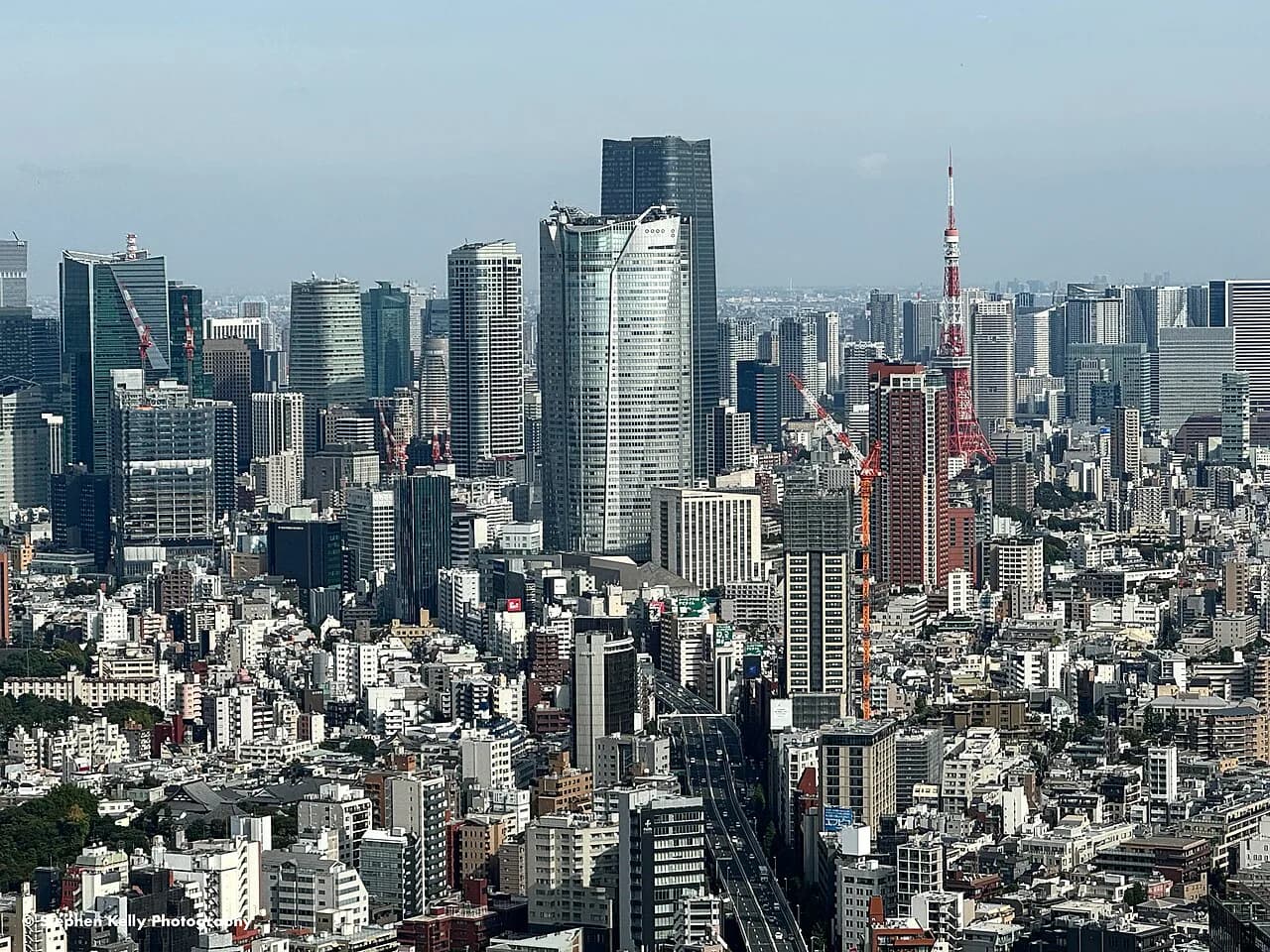
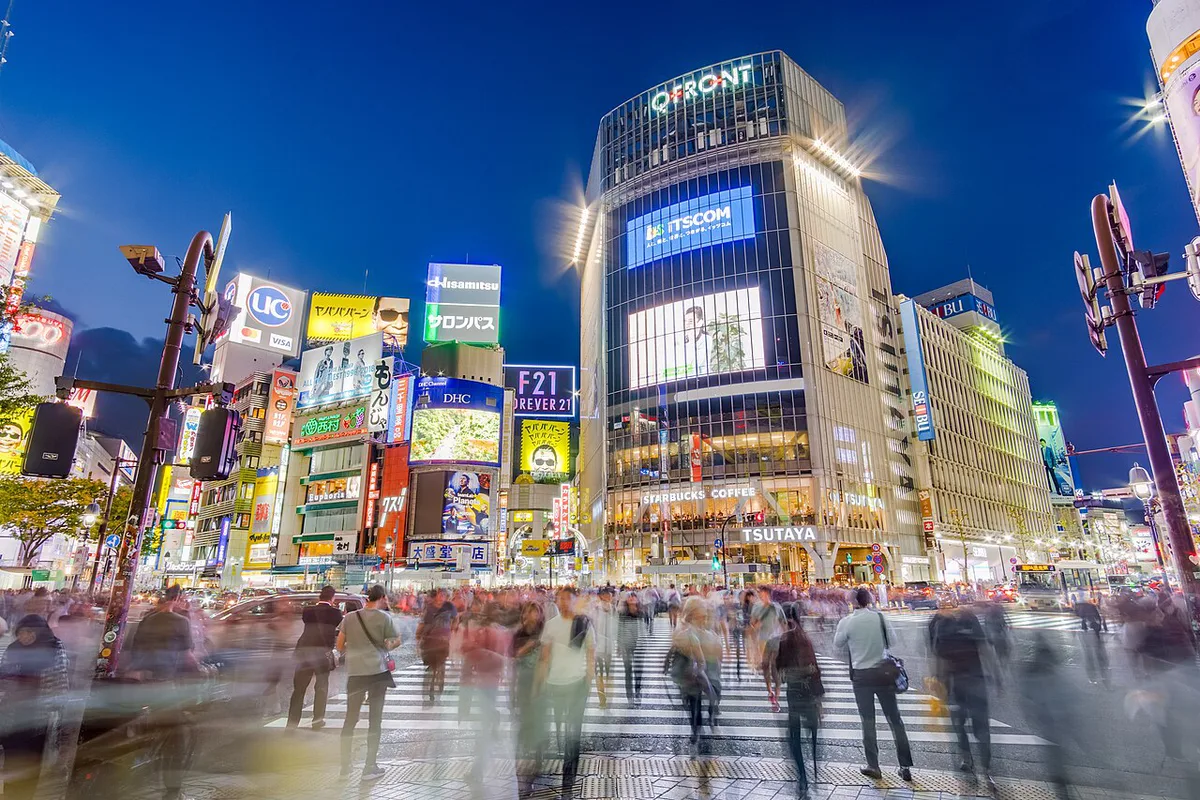
Shibuya Sky is a 229-meter rooftop observation space at the top of Shibuya Scramble Square, and it earns its reputation as one of Tokyo's most talked-about viewpoints because of what it does differently from the competition. Unlike the enclosed decks at Tokyo Skytree or Tokyo Tower, Shibuya Sky's uppermost level is genuinely open-air, so you feel the wind and hear the city rather than viewing it through glass. The vantage point sits directly above Shibuya Scramble Crossing, letting you look straight down on the crowds you were just walking through, while Tokyo Skytree and, on a clear day, Mt. Fuji sit on the horizon. In our editorial assessment, that open-air layout combined with the Shibuya Station location makes it worth prioritizing over a second observation deck if time in Tokyo is limited. For first-time Tokyo visitors trying to decide between multiple observation decks, Shibuya Sky's central Shibuya Station location also means you can pair it with street-level sightseeing without a separate cross-town trip.
Shibuya Sky Tickets and Pricing: The Essential Logistics
Use the Shibuya Sky booking planner to schedule a ticket-release reminder for your intended visit date. Check the official ticket site for current availability and weather-related restrictions before purchasing.
Booking online is effectively the only realistic way to visit Shibuya Sky, since counter tickets are sold only when online allocations remain and are priced higher. Online adult tickets cost 2,700 yen for entry before 14:59 and jump to 3,400 yen for entry at 15:00 or later; counter tickets, when available, run 3,000 yen and 3,700 yen on the same schedule. Children's tickets are sold only at the counter on the day of admission, and children under 5 enter free. Shibuya Sky is open daily from 10:00 to 22:30, with last admission at 21:20, and the deck closes entirely on New Year's Day, plus it may reduce hours or close temporarily on other dates. Tickets typically go on sale four weeks ahead at midnight JST, and that window is the single most important piece of Shibuya Sky logistics to plan around, since popular slots can disappear within days of release. Because pricing and hours can shift with little notice, confirm the current figures on the official Shibuya Sky booking page before finalizing your itinerary.
| Ticket Type | Before 15:00 | 15:00 Onward |
|---|---|---|
| Online Adult | ¥2,700 | ¥3,400 |
| Counter Adult (subject to availability) | ¥3,000 | ¥3,700 |
Planning the Perfect Sunset Visit
The best time to visit Shibuya Sky is widely considered to be roughly 30 minutes before sunset, when you can watch the city shift from daylight into its night-view lighting without changing seats. Because that slot is the most requested time on the booking calendar, plan to reserve it as soon as tickets release four weeks out rather than waiting until the week of travel. Sunset in Tokyo shifts significantly across the year, running as early as about 16:30 in early December and stretching to around 19:00 in late June and early July; spring and autumn fall somewhere between those two extremes, so check a sunset calculator for your specific travel date before choosing a ticket time. Once inside, most visitors spend around 90 minutes at Shibuya Sky, and because there is no enforced time limit, you can treat that as a baseline rather than a cap if you want to watch the transition from sunset into full night. Summer visitors building a longer skyline-focused evening can also check the 2026 Tokyo fireworks festivals guide for other elevated vantage points across the city.
| Season | Approximate Sunset Time |
|---|---|
| Early December | ~16:30 |
| Late June / Early July | ~19:00 |
| Spring & Autumn | Between the winter and summer extremes above |
Navigating Shibuya Scramble Square to Reach Shibuya Sky
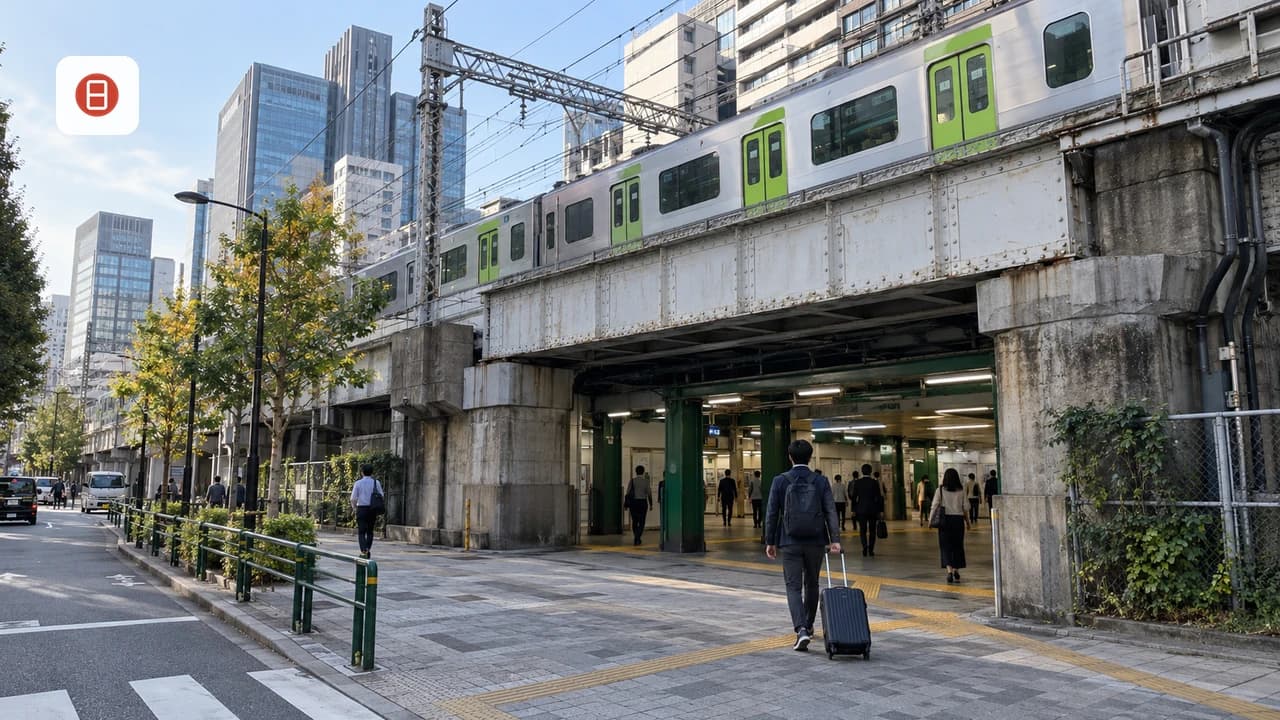
Shibuya Sky is directly connected to Shibuya Station, so once you are inside the station complex you do not need to go back outside to reach the entrance. Access is via a dedicated elevator and ticket gate on the lower floors of Shibuya Scramble Square, from which the visit itself begins on the 14th floor. From there, a distinctive elevator known for its immersive imagery, 3D sound, and lighting effects carries you up to the 45th floor, where an indoor gallery level leads to a glass escalator climbing the final stretch to the 46th floor and the rooftop above it. This sequence, sometimes called the transition pod experience by visitors, is designed to build anticipation before the doors open onto the indoor gallery. If you are driving, note that Shibuya Scramble Square has no dedicated parking or bicycle parking of its own; nearby facilities partner with Shibuya Sky to offer parking, and cyclists can use one of the bicycle parking areas around Shibuya Station instead.
Top Things to Do at the Summit
Once you reach the 46th floor and step onto the rooftop, a handful of spots consistently draw the longest lines for photos. Building in extra time for these stops is part of planning a realistic Shibuya Sky visit rather than rushing straight to the edge.
- Sky Edge: an outdoor glass corner where you can pose right at the rooftop's edge, one of the most photographed spots in the building and typically the longest queue on the roof.
- Geo Compass: a 360-degree panoramic dial on the rooftop that helps you orient toward landmarks like Tokyo Skytree, the Imperial Palace, and Mt. Fuji on clear days.
- The glass escalator between the 45th and 46th floors, another popular photo stop on the way up to the rooftop.
- The Cloud Hammock and rooftop lounge seating area, a lower-key spot to sit and take in the view without waiting for a specific photo angle.
- A professional photo service on-site for visitors who want a souvenir shot without relying on a phone camera.
Strict Rooftop Rules: What You Can (and Can't) Bring
Shibuya Sky enforces one of the stricter belongings policies among Tokyo observation decks, and many guides understate how much you will need to store before heading to the roof. Every visitor must use a coin-operated locker on the 46th floor, which requires a 100-yen coin that is refunded when you retrieve your things, and larger luggage needs to be stored separately near Shibuya Station before you even reach the ticket gate.
The rooftop's most photographed spots like Sky Edge and the glass escalator require hands-free access; tripods, selfie sticks, and bags must go in coin-operated lockers on the 46th floor. Extra time for the locker system should be factored into visit timing.
- Allowed on the rooftop: phones, glasses, and cameras that have a strap or fit inside a pocket.
- Not allowed: tripods, selfie sticks, loose hats, earphones, scarves, travel luggage, bags, food, drink, and animals.
- Everything you cannot carry must go in the 46th-floor locker, which takes a refundable 100-yen coin.
- Oversized luggage cannot be stored in the rooftop lockers at all and needs to be left near Shibuya Station in advance.
Mistakes to Avoid at Shibuya Sky
A few planning mistakes account for most of the frustration travelers report about Shibuya Sky, and nearly all of them are avoidable with a bit of lead time.
Sunset is the most popular booking window and commands a 700-yen premium over daytime slots. The open-air rooftop closes without refund during heavy rain or strong wind, even after entry, which can increase during typhoon season—a consideration when weighing the higher price.
- Booking too late: since tickets release four weeks ahead at midnight JST, waiting until the week of your trip often means the sunset slot you want is already gone.
- Ignoring the weather forecast: the open-air rooftop closes during heavy rain or strong wind even when the rest of Shibuya Scramble Square stays open, a risk that increases during Japan's typhoon season, and no refunds are given once you have entered.
- Not budgeting for the 15:00 price jump: online adult tickets rise from 2,700 yen to 3,400 yen at 15:00, so an entry booked just after that line costs 700 yen more for essentially the same sunset window.
- Cutting it close to last admission: entry closes at 21:20 even though the deck stays open until 22:30, so arriving right at the cutoff leaves no buffer for the elevator queue.
- Forgetting the locker system: arriving with a tripod, bag, or loose jacket you assumed would be fine on the roof means an extra stop you did not plan for.
Nearby Shibuya Attractions to Pair With Your Visit
Shibuya Sky pairs naturally with the attractions immediately around Shibuya Scramble Square, starting with a street-level walk across Shibuya Scramble Crossing and a photo at the Hachiko Statue just outside the station. If your Tokyo day extends further, an arcade stop at Tokyo Joypolis in Odaiba makes a fitting afternoon-into-evening pairing, while a browse through the stacked retro floors of Nakano Broadway's vintage shops suits travelers who want a change of pace from skyline views. Families traveling with young children who need an indoor alternative to a rooftop view can build a day around Sanrio Puroland's indoor theme park instead, saving Shibuya Sky for a clearer evening later in the trip. Because Shibuya Sky sits inside one of Tokyo's busiest transit hubs, it also works well as a bridge stop between attractions in different parts of the city rather than a dedicated half-day trip on its own. However you build the rest of the day, Shibuya Sky works well as either the opening or closing stop, depending on whether you book a daytime or sunset slot.
Is the After-15:00 Ticket Premium Worth It?
The 15:00 cutoff matters because it separates a straightforward daytime visit from the more sought-after sunset and night-view window. Online adult tickets rise from 2,700 yen before 14:59 to 3,400 yen from 15:00 onward, so the extra 700 yen is mainly paying for better light, not extra access. If your priority is clear landmark spotting, a pre-15:00 slot can be the smarter value: Tokyo Skytree, Tokyo Tower, the Imperial Palace area, and Mt. Fuji are easier to identify in daylight when the weather cooperates.
The premium makes more sense if you want Shibuya Sky’s signature experience: arriving in late afternoon, waiting out the Sky Edge photo queue, then watching Shibuya Scramble Crossing and central Tokyo light up after sunset. For photographers, couples, and first-time visitors, that transition is usually the reason to pay more. For families on a tighter schedule or travelers visiting several observation decks, the cheaper daytime slot still delivers the rooftop layout without the hardest-to-book crowds.
For trip-planning details, see Shibuya Sky official site and Shibuya on Japan Guide.
Pair this with our broader Tokyo tourism attractions guide for the full city overview.
Continue planning with Tokyo Trip Planner 2026: Attractions, Neighborhoods and Itineraries.
Frequently Asked Questions
How far in advance should you book Shibuya Sky tickets?
Tickets typically release four weeks ahead at midnight JST, and popular sunset slots can sell out within days, so lock in your date as soon as the booking calendar opens for your travel dates.
What happens if it rains during your Shibuya Sky visit?
The open-air rooftop level can close during heavy rain or strong wind even if the rest of Shibuya Scramble Square stays open, and no refunds are issued once you have entered, so check the forecast before your visit and have a backup plan such as the indoor gallery level.
Can you bring a tripod or bag onto the rooftop?
No. Tripods, selfie sticks, loose hats, bags, food, and drink are not allowed on the rooftop; only a phone or camera with a strap or one that fits in your pocket is permitted, and everything else must go in a coin-operated locker on the 46th floor.
Is Shibuya Sky worth visiting if you have already been to Tokyo Skytree?
Yes for most travelers, since Shibuya Sky's open-air rooftop and its direct view down onto Shibuya Scramble Crossing offer a different perspective than the enclosed decks at Tokyo Skytree or Tokyo Tower.
How long do most visitors spend at Shibuya Sky?
Most visitors stay around 90 minutes, and since there is no enforced time limit on your ticket, you can stay longer if you want to watch the sunset transition into the night skyline.
How much are Shibuya Sky tickets for children?
Children's tickets are sold only at the counter on the day of admission rather than online in advance, and children under 5 are admitted free, so adults should reserve their own tickets online ahead of time and plan to purchase children's tickets on arrival.
Free: The Tokyo Essentials guide
Top things to do, where to stay, a perfect day plan, getting around, and the best time to go — a Tokyo mini-guide you can take offline.
You might also like


Continue reading
More guides you'll find useful