Typhoon Season in Japan: 2026 Safety Tips & Travel Plans
Typhoons peak August to September. See which Shinkansen and flights get cancelled first, how to rebook, and an indoor backup plan for Tokyo storm days.
On this page
Last updated July 2026: typhoon season in Japan runs from May through October, with the heaviest activity concentrated in August and September, and it does not have to derail a trip if the itinerary has room to flex. This guide breaks down what typically gets disrupted, from Shinkansen suspensions to outdoor attraction closures, and lays out an indoor pivot plan for Tokyo so a stormy day still counts as a good one. You will also find the safety steps, information channels, and emergency numbers worth knowing before conditions turn active.
When Is Typhoon Season in Japan? The Essentials
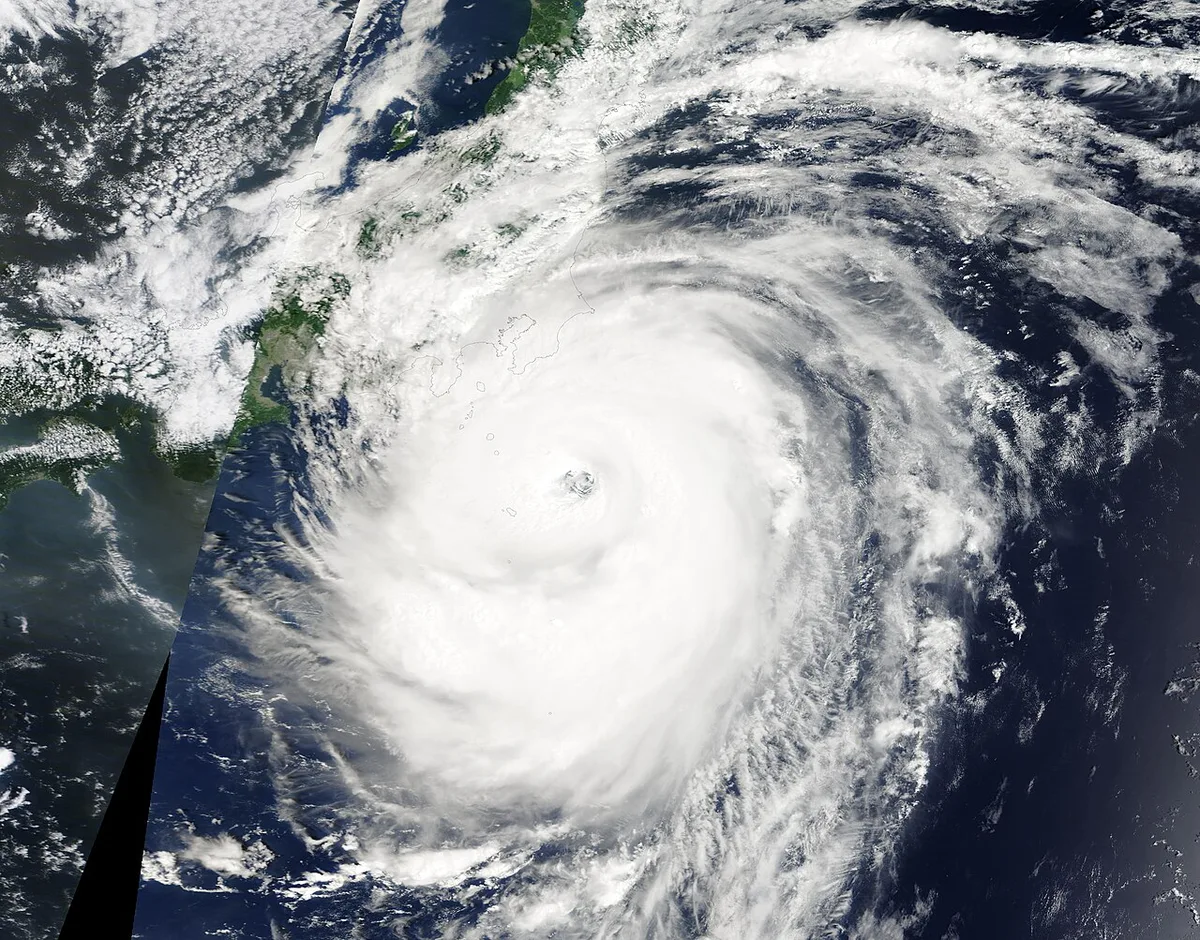
Typhoon season in Japan officially runs from May through October, with the heaviest and most frequent storm activity concentrated in August and September — coincidentally also some of the best months for festivals and summer events, so the season is not one to avoid outright. Japanese media does not give typhoons Western-style names; instead each storm is tracked by number in the order it forms that year, so a forecast referring to Typhoon Number 16 simply means the sixteenth named system of the season, not an unusually severe one. Most systems track northeast out of the Pacific, making landfall in Okinawa and the wider Ryukyu Islands first before curving toward Kyushu, Shikoku, and eventually Honshu, which is why the southern islands see both the earliest and the most frequent direct hits of any part of the country. Tokyo and the wider Kanto region sit further along that track, so they are typically affected later in the season and less consistently than Okinawa or Kyushu, while Hokkaido in the far north sees the fewest direct hits of any major region. At their most extreme, a typhoon can span up to 500 miles (800 km) in diameter and generate winds as high as 180 mph (290 km/h) — figures that describe a storm's peak potential, not what a typical system delivers when it reaches Tokyo. Tokyo's own weather still tracks the season closely: expect humid afternoons near 31°C (88°F) at the August peak, easing to about 27°C (81°F) by late September and down to roughly 21°C (70°F) as storm activity tapers in October. The short answer for anyone weighing a trip: yes, it is generally safe to travel to Japan during typhoon season, provided the itinerary stays flexible enough to absorb a delayed train, a shortened museum visit, or a rained-out afternoon.
| Month | Regions Most at Risk | Tokyo Avg. Afternoon Temp | Travel Disruption Risk |
|---|---|---|---|
| June | Okinawa & Kyushu (earliest landfalls) | 23°C (73°F) | Low to Moderate |
| July | Kyushu, Shikoku, Okinawa | 27°C (81°F) | Moderate |
| August | Nationwide, including Kanto/Tokyo | 31°C (88°F) | High (peak) |
| September | Nationwide, direct Kanto/Tokyo hits common | 27°C (81°F) | High (peak) |
| October | Honshu, tapering off | 21°C (70°F) | Moderate |
Travel Disruptions: Flights, Trains, and Theme Parks
Japan's transport operators rarely let a typhoon catch travelers off guard. Once the Japan Meteorological Agency issues a forecast track with real landfall risk, JR and other rail operators typically announce a planned suspension (keikaku unkyu) 24 to 48 hours ahead of the expected impact, naming the exact trains and time windows that will stop running rather than leaving passengers to guess. Part of the reason operators move early is rainfall intensity: sustained rain above roughly 20mm an hour, or a cumulative 100mm, raises landslide risk along mountainous rail corridors, so a suspension can be issued well before conditions in central Tokyo look dramatic.
The Shinkansen is especially sensitive to this system — bullet trains run under speed restrictions or full suspensions earlier than most local lines, and a moderate storm can ground a Shinkansen route for a half-day or more, while local subways and city buses tend to keep running later into a storm and resume sooner afterward. Flights face a similar pattern of delays, reroutes, or cancellations, and airlines generally allow free rebooking or a refund once they issue a formal suspension notice, though exact terms depend on the carrier and fare type, so confirming policy at the time of booking is worth the extra step. Outdoor attractions close their most exposed features first: the rooftop deck at Shibuya Sky's rooftop deck shuts during high-wind advisories even when the rest of the building stays open, and outdoor events such as the Tokyo fireworks festivals in 2026 are frequently postponed or canceled outright when a storm track overlaps a scheduled date. Seasonal demand compounds the disruption risk: a mid-range Tokyo business hotel room that runs roughly ¥9,000 a night in a quieter month like June can climb past ¥18,000 during the mid-August Obon travel rush, when typhoon season overlaps Japan's busiest domestic holiday and rooms sell out regardless of storm activity.
The Pivot Plan: Best Indoor Things to Do in Tokyo
When wind or rain rules out an outdoor itinerary, Tokyo has enough indoor scale to fill an entire day without setting foot outside, and having a shortlist ready before a storm arrives means you can pivot in minutes instead of losing the day to indecision. The options below sit at different points on the spectrum from browsing to full theme-park energy, so mix and match based on who is traveling with you.
Shinkansen suspends before local transit, and outdoor attractions close their most exposed features while indoor venues stay open, so understanding these tiered-disruption patterns helps travelers select indoor-attraction backups realistically accessible during peak storm conditions.
- Nakano Broadway's indoor arcades: a multi-floor complex of collectible shops, retro toy stalls, and pop-culture boutiques entirely under one roof, easy to fill two or three hours browsing without ever stepping outside.
- Sanrio Puroland's indoor theme park: a fully enclosed theme park in Tama, on the western edge of Tokyo, purpose-built as a rain-or-shine option that works well for families traveling with younger children.
- Tokyo Joypolis in Odaiba: an indoor, high-tech amusement park packed with arcade attractions and simulator rides, a good match for teens and adults who want an active alternative to a museum day.
- Depachika food halls: the basement food floors of major department stores let you explore Tokyo's food culture without walking outdoors, a practical choice when street-level conditions make casual walking impractical.
Safety and Preparation for Travelers
For most travelers, the hotel is the safest and simplest place to wait out a typhoon, and it is worth treating the front desk as a resource rather than just a check-in counter. Staff can tell you whether the property has backup power, which floor to move to if flooding is a concern nearby, and where the designated hinanjo (evacuation center) for that neighborhood is located, even though an actual evacuation is unlikely to be necessary for most short stays in a modern hotel. Building a small emergency kit as soon as a typhoon is forecast is worth the effort, because conbini and supermarket shelves empty out fast once a warning is issued, with bread and other grab-and-go items typically the first to disappear, followed quickly by bottled water and instant meals.
- A portable charger or two, fully charged, in case of a power outage
- About 2 liters of bottled water per person, with extra if a multi-day storm is forecast
- Non-perishable snacks and bread, since fresh food options may be limited once a warning is in effect
- A flashlight or headlamp with spare batteries
- Cash, since card readers and ATMs may be unreliable during a power interruption
- Passport, tickets, and cards sealed in a waterproof bag
- An offline map download, in case data networks get congested during a warning
Information Channels and Emergency Apps
The Japan Meteorological Agency (JMA) is the authoritative source for typhoon tracks, watches (chuiho), and the stronger warnings (keiho) that signal a forecaster expects significant, widespread damage; its English-language site is the first place to check before deciding whether to adjust a day's plans. NHK World-Japan is the standard English-language broadcaster once a storm is active: NHK's evening bulletin has historically carried dual-language audio around 7 PM with detailed weather segments, though it is worth confirming the current schedule since broadcast times can shift. Dialing 177 gets a recorded Japanese-language weather forecast, and the U.S. Navy's Joint Typhoon Warning Center publishes satellite tracking maps online as a useful secondary reference for anyone who wants a more technical view of a storm's projected path.
On mobile, the NHK World app pushes weather and disaster alerts in English and can be set to notify for tsunami and earthquake events as well, while Safety Tips — built specifically for visitors to Japan — layers on hazard maps and evacuation guidance in English, Korean, and both simplified and traditional Chinese. The NERV Disaster Prevention app and the Japan Shelter Guide app round out a useful set, the latter helpful for locating the nearest hinanjo from wherever you happen to be standing when a warning comes through.
- 119 for fire or ambulance services
- 110 for police
- Japan National Tourism Organization Tourist Information Center: 03-3201-3331
- U.S. citizens: +1-202-501-4444 from abroad, or +1-888-407-4747 from the U.S. and Canada, for U.S. Embassy emergency assistance
Evacuation Procedures for Tourists
Evacuation centers, known as hinanjo (避難所), are usually set up in local schools and community centers rather than purpose-built disaster shelters, so the building assigned to your neighborhood may look like an ordinary school gymnasium rather than anything marked for emergency use. Pets are generally not permitted inside most evacuation centers, which matters if you are traveling with an animal. Local loudspeakers announce evacuation instructions in Japanese, and between outside noise, distance, and translation lag, they can be genuinely hard to parse in the moment — which is exactly why configuring Safety Tips or a similar app for English-language alerts before a storm arrives matters more than trying to catch every word from a speaker outside. Standard hygiene precautions such as hand sanitizer, tissues, and masks remain sensible to pack in a small grab bag alongside an emergency kit, but an emergency evacuation order always takes precedence over any health-screening step, so do not delay leaving a flood-risk or coastal area to look for a health check first.
Mistakes to Avoid During a Typhoon
A handful of avoidable mistakes account for most of the trouble travelers run into during a storm, and each one is easy to sidestep once you know to watch for it.
- The umbrella trap: in sustained high winds, an umbrella turns into a hazard rather than protection; a proper raincoat is the safer call.
- The wait-and-see error: leaving a coastal area or low-lying district for the last train of the day means having no backup plan at all if that train is the one that gets suspended.
- Ignoring the eye: the calm break in the middle of a storm is temporary, not the all-clear, and heading outside during it just means getting caught when winds resume from the opposite direction.
- Underestimating the aftermath: once winds ease, downed power lines, storm debris, and flooded low-lying streets can still be dangerous, so treat the period right after a storm passes with the same caution as the storm itself.
Should You Change Your Travel Dates for Typhoon Season?
Typhoon season alone is rarely a reason to reschedule a trip to Japan, especially if travel dates are already set around summer festivals, school holidays, or fixed flight bookings. The bigger question is how much slack the itinerary can absorb: travelers with a rigid day-by-day plan and back-to-back non-refundable tickets feel a planned suspension far more than travelers who leave a spare day or two unscheduled, treat the Tokyo attractions guide as a flexible menu rather than a fixed list, and are comfortable swapping an outdoor afternoon for an indoor one without much fuss. If specific outdoor plans — a firework display, a rooftop viewing deck, or a coastal day trip — are the entire point of the visit, shifting them earlier in the season toward June or shifting the whole trip toward late October reduces, though does not eliminate, the odds of a direct hit.
Tokyo's later and less frequent typhoon impacts, combined with JR's standard 24-48 hour suspension notice, give flexible travelers multiple opportunities to adjust plans without facing sudden cancellation.
When to Stay in the Hotel vs. Use an Indoor Backup Plan
An indoor attraction is only a good typhoon backup if the journey there is low-risk. The safest choice is to stay in the hotel once the Japan Meteorological Agency has issued a warning for strong winds, heavy rain, flooding, or storm surge in your area, or if JR and private railways have announced planned suspensions for the lines you need. Do not cross bridges, walk through riverside districts, or head toward exposed waterfront areas such as Odaiba just because the destination itself is indoors.
- Consider a short indoor outing only if local trains are still operating normally, no evacuation advisory applies to your ward, the route is mostly underground or station-connected, and the hotel front desk agrees nearby streets are safe.
In Tokyo, lower-risk rainy-day choices are station-linked complexes such as Tokyo Station’s GranSta and Yaesu Underground Mall, Shinjuku’s Lumine and NEWoMan, or department-store food floors in Ginza and Nihonbashi. Return before evening if operators warn service may stop later.
For trip-planning details, see Japan Meteorological Agency and Typhoons - Japan Guide.
Continue planning with Tokyo Trip Planner 2026: Attractions, Neighborhoods and Itineraries.
Frequently Asked Questions
How long do typhoons in Japan usually last?
Most storms bring roughly 12 to 24 hours of direct impact to any single area, with the heaviest wind and rain arriving in a shorter window around landfall before conditions ease.
Is Tokyo safe during a typhoon?
Tokyo's infrastructure is built with flood management and reinforced construction in mind, and the city sees fewer direct hits than Okinawa or Kyushu; typhoon-related casualties nationwide have also trended down in recent years thanks to sturdier building codes. A typhoon passing through is generally manageable if you stay indoors, avoid coastal and riverside areas, and follow Japan Meteorological Agency guidance.
Can you get a refund on a JR Pass or a flight during a planned suspension?
Once JR or an airline issues a formal planned-suspension notice, they generally allow affected passengers to rebook or claim a refund for the canceled service, though the exact process and fare conditions vary by operator, so confirm the specifics through the carrier at the time.
What is the difference between rainy season (tsuyu) and typhoon season?
Rainy season, or tsuyu, is a separate weather pattern that typically runs from early June into mid-July and brings sustained daily rain rather than storm systems; typhoon season runs May through October and overlaps the tail end of tsuyu, with the two combining to make midsummer the wettest stretch of the year.
Do I need travel insurance for a trip during typhoon season?
Travel insurance that covers trip interruption and delay is worth reviewing before a summer or early autumn trip, since it can offset costs from a planned suspension that extends a hotel stay or forces a rebooked flight, though coverage details vary by policy and provider.
Free: The Tokyo Essentials guide
Top things to do, where to stay, a perfect day plan, getting around, and the best time to go — a Tokyo mini-guide you can take offline.
You might also like


Continue reading
More guides you'll find useful