Hanazono Shrine Tokyo: Shinjuku Visit Guide, Festivals and Access
Plan a visit to Hanazono Shrine in Shinjuku. Get walking routes from Shinjuku Station, sub-shrines, Tori-no-Ichi and Reitaisai timing, etiquette and a 3-hour plan.
On this page
Last updated October 2026, this guide covers hanazono shrine tokyo, the free Inari shrine that guards Shinjuku a short walk from Kabukicho. Grounds stay open 24 hours, and the shrine office usually runs 09:00–17:00. You get walking routes, festival timing, sub-shrines and a short comparison with Senso-ji and Meiji Jingu.
Hanazono Shrine Tokyo at a Glance
Hanazono Shrine (Hanazono Jinja) is a Shinto shrine at 5-17-3 Shinjuku, Shinjuku-ku. Admission is free. Grounds are open 24 hours, while the shrine office and goshuin (shrine stamp) desk usually keep roughly 09:00–17:00. Confirm office hours on the day if a stamp matters to you. Most visitors need only 30 minutes for a walk-through. A festival day can easily stretch to 2 hours. Neon from Kabukicho and Golden Gai sits close by, yet the shrine feels calm for most of the year. Locals treat it as the guardian shrine of Shinjuku, and it is linked with business success and the performing arts. Our list of Tokyo's top sights places it among the shorter, free stops. It works well as a pause between bigger days.
- Address: 5-17-3 Shinjuku, Shinjuku-ku, Tokyo
- Admission: free
- Grounds: open 24 hours
- Shrine office and goshuin: usually about 09:00–17:00
- Typical visit: 30 minutes, or up to 2 hours during a festival
- Phone: +81-3-3209-5265
History: From Flower Garden to Shinjuku's Guardian
Nobody knows exactly when the shrine began. Records show it already existed in 1590, when Tokugawa Ieyasu took over Edo. Edo became the capital in 1603, and the Edo era ran until 1868. In those years the shrine stood on ground now occupied by the Isetan Department Store. During the Kan'ei period (1624–1644), a shogunate vassal received that land for a residence. The shrine petitioned the Shogunate and received new grounds as compensation. Those grounds had belonged to a suburban residence of the Owari clan and were overgrown with flowers. Hanazono means "Flower Garden," and that is the usual explanation for the name. Wikipedia places the earlier site about 250 meters (roughly 820 feet) south of today's location. Shinjuku means "New Way Station." A post station opened on the Ome Kaido and Koshu Kaido road, and inns, eateries and traveling entertainers followed. The shrine has been tied to merchants and performers ever since.
What to See on the Shrine Grounds
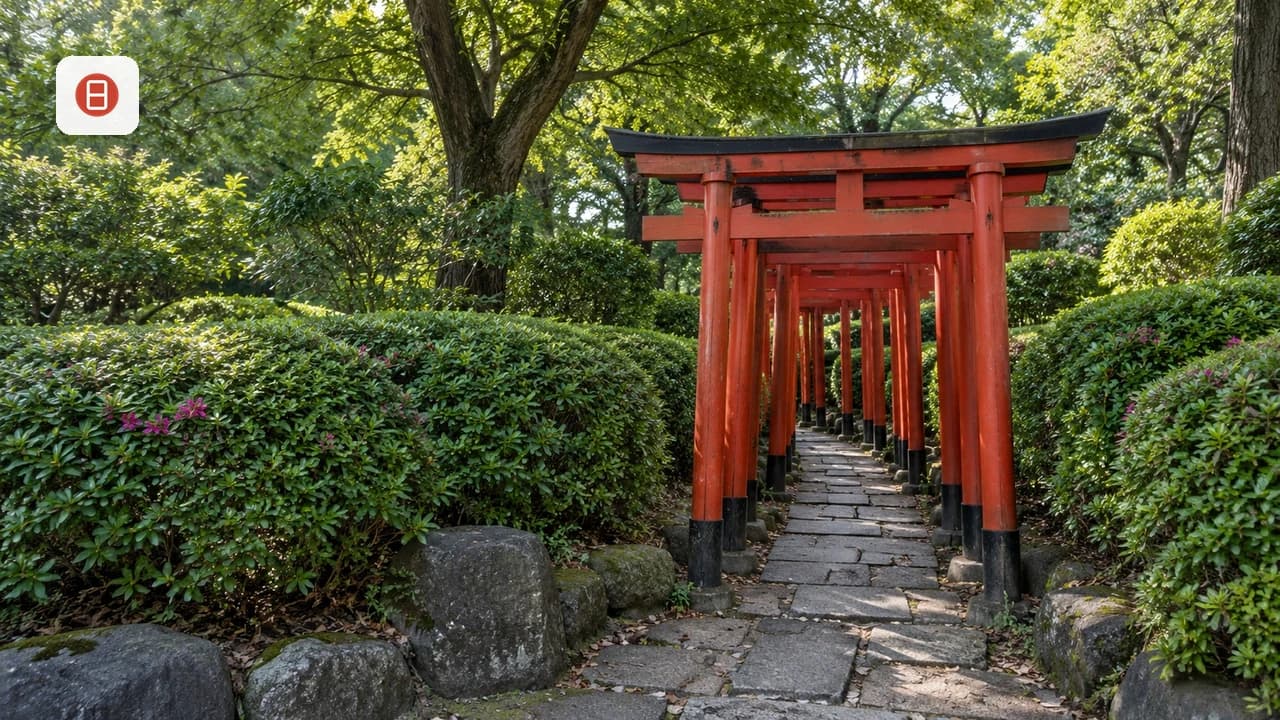
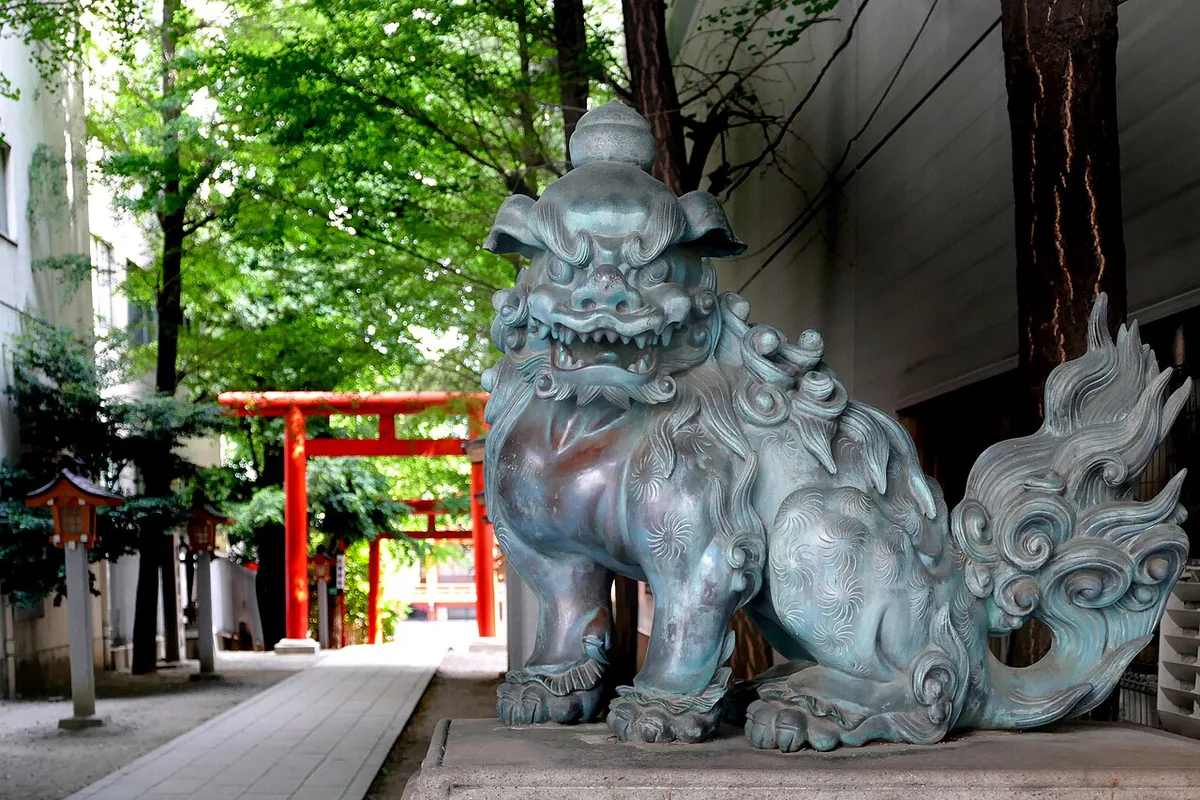
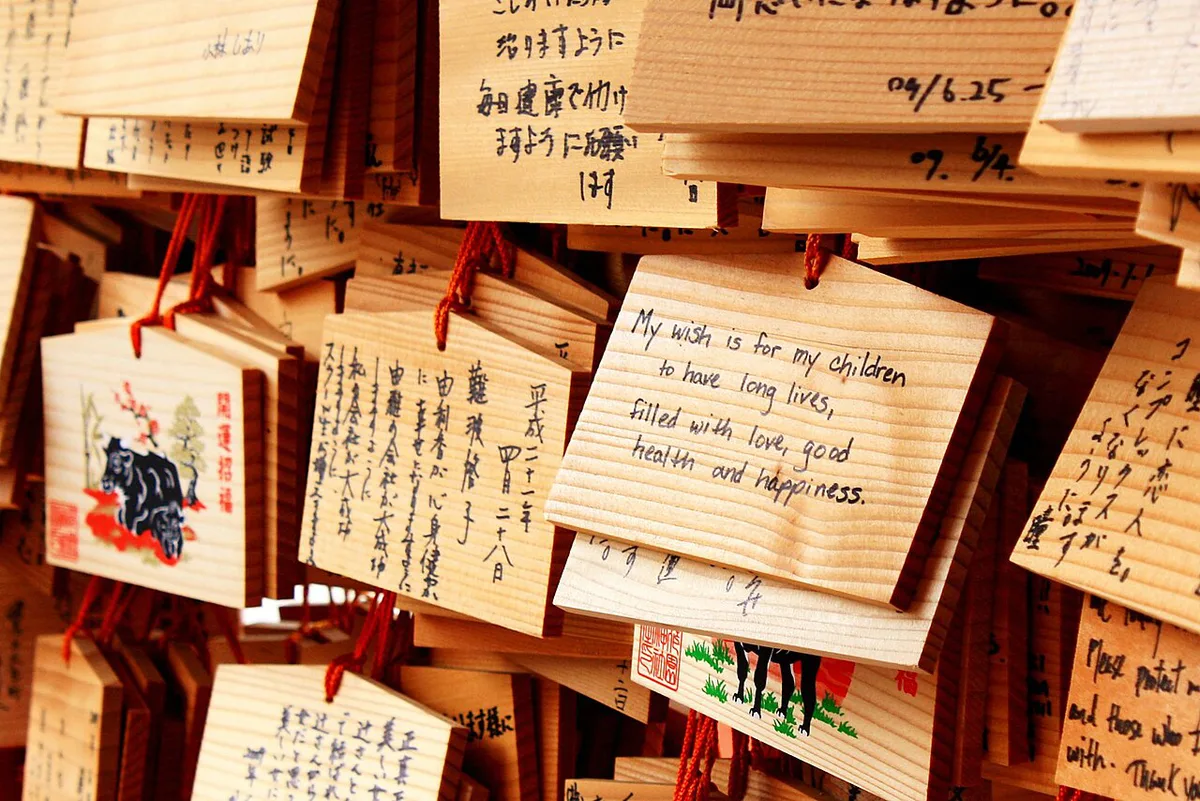
Start at the main hall, the honden. It stands at the top of a stone staircase above a small wooded park. Reinforced concrete construction dates it to 1965. Hanazono is dedicated to Inari Okami, a deity of trade and worldly success. Visitors often call it a fox shrine and stop there. In practice, people come to pray for business, not only to photograph foxes. Three features reward a slower look. The first is Geino Asama Shrine. It is dedicated to the good fortune of performers, and actors and singers pray there before big appearances. Donor names are written on boards that form a wall around the sub-shrine. Next comes Itoku Inari Shrine, a typical Inari sub-shrine with many small red torii gates in front of it. Photographers like it because the gates frame a tight, bright path. Finally, look for the guardian statues near the approaches. Our brief describes bronze lion-dogs (komainu), so check them in person. Cherry trees add a second season in late March and early April. Evening lighting makes a stroll feel quieter than the streets outside.
- Honden (main hall): rebuilt in 1965, Inari Okami
- Geino Asama Shrine: performers' sub-shrine with donor boards
- Itoku Inari Shrine: small red torii gates
- Cherry blossom: late March to early April
Festivals and Events Through the Year
Festival days change the shrine completely. Expect big crowds on those dates. Verify each date before you travel, because several follow lunar or weekday rules. Reitaisai, the main annual festival, runs for three days in late May. More than 100 booths sell sweets and festival food. Mikoshi (portable shrines) leave the shrine, circle the neighborhood and return. Seeing that parade among Shinjuku's modern buildings is the draw. Tori-no-Ichi, the Rooster Market, takes place in November. Stalls sell kumade, decorative lucky rakes, and paper lanterns light the grounds. Our brief cites 600-plus lanterns, so treat the number as approximate. For month-by-month weather and crowd context, see our Tokyo seasonal timing guide. Setsubun in February and New Year's Night prayers also draw visitors. Antique flea markets have been described as running on most Sundays. Our brief says two to three times a month, so check the current schedule first. Karakumi, the avant-garde troupe founded by Juro Kara, sets up its red tent on the grounds about twice a year. That link to Shinjuku's 1960s counter culture still shows.
Plan for late May Reitaisai and festival days can fill 2 hours, so budget more than a quick walk-through.
- February: Setsubun
- Late May: Reitaisai, three days, 100-plus booths, mikoshi parades
- November: Tori-no-Ichi (Rooster Market), kumade and lanterns
- New Year's Night: prayers at midnight
- Sundays: antique flea market, frequency varies
- Twice a year: Karakumi red-tent theater
How to Get to Hanazono Shrine from Shinjuku Station
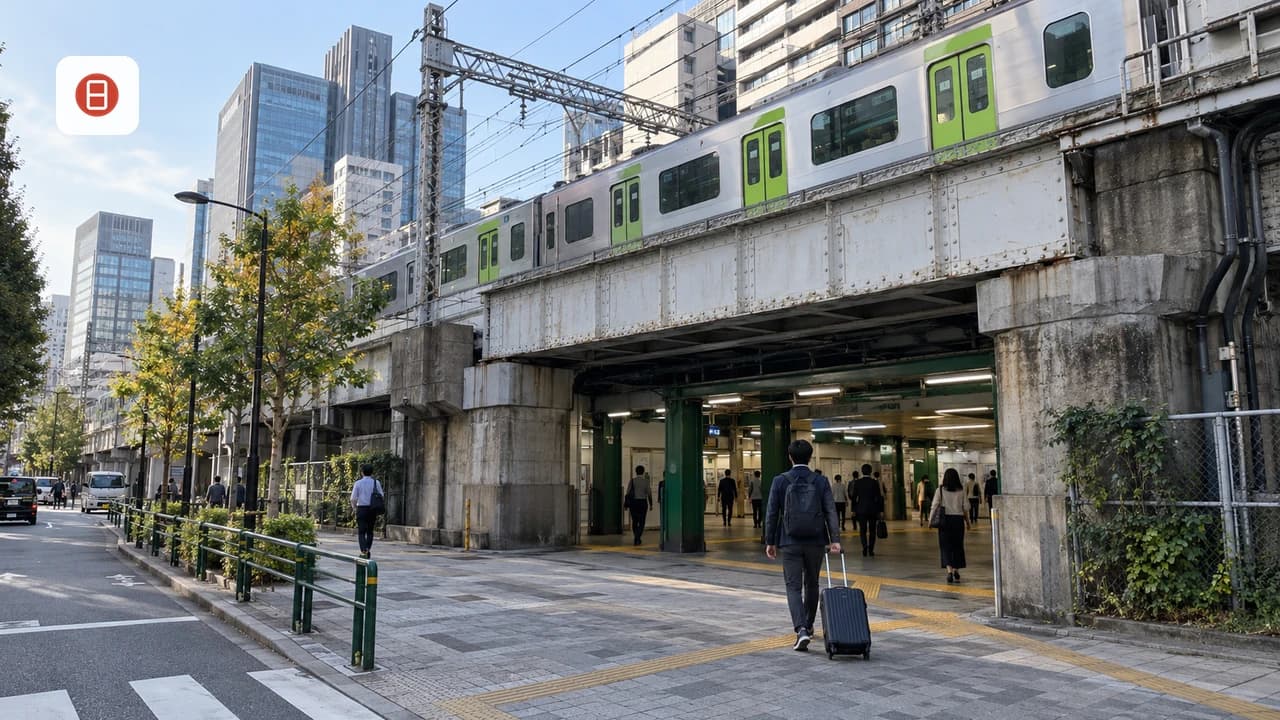
Shinjuku Station can confuse first-timers, so pick a route before you leave. The simplest is the surface walk. Leave via the East Exit and head toward Kabukicho. Turn right onto Yasukuni Dori. After about two minutes, look for a stone torii gate on your left. It sits between a Family Mart and the Tsukiji Sushiko restaurant. A tree-lined path leads straight to the grounds. Our brief rates the full walk at about 7 minutes. Another way in is the large red torii on Meiji Dori. The subway is quicker if you are already on a metro line. Shinjuku-sanchome Station is next to the shrine, with Exit E2 the closest. It is served by the Marunouchi, Fukutoshin and Toei Shinjuku lines. Higashi-Shinjuku Station is also within walking distance. Seibu Shinjuku Station is another option. The official Shinjuku visitor page is worth checking for current access notes.
| Starting point | Route | Notes |
|---|---|---|
| Shinjuku Station | East Exit, then Yasukuni Dori | About 7 minutes on foot |
| Shinjuku-sanchome Station | Exit E2 | Next to the shrine; Marunouchi, Fukutoshin, Toei Shinjuku |
| Higashi-Shinjuku Station | Walk | Fukutoshin and Toei Oedo lines |
| Seibu Shinjuku Station | Walk | Close; check map for current exit |
Best Time to Visit and a 3-Hour Pairing Plan
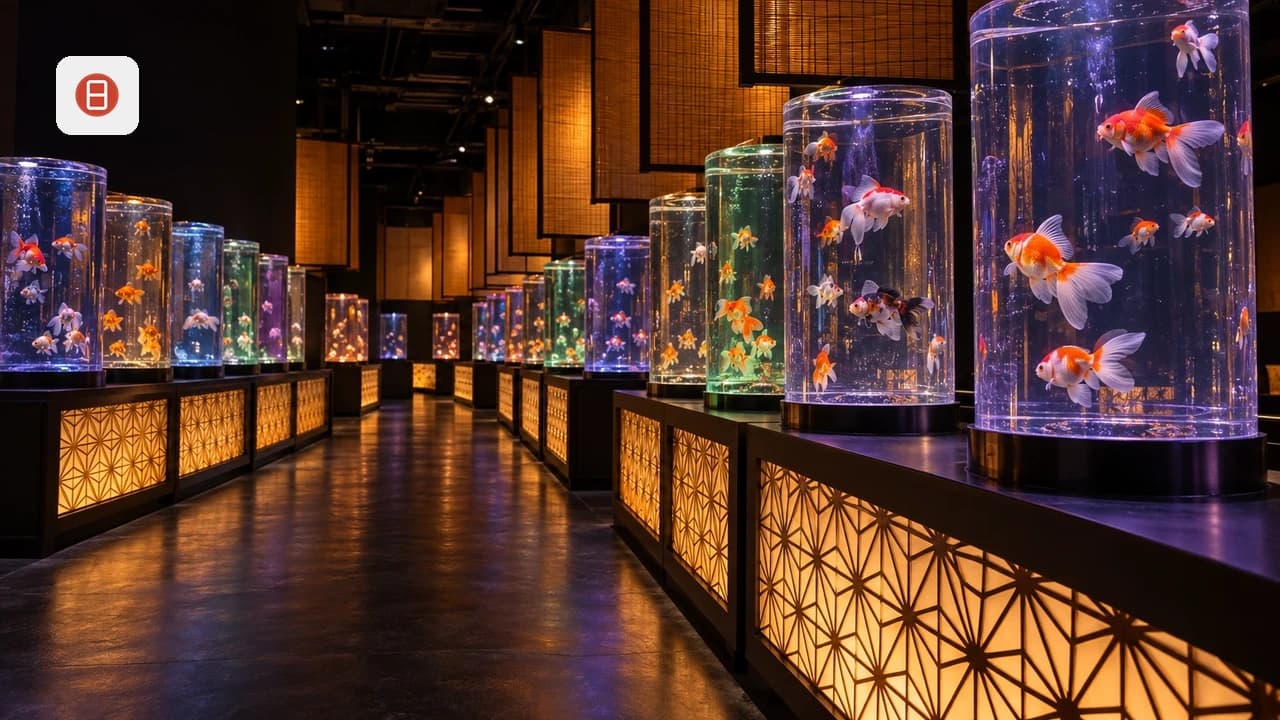
Timing changes the mood more than anything else. Morning gives the quietest grounds and the best light on the stone steps. Evening adds lantern glow and a romantic feel, but also more noise nearby. If solitude is the goal, go before 09:00. If atmosphere matters more, arrive at dusk. Neither is a wrong choice, so decide by your priority. Golden Gai sits next to the shrine. Its tiny bars once served as second homes to writers and artists, and many had a link to the shrine. A simple 3-hour plan follows. Spend 30 to 45 minutes at the shrine. Walk through Golden Gai in the early evening. Finish at Omoide Yokocho for dinner. Seasonal travelers who want a quieter garden afterward can read our Kiyosumi Garden pond-path guide. Another option is modern art. Our Art Aquarium Museum in Ginza guide covers that side. For broader cultural context on Shinto, see our broader Japan planning guide.
For solitude, go before 09:00, then return later if you want a goshuin, since the desk keeps roughly 09:00–17:00.
- Shrine: 30–45 minutes
- Golden Gai: walk the alleys in early evening
- Omoide Yokocho: dinner stop
- Contrast stop: Kiyosumi Garden for a traditional landscape
Where to Stay Near Shinjuku
Staying near the shrine suits some travelers and not others. Pros are quick access to Shinjuku Station and the late-night food scene. Cons are noise and crowds, especially on weekends. Light sleepers should ask for an upper floor or a quieter street. Our brief supplies no nightly rates, so check current prices on booking sites. For hotel options across the city, see our Tokyo hotel picks. Travelers watching costs can compare cheaper Tokyo stays. Either way, a base in Shinjuku puts you within the 7-minute walk to the shrine from the East Exit.
Etiquette and Mistakes to Avoid
Shinto etiquette is simple. Bow lightly at the torii, walk to the side of the center path, and keep your voice low. At the offering hall, the usual routine is two bows, two claps, and one bow. Photography needs extra care when a ceremony is underway. Skip close-ups of priests and worshippers, and avoid blocking the approach. Do not treat Inari only as a photo backdrop. Worshippers pray here for business success. Another mistake is underestimating time. A walk-through takes about 30 minutes, but festival days can fill 2 hours. Arriving late on a Sunday without checking the market schedule is also common. Finally, do not rely on the shrine office for goshuin outside roughly 09:00–17:00. Staff hours can change, so confirm in advance.
Hanazono vs Senso-ji and Meiji Jingu
Hanazono is the smallest of the three in feel, and the most local. Senso-ji in Asakusa is a major temple with heavy tour traffic. Meiji Jingu in Harajuku is larger and more forested. Hanazono is easy to fit into a Shinjuku evening. These comparisons are qualitative, based on our editorial assessment. Pick Hanazono if you want a short, free stop near the station. Pick the others if you want a half-day outing.
| Shrine | Area | Vibe | Best for |
|---|---|---|---|
| Hanazono Shrine | Shinjuku | Small, local, next to nightlife | 30-minute stop, festivals, Golden Gai pairing |
| Senso-ji | Asakusa | Large, busy temple area | Classic sightseeing day |
| Meiji Jingu | Harajuku | Large, wooded grounds | Longer, quieter walk |
Frequently Asked Questions
Is Hanazono Shrine free to visit?
Yes, admission is free. Grounds are open 24 hours. The shrine office usually keeps roughly 09:00–17:00, so confirm hours for goshuin.
How do I get to Hanazono Shrine from Shinjuku Station?
Leave by the East Exit and head toward Kabukicho. Turn right on Yasukuni Dori. Look for a stone torii between Family Mart and Tsukiji Sushiko after about two minutes. Our brief rates the full walk at roughly 7 minutes.
Which station is closest to Hanazono Shrine?
Shinjuku-sanchome Station is closest, via Exit E2. It is served by the Marunouchi, Fukutoshin and Toei Shinjuku lines. Higashi-Shinjuku and Seibu Shinjuku are also within walking distance.
When is the Tori-no-Ichi festival?
It happens in November. Dates follow the Rooster day calendar, so verify the exact days before you go. Expect kumade stalls, lanterns and heavy crowds.
How long should I spend at Hanazono Shrine?
Plan about 30 minutes for a walk-through. Allow up to 2 hours during a festival. Add Golden Gai for a 3-hour evening.
Free: The Tokyo Essentials guide
Top things to do, where to stay, a perfect day plan, getting around, and the best time to go — a Tokyo mini-guide you can take offline.
You might also like

Continue reading
More guides you'll find useful