Toei Kyoto Studio Park Guide: Japan's Real-Life Samurai Film Set
Visit Toei Kyoto Studio Park in 2026 with UZUMASA KYOTO VILLAGE updates, costume rentals, ninja shows, and Evangelion Kyoto Base tips.
On this page
Last updated July 2026, Toei Kyoto Studio Park remains Japan's only jidaigeki theme park. Visitors can explore a working Edo-period film set where crews still shoot more than 200 productions a year. A phased renovation rebranded the park as UZUMASA KYOTO VILLAGE and extended closing time from 17:00 to 21:00. This guide covers access, costume rentals, family shows, 18+ attractions, and the 2026 changes.
What Is Toei Kyoto Studio Park (UZUMASA KYOTO VILLAGE)?
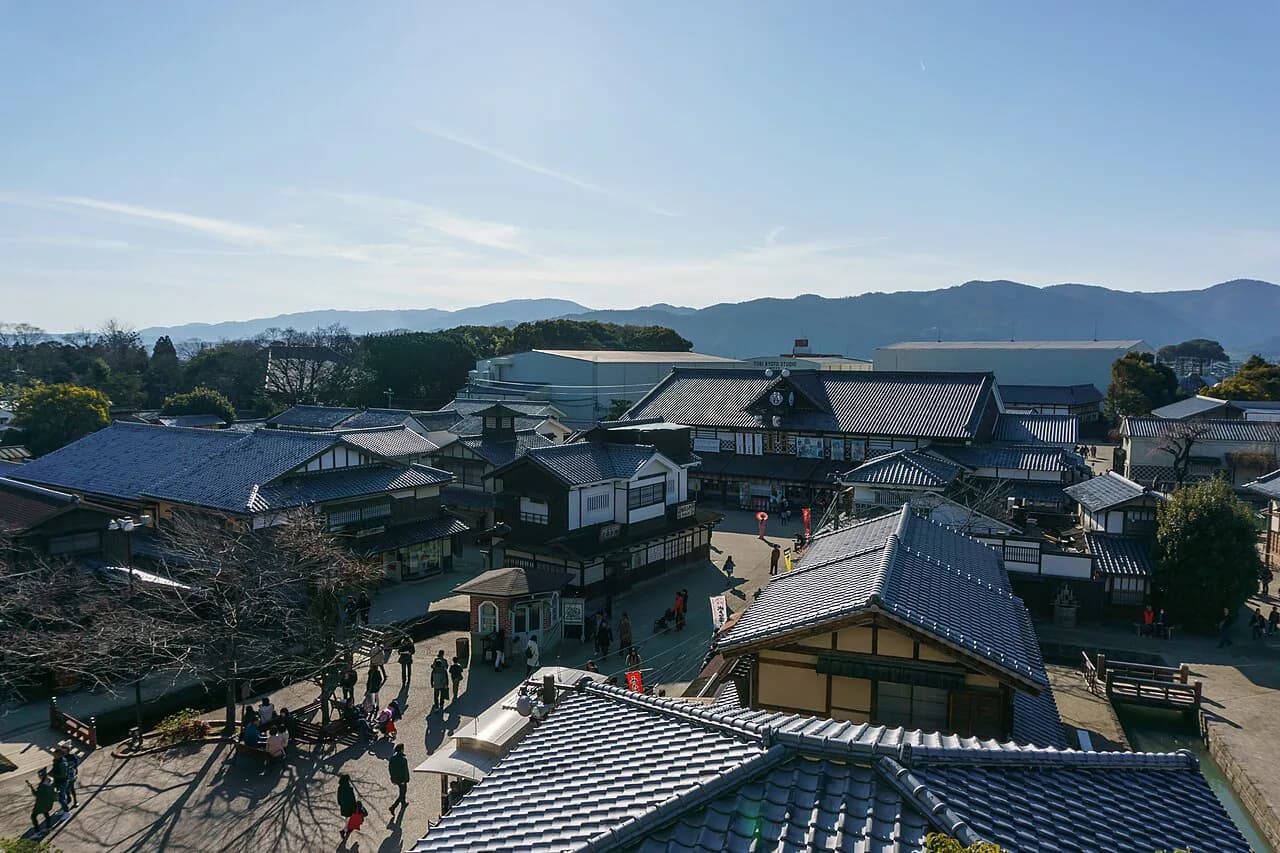
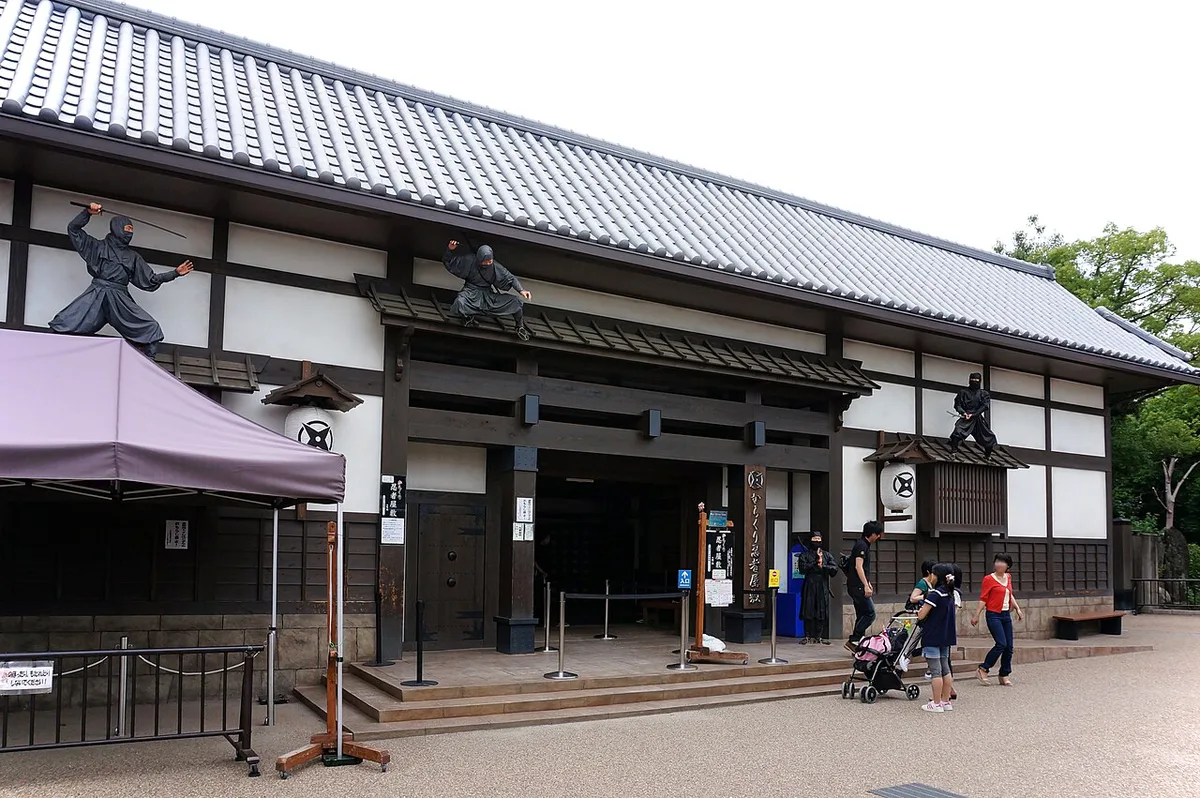
Toei Kyoto Studio Park opened on November 1, 1975, as a public extension of Toei's working Kyoto film studio. The site has hosted filmmaking since 1926. Its recreated Edo-period street covers roughly 5.3 hectares, where performers, teahouses, film crews, and visitors share the space. Because productions still shoot here, visitors may see a real jidaigeki set in use. In 2026, the operator rebranded the site as UZUMASA KYOTO VILLAGE while retaining its family attractions.
The 2026 Renovation and UZUMASA KYOTO VILLAGE Rebrand
Toei announced a major refurbishment in 2023, with the first phase timed to the park's 50th anniversary. The park closed from February 24 through March 27, 2026, then reopened on March 28 as UZUMASA KYOTO VILLAGE. A second phase is scheduled for 2027, while a third phase has no confirmed date. The first reopening also extended closing time from 17:00 to 21:00. Check the official park site for current hours and renovation notices.
- Phase 1: Closed 24 Feb–27 Mar 2026, reopened 28 Mar 2026 as UZUMASA KYOTO VILLAGE
- Phase 2: Scheduled for completion in 2027
- Phase 3: Planned, no confirmed date
- Closing time extended from 17:00 to 21:00 post-reopening
Getting to Toei Kyoto Studio Park: Access and Timing
The park sits in Ukyo-ku, on the western side of Kyoto. Reach it from Kyoto Station via the JR Sagano Line to Uzumasa Station or the Randen tram line. Both routes leave only a short walk to the entrance. The post-renovation hours also make an evening visit possible for travelers spending the morning at temples or museums. Because the site remains a working film studio, occasional filming can affect access to specific streets or sets. Build in flexible timing if one set is central to your visit.
The extended 21:00 closing time creates a strategic advantage. Daytime filming occasionally restricts Edo-street and set access, so evening visits offer uninterrupted exploration of the park's signature outdoor sets without active production blocking the path.
Ticket Strategy: Standard Entry vs. the Attraction Pass
Toei Kyoto Studio Park sells standard entry separately from an Attraction Pass. The pass covers paid experiences such as the Ninja Mystery House, Haunted House, and 3D Maze. It generally offers better value when you plan to try several paid attractions. Standard entry may be enough for visitors focused on the Edo streets, free shows, and Evangelion Kyoto Base photo opportunities. Confirm current UZUMASA KYOTO VILLAGE pricing directly with the park before visiting.
Top Jidaigeki and Traditional Culture Experiences
The heart of the park is the recreated Edo-period street set, used for more than 200 film and TV productions a year. Visitors can walk freely among buildings like the Miura-ya geisha teahouse replica and the Kitamachi Magistrate's Office. The returning ninja show, The Highway of the Ninja, is a renewed version of the park's original signature performance, distinct from the newer NINJA MISSION show. Both lean on live stunts and staged choreography rather than pure special effects. Beyond the shows, the park runs Oedo Street Performances featuring traditional arts familiar from period dramas, plus cultural experience sessions covering tea ceremony, flower arranging, Noh, Kyōgen, Kyoto-style dancing (Kyōmai), and shamisen. Look out too for the 360-degree real-time drama performance built around a bridal procession theme, staged directly on the street sets.
Costume Transformations: Are the 4 Rental Courses Worth It?
The park's Transformation Experience lets you dress as a figure from the Edo period — samurai, geisha, or ninja among the options. You can then walk the street sets in costume, with four separate rental courses available. For a short visit of around three hours, weigh how much of that time you're willing to spend in costume versus seeing attractions and shows. This is because the changing process and photo time both eat into a compressed schedule. Families visiting with children get the most straightforward return on a costume course, since kid-sized samurai, geisha. Ninja outfits are designed specifically for photo moments against the Edo street backdrop rather than extended wear. Note that the Ninja Costume Rental Shop recently changed location within the park, so confirm the current counter position when you arrive rather than relying on an older map.
Costume rentals deliver best value for families with children through specialized kid-sized outfits, but Kyoto's summer humidity and the park's outdoor layout demand careful contingency planning. Layered costumes amplify thermal stress on hot days. As a result, adequate hydration breaks are essential.
Modern Pop Culture: Evangelion Kyoto Base and Character Shows
Evangelion Kyoto Base, added in 2020, centers on a 15-meter statue of EVA-01's upper body, described by the park as the world's first EVA installation visitors can actually board. The signature photo opportunities are inside the Entry Plug and on the Evangelion's right hand. Beyond Evangelion, the park runs a rotating slate of Super Sentai and Kamen Rider character shows and photo sessions. Recent examples include a Gozyu Wolf photo session tied to Sentai Gozyuger and a Kamen Rider Zetts appearance — alongside a Toei Characters Costume Photo Studio for posed shots. For younger children specifically, the park periodically runs an Idol Pretty Cure high-five event. This is worth checking the current events calendar for if a Pretty Cure fan is in your group. This is because these character appearances rotate rather than run permanently.
Interactive Attractions, Thrills, and 18+ Experiences at Toei Kyoto Studio Park
The attraction lineup spans a wide range of intensity. The Ninja Mystery House and 3D Maze use deliberately disorienting layouts. NINJA BATTLE and the climbing attraction add more physical challenges for older children and adults. The park presents the Most Terrifying Haunted House as its most intense scare experience. UZUMASA KYOTO VILLAGE also introduced two attractions restricted to guests 18 and over: a chō-han dice game and a simulated historical interrogation. Gentler choices include samurai training, archery, and shuriken throwing.
- Ninja Mystery House / Ninja Escape Room
- 3D Maze: The Ninja Fort
- NINJA BATTLE and ninja climbing attraction
- The Most Terrifying Haunted House (with Hirofumi Gomi)
- Chō-han gambling hall (18+, for-fun play only)
- Historical interrogation exhibit (18+)
- Samurai dojo, kyudojo archery, and shuriken dojo
Dining and Shopping at the Park
Check current dining status before you build a meal into your visit: the park's long-running Kyoto Udon restaurant Kaikatei has closed, per the operator's own notices. As a result, confirm which themed restaurants are currently operating when you arrive. For souvenirs, the park's shops lean into its two identities: Edo-period jidaigeki gear such as ninja equipment and samurai-themed items, plus Toei Animation merchandise tied to the park's anime partnerships, including Evangelion. This gives you studio-exclusive options you won't find at typical Kyoto souvenir stops.
Pairing Toei Kyoto Studio Park With Nearby Kyoto Sites
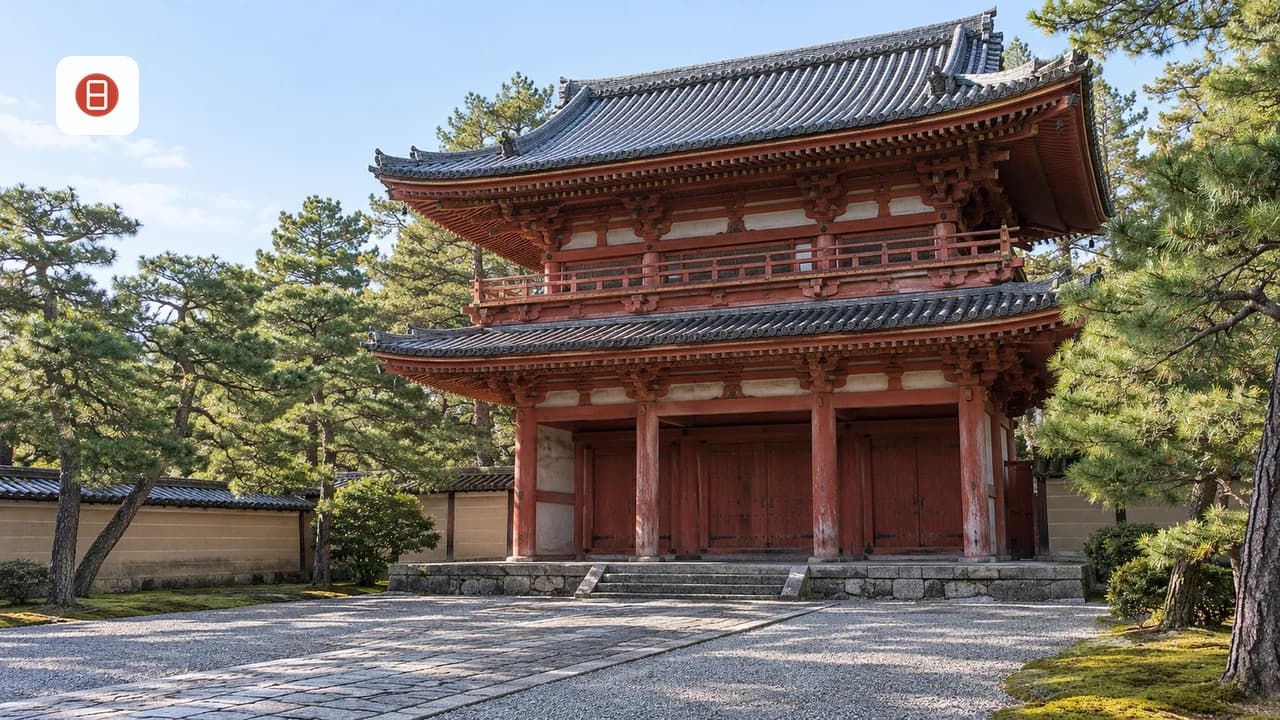
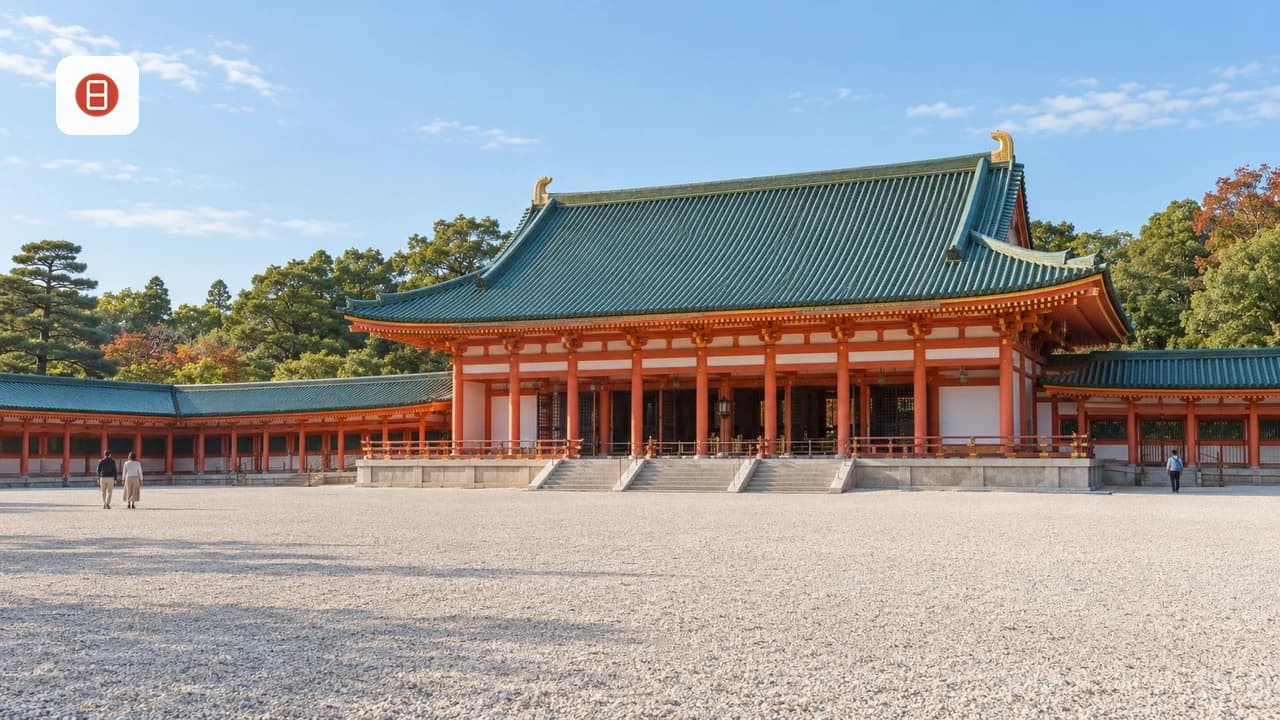
Because the park's Edo-period streets are a constructed film set rather than a preserved historical district, pairing the visit with genuinely historic sites gives a trip useful contrast. A walk along the Philosopher's Path in Kyoto offers that counterpoint on the same day or trip, setting the park's built environment against real canal-side scenery and temples. History-focused travelers can extend the theme further with a stop at the Kyoto Imperial Palace grounds or the UNESCO-listed Daigoji temple complex. Both sites root the Edo-period atmosphere the park recreates in an actual historical setting. Transport enthusiasts and families with kids who enjoyed the park's mechanical and set-piece attractions often continue on to the Kyoto Railway Museum. It provides a second hands-on, family-friendly stop in the same part of the city. If your itinerary has an extra day and you want to balance built attractions with nature, the Kurama to Kibune hiking trail is a way to get out of central Kyoto entirely.
| Site | Best For | Why Pair With the Park |
|---|---|---|
| Philosopher's Path | General visitors | Canal-side scenery and real temples provide contrast to the constructed Edo-period set |
| Kyoto Imperial Palace | History-focused travelers | Actual historical Edo-period context grounds the park's recreation in real history |
| Daigoji Temple (UNESCO) | History-focused travelers | UNESCO-listed authentic Edo-period setting anchors the park's atmospheric recreation |
| Kyoto Railway Museum | Transport enthusiasts, families with kids | Hands-on family-friendly alternative with similar mechanical and set-piece appeal |
| Kurama to Kibune Hiking Trail | Extra-day visitors, nature-focused | Outdoor natural scenery balances built attractions and urban experience |
Mistakes to Avoid When Visiting Toei Kyoto Studio Park
Do not build a visit around guaranteed filming. The park is a working studio that shoots frequently. However, active production on a given day is never certain, and treating it as a must-see rather than a possible bonus avoids disappointment. The park is largely an outdoor set. As a result, Kyoto's summer heat and humidity or sudden rain can significantly affect comfort on the street sets. Plan hydration, shade breaks, and rain gear accordingly, especially if you've also booked a costume rental course that adds layers. Finally, keep the closure and rebrand history in mind: the park shut for a full month (24 February–27 March 2026) during its first renovation phase. Further phased work is scheduled through 2027. As a result, always confirm open dates directly with the operator before finalizing travel around a specific date.
See our Kyoto tourism attractions guide for the broader city overview.
Planning sources: UZUMASA KYOTO VILLAGE · JNTO visitor overview. Further reading: Kyoto on Wikivoyage · Kyoto on Wikipedia
Frequently Asked Questions
What is Toei Kyoto Studio Park now called?
The park reopened in March 2026 under the name UZUMASA KYOTO VILLAGE. The original Toei Kyoto Studio Park name remains widely used.
Is Toei Kyoto Studio Park open in 2026?
Yes. It reopened on March 28, 2026, as UZUMASA KYOTO VILLAGE with hours extended to 21:00. Check for closures related to the next renovation phase.
How do you get to Toei Kyoto Studio Park from Kyoto Station?
Take the JR Sagano (San-in) Line to Uzumasa Station, or use the Randen (Keifuku) tram line, which also serves the Uzumasa area near the park.
Are all attractions at Toei Kyoto Studio Park suitable for kids?
No. Most attractions, including the ninja shows, costume rentals. Character events like the Pretty Cure high-five, are family-friendly. However, the chō-han gambling hall and the historical interrogation exhibit added during the 2026 rebrand are restricted to guests aged 18 and over.
Is the Attraction Pass worth buying at Toei Kyoto Studio Park?
If you plan to visit multiple paid attractions such as the Ninja Mystery House, the Haunted House, or the 3D Maze, the Attraction Pass is generally more cost-effective than paying per attraction. If you're mainly there for the free street sets and shows, standard entry may be enough.
Can you actually see filming at Toei Kyoto Studio Park?
Sometimes. The park sits inside Toei's working Kyoto Studio, which shoots more than 200 productions a year. Visitors are occasionally able to watch filming in progress. However, it is not guaranteed on any given day.
Free: The Kyoto Essentials guide
Top things to do, where to stay, a perfect day plan, getting around, and the best time to go — a Kyoto mini-guide you can take offline.
You might also like


Continue reading
More guides you'll find useful