Kyoto Gyoen National Park Guide: Palace Tours & Best Viewpoints
Plan your visit to Kyoto Gyoen National Park. Learn how the free public garden differs from the Imperial Palace, plus entrances, seasonal highlights, and etiquette.
On this page
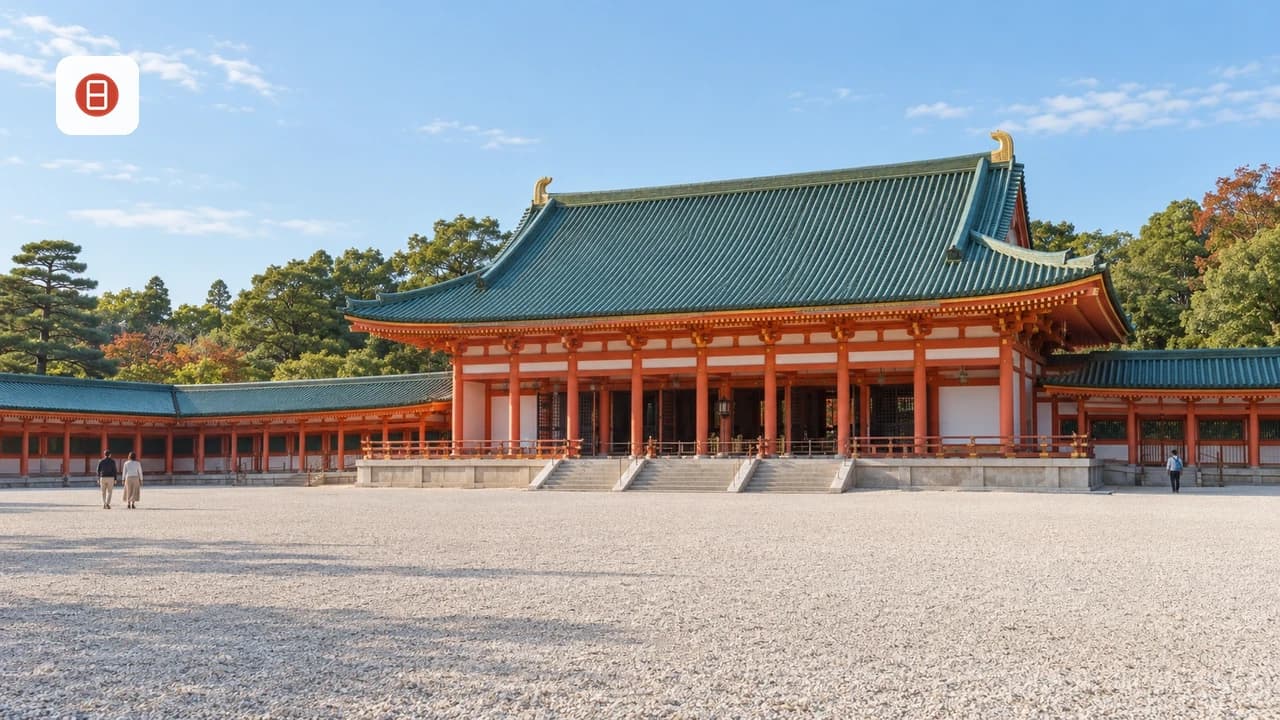
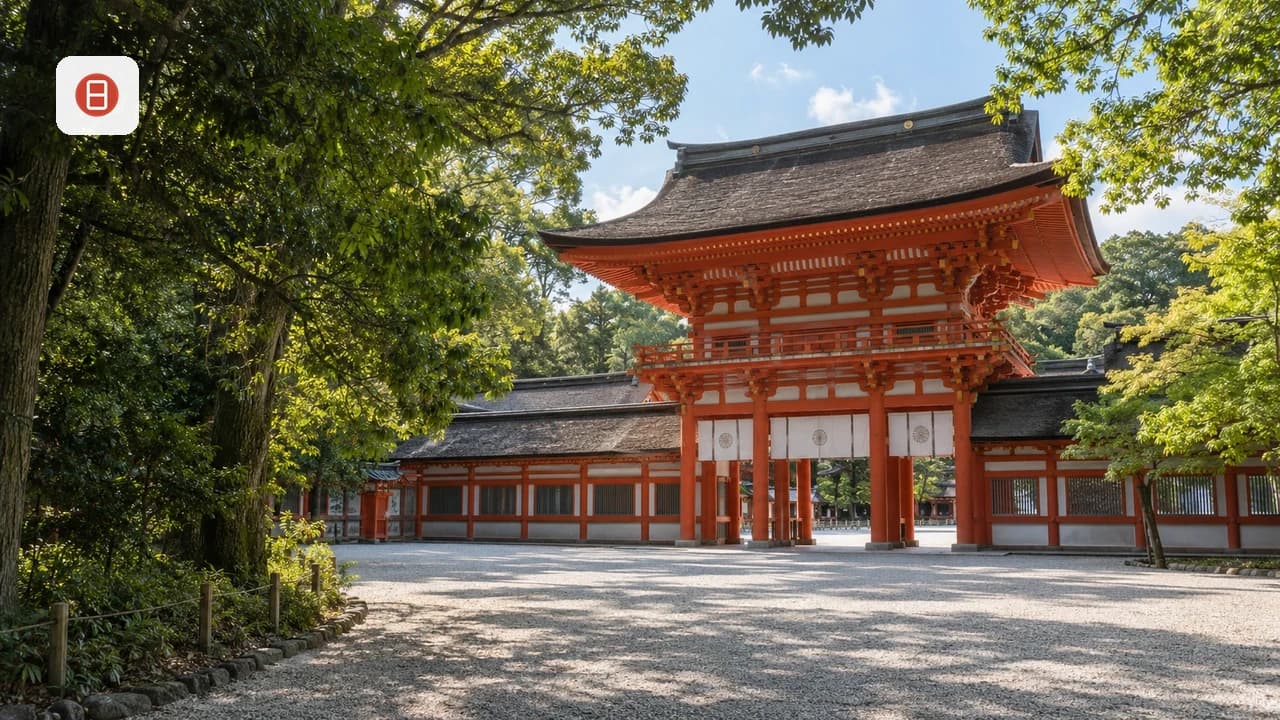
Last updated October 2026. Kyoto Gyoen National Park, officially the Kyoto Gyoen National Garden, is a large public green space around the old Imperial Palace grounds in Kyoto. This guide separates the open garden from the palace sites that have their own rules, then shows which entrance, route, and season suit your trip.
Understanding Kyoto Gyoen: Park vs. Palace
Most confusion starts with three names. Kyoto Gyoen is the public garden. Kyoto Gosho is the Kyoto Imperial Palace, which sits inside it. Sento Imperial Palace is a separate imperial site with its own booking rules.
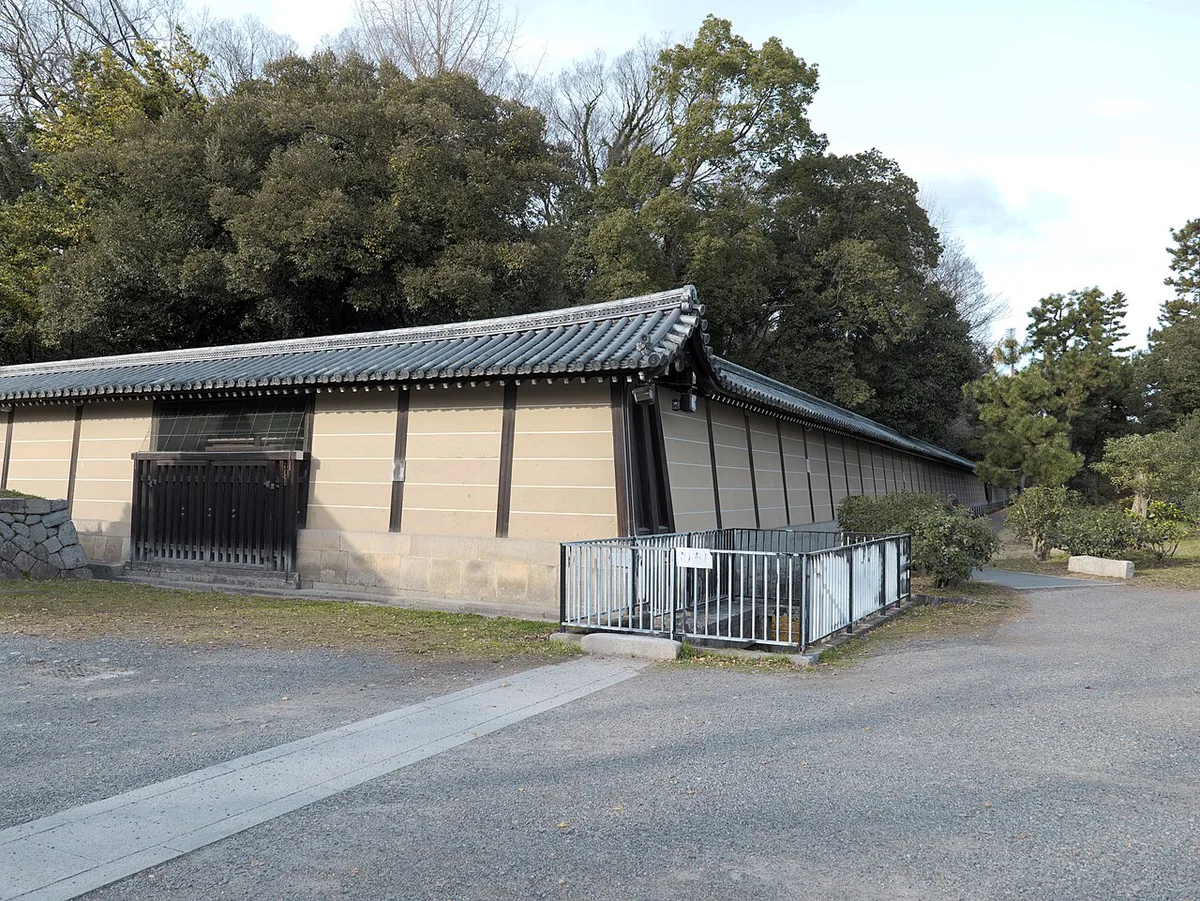
One local history point explains the layout. Kyoto's Imperial Palace housed the imperial family until 1868, when the capital moved to Tokyo. After that, buildings were removed and Kyoto Gyoen was established to preserve the palace setting. Today it works as a green space in the middle of the city.
The garden is managed as a national garden, and the official Kyoto Gyoen site carries the facility map, bloom reports, and event notices. A typical visit is a walk, not a ticketed attraction. You can pass through without a reservation, even though the palace buildings follow separate rules.
Do You Need a Reservation? Quick Decision Table
Use this table to decide before you leave your hotel. Rules change, so confirm each entry on the relevant official page.
| Site | Entry | Reservation | Best for |
|---|---|---|---|
| Kyoto Gyoen grounds | Free | None; a walking park open 24 hours | Strolling, blossoms, picnics, morning exercise |
| Kyoto Imperial Palace (Kyoto Gosho) | Free | Usually not needed now; check current rules | Palace architecture and gates |
| Sento Imperial Palace | Free | Booking required | Travelers who plan ahead and want a formal visit |
| Kyoto State Guest House | Check official page | Check official page | Visitors with spare time who like architecture |
- Walk the grounds if your day is short or unplanned.
- Add the Imperial Palace if you want buildings, not just trees.
- Book Sento Imperial Palace only if you can commit to a fixed time.
- Skip the palace sites on Mondays unless you have confirmed they are open.
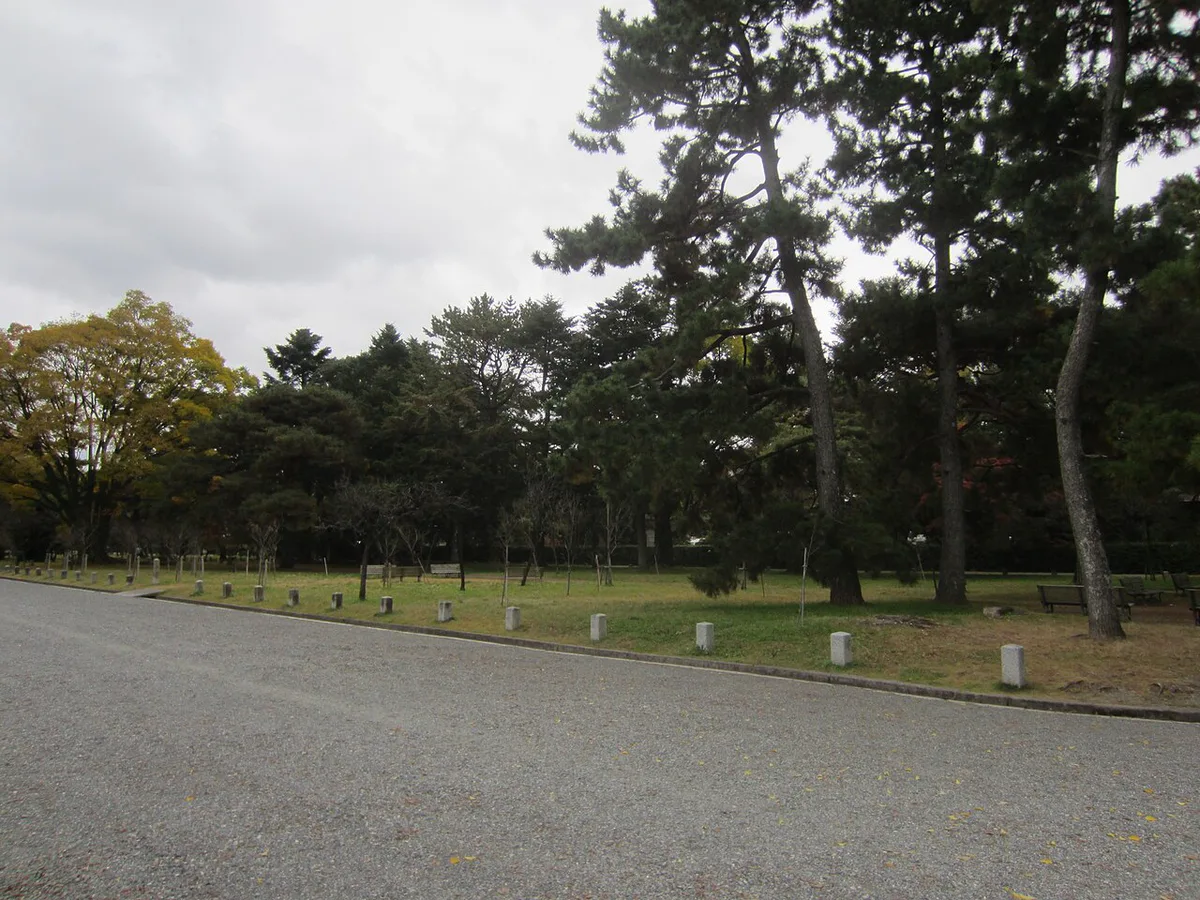
Top Things to See in the National Garden
Kyoto Gyoen rewards slow walking more than ticking off a list. Stay on the main routes first, then branch into the quieter corners.
- Weeping cherry trees (shidarezakura): the best-known spring scene. One travel blogger described a strong contrast between pale pink blossoms and bright green grass.
- Plum grove (ume): a good option in February and March, before the cherry season.
- Mother and Child Forest: a wooded area that the official site marks with a 40th anniversary autumn nature class.
- Kaninnomiya Mansion: a historic building inside the grounds, worth a stop if you like architecture.
- Shusuitei, a surviving Kujo family structure: the official site lists it among the historic features.
- Itsukushima Shrine: a small shrine in the garden, listed in the brief as a Kyoto Gyoen version.
- Open lawns and sports facilities: the official site groups these under relaxing and exercising.
The Imperial Sites: Kyoto Gosho and Sento Imperial Palace
Kyoto Gosho is the main historic draw. Guidance for entry has become easier in recent years, and you often no longer need a reservation. Verify this before you go, because palace access is the part most likely to change. The Imperial Household Agency administers the imperial sites.
Sento Imperial Palace works differently. Entry is free, yet you must reserve. Treat it as a planned half-day item, not a drop-in. Do not mix it up with the free, unreserved garden walk.
Hours matter here. The garden grounds are generally open 24 hours. The Imperial Palace and the State Guest House have set hours and are often closed on Mondays. Check closure days for your travel dates before you arrive.
Seasonal Highlights: Beyond the Spring Cherry Blossoms
Spring is the headline season. Cherry blossom timing is hard to predict, and one visitor reported arriving about a week too early. Another noted that late-blooming trees drew very large crowds. Plan flexible dates if you want weeping cherries.
Autumn trips can also line up with the 40th anniversary autumn nature class, so check the official news list alongside bloom updates.
February and March suit the plum grove. Autumn works too. The official site posted a bloom update on October 6, 2026, and it posts these updates throughout the year. Check that page for what is flowering when you arrive.
Jidai Matsuri, the Festival of the Ages, connects to the park. The official site posted a notice about parking on the 2026 festival day. Expect heavy crowds and plan to travel by transit instead of driving.
Other autumn and winter notices appear on the official news list. Recent examples include an augmented-reality history walk event and events tied to the 400th anniversary of a historic imperial visit. Availability changes, so check before you plan around them.
Logistics: Access, Entrances, and Opening Hours
Pick your entrance by which sights you want first. From the north, use Imadegawa Station. From the south, use Marutamachi Station. Starting north or south changes the order in which you meet the garden's features.
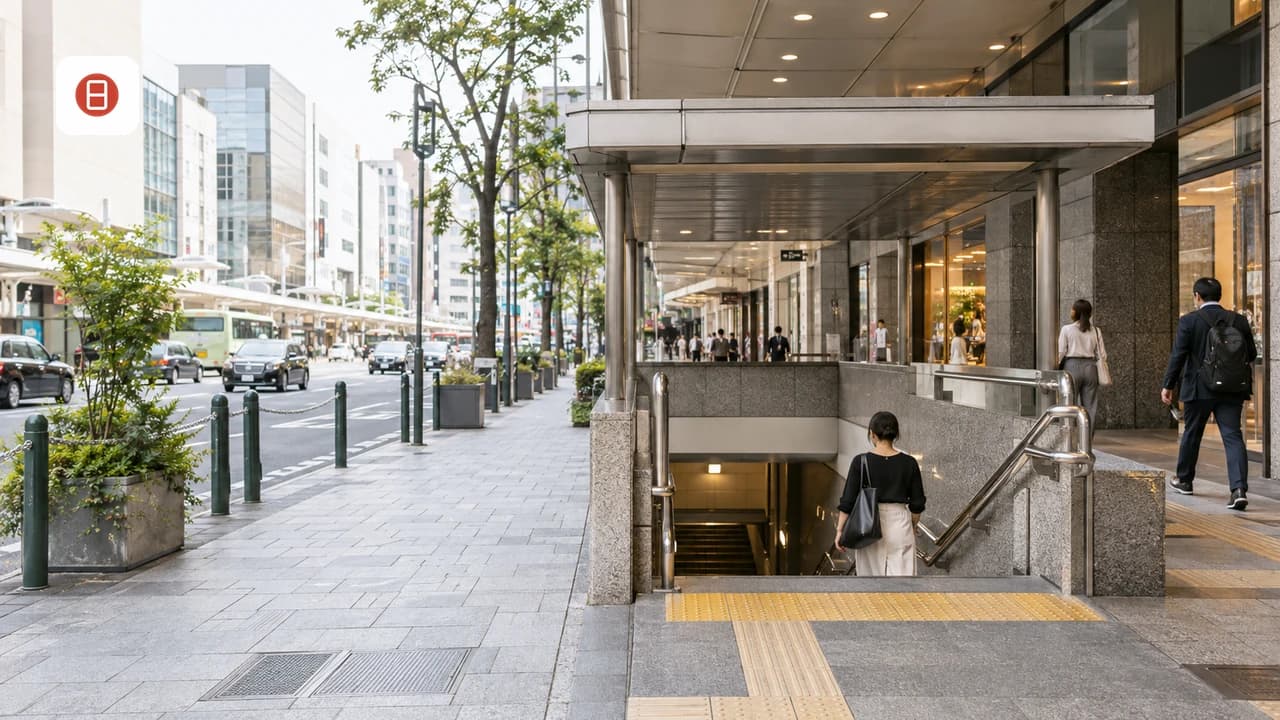
For southern approaches, Kawaramachi Station access is a useful starting point. Its official station page lists visitor information.
The grounds open 24 hours, and the address is in Kamigyo Ward, Kyoto 602-0881. Palace buildings and the State Guest House keep shorter hours. Plan daytime visits for anything with a building.
- North start: Imadegawa Station.
- South start: Marutamachi Station.
- Grounds: open 24 hours.
- Palace and guest house: set hours, often closed Mondays.
- Surface: thick gravel paths.
Who Should Skip It, and What Else to Consider
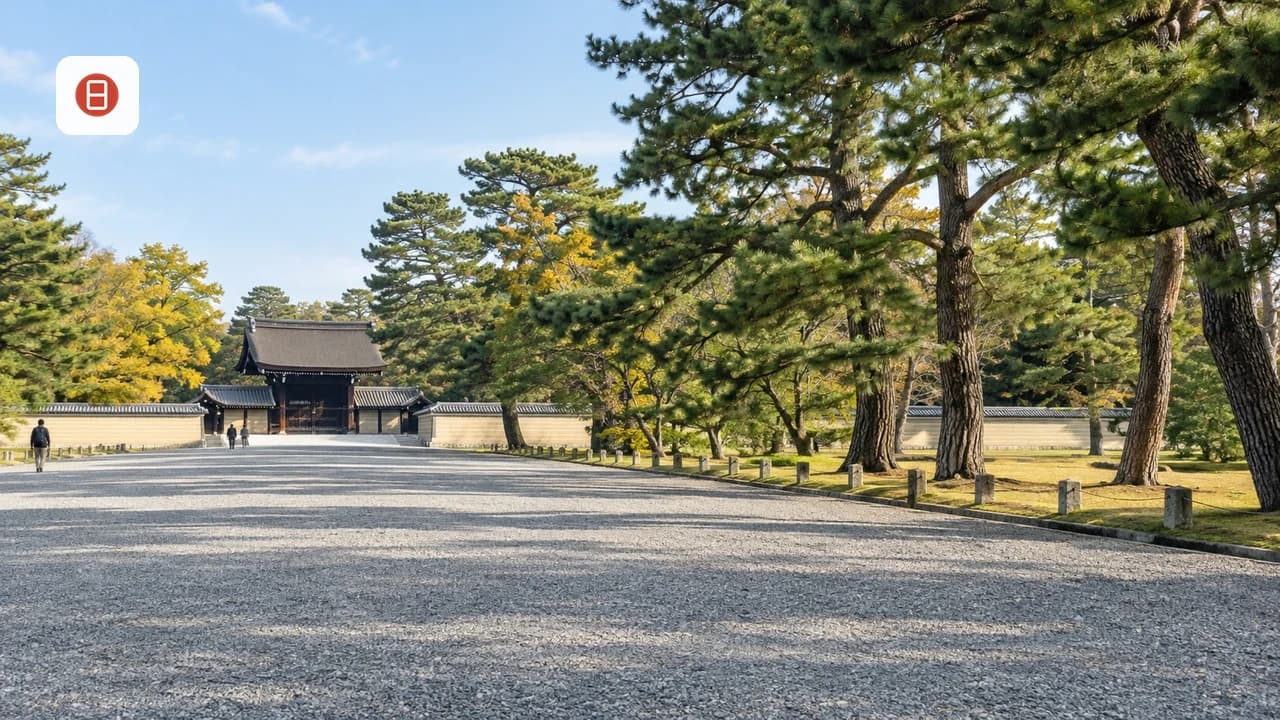
Kyoto Gyoen is large and the gravel is thick. If your time is short, or walking on loose gravel is hard for you, prioritize a smaller, manicured garden. Narrow paved strips run beside some paths. Wear sturdy shoes either way.
A good alternative is Okochi Sanso Garden. Its official visitor page has planning details. It suits travelers who want a tighter, more composed garden visit.
For contrast, consider Toei Kyoto Studio Park. It is a film-set experience, so it feels very different from the authentic history here. Pair it with Gyoen only if you want both styles in one trip.
Where to Stay and Nearby Attractions
Staying near the park lets you visit early, when paths are quiet. Decide on your base with our guide to choosing a neighborhood. Then compare Kyoto hotel options once you know the area.
Since the grounds are open 24 hours, a nearby base lets you walk the paths early. Palace buildings still follow their own set hours.
For the wider picture, see other Kyoto sights to combine with a Gyoen morning. If this is part of a longer trip, wider Japan planning helps with sequencing.
Visitor Etiquette and Mistakes to Avoid
Most mistakes come from treating all three sites alike. Do not assume the grounds' 24-hour access applies to palace buildings. Do not assume Sento Imperial Palace works without a booking.
Follow the usage manners that the official site publishes. Keep to paths near palace walls and buildings. Take litter with you, and stay off areas marked closed. During bloom weeks, give photographers room around the weeping cherries.
Check the official news page for temporary closures. One recent notice covered the end of a restroom outage during water works, and another covered a pause in a VR theater. Small items like these can affect a visit.
Frequently Asked Questions
Is Kyoto Gyoen National Park free?
Yes. Entry to the garden is free. Kyoto Imperial Palace entry is also free, and Sento Imperial Palace is free but requires a reservation.
What is the difference between Kyoto Gyoen and the Kyoto Imperial Palace?
Kyoto Gyoen is the public garden surrounding the palace. Kyoto Gosho, the Imperial Palace, sits within the grounds and has its own hours and rules.
Is Kyoto Gyoen open 24 hours?
The grounds are generally open 24 hours. Palace buildings and the State Guest House keep set hours and are often closed on Mondays. Confirm closure days before you go.
Do I need a reservation for Sento Imperial Palace?
Yes. Booking is required, even though entry is free. Make the reservation before your trip and keep it separate from your garden walk.
Which entrance should I use?
Use Imadegawa Station for the north entrance. Use Marutamachi Station for the south. Your choice changes which sights you reach first.
When is the best time to see cherry blossoms there?
Spring is the main season, but timing varies from year to year. Check the official bloom updates before you travel. For earlier color, try the plum grove in February and March.
Free: The Kyoto Essentials guide
Top things to do, where to stay, a perfect day plan, getting around, and the best time to go — a Kyoto mini-guide you can take offline.
You might also like
Continue reading
More guides you'll find useful