9 Best Areas to Stay in Kyoto Travel Guide (2026)
Find the best area to stay in Kyoto with our 2026 guide. Compare neighborhoods like Gion and Downtown for the perfect Japan trip base.
On this page
After five trips to this historic city, I have stayed in almost every major district to find the perfect base. Our editors have reviewed dozens of properties to determine the best area to stay in Kyoto for every traveler. Choosing the right neighborhood ensures you spend more time at temples and less time stuck on crowded city buses.
Kyoto is a city of distinct pockets, each offering a vastly different atmosphere once the sun goes down. While some areas pulse with modern nightlife and shopping, others retain the quiet, wooden-clad charm of old Japan. Understanding the geography of the Kamo River and the subway lines is essential for a stress-free visit. I recommend looking at a detailed neighborhood map before finalizing any non-refundable hotel bookings.
How to Choose Your Base in Kyoto
The single most important decision before booking accommodation is deciding what type of traveler you are. If you plan to visit temples from 8:30 AM and are back at your hotel by 9:00 PM, almost any central district works well. If you want late-night dining, sake bars, and spontaneous wandering, you need to be in a specific cluster of streets near the Kamo River.
Budget is the second filter. Mid-range hotels in the best central locations run roughly 15,000 to 35,000 JPY per night in 2026. Luxury ryokans in Gion or Higashiyama can easily exceed 80,000 JPY per night including dinner and breakfast. Business hotels near Kyoto Station undercut both by offering clean, compact rooms from 8,000 JPY per night.
Transit access shapes everything. Kyoto has two subway lines, the Karasuma (north-south) and the Tozai (east-west), plus several private rail lines and an extensive bus network. Hotels within five minutes of a subway station give you genuine freedom. Hotels that depend entirely on buses can cost you 30 to 45 minutes each way during peak tourist season when routes run slow.
| Neighborhood | Price Range (JPY/night) | Best For | Key Advantage |
|---|---|---|---|
| Downtown Kyoto | 5,000-28,000 | First-time visitors, couples, groups | Best balance of convenience and variety |
| Gion | 20,000-60,000+ | Couples, honeymooners, photographers | Traditional atmosphere and historic streets |
| Kyoto Station Area | 8,000-18,000 | Budget travelers, families | Best value and transit connectivity |
| Southern Higashiyama | 18,000-45,000 | Temple-focused travelers | Direct access to Kiyomizudera |
| Northern Higashiyama | 20,000+ | Repeat visitors, contemplative travelers | Philosopher's Path and quiet immersion |
| Fushimi Inari District | Under 10,000 | Early-risers, shrine photographers | 24-hour access to torii gates |
| Imperial Palace Area | 12,000-25,000 | Families, cycling enthusiasts | Quieter, more residential feel |
Downtown Kyoto (Kawaramachi) — The Best All-Rounder
Downtown Kyoto remains the best area to stay in Kyoto for first-time visitors who want everything within reach. The Shijo-Kawaramachi intersection anchors the district and is the hub for the Hankyu train line, which connects directly to Osaka in about 45 minutes. Nishiki Market, Pontocho Alley, and the Kamo River walkways are all a short walk from most hotels here.
Hotels in this district range from budget capsule options around 5,000 JPY to mid-range business hotels at 15,000 to 28,000 JPY per night. The density of competition keeps prices honest even during busy weekends. For a central location that gives access to both the Keihan Line at Sanjo Station and the Hankyu Line at Kawaramachi Station, consider properties on the eastern side of Shijo Street.
The main downside is noise. Shijo Street itself runs loud with traffic until midnight, and the entertainment district around Kiyamachi stays active late. Ask for a room on a higher floor facing away from the main road. The payoff is unmatched — you can walk to Gion in 10 minutes and reach the early-morning temple district by bus or taxi with no transfers.
This area suits solo travelers, couples, and groups who plan a mix of sightseeing and nightlife. Families with young children may find the weekend crowd density tiring but will appreciate the huge selection of restaurants at every price point. Check a list of top-rated hotels for early-bird discounts on 2026 travel dates.
Hotels in Downtown Kyoto range from budget capsule options around 5,000 JPY to mid-range business hotels at 15,000 to 28,000 JPY per night. Book on Sunday through Thursday to save 25 to 35% compared to Saturday night rates.
Gion — Traditional Atmosphere, but Know the Rules
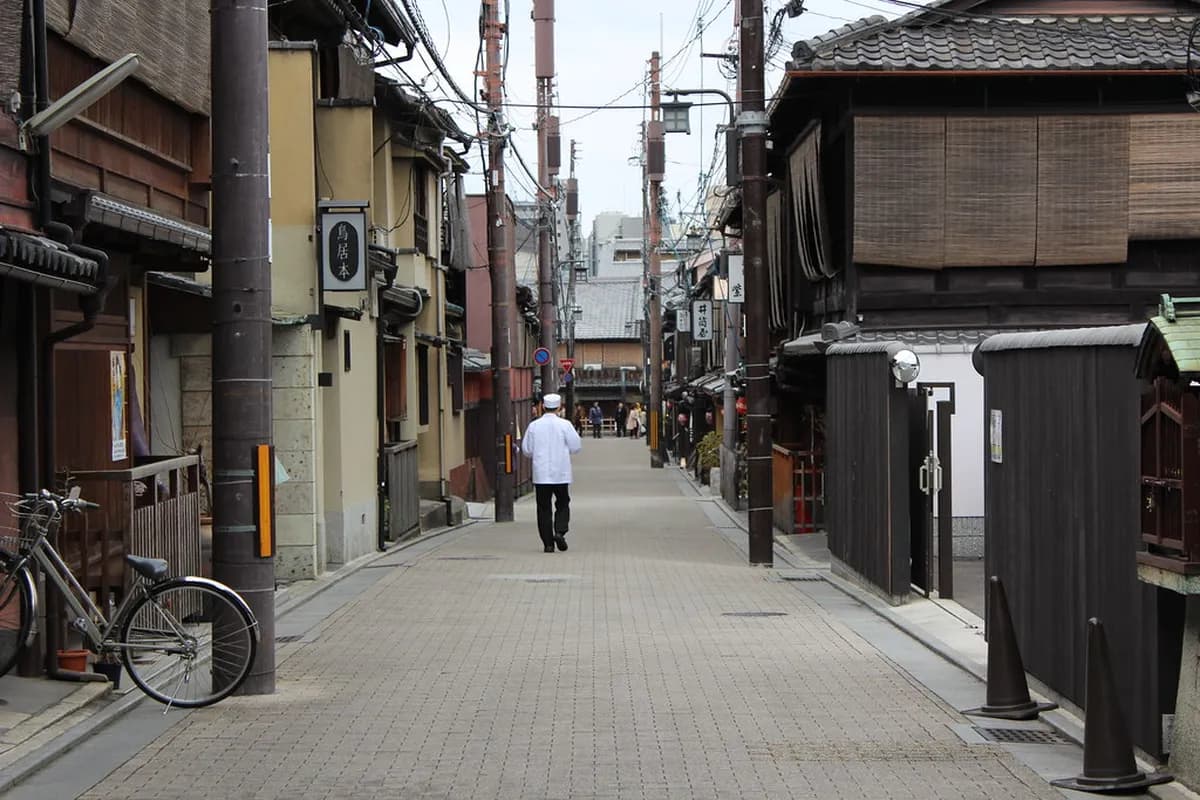
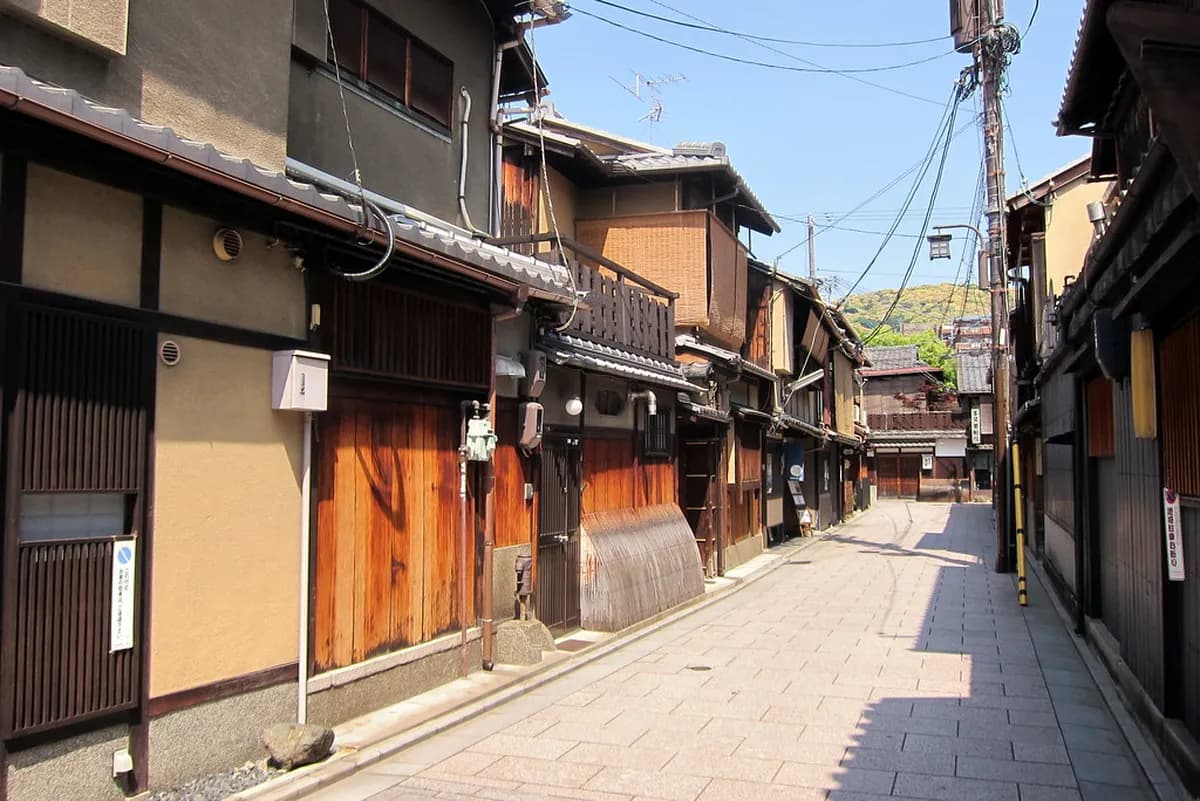
Gion is the most photographed neighborhood in Kyoto and for good reason. The preserved machiya townhouses, the stone-paved lane of Ishibe-koji, and the occasional sight of a geiko or maiko in full dress make it unlike anywhere else in Japan. Staying here means waking up inside the postcard — the atmosphere at 6:30 AM before the tour groups arrive is extraordinary.
Accommodation in Gion skews expensive. Luxury ryokans with kaiseki dinner included start around 60,000 JPY per night and require reservations months in advance. Smaller machiya guesthouses and boutique hotels offer more accessible options from 20,000 to 40,000 JPY. Book a room at Stay Sakura Kyoto Gion for a blend of modern comfort and traditional style at a more reasonable price point.
One thing most lodging guides omit: Gion has strict resident-enforced rules around photography and behavior in the laneway areas. The private alleys around Hanamikoji Street south of Shijo have posted signs prohibiting photography. Since 2019 the Gion district introduced bans on entering specific private alleys, and local neighborhood associations have the authority to issue fines. If you are planning to wander these streets after dark for photos, understand this context before arrival.
Photography is prohibited in the private alleys around Hanamikoji Street south of Shijo. Local neighborhood associations can issue fines for violations. Respect posted signs and stay in public areas.
Gion is best for couples, honeymooners, and photographers who understand the etiquette. It is not ideal for budget travelers or families who need practical amenities nearby. The restaurant scene in Gion itself is excellent but many establishments require reservations and have high minimums.
Kyoto Station Area — Transit Hub and Budget Headquarters
Kyoto Station is the logical base for travelers who plan frequent day trips or have an early Shinkansen departure. The station building itself is a dramatic piece of architecture containing a department store, dozens of restaurants across multiple basement and upper floors, and a rooftop sky garden with views over the city. You never need to leave the building if bad weather hits.
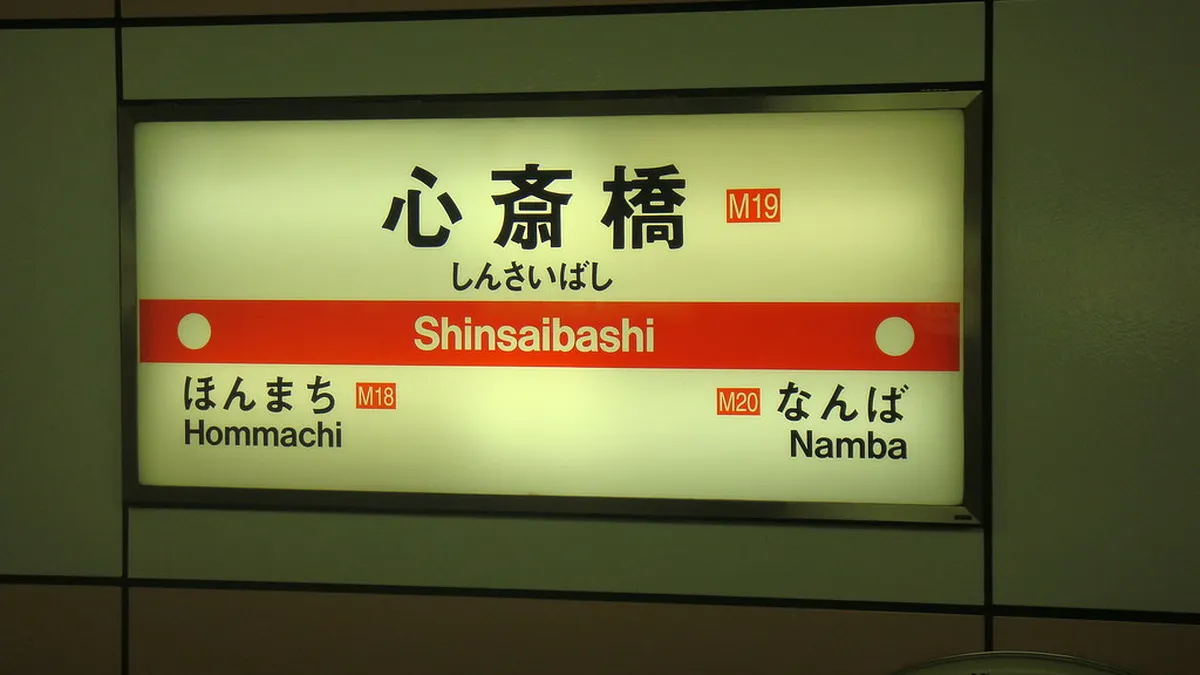
Business hotels cluster densely south of the station and represent some of the best value in the city. Standard rooms at chains like Dormy Inn, APA, and JR-affiliated hotels run from 8,000 to 18,000 JPY per night in 2026. Namba from Osaka and Nara are both under 45 minutes by direct train. The airport express bus to Kansai International Airport departs from the station's Karasuma north exit.
The trade-off is atmosphere. The area south of the station is dominated by business hotels, car parks, and logistics facilities. It lacks the narrow alleys and local character that define Kyoto at its best. The walk to Gion from Kyoto Station takes over 30 minutes and is not pleasant — you will rely on buses or taxis for most cultural sightseeing.
Use the pedestrian tunnels to cross from the north to the south side without fighting street traffic. Nishiki Market is about 20 minutes by bus or subway. Kyoto Station suits families who need the practical infrastructure, budget-focused travelers, and anyone whose itinerary includes Nara, Osaka, or a western Japan extension.
Southern Higashiyama — Closest to the Temples
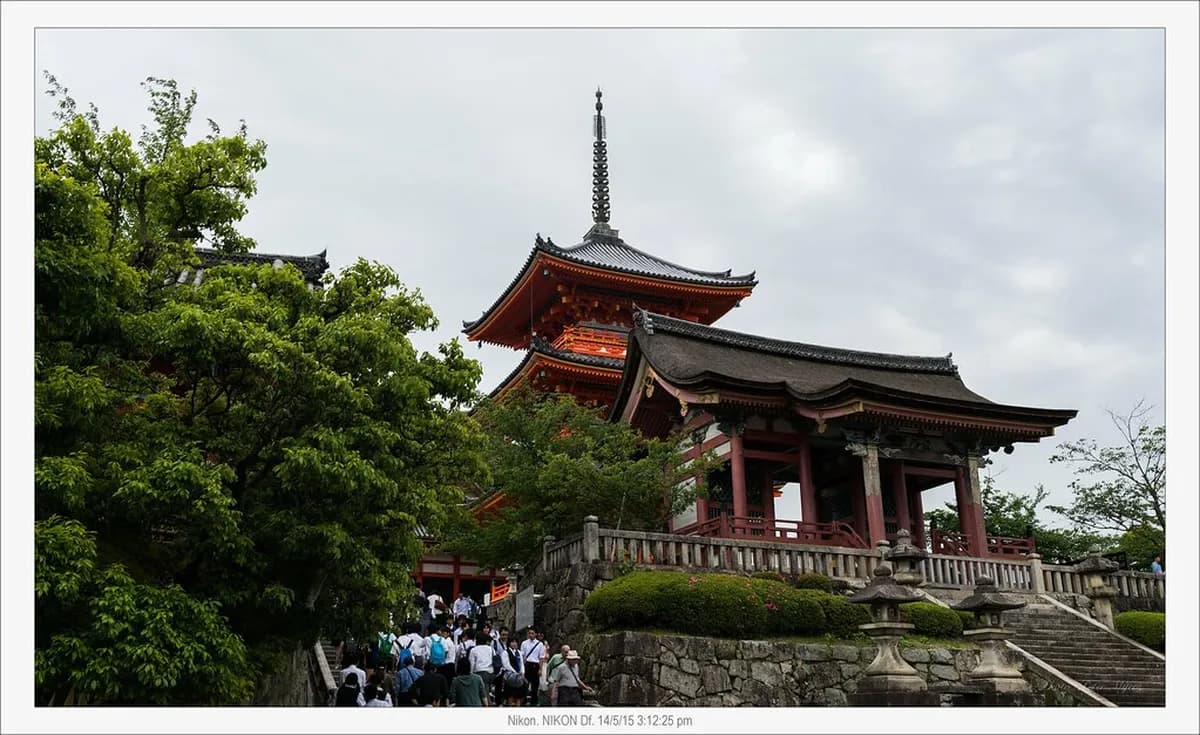
Southern Higashiyama is arguably the most scenic neighborhood in Kyoto and the best area to stay for those who came specifically for the temples. The Sanneizaka and Ninenzaka stone-paved lanes lead directly to Kiyomizudera Temple, and the preserved shopfront streets require no bus or subway to reach after check-in. You are literally inside the heritage zone.
This concentration of atmosphere comes with a crowd management challenge. From roughly 10:00 AM to 16:00 PM on weekends and during peak seasons, the main lanes through Higashiyama become shoulder-to-shoulder. Staying here lets you experience these streets in the early morning and evening when the light is better and the crowds have thinned. That alone justifies the location premium for the right traveler.
Accommodation choices lean toward boutique inns and machiya stays rather than large-chain hotels. Expect to pay 18,000 to 45,000 JPY per night for well-reviewed guesthouses in the heart of the zone. Some properties are converted traditional homes with shared bathroom facilities — check this detail carefully before booking.
The Keihan Line at Kiyomizu-Gojo Station connects you to Downtown and the Fushimi Inari area directly. Most temples in Higashiyama open at 8:00 to 9:00 AM and close by 17:00 to 17:30. Plan your itinerary around an early start to maximize the time difference in crowd density. This neighborhood suits temple-focused couples, solo travelers with a Japanese aesthetic preference, and photographers.
Northern Higashiyama — Zen Gardens and the Philosopher's Path
Northern Higashiyama covers the stretch from Nanzenji Temple north through the canal walk known as the Philosopher's Path to Ginkaku-ji (Silver Pavilion). It feels much more secluded than the southern districts and attracts travelers who want a slower pace. The canal path is particularly beautiful in early spring when cherry blossoms line the water, and in November when maples turn the hillsides red.
Accommodation here is limited to smaller boutique stays and traditional inns. Prices start around 20,000 JPY per night and availability is tight even outside peak season. Most temples in this area open at 8:30 AM and are best visited before the midday tour buses arrive from Osaka. Walk the Philosopher's Path early in the morning to enjoy the tranquility before the crowds appear.
Transit is the key drawback of northern Higashiyama. There is no subway station close to the canal path — the nearest are Keage on the Tozai Line and Marutamachi on the Karasuma Line, both about 15 minutes on foot. Buses cover the route but can run slow during autumn foliage season. If you stay here, budget extra time for every transit connection.
Northern Higashiyama is ideal for repeat visitors to Kyoto who have already done the main circuit and want a quieter immersion. It suits couples, solo travelers with a contemplative bent, and those who specifically want to explore the garden culture of Nanzenji, Eikan-do, and the Silver Pavilion at a measured pace.
Fushimi Inari District — The Early-Riser Advantage
Known for its thousands of vermilion torii gates, Fushimi Inari is one of the most visited sites in Japan and the number one most-photographed location in Kyoto. Staying in the immediate neighborhood — within a 5-minute walk of the shrine entrance — is a genuine strategic advantage. You can reach the summit torii before sunrise and descend before the first tour buses arrive at 08:00.
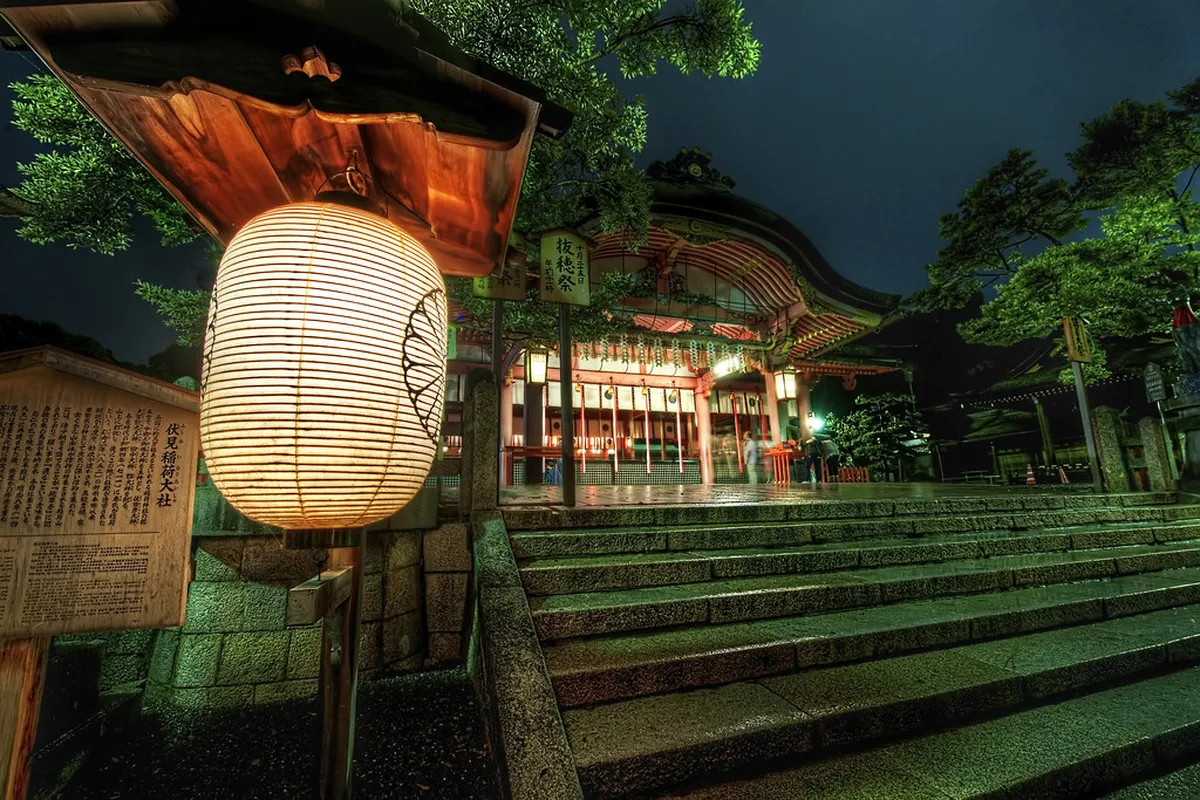
Small local guesthouses and business hotels dominate the accommodation market here with prices often under 10,000 JPY per night. A handful of mid-range options have opened in recent years as overnight tourism to the area has grown. The shrine grounds are technically open 24 hours a day and free for all visitors, which means even a late-night hike to the lower torii is possible from your doorstep.
The practical downside is that Fushimi is a single-attraction neighborhood. Once you have done the hike, the surrounding streets offer limited dining variety — a handful of inari-focused restaurants that close in the early evening, a local izakaya, and convenience stores. If your Kyoto itinerary covers multiple districts, you will spend significant time commuting via the Kintetsu Kyoto Line or the JR Nara Line to reach Kyoto Station (about 10 to 12 minutes).
Bring a headlamp if you plan to hike to the summit for a view of the city lights at night. This neighborhood suits early-morning photographers, solo hikers, and anyone whose Kyoto trip centers on the shrine experience rather than the broader cultural circuit. Budget travelers will find the best value-per-yen ratios here compared to any other central location.
Central Kyoto (Imperial Palace Area) — The Locals' Choice
The Imperial Palace neighborhood offers a quieter, more residential feel while remaining close to the city's geographical center and the Karasuma subway line. Staying here puts you within 20 minutes of nearly every major district by transit without the noise and tourist density of Gion or Downtown. It is a genuinely underrated option for travelers who have done research beyond the first page of recommendations.
Mid-range apartments and hotels like Stay Sakura Kyoto Gyoen East provide excellent value in this area, with nightly rates typically between 12,000 and 25,000 JPY. The Imperial Palace grounds are free to enter and open daily from 9:00 AM to 17:00 PM. Kyoto Gyoen National Garden — the park that surrounds the palace — is one of the best places in the city to cycle or walk without fighting tourist crowds. Rent a bicycle at one of the stations near Marutamachi or Imadegawa subway stops.
This area suits families who need more space than a standard hotel room and benefit from the wide, flat streets for strolling and cycling. The neighborhood also has an excellent concentration of local coffee shops, grocery stores, and mid-range restaurants that cater to residents rather than tourists — a welcome change from the temple district crowds.
A Note on Arashiyama — Why I Don't Recommend It as a Base
Arashiyama is undeniably beautiful with its bamboo groves and the iconic Togetsukyo Bridge. However, I strongly advise against using it as your primary base for a multi-day trip. The district is located on the far western edge of the city, making it a long commute to other sights. Most visitors find that a well-planned day trip is more than sufficient for this area.
The biggest drawback to staying in Arashiyama is that the neighborhood becomes a ghost town after 17:00. Almost all shops and cafes close early, leaving very few options for dinner or evening entertainment. While a few high-end luxury ryokans offer full meal service, budget travelers will struggle to find food. The lack of evening activity can make the area feel isolated and inconvenient for exploring Kyoto's nightlife.
Transportation from Arashiyama to the eastern temple district can take over an hour by bus or train. If you want to see the famous sights in Gion or Higashiyama, you will spend half your day in transit. The crowds during the day are also some of the most intense in the entire country. Save Arashiyama for a focused morning excursion rather than making it your permanent home in the city.
Peak Season and Pricing — When to Book
Timing your visit is just as important as choosing the best area to stay in Kyoto for your budget. The city experiences massive influxes of tourists during Sakura season in late March to mid-April and Momiji season throughout November. During these windows, hotel prices can triple and availability disappears months in advance. Check the best time to visit calendar before booking your flights.
Saturday nights in Japan carry a significant price premium regardless of the season or neighborhood. Domestic travelers often visit for weekend getaways, driving up demand for even the most basic business hotels. You can often save 25 to 35% by shifting your stay to a Sunday through Thursday window. Some boutique hotels implement a two-night minimum stay for Saturday arrivals during peak holidays.
If you find the city is fully booked, consider looking at hotels in nearby Otsu or Osaka. The commute from Osaka to Kyoto Station takes only 30 minutes on the rapid train lines. This strategy can save significant money while still allowing for full days of sightseeing. Always verify the last train times to ensure you don't get stranded after a late dinner in Gion.
Ryokan vs. Hotel — Which Type Suits Each Neighborhood
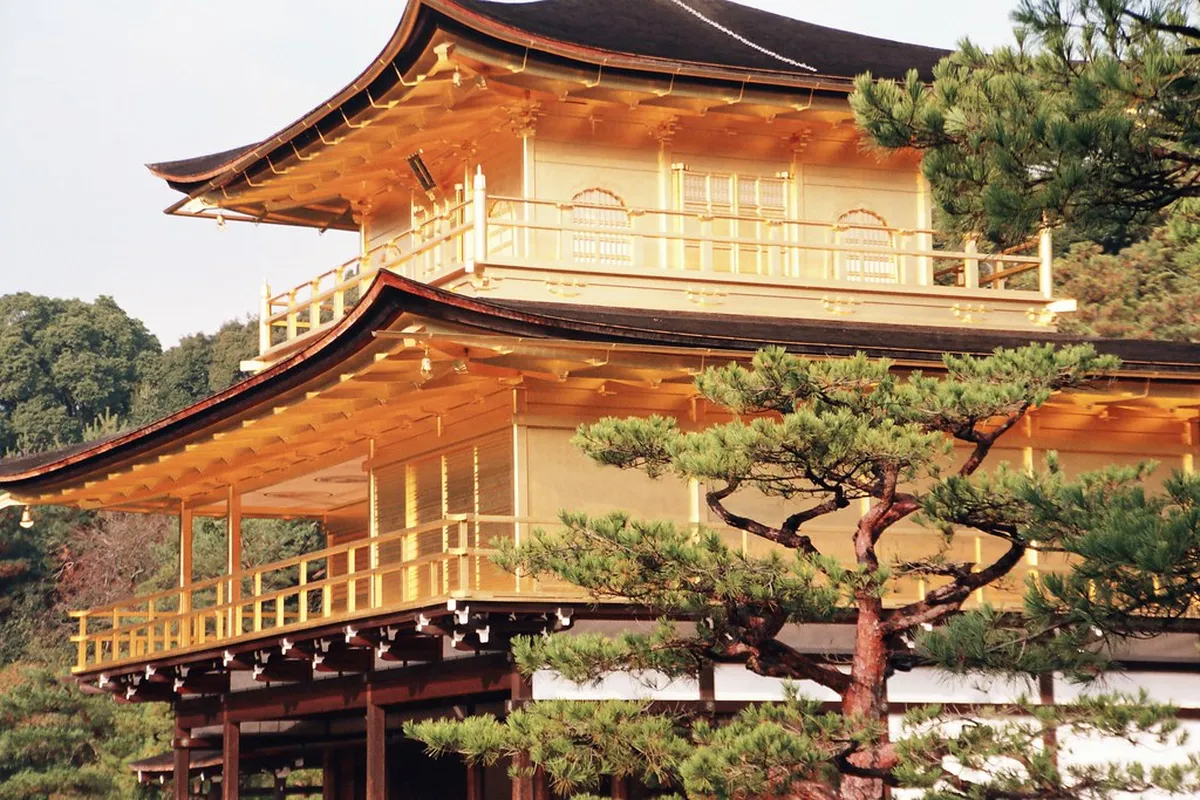
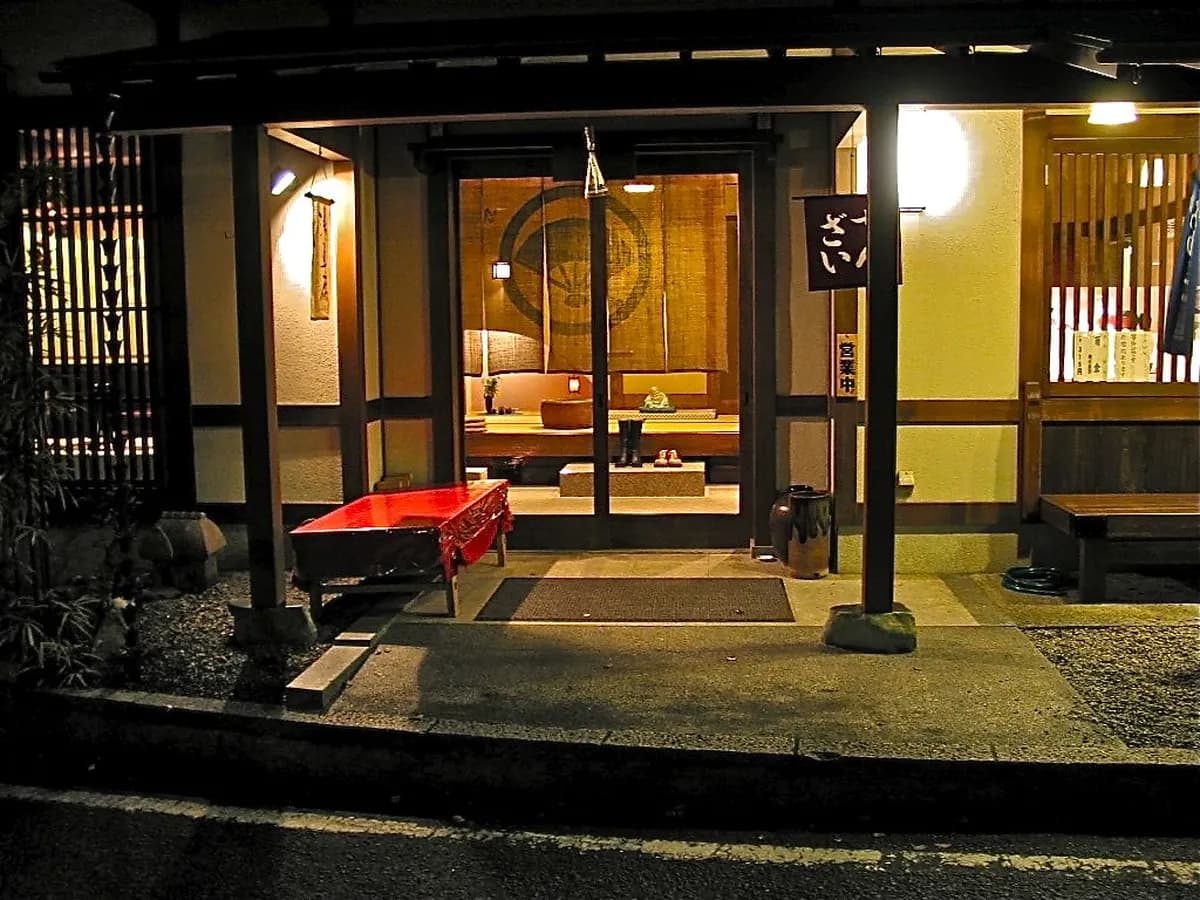
The type of accommodation matters as much as the location. A ryokan is a traditional Japanese inn built around tatami rooms, futon bedding, shared or private onsen baths, and multi-course kaiseki dinners served in your room. Staying in a ryokan for at least one night is a genuinely distinctive experience — but it requires you to be in the right neighborhood to make sense. Gion and Higashiyama are the two districts where a ryokan stay has full contextual payoff. Waking up in a machiya, walking to Kiyomizudera in yukata, and having morning tea in a garden courtyard is the experience that ryokans in central Kyoto are designed to deliver.
Standard hotels — business hotels, international chains, and boutique urban properties — make more sense for Kyoto Station, Downtown Kawaramachi, and the Imperial Palace area. They offer flexible check-in, Western beds, and on-site breakfast without the formality of a ryokan schedule. Ryokans typically require dinner by 18:00 to 19:00 and breakfast by 08:30, which can constrain a flexible sightseeing itinerary.
Budget travelers have a third option: guesthouses and machiya-style shared accommodation. Kyoto has an excellent selection of well-run guesthouses in all central neighborhoods, typically priced from 3,500 to 7,000 JPY per night for a dorm bed and 8,000 to 14,000 JPY for a private room. These are concentrated in the Downtown, Gion-edge, and Higashiyama areas. Check recent reviews carefully — quality varies significantly between properties even at similar price points.
Getting Around — Transit Tips by Neighborhood
Navigating between different neighborhoods requires a basic understanding of the city's grid system and transit network. Kyoto's two subway lines — the Karasuma (north-south) and the Tozai (east-west) — intersect at Karasuma Oike Station in the center of the city. Staying within a 10-minute walk of either line gives you reliable, uncongested access to most major districts. Pick up a rechargeable IC card like Suica or Pasmo at any station to make boarding trains and buses seamless.
Buses cover the gaps that the subway misses, particularly the western temple circuit including Kinkaku-ji, Ryoan-ji, and Ninna-ji. However, buses during peak season can run 20 to 40 minutes behind schedule due to tourist congestion. The city issues a 700 JPY one-day bus pass that offers good value if you plan more than three bus trips. From a Downtown or Gion base, walking is often faster than the bus for short hops under 1.5 kilometers.
Cycling is underrated as a transit option in Kyoto. The central area is flat, and the neighborhood grid makes navigation intuitive on a bicycle. Rentals run 1,000 to 1,500 JPY per day from shops near major stations. Note that bicycles are prohibited on the main bus roads and are not allowed on the subway — plan your routes to use the side streets and cycling-designated paths along the Kamo River. Taxis from Kyoto Station to Gion run about 1,200 JPY and are worth it for late-night returns.
Quick Match Guide — Which Area Fits Your Travel Style
For first-time visitors, Downtown Kyoto (Kawaramachi) remains the undisputed best base for convenience and variety. You are within walking distance of the best food, the subway, and the historic Pontocho district. Prices here are competitive because of the high density of hotel properties, and you have maximum flexibility for both early starts and late nights.
Gion is the right choice for those seeking a romantic or deeply traditional Japanese experience. While it is more expensive, the ability to walk through historic streets at night in near silence is a genuinely memorable advantage. Book dining reservations through your hotel concierge or via Tableall and OpenTable Japan to access the best local spots. Plan for Gion's neighborhood rules and respect the early-evening quiet expected on the private residential lanes.
Kyoto Station suits families with early Shinkansen connections, budget travelers who want the widest selection of affordable hotels, and anyone whose itinerary includes same-day trips to Nara, Osaka, or western Kyoto. Southern Higashiyama is the pick for temple-first travelers who want zero commute to Kiyomizudera. Northern Higashiyama and the Imperial Palace area appeal to repeat visitors who already know the highlights and want a slower, more local-feeling stay. Fushimi Inari is a specialist choice — best only if the shrine is the centerpiece of your entire Kyoto trip.
Frequently Asked Questions
What area of Kyoto is best to stay in for first-timers?
Downtown Kyoto (Kawaramachi) is the best area for first-time visitors due to its central location and abundant dining options. It offers excellent transit links to both the eastern temples and western attractions. Staying here ensures you are never far from the city's best shopping and nightlife.
Where to Stay: Kyoto or Osaka?
Stay in Kyoto if you want to experience traditional culture and early morning temple visits without a commute. Osaka is better for those who prefer a modern city vibe, vibrant nightlife, and slightly lower hotel prices. Most travelers find that staying in Kyoto provides a more authentic and peaceful atmosphere.
Is it worth staying in a Ryokan in Kyoto?
Yes, staying in a ryokan is a quintessential Japanese experience that is worth the higher price for at least one night. You will enjoy traditional tatami rooms, seasonal multi-course meals, and exceptional hospitality. Look for ryokans in the Gion or Higashiyama areas for the most historic surroundings.
Finding the best area to stay in Kyoto depends entirely on your priorities, whether they be history, food, or transit. Downtown offers the most balance, while Gion provides the most atmosphere for a memorable stay. Regardless of where you choose, the city's efficient transit system makes it easy to explore every corner. Book your 2026 accommodation at least four months in advance to secure the best rates.
Kyoto is a city that rewards those who take the time to wander away from the main tourist drags. By choosing a strategic base, you can experience both the famous landmarks and the hidden local gems. We hope this guide helps you plan an incredible journey through the heart of Japanese culture. Check out our day trip guides to extend your adventure beyond the city limits.
Free: The Kyoto Essentials guide
Top things to do, where to stay, a perfect day plan, getting around, and the best time to go — a Kyoto mini-guide you can take offline.
You might also like
Continue reading
More guides you'll find useful