Best Time to Visit Kyoto: Monthly & Seasonal Guide (2026)
Plan the best time to visit Kyoto with our guide to weather, festivals, and crowds. Discover the best months for cherry blossoms and fall foliage.
On this page
The best time to visit Kyoto is late April to early May or October for the best balance of weather, manageable crowds, and competitive hotel rates. Spring (late March to mid-April) and autumn (mid-November) are the most visually spectacular periods, but they bring the heaviest crowds and highest prices of the year. Every season has genuine merit — the key is matching your dates to what you actually want from the trip.
Kyoto is one of Japan's most visited cities, welcoming roughly 56 million visitors in 2024, the second-highest total ever recorded. For 2026, international visitor numbers are expected to ease slightly from that peak, which is genuinely good news for anyone planning a first visit. Shoulder dates that were overwhelmed in 2023 and 2024 should feel slightly more breathable this year.
This guide covers every month with real temperature ranges, festival dates, crowd levels, and booking lead times. Use our Kyoto 3-day itinerary alongside this guide to turn your timing into a concrete plan. Check where to stay in Kyoto once you have your season locked down — neighborhood choice changes significantly depending on which month you arrive.
Kyoto by Season: A Quick Summary
Kyoto has four clearly distinct seasons. Spring and autumn are the crowd peaks for good reason — the natural scenery during cherry blossom and fall foliage seasons is genuinely world-class. Summer is hot and humid but offers Japan's most famous festival. Winter is cold, quiet, and by far the cheapest time of year.
The table below gives a fast overview. Crowd levels use a 1–5 scale (5 = maximum congestion). Prices reflect typical mid-range hotel rates in Central Kyoto relative to the annual baseline.
| Period | Avg. Temp | Crowds (1–5) | Price Index | Highlight |
|---|---|---|---|---|
| Jan – Feb | 2–10°C / 36–50°F | 1 | Low | Quiet temples, plum blossoms (late Feb) |
| Late Mar – early Apr | 10–19°C / 50–67°F | 5 | Premium +80–120% | Cherry blossom peak |
| Mid-Apr – early May | 15–22°C / 59–72°F | 2–3 | Standard | Lush green foliage, mild weather |
| Golden Week (May 3–6) | 18–24°C / 64–75°F | 4 | High | Domestic holiday rush |
| Late May – May | 20–27°C / 68–81°F | 2 | Low-standard | Best shoulder window of the year |
| Jun – Jul | 25–31°C / 77–88°F | 2–3 | Standard | Tsuyu rains, Gion Matsuri (July) |
| Aug | 28–33°C / 82–91°F | 2 | Standard | Daimonji Fire Festival |
| Sep – Oct | 18–28°C / 64–82°F | 2–3 | Standard–high | Transition to autumn, Jidai Matsuri |
| Early–mid Nov | 10–20°C / 50–68°F | 4–5 | Premium | Fall foliage peak |
| Dec | 3–11°C / 37–52°F | 2–1 | Low-standard | Hanatoro illuminations, quiet end of month |
Spring in Kyoto: Cherry Blossoms and Mild Weather
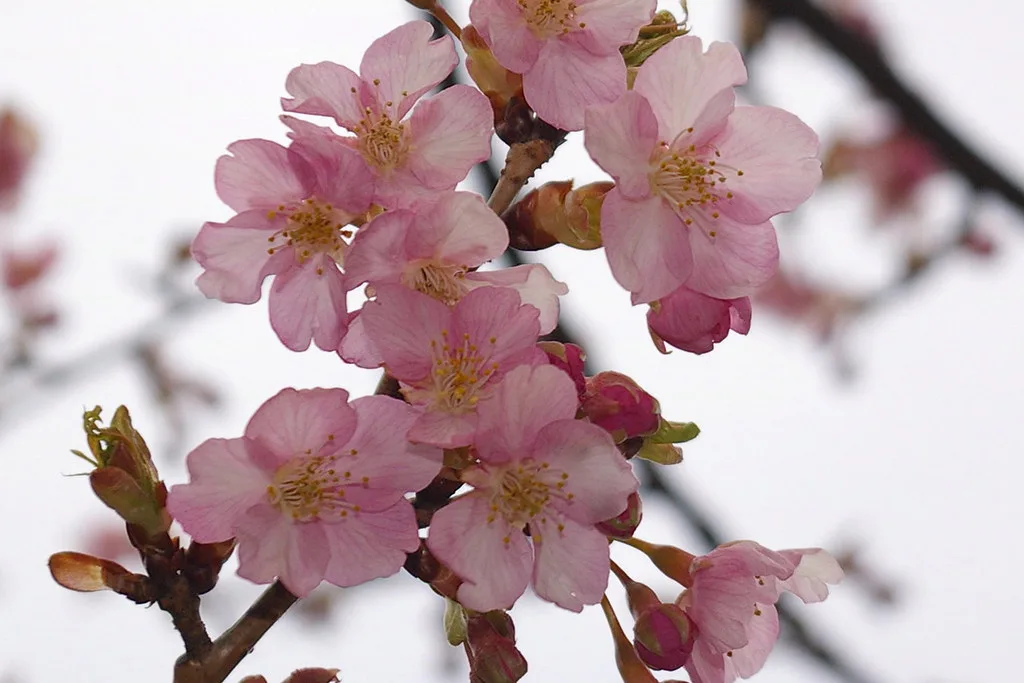
March is the bridge month between winter quiet and spring crowds. Average highs reach 13°C / 56°F by mid-month, with plum blossoms appearing at Kitano-Tenmangu Shrine from around March 10. Cherry blossom season usually begins in the last week of March, but the actual date shifts by one to two weeks depending on winter temperatures. Crowds are moderate in early March and surge as the blossoms open.
April's first ten days are the busiest stretch in Kyoto's entire calendar. The Maruyama Park weeping cherry, the Philosopher's Path, and the banks of the Kamo River all reach peak bloom in the first week of April. Highs average 19°C / 67°F and the weather is genuinely lovely — the problem is that every major viewpoint is genuinely overwhelmed. Train stations overflow, taxi queues run 30–40 minutes, and popular temples enforce entry queues. For exact bloom timing, check the official cherry blossom forecast updated daily during peak season. Book accommodation six months in advance if you want these dates.
The second half of April is a different city entirely. The blossoms have dropped, the tour groups have left, and the temperature climbs to a comfortable 20–23°C. The trees explode with fresh green foliage that photographers increasingly rate as beautiful in its own right. Visit our cherry blossom guide for exact bloom timing forecasts and the best viewing locations for each stage of the season.
May is the most underrated month for first-time visitors. After Golden Week ends on May 6, hotel rates drop noticeably and crowds thin to shoulder-season levels. Temperatures of 18–24°C / 64–75°F are ideal for long walking days between temple districts. The Aoi Matsuri procession on May 15 is one of Kyoto's three great festivals and it passes through the city with almost no international tourist awareness, making it one of the most accessible major events of the year.
The 10-Day Window No One Talks About
There is a specific window — roughly April 18 to May 2 — that delivers near-ideal Kyoto conditions with a fraction of the peak crowds. Sakura season has ended, so the busloads of cherry-blossom tourists have gone. Golden Week has not yet started, so the domestic holiday crowds haven't arrived either. Hotel rates in this gap routinely run 30–50% below their early-April peaks while temperatures are warmer and more stable.
The scenery during these two weeks is genuinely striking. The maple trees along the Philosopher's Path are in full green leaf. The moss gardens at Saihoji and Jonangu Shrine are at their most vibrant. Ryoanji's famous rock garden looks exactly as it appears in design books — without a 200-person queue in front of it. For travelers with some flexibility in their dates, building your Kyoto stay around this window is the single highest-value timing move available in 2026.
One caveat: book your mid-range and higher-end hotels at least eight weeks in advance for these dates. The secret is no longer entirely secret, and popular machiya guesthouses in Gion fill even in this quieter window. Budget guesthouses near Kyoto Station remain available on shorter notice.
Summer in Kyoto: Festivals and Humidity
June brings the Tsuyu rainy season, which typically runs from mid-June through late July. Average highs are 27°C / 82°F and humidity is high, but rain falls mostly as afternoon showers rather than all-day downpours. The upside is real: moss gardens, hydrangea viewing at Mimurotoji Temple, and the Kamo River yuka dining platforms (raised outdoor dining above the river) are all at their best. Crowds are genuinely low and hotels are reasonably priced.
July is dominated by Gion Matsuri, Japan's most famous festival and Kyoto's biggest annual event. The main Yamaboko Junko float procession rolls through downtown on July 17, followed by a second procession on July 24. The three evenings before each procession — called Yoiyama — fill the streets of Shijo-dori with vendors, yukata-clad locals, and an unmistakable festival energy. The heat is intense (31°C / 88°F average high with high humidity) but Gion Matsuri is a once-in-a-lifetime event worth tolerating the weather for.
August is the hardest month to recommend for most travelers. Temperatures average 33°C / 91°F with full humidity and peak typhoon risk. The Daimonji Gozan Okuribi fire festival on August 16 is spectacular — huge bonfires in the shape of kanji characters blaze on five mountains around the city simultaneously — but the rest of the month offers little reward for the physical discomfort. If August is your only option, plan indoor activities for 11:00–15:00 and save temple visits for early morning and evening.
Autumn in Kyoto: Fall Foliage and Peak Crowds
September is an underappreciated month. The rainy season has ended, temperatures moderate from the August peak to around 28°C / 82°F early in the month, dropping to a comfortable 22°C / 72°F by month end. Crowds are low and hotels are priced at their standard rates. The Kamo River yuka platforms remain open through September 30, so you can still enjoy riverside dining in reasonable weather.
October brings some of Kyoto's finest sightseeing conditions: average highs of 22°C / 72°F, mostly sunny days, and cool evenings. The Jidai Matsuri on October 22 is a major historical costume procession from Kyoto Imperial Palace to Heian-jingu Shrine. On the same evening, the Kurama Fire Festival unfolds in the mountain village of Kurama — young men carry large flaming torches through narrow streets from dusk until around 22:00. Both events happen on the same date and attract surprisingly manageable crowds given their scale.
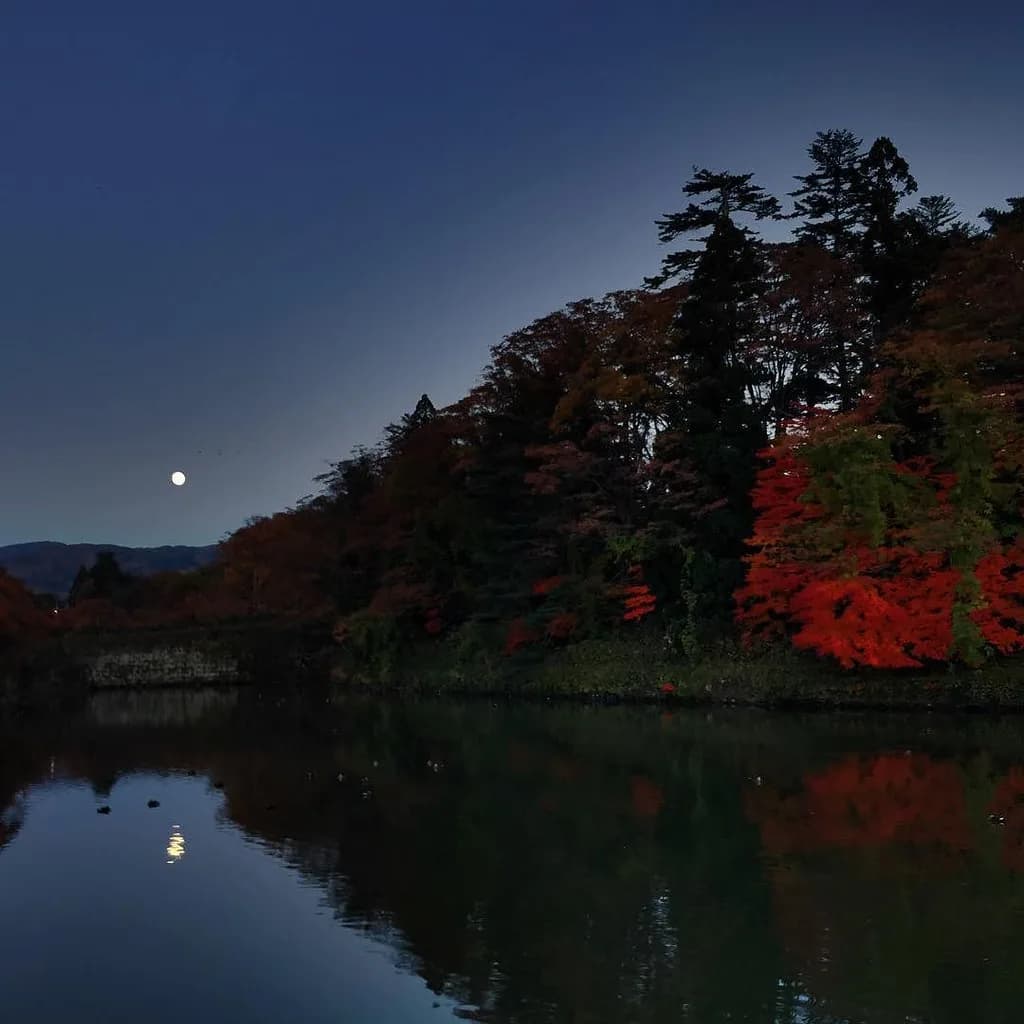
November is when Kyoto transforms into its most photographed state. Maple leaves at Tofukuji Temple, Eikan-do, and Arashiyama shift from green to yellow, orange, and red between November 10 and December 5, with peak color typically in the third week of November. Japan's foliage forecasts track the exact progression of color change across regions. Crowds in mid-November approach early-April intensity. The second week of November — roughly November 8 to 14 — offers the best compromise: early autumn color is appearing, temperatures are still warm enough for comfortable days (17°C / 62°F), and crowd levels are one notch below the true peak. Book hotels for November four to five months ahead.
Winter in Kyoto: Snow and Quiet Temples
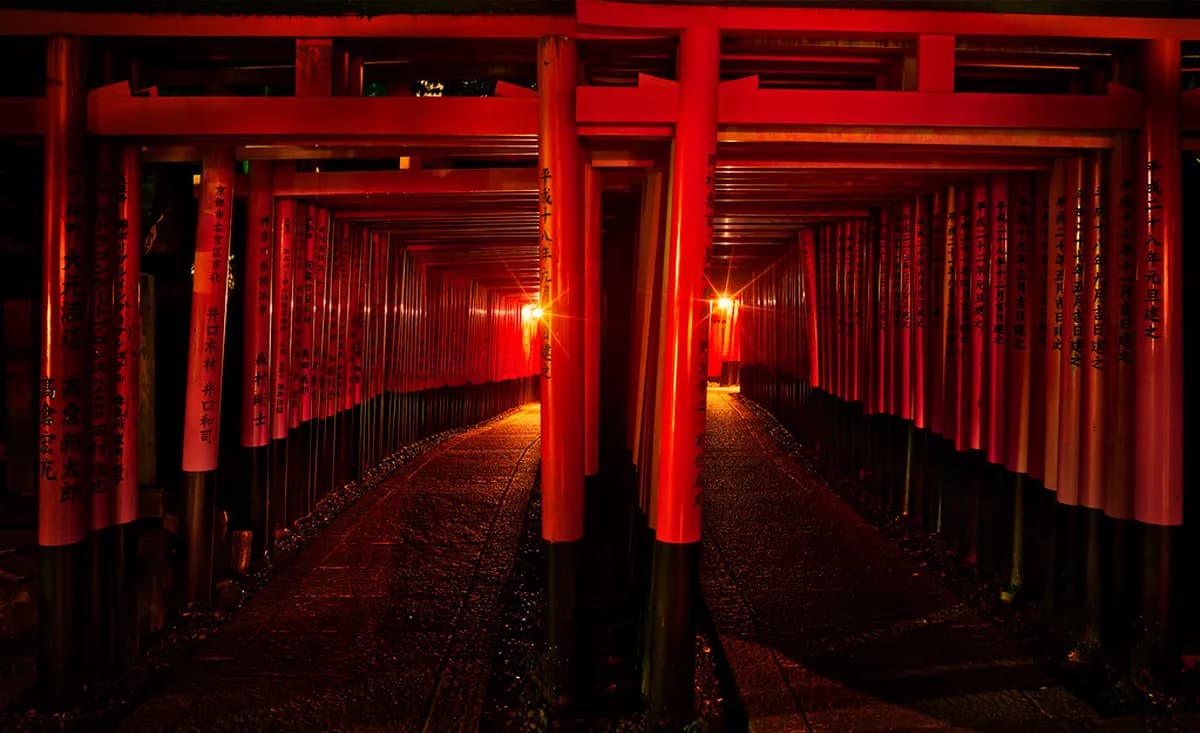
December starts busy — the final days of fall foliage draw crowds through the first week — then quiets dramatically by mid-month. The Arashiyama and Fushimi Inari Hanatoro illumination events in December are genuinely atmospheric, with paper lanterns lining forest paths after dark. By December 20, Kyoto enters its quietest stretch of the year. Hotels drop to their annual low rates and the most famous temples are genuinely peaceful. Businesses close from December 29 through January 3 for Shogatsu (New Year), so plan restaurant access carefully around those dates.
January and February are the coldest months, with average highs of 9–10°C / 48–50°F. Snow falls a few times each winter in the city center but rarely accumulates. For reliable snow scenery, the mountain village of Kurama — about 30 minutes north of central Kyoto by Eizan Railway — gets meaningful snowfall several times each winter. Kinkaku-ji under snow is one of the most striking sights in all of Japan, but there is no way to predict it in advance; snow in the city center is an unexpected bonus, not a plannable event.
February brings the Setsubun Matsuri at Yoshida-jinja Shrine (February 2–4), which includes a spectacular nighttime fire ceremony on Yoshida Hill. Late February also signals the start of plum blossom season at Kitano-Tenmangu Shrine. Both events draw modest domestic crowds but almost no international tourists — they are among the most authentic seasonal events available to visitors willing to visit in winter. Budget accommodations in February can run 40–60% below April peak rates for equivalent properties.
Kyoto Monthly Weather and Event Guide
The table below covers each month with average high and low temperatures, typical rainfall pattern, crowd level (1 = very low, 5 = very high), and the key event or seasonal draw. Use it to cross-reference your available travel dates against what Kyoto actually offers that month. Once you've picked your season, check our Kyoto weather by month guide for a deeper seasonal breakdown.
| Month | Avg High | Avg Low | Rain Pattern | Crowd Level | Key Event / Draw |
|---|---|---|---|---|---|
| January | 9°C / 48°F | 1°C / 34°F | Low, occasional snow | 1 | Hatsumode (Jan 1–3); Archery at Sanjusangen-do (Jan 15) |
| February | 10°C / 50°F | 2°C / 36°F | Low, occasional snow | 1 | Setsubun Fire Festival (Feb 2–4); plum blossoms |
| March | 13°C / 56°F | 4°C / 39°F | Light showers | 2–3 | Hanatoro illuminations; early sakura |
| April | 19°C / 67°F | 9°C / 48°F | Light rain | 5 (early) / 2 (late) | Cherry blossom peak (early Apr); Golden Week (late Apr–May) |
| May | 24°C / 76°F | 14°C / 57°F | Light, increasing | 4 (GW) / 2 (post-GW) | Aoi Matsuri (May 15); Kamogawa Odori |
| June | 27°C / 82°F | 18°C / 65°F | Moderate (Tsuyu) | 2 | Yuka river dining opens; Takigi No at Heian-jingu |
| July | 31°C / 88°F | 23°C / 73°F | Heavy, humid | 3 (Gion Matsuri: 4) | Gion Matsuri (Jul 17 + Jul 24 processions) |
| August | 33°C / 91°F | 24°C / 75°F | Heavy, typhoon risk | 2 | Daimonji Fire Festival (Aug 16) |
| September | 28°C / 82°F | 20°C / 68°F | Moderate, typhoon tail | 2 | Final weeks of yuka dining; transition to autumn |
| October | 22°C / 72°F | 13°C / 56°F | Light | 2–3 | Jidai Matsuri + Kurama Fire Festival (Oct 22) |
| November | 17°C / 62°F | 8°C / 46°F | Low | 4–5 | Fall foliage peak (mid-to-late Nov) |
| December | 11°C / 52°F | 3°C / 37°F | Low | 3 (early) / 1 (late) | Hanatoro; Christmas; New Year's Eve temple bells |
Best Time for Specific Interests
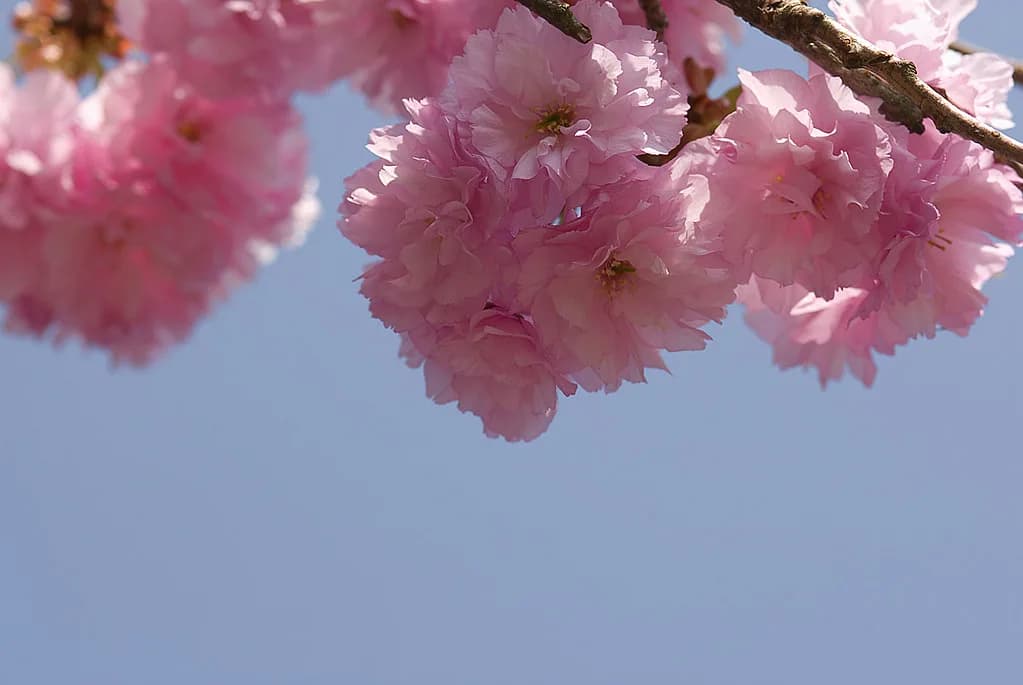
For cherry blossoms, target the last week of March through the first week of April for peak bloom. If avoiding crowds matters more than hitting exact peak, go in the second half of April when the new green foliage appears and hotel rates normalize. The bloom timing shifts year to year — in warm winters the peak can arrive as early as March 25, in cold years it can stretch to April 10.
For fall foliage, the second week of November offers the best crowd-to-color ratio. Peak color at Tofukuji and Eikan-do typically runs November 15 to November 30, but the crowds at those dates are intense. Early arrivers in the first ten days of November see the foliage beginning to turn with notably fewer visitors. Visiting after December 1 means some trees are past peak but Kyoto's citywide atmosphere is more relaxed.
For budget travel, January and February are the clear winners. December after the 20th is nearly as cheap and more atmospheric than mid-winter. Late September is the best budget option if you need warm weather — hotels are priced at standard rates but the city is relatively quiet and the weather is comfortable.
For festival experiences, Gion Matsuri in July is Japan's most famous festival and worth tolerating summer heat for. The Yoiyama evenings (July 14–16 and July 20–23) are when the floats are displayed in downtown streets and the atmosphere is extraordinary. Aoi Matsuri on May 15 is a quieter but deeply traditional alternative for those who want major pageantry without the July heat. The Setsubun Fire Festival in early February is the best winter event by a significant margin.
For avoiding crowds entirely, aim for February outside of Setsubun weekend, or mid-December through Christmas. Both periods offer a genuinely contemplative Kyoto that most visitors never see.
The window of April 18 to May 2 is the single highest-value timing move available in 2026 — hotel rates run 30–50% below early-April peaks, sakura tourists have left, and Golden Week crowds haven't yet arrived. Temperatures of 18–24°C are ideal for full-day temple walking.
Practical Tips: Booking and Hotel Availability
Hotel booking lead times in Kyoto are not uniform across the year — they differ dramatically by season. The table below is based on typical occupancy patterns for mid-range hotels in Central Kyoto and Gion. Booking at these thresholds does not guarantee availability; it means you will find reasonable options at normal prices. Leave it later and you're competing for whatever remains at premium rates.
| Period | Recommended Lead Time | Notes |
|---|---|---|
| Cherry blossom peak (late Mar – early Apr) | 5–6 months ahead | Most in-demand period of the year; guesthouses in Gion sell out first |
| Golden Week (May 3–6) | 4–5 months ahead | Domestic holiday; mid-range fills quickly |
| Fall foliage peak (mid–late Nov) | 4–5 months ahead | Similar demand to sakura; ryokan rates spike sharply |
| Gion Matsuri (Jul 14–24) | 3–4 months ahead | Downtown hotels near Shijo fill for the festival nights |
| Late April / early May (post-sakura) | 6–8 weeks ahead | Shoulder gap; best value window, still bookable on medium notice |
| June, September, October | 4–6 weeks ahead | Comfortable shoulder months with good availability |
| Jan–Feb (excl. New Year week) | 1–2 weeks ahead | Most flexible period; walk-in rates often available |
One practical consideration that competitors rarely mention: Kyoto's older machiya townhouse guesthouses and smaller ryokan have very limited room counts — sometimes just four to eight rooms. These properties sell out weeks earlier than larger hotels even during shoulder season. If staying in a traditional guesthouse is important to you, add four to six weeks to the lead times above.
For neighborhood choice relative to timing, Central Kyoto and the Shijo-Kawaramachi area put you within walking distance of the main festival routes in July and November. The Arashiyama area books out extremely fast in both April and November because guests want to walk to the bamboo grove and Tenryuji without dealing with bus queues. See our best area to stay in Kyoto guide for a full breakdown of districts and which season each suits best.
When Not to Visit Kyoto
The genuinely difficult periods are early August and the first week of April. Early August combines 33°C / 91°F heat with maximum humidity and significant typhoon risk. Sightseeing on foot — which is unavoidable in Kyoto — becomes genuinely taxing by mid-morning. The famous temple gardens look their least interesting, and the city's older accommodation stock (many Kyoto guesthouses lack modern air conditioning) can make nights uncomfortable.
The first week of April is crowded to a degree that surprises most first-timers. The most photographed spots — the Philosopher's Path, Maruyama Park's weeping cherry, the Torii gates at Fushimi Inari — have queues for photography positions and active crowd management. The experience is not ruined, but it is fundamentally different from the contemplative atmosphere that makes Kyoto special. If you can be flexible by even ten days in either direction, you will have a meaningfully better visit.
New Year's week (December 29 to January 3) is also worth approaching carefully. Hatsumode — the first shrine visit of the New Year — draws enormous domestic crowds to Fushimi Inari, Heian-jingu, and Yasaka Shrine. Many restaurants and shops close for several days. The atmosphere is festive but operationally complicated for international visitors who rely on casual dining and convenience stores for meals.
Golden Week (May 3–6) brings domestic holiday crowds with a crowd-level spike to 4, even though hotel prices remain high. The April 18–May 2 gap is a much better bargain — post-sakura with manageable crowds and lower rates than peak season.
Frequently Asked Questions
When is the best time to visit Kyoto to avoid crowds?
The best time to avoid crowds is during the winter months of January and February. You will find the temples much quieter and hotel prices are at their lowest. Avoid the New Year holiday week for the best experience.
What is the rainiest month in Kyoto?
June is typically the rainiest month due to the arrival of the Tsuyu rainy season. Expect frequent showers and high humidity throughout the month. September can also be wet due to the occasional typhoon passing through.
When do cherry blossoms typically bloom in Kyoto?
Cherry blossoms usually bloom in Kyoto during the last week of March and first week of April. The exact timing varies each year based on the spring temperatures. Peak bloom often lasts for about seven days.
Kyoto rewards visitors in every month of the year, but the gap between a crowded and a quiet visit is larger here than in almost any other Japanese city. The most important decision is not which season to pick, but which specific two-week window within that season. Get the window right and Kyoto lives up to every photograph you have ever seen of it. Get it wrong by a few days and you may spend more time in queues than in temples. Plan early, book hotels the moment you fix your dates, and use the monthly breakdown above to turn a good trip into an exceptional one.
Once you have picked your season, see our complete guide to the best things to do in Kyoto to build the rest of your trip.
For the wider city overview, see our Kyoto attractions guide.
Free: The Kyoto Essentials guide
Top things to do, where to stay, a perfect day plan, getting around, and the best time to go — a Kyoto mini-guide you can take offline.
You might also like

Continue reading
More guides you'll find useful