Where To Stay In Kyoto: 9 Best Areas and Booking Tips (2026)
Discover where to stay in Kyoto with our guide to the 9 best neighborhoods. Includes top-rated hotels, ryokans, and local tips for first-timers and peak season.
On this page
Your neighborhood choice in Kyoto defines your entire trip. The city is sprawling, the bus network is slow during peak hours, and a poorly chosen base can easily cost you two hours of sightseeing time every day. This guide cuts through the noise and covers the six neighborhoods that experienced travelers consistently recommend, plus the accommodation types that suit each one. It was updated for 2026 to reflect current pricing and new hotel openings.
For most first-timers the answer is straightforward: stay in Downtown Kyoto near Shijo and you can walk to Gion, Nishiki Market, and both subway lines. Couples after atmosphere should look at Southern Higashiyama. Anyone doing heavy day-trip travel should be near Kyoto Station. Read through the sections below, then plan your base alongside a solid Kyoto 3-day itinerary to minimize transit time. Live hotel rates across all these areas are available on Booking.com Kyoto.
Quick Match: Which Area Fits You?
Before reading the full breakdowns, here is a one-line answer for each traveler type. First-timers and anyone who wants the widest choice of restaurants and nightlife: Downtown Kyoto near Shijo. Couples and anyone prioritizing atmosphere over convenience: Southern Higashiyama or Gion. Families making day trips to Nara, Osaka, or Hiroshima: Kyoto Station area. Visitors who want quiet mornings and the Philosopher's Path on their doorstep: Northern Higashiyama. Honeymooners willing to pay a premium for riverside scenery: Arashiyama.
Budget also matters. Business hotels near Kyoto Station run ¥8,000–¥15,000 per night (roughly $55–$100). Mid-range hotels in Downtown and Central Kyoto typically cost ¥18,000–¥35,000. A traditional ryokan in Southern Higashiyama or Arashiyama starts around ¥35,000 per person and often includes dinner and breakfast. The best time to secure your preferred neighborhood is well before you arrive — check a best time to visit Kyoto guide to understand when prices spike.
| Area | Best For | Vibe |
|---|---|---|
| Downtown Kyoto (Shijo) | First-timers, shoppers, nightlife | Lively, urban, walkable |
| Southern Higashiyama (Gion) | Couples, photographers, culture | Traditional, atmospheric, crowded midday |
| Kyoto Station Area | Families, day-trippers, luggage | Modern, transit-focused, convenient |
| Central Kyoto | Repeat visitors, design lovers, quiet | Local, residential, intimate |
| Northern Higashiyama | Walkers, temples, tranquility | Peaceful, green, secluded |
| Arashiyama | Couples, honeymooners, bamboo | Scenic, romantic, isolated |
Downtown Kyoto: The Best All-Rounder
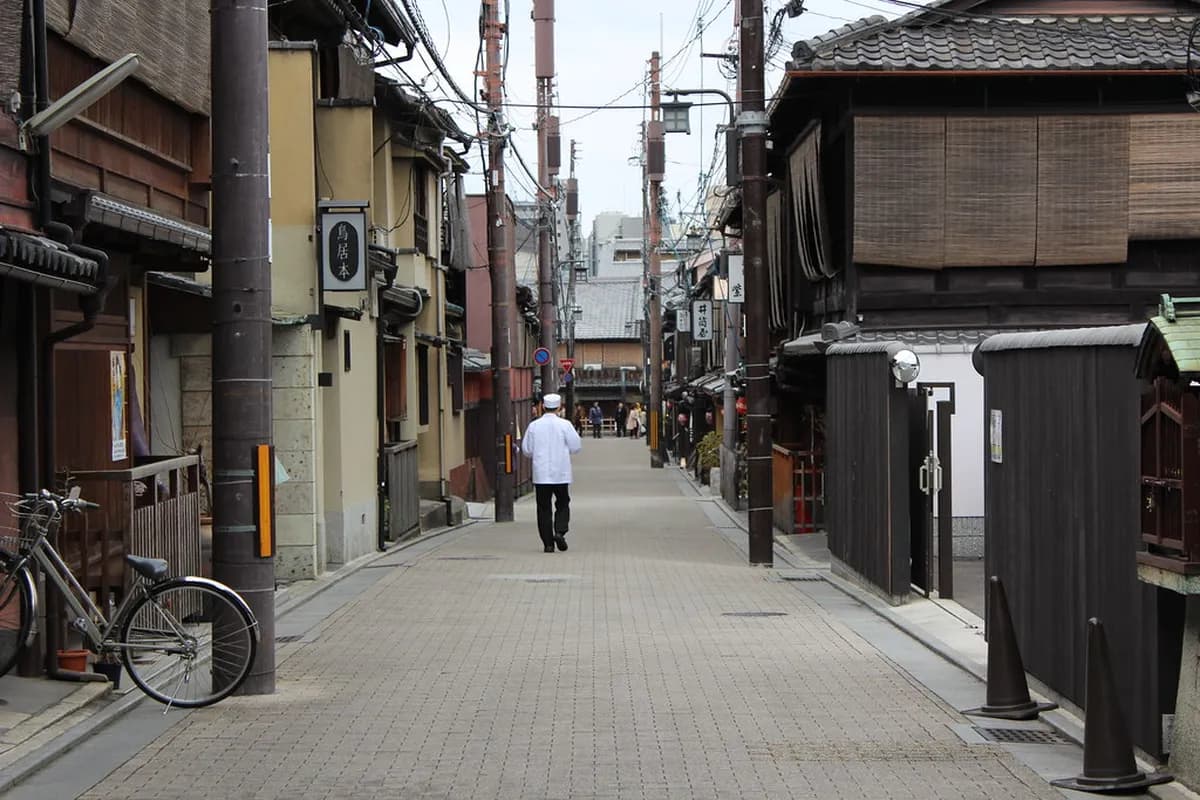
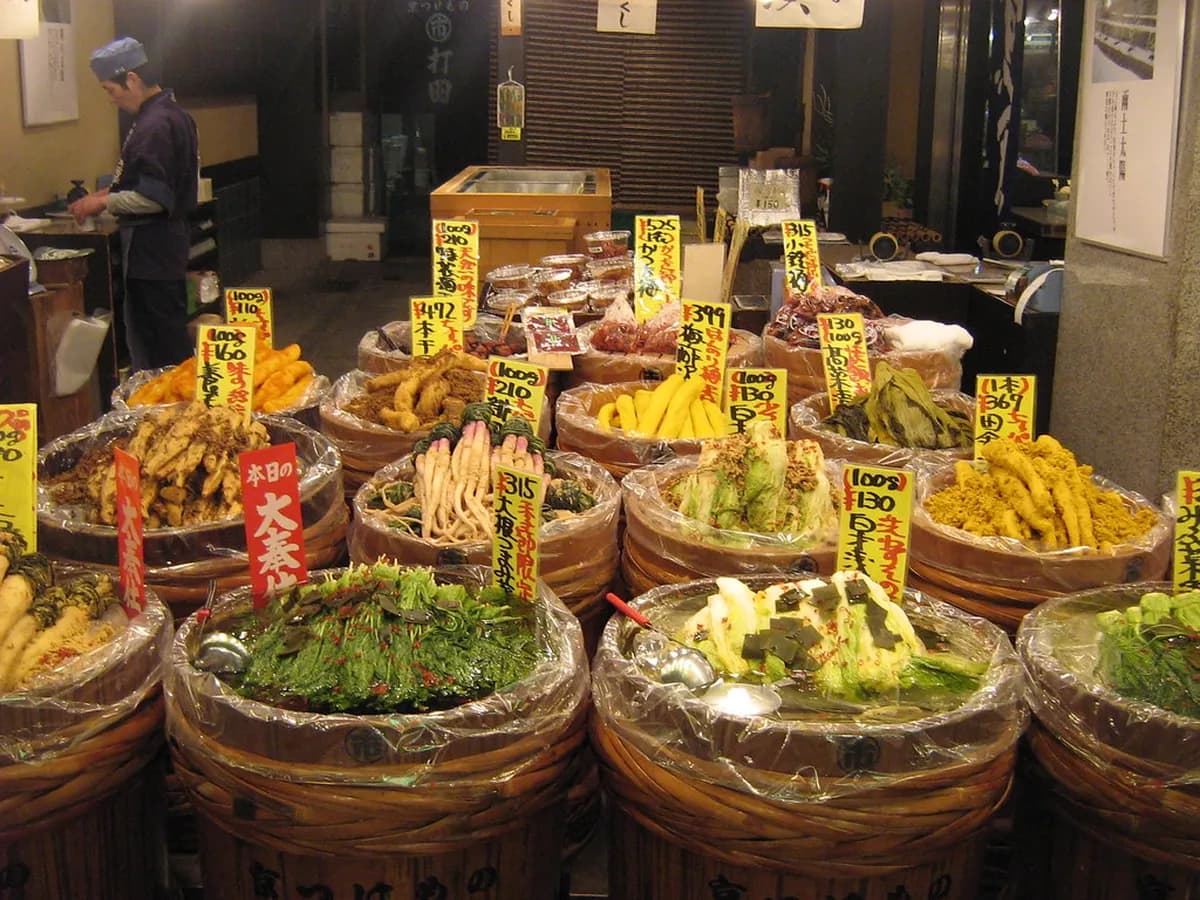
Downtown Kyoto, centered on Shijo Street and the Kawaramachi corridor, is the city's commercial and social hub. It sits at the intersection of the Karasuma and Tozai subway lines, meaning you can reach most major sights without touching the slow bus network. Pontocho Alley, Nishiki Market, and the Kamo-gawa riverbank are all walkable from here. Southern Higashiyama is a 20-minute walk east; Nijo Castle is a short subway hop northwest.
The dining scene is unmatched anywhere else in Kyoto. You will find everything from standing ramen bars charging ¥900 to kaiseki courses running ¥25,000 per person, all within a few blocks. For shopping, Shijo Street and the Teramachi arcade cover everything from drugstores to lacquerware. The main drawback is crowds — peak-season weekends bring extremely dense foot traffic through the Gion and Pontocho areas from mid-afternoon until about 21:00.
Good hotel picks: Hotel Okura Kyoto sits directly above the Karasuma-Oike subway station and is the most conveniently located luxury property in the city. The Cross Hotel Kyoto offers well-designed mid-range rooms on the Kamo-gawa and regularly comes in at ¥20,000–¥28,000 per night. For budget stays, the Insomnia Kyoto Oike punches well above its price point and is steps from the same subway interchange.
- Best for: first-timers, couples, night owls, shoppers
- Transit: both subway lines, Hankyu Kawaramachi and Kyoto-Karasuma stations
- Price range: ¥8,000–¥60,000+ depending on property and season
- Main downside: crowded during cherry blossom and autumn foliage peaks
A high-end ryokan's included kaiseki dinner and breakfast meals alone represent ¥15,000–¥25,000 in value per person; they often deliver better ROI than a city hotel's base rate alone, especially when viewed as a three-meal package.
Southern Higashiyama: The Heart of Traditional Kyoto
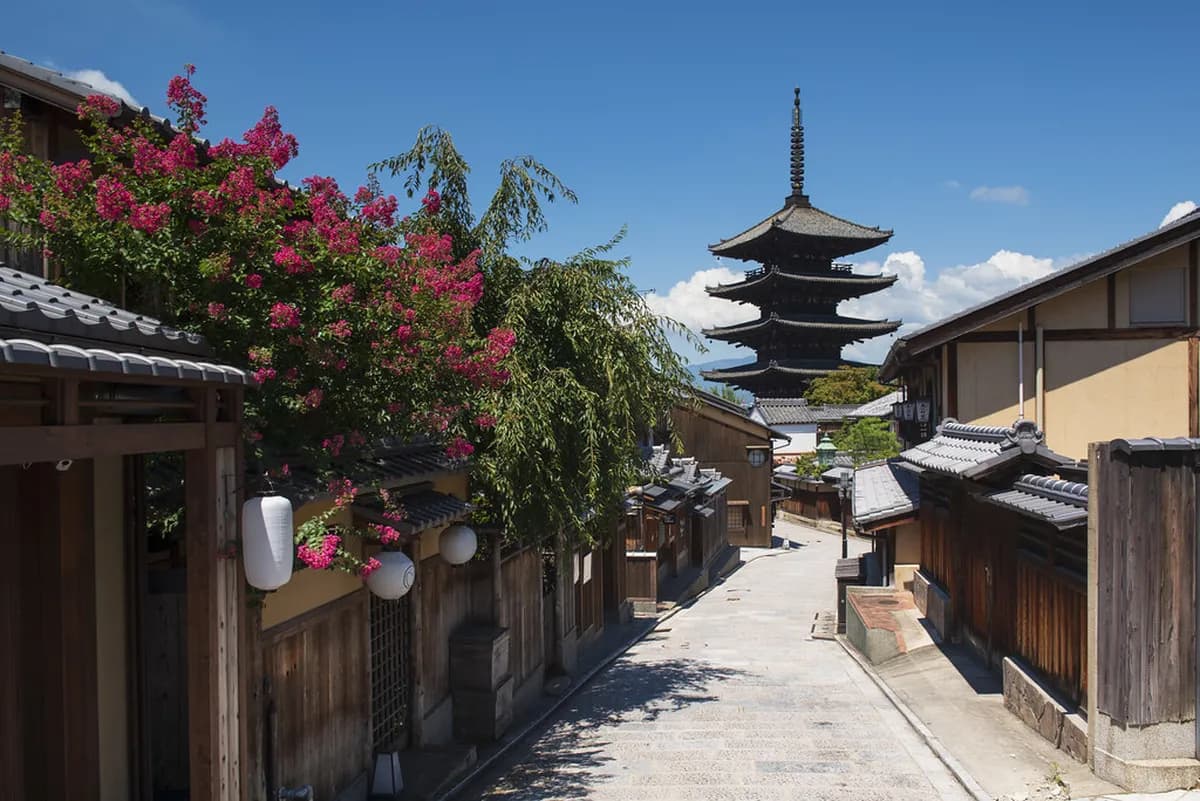
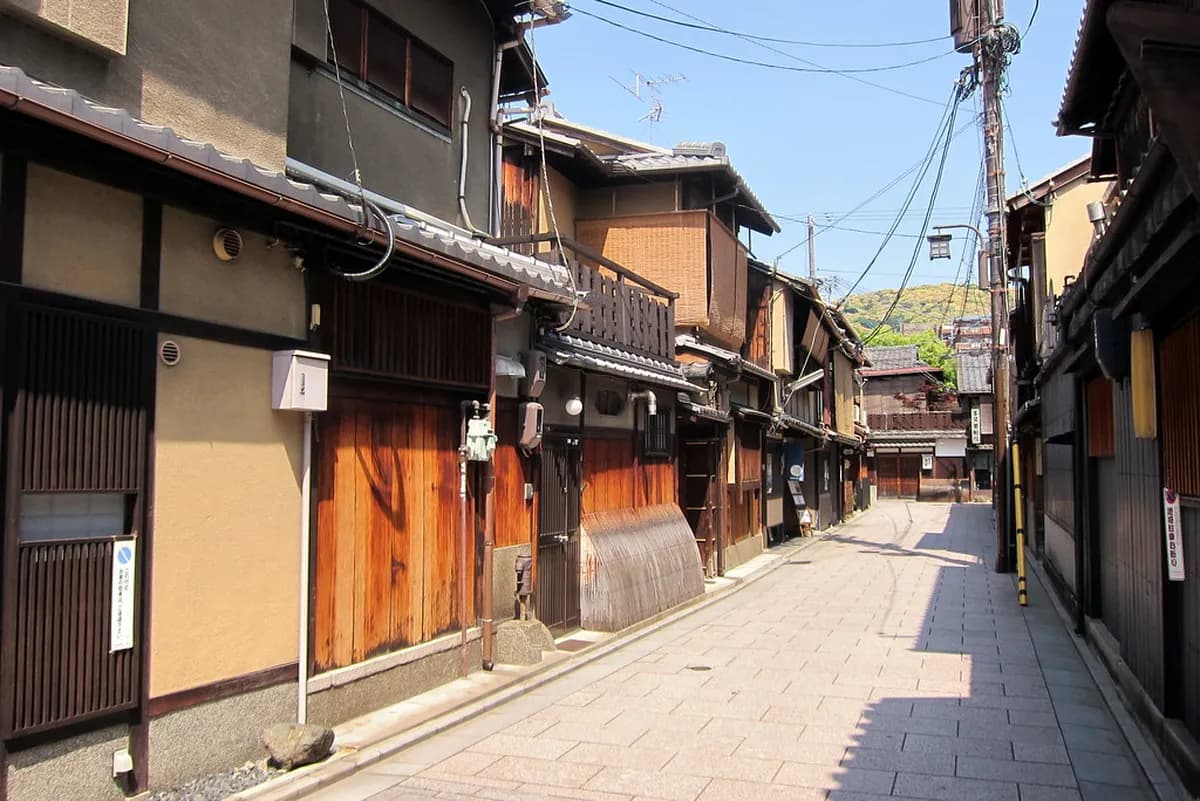
Southern Higashiyama is the district most people picture when they imagine Kyoto: stone-paved lanes, wooden machiya townhouses, paper lanterns glowing at dusk, and Kiyomizu-dera Temple rising from the hillside at the eastern end. Staying here puts Yasaka Shrine, Maruyama Park, Ninnen-zaka, and Sannenzaka all within a short walk of your front door. The atmosphere in the early morning and after 17:00, when tour groups leave, is genuinely special.
The area is walkable to Downtown Kyoto in about 20 minutes. Bus lines connect it to Kyoto Station in roughly 15 minutes. Dining options are concentrated around Gion — you will not struggle to find a meal. The downside is midday crowds, which can be extremely heavy on weekends between March and November. If you are sensitive to noise, look for properties set back from the main Higashiyama-dori thoroughfare.
Top picks: the Four Seasons Kyoto is the landmark luxury choice, occupying a restored estate near Sanjusangendo with private Japanese gardens. For ryokan atmosphere at a slightly lower price, Yuzuya Ryokan sits hidden beside Yasaka Shrine and consistently receives strong reviews for its kaiseki meals and personalized service. Mid-range travelers should look at the Celestine Hotel Gion, which offers clean, well-appointed rooms within easy walking distance of both the Higashiyama sights and downtown restaurants.
- Best for: couples, romantics, photographers, culture-focused travelers
- Transit: bus lines 100, 206; 20-min walk to Downtown
- Price range: ¥25,000–¥120,000+ (ryokans typically include two meals)
- Main downside: extremely crowded midday; limited convenience-store access after dark
Kyoto Station Area: Best for Transit and Day Trips
Kyoto Station is one of the great rail hubs of Japan. From here you can reach Nara in 45 minutes by Kintetsu Express, Osaka in 15 minutes by Special Rapid, and Hiroshima in 90 minutes by Shinkansen. The Karasuma subway line runs directly from the station through the city center. If your itinerary involves frequent inter-city travel or you are using a JR Pass, staying in this area eliminates a daily commute to the platforms and saves meaningful time.
The station precinct itself has improved significantly in recent years. The AEON Mall inside the station building covers groceries, clothing, and electronics. Kyoto Tower Observation Deck (¥900 entry) is across the street. The Kyoto Railway Museum, a short walk west, is genuinely good for families with children. The area south of the station is mostly residential and quiet; the north side has most of the hotels and restaurants.
Recommended stays: Hotel Granvia Kyoto is literally inside the station building — you exit the Shinkansen and are in the hotel lobby in under five minutes, which is a real advantage with heavy luggage. The Kyoto Century Hotel is a solid full-service option directly across the station plaza. Budget travelers and families will find the Hotel Hokke Club Kyoto consistently good value at ¥9,000–¥13,000 per night.
- Best for: families, frequent day-trippers, JR Pass holders, late arrivals
- Transit: Shinkansen, Karasuma subway line, JR lines, main bus terminal
- Price range: ¥8,000–¥45,000
- Main downside: 20–30 min commute to most Kyoto sightseeing
Central Kyoto: History and Local Life
Central Kyoto covers the wide residential area between Downtown and Kyoto Station, roughly corresponding to the Fuyacho, Oike, and Gojo neighborhoods. Nijo Castle and Nijo-jo gardens are the main sightseeing draw here. The Imperial Palace Park (Gosho), one of the best free open spaces in the city, sits at the northern edge. The neighborhood has a genuinely local character that both Downtown and the temple districts lack — you will see corner tofu shops, neighborhood shrines, and regular commuters rather than tourist crowds.
Both subway lines intersect at Karasuma-Oike, making Central Kyoto excellent for transit connectivity without the congestion of the station area. The restaurant density is lower than Downtown but rising steadily. This is also where some of the city's best boutique hotels have opened in the last two years, often converting older buildings into intimate, design-forward properties.
Strong picks: the ASAI Kyoto Shijo sits on the boundary of Downtown and Central Kyoto and offers well-designed rooms with a lively ground-floor bar. For a quieter stay with more space, the Genji Kyoto boutique hotel delivers luxury-level finishes at mid-range prices in a converted machiya near Nijo Castle. Budget travelers can consider the Imu Hotel Kyoto, which functions more like a social hostel and is a short walk west of Shijo-Karasuma.
- Best for: repeat visitors, design-hotel seekers, quiet-seekers who still want subway access
- Transit: Karasuma and Tozai subway lines; Karasuma-Oike interchange
- Price range: ¥9,000–¥45,000
- Main downside: fewer restaurants within walking distance after 21:00
Northern Higashiyama: Peaceful Temples and Nature
Northern Higashiyama runs from Nanzen-ji Temple up through the Philosopher's Path to Ginkaku-ji (Silver Pavilion). It is quieter and greener than the southern temple district. The Philosopher's Path itself — a 2-km canal-side walking route lined with cherry trees — is one of the most pleasant morning walks in Japan at any time of year. Heian Shrine and the Okazaki Museum district are also within easy reach.
The tradeoff is distance from Downtown. It is about a 30–40 minute walk or a 15-minute taxi ride to Shijo Street. The Tozai subway line runs along the southern edge of the district (Keage Station), giving reasonable access to the rest of the city. There are enough restaurants and cafes along the Philosopher's Path to sustain a stay, but the selection is limited compared to Downtown or Gion.
Best options: Nanzenji Sando Kikusui is a high-end ryokan set in traditional gardens near Nanzen-ji, with a reputation for superb kaiseki dinners — expect to pay ¥60,000–¥90,000 per couple per night with meals. The Ryokan Yachiyo sits practically on the doorstep of Nanzen-ji at a more accessible price point and is very comfortable for foreign guests. Mid-range visitors should look at Hotel Legasta Kyoto Higashiyama Sanjo, a small boutique property that represents excellent value for the neighborhood.
- Best for: walkers, temple enthusiasts, those who want tranquility over convenience
- Transit: Tozai line (Keage), city buses 5 and 32; bike rental recommended
- Price range: ¥12,000–¥90,000+
- Main downside: limited nightlife; requires transport for most dining beyond the Path
Arashiyama: Scenic Beauty and Bamboo Groves
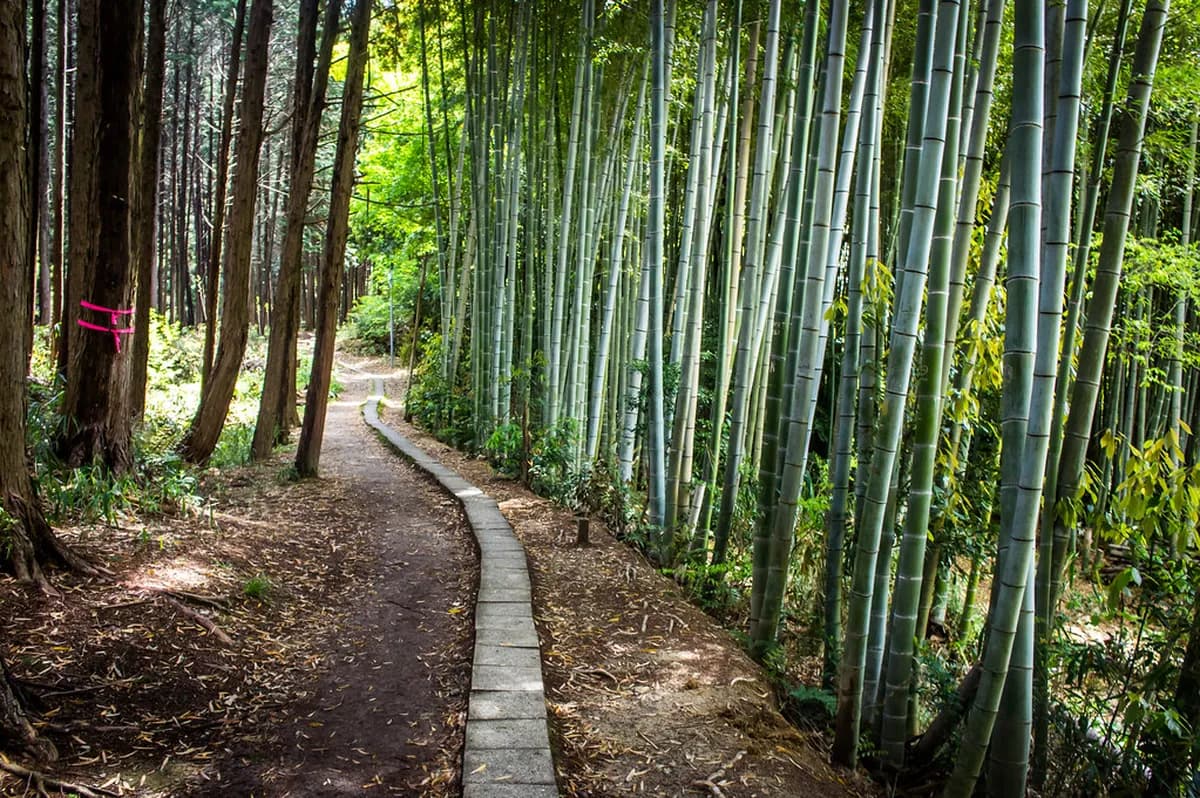
Arashiyama sits on the western edge of the city, anchored by the Togetsukyo Bridge and the Hozu-gawa River. The bamboo grove is a five-minute walk from most hotels; Tenryu-ji garden, Jojakko-ji, and the monkey park are all within the immediate area. Staying overnight here means you can walk the bamboo path at 06:30 before the day-trippers arrive — an experience that is genuinely different from the midday crush that most visitors endure.
The key drawback is isolation from the rest of Kyoto. Getting downtown from Arashiyama takes 30–40 minutes by the Hankyu Arashiyama line or the Sagano scenic railway. This makes it impractical as a base if your sightseeing is spread across the city. One or two nights in Arashiyama combined with most of your stay in Downtown or Southern Higashiyama is the approach most experienced travelers take.
Premium options dominate here. Hoshinoya Kyoto is accessible only by boat up the Hozu-gawa River and is among the most distinctive luxury ryokan experiences in Japan, with prices starting at ¥90,000 per couple. The riverside Suiran Kyoto luxury hotel offers equally spectacular views at similar rates. For a more accessible option, Homm Stay Nagi Arashiyama provides comfortable private rooms in a converted machiya at a fraction of the price, typically ¥18,000–¥28,000 per night.
- Best for: couples, honeymooners, those prioritizing one or two nights of scenery
- Transit: Hankyu Arashiyama line, JR Sagano line, Randen tram
- Price range: ¥18,000–¥120,000+
- Main downside: 30–40 min from the rest of Kyoto; extremely crowded midday
Types of Accommodation: From Ryokans to Business Hotels
Kyoto offers a wider range of accommodation types than almost any other Japanese city. Understanding the differences before you book prevents expensive surprises on arrival. The main categories — ryokan, machiya, city hotel, and business hotel — each suit a different travel style and budget.
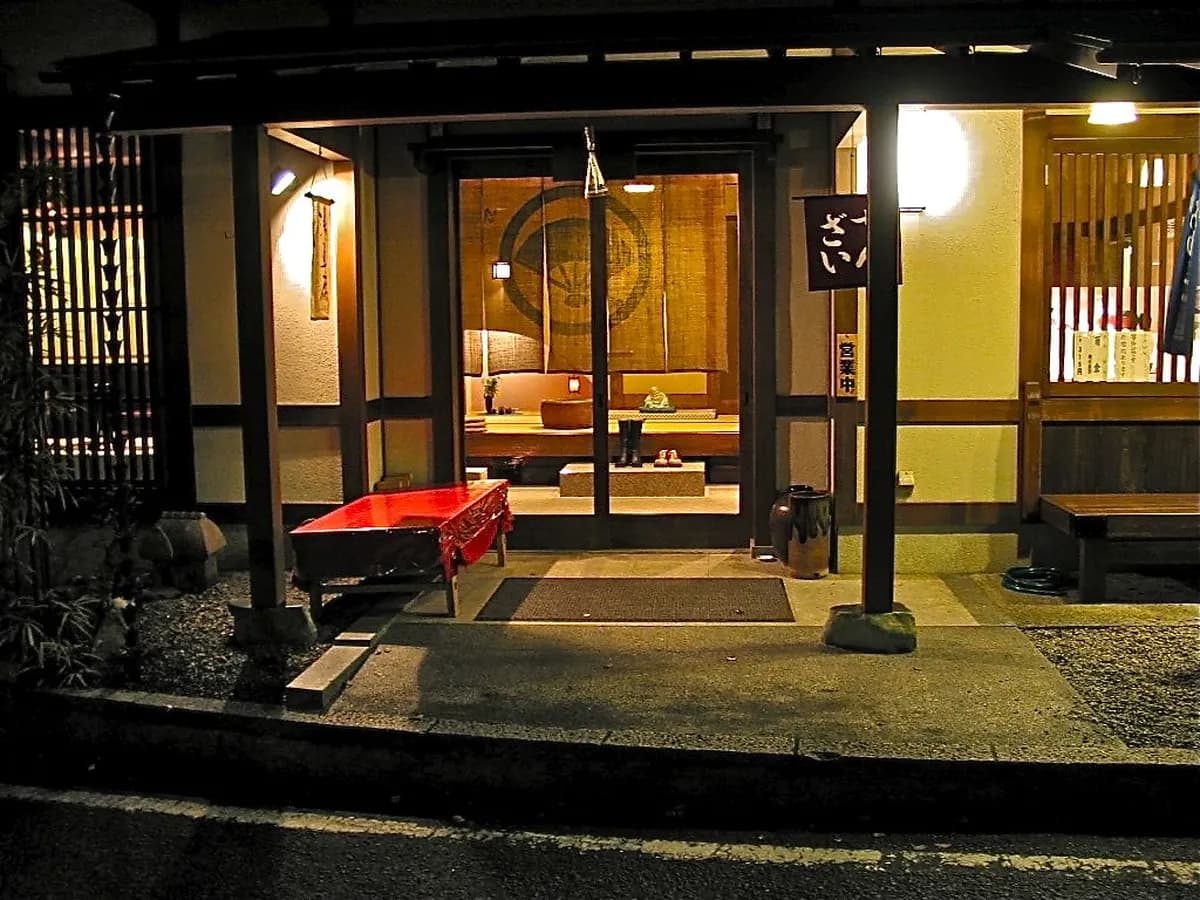
A ryokan is a traditional Japanese inn built around tatami rooms, futon bedding, communal or private onsen baths, and multi-course kaiseki meals. Most ryokan include dinner and breakfast in the room rate; these meals alone can represent ¥15,000–¥25,000 per person in value at high-end properties. Ryokan have survived for over a millennium, and they remain the single best way to experience traditional Japanese hospitality, but the etiquette requirements are real — remove your shoes at the genkan entrance, change into yukata robes for indoor wear, observe quiet hours after 22:00, and follow bathing protocols in communal baths (rinse thoroughly before entering, no swimwear). Reserving a ryokan for one or two nights rather than your entire stay lets you enjoy the experience without the physical discomfort of sleeping on a futon every night.
A machiya (traditional townhouse rental) gives you a private wooden house, typically in the Gion or Higashiyama area, sleeping two to six people. Prices range from ¥30,000 to ¥80,000 per night for the whole property. They offer more space and privacy than a ryokan room but without the meal service or hospitality staff. City hotels range from the Ritz-Carlton Kyoto (¥80,000+) down to solid four-star properties like the Hotel Okura Kyoto (¥30,000–¥50,000). Business hotels — think Toyoko Inn, Super Hotel, Dormy Inn — offer small but clean rooms for ¥7,000–¥14,000 per night and are the practical choice for solo travelers or anyone whose budget is tight.
Ryokan Etiquette: What No One Tells First-Timers
Every travel guide recommends staying in a ryokan. Very few explain the unwritten rules that govern the experience. Getting these right is the difference between a night you will talk about for years and an uncomfortable one where you feel perpetually out of place. The official Japan travel guide covers the essentials, but reading ahead of arrival helps.
The most important rule is the genkan. You remove your outdoor shoes at the entrance and step into the slippers provided. Those slippers do not go into your tatami room — you leave them outside the shoji screen and walk on the tatami in socks or bare feet. A separate pair of toilet slippers will be inside the bathroom; change into them and back again. Staff will notice if you miss this, and at a high-end ryokan it matters. Evening check-in is typically between 15:00 and 18:00; late arrivals should be communicated in advance because the kitchen prepares kaiseki dinner to a fixed schedule, often with the first seating at 18:00.
Communal onsen protocol requires rinsing your body completely at the shower station before stepping into the shared bath. Towels do not go into the water. Long hair must be tied up. Most ryokan have separate male and female baths with a switch time around 06:00. The baths close around 23:00–24:00 and reopen at 06:00. Keeping noise low in corridors after 21:00 is expected — the thin walls of traditional buildings carry sound easily. Tipping is not done in Japan; excellent service is simply the standard.
Check-in to most ryokan closes strictly at 18:00; arrivals after 20:00 may forfeit your kaiseki dinner reservation entirely, and staff may not be present to greet you. Always notify the ryokan of your arrival time in advance, and plan to arrive by 17:30 if you want the full experience with dinner included.
Peak Season Planning: March–April and November
Kyoto has two peak seasons that require completely different booking strategies from normal travel. Cherry blossom season runs from late March to mid-April, with the exact peak shifting by a week or more depending on the year. Autumn foliage peaks in November, typically between the 10th and 25th. During both windows, hotel inventory across the entire city sells out months in advance, and prices can be two to three times their off-season levels.
The practical rule for sakura season: book your accommodation six months out if you want a specific property in a specific neighborhood. For November, eight months out is safer for popular ryokan in Southern Higashiyama and Arashiyama, which fill first. Cancellations do surface within 30 days of arrival as travel plans change — checking every few days during that window has worked for persistent travelers. If Kyoto is fully booked, Osaka hotels are considerably cheaper and the Special Rapid train brings you into Kyoto Station in 15 minutes.
November is the trickier season because the colors last three to four weeks rather than the seven to ten days of peak cherry blossom, spreading demand more evenly. The mountain neighborhoods — Arashiyama especially — are at their most dramatic in mid-November when maples turn deep red against the forested hillsides. Traditional buildings in this area can be cold at night, so confirm whether your ryokan has in-room heating and what form it takes. For broader trip planning around peak windows, visit our guide to day trips from Kyoto to plan excursions during high-crowd midday periods.
Kyoto vs. Osaka: Choosing Your Travel Base
Staying in Osaka and day-tripping to Kyoto is a viable strategy that many travelers use to reduce accommodation costs. Osaka hotels in Namba and Shinsaibashi typically run 20–40% cheaper than equivalent Kyoto properties. The Special Rapid train from Osaka-Namba to Kyoto Station takes about 75 minutes; from Shin-Osaka it is around 15 minutes by Shinkansen or 30 minutes by ordinary limited express. If you are visiting Kyoto for only one or two days as part of a broader Kansai trip, the Osaka base makes sense.
The case for staying in Kyoto strengthens with the length of your visit. If Kyoto is your primary destination for three or more days, the daily commute adds up. You lose the ability to visit temples at opening time (08:00 or earlier at places like Fushimi Inari) without an extremely early start from Osaka. You also miss the late-evening atmosphere in Gion and Pontocho, which is when those neighborhoods are at their most evocative. Families with children in particular will find the Kyoto Station area a more sustainable base than commuting daily.
A practical compromise: spend three nights near Kyoto Station or in Downtown Kyoto, then move to an Osaka hotel for the final two nights if your itinerary includes Universal Studios Japan or the Dotonbori food scene. The Shinkansen makes luggage forwarding between cities easy, and most hotels accept bags before check-in time if you use a luggage delivery service (takuhaibin), which costs ¥1,500–¥2,000 per bag.
Frequently Asked Questions
Where is the best place to stay in Kyoto for first-timers?
Downtown Kyoto near Shijo Street is the best choice for first-time visitors. It offers the highest concentration of restaurants, shops, and easy access to both subway lines and buses. You can easily walk to Gion and Nishiki Market from here.
Is it better to stay near Kyoto Station or Downtown?
Stay near Kyoto Station if you plan on taking frequent day trips to Nara or Osaka. Choose Downtown if you want to be immersed in the city's best dining and nightlife scenes. Both areas are connected by a short five-minute subway ride.
How many days should I stay in Kyoto?
You should stay at least three to four days to see the major highlights without rushing. This allows enough time to explore the eastern temples, the western bamboo forest, and the southern shrine districts. Five days is ideal for adding a day trip.
Choosing where to stay in Kyoto is a balance between your budget and your desire for a traditional Japanese atmosphere. Whether you pick the neon lights of Downtown or the quiet woods of Arashiyama, the city will leave a lasting impression. I hope this guide helps you find the perfect base for your 2026 adventure in Japan's cultural capital. For more expert advice on planning your trip, visit the Japan Activity blog for the latest updates.
After you have chosen a neighborhood, use our guide to the best things to do in Kyoto to plan your days.
For the wider city overview, see our Kyoto attractions guide.
Free: The Kyoto Essentials guide
Top things to do, where to stay, a perfect day plan, getting around, and the best time to go — a Kyoto mini-guide you can take offline.
You might also like
Continue reading
More guides you'll find useful