Kyoto Districts Comparison: Gion vs Higashiyama vs Arashiyama
Gion's lantern alleys, Higashiyama's temples before the tour buses, or Arashiyama's bamboo mist before 8am — compare hotels, ryokans, and price by pace.
On this page
Choosing where to stay in Kyoto comes down to one question: what kind of mornings do you want? Gion means cobblestone alleys and lantern-lit okiya at dusk. Higashiyama means temple gates before the tour buses arrive. Arashiyama means bamboo, river mist, and near-silence before 08:00. All three deliver a classic Kyoto experience — the difference is pacing, price, and how far you want to walk each day.
This guide focuses specifically on the Gion vs Higashiyama vs Arashiyama decision for where to sleep in Kyoto, with practical lodging details for 2026. If you want the full picture of every district across the city, our 9 Best Areas to Stay in Kyoto Travel Guide guide covers Downtown and the Kyoto Station area too. But if you already know you want the historic east or the mountain west, read on.
Quick Decision: Gion vs Higashiyama vs Arashiyama Where to Stay in Kyoto
Most visitors to Kyoto spend two to four nights and want to make every morning count. The three districts below cover the most-searched lodging zones. Gion and Higashiyama both sit on the eastern hills and are walkable between each other, while Arashiyama is a 25-minute train ride west. Peak season in late March, late April, and November requires booking at least six months in advance — prices in all three areas roughly double during cherry blossom and autumn foliage peaks.
Use the table below as a starting grid, then read the full section for each area. Budget ranges are per room per night in JPY and approximate USD at the 2026 rate of ¥150 to $1.
- Quick neighborhood picks at a glance
- Gion — geisha culture, evening atmosphere, best for two nights
- Higashiyama — temple walks, ryokan stays, best for a slow three-night base
- Arashiyama — nature immersion, luxury ryokans, best for one or two quiet nights
| District | Best for | Nightly range (JPY) | Approx USD | Key strength | Main trade-off |
|---|---|---|---|---|---|
| Gion | First-timers, couples, photographers | ¥18,000–¥90,000 | $120–$600 | Central, iconic, evening atmosphere | Daytime crowds; new photography restrictions |
| Higashiyama | Temple walkers, ryokan seekers | ¥15,000–¥120,000 | $100–$800 | Sannenzaka-Ninenzaka at your doorstep | Uphill streets; limited dining after 21:00 |
| Arashiyama | Nature lovers, luxury retreat | ¥18,000–¥140,000 | $120–$900 | Quiet evenings, riverside, early bamboo access | Far from east Kyoto; few budget options |
Staying in Gion: Atmosphere, Access, and What to Expect
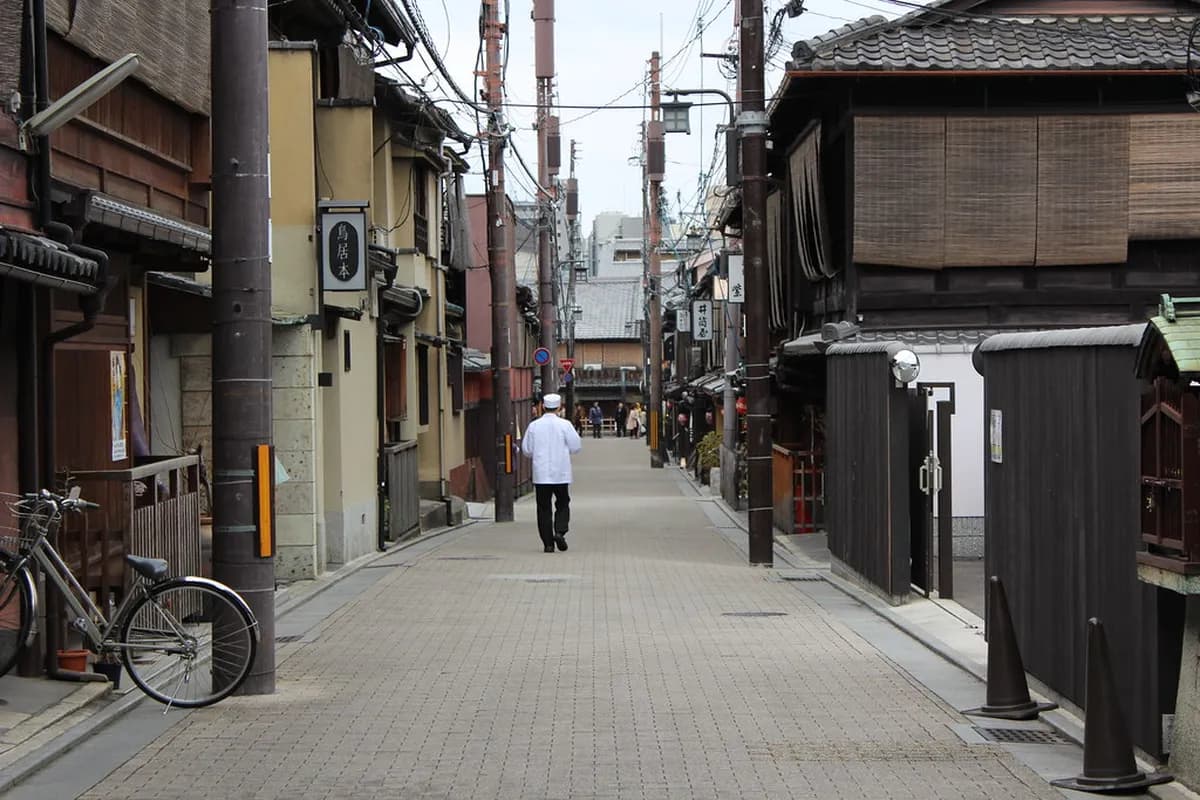
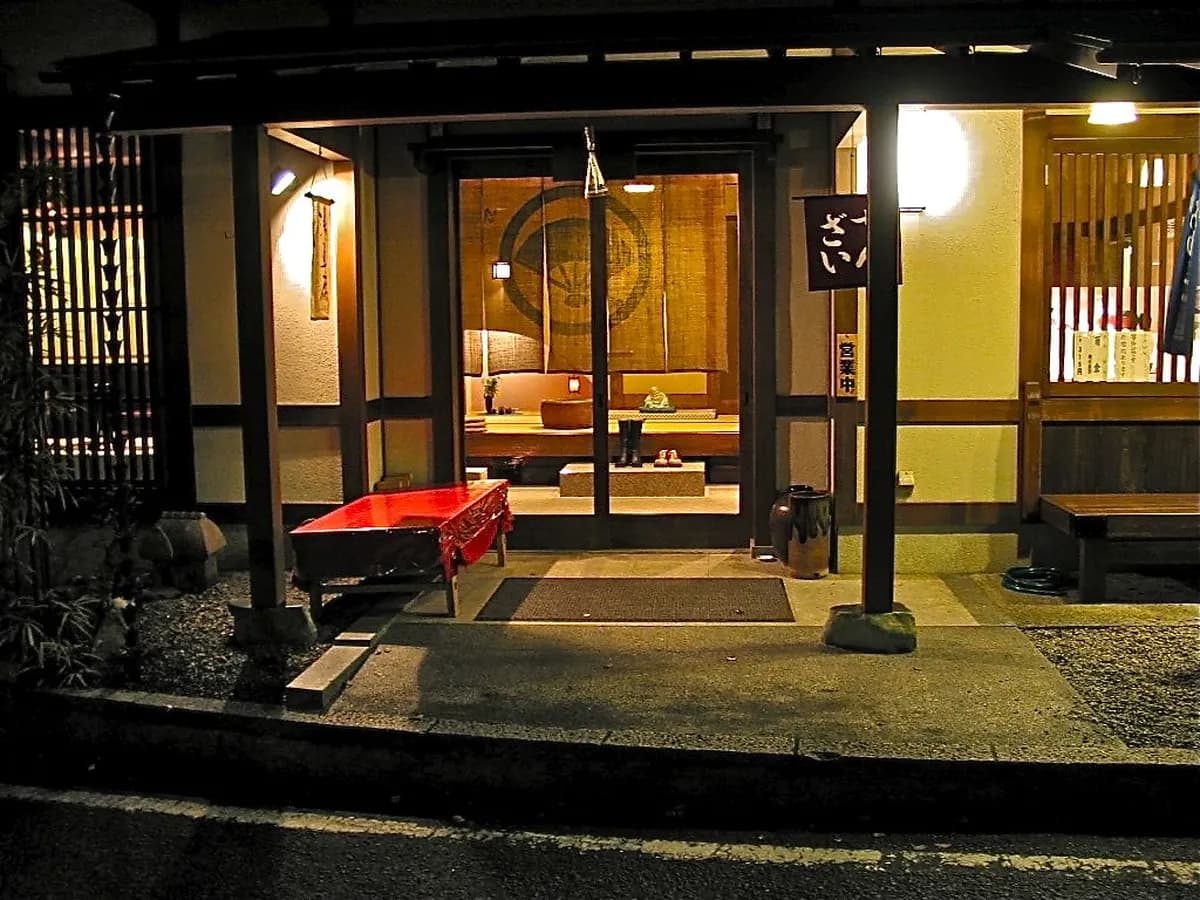
Gion is Kyoto's most recognisable district and the reason most Western travelers fall in love with Japan. The neighborhood straddles both sides of the Kamo River and centres on Hanamikoji-dori, the main geisha street lined with ochaya (teahouses) and low amber lanterns. Staying here puts you within walking distance of Yasaka Shrine, Maruyama Park, and the northern tip of the Higashiyama walking path — so even a Gion base gives you full access to both districts.
Accommodation in Gion ranges from converted machiya townhouses (¥25,000–¥60,000 per night) to full luxury ryokans approaching ¥100,000. Budget hotels and guesthouses exist on the western fringes near Kawaramachi, but the atmosphere thins out quickly once you cross the river. For the ryokan experience, our 10 Best Ryokan in Kyoto 2026: The Ultimate Guide guide lists specific properties in this zone, including places that accept solo bookings and those with private en-suite baths.
Transport from Gion is excellent. Gion-Shijo Station (Keihan Line) connects you to Osaka in 40 minutes and to Fushimi Inari in under 10 minutes. City buses 206 and 100 leave from Shijo-Kawaramachi for Arashiyama and the northern temples. If you are combining Kyoto with Nara or Osaka day trips, Gion is the most efficient base of the three — you rarely need the Shinkansen side of the city for those routes.
One practical note for 2026: Gion Hanamikoji now has enforced photography barriers and a ¥10,000 fine for entering private alley sections after 18:00. The barriers were expanded in late 2024 and are permanent. As a guest staying in Gion, you will walk past them daily — this does not affect access to your hotel, but it does change the evening strolling experience compared to a few years ago. Early morning (before 07:00) is still completely open and genuinely magical.
Staying in Higashiyama: The Temple District Base
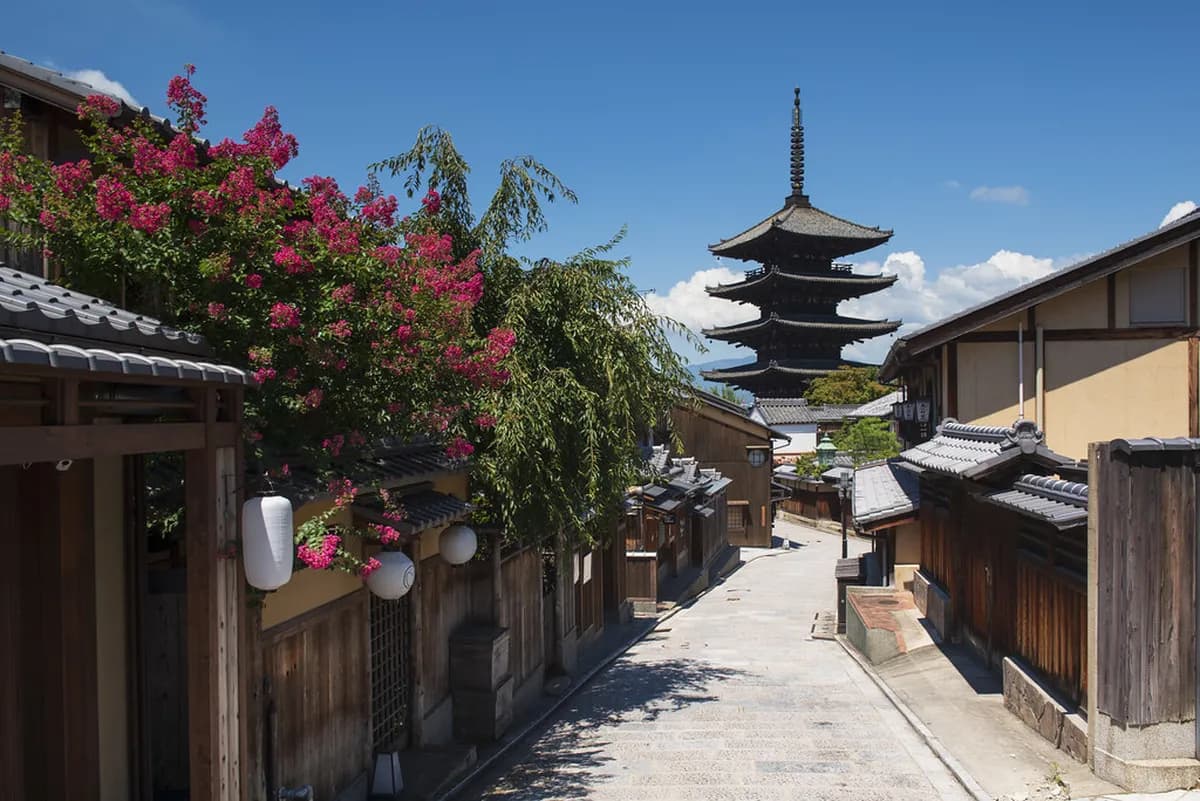
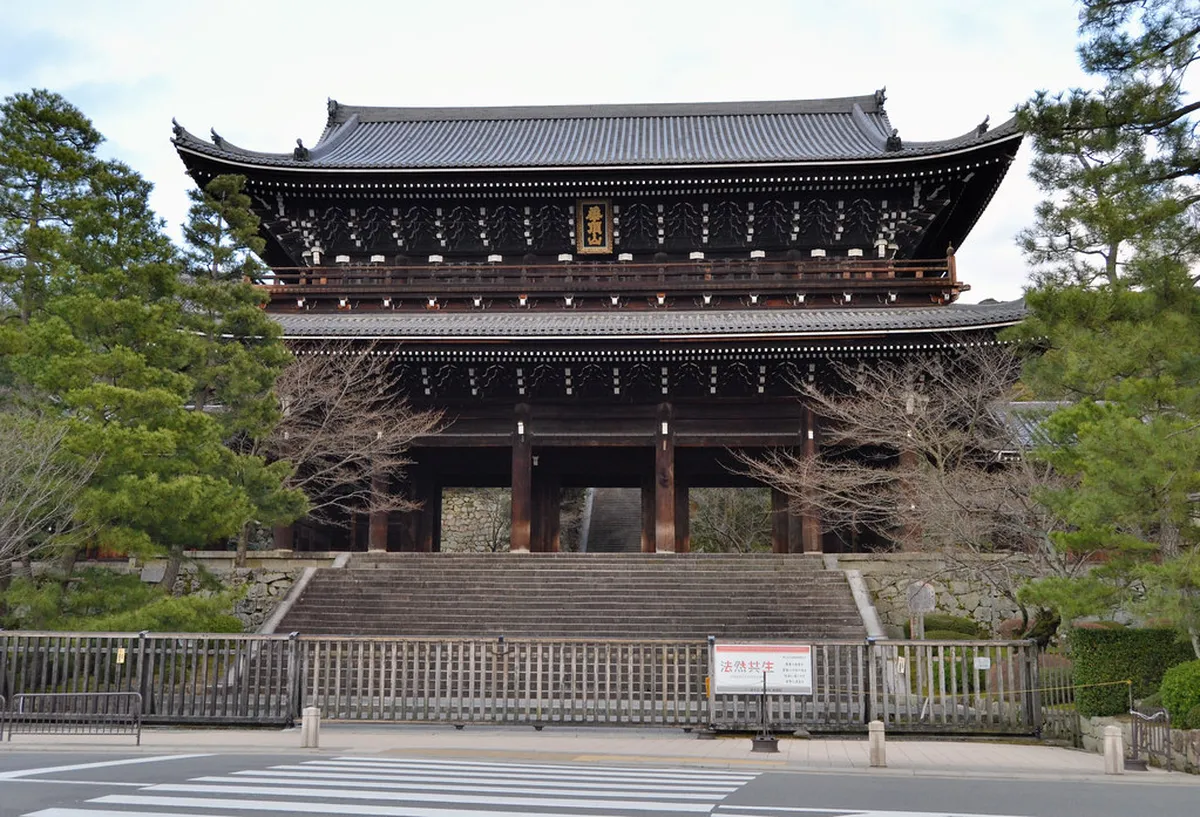
Southern Higashiyama stretches from Kiyomizudera at the south to Chion-in and Shoren-in at the north. It is the most historically dense walking zone in Kyoto — and staying here means you can walk Sannenzaka and Ninenzaka before any other tourist sets foot on the stones. Those two stone-paved lanes between Kiyomizudera and Yasaka Shrine are genuinely transformative at 07:00 with mist still hanging in the cedar trees. By 10:00 they are shoulder-to-shoulder.
Walk Sannenzaka and Ninenzaka before 08:00 for a solitary experience with morning mist hanging in the cedar trees. By 10:00, the same lanes are shoulder-to-shoulder with tour groups.
Higashiyama hotels and ryokans sit along or just off the main walking paths. Properties here tend to be smaller and more traditional than Gion — many are family-run ryokans with 6 to 12 rooms. Expect to pay ¥20,000–¥80,000 per night for a proper ryokan room with breakfast and dinner (kaiseki dinner included in most packages adds significant value). The Higashiyama district also has a strong onsen presence; if a hot spring soak is a priority, read our 10 Best Kyoto Onsen and Public Bath Experiences before booking, as several ryokans here have private in-room baths.
The main transit limitation is that Higashiyama has no subway station within easy walking distance of the southern section. You will rely on City Bus 100 (seasonal), Bus 206 (year-round), or a 15-minute taxi to reach Kyoto Station for Shinkansen. This is fine for a relaxed itinerary but can feel slow if you are trying to pack in day trips. Northern Higashiyama has Higashiyama Station on the Tozai Subway Line, which cuts across the city efficiently — if metro access matters, book in the northern zone (Nanzenji, Heian Shrine area) rather than the southern one.
Families with young children should note that the cobblestoned slopes of Sannenzaka are difficult to navigate with strollers. The Kyoto City Zoo in Northern Higashiyama is a 10-minute walk from Okazaki and works well as an afternoon activity. The broader Higashiyama base suits active walkers, photography enthusiasts, and couples more than families with toddlers.
Staying in Arashiyama: Quiet Nights and Early Bamboo Access
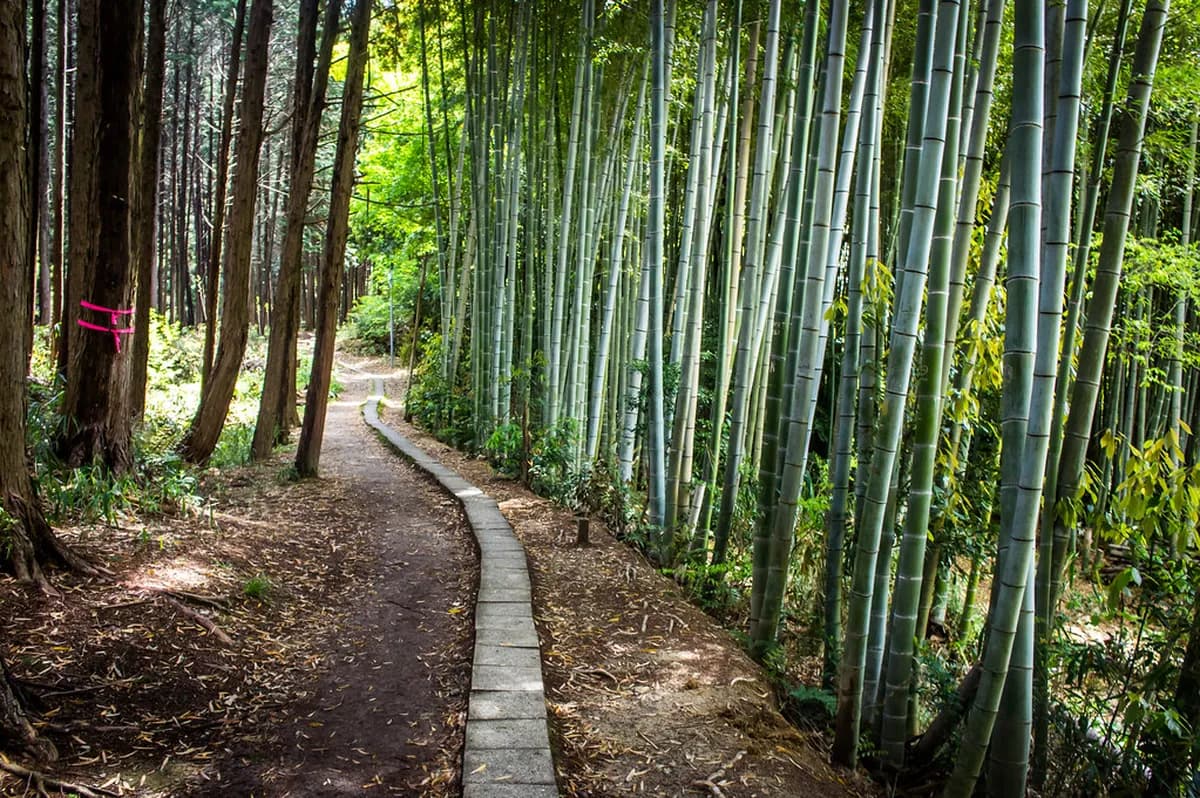
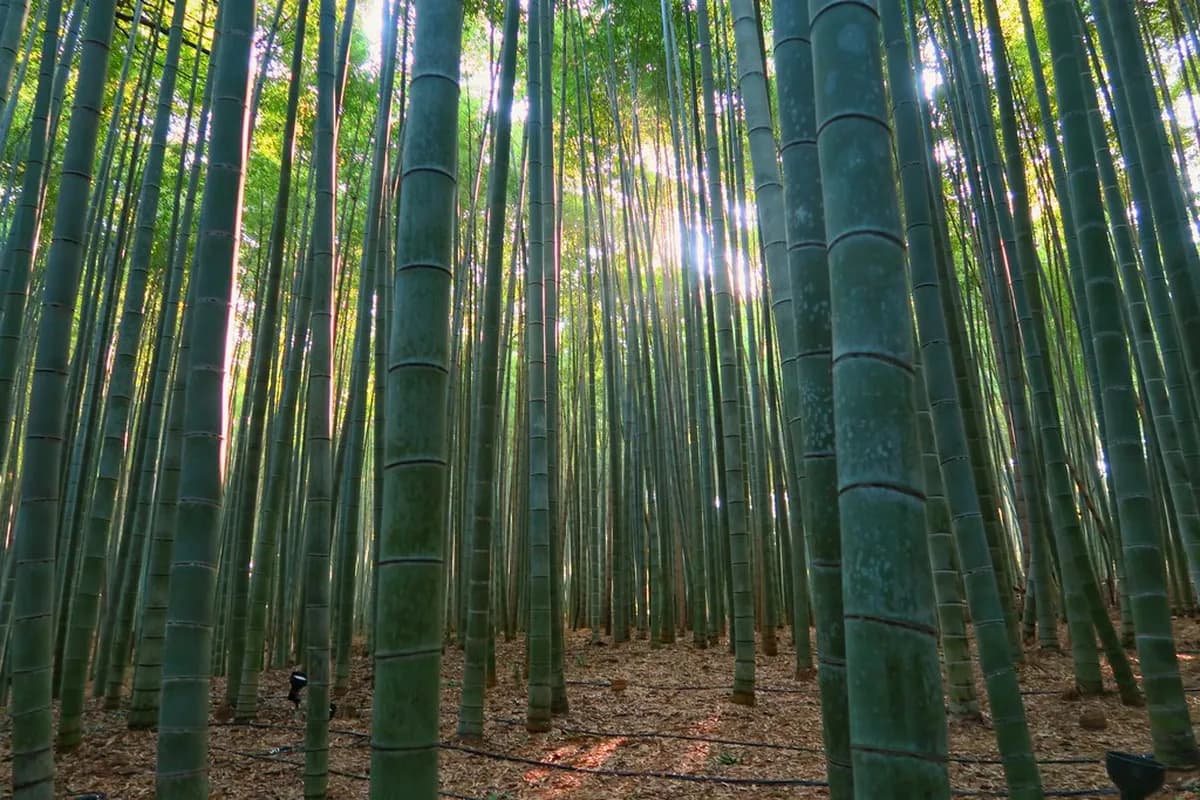
Arashiyama sits on the western edge of Kyoto where the Oi River bends through the mountains. The main draw is the Bamboo Grove and the surrounding complex of temples: Tenryu-ji (UNESCO), Jojakko-ji, and Okochi Sanso villa gardens. Staying here rather than day-tripping is the single biggest advantage you can give yourself in Arashiyama — day visitors flood the bamboo path from 09:00 and the narrow lanes become almost impassable. Guests at local ryokans typically walk the grove at 06:30 in near-total solitude.
As of 2026, there is a ticketed morning entry slot (¥500 per person, 06:30–08:00) for the Bamboo Path administered by the Arashiyama Tourism Association, introduced to manage the overcrowding that had become a serious problem through 2024. Guests staying overnight in Arashiyama receive a priority entry code from their accommodation. This is a significant practical benefit that most travel guides have not yet caught up with — it is a strong argument for staying rather than day-tripping.
Overnight guests at Arashiyama ryokans receive a priority entry code for the morning Bamboo Path slot (06:30–08:00, ¥500). Day-trippers without this code face overcrowded conditions from 09:00 onwards.
Accommodation options in Arashiyama skew luxury. The area has some of Kyoto's most celebrated ryokans — properties with private riverside gardens, open-air baths overlooking the mountains, and multi-course kaiseki dinners featuring Kyoto-style vegetables (kyo-yasai) and local ayu river fish. Expect ¥40,000–¥140,000 per night for a full ryokan package. There are some smaller guesthouses and budget minshuku in the ¥18,000–¥30,000 range but they are limited. If Arashiyama is your top priority but budget is tight, stay one night here and shift to Gion or Downtown for the rest of your trip.
Getting to the rest of Kyoto from Arashiyama is straightforward but slow. The Randen tram (Keifuku Electric) connects Arashiyama to Shijo-Omiya in about 25 minutes for ¥250. The JR Sagano Line from Saga-Arashiyama Station connects to Kyoto Station in 15 minutes — the most useful route if you need the Shinkansen. For the eastern temples (Gion, Kiyomizudera), budget 40–50 minutes each way via bus or a combination of tram and bus. Consult our Kyoto getting-around guide for the best Arashiyama transport routes.
Gion vs Higashiyama: Which Part of the Eastern Hills to Base Yourself
Because Gion and Higashiyama are walkable from each other — the Higashiyama walking path runs continuously between them — many visitors try to choose between them as a single base. The honest answer is that Gion gives you slightly better transport and dining options, while Higashiyama gives you a quieter, more deeply traditional experience.
Gion is better if you plan to eat out every evening. The restaurant density in Gion is far higher — Pontocho Alley alone has 90+ restaurants in a narrow lane running parallel to the Kamo River. The nightlife in Gion is also more accessible, though the district is not loud: think standing bars, sake tasting rooms, and jazz clubs closing at midnight. Our 15 Best Food Experiences in Kyoto: A Local Dining Guide covers the best spots in this corridor if dining is a priority.
Higashiyama is better if you want to feel like you are actually living inside the historic city rather than near it. The machiya townhouses that have been converted to guesthouses along Ishibei-koji Lane are genuinely extraordinary — this stone-paved private alley has no shops, no signage, and almost no foot traffic. If you can book a room facing it, do. It is what Gion's main streets looked like before mass tourism arrived.
For first-time visitors with four or more nights, the best move is two nights in Higashiyama and the remaining nights in Gion or Downtown. You get the immersive temple-district mornings first, then shift to the more connected Gion base for the rest of your trip. One night in Arashiyama at the start or end rounds out the experience perfectly.
Who Should Pick Each District: Traveler Profiles
Certain types of travelers consistently get more out of one district than the others. Here is the breakdown based on trip type:

- First-time visitors (two to three nights) — Gion or Downtown Kyoto. Gion for the atmosphere; Downtown if you want flexibility and have a lot of city to cover. Do Higashiyama and Arashiyama as day walks, not a base.
- Returning visitors or slow travelers — Higashiyama for three nights minimum. The depth of the neighborhood rewards those who are not rushing. Morning temple circuits, afternoon tea ceremony, evening kaiseki — it works perfectly.
- Honeymooners and couples — Arashiyama, specifically a riverside ryokan with a private rotenburo (outdoor bath). The combination of mountain views, traditional cuisine, and total quiet is hard to beat in Japan.
- Budget travelers — Gion fringes or Kawaramachi. You can find guesthouses for ¥8,000–¥14,000 per night near the Kamo River. Higashiyama on a tight budget means sacrificing the ryokan atmosphere entirely. Arashiyama has very few genuine budget options.
- Families with young children — Downtown Kyoto or Kyoto Station area. Strollers on cobblestone are difficult, and kids need variety in dining that all three historic districts struggle to provide after 20:00. Use this base for day trips to all three.
- Solo photographers — Higashiyama, specifically the Ishibei-koji and Sannenzaka zone. The light on stone pavements at 06:30 in autumn is why people fly to Kyoto from across the world.
The Overtourism Factor: What Changed in 2025 and 2026
Kyoto has been actively managing overtourism since 2023, and the measures have escalated enough that they affect your lodging decision. This is a dimension that most "where to stay in Kyoto" guides have not updated to reflect, so it is worth covering explicitly.
In Gion, the Hanamikoji photography restrictions are now enforced with physical rope barriers and fines rather than just signage. Several side alleys off Hanamikoji that were accessible to evening strollers are now closed to non-residents after 18:00. If you are staying in Gion, your hotel will brief you — but expect a measurably different evening walking experience compared to 2022 or 2023 visits you may have read about online. The early morning window (06:00–08:00) is entirely unaffected and remains the best time.
In Higashiyama, Sannenzaka and Ninenzaka now have timed crowd management on weekends and public holidays between April and November. Crowds are redirected via alternate routes during peak hours (11:00–16:00). As a guest staying in a ryokan on or near these streets, you are still free to walk them at all hours — the controls target day trippers arriving by bus. This is actually one of the hidden advantages of staying in Higashiyama rather than day-tripping from elsewhere.
In Arashiyama, the ¥500 ticketed early-access slot for the Bamboo Path (mentioned above) is the main change. Additionally, the Togetsukyo Bridge area now has a one-way pedestrian flow system on weekends, which affects where you exit if you are walking from your ryokan. None of these measures are punitive for overnight guests — in most cases, staying overnight gives you access advantages over day visitors. This is a meaningful argument for booking accommodation in the historic districts rather than commuting from Kyoto Station.
Southern Higashiyama, Gion, and Arashiyama: District Atmosphere Compared
Southern Higashiyama is the most visually concentrated historic area in the city. This stretch includes the famous Gion district and a continuous corridor of wooden temples, clay-walled lanes, and craft shops selling everything from Kyoto ceramics to matcha confections. I recommend staying in a traditional Japanese ryokan here for the full experience. Luxury seekers can find world-class service at properties like the Roku Kyoto or smaller bespoke ryokans on the temple slopes.
Arashiyama sits on the western edge of Kyoto near the mountains and feels genuinely separate from the rest of the city. It is famous for the Bamboo Grove and the beautiful Togetsukyo Bridge. Staying here allows you to see the main sights before the morning buses arrive — and the riverside atmosphere is restorative in a way that the urban east cannot match. The mountains close in around the valley after dusk and the silence is complete.
Families might enjoy visiting the Kyoto City Zoo located near Northern Higashiyama. This area is quieter than the southern half and sits closer to the Okazaki cultural district, with museums and art galleries alongside the Heian Shrine gardens. It is a good choice if you want cultural depth without the heaviest crowds.
Downtown Kyoto and Station Area: The Practical Alternative
Downtown Kyoto covers the Shijo and Kawaramachi areas near the river. This is the best place to explore the local food scene and night markets, and you will find modern hotels at prices well below what the historic districts charge. It is very easy to use the Kyoto getting-around guide from this central point — all major bus lines pass through Shijo, and the Hankyu and Keihan lines connect here.
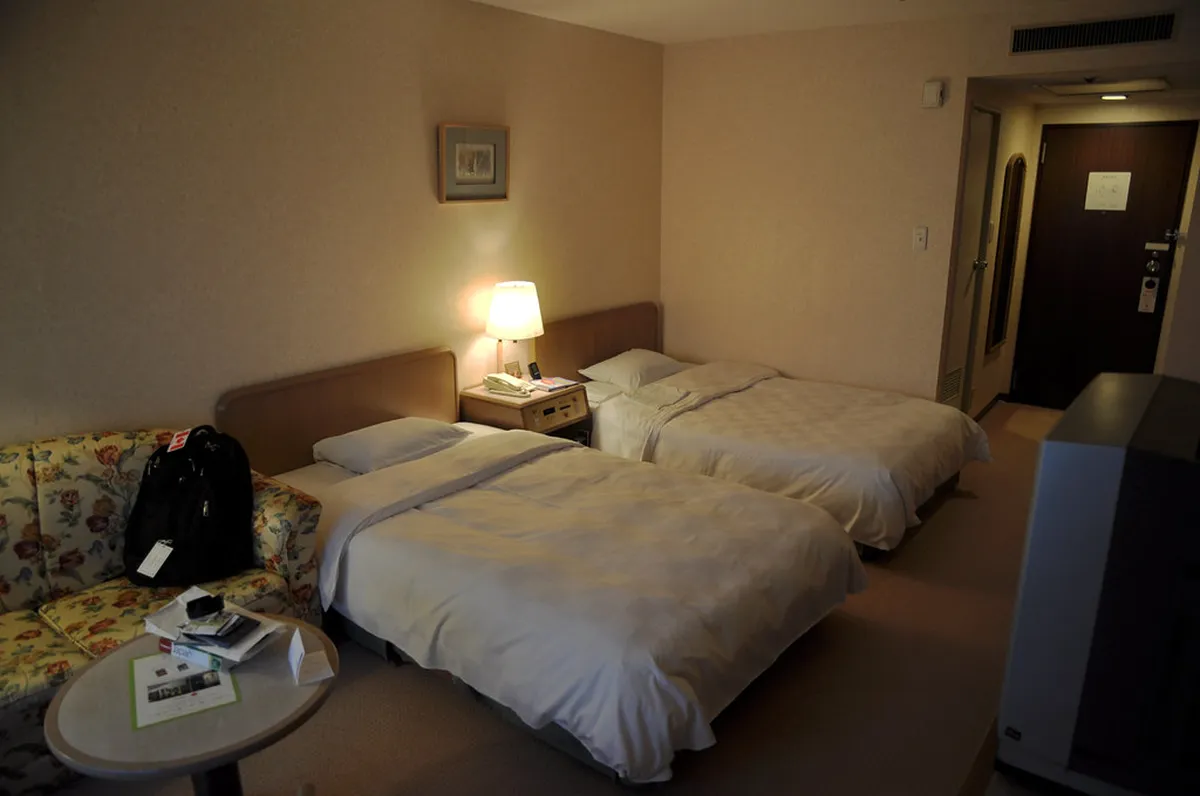
The Kyoto Station area is perfect for travelers with heavy luggage or those who are treating Kyoto as a base for regional travel. You can quickly access the Shinkansen to Osaka, Hiroshima, or Tokyo without paying for taxis to the station. Nearby attractions include the Kyoto Tower and the Kyoto Railway Museum. Hotel prices at Kyoto Station are often 30–50% lower than equivalent properties in Gion.
Downtown and Station are the right choice if you are visiting Kyoto in peak season and all ryokan rooms in Gion and Higashiyama are sold out or beyond your budget — which happens every cherry blossom season. Staying centrally and doing day excursions to all three historic districts is a completely valid strategy. It is less romantic but far more flexible.
The Bottom Line: Which District Wins
For most first-time visitors on a two or three-night Kyoto stay, Gion is the best single base. It sits centrally within the historic east, gives you easy rail access for day trips, and has the highest concentration of restaurants and evening atmosphere. Check our Where To Stay In Kyoto: 9 Best Areas and Booking Tips guide for specific hotel and ryokan names at different budget levels.
Higashiyama edges ahead for returning visitors or anyone doing three or more nights who wants to go deeper. The district rewards unhurried mornings in a way that Gion, with its louder streets and more tourist-facing economy, does not. If you can only stay in one place and you have been to Kyoto before, choose Higashiyama and walk to Gion in the evenings.
Arashiyama wins for luxury and nature. If you have a specific splurge budget (¥50,000+ per night), one or two nights in a riverside ryokan here is the standout accommodation experience in the entire Kyoto region. Use it as a beginning or end to your Kyoto stay rather than your only base.
If you have four nights, the ideal split is: arrive in Arashiyama for one night of pure nature, then move to Higashiyama for two nights of deep temple immersion, finish in Gion or Downtown with easy transport for your departure. Kyoto is a city that rewards those who take the time to stay in multiple places. No matter which district you choose, the depth of this ancient city will find you.
Use our Kyoto attractions guide to plan what to do in each district.
Frequently Asked Questions
Is it better to stay in Gion or Arashiyama?
Gion is better for history and central access to temples. Arashiyama is better for nature and a peaceful riverside atmosphere. Most first-timers prefer Gion for its convenience to other city sights.
What is the best neighborhood for first-time visitors?
Downtown Kyoto is the best neighborhood for first-time visitors. It offers the most dining options and excellent transport links. You can easily follow a Kyoto Itinerary: See Kyoto Perfectly from this central location.
Is Downtown Kyoto better than Higashiyama?
Downtown is better for shopping, nightlife, and budget-friendly hotels. Higashiyama is better for a traditional atmosphere and staying in historic ryokans. Choose Downtown if you value convenience over old-world charm.
Kyoto is one of the most beautiful cities in the world. Your choice of neighborhood will shape your entire Japanese experience. Whether you pick Gion, Higashiyama, or Arashiyama, you will find incredible beauty. Plan ahead and book early to secure your dream accommodation.
Free: The Kyoto Essentials guide
Top things to do, where to stay, a perfect day plan, getting around, and the best time to go — a Kyoto mini-guide you can take offline.
You might also like
Continue reading
More guides you'll find useful