2 Days in Kyoto Itinerary: The Ultimate 48-Hour Guide
Plan the perfect 2 days in Kyoto with our efficient itinerary. Includes top temples, Arashiyama, Fushimi Inari, local food spots, and essential transport tips.
On this page
I spent my first trip to Kyoto wandering aimlessly through narrow alleys and feeling completely overwhelmed by the beauty. This ancient city served as the capital of Japan for over a thousand years and holds countless cultural treasures. Planning a 2 days in kyoto itinerary is the best way to see the highlights without getting lost.
This guide is designed for first-time visitors who want to experience the essential temples and traditional districts efficiently. We focus on grouping attractions by neighborhood to help you spend less time on buses and more time exploring. The structure of this plan has been tested across multiple seasons, so the timing and logistics reflect real conditions on the ground in 2026.
Kyoto offers a unique blend of serene Zen gardens and bustling modern shopping streets that everyone should see once. You will find that 48 hours is just enough time to fall in love with the city's historic charm. Let us dive into the perfect plan for your upcoming Japanese adventure.
2-Day Kyoto Itinerary At a Glance
Seeing Kyoto in two days requires a smart strategy to avoid the massive crowds at popular landmark sites. Start your mornings as early as possible to enjoy the peaceful atmosphere of the shrines before tour buses arrive. This summary provides a quick look at how you will divide your time between East and West Kyoto.
Day one focuses on the iconic orange torii gates of Fushimi Inari and the preserved wooden streets of the historic Higashiyama district, finishing with an evening stroll through Gion. Day two takes you toward the western mountains for bamboo groves, the famous golden temple pavilion, and the city's best food market. Each day is balanced with cultural stops and delicious local food opportunities.
Using a mix of trains and walking is consistently faster than relying solely on city buses. Kyoto is very walkable if you stay within specific neighborhoods like Gion or the downtown area. Keep this high-level plan handy as you navigate the city's beautiful historic landscape.
- Day 1: Southern Higashiyama and Gion (Old Kyoto classics)
- 07:00 – Fushimi Inari Taisha (arrive before crowds)
- 10:00 – Kiyomizu-dera Temple and the Higashiyama Walking Course
- 13:00 – Lunch on Ninenzaka or Sannenzaka
- 15:00 – Yasaka Shrine and Maruyama Park
- 18:00 – Gion district and Pontocho dinner
- Day 2: Arashiyama and Golden Pavilion (Nature and Zen)
- 07:30 – Arashiyama Bamboo Grove walk
- 09:00 – Tenryu-ji temple and garden
- 11:30 – Kinkaku-ji Golden Pavilion
- 13:30 – Ryoan-ji rock garden
- 16:00 – Nishiki Market and downtown Kyoto
The 1-Day Bus Pass costs 700 yen and covers unlimited rides on city buses — it breaks even after just four bus trips. For this itinerary, buy the pass on Day 2 when you're crossing the city between Arashiyama and Kinkaku-ji, then use your IC card on Day 1 for JR train trips.
Day 1: Fushimi Inari, Higashiyama Walking Course, and Gion
Set your alarm for 06:30 and head directly to Fushimi Inari Taisha by taking the JR Nara Line from Kyoto Station to Inari Station — it is a 5-minute ride that costs around 150 yen. The shrine is free to enter and never closes, so you can walk the lower gate tunnels before most visitors have finished breakfast. By 07:00 the vermilion corridors have a magical, almost empty quality that disappears completely by 09:00.
You do not need to hike to the summit (a 2-hour round trip) to get the experience. The first 30 minutes of the trail, up to Yotsutsuji intersection, gives you the iconic gate tunnels and a clear city view. Return to Kyoto Station by 09:30 and take Bus 100 toward Kiyomizu-dera for the second act of the morning.
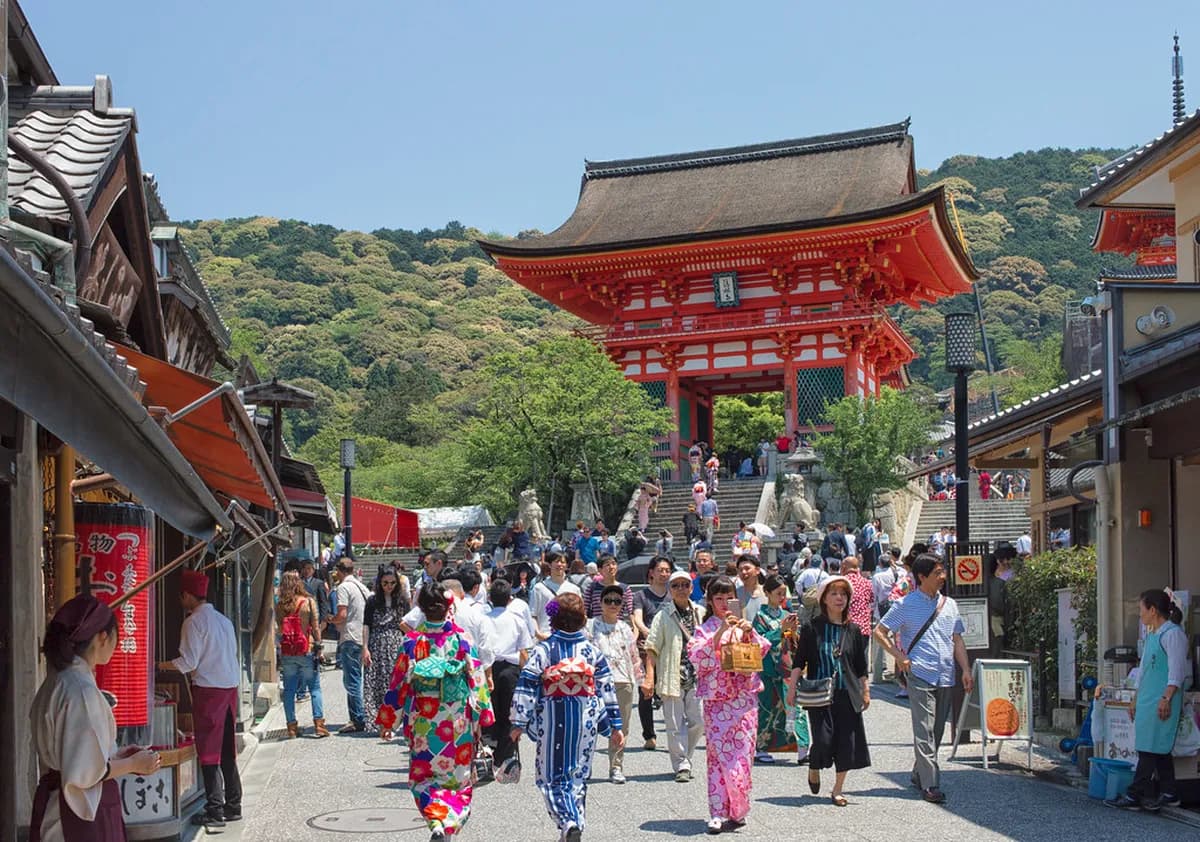
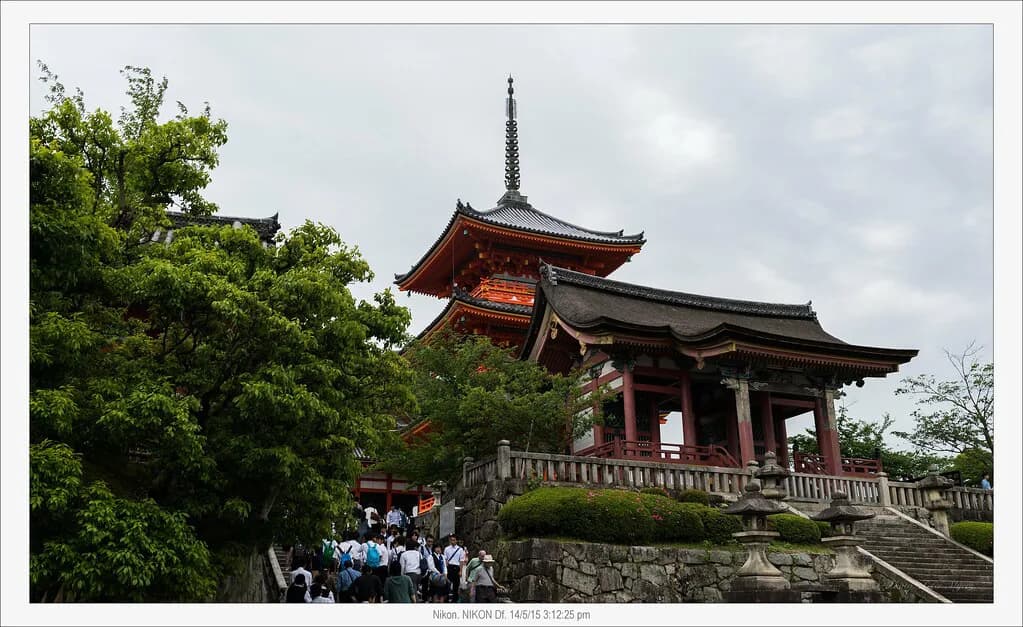
After visiting Kiyomizu-dera temple (admission 500 yen, open 06:00–18:00), pick up the official Higashiyama Walking Course, which is a signposted stone-paved path that runs northward from the temple's front gate. This route takes you through Sannenzaka, Ninenzaka, past Kodai-ji temple, and all the way to Yasaka Shrine — roughly 2.5 km of the most photogenic streets in Japan. Walking the entire course takes about 90 minutes at a relaxed pace with stops for shopping and snacks along the way.
Spend the late afternoon at Maruyama Park, a short walk east of Yasaka Shrine. As evening falls, cross the street into Gion and walk slowly along Hanamikoji Street. Dinner in Pontocho Alley is the right end to a long day — budget 3,000–6,000 yen for a sit-down meal at most establishments along the lane.
Day 2: Arashiyama, Kinkaku-ji, and Nishiki Market
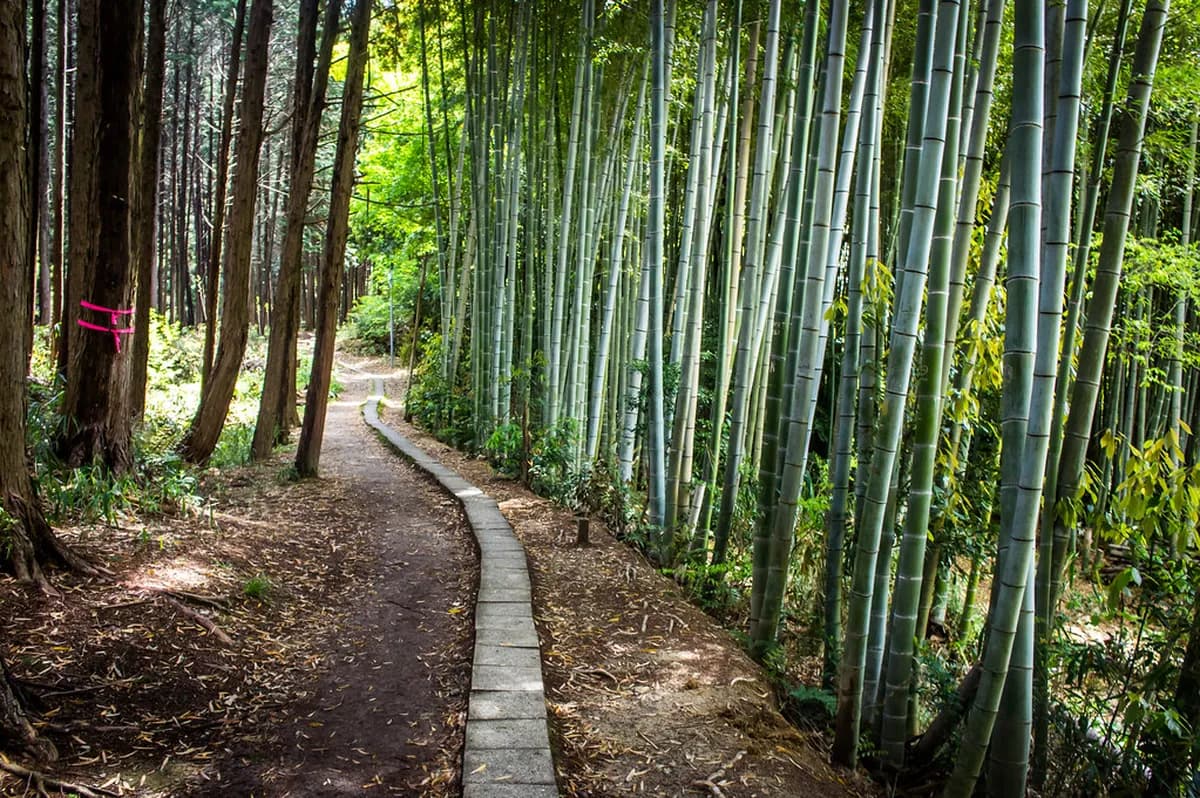
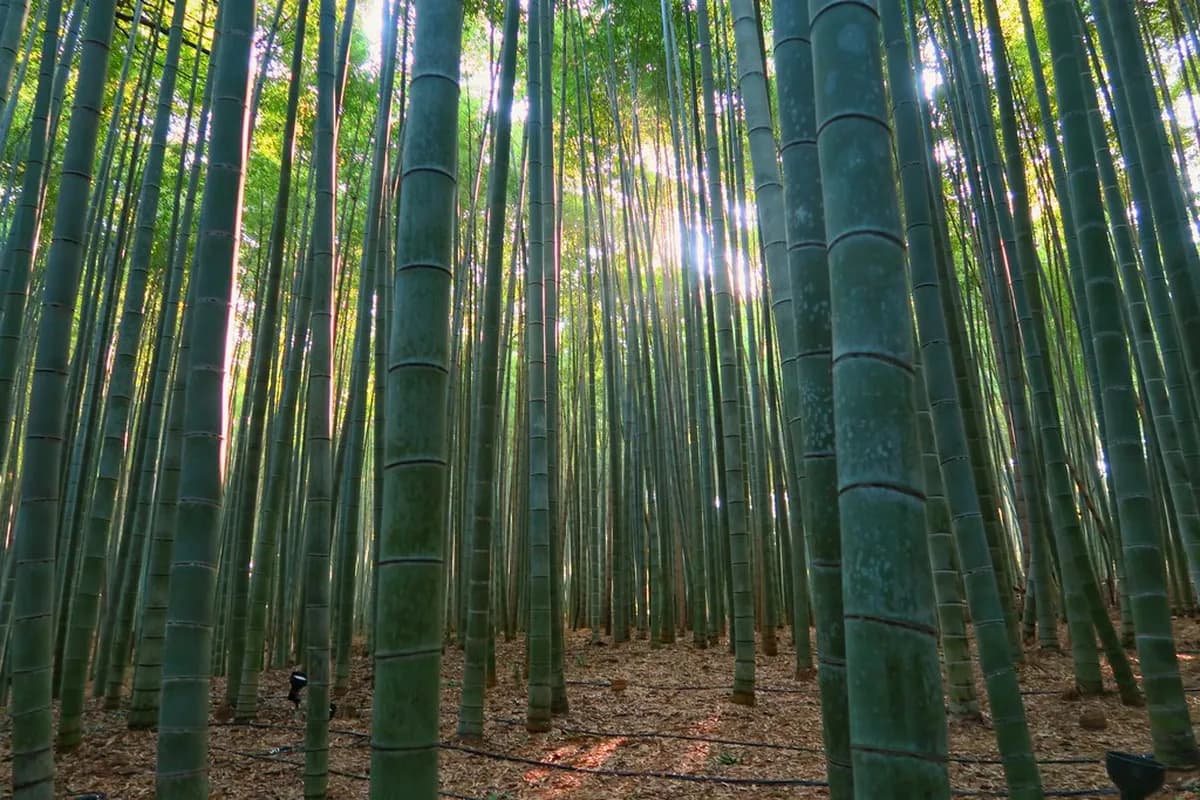
Take the JR Sagano Line from Kyoto Station to Saga-Arashiyama Station (18 minutes, approximately 240 yen) and walk straight to the Bamboo Grove. Arriving by 07:30 means you will experience the famous path without the thick midday crowds. The grove itself is free and takes only 15–20 minutes to walk through, but the atmosphere at sunrise is genuinely spectacular.
After the grove, continue south to Tenryu-ji, a UNESCO-listed Zen temple with a stunning moss garden and pond. Admission for the garden only is 500 yen; an additional 300 yen covers the interior halls. Spend 45–60 minutes here before the tour groups arrive. The garden's composition against the Arashiyama mountain backdrop is arguably better than Kinkaku-ji's famous shot.
Head back east toward Kinkaku-ji for late morning. The Golden Pavilion costs 500 yen to enter and is open daily 09:00–17:00. The reflection of the gold-leaf exterior in Kyoko-chi pond looks best in clear morning light, so timing your arrival around 11:30 works well. From Kinkaku-ji, the 12-minute bus ride on Route 59 takes you to Ryoan-ji, where Japan's most famous dry rock garden rewards quiet contemplation for 30 minutes (admission 600 yen).
Return to central Kyoto in the mid-afternoon and finish at Nishiki Market. The covered shopping arcade runs for 400 metres along Nishiki-koji Street and is busiest between 11:00 and 15:00. Try fresh yudofu tofu skewers, tamagoyaki egg rolls, and pickled vegetables as you browse the 100-plus stalls. Most vendors close by 18:00, so plan your visit before dinnertime.
Getting to Kyoto and Getting Around
From Tokyo, the Shinkansen Hikari or Nozomi reaches Kyoto Station in approximately 2 hours 15 minutes. A reserved seat on the Nozomi costs around 13,850 yen one-way. From Osaka's Shin-Osaka Station, the Shinkansen takes just 15 minutes, or you can ride the cheaper Hankyu or Kintetsu limited express for about 560 yen (35–45 minutes).
Kansai-Itami Airport connects to Kyoto by limousine bus in about 55 minutes (1,310 yen). Kansai International Airport is farther, requiring either the Haruka Limited Express (about 75 minutes, 1,910 yen with IC card discount) or a combination of trains. Both options drop you directly at Kyoto Station.
Inside the city, the key decision is whether to load an IC card (Suica or ICOCA) or buy a Kyoto City Bus 1-Day Pass. The IC card charges per trip: a typical bus ride costs 230 yen and a subway segment costs 220–350 yen. The 1-Day Bus Pass costs 700 yen and covers unlimited rides on city buses and the Kyoto Bus network — it breaks even after just four bus trips, which is easily achievable on a full sightseeing day. For this 2-day itinerary, the pass makes sense on Day 2 when you are crossing the city between Arashiyama and Kinkaku-ji. On Day 1, train trips on the JR Nara Line are not covered by the bus pass, so the IC card is more efficient.
Find an IC card reader at Kyoto Station or top up your existing Suica card there. The subway system — two lines crossing the city — is the fastest way to avoid bus traffic jams during peak tourist season. Download the Navitime Japan app or Google Maps (offline mode) before arrival: both handle bus, train, and walking directions accurately within Kyoto.
Best Time to Visit Kyoto: Seasonal Guide
Spring (late March to mid-April) is the most popular season because of cherry blossoms, particularly in Maruyama Park and along the Philosopher's Path. Expect accommodation prices to be 30–50% higher than average and every famous site to be extremely crowded. Book hotels at least 3 months in advance if you plan to visit during peak bloom, which typically falls in late March to early April.
Autumn (mid-November to early December) rivals spring for popularity, with fiery red maples at Eikan-do and Tofuku-ji drawing enormous crowds. This is the second most expensive window of the year. However, the colour display at lesser-known temples like Rurikoin in Yamashina (requires a reservation, free of charge) can be just as stunning and far less crowded than the headliners.
Summer (June to August) is hot and humid, with afternoon temperatures regularly reaching 35°C, but it is significantly cheaper and less crowded than the peak seasons. The Gion Matsuri Festival runs throughout July, with its grandest float procession on July 17th — this is one of Japan's three great festivals and worth planning around if your dates are flexible. Winter (December to February) brings occasional snow that turns Kinkaku-ji and the bamboo grove into extraordinary scenes; crowd levels drop sharply and some hotels offer their lowest rates of the year.
What to Book Before You Arrive
While many temples allow walk-in visits, some experiences in Kyoto require planning weeks in advance. Traditional tea ceremonies in Higashiyama fill up quickly during the peak spring and autumn seasons — book at least two weeks before your arrival date. Several reputable tea houses near Kiyomizu-dera offer 45-minute experiences for around 2,000–3,000 yen per person.
Kimono rental is another activity that benefits from advance planning. Shops near Kiyomizu-dera offer full rental packages for 4,000–7,000 yen including hair styling. Reserving one week ahead is usually sufficient for most shops in the Higashiyama area, though peak season narrows that window considerably.
The Sagano Scenic Railway in Arashiyama sells out very fast during the autumn foliage season. Tickets for this 25-minute mountain gorge train ride go on sale one month in advance. If you are visiting during late November, check the Sagano Kanko Tetsudo website the moment the booking window opens.
Where to Stay in Kyoto: Best Neighborhoods for 2 Days
Choosing the right location is vital when you only have 48 hours to explore this sprawling historic city. Stay near Kyoto Station if you prioritize easy transit to other cities and the airport. You can find many hotels in Kyoto that cater to all budgets in this central area, from business hotels under 8,000 yen per night to mid-range chains at 12,000–18,000 yen.
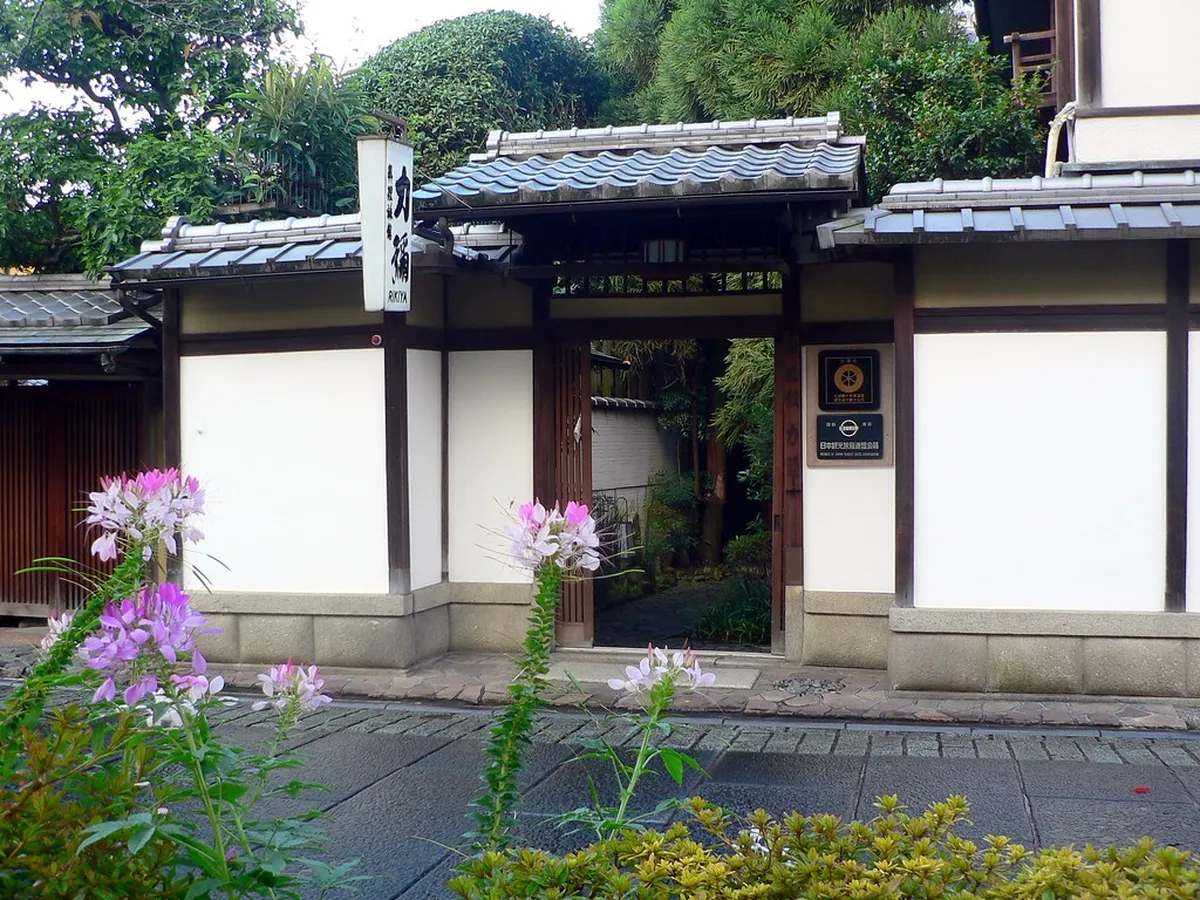
The Gion and Kawaramachi districts are better for travelers who want to be steps away from traditional restaurants and the Higashiyama walking streets. Walking through Gion at night feels like stepping back into a much older version of Japan. This area commands higher prices for the atmosphere and the proximity to Day 1 sightseeing.
For a more local feel, consider the Nakagyo ward near the Imperial Palace grounds or along Nijo Street. This neighborhood is quieter but offers excellent subway access to both the eastern and western sightseeing zones. Staying within a five-minute walk of a subway station consistently saves significant time across a two-day itinerary.
Places to Eat in Kyoto: Street Food and Kaiseki
Kyoto is famous for its refined cuisine, ranging from casual market snacks to multi-course kaiseki meals that can cost 15,000 yen or more per person. Nishiki Market, known as Kyoto's Kitchen, is the best quick-food stop: try fresh soy milk donuts, grilled squid on a stick, and small cups of matcha soft-serve ice cream. Our 15 Best Food Experiences in Kyoto: A Local Dining Guide suggests visiting the market around noon for the best selection before stalls start running low.
Pontocho Alley is the most atmospheric place for dinner, featuring narrow walkways lined with traditional wooden buildings and river-facing terraces called yuka platforms open during summer. Many restaurants require a reservation during weekends and peak season. Expect to pay between 3,000 and 8,000 yen for a high-quality dinner in this historic district.
For a quick and cheap breakfast before early temple visits, Japanese convenience stores like Lawson or 7-Eleven offer surprisingly good options. A rice ball (onigiri) costs around 150 yen and a hot coffee from the machine is 100–120 yen. This keeps you mobile and saves your appetite for a more substantial lunch near the major temple sites later in the morning.
Essential Tips for Visiting Kyoto: Crowds and Etiquette
Respecting local customs is very important when visiting sacred shrines and traditional neighborhoods like Gion. Photography is strictly prohibited on certain private streets in the Hanamikoji and Shinbashi areas to protect the privacy of residents and geiko performers. Our Kyoto transport guide also notes that city buses can be extremely crowded during peak hours — if the bus is full, wait for the next one rather than squeezing in.
When entering temple halls, you will often be required to remove your shoes and carry them in the provided bag or basket. Wearing socks without holes is a good idea since you will be walking on polished wooden floors that can be cold in winter. Always speak quietly and keep your phone on silent inside the prayer areas of shrines.
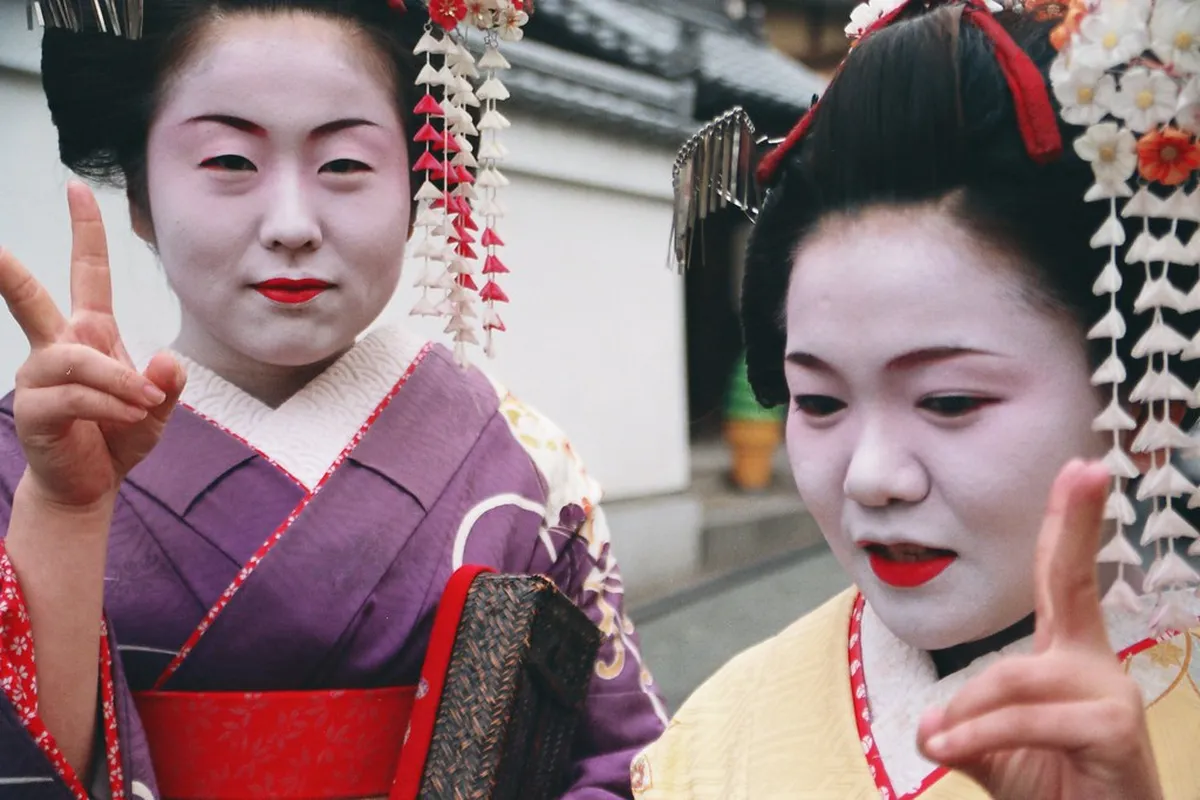
Photography is strictly prohibited on certain private streets in the Hanamikoji and Shinbashi areas of Gion to protect the privacy of residents and geiko performers. Respect these boundaries and look for the posted signs before taking photos in the historic district.
To manage the heavy crowds, visit the most famous spots during the first hour they open. The Golden Pavilion crowds are much smaller right at 09:00, and Fushimi Inari before 08:00 is a completely different experience from midday. Planning your route to avoid backtracking — grouping east-side sites on Day 1 and west-side sites on Day 2 — keeps you energized across both full days.
Is 2 Days in Kyoto Enough?
Many travelers wonder if forty-eight hours provides enough time to see the soul of this ancient city. Two days are sufficient to visit the most famous UNESCO World Heritage sites and walk through the essential neighborhoods. You will leave having seen the highlights of Japan's cultural heart, even if the city's deeper layers remain for a future visit.
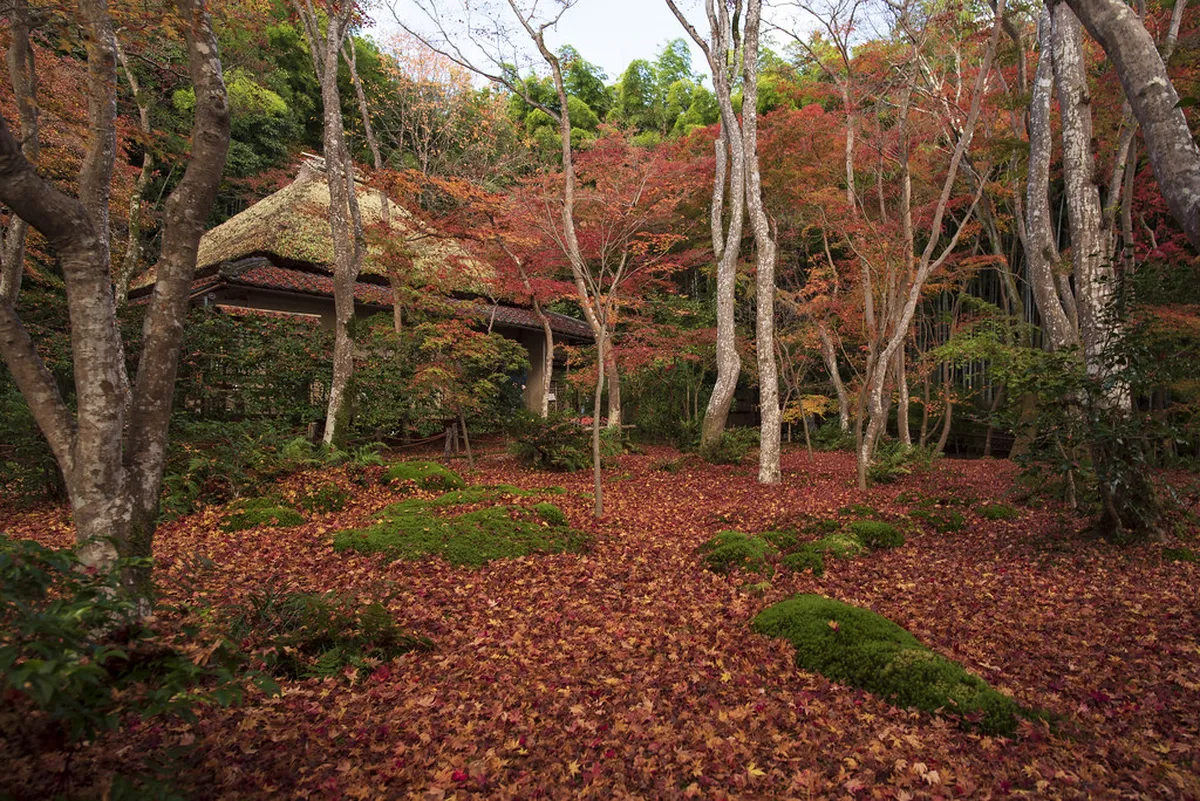
If you move at a fast pace and limit lingering, you can even fit in a few hidden gems alongside the icons — Fushimi Inari's upper trails, Ryoan-ji's sand garden, or a stop at the Kyoto Imperial Palace grounds (free and open to the public without reservation). A third day is recommended if you want to explore Kurama Mountain, the bamboo groves of Ohara, or the rural landscapes north of the city.
Kyoto rewards slow exploration and quiet moments in Zen rock gardens more than any other major city in Japan. Even if you only have two days, the memories of the bamboo forest and golden temples will last for years. Most visitors find themselves planning a return trip before they have even left the train station.
Add an Extra Day: Kyoto Day-Trip Extensions
If you find yourself with an extra day, the nearby city of Nara is a fantastic choice. You can feed the famous bowing deer along the approach to Todai-ji and see the giant bronze Buddha statue, which stands 15 metres tall inside the world's largest wooden building. Check out 15 Best Day Trips from Kyoto for more inspiration on where to go next.
Osaka is another great option, located only thirty minutes away by Shinkansen or about 45 minutes by the cheaper Kintetsu Express from Kyoto Station. It offers a completely different vibe with neon lights, modern shopping, and incredible street food in Dotonbori. You might also enjoy reading their three-day Kyoto itinerary if you want to extend your stay rather than leave the city.
Uji is a quieter alternative for tea lovers, just a short JR Nara Line ride south of the city (17 minutes, 240 yen). This area is world-famous for its high-quality matcha and the beautiful Byodo-in Temple featured on the ten-yen coin. It is a perfect half-day escape if you want to avoid the largest tourist crowds in central Kyoto while still experiencing a deeply historic Japanese atmosphere.
See our Kyoto attractions guide for the broader overview of what Kyoto offers.
Frequently Asked Questions
What is the best way to get around Kyoto in 2 days?
The best way is using a combination of the subway and JR trains for speed. Buses are useful for reaching specific temples but can be very slow in heavy traffic. Walking between sites in Higashiyama is also highly recommended.
How much does a 2-day trip to Kyoto cost?
A mid-range traveler should budget about 10,000 to 15,000 yen per day. This includes temple entry fees, local transport, and nice meals. Accommodation costs will be extra depending on your choice of hotel or ryokan.
Is the Japan Rail Pass worth it for Kyoto?
The JR Pass is worth it only if you are traveling between multiple cities like Tokyo and Osaka. For travel strictly within Kyoto, local IC cards or day passes are much more cost-effective. Check your long-distance plans before buying.
Kyoto is a magical city that offers a glimpse into the ancient heart of Japanese culture and history. With this 2 days in kyoto itinerary, you can see the most famous sights while enjoying local food and understanding how the city actually moves. I hope this guide helps you navigate with ease and creates wonderful travel memories.
Remember to pack comfortable walking shoes and start your days early to beat the largest crowds. The blend of golden temples, quiet bamboo forests, and centuries-old walking streets is something every traveler should experience at least once. Enjoy your journey through the beautiful streets of Kyoto and safe travels on your Japanese adventure.
Free: The Kyoto Essentials guide
Top things to do, where to stay, a perfect day plan, getting around, and the best time to go — a Kyoto mini-guide you can take offline.
You might also like


Continue reading
More guides you'll find useful