Kyoto 3 Day Itinerary 2026: The Ultimate First-Timer's Guide
Plan the perfect Kyoto 3 day itinerary for 2026. Includes a day-by-day map, crowd-beating tips for Fushimi Inari, and the best neighborhoods to stay in.
On this page
I built this kyoto 3 day itinerary 2026 after my sixth visit to Japan's cultural heart. This guide helps first-time visitors navigate the city without feeling overwhelmed by the massive crowds. Last refreshed for the 2026 travel season, it accounts for post-Expo spillover effects and updated IC card logistics. You will find practical advice on timing, costs, and sustainable travel in this ancient capital.
Kyoto remains a top destination for those seeking traditional architecture and serene Zen gardens. However, the 2026 travel season requires more planning than previous years due to increased global interest following the Osaka Expo. I recommend booking your accommodation at least six months in advance to secure the best rates. This itinerary focuses on maximizing your time while minimizing the stress of navigating busy transit hubs.
Is 3 Days Enough for Kyoto?
Three days is enough to cover the essential highlights if you start early and group sites by neighborhood. You will see Fushimi Inari, the Arashiyama Bamboo Grove, Kinkaku-ji, Kiyomizu-dera, and Gion without feeling rushed. You won't exhaust every temple district, but you will leave with a strong sense of the city's character.
The key constraint is temple fatigue. Kyoto has over 1,600 temples and shrines, and visiting too many in sequence is one of the most common mistakes first-timers make. I structure this itinerary around three distinct visual moods — hillside streets, bamboo and gold, and the iconic torii gates — so each day feels different and keeps your interest fresh.
If you have four or five days, the Philosopher's Path (Tetsugaku-no-Michi) from Nanzen-ji to Ginkaku-ji and the Uji matcha district make excellent additions. For three days, the plan below keeps you moving efficiently without turning the trip into an endurance test.
Best Time to Visit Kyoto in 2026
Spring (late March to mid-April) and autumn (mid-November to early December) offer the most photogenic conditions: cherry blossoms or fiery maple foliage framing every temple. Both seasons are also the most crowded and expensive. Book accommodation six months ahead if you target these windows in 2026.
Summer (July to August) is hot and humid, with temperatures regularly above 35°C. The upside is slightly fewer foreign tourists and vivid green temple gardens. Winter (December to February) is the quietest season, with cold but manageable temperatures and occasional light snow on the Arashiyama bamboo. Prices drop noticeably and early-morning sites feel genuinely peaceful.
For 2026 specifically, the post-Osaka Expo wave continues to push visitor numbers upward through the peak seasons. I found the shoulder period of late May and early October to be the practical sweet spot: acceptable weather, 20–30% lower accommodation rates, and noticeably thinner crowds at Fushimi Inari even at midday.
How to Get to Kyoto
The nearest major airports are Kansai International (KIX) in Osaka and Itami Airport. From KIX, the Haruka Express train runs directly to Kyoto Station in about 75 minutes (¥3,800 unreserved). From Tokyo, the Shinkansen Hikari service on the Tokaido line covers the journey in about 2 hours 20 minutes and costs roughly ¥13,870 for a non-reserved seat.
If you hold a JR Pass in 2026, it covers Shinkansen travel on the Tokaido line and the Haruka Express from KIX. The pass makes financial sense if you are combining Kyoto with Tokyo and at least one other Shinkansen-accessible destination. For Kyoto-only trips, individual tickets are often cheaper. Book Shinkansen seats at least 30 days ahead during peak season — unreserved carriages exist but fill up quickly on morning departures.
Use the SmartEX app to book and manage Shinkansen reservations digitally before you leave home. Kyoto Station is the main arrival hub and connects directly to the municipal subway and main bus terminal. From the station, most itinerary starting points are under 20 minutes by transit.
3-Day Kyoto Itinerary at a Glance
Each day below is grouped by neighborhood to reduce transit time and physical fatigue. Starting before 07:30 each morning is the single most effective way to beat the 2026 crowds. Consult this Inside Kyoto Route Map to visualize walking distances between sites.
- Day 1: Southern Higashiyama and Gion — traditional hillside streets, Zen temples, lantern-lit evenings
- Day 2: Arashiyama and Kinkaku-ji — bamboo grove at dawn, Golden Pavilion in the afternoon, Nishiki Market for dinner
- Day 3: Fushimi Inari and Nara — torii gates at sunrise, deer park by mid-morning, back for a Pontocho dinner
| Day | Morning | Afternoon | Evening | Estimated Cost |
|---|---|---|---|---|
| Day 1 | Kiyomizu-dera (¥500), Sannenzaka/Ninenzaka | Kodai-ji (¥600), Kennin-ji (¥600), Nishiki Market | Gion walk, Pontocho dinner | ¥2,000–¥8,000 |
| Day 2 | Bamboo Grove (free), Tenryu-ji (¥500–¥900) | Togetsukyo Bridge, Arashiyama lunch (¥1,000) | Kinkaku-ji (¥500), dinner | ¥2,500–¥8,000 |
| Day 3 | Fushimi Inari (free), JR Inari Station (¥150) | Nara Park (free), Todai-ji Temple (admission TBD), deer crackers (¥200) | Kyoto Station shopping, farewell dinner | ¥2,000–¥8,000 |
Day 1: Southern Higashiyama and Gion
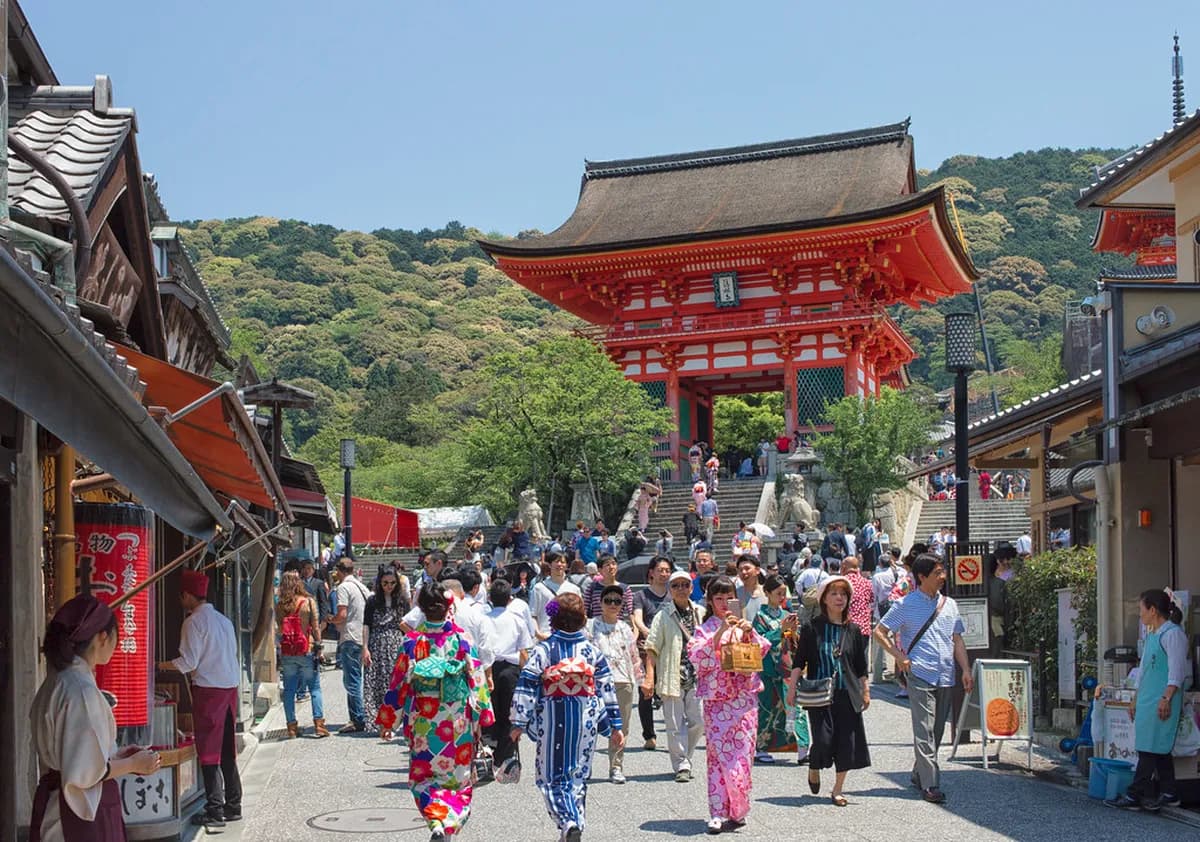
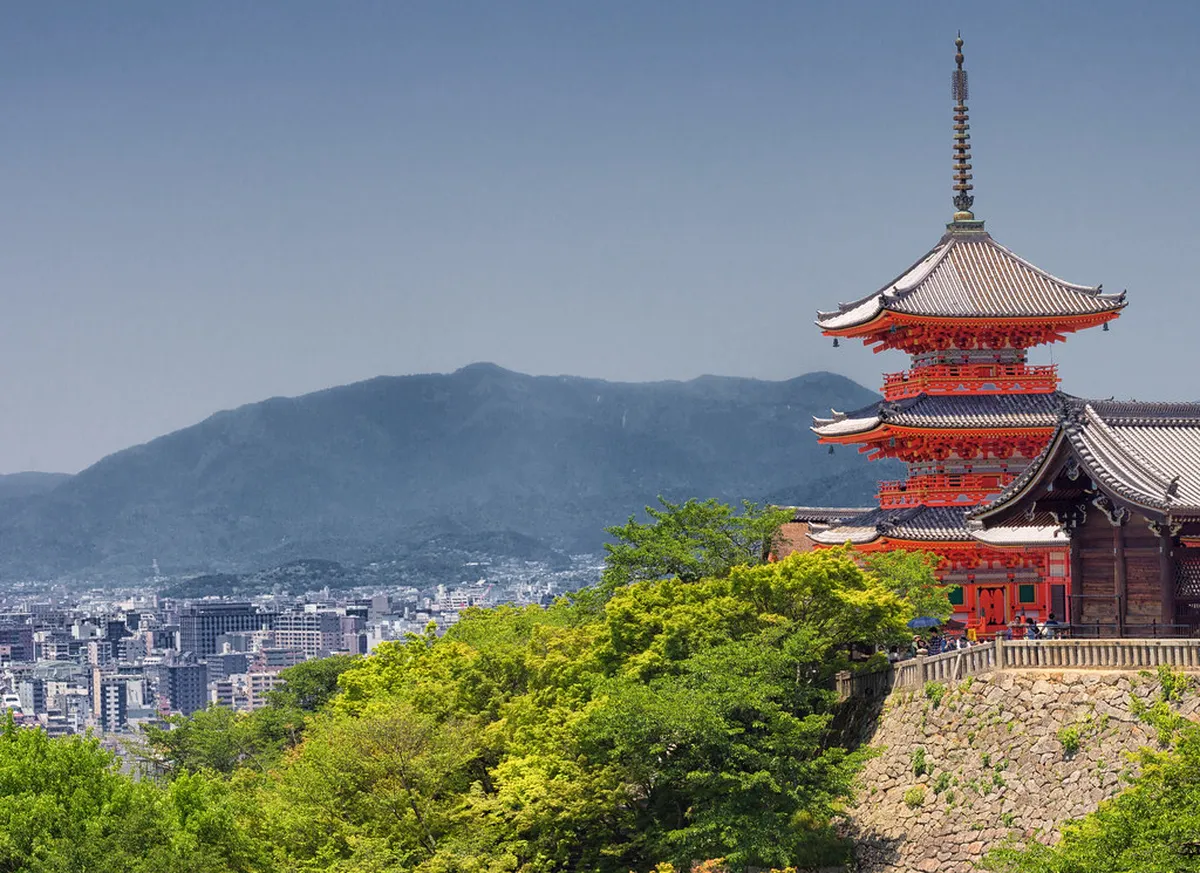
Start at Kiyomizu-dera before the sun fully rises. The temple opens at 06:00 and charges ¥500 admission. Arriving by 06:30 puts you on the famous wooden stage during the golden hour with almost no other visitors. By 09:00 the surrounding streets of Sannenzaka and Ninenzaka are already packed with tour groups — the morning hour is your margin.
Starting before 07:30 each morning is the single most effective way to beat crowds in 2026. Temples like Kiyomizu-dera open as early as 06:00, and the first two hours are nearly empty. Setup your hotel alarm and skip the hotel breakfast — convenience store onigiri (¥300–¥600) is perfectly good and saves 30 minutes.
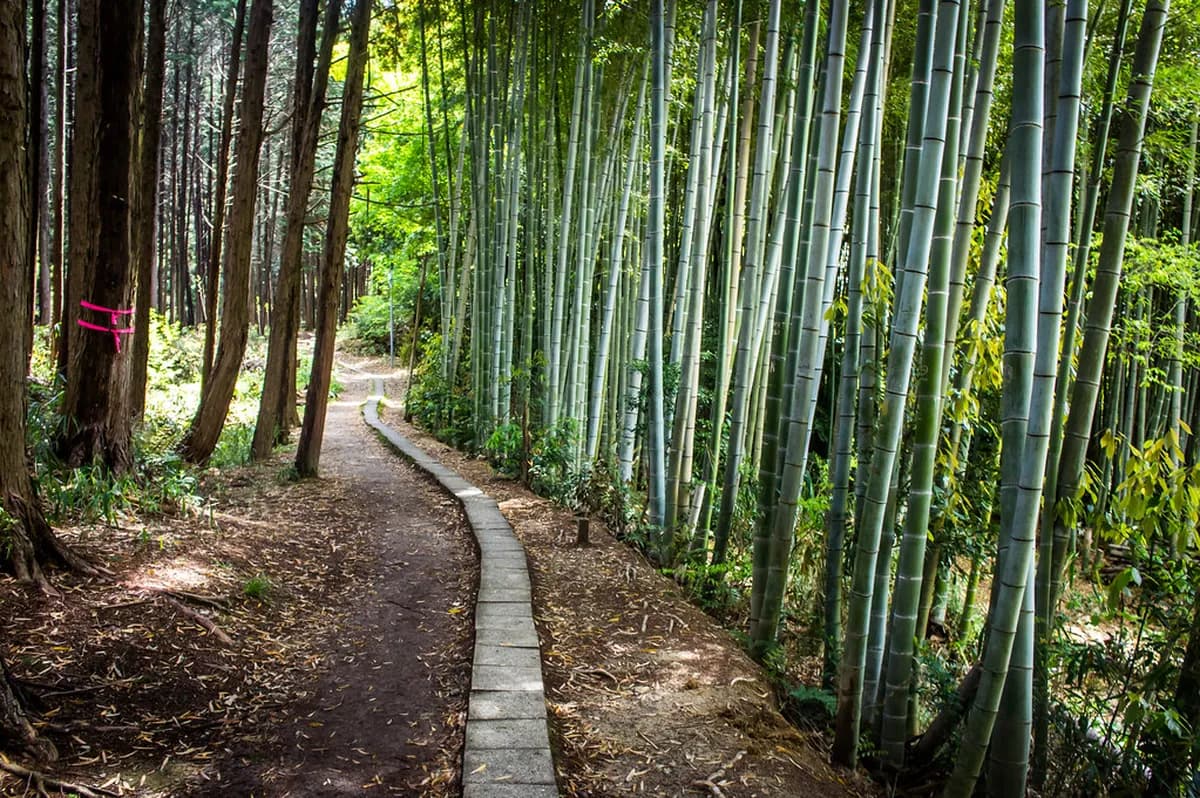
From Kiyomizu-dera, walk north through Sannenzaka and Ninenzaka slowly. These stone-paved lanes are best before the shops open, when the wooden buildings and paper lanterns create an atmosphere close to what old Kyoto actually felt like. Continue to Kodai-ji Temple (¥600, opens 09:00) for its raked rock garden and a small bamboo grove that most visitors overlook in favor of Arashiyama. Kennin-ji Temple, Kyoto's oldest Zen temple, is a ten-minute walk north and worth 45 minutes for its famous twin dragon ceiling painting.
Spend the afternoon near Gion. Walk Hanamikoji-dori at dusk when the machiya townhouses glow under lantern light. The Gion-Shirakawa canal area, just east of Hanamikoji, is quieter and equally photogenic. Note that new 2026 regulations prohibit entry into narrow private alleys in Gion with fines up to ¥10,000 — respect the signage. Book dinner in Pontocho alley ahead of time; walk-in kaiseki is nearly impossible at well-rated spots.
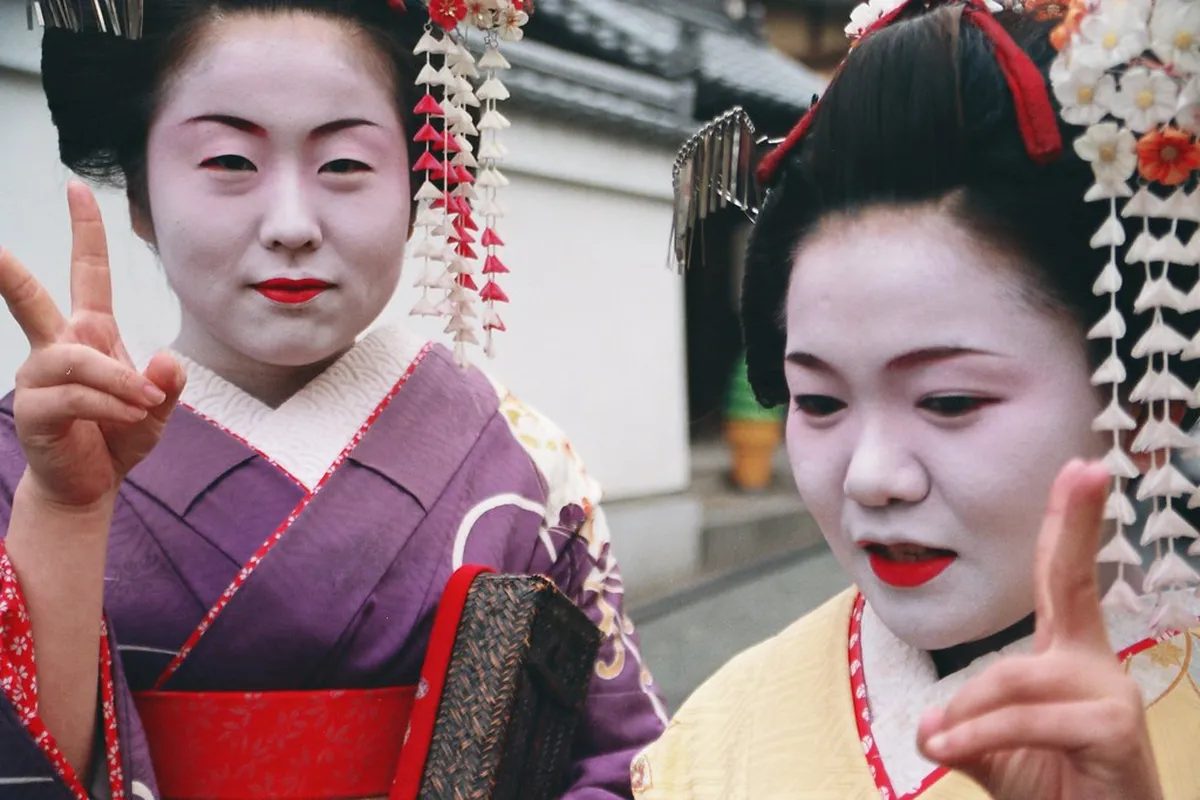
Gion residents have requested that tourists stay out of narrow private alleys and avoid photographing geishas. 2026 enforcement is strict with fines up to ¥10,000. Signage marks restricted zones clearly — follow it to protect this historic district's accessibility for future visitors.
- 06:00–09:00: Kiyomizu-dera and Sannenzaka/Ninenzaka
- 09:30–12:00: Kodai-ji Temple and Kennin-ji
- 13:00–15:00: Nishiki Market street food
- 17:00–20:00: Gion walk and Pontocho dinner
- Transport: Almost entirely walkable from a Gion or Downtown base
Day 2: Arashiyama and the Golden Pavilion
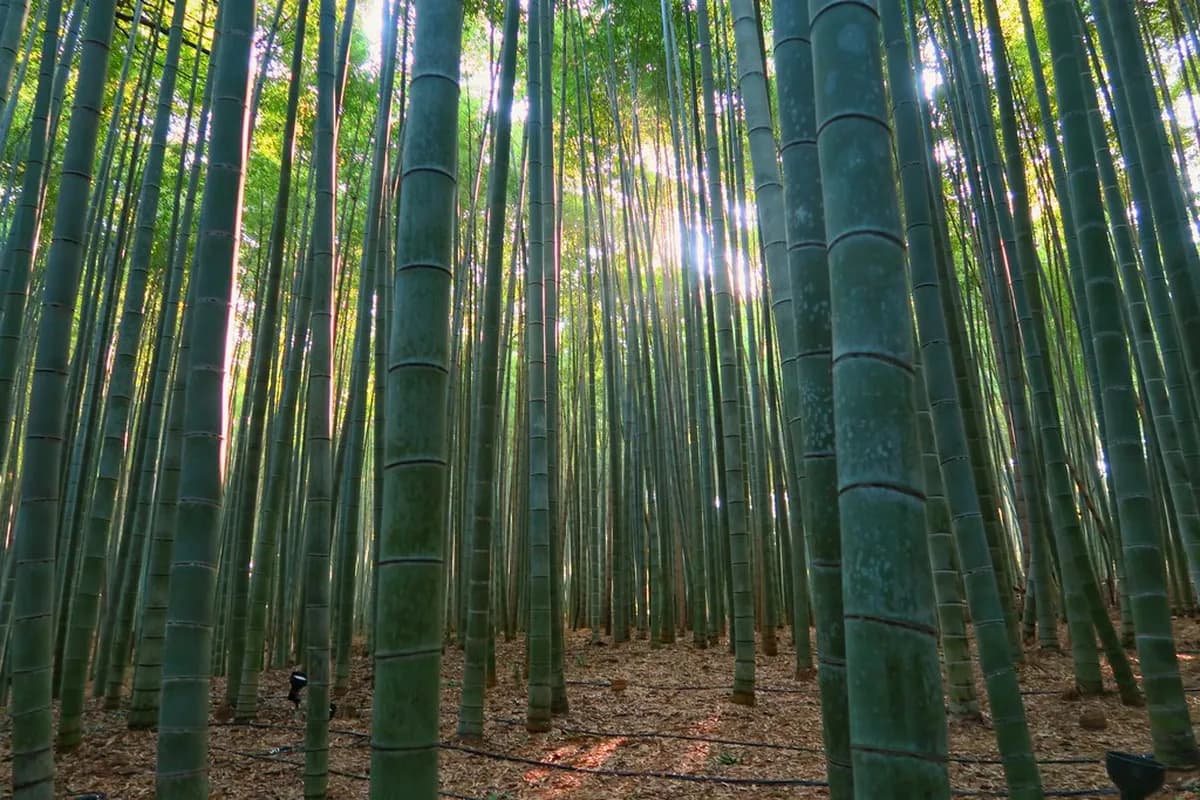
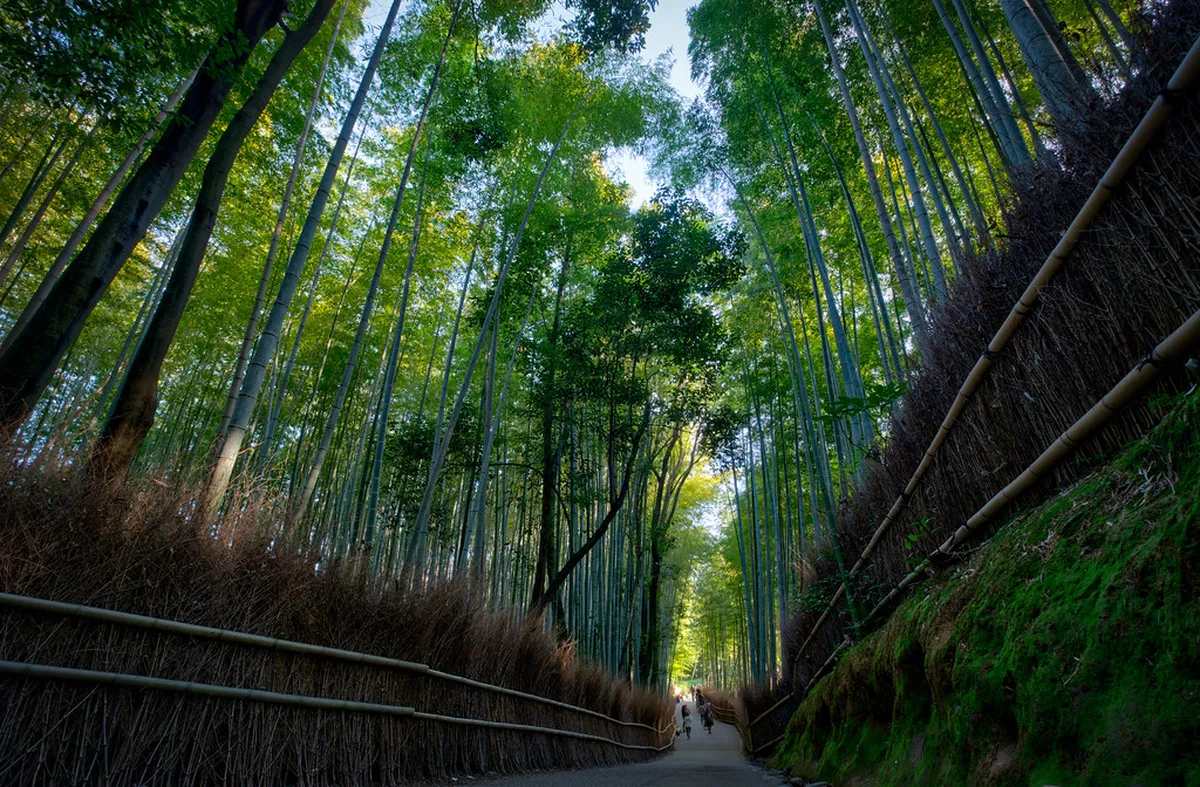
Take the JR Sagano Line from Kyoto Station to Saga-Arashiyama Station (¥240, about 15 minutes). Aim to arrive at the Bamboo Grove by 07:30. The grove is free, open 24 hours, and roughly 500 meters long — compact but visually striking when the morning light filters through the canopy. By 09:00 it is shoulder-to-shoulder; the early start is non-negotiable.
After the bamboo, walk five minutes to Tenryu-ji (¥500 garden only, ¥900 to include the main hall). The Zen garden here is one of the finest in Japan and backed by a designated scenic mountain landscape. Spend 45–60 minutes before crossing Togetsukyo Bridge for views of the Oi River. Lunch is available at the small restaurants along the Arashiyama village street — tofu cuisine and soba are the local specialties.
In the afternoon, travel by bus or taxi to Kinkaku-ji (the Golden Pavilion), which opens at 09:00 and costs ¥500. The pavilion itself cannot be entered, but the garden circuit around the pond takes about 30 minutes. Visiting in the mid-afternoon rather than the morning means fewer coaches but similar visitor numbers — book your transport early and time the walk-around for around 14:30 when tour buses rotate out. End the day at Nishiki Market for dinner if you skipped it on Day 1.
- 07:30–09:00: Arashiyama Bamboo Grove
- 09:00–11:00: Tenryu-ji garden
- 11:30–13:30: Togetsukyo Bridge and Arashiyama lunch
- 14:30–16:00: Kinkaku-ji
- 18:00–20:00: Nishiki Market or Downtown Kyoto dinner
- Transport: JR Sagano Line to Arashiyama; bus or taxi to Kinkaku-ji
Day 3: Fushimi Inari and Nara Day Trip
Fushimi Inari Taisha is free and never closes, making it ideal for a 06:00 start. Take the JR Nara Line from Kyoto Station to JR Inari Station (¥150, 5 minutes) — do not confuse this with Fushimi-Inari Station on the Kintetsu line, which is further away. The lower torii gate section takes 30–45 minutes. The full summit hike (Yotsutsuji viewpoint and back) adds another 90 minutes and is far less crowded than the lower gates.
By 09:30, board the JR Nara Line from JR Inari or Kyoto Station toward Nara. The rapid service reaches JR Nara Station in about 45 minutes (¥720). From the station, Nara Park and Todai-ji Temple are a 20-minute walk east. The park's famous sika deer roam freely and will bow for shika senbei crackers (¥200 from vendors). Deer cracker sellers start around 09:00; arrive before then and the deer are still wandering but don't perform. Check this Nara Day Trip from Kyoto: The Ultimate 1-Day Itinerary guide for specific logistics and temple timings.
Return to Kyoto by 16:00 to allow time for souvenir shopping around Kyoto Station. The station's underground Porta shopping mall and the Isetan department store basement food hall are both excellent for packaged Kyoto sweets and pickles. A final dinner in Pontocho or Gion closes out the three days well.
- 06:00–09:00: Fushimi Inari Taisha (lower gates + optional summit)
- 09:30–15:30: Nara Park, Todai-ji Temple, and Naramachi shopping
- 16:00–18:00: Kyoto Station souvenir shopping
- 19:00: Farewell dinner in Pontocho
- Transport: JR Nara Line throughout; IC card covers all fares
Preventing Temple Burnout: How to Choose Wisely
Temple fatigue is as real in Kyoto as museum fatigue in Paris. After your fourth or fifth incense burner and raked gravel garden, they start to blur together. The key is front-loading the temples with the highest visual contrast and cutting the ones that feel redundant once you're on the ground.
Here is how I rank the main options for a first-timer's three-day window. Kiyomizu-dera wins on panoramic views and iconic architecture — it is irreplaceable. Tenryu-ji wins for garden quality and mountain backdrop. Kennin-ji wins for calm atmosphere and the dragon ceiling that most visitors miss. Kinkaku-ji wins for the gold-on-water reflection that is genuinely unlike anything else. These four are the non-negotiables. Everything else — Ginkaku-ji (Silver Pavilion), Ryoan-ji's rock garden, Nijo Castle's nightingale floors — is excellent but better saved for a return trip or a four-day itinerary.
The Philosopher's Path (Tetsugaku-no-Michi) is frequently listed on three-day plans and consistently cut once travelers realize it requires a separate transit journey north and adds two more temple stops at Nanzen-ji and Ginkaku-ji. If you find energy at the end of Day 1, a walk along the Shirakawa canal in Gion scratches a similar "quiet, scenic, pedestrian" itch without the extra transit. Save the Philosopher's Path for a return visit with more time.
What to Eat: Kyoto's Culinary Highlights
Kyoto cuisine (kyo-ryori) emphasizes restraint, seasonal vegetables, and tofu over protein-heavy dishes. The city's most famous dining style is kaiseki — a multi-course progression of small dishes that mirrors the aesthetic of a Zen garden. High-end kaiseki restaurants in Gion cost ¥15,000–¥30,000 per person and require reservations two to four weeks ahead. For a more accessible version, lunch kaiseki sets at several Gion restaurants run ¥3,000–¥5,000.
Budget options are excellent. Nishiki Market runs along a narrow covered arcade near Kawaramachi and functions as a street food corridor. Try grilled skewers of mochi, Kobe beef sample cuts, pickled vegetables (tsukemono), and flights of local sake from the stalls. Eating while walking is considered bad manners in Japan — finish snacks at the stall or step aside before moving on.
- Breakfast: Convenience store onigiri and canned coffee (FamilyMart, 7-Eleven, Lawson) are cheap and genuinely good — ¥300–¥600 for a full breakfast
- Lunch: Tofu cuisine in Arashiyama, soba near Nanzen-ji, or udon in the covered arcades near Kawaramachi (¥800–¥1,500)
- Dinner: Pontocho alley for mid-range options with river views; Gion for higher-end kaiseki; Downtown Kyoto for ramen and izakaya at normal prices
- Matcha: Uji matcha soft serve at Nishiki stalls and standalone cafes in Higashiyama are the best quick hit without a day trip to Uji
Reserve Tickets Early: 2026 Booking Guide
The 2026 travel season sees significant lingering demand from the Osaka Expo. Book Shinkansen seats at least 30 days before your trip. Popular morning departures between Tokyo and Kyoto (06:00–09:00) sell out first. Use the SmartEX app to manage reservations digitally from your home country before departure.
High-end ryokans require booking six months in advance for cherry blossom and autumn foliage periods. Many traditional inns have only four to eight rooms and fill entirely through repeat guests and travel agencies. I recommend checking availability early if you want a private onsen experience. Refer to my 10 Best Ryokan in Kyoto 2026: The Ultimate Guide list for top-rated options across budget levels.
Popular restaurants in Gion now require reservations two to four weeks ahead. Highly rated kaiseki establishments rarely accept walk-ins. Many temples also offer special night illuminations (Kiyomizu-dera's autumn lighting is particularly famous) that require separate timed tickets purchased well in advance through the temple's official website. Always verify current operating hours and ticket requirements before visiting — some sites updated their pricing for 2026.
Where to Stay: Best Neighborhoods for 3 Days
Choosing the right base is critical for a short three-day visit. Kyoto Station is the most practical area for those arriving by Shinkansen. It offers direct access to the JR Nara Line (for Fushimi Inari and Nara), the municipal subway, and the main bus terminal. You can find many 8 Best Areas and Hotels in Kyoto 2026 within walking distance of the station in every price bracket.
Gion provides a more traditional atmosphere with its historic wooden machiya buildings. The quiet streets after 21:00, when day-trippers have left, are a genuine reward for staying here. Prices in Gion are typically 30–50% higher than equivalent rooms near Kyoto Station. Consider the Wander Kyoto Nanajo Accommodation for a well-reviewed mid-range option close to the Gion-Shijo subway station.
Downtown Kyoto near Shijo-Kawaramachi is the best balance of transit access and atmosphere. It is a 10-minute walk to Gion, close to Nishiki Market, and well-connected to the Hankyu and Keihan lines. Boutique hotels in this neighborhood offer modern comforts at competitive rates. The area stays lively until midnight, making it easy to extend evening plans without worrying about last trains.
How to Get Around Kyoto
Digital IC cards (Suica or Pasmo loaded on your smartphone via Apple Wallet or Google Pay) are the essential tool for 2026 travel. Physical IC cards remain in short supply at station kiosks — set up the mobile version before leaving home. The card covers subway lines, JR local trains within the city, most buses, and convenience store purchases.
The subway network (Karasuma and Tozai lines) is fast and avoids traffic. Buses connect areas the subway doesn't reach, including Kinkaku-ji and Ryoan-ji, but can get severely delayed during peak hours. The JR Sagano Line is the fastest route to Arashiyama. The JR Nara Line connects Kyoto Station to Fushimi Inari (JR Inari Station) and Nara in one direct route.
Taxis are available but expensive — a cross-city ride can cost ¥1,500–¥2,500. Walking is viable within each neighborhood cluster (Southern Higashiyama, Gion, and Arashiyama are all walkable internally), but inter-district travel requires transit. Bicycle rental (around ¥1,000–¥1,500/day from shops near Kyoto Station) is viable in autumn and spring but difficult in summer heat or rainy season.
Add an Extra Day: Day-Trip Add-On
If you have more time, consider a trip to Uji. This small city is famous for its high-quality matcha and tea ceremonies. Byodo-in Temple is a stunning UNESCO site located just 20 minutes away by JR or Kintetsu train from Kyoto. Uji is noticeably quieter than central Kyoto during peak season and worth a half-day excursion.
Nature lovers should explore the Kurama and Kibune hiking trail. The walk takes about two to three hours through beautiful mountain forests north of Kyoto. You can end your hike with a soak in a local onsen or with riverside dining at one of Kibune's famous kawadoko restaurants (elevated platforms over the river, open May–September). This route offers a genuine escape from the urban centers and is rarely mentioned in standard three-day guides.
Essential Kyoto Travel Tips for 2026
Digital IC cards like Suica or Pasmo are essential for 2026 travel. Physical cards are often in short supply at station kiosks, so add yours to your smartphone wallet before arriving in Japan. This allows seamless tapping at train gates and on local buses without fumbling for cash or cards.
Respecting local etiquette in Gion is more important than ever in 2026. New regulations prohibit photography in certain private alleys to protect residents, with fines of ¥10,000 enforced. Strict signage marks restricted zones throughout the district. Always follow these rules — non-compliance is the fastest way to damage the tourism relationship that keeps these areas accessible.
Carry a small bag for your trash as public bins are rare outside convenience stores. Most convenience stores accept trash for items purchased at their shop. Bring a reusable water bottle — Kyoto has several public fountains and temple grounds with drinking water where you can refill. During summer, portable fans and neck cooling towels (available at any 100-yen shop) make long temple walks significantly more comfortable.
Frequently Asked Questions
Is 3 days in Kyoto enough?
Three days allows you to see the main highlights like Gion, Arashiyama, and Fushimi Inari. You will need to move quickly and start your days early. I recommend focusing on one major district per day.
How do I get around Kyoto in 2026?
The subway and JR trains are the fastest ways to avoid traffic. Buses are useful but can get very crowded during peak hours. Use a digital IC card for easy payments on all transport.
What is the best time to visit Kyoto?
Spring and autumn offer the most beautiful scenery with blossoms and foliage. However, these seasons are also the busiest for tourism. Consider visiting in late winter for fewer crowds and lower prices.
Kyoto is a city that rewards those who plan ahead and wake up early. Following this kyoto 3 day itinerary 2026 will help you see the best sites. I hope these tips make your journey through Japan's cultural heart memorable. Enjoy the unique blend of ancient tradition and modern convenience in Kyoto.
Free: The Kyoto Essentials guide
Top things to do, where to stay, a perfect day plan, getting around, and the best time to go — a Kyoto mini-guide you can take offline.
You might also like


Continue reading
More guides you'll find useful